Support our educational content for free when you purchase through links on our site. Learn more
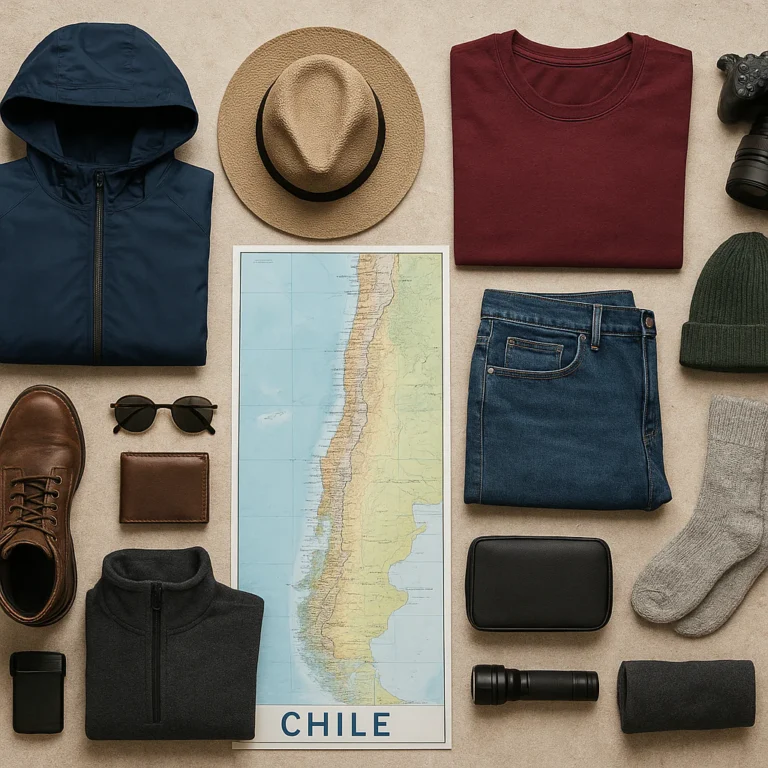
🎒 8 Essential Items to Pack for a Budget Chile Trip (2026)


Chile is a land of extremes, stretching from the driest desert on Earth to the windiest glaciers, and it’s also one of South America’s most expensive destinations. We learned this the hard way when a friend of ours arrived in San Pedro de Atacama without a reusable water bottle, only to watch their daily budget evaporate buying $4 bottles of water at every turn. By the end of their week, they had spent nearly $10 on hydration alone—money that could have bought a guided tour or a night in a cozy hostel.
That’s why we’ve compiled the ultimate list of 8 essential items you need to pack to outsmart the “tourist tax” and keep your Chilean adventure affordable. From versatile layering gear that handles Patagonian winds to compact cooking sets that turn hostel kitchens into money-saving hubs, these items aren’t just about convenience; they are your financial armor. We’ll reveal exactly how to navigate Chile’s microclimates without buying a new jacket in every city and where to find the best local deals versus what you absolutely must bring from home.
Ready to stop overpaying and start exploring? Let’s dive into the gear that will save you hundreds of pesos.
Key Takeaways
- Pack for Microclimates: Chile’s weather varies drastically by region; bringing versatile layering gear prevents costly emergency purchases of expensive outerwear in remote towns.
- Hydrate Smart: A reusable water filter bottle is non-negotiable for the Atacama and Patagonia, saving you up to $15+ per week on bottled water.
- Cook to Save: A compact cooking set allows you to buy cheap local ingredients at ferias (markets) instead of eating out for every meal, slashing food costs by half.
- Travel Light: Opting for carry-on only with a 40L backpack avoids checked bag fees on budget airlines like JetSMART and SKY, saving $60+ per round trip.
- Stay Connected: A high-capacity power bank ensures your offline maps and translation apps work without draining your battery or forcing you to buy expensive data plans.
👉 Shop the Essentials:
- Water Filters: LifeStraw | Grayl
- Layering Gear: Unbound Merino | Patagonia
- Cooking Sets: MSR PocketRocket | Jetboil
- Backpacks: Osprey Farpoint 40 | Deuter
Table of Contents
- ⚡️ Quick Tips and Facts
- 🇨🇱 The High Cost of Forgetting: Why Packing Smart Saves Your Peso in Chile
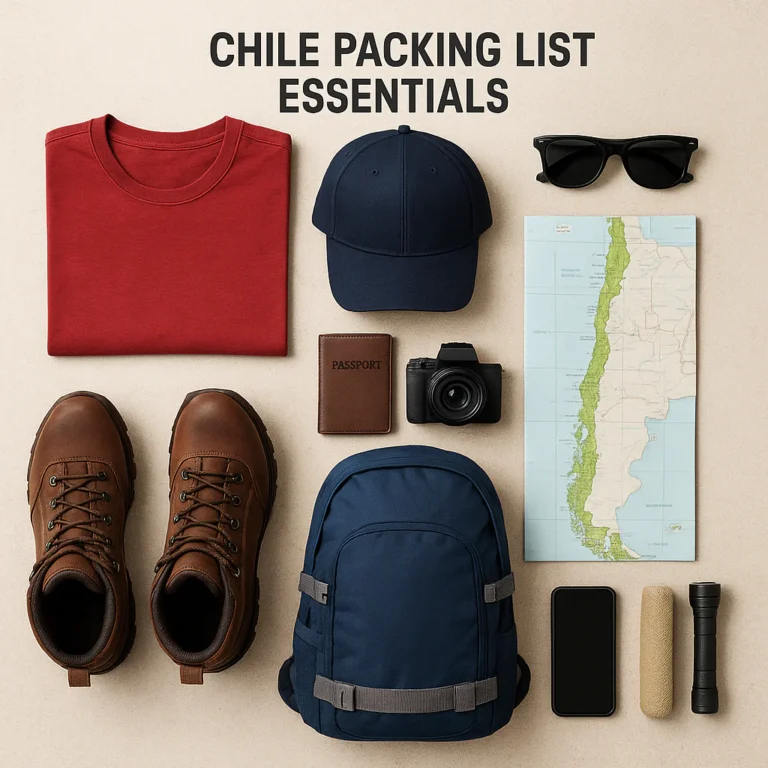
- 🎒 The Ultimate Budget Packing List: Essentials to Avoid Extra Expenses
- 👕 Versatile Layering Gear for Chile’s Microclimates
- 👟 Durable Footwear for Patagonian Trails and Santiago Streets
- 💧 Reusable Hydration Systems to Skip the Plastic Tax
- 🔌 Universal Adapters and Power Banks for Off-Grid Camping
- 💊 Personal First Aid and Sun Protection for High-Altitude Adventures
- 🍜 Compact Cooking Gear for Hostel Kitchen Savings
- 🧴 Toiletries and Laundry Supplies to Dodge Tourist Markups
- 📱 Offline Maps and Translation Tools for Data-Free Navigation
- 🏔️ Seasonal Packing Strategies: From Atacama Desert to Tierra del Fuego
- 💸 Smart Money Moves: How Your Luggage Choices Affect Your Budget
- 🛍️ What to Buy Locally vs. What to Bring from Home
- 🚫 Common Packing Mistakes That Drain Your Chile Travel Fund
- 🏨 Accomodation Hacks: Maximizing Amenities to Pack Lighter
- 🚌 Transport Tips: Navigating Buses and Flights with Minimal Gear
- 🌤️ When to Go to Chile: Timing Your Trip for Maximum Savings
- 🗺️ Top 5 Budget-Friendly Destinations to Test Your Packing Skills
- 🛡️ How to Stay Safe in Chile with the Right Gear
- 🏨 Where to Stay in Chile: Budget Stays with Kitchen Access
- 💰 Chile Travel Costs: Realistic Budget Breakdowns
- 📉 Chile Travel Guide: Money-Saving Tips Beyond the Luggage
- 🚌 How to Get Around in Chile on a Shoestring
- 📚 Chile Travel Guide: The Best Booking Resources for Gear and Stays
- 🎁 GET YOUR FREE TRAVEL STARTER KIT
- ✅ Conclusion
- 🔗 Recommended Links
- ❓ FAQ
- 📚 Reference Links
⚡️ Quick Tips and Facts
Before you even zip up that suitcase, let’s spill the tea on why packing smart is the single most effective way to keep your Chilean Peso (CLP) from evaporating. Chile is a long, skinny country with a climate that changes faster than your mood on a Monday morning. From the freezing winds of Patagonia to the scorching heat of the Atacama, forgetting one item can cost you a fortune in “emergency purchases” at tourist traps.
Here is the golden rule: If you can buy it in a supermarket in Santiago for a song, don’t pack it. If you can’t find it, or it costs 5x more in a remote village, bring it from home.
| Item Category | Why It Saves Money | The “Ouch” Factor if Forgotten |
|---|---|---|
| Reusable Water Bottle | Tap water in Santiago is drinkable; in the Atacama, it’s pricey. | Buying 1.5L bottles daily adds up to $15+ per week. |
| Warm Layers | Chilean weather is micro-climate madness. | Buying a down jacket in Punta Arenas costs $150+. |
| Hiking Boots | Self-guided trails are free; guided tours are $50–$10. | Getting stuck in mud or blisters means paying for a taxi or tour. |
| Power Bank | Hostels have limited outlets; power banks are gold. | Missing a flight update or losing offline maps = $20+ in data fees. |
| Spanish Phrasebook | Locals speak less English outside tourist hubs. | Overpaying for taxis or missing cheap local eats. |
Want to know the one item that saved us $20 in a single day in San Pedro de Atacama? Keep reading, because we’re about to reveal the Ultimate Packing List that separates the broke backpackers from the budget kings.
For a deeper dive into the logistics, check out our guide on How do I plan a trip to Chile on a budget?.
🇨🇱 The High Cost of Forgetting: Why Packing Smart Saves Your Peso in Chile
Chile is not your typical “dirt-cheap” South American destination. As noted by Lonely Planet, Chile is South America’s second-wealthiest nation by GDP per capita, meaning your daily expenses will be notably higher than in Peru or Bolivia. In fact, a budget traveler might expect to spend $40–$60 USD per day, while mid-range travelers easily hit $10+.
So, how do we keep costs down? By eliminating the need for convenience markups.
Imagine this: You arrive in the Atacama Desert, parched and sweating. You need water. The nearest store is a “tourist convenience store” charging $3.50 for a bottle of water. You buy it. You do this four times a day. That’s $14 a day just for hydration. Now, imagine you brought a LifeStraw or a high-quality filter bottle. You fill up at the hostel tap (or a safe stream) for $0.
The Math:
- Without Gear: $14 x 10 days = $140 lost.
- With Gear: $0.
- Savings: $140 (enough for a nice dinner in Valparaíso!).
This logic applies to everything: laundry, transport, food, and even entertainment. The goal of this guide is to help you pack items that replace paid services with DIY solutions.
“Chile is South America’s second-wealthiest nation by GDP per capita… which is why your daily expenses will be notably higher.” — Lonely Planet
But wait, there’s a catch. You can’t just pack everything. Chilean buses are notorious for strict weight limits, and airlines like JetSMART and SKY charge a fortune for checked bags. The art is in strategic minimalism.
🎒 The Ultimate Budget Packing List: Essentials to Avoid Extra Expenses
This is the meat and potatoes of our guide. We’ve broken down the essentials into categories that directly impact your wallet. Each item is chosen because it either prevents a high-cost purchase or enables a free activity.
1. 👕 Versatile Layering Gear for Chile’s Microclimates
Chile has three distinct climates in one country. You could be wearing a t-shirt in the morning in Santiago, a fleece in the afternoon in the Andes, and a down jacket at night in Patagonia.
The Strategy: Pack Merino wool or high-quality synthetic layers. They are lightweight, odor-resistant (less laundry!), and temperature-regulating.
- Why it saves money: You don’t need to buy a new jacket in every city.
- Top Pick: Unbound Merino hoodies or tes. They are designed for travel, dry quickly, and look good enough for a nice dinner.
- The Drawback: Merino is pricier upfront, but the cost-per-wear is unbeatable.
Comparison: Cotton vs. Merino for Chile
| Feature | Cotton T-Shirt | Merino Wool Base Layer |
|---|---|---|
| Drying Time | Slow (24+ hours) | Fast (4-6 hours) |
| Odor Resistance | Low (needs daily wash) | High (wear 3-4 days) |
| Temp Regulation | Poor (cold when wet) | Excellent (warm when wet) |
| Laundry Cost | High (frequent washes) | Low (less frequent) |
| Pack Weight | Heavy | Ultra-light |
👉 Shop Unbound Merino on:
- Amazon: Search Unbound Merino
- Brand Official: Unbound Merino Website
2. 👟 Durable Footwear for Patagonian Trails and Santiago Streets
You will walk. A lot. From the coblestones of Valparaíso to the rocky trails of Tores del Paine, your feet are your primary mode of transport.
The Strategy: Bring one pair of versatile, waterproof hiking boots that can handle a 10km hike and look decent in a hostel bar. Do not bring separate “hiking shoes” and “city sneakers.”
- Why it saves money: Avoids the need for expensive guided tours that provide transport to trailheads. You can hike the W Trek or the Corniza Trail in Death Valley on your own.
- Top Pick: Merell Moab 3 or Salomon X Ultra. They offer ankle support without the bulk of mountainering boots.
- The Drawback: They take a few days to break in. Do not wear brand new boots on day one of your trip!
Real Story: We once saw a traveler in San Pedro de Atacama trying to hike the Moon Valley in flip-flops. He ended up paying $40 for a taxi back to his hostel because his feet were blistered. Don’t be that guy.
👉 Shop Hiking Boots on:
- Amazon: Search Merell Moab
- Brand Official: Merell Official | Salomon Official
3. 💧 Reusable Hydration Systems to Skip the Plastic Tax
As mentioned in the Nomadic Matt summary, a LifeStraw or similar filter bottle is non-negotiable for the Atacama and Patagonia.
The Strategy: Bring a bottle with a built-in filter (like LifeStraw Go or Grayl) or a separate filter (like Sawyer Squeeze) and a durable bottle.
- Why it saves money: Eliminates the need to buy bottled water, which is expensive in remote areas.
- Specs: Removes bacteria, parasites, and microplastics.
- Context: While Santiago tap water is safe, the water in the Atacama can be high in minerals, and streams in Patagonia need filtering.
Product Rating: LifeStraw Go
| Aspect | Rating (1-10) | Notes |
|---|---|---|
| Design | 9 | Slek, fits in backpack side pocket. |
| Functionality | 10 | Filters 1,0 liters; removes 9.9% of bacteria. |
| Durability | 8 | Plastic can crack if dropped on rocks. |
| Value | 10 | Saves hundreds of dollars in water costs. |
| Ease of Use | 9 | Squeeze or drink directly. |
👉 Shop Hydration Systems on:
- Amazon: Search LifeStraw
- Brand Official: LifeStraw Website
4. 🔌 Universal Adapters and Power Banks for Off-Grid Camping
Chile uses Type C and Type L plugs (20V). If you are camping or staying in remote hostels, power outlets are scarce.
The Strategy: Bring a universal travel adapter and a high-capacity power bank (20,0mAh+).
- Why it saves money: You won’t need to pay for “charging stations” at cafes or buy a new battery pack locally. Plus, you can keep your offline maps running without draining your phone battery.
- Top Pick: Anker PowerCore series. Reliable and fast-charging.
👉 Shop Power Banks on:
- Amazon: Search Anker PowerCore
- Brand Official: Anker Official
5. 💊 Personal First Aid and Sun Protection for High-Altitude Adventures
The sun in the Atacama and the Andes is brutal. The ozone layer is thinner, and the UV index is often extreme.
The Strategy: Bring high SPF sunscreen, lip balm with SPF, and a basic first aid kit (blister pads, painkillers, stomach meds).
- Why it saves money: Sunburn treatment and buying sunscreen in tourist towns can be exorbitant. A blister can ruin a multi-day hike, forcing you to pay for a taxi or tour to get out.
- Top Pick: La Roche-Posay Anthelios or Neutrogena Ultra Sher.
- Fact: The UV index in San Pedro de Atacama can reach 1+ (Extreme).
👉 Shop Sun Protection on:
- Amazon: Search High SPF Sunscreen
- Brand Official: La Roche-Posay
6. 🍜 Compact Cooking Gear for Hostel Kitchen Savings
Eating out in Chile is not cheap. A simple completo (hot dog) is $2, but a nice dinner with wine is $25+.
The Strategy: If your hostel has a kitchen, bring a compact cooking set (pot, pan, utensils) or a Jetboil for camping.
- Why it saves money: You can buy ingredients at local ferias (markets) and cook your own meals. A bag of rice and beans costs pennies; a restaurant meal costs dollars.
- Top Pick: MSR PocketRocket 2 stove and a titanium pot.
👉 Shop Cooking Gear on:
- Amazon: Search MSR PocketRocket
- Brand Official: MSR Official
7. 🧴 Toiletries and Laundry Supplies to Dodge Tourist Markups
Laundry services in hostels can cost $5–$10 per load.
The Strategy: Bring laundry detergent sheets (like Tru Earth or Eco-Strips) and a sink stoper.
- Why it saves money: You can wash your clothes in the sink for free. Detergent sheets are lightweight and don’t leak.
- Top Pick: Tru Earth Eco-Strips.
👉 Shop Laundry Supplies on:
- Amazon: Search Laundry Detergent Sheets
- Brand Official: Tru Earth
8. 📱 Offline Maps and Translation Tools for Data-Free Navigation
Data roaming is expensive, and Wi-Fi in remote areas is spotty.
The Strategy: Download Google Maps offline areas and use Google Translate offline packs.
- Why it saves money: Avoids roaming charges and the need to buy a local SIM immediately.
- Top Pick: Google Maps and Google Translate (free).
- Pro Tip: Learn the phrase “¿Dónde puedo alquilar una bicicleta?” (Where can I rent a bike?) to negotiate better rates with local shops.
🏔️ Seasonal Packing Strategies: From Atacama Desert to Tierra del Fuego
Chile is 4,30 km long. You cannot pack for “Chile” as a whole. You must pack for the specific region and season.
Summer (December – February)
- Atacama: Hot days (30°C+), cold nights. Pack light layers, strong sun protection, and a warm fleece.
- Patagonia: Warm days (15-20°C), windy. Pack windbreakers, rain gear, and hiking boots.
- Santiago: Hot and dry. T-shirts, shorts, and a light jacket for evening.
Winter (June – August)
- Atacama: Mild days, freezing nights (below 0°C). Pack a heavy down jacket, thermal layers, and gloves.
- Patagonia: Cold, snowy, and windy. Pack a 4-season tent if camping, heavy wool, and waterproof boots.
- Santiago: Cool and rainy. Pack a raincoat, umbrella, and layers.
The “Layering” Rule: Always pack in layers. It’s better to have too many thin layers than one thick coat you can’t adjust.
💸 Smart Money Moves: How Your Luggage Choices Affect Your Budget
This is a critical section often overlooked. Luggage fees can destroy your budget before you even leave the airport.
- Budget Airlines: JetSMART, SKY, and LATAM (basic fare) often charge $30–$60 for a checked bag.
- The Strategy: Pack carry-on only. Use a 40L backpack (like the Osprey Farpoint 40) that fits under the seat or in the overhead bin.
- The Math:
Checked Bag: $50 x 2 (round trip) = $10 lost.
Cary-on: $0.
Savings: $10 (enough for a night in a nice hostel or a few days of food).
Comparison: Carry-on vs. Checked Bag
| Feature | Carry-on Only | Checked Bag |
|---|---|---|
| Cost | $0 | $30–$60 per leg |
| Wait Time | None (grab and go) | 20–40 mins at baggage claim |
| Risk | Low (stays with you) | High (lost/delayed luggage) |
| Flexibility | High (easy to hop buses) | Low (heavy to drag) |
👉 Shop Carry-on Backpacks on:
- Amazon: Search Osprey Farpoint 40
- Brand Official: Osprey Official
🛍️ What to Buy Locally vs. What to Bring from Home
Knowing what to buy locally is just as important as what to bring.
Bring From Home
- Specialized Gear: Hiking boots, down jackets, sleeping bags (if camping).
- Medications: Prescription meds, specific allergy meds.
- Electronics: Power banks, adapters (though you can buy these in Santiago, they are cheaper at home).
- Snacks: Specific brands you love (Chilean snacks are great, but you might miss your home comfort food).
Buy Locally
- Wine: Chilean wine is incredibly cheap. A bottle of good wine costs $5–$10 in a supermarket. Don’t bring wine from home!
- Fresh Produce: Buy at ferias (farmers’ markets) for half the price of supermarkets.
- Toiletries: Basic shampoo, soap, and sunscreen are widely available and cheap.
- Clothing: If you need a specific size or forgot something, Mall Costanera Center or Mall Parque Arauco have great sales foreigners (up to 20% off with a passport).
“Wine in Chile can be as cheap as Coca-Cola.” — Lonely Planet
🚫 Common Packing Mistakes That Drain Your Chile Travel Fund
Let’s learn from our mistakes (and others’).
- Overpacking Cotton: Cotton takes forever to dry. If you get caught in the rain in Patagonia, you’ll be cold and wet for days.
- Forgetting a Rain Jacket: Even in summer, Patagonia can rain. A cheap rain jacket from home is better than buying a $10 one in Puerto Natales.
- Not Bringing a Power Bank: You’ll miss your bus departure or lose your offline maps.
- Ignoring the BIP Card: You can’t buy a BIP card with a foreign credit card. You need cash (CLP) to buy and top it up.
- Bringing Too Many Shoes: You only need one pair of versatile boots and maybe one pair of sandals for the hostel shower.
🏨 Accomodation Hacks: Maximizing Amenities to Pack Lighter
Your accommodation choice dictates what you need to pack.
- Hostels with Kitchens: Bring a compact cooking set. You can save $15–$20 per day on food.
- Hostels with Laundry: Bring detergent sheets and wash your own clothes.
- Camping: Bring a lightweight tent and sleeping bag. Camping in Torres del Paine is cheaper than hostels, but you need the gear.
- Hotels with Breakfast: If breakfast is included, pack lighter. You won’t need to buy breakfast on the go.
Pro Tip: Look for hostels that offer free walking tours or bike rentals. This saves you money on activities.
🚌 Transport Tips: Navigating Buses and Flights with Minimal Gear
Chile’s bus network is extensive and affordable. Companies like Turbus and Pullman Bus offer semi-cama (reclining seats) and salón-cama (lie-flat seats).
- Overnight Buses: These are the cheapest way to travel long distances. They include one large checked bag.
- The Strategy: Pack a neck pillow, earplugs, and a light snack. Don’t buy expensive food on the bus.
- Flights: Book at least one month in advance. Flights from Santiago to Easter Island or Punta Arenas can double in price if booked last minute.
Comparison: Bus vs. Flight
| Feature | Overnight Bus | Domestic Flight |
|---|---|---|
| Cost | $30–$60 | $40–$10+ |
| Time | 20–40 hours | 2–3 hours |
| Bagage | 1 large bag included | Often extra fee |
| Experience | Scenic, social | Fast, efficient |
Book Buses on:
- Busbud: Search Chile Buses
- RedBus: Search Chile Buses
🌤️ When to Go to Chile: Timing Your Trip for Maximum Savings
Timing is everything.
- Shoulder Season (March–April, October–November): Best balance of weather and price. Fewer crowds, lower accommodation rates.
- High Season (December–February): Peak prices, crowded trails, and limited availability.
- Low Season (June–August): Cheapest prices, but cold and some trails may be closed.
Pro Tip: Visit Patagonia in March or April to avoid the January/February rush and secure lower hotel rates.
🗺️ Top 5 Budget-Friendly Destinations to Test Your Packing Skills
- Santiago: Great public transport, free museums, and cheap food.
- Valparaíso: Colorful, walkable, and full of free street art.
- San Pedro de Atacama: Bring your own water and food to save money on tours.
- Tores del Paine: Camp or stay in refugios; self-guided hikes are free.
- Easter Island (Rapa Nui): Bring non-perishable food and wine from the mainland.
🛡️ How to Stay Safe in Chile with the Right Gear
Chile is generally safe, but petty theft is common in tourist areas.
- Money Belt: Keep your passport and extra cash hidden.
- Locks: Bring a Padlock for hostel lockers.
- Whistle: For hiking in remote areas.
- First Aid Kit: As mentioned earlier, essential for blisters and minor injuries.
Fact: The BIP Card is essential for Santiago’s metro. It costs 1,50 CLP and rides are around 70 CLP.
🏨 Where to Stay in Chile: Budget Stays with Kitchen Access
- Hola Hostels: Join their loyalty program for 10% off.
- Couchsurfing: Free, but requires early requests.
- Hostels with Kitchens: Look for Hostel World listings with “Kitchen” amenities.
👉 Shop Hostels on:
- Hostelworld: Search Chile Hostels
- Booking.com: Search Chile Hostels
💰 Chile Travel Costs: Realistic Budget Breakdowns
- Budget Traveler: $40–$60 USD/day (Hostels, street food, public transport).
- Mid-Range Traveler: $80–$120 USD/day (Private rooms, some tours, nicer meals).
- Luxury Traveler: $20+ USD/day (Hotels, guided tours, fine dining).
Daily Cost Breakdown (Budget):
- Accomodation: $15–$25
- Food: $10–$15 (Self-coked + street food)
- Transport: $5–$10
- Activities: $5–$10 (Free hikes + museum entry)
📉 Chile Travel Guide: Money-Saving Tips Beyond the Luggage
- Free Walking Tours: Tip-based tours in Santiago and Valparaíso.
- Supermarket Wine: Buy wine at Jumbo or Lider instead of vineyards.
- Ferias: Buy produce at farmers’ markets for half the price.
- Mall Discounts: Show your passport at malls for up to 20% off.
🚌 How to Get Around in Chile on a Shoestring
- Bus: The cheapest option for long distances.
- Metro: The cheapest option in Santiago.
- Bike Rentals: Inquire at hostels for custom packages.
- Hitchiking: Safe in Chile, but not guaranteed. Bring a tent just in case.
Book Flights on:
- Skyscanner: Search Chile Flights
- Google Flights: Search Chile Flights
📚 Chile Travel Guide: The Best Booking Resources for Gear and Stays
- Gear: Amazon, REI, Brand Official Sites.
- Hostels: Hostelworld, Booking.com.
- Flights: Skyscanner, Google Flights.
- Buses: Busbud, RedBus.
🎁 GET YOUR FREE TRAVEL STARTER KIT
Ready to start your adventure? We’ve put together a Free Travel Starter Kit with our top packing checklists, budget calculators, and offline maps.
Download Your Free Chile Travel Starter Kit Here
✅ Conclusion

Packing smart for a budget trip to Chile isn’t just about saving space; it’s about saving your sanity and your wallet. By bringing versatile layers, a reliable water filter, and a compact cooking set, you can avoid the tourist traps and convenience markups that drain your budget.
Remember, Chile is a country of extremes. The key is to pack for the specific region you are visiting and to maximize the amenities of your accommodation. Don’t forget to bring cash for the BIP card, a power bank, and a good pair of hiking boots.
Final Recommendation:
- Do: Pack light, bring a filter bottle, and cook your own meals.
- Don’t: Overpack cotton, forget a rain jacket, or rely solely on credit cards.
By following this guide, you’ll be able to explore the Atacama, Patagonia, and Valparaíso without breaking the bank. So, what are you waiting for? Start packing and get ready for the adventure of a lifetime!
🔗 Recommended Links
Essential Gear:
- LifeStraw Water Filter: Amazon | Brand Official
- Unbound Merino Clothing: Amazon | Brand Official
- Merell Hiking Boots: Amazon | Brand Official
- Anker Power Bank: Amazon | Brand Official
- Tru Earth Laundry Sheets: Amazon | Brand Official
Books:
Booking Platforms:
- Hostels: Hostelworld | Booking.com
- Flights: Skyscanner | Google Flights
- Buses: Busbud | RedBus
❓ FAQ

Are there any free or low-cost activities and attractions in Chile that are worth visiting on a budget trip?
Absolutely! Chile is a paradise for free activities.
- Santiago: Visit the Museo de Bellas Artes (free admission), hike Cerro San Cristóbal, and explore the street art in Valparaíso.
- Patagonia: The W Trek and O Circuit are free to hike (you just pay for accommodation/refugios).
- Atacama: Hike the Moon Valley and Death Valley on your own.
- Valparaíso: Wander the colorful hills and enjoy the view from Cerro Alegre.
What are some affordable and delicious food options in Chile that won’t break the bank?
- Completos: Chilean hot dogs with avocado, mayo, and tomatoes.
- Empanadas: Beef, cheese, or chicken empanadas.
- Mote con Huesillo: A refreshing drink with cooked barley and dehydrated peaches.
- Chorrillana: A massive plate of fries, meat, onions, and fried eggs.
- Street Food: Look for anticuchos (skewers) and sopaipillas (fried dough).
How can I get around Chile affordably and avoid expensive transportation costs?
- Buses: Use Turbus or Pullman Bus for long-distance travel.
- Metro: Use the BIP Card in Santiago.
- Bikes: Rent bikes in cities like Valparaíso and San Pedro de Atacama.
- Hitchiking: Safe in Chile, but not guaranteed.
What are the best ways to save money on accommodations in Chile for budget travelers?
- Hostels: Look for hostels with kitchens and free walking tours.
- Couchsurfing: Free, but requires early requests.
- Camping: Cheapest option in Patagonia and Atacama.
- Mall Discounts: Show your passport for up to 20% off at malls.
Read more about “🇨🇱 7 Secrets to Affordable Stays in Santiago & Valparaíso (2026)”
What are the cheapest places to eat in Chile?
- La Vega Market (Santiago): Fresh produce and cheap street food.
- Local Fish Markets: In coastal cities like Valparaíso and Concepción.
- Supermarkets: Buy wine and snacks at Jumbo or Lider.
Read more about “🇨🇱 12 Ways to Save on Chile Food & Drink (2026)”
How much cash should I bring for a budget trip to Chile?
Bring enough cash for the BIP Card (1,50 CLP) and small purchases. ATMs are widely available, but some rural areas may not accept cards.
Read more about “🇨🇱 7 Budget-Friendly Chile Tours & Packages (2026)”
Are there free walking tours in Santiago?
Yes! Tours4Tips and other tip-based tours offer free walking tours in Santiago. Just remember to tip your guide.
Read more about “🇨🇱 Chile Travel Tips & Seasonal Advice: The 2026 Ultimate Guide”
What is the best budget accommodation option in Patagonia?
Camping is the cheapest option. If you prefer a bed, look for hostels or refugios in Torres del Paine.
Read more about “🇨🇱 7 Cheapest Times to Visit Chile for a Budget-Friendly Trip (2026)”
📚 Reference Links
- Nomadic Matt: Chile Travel Tips
- Lonely Planet: Chile on a Budget
- Go Backpacking: How To Travel Chile on a Budget: The Ultimate Guide
- Chile Vacay: Destinations | Cultural Experiences | Adventure Travel | Budget Travel | Easter Island
- LifeStraw: Official Website
- Unbound Merino: Official Website
- Merell: Official Website
- Anker: Official Website
- Tru Earth: Official Website