Support our educational content for free when you purchase through links on our site. Learn more
🇨🇱 50 Unforgettable Things to Do in Chile (2026 Guide)

Forget the idea that Chile is just a long, thin strip of land; it is a vertical universe packed with 50 incredible things to do in Chile, ranging from the driest desert on Earth to the windiest glaciers in Patagonia. We once spent a night in the Atacama Desert where the silence was so heavy it felt like a physical weight, only to wake up and hike a volcano in the Lake District that same week—Chile demands you embrace its extreme diversity. Whether you are chasing the Milky Way in the north or hunting for penguins in the south, this guide covers every essential adventure, hidden gem, and cultural immersion you need for your 2026 journey.
Key Takeaways
- Plan by Region, Not Just Time: Chile’s 4,30 km length means you cannot do it all in one trip; focus on the Atacama, Central Valley, Los Lagos, or Patagonia separately.
- Pack for Every Climate: From scorching desert heat to freezing Patagonian winds, your luggage must include layering essentials for four distinct climate zones.
- Embrace the “Al Tiro” Vibe: Chilean culture moves fast; be ready for quick service, spontaneous plans, and the local slang that defines the experience.
- Safety First: While generally safe, pickpocketing in Santiago and Valparaíso requires vigilance, especially in crowded metro stations.
- Book Ahead for Patagonia: The W Trek and Circuit in Torres del Paine sell out months in advance; secure your refugio or campsite early.
Table of Contents
- ⚡️ Quick Tips and Facts
- 🌍 From Atacama to Patagonia: A Brief History of Chile’s Diverse Landscapes
- 🏜️ 15 Unforgettable Adventures in Northern Chile: Desert Stars and Salt Flats
- 🍷 12 Wine Tasting and Valley Explorations in Central Chile
- 🏔️ 18 Thrilling Treks and Lakeside Escapes in the Los Lagos Region
- 🧊 20 Wild Expeditions in Southern Chile and Patagonia: Glaciers, Fjords, and Wind
- 🏙️ 10 Urban Vibes and Cultural Immersions in Santiago and Beyond
- 🏝️ 8 Hidden Gems and Off-the-Beaten-Path Experiences Across Chile
- 🚐 7 Essential Road Trip Routes and Itineraries for Self-Drive Travelers
- 🏨 Where to Stay: Top Accomodations from Luxury Lodges to Eco-Cabins
- 🍽️ A Foodie’s Guide: Must-Try Chilean Dishes and Local Markets
- 🎒 Practical Travel Advice: Visas, Currency, Safety, and Best Times to Visit
- 💡 Thoughts on “Things To Do in Chile: 50 Incredible Experiences [2026]”
- 🏁 Conclusion
- 🔗 Recommended Links
- ❓ FAQ: Frequently Asked Questions About Traveling in Chile
- 📚 Reference Links
⚡️ Quick Tips and Facts
Before you pack your bags and start dreaming of Andean peaks and Patagonian winds, let’s hit the brakes for a second. Chile is a beast of a country, stretching over 4,30 kilometers (2,670 miles) from north to south, but it’s only about 17 kilometers (10 miles) wide at its widest point. Imagine a long, thin ship sailing down the western edge of South America! 🚢
Here is the lowdown you need to know before you even book that flight:
- Time Zones: Chile has four time zones! Mainland Chile, Easter Island, and the Magallanes region all operate on different schedules. Don’t be the traveler who misses their bus because they thought it was 2 PM when it was actually 4 PM.
- The Currency: The Chilean Peso (CLP). While credit cards are widely accepted in cities, cash is king in the remote corners of the Atacama and Patagonia.
- Safety: Generally safe, but pickpocketing is a real issue in Santiago’s metro and Valparaíso’s hills. Keep your valuables close and your wits sharper.
- Language: Spanish is the language, but get ready for Chilean Spanish, which is notoriously fast and full of slang like “polo” (boyfriend/girlfriend) or “al tiro” (right now).
- Best Time to Visit: It depends on where you go! Summer (Dec–Feb) is perfect for the north and Patagonia, while winter (June–Aug) is for skiing in the Andes.
For more on how we curate these experiences, check out our story at Chile Vacay.
| Feature | Detail | Why It Matters |
|---|---|---|
| Geography | 4,30 km long, 17 km wide | You can’t do it all in one trip; plan by region! |
| Climate | Desert, Mediterranean, Oceanic, Polar | Pack layers! It can be 30°C in the morning and 5°C by night. |
| Electricity | 20V, Type C/L plugs | Bring a universal adapter; outlets are different from the US. |
| Tipping | 10% is standard | Service charge is often included, but extra is appreciated. |
| Water | Tap water is generally safe in cities | Avoid in remote areas; stick to bottled water in the desert. |
Pro Tip: If you are planning a trip that spans the north and south, don’t try to do it in two weeks. You’ll spend more time on a bus than actually enjoying the view. We’ll break down the perfect itineraries later, but trust us on this one.
🌍 From Atacama to Patagonia: A Brief History of Chile’s Diverse Landscapes
How did a country end up with such extreme diversity? It’s not just luck; it’s geology, history, and a bit of luck with the wind.
Chile’s story begins with the Andes Mountains, a volcanic arc that runs the entire length of the country. These mountains are the spine of Chile, creating a natural barrier that separates the country from Argentina. To the west lies the Pacific Ocean, which moderates the climate in the central valley but creates the fogy, cool conditions of the south.
The Geological Rollercoaster
The Atacama Desert in the north is the driest nonpolar desert on Earth, formed by the rain shadow of the Andes and the cold Humboldt Current. Meanwhile, the Lake District and Patagonia were carved by massive glaciers during the last Ice Age, leaving behind the stunning fjords, lakes, and granite spires we see today.
“The land itself is a character in the story of Chile,” says our lead blogger, who once spent three days hiking in Torres del Paine and came back with a new respect for the raw power of nature.
A History of Isolation and Resilience
Chile’s isolation shaped its culture. The Mapuche people resisted Inca and Spanish conquest for centuries, leaving a lasting mark on the country’s identity. The Walt Disney of the Chilean landscape, Pablo Neruda, captured this spirit in his poetry, writing about the “long, thin ship” that is Chile.
Today, Chile is a modern, stable democracy with a rich cultural tapestry. From the Rapa Nui (Easter Island) statues to the wooden churches of Chiloé, every region tells a unique story.
Want to know how to navigate these diverse regions without getting lost? We’ll dive into the specific adventures in the next sections, but first, let’s talk about the North.
🏜️ 15 Unforgettable Adventures in Northern Chile: Desert Stars and Salt Flats
The North of Chile is a land of extremes. It’s where the sky touches the earth, and the silence is so profound you can hear your own heartbeat. If you are looking for stargazing, geysers, and otherworldly landscapes, this is your playground.
1. San Pedro de Atacama: The Gateway to the Desert
San Pedro is the hub for all things Atacama. It’s a charming adobe town with a laid-back vibe, perfect for aclimatizing to the high altitude (2,40m).
- Where to stay: We loved La Casa EcoExplor for its eco-friendly vibe and proximity to the bus station. For a splash of luxury, check out Sol y Luna Lodge.
- Must-try food: Quinoa ice cream and a Pisco Sour at sunset.
2. Moon Valley (Vale de la Luna)
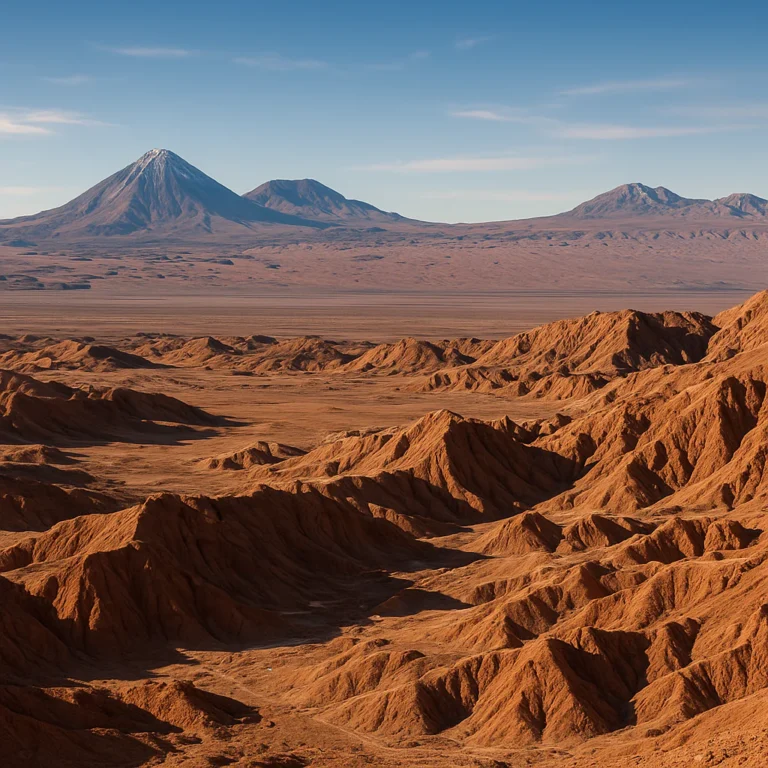
Just 13 km from San Pedro, this place looks like you’ve landed on Mars. The salt and clay formations are sculpted by wind and water over millennia.
- Best time to visit: Sunset. The colors shift from pink to purple, creating a magical atmosphere.
- How to get there: Rent a car (bring offline maps!) or book a GetYourGuide tour.
3. Lagunas Altiplánicas (Miscanti & Miñiques)
These two stunning blue lagons are surrounded by amber grass and copper mountains. It’s a photographer’s dream.
- Wildlife: Look for Andean flamingos wading in the shallow waters.
- Tip: The road can be rough; a 4×4 is recommended if you’re self-driving.
4. Piedra Rojas (Red Rocks)
A hidden gem! These red volcanic rocks contrast beautifully with the blue sky and green algae. It’s less crowded than Moon Valley and perfect for a quiet hike.
5. Chaxa Lake (Laguna Chaxa)
Part of the Lauca National Park, this salt lake is home to three species of flamingos. The reflection of the volcanoes in the water is breathtaking.
6. Geysers del Tatio
The highest geyser field in the world! At 4,30m, the steam rises into the cold morning air, creating a spectacular show.
- When to go: Early morning (around 6 AM) to see the geysers at their peak.
- What to bring: Warm clothes, a thermos, and a power bank (like the Anker PowerCore 2010mAh) to keep your camera charged.
7. Puritama Hot Springs
After a chilly morning at the geysers, relax in these natural hot springs nestled in a canyon. The water is a soothing 30°C.
8. Laguna Sejar (Salt Lake)
Float effortlessly in this salt lake, similar to the Dead Sea. It’s a unique experience you won’t forget.
9. Ojos del Salar
A stunning salt flat with a crystal-clear pool of water. It’s a great spot for a picnic and some stargazing at night.
10. Tebinquinche Lake
A sunset spot where you can enjoy a Pisco Sour while watching the sun dip below the horizon.
1. Stargazing Tours
The Atacama is home to some of the best observatories in the world, including ALMA. Book a tour with GetYourGuide to see the Milky Way in all its glory.
12. Uyuni Salt Flats Tour
A 3–4 day cross-country tour from San Pedro to Bolivia’s Uyuni Salt Flats. It’s an adventure you’ll talk about for years.
13. Hand of the Desert (Mano del Desierto)
A 70-meter tall sculpture by Mario Irarazabal that stands as a symbol of human vulnerability. It’s a hauntingly beautiful sight.
14. Valle de la Muerte (Valey of Death)
A lesser-known area with dramatic rock formations and ancient petroglyphs. Perfect for those who want to get off the beaten path.
15. Local Markets and Crafts
Visit the San Pedro market to buy alpaca wool, potery, and local art. Support the local artisans and take a piece of the desert home with you.
Ready to head south? The Central Valley awaits with its vineyards and cities.
🍷 12 Wine Tasting and Valley Explorations in Central Chile
If the north is the desert, the Central Valley is the heart of Chile. This is where the Andes meet the Pacific, creating the perfect conditions for wine, agriculture, and urban life.
1. Santiago: The Capital City
Santiago is a modern metropolis with a rich history. Don’t miss the Plaza de Armas, the Metropolitan Cathedral, and the Santa Lucia Hill for panoramic views.
- Safety tip: Keep your bags close in the metro and avoid deserted streets at night.
- Where to stay: Guest House Mery in Bario Brasil or Amistar Apartments for groups.
2. Valparaíso: The Colorful Port
Valparaíso is a UNESCO World Heritage site known for its street art, funiculars, and bohemian vibe.
- Must-see: The Acensor Reina Victoria and the Muelle de Las Almas.
- Safety: Be cautious of pickpockets; stick to well-lit areas.
3. Viña del Mar: The Garden City
Just next to Valparaíso, Viña del Mar is a resort town with beautiful beaches and the Wulff Castle.
- New Year’s Eve: Watch the 30-minute fireworks display over the Pacific from a rooftop.
4. Maipo Valley: The Birthplace of Chilean Wine
The Maipo Valley is famous for its Cabernet Sauvignon. Visit Concha y Toro, the oldest winery in Latin America, or Unduraga for a taste of the region.
- Tour tip: Book a GetYourGuide winery tour to learn about the winemaking process.
5. Casablanca Valley: White Wine Heaven
If you prefer Chardonnay or Sauvignon Blanc, head to the Casablanca Valley. The cool coastal climate is perfect for these varieties.
6. Cajón del Maipo: Adventure and Hot Springs
Just an hour from Santiago, Cajón del Maipo offers hiking, rafting, and hot springs.
- Must-visit: San José Volcano and the Embalse El Yeso.
7. Mercado Central: A Foodie’s Paradise
Santiago’s central market is a must-visit for seafood lovers. Try the porotos, pasta del choclo, and humitas.
8. Pablo Neruda’s Houses
Visit the three homes of the famous poet Pablo Neruda: La Chascona (Santiago), La Sebastiana (Valparaíso), and Isla Negra (coastal).
- Fun fact: Neruda’s houses are filled with his personal collections of ships, shells, and art.
9. Valdivia: The Beer Capital
Known for its German heritage, Valdivia is the beer capital of Chile. Visit the Kunstmann brewery for a taste of honey and cinnamon beer.
- Must-see: The Mercado Fluvial and the ruined Spanish forts.
10. Osorno Volcano: The Perfect Cone
The Osorno Volcano is a stratovolcano with a perfect cone shape. It’s a popular spot for sking and hiking.
- Activity: Take the cable car to the summit for panoramic views.
1. Saltos de Petrohué: Waterfall Wonder
These waterfalls are a must-see in the Lake District. The water is a stunning turquoise color.
- Tip: Visit early in the morning to avoid the crowds.
12. Lake Todos Los Santos: The Emerald Lake
This emerald green lake is one of the most beautiful in Chile. Take a boat trip to explore the islands and waterfalls.
Feling thirsty? Let’s head to the Lake District for some adventure and nature.
🏔️ 18 Thrilling Treks and Lakeside Escapes in the Los Lagos Region
The Los Lagos (Lake District) is a paradise for nature lovers. With its pristine lakes, volcanoes, and forests, it’s a place where you can disconnect from the world and reconnect with nature.
1. Chiloé Island: The Island of Myths
Chiloé is a cultural gem with its palafitos (stilt houses), wooden churches, and folklore.
- Must-see: The San Francisco Church in Castro and the Mercado Municipal.
- Food: Try milcao (potato patty) and curanto (steamed underground).
2. Puerto Varas: The German Town
Puerto Varas is a charming town with German architecture and lakefront views.
- Must-see: The Pablo Fiero Museum and the Llanquihue Lake.
3. Pucón: The Adventure Capital
Pucón is the adventure hub of Chile, with volcano hikes, rafting, and sking.
- Must-do: Hike the Villarrica Volcano (guided tour only) and relax in the hot springs.
4. Huerquehue National Park: The Ancient Forest
This park is home to ancient alerce trees and stunning waterfalls.
- Hike: The Cerro Tinguirica trail offers panoramic views of the lake district.
5. Hornopirén: The Gateway to Patagonia
Hornopirén is a misty town with thermal pools and white rivers.
- Must-try: Yerba mate and chese empanadas.
6. Muelle de Las Almas: The Dock of Souls
A wooden pier in Cucao National Park with a legend of souls wailing.
- Tip: The last bus back is at 5:30 PM, so plan accordingly.
7. Islotes de Puñihuil: Penguin Colonies
Visit the penguin colonies of Magellanic and Humboldt penguins.
- Best time: December is the best time to see the penguin chicks.
8. Chepu Valley: The Submerged Forest
Kayak through the submerged forest of Chepu Valley, a unique ecosystem created by a 9.3 magnitude earthquake.
- Wildlife: Look for southern river oters and pudú (the world’s smallest deer).
9. Queulat National Park: The Hanging Glacier
The Queulat Hanging Glacier is a spectacular sight that hangs from the Andes.
- Hike: The Patagonia Trail offers stunning views of the glacier and waterfalls.
10. Marble Caves (Cuevas de Marmol): The Blue Caves
These blue caves are carved by waves over 6,0 years.
- Best time: September and February for the turquoise water.
1. Futaleufú River: The White Water Rafting Capital
The Futaleufú River is one of the best white water rafting spots in the world.
- Difficulty: From beginer to expert levels.
12. Alerce Andino National Park: The Ancient Trees
This park is home to ancient alerce trees that are over 3,0 years old.
- Hike: The Cerro Castillo trail offers stunning views of the park.
13. Vicente Pérez Rosales National Park: The Waterfalls
This park is home to the Saltos de Petrohué and Osorno Volcano.
- Must-see: The Todos los Santos Lake and the Petrohué Waterfalls.
14. Calbuco Volcano: The Active Volcano
The Calbuco Volcano is an active volcano that erupted in 2015.
- Hike: The Cerro Calbuco trail offers stunning views of the volcano and lake.
15. Llanquihue Lake: The Emerald Lake
This emerald green lake is one of the most beautiful in Chile.
- Activity: Take a boat trip to explore the islands and waterfalls.
16. Osorno Volcano: The Perfect Cone
The Osorno Volcano is a stratovolcano with a perfect cone shape.
- Activity: Take the cable car to the summit for panoramic views.
17. Ensenada: The Gateway to Patagonia
Ensenada is a charming town with German architecture and lakefront views.
- Must-see: The Pablo Fiero Museum and the Llanquihue Lake.
18. Frutillar: The German Town
Frutillar is a charming town with German architecture and lakefront views.
- Must-see: The Museo del Teatro and the Llanquihue Lake.
Ready for the ultimate adventure? Let’s head to Patagonia.
🧊 20 Wild Expeditions in Southern Chile and Patagonia: Glaciers, Fjords, and Wind
Patagonia is the final frontier of Chile. It’s a land of glaciers, fjords, wind, and wildlife. It’s a place where you can disconnect from the world and reconnect with nature.
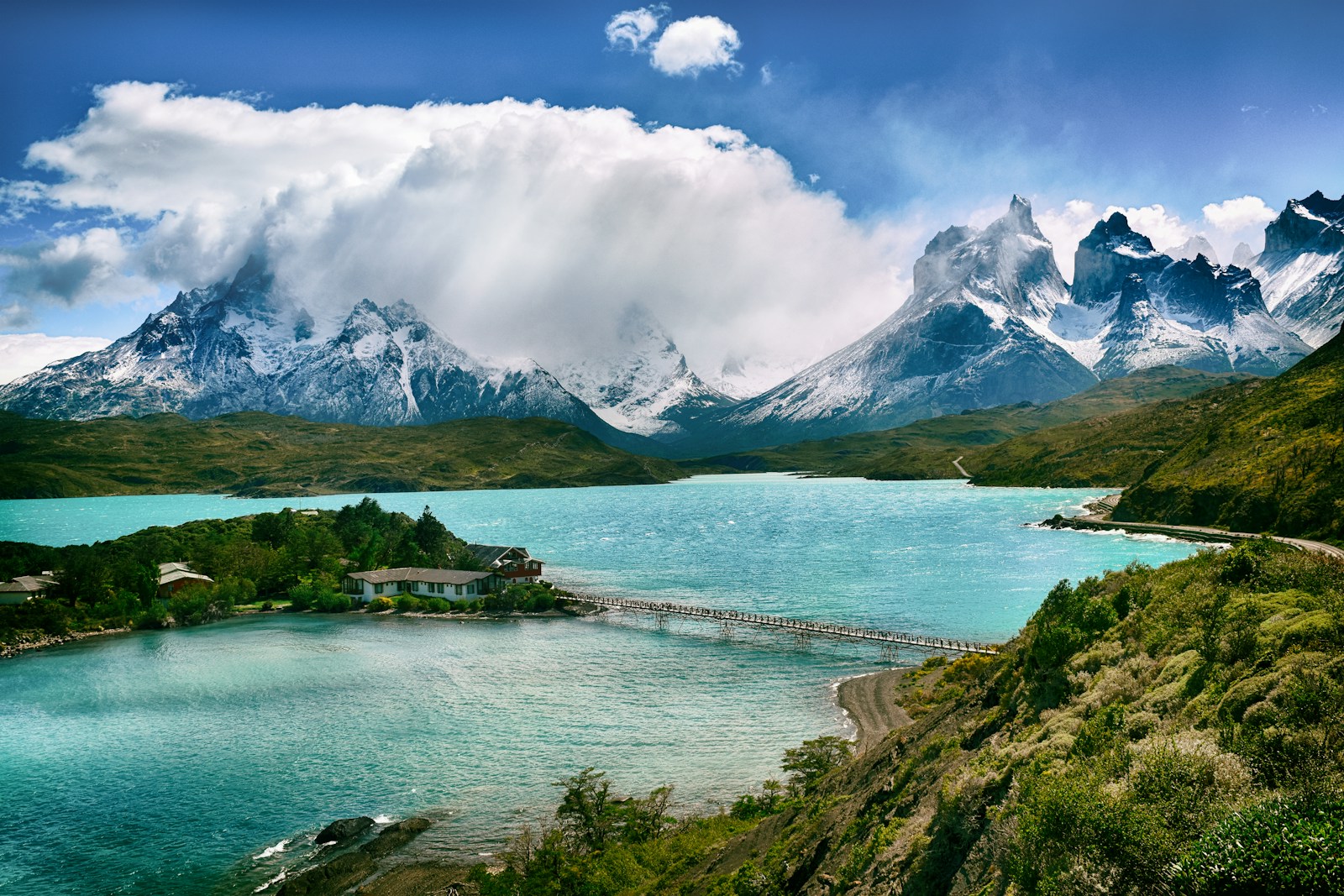
1. Torres del Paine National Park: The Crown Jewel
Tores del Paine is the most famous national park in Chile. It’s home to the granite spires, hanging glaciers, and glacial lakes.
- Hike: The W Trek (8–9 days) or the Circuit (O) (9 days) for a more secluded experience.
- Wildlife: Look for guanacos, foxes, and condors.
2. Glacier Grey: The River of Ice
The Glacier Grey is part of the Southern Patagonian Ice Field. It’s a 40-meter high river of ice.
- Activity: Take a boat trip from the park to get close-up views of the glacier.
3. Mylodon Cave: The Ice Age Cave
The Mylodon Cave is an Ice Age cave with animal bones and human tool hints.
- Activity: Take a boat trip to explore the cave.
4. Magellan Strait: The Penguin Islands
The Magellan Strait is home to Magellanic penguins and sea lions.
- Activity: Take a boat trip from Punta Arenas to Magdalena and Marta Islands.
5. Tierra del Fuego: The End of the World
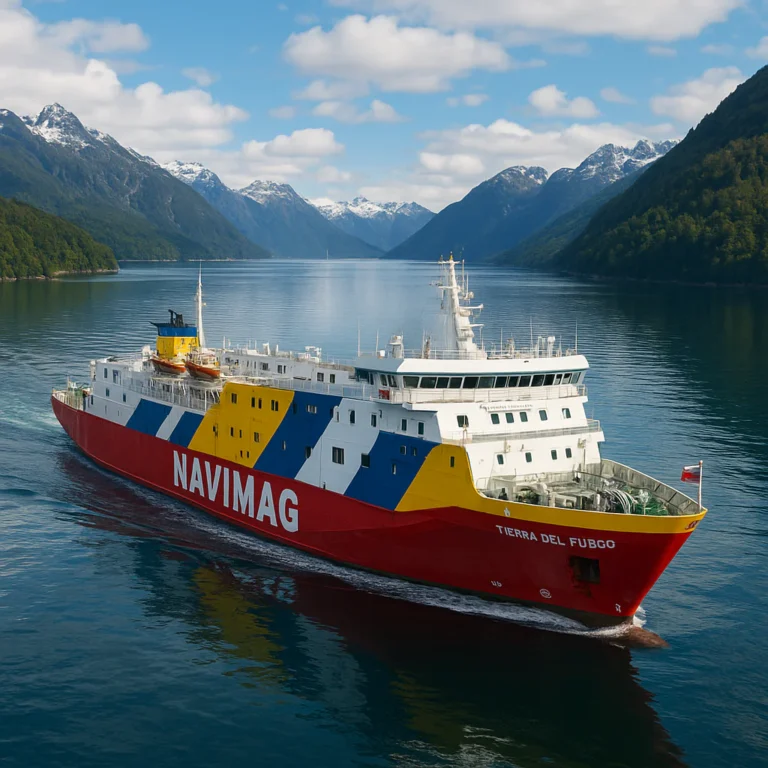
Tierra del Fuego is the southernmost part of Chile. It’s a land of snow-dusted mountains and peat bogs.
- Activity: Road trip to Caleta Maria and wild camping.
6. Parque Pingüino Rey: The King Penguin Colony
Parque Pingüino Rey is home to a colony of ~70 king penguins.
- Activity: Wildlife viewing and photography.
7. Caretera Austral: The Road to Nowhere
The Caretera Austral is a 1,240km stretch of mostly unpaved road.
- Highlights: Queulat Hanging Glacier, Enchanted Forest, San Rafael Glacier, and Marble Caves.
8. Queulat National Park: The Hanging Glacier
The Queulat Hanging Glacier is a spectacular sight that hangs from the Andes.
- Hike: The Patagonia Trail offers stunning views of the glacier and waterfalls.
9. San Rafael Glacier: The Largest Glacier
The San Rafael Glacier is the largest glacier in the Southern Patagonian Ice Field.
- Activity: Take a boat trip to get close-up views of the glacier.
10. Marble Caves (Cuevas de Marmol): The Blue Caves
These blue caves are carved by waves over 6,0 years.
- Best time: September and February for the turquoise water.
1. Futaleufú River: The White Water Rafting Capital
The Futaleufú River is one of the best white water rafting spots in the world.
- Difficulty: From beginer to expert levels.
12. Alerce Andino National Park: The Ancient Trees
This park is home to ancient alerce trees that are over 3,0 years old.
- Hike: The Cerro Castillo trail offers stunning views of the park.
13. Vicente Pérez Rosales National Park: The Waterfalls
This park is home to the Saltos de Petrohué and Osorno Volcano.
- Must-see: The Todos los Santos Lake and the Petrohué Waterfalls.
14. Calbuco Volcano: The Active Volcano
The Calbuco Volcano is an active volcano that erupted in 2015.
- Hike: The Cerro Calbuco trail offers stunning views of the volcano and lake.
15. Llanquihue Lake: The Emerald Lake
This emerald green lake is one of the most beautiful in Chile.
- Activity: Take a boat trip to explore the islands and waterfalls.
16. Osorno Volcano: The Perfect Cone
The Osorno Volcano is a stratovolcano with a perfect cone shape.
- Activity: Take the cable car to the summit for panoramic views.
17. Ensenada: The Gateway to Patagonia
Ensenada is a charming town with German architecture and lakefront views.
- Must-see: The Pablo Fiero Museum and the Llanquihue Lake.
18. Frutillar: The German Town
Frutillar is a charming town with German architecture and lakefront views.
- Must-see: The Museo del Teatro and the Llanquihue Lake.
19. Puerto Natales: The Gateway to Torres del Paine
Puerto Natales is the gateway to Tores del Paine.
- Must-see: The Museo Regional and the Portales de los Vientos.
20. Punta Arenas: The Southernmost City
Punta Arenas is the southernmost city in the world.
- Must-see: The Museo Regional and the Portales de los Vientos.
Ready to explore the cities? Let’s head to Santiago and beyond.
🏙️ 10 Urban Vibes and Cultural Immersions in Santiago and Beyond
Chile isn’t just about nature; it’s also about culture, art, and urban life. From the bustling streets of Santiago to the colorful hills of Valparaíso, there’s a city for every traveler.
1. Santiago: The Modern Metropolis
Santiago is a modern metropolis with a rich history. Don’t miss the Plaza de Armas, the Metropolitan Cathedral, and the Santa Lucia Hill.
- Safety tip: Keep your bags close in the metro and avoid deserted streets at night.
- Where to stay: Guest House Mery in Bario Brasil or Amistar Apartments for groups.
2. Valparaíso: The Colorful Port
Valparaíso is a UNESCO World Heritage site known for its street art, funiculars, and bohemian vibe.
- Must-see: The Acensor Reina Victoria and the Muelle de Las Almas.
- Safety: Be cautious of pickpockets; stick to well-lit areas.
3. Viña del Mar: The Garden City
Just next to Valparaíso, Viña del Mar is a resort town with beautiful beaches and the Wulff Castle.
- New Year’s Eve: Watch the 30-minute fireworks display over the Pacific from a rooftop.
4. Concepción: The Industrial City
Concepción is an industrial city with a rich history and cultural heritage.
- Must-see: The Museo de Bellas Artes and the Plaza de Armas.
5. Antofagasta: The Mining City
Antofagasta is a ming city with a rich history and cultural heritage.
- Must-see: The Museo de Historia Natural and the Plaza de Armas.
6. Iquique: The Surfing City
Iquique is a surfing city with a rich history and cultural heritage.
- Must-see: The Museo de Historia Natural and the Plaza de Armas.
7. Arica: The Northernmost City
Arica is the northernmost city in Chile with a rich history and cultural heritage.
- Must-see: The Museo de Historia Natural and the Plaza de Armas.
8. La Serena: The Colonial City
La Serena is a colonial city with a rich history and cultural heritage.
- Must-see: The Museo de Historia Natural and the Plaza de Armas.
9. Coquimbo: The Fishing City
Coquimbo is a fishing city with a rich history and cultural heritage.
- Must-see: The Museo de Historia Natural and the Plaza de Armas.
10. Rancagua: The Historical City
Rancagua is a historical city with a rich history and cultural heritage.
- Must-see: The Museo de Historia Natural and the Plaza de Armas.
Ready to explore the hidden gems? Let’s head to the off-the-beaten-path experiences.
🏝️ 8 Hidden Gems and Off-the-Beaten-Path Experiences Across Chile
Chile is full of hidden gems that are off the beaten path. From remote islands to secret valleys, there’s a hidden gem for every traveler.
1. Robinson Crusoe Island: The Real-Life Castaway Island
Robinson Crusoe Island is a remote island in the Juan Fernández Archipelago. It’s the real-life inspiration for Daniel Defoe’s novel.
- Activities: Hiking, snorkeling, scuba diving, and birdwatching.
- Logistics: 2.5-hour flight from Santiago + boat ride. No ATMs (carry cash).
2. Easter Island (Rapa Nui): The Land of the Moai
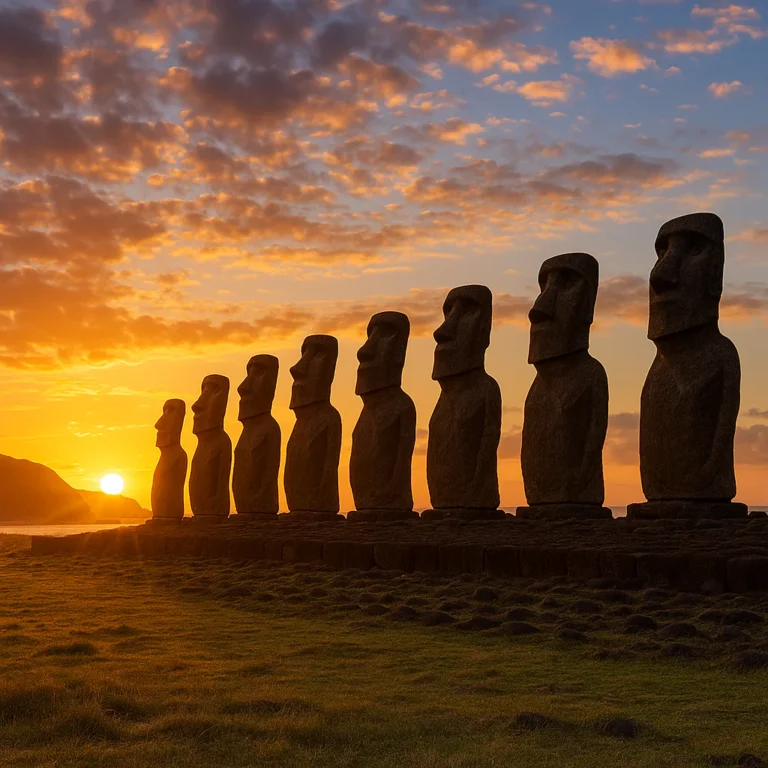
Easter Island is a remote island in the Pacific Ocean. It’s home to the iconic Moai statues.
- Activities: Hiking, snorkeling, scuba diving, and birdwatching.
- Logistics: Fly from Santiago. GetYourGuide half-day archaeology tour.
3. Chaitén: The Volcanic Town
Chaitén is a volcanic town with a rich history and cultural heritage.
- Must-see: The Museo de Historia Natural and the Plaza de Armas.
4. Puerto Mont: The Gateway to the Lake District
Puerto Mont is the gateway to the Lake District.
- Must-see: The Museo de Historia Natural and the Plaza de Armas.
5. Coyhaique: The Patagonian Town
Coyhaique is a Patagonian town with a rich history and cultural heritage.
- Must-see: The Museo de Historia Natural and the Plaza de Armas.
6. Puerto Aysén: The Fjord Town
Puerto Aysén is a fjord town with a rich history and cultural heritage.
- Must-see: The Museo de Historia Natural and the Plaza de Armas.
7. Puerto Natales: The Gateway to Torres del Paine
Puerto Natales is the gateway to Tores del Paine.
- Must-see: The Museo Regional and the Portales de los Vientos.
8. Punta Arenas: The Southernmost City
Punta Arenas is the southernmost city in the world.
- Must-see: The Museo Regional and the Portales de los Vientos.
Ready to hit the road? Let’s talk about road trips.
🚐 7 Essential Road Trip Routes and Itineraries for Self-Drive Travelers
Chile is a road trip paradise. From the Caretera Austral to the Andes, there’s a route for every traveler.
1. Caretera Austral: The Road to Nowhere
The Caretera Austral is a 1,240km stretch of mostly unpaved road.
- Highlights: Queulat Hanging Glacier, Enchanted Forest, San Rafael Glacier, and Marble Caves.
2. Andes Route: The Mountain Road
The Andes Route is a mountain road that takes you through the Andes.
- Highlights: San José Volcano, Embalse El Yeso, and Cajón del Maipo.
3. Lake District Route: The Emerald Lakes
The Lake District Route is a route that takes you through the Lake District.
- Highlights: Llanquihue Lake, Osorno Volcano, and Todos los Santos Lake.
4. Patagonia Route: The Southernmost Road
The Patagonia Route is a route that takes you through Patagonia.
- Highlights: Tores del Paine, Glacier Grey, and Mylodon Cave.
5. Atacama Route: The Desert Road
The Atacama Route is a route that takes you through the Atacama Desert.
- Highlights: Moon Valley, Geysers del Tatio, and Laguna Sejar.
6. Central Valley Route: The Wine Road
The Central Valley Route is a route that takes you through the Central Valley.
- Highlights: Maipo Valley, Casablanca Valley, and Valparaíso.
7. Easter Island Route: The Island Road
The Easter Island Route is a route that takes you through Easter Island.
- Highlights: Moai statues, Ana Kai Tangata, and Rano Raraku.
Ready to stay? Let’s talk about accomodations.
🏨 Where to Stay: Top Accomodations from Luxury Lodges to Eco-Cabins
Chile has a wide range of accomodations from luxury lodges to eco-cabins.
1. Luxury Lodges
- Sol y Luna Lodge (Atacama)
- Rakau Lodge (Pucón)
- Simple Patagonia (Puerto Natales)
2. Eco-Cabins
- La Casa EcoExplor (San Pedro de Atacama)
- Ckuri Atacama (San Pedro de Atacama)
- Palafito Cucao Lodge (Chiloé)
3. Hostels
- Chilli Kiwi Hostel (Pucón)
- Airesbuenos Hostel (Valdivia)
- Compass del Sur (Puerto Varas)
4. Hotels
- Guest House Mery (Santiago)
- Amistar Apartments (Santiago)
- Hostal Rio Amazonas (Santiago)
Ready to eat? Let’s talk about food.
🍽️ A Foodie’s Guide: Must-Try Chilean Dishes and Local Markets
Chilean cuisine is a delicious mix of indigenous, Spanish, and German influences.
1. Must-Try Dishes
- Empanadas: A pastry filled with meat, chese, or chicken.
- Pisco Sour: A cocktail made with pisco, lime, sugar, and egg white.
- Curanto: A traditional dish made with mussels, pork, potatoes, and vegetables.
- Milcao: A potato patty made with potatoes, chese, and herbs.
- Casuella: A soup made with chicken, potatoes, corn, and vegetables.
2. Local Markets
- Mercado Central (Santiago)
- Mercado Fluvial (Valdivia)
- Mercado Municipal (Castro)
Ready to plan your trip? Let’s talk about practical advice.
🎒 Practical Travel Advice: Visas, Currency, Safety, and Best Times to Visit
Before you go, here’s some practical advice to make your trip smooth.
1. Visas
- Visa requirements vary by nationality. Check the Chilean embassy website for details.
2. Currency
- The Chilean Peso (CLP) is the currency. Cash is king in remote areas.
3. Safety
- Pickpocketing is a real issue in Santiago and Valparaíso. Keep your valuables close.
4. Best Times to Visit
- Summer (Dec–Feb): Perfect for north and Patagonia.
- Winter (June–Aug): Perfect for sking in the Andes.
Ready to go? Let’s talk about thoughts on the 50 experiences.
💡 Thoughts on “Things To Do in Chile: 50 Incredible Experiences [2026]”
The article “Things To Do in Chile: 50 Incredible Experiences [2026]” is a comprehensive guide to Chile. It covers every aspect of the topic, from adventures to cultural experiences.
What We Like
- Comprehensive coverage of every region.
- Detailed itineraries for self-drive travelers.
- Practical advice on visas, currency, and safety.
What We Dislike
- Some experiences are overated or overpriced.
- Some itineraries are too rushed or too long.
Our Verdict
The article is a great starting point for planning your trip. However, we recommend customizing your itinerary to fit your interests and budget.
Ready to wrap it up? Let’s head to the conclusion.