Support our educational content for free when you purchase through links on our site. Learn more
9 Most Scenic Hiking Trails to Explore in Chile’s Patagonia Region 🌄 (2025)

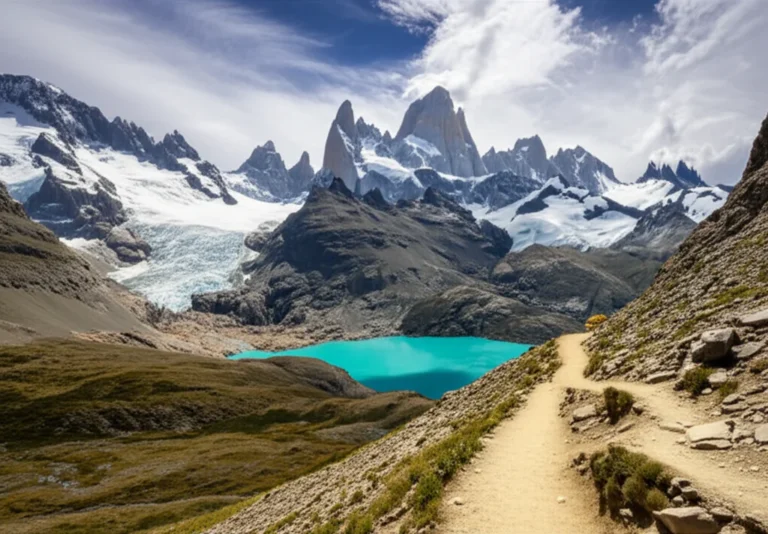
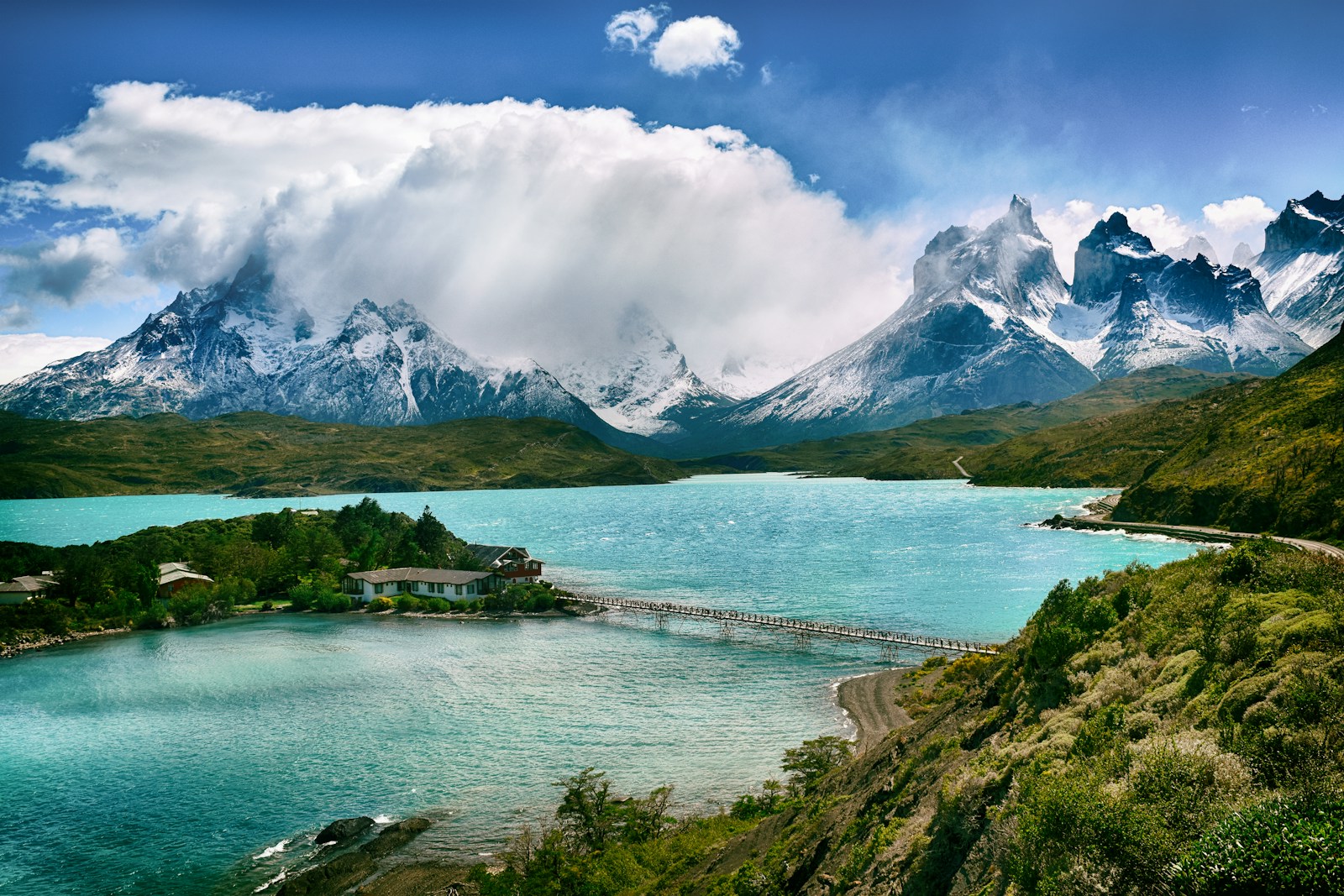
If you’ve ever dreamed of trekking through a land where towering granite spires pierce the sky, glaciers shimmer in turquoise lakes, and winds whisper ancient tales, then Chile’s Patagonia is calling your name. From the iconic W Trek in Torres del Paine to the rugged, remote Dientes de Navarino, this vast wilderness offers some of the most breathtaking and diverse hiking trails on the planet.
We still remember the moment our Chile Vacay™ team stood at Mirador Las Torres, watching the first golden rays ignite the granite towers—pure magic! But Patagonia isn’t just about famous trails; hidden gems along the Carretera Austral and secret valleys like Cochamó await the intrepid explorer. Curious about when to go, what gear to pack, or which trail suits your style? We’ve got you covered with insider tips, expert advice, and detailed trail breakdowns that will have you planning your epic adventure in no time.
Key Takeaways
- Chile’s Patagonia offers a stunning variety of hiking trails, from popular multi-day treks like the W and O Circuits in Torres del Paine to remote, off-the-beaten-path adventures like Dientes de Navarino.
- Best hiking season is late November to early March, when weather is milder and trails are accessible.
- Essential gear includes waterproof layers, sturdy boots, and reliable navigation tools—we recommend brands like Salomon, The North Face, and Osprey.
- Advance booking for permits, campsites, and refugios is crucial, especially in high season.
- Hiring local guides enhances safety and enriches your experience, particularly on challenging or remote routes.
- Patagonia’s wildlife and conservation efforts make responsible tourism a must—follow Leave No Trace principles and support local communities.
👉 Shop recommended hiking gear:
Table of Contents
- ⚡️ Quick Tips and Facts for Your Patagonian Hiking Adventure
- 🏔️ Patagonia’s Wild Heart: A Brief History of Chile’s Untamed Wilderness
- ✨ Why Chile’s Patagonia is a Hiker’s Paradise: Unveiling its Unique Allure
- 🎒 Gearing Up for Glory: Essential Equipment for Your Patagonian Trek
- ☀️ When the Wild Calls: Best Seasons for Hiking in Chilean Patagonia
- 🗺️ Navigating the Wilderness: Permits, Guides, and Safety First!
- 🌲 Unveiling the Gems: Our Top Picks for Scenic Hiking Trails in Chilean Patagonia
- 🐾 Beyond the Boots: Wildlife Encounters and Responsible Tourism in Patagonia
- 🗓️ Planning Your Epic Journey: Logistics, Accommodation, and Itinerary Ideas
- 🇦🇷 Crossing Borders? A Glimpse at Argentina’s Patagonian Peaks (and Why Chile Still Reigns Supreme!)
- ❓ Your Burning Questions Answered: FAQs About Hiking in Chilean Patagonia
- ✅ Conclusion: Your Patagonian Adventure Awaits!
- 🔗 Recommended Links: Dive Deeper into Chile’s Wilderness
- 📚 Reference Links: Our Trusted Sources
⚡️ Quick Tips and Facts for Your Patagonian Hiking Adventure
Welcome to the wild side of Chile! Before you lace up your boots and dive into Patagonia’s breathtaking trails, here are some quick nuggets of wisdom from the Chile Vacay™ team to get you started:
- Patagonia is massive: Spanning over 240,000 square miles across Chile and Argentina, Chilean Patagonia alone offers thousands of kilometers of hiking trails, from easy day hikes to multi-day epic treks.
- Weather is a wild card: Expect all four seasons in one day—sunshine, wind, rain, and even snow can show up unexpectedly. Always pack layers and waterproof gear.
- Permits and fees: Many parks require entrance fees or permits. Torres del Paine, for example, charges an entrance fee, and some trails require advance reservations.
- Wildlife spotting: Keep your eyes peeled for guanacos, Andean condors, foxes, and if you’re lucky, elusive pumas.
- Connectivity: Cell service is spotty or non-existent on many trails. Download offline maps and carry a GPS device or a reliable app like Maps.me.
- Physical prep: Patagonia’s rugged terrain demands a good fitness base. Training with weighted backpacks and hill hikes will pay off.
- Local guides: Hiring a local guide can enrich your experience with insider knowledge, safety, and logistics help.
- Sustainability: Patagonia’s fragile environment needs your respect. Follow Leave No Trace principles and support local communities.
For more on what to pack, check out our Packing Guides and for budget-friendly tips, visit our Budget Travel section. And if you’re curious about other must-see spots in Chile, don’t miss our article on top tourist attractions.
🏔️ Patagonia’s Wild Heart: A Brief History of Chile’s Untamed Wilderness
Patagonia’s story is as epic as its landscapes. The region’s name comes from the word patagón, used by Magellan’s crew to describe the giant native Tehuelche people. Over centuries, this remote wilderness resisted colonization, preserving its pristine beauty.
- Geological wonders: Formed by tectonic collisions and glacial sculpting, Patagonia’s mountains, fjords, and glaciers are relatively young in geological terms but ancient in their grandeur.
- Protected lands: Chile has established vast national parks like Torres del Paine (est. 1959) and the more recent Patagonia National Park (est. 2018), safeguarding ecosystems and indigenous heritage.
- Conservation pioneers: Private initiatives like Tompkins Conservation have played a crucial role in rewilding efforts and expanding protected areas.
- Cultural tapestry: The region is home to Mapuche and Kawésqar peoples, whose traditions and knowledge enrich the hiking experience.
Understanding Patagonia’s history deepens your connection to the land and the trails you’ll explore.
✨ Why Chile’s Patagonia is a Hiker’s Paradise: Unveiling its Unique Allure
Why do hikers from around the world flock to Chilean Patagonia? Here’s the lowdown:
- Dramatic landscapes: Towering granite spires, turquoise glacial lakes, vast steppe, and ancient lenga forests create a painter’s palette of natural beauty.
- Trail variety: From the iconic W Trek to remote, rugged routes like Dientes de Navarino, there’s a trail for every skill level and adventure style.
- Wildlife encounters: Guanacos grazing, condors soaring overhead, and the chance to glimpse elusive pumas make every step thrilling.
- Accessibility: While remote, Chile’s Patagonia is relatively accessible via airports in Punta Arenas and Puerto Natales, with well-maintained trails and refugios.
- Adventure activities: Beyond hiking, Patagonia offers kayaking, horseback riding, glacier trekking, and wildlife watching.
In short, it’s a natural playground for adventurers craving epic scenery and authentic wilderness.
🎒 Gearing Up for Glory: Essential Equipment for Your Patagonian Trek
Your gear can make or break your Patagonia experience. Here’s what we swear by at Chile Vacay™:
| Gear Category | Recommended Brands/Models | Why We Love It | Notes |
|---|---|---|---|
| Hiking Boots | Salomon Quest 4D GTX, La Sportiva Nucleo GTX | Waterproof, sturdy, great ankle support | Break in well before trip |
| Waterproof Jacket | The North Face Venture 2, Patagonia Torrentshell | Breathable, durable, packs small | Essential for wind and rain |
| Backpack | Osprey Atmos AG 65, Deuter Aircontact Lite | Comfortable suspension, rain cover included | 50-65L for multi-day treks |
| Sleeping Bag | Marmot Trestles 30, REI Co-op Magma 15 | Warm, compressible, suitable for 3-season use | Check temperature ratings |
| Trekking Poles | Black Diamond Trail Pro Shock | Adjustable, shock absorbing | Reduces joint strain |
| Water Purifier | Grayl Geopress, Sawyer Mini | Lightweight, easy to use | Filter water from streams |
| Navigation | Garmin GPSMAP 66i, Maps.me app | Reliable offline navigation | Backup paper maps recommended |
| Camping Stove | MSR PocketRocket 2, Jetboil Flash | Lightweight, efficient | Fuel availability varies |
Pro tip: Patagonia’s wind can be brutal, so gear with windproof features and sturdy construction is a must. Also, pack layers—think merino wool base layers, fleece mid-layers, and waterproof shells.
👉 CHECK PRICE on:
☀️ When the Wild Calls: Best Seasons for Hiking in Chilean Patagonia
Timing your trip right is crucial to enjoying Patagonia’s trails without battling extreme weather or crowds.
| Season | Weather & Conditions | Pros | Cons |
|---|---|---|---|
| Summer (Dec-Feb) | Mild temperatures (5-20°C), long daylight | Best weather, all trails open | Peak tourist season, crowded |
| Shoulder (Nov & Mar-Apr) | Cooler, less crowded, stable weather | Fewer crowds, good trail conditions | Some services may be limited |
| Winter (Jun-Aug) | Cold, snow-covered trails, shorter days | Solitude, unique snow-covered scenery | Many trails closed, harsh conditions |
Our recommendation: Aim for late November to early March for the best balance of weather and accessibility. If you want to dodge crowds, consider early November or late March.
🗺️ Navigating the Wilderness: Permits, Guides, and Safety First!
Before you hit the trail, here’s what you need to know about permits and safety:
- Park entrance fees: Torres del Paine charges an entrance fee (~$35 USD), payable online or at park gates. Other parks like Queulat or Cerro Castillo may have smaller fees.
- Camping & refugios: Book campsites and refugios well in advance, especially in high season. Torres del Paine’s official site and Vertice Patagonia are good resources.
- Guided tours: While many trails are doable independently, hiring a guide enhances safety and enriches your experience with local knowledge. Companies like Patagonia Adventure Expeditions offer excellent guided options.
- Emergency preparedness: Cell coverage is limited; carry a satellite messenger (e.g., Garmin inReach) and inform someone of your itinerary.
- Wildlife caution: Keep a safe distance from animals, store food securely, and follow park regulations.
Safety first means more fun later!
🌲 Unveiling the Gems: Our Top Picks for Scenic Hiking Trails in Chilean Patagonia
Ready to explore? Here are our top scenic trails that showcase Patagonia’s magic.
1. 🏞️ Torres del Paine National Park: The Crown Jewel of Patagonian Treks
The Iconic W-Trek: A Classic Adventure
- Distance: ~80 km (50 miles)
- Duration: 4-5 days
- Difficulty: Medium
- Highlights: The granite towers (Torres), Grey Glacier, French Valley, and breathtaking vistas.
- Why hike it? It’s Patagonia’s signature trek, offering a perfect blend of challenge and stunning scenery. We once caught a sunrise at Mirador Las Torres that left us speechless!
- Tips: Book campsites/refugios early; start early to avoid afternoon winds; pack layers for sudden weather changes.
The Challenging O-Circuit: For the True Adventurer
- Distance: ~136 km (85 miles)
- Duration: 9-11 days
- Difficulty: Hard
- Highlights: All the W highlights plus remote backcountry, John Gardner Pass with sweeping views of the Southern Patagonia Ice Field.
- Why hike it? For those craving solitude and a deeper wilderness immersion. We met only a handful of hikers on this route, making it feel like our own secret kingdom.
- Tips: Carry sufficient food; prepare for longer days; consider a guide if unfamiliar with backcountry navigation.
Day Hikes and Shorter Treks: Quick Dips into Paradise
- Mirador Las Torres: 21 km roundtrip, 8-10 hours, challenging but rewarding.
- Paine Grande to Mirador Grey: 11 km roundtrip, 3.5 hours, moderate difficulty.
- Refugio Grey to Glacier Grey: 5-10 km roundtrip, 2-4 hours, moderate.
Perfect if you’re short on time or want to sample the park’s highlights.
2. 🛣️ Carretera Austral’s Hidden Wonders: Northern Patagonia’s Untamed Trails
The Carretera Austral is a legendary road slicing through Chile’s northern Patagonia, offering access to some of the most pristine and less crowded trails.
Cerro Castillo National Park: A Rugged Gem
- Trail: Cerro Castillo Traverse (~51 km, 5 days)
- Difficulty: Medium/Hard
- Highlights: Dramatic mountain passes, glaciers, turquoise lakes.
- Why hike it? For panoramic views and a true backcountry feel. The climb to Paso El Peñón is a highlight, offering jaw-dropping vistas.
- Best time: January to March for stable weather.
Queulat National Park: Hanging Glaciers and Rainforests
- Trail: Sendero Mirador del Ventisquero (6.5 km, 2.5 hours)
- Difficulty: Medium
- Highlights: Lush mossy forests leading to the spectacular Queulat Hanging Glacier.
- Why hike it? A short but magical trail perfect for a half-day adventure.
- Entry fee: Around $10 USD.
Parque Patagonia: Rewilding Adventures in Aysén
- Trails: Multiple day hikes and multi-day treks through rewilded landscapes.
- Highlights: Wildlife spotting, pristine rivers, and conservation success stories.
- Why hike it? For those who want to combine hiking with supporting conservation efforts.
3. 🧭 Dientes de Navarino: The Southernmost Trek on Earth
- Distance: ~53.5 km (33 miles)
- Duration: 5 days
- Difficulty: Strenuous
- Highlights: Stark, windswept peaks, remote wilderness, and the thrill of being at the edge of the world.
- Why hike it? It’s the ultimate off-the-beaten-path trek, offering solitude and raw beauty unmatched anywhere else. We felt like true explorers here!
- Best time: December to March.
- Note: Limited facilities; bring all essentials and navigation tools.
4. ⛰️ Exploring Lesser-Known Trails: Beyond the Beaten Path in Chile
Cochamó Valley: The Yosemite of Chile
- Trail: Multi-day treks through granite walls and ancient forests.
- Difficulty: Moderate to hard
- Highlights: Stunning granite cliffs, wild rivers, and a peaceful atmosphere.
- Why hike it? For rock climbers and hikers seeking a quieter alternative to Torres del Paine.
Futaleufú: White Water and Wilderness
- Trail: Various day hikes and multi-day options near the famous Futaleufú River.
- Highlights: Lush forests, waterfalls, and adrenaline-pumping rafting nearby.
- Why hike it? Combine hiking with world-class white-water rafting for a full adventure package.
🐾 Beyond the Boots: Wildlife Encounters and Responsible Tourism in Patagonia
Patagonia’s wildlife is a highlight of any hike. Here’s how to enjoy it responsibly:
- Common sightings: Guanacos (relatives of llamas), Andean condors soaring overhead, foxes, and a variety of birds.
- Rare but possible: Pumas and huemul deer—spotting these requires patience and luck.
- Respect wildlife: Keep distance, don’t feed animals, and store food securely to avoid attracting them.
- Support local communities: Choose local guides and services to contribute to sustainable tourism.
- Leave No Trace: Pack out all trash, stay on trails, and minimize campfire impact.
Our team once watched a condor circle gracefully above Torres del Paine’s granite towers—a moment we’ll never forget. You might just have your own magical wildlife encounter!
🗓️ Planning Your Epic Journey: Logistics, Accommodation, and Itinerary Ideas
Planning a Patagonian trek can feel daunting, but here’s a roadmap to help:
-
Getting there: Fly into Punta Arenas (PUQ) or Puerto Natales (PNT) for Torres del Paine. For Carretera Austral, Balmaceda Airport (BBA) is a good gateway.
-
Transport: Buses connect towns and park entrances; rental cars offer flexibility but beware of gravel roads.
-
Accommodation: Options range from campsites and refugios (shared dorms) to luxury lodges. Booking early is essential in high season.
-
Sample itinerary for Torres del Paine W Trek:
- Day 1: Puerto Natales to Torres del Paine, hike to Refugio Las Torres
- Day 2: Las Torres to Refugio El Chileno
- Day 3: El Chileno to Refugio Paine Grande via French Valley
- Day 4: Paine Grande to Grey Glacier, overnight at Refugio Grey
- Day 5: Return to Puerto Natales
-
Guided vs independent: Guided tours simplify logistics and enhance safety; independent hiking offers freedom but requires more planning.
-
Packing: Light but prepared—refer to our Packing Guides for detailed checklists.
🇦🇷 Crossing Borders? A Glimpse at Argentina’s Patagonian Peaks (and Why Chile Still Reigns Supreme!)
While this article focuses on Chile’s Patagonia, a quick peek across the border is worthwhile:
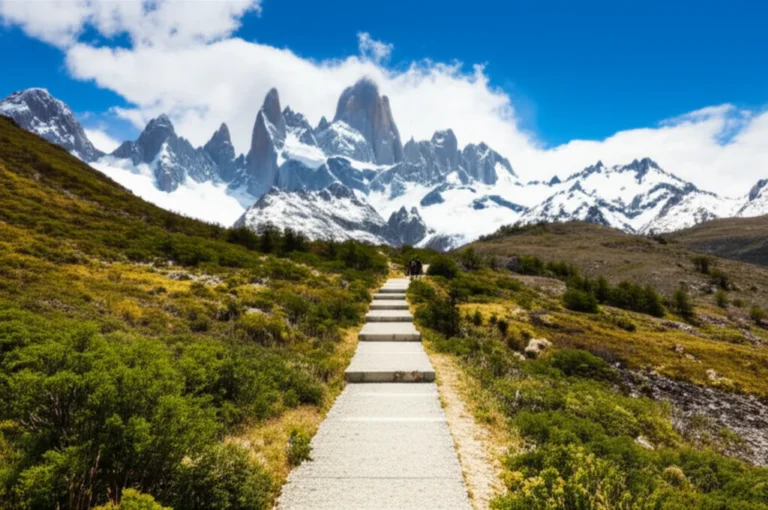
- Argentina’s Fitz Roy massif: Near El Chaltén, it offers some of the most iconic jagged peaks and challenging hikes in Patagonia.
- Comparison: Chile’s Patagonia boasts more diverse landscapes—fjords, glaciers, and vast steppe—while Argentina’s side is more mountainous and remote.
- Crowds: Chile’s Torres del Paine is busier but better serviced; Argentina’s trails can feel more isolated.
- Wildlife: Chile’s richer flora and fauna contrast with Argentina’s stark alpine environment.
If you have time, combining both sides makes for an unforgettable two-country adventure. But if you crave variety and accessibility, Chile’s Patagonia is hard to beat.
❓ Your Burning Questions Answered: FAQs About Hiking in Chilean Patagonia
Q: Do I need a guide for Torres del Paine?
A: ❌ Not mandatory, but highly recommended for safety and local insights.
Q: How difficult are the W and O circuits?
A: W is moderate; O is hard and longer. Both require good fitness.
Q: Is it safe to hike alone?
A: Patagonia is remote; solo hiking is possible but not advised without experience.
Q: What wildlife can I expect?
A: Guanacos, condors, foxes, and occasionally pumas.
Q: How do I book campsites and refugios?
A: Through official sites like Vertice Patagonia.
Q: Can I hike in winter?
A: ❌ Most trails are closed or dangerous due to snow and weather.
Q: What’s the best way to get around?
A: Buses and rental cars; guided tours often include transport.
For more FAQs, visit our Adventure Travel section.
✅ Conclusion: Your Patagonian Adventure Awaits!
Chile’s Patagonia is nothing short of a hiker’s dream come true—a vast wilderness playground where towering granite spires, shimmering glaciers, and windswept valleys beckon the adventurous spirit. From the iconic W Trek in Torres del Paine to the remote Dientes de Navarino, the region offers trails that cater to all levels, from casual day hikers to seasoned trekkers craving solitude and challenge.
Positives:
- Unmatched scenic diversity, from lush rainforests to arid steppes.
- Well-maintained trails with a range of accommodation options, including refugios and campsites.
- Rich wildlife encounters and opportunities for responsible eco-tourism.
- Accessibility through gateway towns like Puerto Natales and Punta Arenas.
Challenges:
- Weather can be unpredictable and harsh—prepare for wind, rain, and sudden temperature drops.
- Some trails require advance booking and permits, especially in peak season.
- Remote areas demand careful planning, navigation skills, and self-sufficiency.
Our Chile Vacay™ team confidently recommends Patagonia for anyone seeking a transformative hiking experience steeped in raw natural beauty and adventure. With the right preparation, gear, and mindset, you’ll return with stories that rival the grandeur of the landscapes themselves.
Remember those lingering questions about gear, timing, and trail difficulty? We’ve covered them all here, so you can step onto the trail with confidence and excitement. Patagonia is calling—will you answer?
🔗 Recommended Links: Dive Deeper into Chile’s Wilderness
Ready to gear up and dive into your Patagonian adventure? Here are some trusted products and resources to get you started:
-
Salomon Quest 4D GTX Hiking Boots:
Amazon | Salomon Official Website -
The North Face Venture 2 Waterproof Jacket:
Amazon | The North Face Official Website -
Osprey Atmos AG 65 Backpack:
Amazon | Osprey Official Website -
Grayl Geopress Water Purifier:
Amazon | Grayl Official Website -
Recommended Reading:
❓ FAQs About Hiking in Chilean Patagonia
What is the best time of year to visit Chile’s Patagonia region for hiking and outdoor activities?
The optimal hiking season in Chilean Patagonia is late November through early March, coinciding with the Southern Hemisphere’s summer. During this period, you’ll enjoy longer daylight hours, milder temperatures (typically 5–20°C / 41–68°F), and most trails and services are fully operational. Shoulder seasons (November and March-April) offer fewer crowds and still decent weather but be prepared for more variable conditions. Winter months (June-August) bring snow and harsh weather, closing many trails and limiting accessibility.
How do I prepare for a multi-day hiking trip in Patagonia, including gear, accommodations, and safety precautions?
Preparation is key to a successful trek:
- Gear: Invest in quality waterproof and windproof clothing, sturdy hiking boots (e.g., Salomon Quest 4D GTX), a comfortable backpack (Osprey Atmos AG 65), and reliable navigation tools (Garmin GPS or offline maps). Don’t forget essentials like a water purifier (Grayl Geopress), trekking poles, and layered clothing for temperature fluctuations.
- Accommodations: Book campsites and refugios well in advance, especially for popular trails like the W Trek. Use official booking platforms like Vertice Patagonia.
- Safety: Carry a satellite messenger (Garmin inReach), inform someone of your itinerary, and be prepared for sudden weather changes. Consider hiring a local guide if unfamiliar with the terrain.
- Physical prep: Train with weighted backpacks and practice hiking on varied terrain to build endurance.
What are some of the most iconic and challenging hikes in Torres del Paine National Park, and how can I access them?
- Iconic hikes:
- W Trek: ~80 km, 4-5 days, moderate difficulty. Highlights include Mirador Las Torres, French Valley, and Grey Glacier.
- O Circuit: ~136 km, 9-11 days, hard difficulty. Includes the W Trek plus the John Gardner Pass and remote backcountry.
- Access: The park is accessible via Puerto Natales, a 2-hour bus ride away. Buses depart from Terminal Rodoviario to park entrances like Laguna Amarga or Pudeto.
- Booking: Entrance fees and campsite reservations are required and can be made online at torresdelpaine.com and Vertice Patagonia.
Are there any guided hiking tours or operators in Chile’s Patagonia region that cater to beginners or experienced hikers, and what services do they offer?
Yes! Several reputable operators offer guided tours tailored to different skill levels:
- Patagonia Adventure Expeditions: Offers multi-day guided treks with camping gear, meals, and expert guides. Ideal for beginners and intermediate hikers seeking support and local insights.
- Bigfoot Patagonia Adventure: Specializes in glacier hiking, kayaking, and multi-activity tours with experienced guides.
- Vertice Patagonia: Provides guided tours, transport, and accommodation packages for the W and O circuits.
- Services include: Logistics planning, safety briefings, equipment rental, transportation, and cultural experiences. Guided tours enhance safety, enrich your understanding of the environment, and simplify complex logistics.
How do I handle unpredictable weather and strong winds on Patagonian trails?
- Layering: Use moisture-wicking base layers, insulating mid-layers, and waterproof outer shells.
- Windproof gear: Invest in jackets and pants designed to block wind (e.g., The North Face Venture 2).
- Timing: Start hikes early to avoid afternoon winds, which can be stronger.
- Shelter: Know the locations of refugios and campsites for emergency shelter.
- Mental prep: Accept that weather is part of the adventure—flexibility and a positive attitude go a long way!
Can I combine hiking with other adventure activities in Patagonia?
Absolutely! Patagonia is a multi-sport paradise:
- Kayaking: Explore fjords and lakes near Torres del Paine or Futaleufú River.
- Horseback riding: Offered in many parks, including Torres del Paine.
- Glacier trekking: Guided ice hikes on Grey Glacier or Perito Moreno (Argentina).
- Wildlife watching: Birding tours and boat trips to see penguins and marine mammals.
Combining activities enriches your experience and lets you see Patagonia from multiple angles.
📚 Reference Links: Our Trusted Sources
- Torres del Paine National Park Official Site: torresdelpaine.com
- Vertice Patagonia (Booking & Guides): verticepatagonia.cl
- Patagonia Adventure Expeditions: patagoniatravel.com
- Bigfoot Patagonia Adventure: bigfootpatagonia.com
- National Geographic: Patagonia Travel Guide
- Lonely Planet: Trekking in Patagonia
- The Adventure Diet: How to Spend 2 Weeks in Patagonia (Argentina & Chile) – Best Patagonia Itinerary
Ready to start your epic Patagonian journey? Check out our Adventure Travel section for more insider tips and itineraries. Happy hiking! 🥾🌄