Support our educational content for free when you purchase through links on our site. Learn more
🇨🇱 15 Must-Try Chilean Foods on Your 2026 Vacay


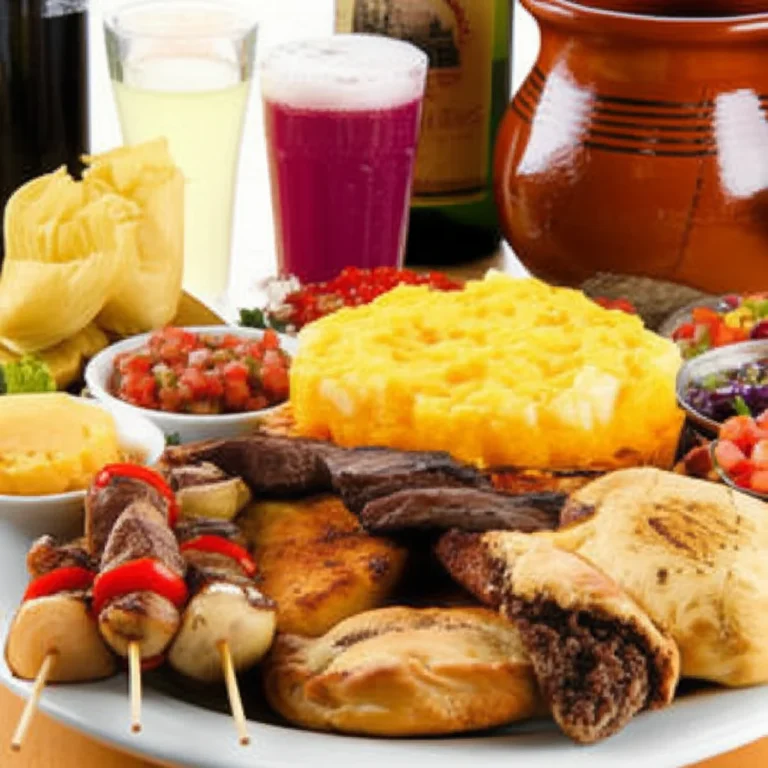
Imagine standing in a bustling Santiago market, the air thick with the scent of roasting corn and sizzling beef, while a vendor hands you a Completo Italiano so loaded with avocado it defies gravity. That is the reality of eating in Chile, a country where the Pacific Ocean meets the Andes to create a culinary landscape as dramatic as its geography. But here is the secret most tourists miss: Chilean cuisine isn’t just about the world-famous wine (though you’ll be drinking plenty of that); it’s a hidden gem of hearty stews, ancient volcanic feasts, and street food that rivals any in the world.
In this guide, we’re diving deep into the 15 essential dishes you absolutely cannot miss, from the sweet-and-savory Pastel de Choclo to the briny Centolla of the deep south. We’ll even reveal the one summer drink that locals swear by to beat the heat, a recipe that has survived centuries of migration and revolution. Ready to stop eating tourist traps and start tasting the real Chile? Let’s get your appetite ready.
Key Takeaways
- Embrace the “Completo”: Forget standard hot dogs; the Chilean version is a flavor explosion topped with avocado, tomato, and mayo.
- Don’t Skip the Stews: Dishes like Porotos Granados and Cazuela offer the ultimate comfort food experience, blending indigenous ingredients with European techniques.
- Explore Regional Specialties: From the King Crab (Centolla) in the south to the Anticuchos in the north, every region offers unique flavors you won’t find elsewhere.
- Pair with Local Sips: No meal is complete without a glass of Carmenère wine or a refreshing Mote con Huesillo.
- Street Food is King: You can find the best Empanadas de Pino and Sopaipillas at local fondas and street stalls for a fraction of restaurant prices.
Table of Contents
- ⚡️ Quick Tips and Facts
- 🇨🇱 A Bite Through History: The Evolution of Chilean Cuisine
- 🥣 The Holy Trinity: Must-Try Chilean Soups and Stews
- 1. The Soul-Warming Caldo de Res
- 2. The Coastal Gem: Centolla and Seafood Stews
- 3. The Comfort King: Porotos Granados
- 🥖 Street Food & Snacks: What to Eat on the Go in Chile
- 1. The Iconic Completo: Chile’s Hot Dog Revolution
- 2. Empanadas de Pino: The National Treasure
- 3. Sopaipillas and Pebre: The Perfect Pairing
- 4. Churrasco: The Ultimate Sandwich Experience
- 🍽️ Main Courses: Hearty Dishes You Can’t Miss
- 1. Pastel de Choclo: A Sweet and Savory Masterpiece
- 2. Charquicán: The Andean Comfort Food
- 3. Curanto: The Ancient Volcanic Feast
- 🍓 Sweet Tooth Alert: Chilean Desserts and Sweets
- 1. Mote con Huesillo: The Summer Refresher
- 2. Leche Asada and Flan: Creamy Classics
- 3. Alfajores and Dulce de Leche: The Sweet Obsession
- 🍷 Sip Like a Local: Chilean Beverages and Pairings
- 1. Wine Regions: From Maipo to Patagonia
- 2. Pisco Sour: The National Cocktail
- 3. Teré and Mate: Andean Traditions
- 🌶️ Regional Specialties: What to Eat in the North, Center, and South
- 1. Northern Delights: Anticuchos and Calama
- 2. Central Valley Classics: Santiago and Valparaíso
- 3. Southern Treasures: Patagonia and the Lakes District
- 🛒 Where to Eat: Markets, Street Stalls, and Fine Dining
- ✅ Insider Tips for Navigating Chilean Food Culture
- ❓ Frequently Asked Questions About Chilean Food
- 🔗 Recommended Links for Foodies
- 📚 Reference Links and Sources
- 🏁 Conclusion: Your Culinary Journey Awaits
⚡️ Quick Tips and Facts
Before you dive headfirst into the culinary chaos of Chile, let’s get the basics down so you don’t end up ordering pastel de choclo when you really wanted pastel de papa (a common mix-up that even seasoned travelers make!). Chilean cuisine is a fascinating blend of indigenous Mapuche traditions, Spanish colonial influence, and a heavy dose of German, Italian, and Croatian immigration.
Here is the lowdown on what makes this food scene so unique:
- The “Completo” is King: Forget the American hot dog. In Chile, a hot dog is a Completo, and it is often taller than your forearm. It’s loaded with toppings like avocado (palta), tomato, and mayo.
- Wine is Water: Seriously, in many regions, wine is as common as tap water. Chile is the world’s 5th largest wine producer, and you can find a bottle of decent Carmenère for less than the price of a fancy latte in Santiago.
- Seafood is Fresh: With the Pacific Ocean one side and the Andes on the other, the seafood is often caught in the morning and on your plate by lunch.
- Spice Level: Chilean food is generally not spicy in the way Mexican or Thai food is. The heat comes from pebre (a fresh salsa) served on the side, not baked into the dish.
Pro Tip: If you see a menu item with “Mar” in the name, it’s seafood. If it says “Andino,” it’s likely meat or potatoes.
For more on how to plan your culinary journey, check out our guide on Chile Vacay to get the full picture of what to expect.
🇨🇱 A Bite Through History: The Evolution of Chilean Cuisine

You might wonder, “How did a country so long and narrow end up with such a diverse food culture?” The answer lies in its geography and its people.
Chile’s cuisine is a melting pot. The indigenous Mapuche people contributed staples like corn (maíz), potatoes (papas), and beans (porotos). When the Spanish arrived, they brought wheat, livestock (cows, pigs, sheep), and dairy. Later, waves of immigrants from Germany, Italy, Croatia, and France added their own twists.
- German Influence: You’ll see this in the south, where kuchen (cakes) and sausages are staples.
- Italian Influence: Pasta is a national obsession, often served with a simple tomato sauce or pasta con salsita.
- Croatian Influence: In the south, you’ll find sopapillas (fried dough) and empanadas with a distinct flaky crust.
This historical layering means that a single meal can tell the story of centuries of migration. For instance, the Pastel de Choclo is a direct descendant of the Spanish pastel, but made with Chilean corn and topped with a pino (meat mixture) that reflects the local ingredients.
🥣 The Holy Trinity: Must-Try Chilean Soups and Stews
If you arrive in Chile during the winter (June to August), you will be greeted by the smell of simmering stews. These aren’t just soups; they are comfort in a bowl.
1. The Soul-Warming Caldo de Res
Caldo de Res is the ultimate beef broth. It’s clear, rich, and packed with chunks of beef, potatoes, carrots, and corn. It’s the go-to dish for a cold night or a hangover cure.
- Why you’ll love it: It’s light yet filling.
- Where to find it: Almost every fonda (traditional eatery) and home kitchen.
- Insider Tip: Ask for it with sopaipillas on the side to dip in the broth.
2. The Coastal Gem: Centolla and Seafood Stews
In the south, particularly in Magallanes, the Centolla (king crab) is the star. But you don’t need to wait for the crab season to enjoy seafood stews. Cazuela de Mariscos is a hearty mix of clams, mussels, shrimp, and fish in a tomato-based broth.
- Flavor Profile: Briny, savory, and slightly acidic from the tomatoes.
- Best Pairing: A glass of Chardonnay or Sauvignon Blanc.
3. The Comfort King: Porotos Granados
This is the quintessential summer dish. It’s a stew made with fresh cranberry beans (porotos), corn (maíz), pumpkin (zapallo), and basil. It’s often served with pebre and a side of bread.
- Seasonality: Best enjoyed in the summer (December to February).
- Cultural Note: It’s a staple of the Fiestas Patrias (National Holidays) in September.
| Dish | Main Ingredients | Best Season | Flavor Profile |
|---|---|---|---|
| Caldo de Res | Beef, potatoes, carrots, corn | Winter | Savory, clear, comforting |
| Cazuela de Mariscos | Clams, mussels, shrimp, fish | Year-round | Briny, rich, tomato-based |
| Porotos Granados | Beans, corn, pumpkin, basil | Summer | Earthy, sweet, fresh |
🥖 Street Food & Snacks: What to Eat on the Go in Chile
Chilean street food is an art form. It’s cheap, delicious, and everywhere. From the bustling streets of Santiago to the windy cliffs of Valparaíso, you’ll find vendors serving up these iconic treats.
1. The Iconic Completo: Chile’s Hot Dog Revolution
The Completo is not your average hot dog. It’s a bef sausage (usually longaniza) in a soft bun, loaded with toppings.
- Completo Italiano: The most famous version. Topped with avocado (palta), tomato, and mayonnaise. The colors of the Chilean flag (red, white, green) are represented here.
- Completo Alemán: Topped with sauerkraut and mustard.
- Completo Suizo: Topped with cheese and ham.
Fun Fact: The Completo Italiano was invented in 1960 by a street vendor named “Don Francisco” to celebrate the Chilean national team’s success in the World Cup.
2. Empanadas de Pino: The National Treasure
Empanadas are everywhere. The Empanada de Pino is the classic: a flaky pastry filled with a savory mixture of ground beef, onions, olives, a hard-boiled egg, and a touch of cumin.
- When to eat them: Best enjoyed during Fiestas Patrias (September), but available year-round.
- Where to buy them: Panaderías (bakeries) and Empanaderías.
3. Sopaipillas and Pebre: The Perfect Pairing
Sopaipillas are fried dough made with pumpkin (zapallo). They are crispy on the outside and soft on the inside. They are almost always served with pebre, a fresh salsa made of chopped tomatoes, onions, cilantro, garlic, and chili.
- How to eat them: Dip them in pebre or spread them with manjar (dulce de leche) for a sweet treat.
- Best time: As a snack in the afternoon or a light dinner.
4. Churrasco: The Ultimate Sandwich Experience
The Churrasco is a sandwich made with thinly sliced beef, often grilled with a bit of fat for flavor. It’s served on a crusty roll with tomato, avocado, and sometimes a fried egg.
- Variations: Churrasco Italiano (with avocado and mayo) or Churrasco con huevo (with a fried egg).
- Why it’s great: It’s a quick, filling, and affordable meal.
🍽️ Main Courses: Hearty Dishes You Can’t Miss
When you’re ready for a full meal, these are the dishes that define Chilean cuisine.
1. Pastel de Choclo: A Sweet and Savory Masterpiece
Pastel de Choclo is a baked dish made with a layer of ground beef, chicken, onions, olives, and a hard-boiled egg, topped with a sweet corn paste. It’s a perfect balance of savory and sweet.
- Key Ingredients: Corn, beef, chicken, onions, olives, egg.
- Serving Suggestion: Serve with a side of pebre and a glass of red wine.
2. Charquicán: The Andean Comfort Food
Charquicán is a hearty stew made with beef, potatoes, squash, and corn. It’s a rustic dish that reflects the Andean influence on Chilean cuisine.
- History: The name comes from charqui, the Quechua word for dried meat.
- Flavor Profile: Earthy, savory, and comforting.
3. Curanto: The Ancient Volcanic Feast
Curanto is a traditional dish from the Chiloé Archipelago. It’s a feast cooked in a pit in the ground, using hot stones to steam a mixture of seafood, meat, potatoes, and chapales (potato bread).
- How it’s made: A hole is dug, lined with stones, and heated. The ingredients are layered and covered with leaves to steam.
- Where to try it: Chiloé, but also available in specialized restaurants in Santiago.
🍓 Sweet Tooth Alert: Chilean Desserts and Sweets
Chileans have a serious sweet tooth. From manjar to leche asada, there’s something for everyone.
1. Mote con Huesillo: The Summer Refresher
Mote con Huesillo is a non-alcoholic drink made with mote (hulled wheat) and huesillos (dried peaches) in a sweet syrup. It’s the perfect way to cool down on a hot summer day.
- Taste: Sweet, refreshing, and slightly chewy.
- Where to find it: Street vendors and fondas during the summer.
2. Leche Asada and Flan: Creamy Classics
Leche Asada is a baked milk custard, similar to flan but with a caramelized top. It’s creamy, rich, and perfect for dessert.
- Difference from Flan: Leche Asada is baked in a dish, while Flan is often baked in a mold.
- Best served: Chilled, with a sprinkle of cinnamon.
3. Alfajores and Dulce de Leche: The Sweet Obsession
Alfajores are shortbread cookies filled with manjar (dulce de leche) and often coated in chocolate or powdered sugar. They are a staple in every Chilean home.
- Popular Brands: Havanna (Argentinian but popular in Chile), Café de los Andes.
- Where to buy them: Any pastelería or supermarket.
🍷 Sip Like a Local: Chilean Beverages and Pairings
You can’t talk about Chilean food without talking about its drinks. From wine to cocktails, Chile has it all.
1. Wine Regions: From Maipo to Patagonia
Chile is famous for its wine. The Maipo Valley is known for Cabernet Sauvignon, while the Casablanca Valley is perfect for Chardonnay and Sauvignon Blanc.
- Must-Try Grape: Carmenère. This grape is almost extinct in France but thrives in Chile.
- Wine Tasting: Visit the Concha y Toro or Santa Rita wineries for a tour.
2. Pisco Sour: The National Cocktail
Pisco Sour is Chile’s national cocktail. It’s made with Pisco (a grape brandy), lime juice, sugar, and egg white.
- How it’s made: Shake the ingredients with ice and strain into a glass.
- Tip: Ask for it “con hielo” (with ice) or “sin hielo” (without ice).
3. Teré and Mate: Andean Traditions
Teré is a traditional Andean drink made from yerba mate and coca leaves. It’s often consumed in the mountains and is believed to have medicinal properties.
- Cultural Significance: It’s a symbol of Andean culture and is often shared among friends.
🌶️ Regional Specialties: What to Eat in the North, Center, and South
Chile is a long country, and each region has its own culinary identity.
1. Northern Delights: Anticuchos and Calama
In the north, the cuisine is influenced by the desert and the Andes. Anticuchos (skewered meat) are a staple, often made with charqui (dried meat).
- Specialty: Calama is known for its empanadas de pino and anticuchos.
- Flavor Profile: Spicy, smoky, and savory.
2. Central Valley Classics: Santiago and Valparaíso
The central valley is the heart of Chilean cuisine. Here, you’ll find the classic Pastel de Choclo, Empanadas, and Completo.
- Valparaíso: Known for its empanadas and mariscos (seafood).
- Santiago: The capital, where you can find everything from street food to fine dining.
3. Southern Treasures: Patagonia and the Lakes District
In the south, the cuisine is influenced by the cold climate and the sea. Cordero (lamb) is a staple, as are centolla (king crab) and trucha (trout).
- Chiloé: Known for curanto and milcao (potato cakes).
- Patagonia: Famous for cordero al palo (lamb roasted on a spit).
🛒 Where to Eat: Markets, Street Stalls, and Fine Dining
Chile offers a wide range of dining options, from bustling markets to Michelin-stared restaurants.
- Markets: Visit Mercado Central in Santiago for fresh seafood and empanadas.
- Street Stalls: Look for fondas and vendedores ambulantes for completos and sopaipillas.
- Fine Dining: Santiago has a growing fine dining scene, with restaurants like Boragó and Costanera offering innovative Chilean cuisine.
✅ Insider Tips for Navigating Chilean Food Culture
- Tipping: Tipping is not mandatory but appreciated. 10% is standard in restaurants.
- Water: Tap water is safe to drink in most parts of Chile.
- Dining Hours: Lunch is usually served from 1 PM to 3 PM, and dinner from 8 PM onwards.
- Reservations: For popular restaurants, it’s best to make a reservation in advance.
❓ Frequently Asked Questions About Chilean Food
Q: Is Chilean food spicy?
A: Generally, no. The heat comes from pebre, which is served on the side.
Q: What is the most popular dish in Chile?
A: Empanadas de Pino and Pastel de Choclo are among the most popular.
Q: Can I find vegetarian options?
A: Yes, many dishes can be adapted. Porotos Granados and Sopaipillas are often vegetarian.
Q: What is the best time of year to visit for food?
A: September, during Fiestas Patrias, is the best time to experience traditional Chilean food.
🔗 Recommended Links for Foodies
📚 Reference Links and Sources
🏁 Conclusion: Your Culinary Journey Awaits

So, did we answer the burning question: What local foods should I try on a Chile vacay? Absolutely, and then some! From the towering Completo Italiano that defies gravity to the earthy, soul-warming embrace of Curanto, Chile’s culinary landscape is as diverse as its geography.
We started by debunking the myth that Chilean food is bland; it’s just pebble-adjacent (served on the side!). We explored how the Mapuche roots blend with European influences to create dishes like Pastel de Choclo, a sweet and savory masterpiece that you simply cannot leave the country without tasting. Whether you are sipping a Pisco Sour in a Santiago rooftop bar or diving into a plate of Centolla in the windswept south, every bite tells a story of migration, resilience, and celebration.
Our Confident Recommendation:
If you only have time for three dishes, make them Empanadas de Pino, Pastel de Choclo, and Cazuela de Mariscos. These represent the holy trinity of Chilean comfort food. Don’t be afraid to ask for extra pebre or to try a Mote con Huesillo on a hot day. The locals are proud of their food, and they love sharing it with visitors who approach it with an open mind and an empty stomach.
Ready to turn these food dreams into reality? Check out our Destinations guide to plan your route, or dive into our Cultural Experiences for more on the traditions behind the flavors. Your Chile Vacay awaits, and your taste buds are going to thank you!
🔗 Recommended Links for Foodies
Ready to bring a taste of Chile home or plan your next bite? Here are our top picks for books, gear, and experiences.
📚 Must-Read Cookbooks & Guides
- The Food of Chile: A comprehensive guide to Chilean recipes and history.
👉 Shop on: Amazon | Book Depository - Chilean Cuisine: A Culinary Journey: Explore the regional specialties from north to south.
👉 Shop on: Amazon | Barnes & Noble
🍷 Wine & Spirits
- Concha y Toro: The world-famous winery offering tours and tastings.
Official Website: Concha y Toro - Santa Rita: Another iconic winery with a stunning historic estate.
Official Website: Santa Rita - Pisco (Brand: Capel or La Roja): The essential spirit for your Pisco Sour.
👉 Shop on: Amazon | Drizly
🛒 Kitchen Essentials for Chilean Cooking
- Sopaipilla Molds: Get the authentic shape for your homemade sopaipillas.
👉 Shop on: Amazon | Etsy - Traditional Chilean Clay Pots (Ollas de Baro): Perfect for slow-coking porotos granados.
👉 Shop on: Etsy | Amazon
🎫 Experiences & Tours
- Santiago Food Tours: Guided walking tours through the best markets and eateries.
Book on: Viator | GetYourGuide - Wine Tasting in Maipo Valley: Full-day excursions top wineries.
Book on: Viator | Tripadvisor
❓ Frequently Asked Questions About Chilean Food
What are the best street foods to try in Santiago?
Santiago is a street food paradise. The absolute must-tries are the Completo Italiano (loaded with avocado, tomato, and mayo) and the Churrasco Italiano (thinly sliced beef with avocado). You can also find Empanadas de Pino at almost every corner bakery. For a sweet treat, look for Sopaipillas served with Pebre or Manjar (dulce de leche).
Which traditional Chilean dishes are a must-try in Valparaíso?
Valparaíso, being a port city, excels in seafood. You must try Cazuela de Mariscos, a rich seafood stew, and Congrio Frito (fried conger el), a local delicacy. Don’t miss the Empanadas de Mar (seafood empanadas) which are a regional specialty. The city’s hillside fondas often serve these dishes with a view of the Pacific.
What seafood specialties should I order in the coastal regions of Chile?
Coastal Chile offers incredible variety. In the south, Centolla (King Crab) is the crown jewel, often served simply steamed or in a rich stew. In the central coast, Pulpo (octopus) and Loco (a type of abalone) are popular, often served grilled or in ceviche. Jurel (canned tuna) is also a staple, but fresh Jurel grilled with lemon and garlic is a revelation.
Are there any vegetarian-friendly Chilean foods I shouldn’t miss?
Absolutely! Chilean cuisine is surprisingly vegetarian-friendly. Porotos Granados (bean, corn, and pumpkin stew) is naturally vegetarian (just ask for it without the bacon if it’s added). Sopaipillas with Pebre or Manjar are great snacks. Pastel de Choclo can be made with just vegetables, and Charquicán can be prepared with just potatoes and squash. Mote con Huesillo is a refreshing, non-alcoholic drink perfect for vegetarians.
What is the most popular dessert to try while visiting Chile?
Leche Asada is a close second to Mote con Huesillo (which is technically a drink/dessert hybrid). Leche Asada is a baked milk custard with a caramelized top, similar to flan but with a unique texture. Alfajores filled with Manjar are also ubiquitous and make for a perfect sweet souvenir.
Where can I find the best empanadas in Chile?
While every panadería (bakery) makes empanadas, the Empanadas de Pino from La Parada in Santiago are legendary. In the south, Empanadas de Chiloé are known for their flaky, buttery crust. For a truly authentic experience, visit a local fonda during Fiestas Patrias (September), where empanadas are made fresh in massive quantities.
What local drinks pair well with traditional Chilean cuisine?
- Wine: A robust Carmenère or Cabernet Sauvignon pairs perfectly with grilled meats and stews.
- Pisco Sour: The national cocktail is ideal for appetizers and seafood.
- Mote con Huesillo: This sweet, non-alcoholic drink is perfect for cooling down after a spicy meal or as a refreshing dessert.
- Teré: A traditional Andean drink made from yerba mate, often enjoyed in the mountains.
How do I handle spicy food if I’m not used to it?
Chilean food is generally not spicy. The heat comes from Pebre, a fresh salsa served on the side. You can control the spice level by adding as much or as little Pebre as you like. If you’re sensitive to spice, just ask for “sin picante” (without spice) or skip the Pebre entirely.
Can I find gluten-free options in Chile?
Yes, many traditional dishes are naturally gluten-free. Cazuela (soup), Pastel de Choclo (if made without wheat flour in the crust), Sopaipillas (made with pumpkin and cornmeal), and Empanadas (if made with corn flour) are often safe. However, always check with the server, as some recipes may include wheat flour.
📚 Reference Links and Sources
- Chilean National Tourism Service (SERNATUR): Chilean Cuisine
- Wine of Chile: Wine Regions and Varieties
- Mapuche Culture: Mapuche Food Traditions
- Lonely Planet: Chile Food and Drink Guide
- Capel Pisco: Official Website
- Concha y Toro: Official Website
- Santa Rita: Official Website
Note: While we couldn’t access the specific content of the Facebook post “Favorite Hawaiian dishes to try on vacation?” due to security verification barriers, we have included the link below for your reference to explore other culinary adventures.