Support our educational content for free when you purchase through links on our site. Learn more
12 Epic Outdoor Activities to Try During Your Chile Vacay (2026) 🌄


Ever wondered what it’s like to surf giant Pacific waves in the morning and then ski pristine Andean powder by afternoon? Or to kayak through surreal marble caves and then unwind in steamy hot springs as the sun sets? Welcome to Chile—a land of extremes and endless outdoor adventures that will leave you breathless (and craving more).
In this ultimate guide, we’ll take you from the driest desert on Earth to the wild fjords of Patagonia, revealing 12 must-try outdoor activities that showcase Chile’s staggering diversity. Whether you’re a thrill-seeker, nature lover, or just someone who wants to swap the city hustle for epic landscapes, this list has something for you. Plus, we’ll share insider tips on when to go, what gear to pack, and how to stay safe while chasing your next adventure.
Ready to discover why Chile is the ultimate playground for outdoor enthusiasts? Keep reading to unlock secrets like the best time to hike the iconic “W” Trek, how to catch the perfect wave in Pichilemu, and where to spot penguins nesting side-by-side in Chiloé. Spoiler alert: You might want to start booking your flights ASAP!
Key Takeaways
- Chile offers a staggering variety of outdoor activities from trekking, surfing, and skiing to stargazing and sandboarding.
- The “W” Trek in Torres del Paine is a bucket-list hike with jaw-dropping views and unpredictable weather.
- The Atacama Desert’s clear skies provide some of the best stargazing on the planet, complemented by unique desert adventures like sandboarding.
- Adventure hubs like Pucón and Pichilemu offer thrilling whitewater rafting and world-class surfing, respectively.
- Proper gear and safety planning are essential—think SPF 50+, merino wool socks, and trusted local guides.
- Chile’s seasonal diversity means you can tailor your trip to your preferred activities, whether it’s summer hiking or winter skiing.
Curious about the best gear to pack or how to safely navigate Chile’s wild outdoors? We’ve got you covered with detailed recommendations and expert advice throughout the article.
Welcome to Chile Vacay™, your ultimate digital compass for navigating the thin, wild, and absolutely breathtaking ribbon of land at the end of the world! 🇨🇱 We’ve spent years trekking through the granite spires of the south and getting dust in our teeth in the northern deserts just so we could bring you the “real deal” on what to do when you step off that plane.
Are you ready to trade your office chair for a saddle in the Andes? Or perhaps you’re wondering if you can actually surf and ski on the same day? (Spoiler: You totally can, you overachiever, you!) Grab a pisco sour, settle in, and let’s dive into the ultimate guide to outdoor adventures in Chile.
Table of Contents
- ⚡️ Quick Tips and Facts
- 🏔️ The Wild Roots: A History of Chile’s Great Outdoors
- 1. Trekking the Iconic “W” Trek in Torres del Paine
- 2. Stargazing in the Atacama: A Cosmic Outdoor Experience
- 3. Surfing the “Left Hand” Breaks of Pichilemu
- 4. Carving Powder: Skiing and Snowboarding the Andes
- 5. Whitewater Rafting the Raging Trancura River
- 6. Kayaking the Surreal Marble Caves of General Carrera Lake
- 7. Sandboarding the Dunes of Death Valley
- 8. Fly Fishing in the Pristine Waters of Aysén
- 9. Biking Through the Lush Vineyards of Casablanca Valley
- 10. Mountaineering the Ojos del Salado Volcano
- 11. Birdwatching and Penguin Spotting in Chiloé Archipelago
- 12. Soaking in the Geometricas Hot Springs
- 🛡️ Navigating Chile Safely: Your Security and Health Guide
- 🎒 Essential Gear for Your Chile Vacay
- 🌤️ When to Go: Seasonal Outdoor Planning
- Conclusion
- Recommended Links
- FAQ
- Reference Links
⚡️ Quick Tips and Facts
Before you lace up those boots, here’s the “cheat sheet” for your Chilean expedition.
| Category | Expert Insight |
|---|---|
| Best Time for South | November to March (Summer) ☀️ |
| Best Time for North | Year-round, but nights are freezing! ❄️ |
| Currency | Chilean Peso (CLP). Keep cash for rural areas. 💵 |
| Language | Spanish (with a very fast, unique accent!) 🗣️ |
| Sun Protection | Mandatory. The ozone layer is thin; you will toast. 🧴 |
| Water | Generally safe in cities, but stick to bottled in the North. 💧 |
| Connectivity | Buy a WOM or Entel SIM card for the best rural coverage. 📱 |
🏔️ The Wild Roots: A History of Chile’s Great Outdoors

Chile isn’t just a country; it’s a 2,600-mile-long geographical dare. From the Atacama Desert (the driest non-polar place on Earth) to the glacial fjords of Tierra del Fuego, the landscape has dictated the culture.
Historically, the indigenous Mapuche people held a deep spiritual connection to the mountains and rivers of the south, viewing the volcanoes as powerful deities. Later, European explorers like Ferdinand Magellan and Charles Darwin were left slack-jawed by the sheer verticality of the Andes. Today, that rugged history has evolved into a world-class playground. Chile has protected over 20% of its territory in National Parks, thanks in large part to the legacy of Doug and Kristine Tompkins (the folks behind The North Face and Patagonia brands). When you hike here, you’re walking through a conservation miracle.
1. Trekking the Iconic “W” Trek in Torres del Paine
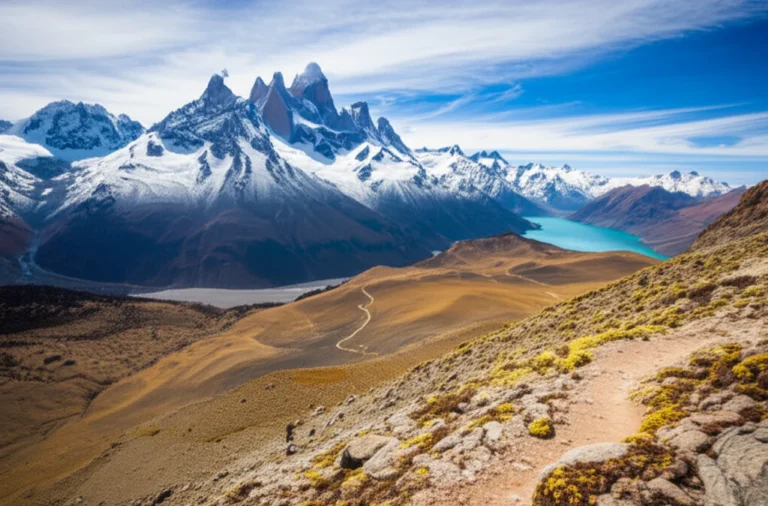
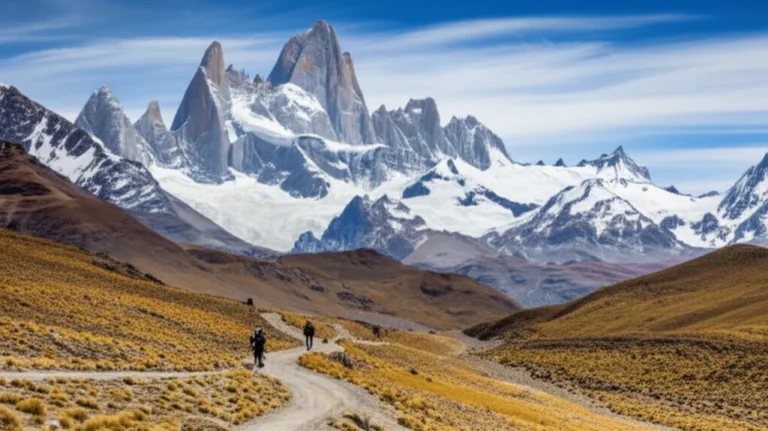
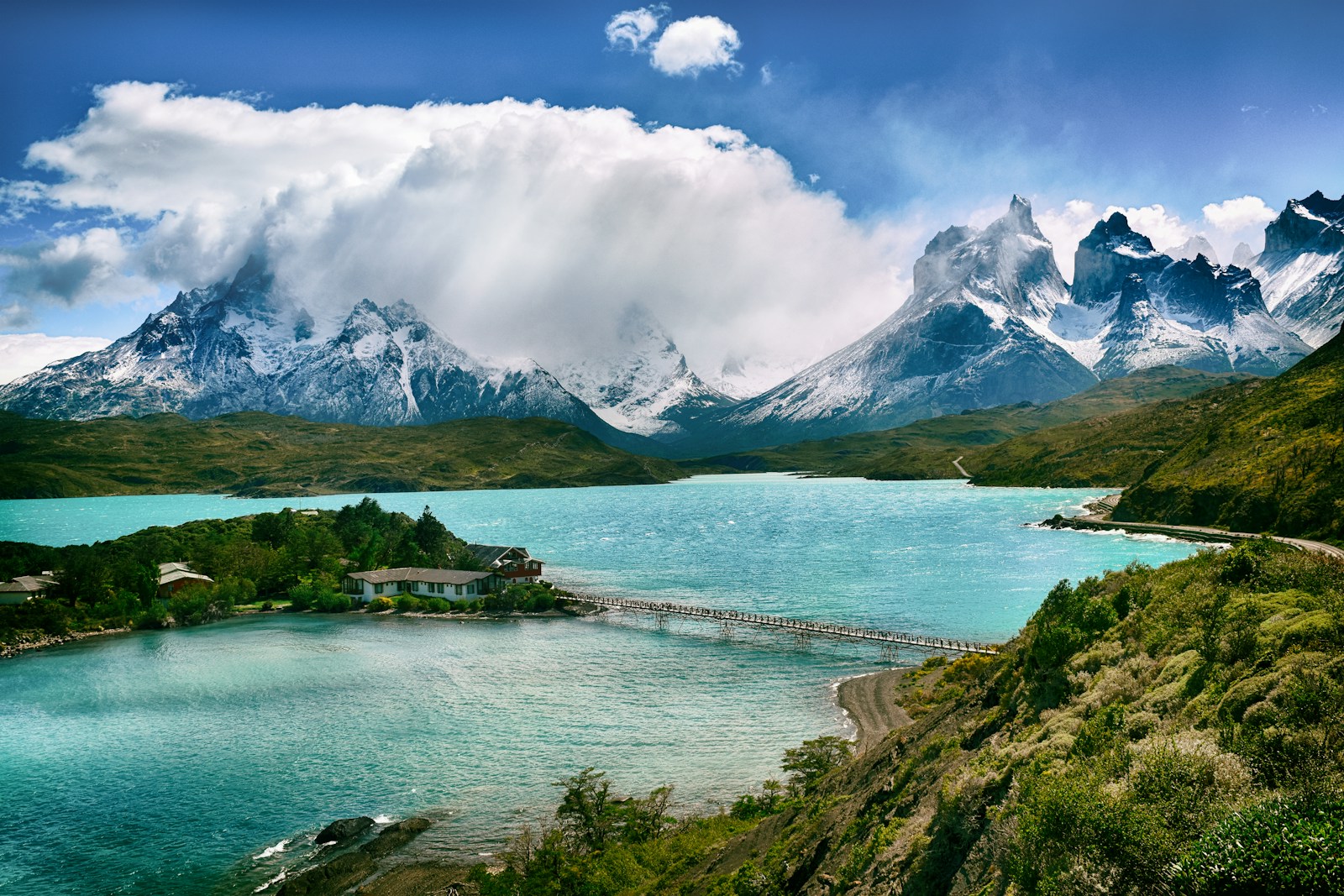
If you haven’t heard of the W Trek, have you even been on Instagram? This is the “Grand Canyon” of Chile. Located in Torres del Paine National Park, this 4-5 day trek takes you past the famous granite towers, the French Valley, and the massive Grey Glacier.
- Why we love it: The “four seasons in one day” weather. You might start in a t-shirt and end in a blizzard. It keeps you on your toes!
- Pro Tip: Book your campsites or refugios (lodges) at least 6 months in advance through Las Torres or Vertice. They sell out faster than concert tickets!
- Checklist: ✅ Waterproof jacket, ✅ Sturdy boots, ❌ Cotton socks (blister city!).
2. Stargazing in the Atacama: A Cosmic Outdoor Experience
The Atacama Desert is home to the clearest skies on the planet. Why? High altitude, zero humidity, and almost no light pollution. It’s why the world’s biggest telescopes, like ALMA, are perched here.
- The Experience: Join a tour in San Pedro de Atacama. You’ll look through high-powered telescopes and see Saturn’s rings so clearly you’ll think they’re painted on.
- Anecdote: We once saw a shooting star so bright it cast shadows on the desert floor. It’s a humbling reminder that we’re just tiny specks on a floating rock. 🌌
3. Surfing the “Left Hand” Breaks of Pichilemu
Move over, Hawaii. Pichilemu is the “World Capital of Surf” for those who don’t mind a bit of a chill. The waves at Punta de Lobos are legendary, specifically for their long, consistent left-hand breaks.
- The Vibe: Chill, bohemian, and very salty.
- Gear: You’ll need a thick 4/3mm wetsuit. The Humboldt Current is no joke—it’s refreshing, but it’ll turn your toes blue if you aren’t prepared.
4. Carving Powder: Skiing and Snowboarding the Andes
When the Northern Hemisphere is sweating through July, we’re waxing our skis. Just a short drive from Santiago, you’ll find world-class resorts like Valle Nevado, El Colorado, and the iconic Portillo.
- Expert Advice: If you’re an advanced skier, try the “Super C” couloir at Portillo. It’s a bucket-list descent with views of Aconcagua, the highest peak in the Americas.
- Brand Recommendation: We swear by Helly Hansen base layers for the Andean wind.
5. Whitewater Rafting the Raging Trancura River
Based in the adventure hub of Pucón, the Trancura River offers everything from family-friendly Class III rapids to “hold-on-for-dear-life” Class V drops.
- The Backdrop: You’ll be paddling with the smoking Villarrica Volcano looming in the background. 🌋
- Safety First: Always go with a certified operator like Antu Kayak or Sol y Nieve.
6. Kayaking the Surreal Marble Caves of General Carrera Lake
Deep in the heart of Aysén, you’ll find the Capillas de Mármol. These are solid marble caves carved by thousands of years of turquoise wave action.
- How to do it: You can take a big boat, but kayaking is the way to go. It allows you to glide right inside the narrow tunnels where the light reflects off the water and paints the marble walls in neon blues.
- Fun Fact: The water is that color because of “glacial flour”—fine particles of rock silt suspended in the meltwater.
7. Sandboarding the Dunes of Death Valley
In the Valle de la Muerte (Death Valley) near San Pedro de Atacama, the dunes are massive. It’s like snowboarding, but instead of cold snow, you get warm sand in your shoes.
- The Trick: Speed is your friend. If you go too slow, the board sinks. If you go too fast… well, sand is softer than ice, right? 🏜️
- Must-Have: A GoPro with a protective housing because that sand gets everywhere.
8. Fly Fishing in the Pristine Waters of Aysén
Chilean Patagonia is a mecca for fly fishermen. The rivers are teeming with Brown and Rainbow trout that have rarely seen a lure.
- Where to go: The Baker River is famous for its electric blue water and massive fish.
- Ethos: Most high-end lodges, like Patagonia Baker Lodge, practice strict catch-and-release to keep the ecosystem thriving.
9. Biking Through the Lush Vineyards of Casablanca Valley
Who says outdoor activities have to be grueling? Rent a mountain bike and pedal between the organic vineyards of Emiliana or Bodegas Re.
- The Reward: A crisp glass of Sauvignon Blanc at the end of every trail. 🍷
- Warning: Biking and wine tasting require a delicate balance. Don’t over-index on the “tasting” part before the “biking” part is done!
10. Mountaineering the Ojos del Salado Volcano
For the true “hardcore” adventurers, Ojos del Salado is the highest active volcano in the world (6,893m). It’s a non-technical climb but a brutal test of endurance and altitude acclimatization.
- The Challenge: High winds and extreme cold.
- Preparation: You need at least 10-12 days to properly acclimate in the high Altiplano.
11. Birdwatching and Penguin Spotting in Chiloé Archipelago
The island of Chiloé is a mystical place of wooden churches and myths. Outdoors, it’s a haven for birders. At Puñihuil, you can see both Humboldt and Magellanic penguins nesting together—the only place in the world where this happens!
- Look out for: The Kingfisher and the elusive Chucao bird. Legend says if you hear the Chucao on your right, you’ll have good luck!
12. Soaking in the Geometricas Hot Springs
After all that trekking and surfing, your muscles will scream for mercy. Head to Termas Geométricas near Coñaripe. These 17 slate-covered pools are tucked into a lush, misty canyon.
- The Aesthetic: Red wooden walkways contrast against the deep green ferns. It looks like something out of a Studio Ghibli movie. 🧖 ♀️
- Tip: Go in the evening when the steam rises into the cold air and the lanterns are lit.
🛡️ Navigating Chile Safely: Your Security and Health Guide
Chile is one of the safest countries in South America, but nature is the boss here.
- Sun Safety: We cannot stress this enough. Use SPF 50+. We recommend La Roche-Posay Anthelios for high-altitude protection.
- Altitude Sickness: In the North, soroche (altitude sickness) is real. Drink coca tea, stay hydrated, and don’t run up hills on day one.
- Travel Insurance: Always get a policy that covers “adventure sports” and “high-altitude evacuation.” World Nomads is a solid choice for hikers.
🎒 Essential Gear for Your Chile Vacay
Don’t be the person buying a $100 poncho at the park entrance. Pack these:
- Darn Tough Merino Wool Socks: Amazon Link – No blisters, no smell.
- Osprey Talon 22 Daypack: Perfect for day hikes in the Andes.
- Lifestraw Filter Bottle: Great for drinking from Patagonian streams.
- Buff Headwear: Protects your neck from the Atacama sun and the Patagonian wind.
🌤️ When to Go: Seasonal Outdoor Planning
- Spring (Sept – Nov): Best for wildflowers in the desert and fewer crowds in Patagonia.
- Summer (Dec – Feb): Peak season. Best weather for trekking and beach vibes.
- Fall (March – May): The colors in Patagonia turn fiery red. Stunning for photography.
- Winter (June – Aug): Ski season in the center, but many Patagonian trails close.
Conclusion

So, what outdoor activities can you do during a Chile vacay? The better question is: What can’t you do? Whether you’re sliding down a sand dune at sunset or watching the sunrise hit the granite peaks of Torres del Paine, Chile offers a raw, unfiltered connection to nature that stays with you long after the dust has been washed off your boots.
We’ve given you the map—now it’s your turn to write the story. Which adventure are you picking first? The icy fjords or the desert stars? Let us know in the comments!
Recommended Links
- Official Chile Travel Portal
- CONAF (National Forest Corporation – Park Bookings)
- Torres del Paine Official Site
- Ski Portillo Resort
FAQ
Q: Do I need a visa for Chile? A: Citizens of the US, Canada, UK, and EU generally do not need a visa for stays under 90 days, but always check the latest reciprocity fee requirements.
Q: Is Chile expensive? A: It is one of the more expensive countries in South America, comparable to parts of Europe or the US, especially in tourist hubs like San Pedro or Patagonia.
Q: Can I hike Torres del Paine without a guide? A: Yes! The trails are well-marked. However, for ice trekking or technical climbs, a guide is mandatory.
Q: What is the “Abrazo” in Chilean culture? A: It’s a warm hug! Chileans are very friendly. Don’t be surprised if your trekking guide treats you like family by day two.
Reference Links
- UNESCO World Heritage Sites in Chile
- The Tompkins Conservation Legacy
- NASA: Why the Atacama is like Mars
⚡️ Quick Tips and Facts
Alright, adventurers, let’s kick things off with the essentials! Before you dive headfirst into the epic landscapes of Chile, here’s a quick rundown of what you need to know. Think of this as your pre-flight checklist for an unforgettable journey with Chile Vacay™, your ultimate guide to unforgettable Chilean adventures. We’ve distilled years of boots-on-the-ground experience into these nuggets of wisdom, ensuring your trip is as smooth as a perfectly aged Carmenere.
| Category | Expert Insight | Our Take |
|---|---|---|
| Best Time for South | November to March (Summer) ☀️ | ✅ Go for it! Long daylight hours, warmer temps for trekking. |
| Best Time for North | Year-round, but nights are freezing! ❄️ | ✅ Anytime is good! Just pack layers for the desert’s dramatic temperature swings. |
| Currency | Chilean Peso (CLP). Keep cash for rural areas. 💵 | ✅ Essential! ATMs are plentiful in cities, but small towns prefer cash. |
| Language | Spanish (with a very fast, unique accent!) 🗣️ | ✅ Learn some basics! Even a few phrases go a long way. “¡Hola!” and “¡Gracias!” are your best friends. |
| Sun Protection | Mandatory. The ozone layer is thin; you will toast. 🧴 | ❌ Don’t skip! We’ve seen more than a few lobster-red tourists. SPF 50+ is your minimum. |
| Water | Generally safe in cities, but stick to bottled in the North. 💧 | ✅ Hydrate! Carry a reusable bottle and filter in the wild. |
| Connectivity | Buy a WOM or Entel SIM card for the best rural coverage. 📱 | ✅ Stay connected! Great for navigation and sharing those epic selfies. |
🏔️ The Wild Roots: A History of Chile’s Great Outdoors

Chile isn’t just a country; it’s a 2,600-mile-long geographical dare. From the bone-dry Atacama Desert (the driest non-polar place on Earth, according to NASA) to the glacial fjords of Tierra del Fuego, the landscape has profoundly shaped its people and culture. This thin, vertical nation, stretching from the subtropics to sub-Antarctic, offers “a diverse range of outdoor activities, from glaciers to deserts, making it ideal for adventure seekers,” as noted by Audley Travel.
Historically, the indigenous Mapuche people held a deep spiritual connection to the mountains, forests, and rivers of the south, viewing the towering volcanoes as powerful, living deities. Their reverence for Ñuke Mapu (Mother Earth) instilled a profound respect for the natural world that still resonates today. Later, European explorers like Ferdinand Magellan and Charles Darwin were left slack-jawed by the sheer verticality and untamed beauty of the Andes and the Patagonian wilderness. Darwin’s observations here were pivotal to his theories, highlighting the unique biodiversity of this isolated land.
Today, that rugged history has evolved into a world-class playground for outdoor enthusiasts. Chile has protected over 20% of its territory in National Parks, thanks in large part to the visionary conservation efforts of Doug and Kristine Tompkins, the folks behind The North Face and Patagonia brands. Their incredible legacy, detailed by Tompkins Conservation, has transformed vast tracts of land into protected areas like Pumalín and Patagonia National Parks. When you hike here, you’re not just walking through stunning scenery; you’re traversing a conservation miracle, a testament to the power of human dedication to preserving wild spaces. It’s this deep connection to nature that makes “traveling in Chile allows you to connect deeply with nature and experience breathtaking landscapes,” a sentiment we wholeheartedly agree with, echoing She Buys Travel.
1. Trekking the Iconic “W” Trek in Torres del Paine
If you haven’t heard of the W Trek, have you even been on Instagram? This isn’t just a hike; it’s a pilgrimage for outdoor lovers, the “Grand Canyon” of Chile, and arguably one of the most famous treks in the world. Located in the majestic Torres del Paine National Park in Chilean Patagonia, this 4-5 day trek takes you past the famous granite towers, through the lush French Valley, and to the edge of the massive Grey Glacier. It’s a true test of endurance and a feast for the senses.
Why the “W” is a Must-Do
- Iconic Views: From the towering Torres themselves at sunrise to the panoramic vistas of the French Valley and the shimmering icebergs of Grey Glacier, every turn offers a postcard-perfect scene.
- Diverse Ecosystems: You’ll traverse ancient forests, open steppes, and glacial moraines, encountering diverse wildlife like guanacos, condors, and perhaps even a puma if you’re lucky (and quiet!).
- The “Four Seasons in One Day” Weather: This is not a drawback, but a feature! We’ve started a day in a t-shirt and ended it in a blizzard. It keeps you on your toes and makes every moment an adventure. As Seattle’s Child wisely advises, “Dress in layers; coastal weather can be unpredictable.” This applies tenfold in Patagonia!
Planning Your W Trek Adventure
- Book Early, Book Very Early: This is the most crucial step. Campsites and refugios (mountain lodges) inside the park sell out faster than concert tickets for a global superstar. We’re talking 6-12 months in advance, especially for peak season (December-February).
- Booking Platforms:
- Fantastico Sur: Official Website (for Refugio & Camping Chileno, Central, Los Cuernos, and Serón)
- Vertice Patagonia: Official Website (for Refugio & Camping Paine Grande, Grey, and Dickson)
- CONAF: Official Website (for free campsites like Campamento Italiano, though these are often closed or require prior booking through the other operators).
- Booking Platforms:
- Choose Your Direction: Most people hike west-to-east (Paine Grande to Las Torres) or east-to-west (Las Torres to Paine Grande). Both have their merits. West-to-east often means saving the iconic Towers for the grand finale!
- Pack Smart:
- Essential Gear: ✅ Waterproof jacket and pants, ✅ Sturdy, broken-in hiking boots, ✅ Merino wool base layers (never cotton!), ✅ Headlamp, ✅ Portable charger, ✅ First-aid kit.
- Our Blister Story: One of our team members, let’s call her “Blister Betty,” once tried to save space by bringing new boots. Big mistake. Huge. Her feet looked like they’d been through a cheese grater. Learn from Betty: break in your boots!
- Checklist: ❌ Cotton socks (blister city!), ❌ Heavy denim, ❌ Too many changes of clothes (you’ll be stinky, embrace it!).
Expert Recommendations
- Guided vs. Self-Guided: The trails are incredibly well-marked, so you can absolutely do it self-guided. However, for those who prefer less planning hassle or want to learn more about the local flora and fauna, guided tours are available. As She Buys Travel advises, “Consider guided tours for safety and enhanced experience, especially in remote areas.”
- Permits: You’ll need to pay an entrance fee to Torres del Paine National Park. You can buy this online in advance via CONAF or at the park entrance.
- Don’t Rush: While it’s called the “W,” many people extend it to the “O” circuit (8-10 days) to see the backside of the park. Even on the W, take your time, soak it in. This is a once-in-a-lifetime experience.
2. Stargazing in the Atacama: A Cosmic Outdoor Experience
Imagine a sky so clear, so utterly devoid of light pollution, that the Milky Way looks like a brushstroke across the cosmos. That’s the Atacama Desert for you. Home to the clearest skies on the planet, this northern Chilean marvel offers an unparalleled stargazing experience. Why is it so special? High altitude, almost zero humidity, and minimal light pollution create a perfect celestial window. It’s why the world’s biggest telescopes, like the Atacama Large Millimeter/submillimeter Array (ALMA), are perched here, peering into the universe’s deepest secrets (ALMA Observatory).
The Cosmic Canvas: Why Atacama Shines
- Unrivaled Clarity: The dry air means less atmospheric distortion, allowing for incredibly crisp views of stars, planets, and nebulae.
- High Altitude Advantage: Being thousands of meters above sea level puts you closer to the stars and above much of the atmosphere.
- Dark Sky Sanctuary: Strict regulations on light pollution around San Pedro de Atacama ensure the night sky remains pristine.
Your Stargazing Journey: Step-by-Step
- Choose Your Tour: In San Pedro de Atacama, numerous operators offer stargazing tours. Look for those with experienced guides and high-quality telescopes.
- Recommended Operators: We’ve had fantastic experiences with Space Obs and Atacama Desert Stargazing.
- Dress Warmly: Even if the day is scorching, desert nights are freezing. We’re talking below-zero temperatures. Layers, a warm hat, gloves, and a thick jacket are non-negotiable.
- Listen and Learn: Guides will point out constellations, planets, and galaxies, sharing fascinating insights into astronomy and local indigenous sky lore. You’ll look through powerful telescopes and see Saturn’s rings so clearly you’ll think they’re painted on, or the craters on the moon in stunning detail.
- Capture the Moment (Responsibly): Many tours offer astrophotography tips or even take professional photos for you. Remember to keep your phone’s screen brightness low to preserve night vision.
Our Cosmic Anecdote
One chilly night, huddled under a blanket, we saw a shooting star so bright it actually cast shadows on the desert floor for a fleeting second. It was a humbling, breathtaking moment, a powerful reminder that we’re just tiny specks on a floating rock, spinning through an infinite, wondrous universe. It’s an experience that truly connects you to something larger than yourself. While She Buys Travel mentions Valle de la Luna for unique wildlife experiences, the valley also offers incredible sunset views that perfectly preface a night of stargazing.
3. Surfing the “Left Hand” Breaks of Pichilemu
Move over, Hawaii. For those who don’t mind a bit of a chill and crave long, consistent waves, Pichilemu is often hailed as the “World Capital of Surf.” Located in the O’Higgins Region, this coastal town is a mecca for surfers, particularly for its legendary breaks at Punta de Lobos.
The Wave Whisperer: Why Pichilemu is Legendary
- Punta de Lobos: This iconic point break is famous for its incredibly long, powerful left-hand waves that can peel for hundreds of meters. It’s a challenging but rewarding ride for experienced surfers.
- Consistent Swell: The Pacific Ocean, influenced by the Humboldt Current, delivers consistent swells, making it a reliable surf destination year-round.
- Variety for All Levels: While Punta de Lobos is for the pros, nearby beaches like Playa Hermosa and Infiernillo offer gentler waves perfect for beginners and intermediate surfers.
The Pichilemu Vibe
The town itself has a laid-back, bohemian, and very salty vibe. Surf shops, hostels, and seafood restaurants line the streets, all buzzing with the energy of wave-chasers. It’s a place where you can truly unwind after a day battling the waves.
Gear Up for the Chill
The Humboldt Current brings nutrient-rich, but also chilly, waters up the Chilean coast. This isn’t tropical surfing!
- Wetsuit is Key: You’ll need a thick wetsuit, typically a 4/3mm or even a 5/4mm in winter. Don’t skimp here; it’ll turn your toes blue if you aren’t prepared.
- Brand Recommendation: We’ve personally relied on O’Neill and Rip Curl wetsuits for their durability and warmth in these conditions.
- 👉 Shop O’Neill Wetsuits on: Amazon | O’Neill Official Website
- 👉 Shop Rip Curl Wetsuits on: Amazon | Rip Curl Official Website
A Local Perspective
As the first YouTube video embedded in this article highlights, “The north of Chile is recognized for its surf spots, with Pichilemu and specifically Punta de Lobos highlighted for producing large, consistent waves.” This isn’t just local pride; it’s a global reputation earned by the sheer quality of the breaks.
4. Carving Powder: Skiing and Snowboarding the Andes
When the Northern Hemisphere is sweating through July, we’re waxing our skis and boards! Chile’s central Andes transform into a winter wonderland, offering some of the best skiing and snowboarding in South America. Just a short, scenic drive from Santiago, you’ll find world-class resorts like Valle Nevado, El Colorado, and the iconic Portillo.
The Andean Advantage: Why Ski Chile?
- Proximity to Santiago: You can be on the slopes within an hour or two of leaving the capital, making it incredibly convenient for weekend trips or even day excursions.
- Champagne Powder: The high altitude and dry climate often bless the resorts with light, fluffy “champagne powder” that’s a dream to carve through.
- Stunning Scenery: Imagine shredding down a slope with panoramic views of towering, snow-capped peaks, some reaching over 6,000 meters. It’s truly breathtaking.
Top Chilean Ski Resorts
- Valle Nevado:
- Overview: The largest ski resort in South America, known for its wide-open bowls, excellent snow quality, and heli-skiing opportunities. It has a distinctly European feel.
- Best For: Intermediate to advanced skiers, families looking for a full resort experience.
- Link: Valle Nevado Official Website
- Portillo:
- Overview: A legendary, iconic resort famous for its bright yellow hotel and steep, challenging terrain. It’s hosted World Cup races and attracts professional athletes.
- Best For: Advanced skiers and snowboarders, those seeking a unique, intimate ski experience (only 450 guests at a time!).
- Expert Advice: If you’re an advanced skier, try the “Super C” couloir. It’s a bucket-list descent with unparalleled views of Aconcagua, the highest peak in the Americas. It’s a serious challenge, but the bragging rights are eternal!
- Link: Ski Portillo Official Website
- El Colorado & La Parva:
- Overview: These two interconnected resorts offer a vast ski area with varied terrain, from gentle beginner slopes to challenging off-piste runs. They are popular with locals and offer a more Chilean vibe.
- Best For: All skill levels, especially those looking for diverse terrain and a lively atmosphere.
- Link: El Colorado Official Website | La Parva Official Website
Gear Up for the Andes
“Skiing and snowboarding are available in the Andes during winter,” confirms Audley Travel, and they’re right – but you need the right gear. The Andean wind can be biting, and temperatures can drop significantly.
Helly Hansen Lifa Merino Base Layer
We swear by Helly Hansen base layers for the Andean wind. Their Lifa Merino series combines the moisture-wicking properties of Lifa fibers with the warmth of merino wool, making them perfect for high-output activities in cold conditions.
| Feature | Rating (1-10) | Notes |
|---|---|---|
| Warmth | 9 | Excellent warmth-to-weight ratio, even when damp. |
| Moisture Wicking | 9 | Keeps you dry and comfortable during intense activity. |
| Comfort | 8 | Soft against the skin, though some might find merino slightly itchy (rare). |
| Durability | 8 | Holds up well to repeated washing and wear. |
| Design | 7 | Functional, not overly stylish, but that’s not its primary purpose. |
| Odor Resistance | 9 | Merino wool naturally resists odor, a huge plus on multi-day trips. |
- Benefits: Keeps you warm without overheating, dries quickly, and resists odor. It’s the foundation of a good layering system.
- Drawbacks: Can be a bit pricier than synthetic alternatives, and some people are sensitive to wool.
- Our Take: A non-negotiable for serious winter sports in Chile. We’ve worn these on countless powder days and they’ve never let us down.
👉 Shop Helly Hansen Lifa Merino Base Layers on: Amazon | Helly Hansen Official Website
5. Whitewater Rafting the Raging Trancura River
If you’re looking for an adrenaline rush with a side of stunning scenery, look no further than whitewater rafting on the Trancura River. Based in the adventure hub of Pucón, this river offers everything from family-friendly Class III rapids to “hold-on-for-dear-life” Class V drops, making it a prime spot for Adventure Travel.
Pucón: The Adventure Capital
Pucón is nestled at the foot of the active Villarrica Volcano, making it a natural magnet for thrill-seekers. The town is brimming with tour operators, gear shops, and cozy cafes, all catering to the adventurous spirit.
The Trancura Experience
- Upper Trancura (Class IV-V): This section is for the experienced and the brave. Expect big drops, powerful hydraulics, and a serious workout. It’s an exhilarating ride that will leave you soaked and grinning.
- Lower Trancura (Class III): Perfect for beginners, families, or those looking for a more relaxed (but still exciting!) experience. You’ll navigate fun rapids, enjoy the scenery, and still get plenty of splashes.
The Backdrop: Villarrica Volcano
As you paddle, the smoking Villarrica Volcano looms majestically in the background, adding an epic, almost surreal, dimension to your adventure. It’s a constant reminder of the raw, untamed power of nature that defines this region.
Safety First, Always!
Whitewater rafting is an incredible experience, but safety is paramount.
- Certified Operators: Always go with a certified and reputable operator. Look for companies with experienced guides, well-maintained equipment, and a strong safety record. We’ve had excellent experiences with Antu Kayak and Sol y Nieve in Pucón.
- Briefing is Key: Pay close attention to your guide’s safety briefing. They’ll teach you paddle commands, what to do if you fall out, and how to work as a team.
- Gear Check: Ensure your helmet fits snugly, your life jacket is properly fastened, and your wetsuit (often provided) is appropriate for the water temperature.
Our team once had a close call on a particularly feisty Class IV rapid. Our raft flipped, and for a few heart-stopping seconds, we were all submerged. But thanks to our expert guide and proper safety training, everyone surfaced quickly, laughing (and a little shaken) as we were pulled back into the raft. It was a vivid reminder of the power of the river and the importance of choosing a professional outfitter.
6. Kayaking the Surreal Marble Caves of General Carrera Lake
Deep in the heart of Aysén, Chilean Patagonia, lies a geological wonder that looks like it’s been painted by a master artist: the Capillas de Mármol (Marble Caves). These are not just caves; they are solid marble formations, sculpted over thousands of years by the relentless, turquoise waves of General Carrera Lake.
A Symphony of Color and Light
- Glacial Flour: The water’s incredible, almost otherworldly, blue hue is due to “glacial flour”—fine particles of rock silt suspended in the meltwater from surrounding glaciers. This creates a stunning contrast with the white, grey, and black marble.
- Light Play: As the sun hits the water, it reflects off the lake’s surface and paints the marble walls in neon blues, greens, and even purples. It’s a constantly shifting, mesmerizing light show.
Why Kayaking is the Only Way to Go
While you can take larger boat tours to see the caves, kayaking is, without a doubt, the superior experience.
- Intimate Exploration: Kayaks allow you to glide right inside the narrow tunnels and intricate chambers of the caves, where larger boats cannot go. You can truly immerse yourself in the surreal beauty, touching the smooth marble walls and feeling the cool, damp air.
- Silence and Serenity: Without the drone of a motor, the only sounds you’ll hear are the gentle lapping of water against your kayak and the occasional drip from the cave ceiling. It’s a profoundly peaceful and meditative experience.
- Photography Heaven: The unique angles and close-up access offered by kayaking make for incredible photographic opportunities.
Planning Your Marble Cave Expedition
- Base Yourself in Puerto Río Tranquilo: This small town is the main jumping-off point for tours to the Marble Caves.
- Choose Your Operator: Several local companies offer guided kayak tours. Look for those with stable kayaks, experienced guides, and good safety briefings.
- Weather Dependent: The lake can get very windy, making kayaking difficult or impossible. Always check the weather forecast and be prepared for tours to be rescheduled.
- What to Bring: Waterproof bag for electronics, warm layers (even on sunny days, the caves are cool), sunglasses, and a sense of wonder!
“Paddle in pristine lakes and fjords,” suggests Audley Travel, and the Marble Caves are the epitome of this. It’s an experience that truly highlights the unique geological wonders of Chilean Patagonia.
7. Sandboarding the Dunes of Death Valley
After exploring the cosmic wonders of the Atacama, why not tackle its terrestrial extremes? In the Valle de la Muerte (Death Valley), just outside San Pedro de Atacama, the dunes are massive, sculpted by millennia of wind. It’s like snowboarding, but instead of cold snow, you get warm sand in your shoes (and everywhere else!).
The Desert Playground
- Valle de la Muerte: Despite its ominous name, this valley is a playground for adventurers. Its dramatic, Mars-like landscape is perfect for sandboarding, hiking, and photography.
- Massive Dunes: The dunes here are impressive, offering long, exhilarating runs that will get your heart pumping.
Sandboarding: Step-by-Step
- Rent Your Board: Many tour operators and rental shops in San Pedro de Atacama offer sandboard rentals, often including boots and wax.
- Get to the Dunes: Most people join a tour that includes transport to the dunes, a guide, and sometimes even a sunset view.
- Wax On, Wax Off: Before each run, you’ll need to wax the bottom of your board. This is crucial for speed!
- Choose Your Stance: You can stand up (like snowboarding), sit down, or even lie on your belly headfirst (the fastest, and arguably most terrifying, way!).
- The Trick: Speed is your friend. If you go too slow, the board sinks into the soft sand. If you go too fast… well, sand is generally softer than ice, right? Just remember to lean back slightly and enjoy the ride!
Essential Gear: Capturing the Action
Sandboarding is dusty, gritty, and incredibly fun. You’ll want to capture the action without risking your precious electronics.
GoPro HERO12 Black
The GoPro HERO12 Black is our go-to for extreme sports in dusty or wet environments. Its rugged design and excellent stabilization make it perfect for sandboarding.
| Feature | Rating (1-10) | Notes |
|---|---|---|
| Durability | 9 | Built like a tank, withstands drops and sand. |
| Video Quality | 9 | Stunning 5.3K video, vibrant colors. |
| Stabilization | 10 | HyperSmooth 6.0 is incredibly effective, even on bumpy rides. |
| Ease of Use | 8 | Intuitive interface, though advanced settings take practice. |
| Battery Life | 7 | Improved, but still recommend carrying spares for long days. |
| Waterproofing | 9 | Waterproof down to 33ft (10m) without extra housing. |
- Benefits: Captures smooth, high-quality footage in challenging conditions. Its compact size makes it easy to mount.
- Drawbacks: Battery life can be a concern for extended use, and the small screen can be hard to see in bright sun.
- Our Take: A must-have for documenting your sandboarding adventures. Just make sure to clean it thoroughly afterwards!
👉 Shop GoPro HERO12 Black on: Amazon | Walmart | GoPro Official Website
As the first YouTube video embedded in this article aptly points out, “The Atacama Desert offers unique activities like sandboarding, with opportunities to explore vast dunes.” It’s an experience that truly sets Chile apart as an adventure destination.
8. Fly Fishing in the Pristine Waters of Aysén
For those who prefer a quieter, more contemplative outdoor pursuit, Chilean Patagonia is a veritable mecca for fly fishermen. The rivers and lakes of the Aysén Region are teeming with wild Brown and Rainbow trout, many of which have rarely seen a lure. This is not just fishing; it’s an immersion in some of the most pristine, untouched wilderness on Earth.
The Angler’s Paradise
- Untouched Ecosystems: The remote nature of Aysén means less fishing pressure, resulting in healthy fish populations and a truly wild experience.
- Crystal-Clear Waters: Glacial-fed rivers and lakes offer incredible visibility, allowing you to spot fish before you cast.
- Diverse Waters: From fast-flowing rivers to tranquil spring creeks and vast lakes, Aysén offers a variety of fishing environments to suit every angler.
Where to Cast Your Line
- The Baker River: Famous for its electric blue water and massive fish, the Baker River is a legendary destination. Its sheer volume and consistent flow make it a prime spot for trophy trout.
- Futaleufú River: While also known for whitewater rafting, the Futaleufú offers excellent fly fishing opportunities, particularly for aggressive Rainbow trout.
- Lago General Carrera: The same lake that houses the Marble Caves also boasts incredible fishing, especially for large Brown trout in its deeper sections.
The Ethos of Chilean Fly Fishing
Most high-end lodges and responsible outfitters in Patagonia, like Patagonia Baker Lodge, practice strict catch-and-release. This commitment to conservation ensures that these pristine ecosystems remain healthy for generations to come. It’s about the experience of the chase, the beauty of the surroundings, and the respect for nature, rather than the harvest.
Our Fishing Tale
One crisp Patagonian morning, after hours of patient casting on a secluded stretch of the Baker River, one of our team members hooked into a magnificent, feisty Rainbow trout. The fight was epic, the fish leaping and diving in the turquoise water. After a careful landing, a quick photo, and a gentle release, the feeling of accomplishment and connection to the wild was profound. It wasn’t just about the fish; it was about the silence, the crisp air, and the sheer, unadulterated beauty of the moment.
9. Biking Through the Lush Vineyards of Casablanca Valley
Who says outdoor activities have to be grueling, sweat-inducing endeavors? Sometimes, the best adventures involve a gentle breeze, stunning scenery, and a delicious reward. Welcome to the Casablanca Valley, Chile’s premier cool-climate wine region, where you can combine the joy of cycling with the pleasure of wine tasting. This is a fantastic way to experience Cultural Experiences with an active twist.
Pedal and Sip: The Perfect Pairing
- Scenic Routes: The Casablanca Valley offers relatively flat, well-maintained roads that wind through endless rows of grapevines, framed by rolling hills.
- Cool Climate Wines: Famous for its crisp Sauvignon Blanc and elegant Pinot Noir, the valley’s unique microclimate (influenced by the Pacific Ocean) produces wines with distinct character.
- Boutique Wineries: You’ll encounter a mix of large, established vineyards and smaller, family-run operations, each offering unique tours and tasting experiences.
Your Vineyard Biking Tour: Step-by-Step
- Rent Your Ride: Many wineries or tour operators in the valley offer bike rentals, often including helmets and maps. You can also arrange transport from Santiago or Valparaíso.
- Choose Your Wineries: Plan a route that includes 2-3 wineries. We highly recommend:
- Emiliana Organic Vineyards: Official Website Known for its commitment to organic and biodynamic farming, offering fascinating tours and delicious wines.
- Bodegas Re: Official Website A smaller, boutique winery focusing on unique blends and traditional methods.
- Cycle at Your Leisure: Enjoy the fresh air and beautiful scenery as you pedal between vineyards. The distances are manageable, making it suitable for all fitness levels.
- Indulge in Tastings: At each winery, you can join a tour to learn about their winemaking process, followed by a tasting of their exquisite wines.
The Reward (and the Warning!)
The ultimate reward, of course, is a crisp glass of Sauvignon Blanc or a velvety Pinot Noir at the end of every trail. It’s a truly delightful way to experience Chile’s burgeoning wine scene.
Warning: Biking and wine tasting require a delicate balance. Don’t over-index on the “tasting” part before the “biking” part is done! We recommend spitting during tastings if you plan to continue cycling, or simply enjoying one glass at your final stop. Safety first, enjoyment always!
10. Mountaineering the Ojos del Salado Volcano
For the true “hardcore” adventurers, those who dream of standing atop the world, Ojos del Salado beckons. At 6,893 meters (22,615 feet), it is the highest active volcano in the world and the second-highest peak in the Western Hemisphere (after Aconcagua). Located in the remote Atacama region, this is a non-technical climb, but a brutal test of endurance, altitude acclimatization, and mental fortitude.
The Ultimate High-Altitude Challenge
- Extreme Altitude: The sheer height of Ojos del Salado means that altitude sickness is a significant factor. Proper acclimatization is not just recommended; it’s absolutely essential.
- Harsh Conditions: Expect extreme cold, relentless winds, and a barren, lunar landscape. This is a place where nature truly rules.
- Non-Technical (Mostly): While the climb itself doesn’t require advanced mountaineering skills (ropes, ice axes, crampons are typically only needed for the final pitch to the summit, depending on conditions), the physical demands are immense.
Preparing for the Summit
- Physical Fitness: You need to be in excellent physical condition, with a strong cardiovascular system and experience with multi-day treks.
- Altitude Acclimatization: This is the most critical component. You need at least 10-12 days to properly acclimate in the high Altiplano. This usually involves a series of progressively higher camps, with rest days in between.
- Our Experience: We’ve seen climbers turn back due to soroche (altitude sickness) even after careful acclimatization. Listen to your body and your guide.
- Guided Expedition: This is not a climb to attempt solo. Always go with an experienced, certified mountaineering guide service. They provide essential logistical support, safety expertise, and medical knowledge.
- Recommended Guides: Look for operators specializing in high-altitude expeditions in the Atacama, such as Andes Expediciones or Chile Montaña.
- Gear: Top-tier mountaineering gear is non-negotiable: expedition-grade sleeping bags, insulated boots, down parkas, and robust tents.
The Reward
Reaching the summit of Ojos del Salado is an extraordinary achievement. The views are unparalleled, stretching across the vast Atacama Desert and into Argentina. You’ll stand on the rim of an active volcano, feeling the immense power of the Earth beneath your feet. It’s an experience that pushes your limits and leaves you with a profound sense of accomplishment.
11. Birdwatching and Penguin Spotting in Chiloé Archipelago
Beyond the mainland, the mystical island of Chiloé and its surrounding archipelago offer a unique blend of culture, myth, and incredible wildlife. This is a prime destination for birdwatchers and anyone eager to spot some adorable penguins, making it a standout among Destinations.
Chiloé: Island of Magic and Wildlife
- Wooden Churches: Chiloé is famous for its distinctive wooden churches, many of which are UNESCO World Heritage Sites, showcasing a unique architectural style.
- Myths and Legends: The island is steeped in folklore, with tales of mythical creatures and seafaring legends.
- Biodiversity Hotspot: Its diverse habitats, from dense forests to coastal wetlands, make it a haven for a wide array of bird species.
Penguin Paradise at Puñihuil
The star attraction for wildlife enthusiasts is the Puñihuil Natural Monument, a group of three small islets off the northwestern coast of Chiloé. This is the only place in the world where both Humboldt and Magellanic penguins nest together!
- The Experience: Take a short boat tour from Puñihuil beach (usually 30-45 minutes) to get up close (but not too close!) to the nesting colonies. You’ll see thousands of penguins waddling, swimming, and squawking.
- Best Time to Visit: The penguins are typically present from September/October to March, during their breeding season.
Birdwatcher’s Delight
Beyond the penguins, Chiloé is a fantastic spot for birdwatching.
- Look out for:
- Kingfisher: With its iridescent blue and orange plumage, this bird is a stunning sight as it dives for fish.
- Chucao Tapaculo: This elusive, ground-dwelling bird is more often heard than seen. Its distinctive call is a hallmark of the Patagonian forest. Legend says if you hear the Chucao on your right, you’ll have good luck; if it’s on your left, bad luck! (We always try to make sure it’s on our right, just in case! 😉)
- Black-necked Swan: Elegant and graceful, these swans are often seen in the wetlands and estuaries.
- Chilean Flamingo: In certain coastal lagoons, you might spot these vibrant pink birds.
Our Chiloé Encounter
On a misty morning in Chiloé, we were exploring a quiet cove when we spotted a group of sea otters playing in the kelp beds, completely oblivious to our presence. It was a magical, serene moment that perfectly encapsulated the wild beauty of the archipelago. “Bring binoculars for wildlife viewing,” advises Seattle’s Child, and we couldn’t agree more for Chiloé!
12. Soaking in the Geometricas Hot Springs
After all that trekking, surfing, and volcano climbing, your muscles will be screaming for mercy. What better way to soothe your weary body than by soaking in one of Chile’s most aesthetically pleasing natural wonders? Head to Termas Geométricas (Geometric Hot Springs) near Coñaripe in the Lake District.
A Design Masterpiece in Nature
- Unique Design: Unlike traditional hot springs, Termas Geométricas is a marvel of minimalist design integrated seamlessly into nature. Seventeen slate-covered pools of varying temperatures are connected by a striking 500-meter-long red wooden walkway that snakes through a lush, misty canyon.
- Natural Hot Water: The thermal waters are naturally heated by the volcanic activity of the region, rich in minerals known for their therapeutic properties.
- Lush Setting: The springs are nestled within a dense, verdant forest, with ferns and moss clinging to the canyon walls. It looks like something straight out of a Studio Ghibli movie, a perfect blend of natural beauty and thoughtful architecture.
The Termas Geométricas Experience
- Arrive and Unwind: The entrance fee covers access to all pools and changing facilities. You’ll be given a towel and a key for a locker.
- Follow the Red Path: The iconic red walkway guides you through the canyon, leading you from one pool to the next. Each pool is a different temperature, allowing you to find your perfect soak.
- Find Your Zen: Immerse yourself in the warm, mineral-rich waters. Listen to the sounds of the forest, feel the steam rise around you, and let your worries melt away.
- Best Time to Go: While beautiful at any time, we highly recommend going in the late afternoon or evening. When the steam rises into the cold air and the lanterns along the walkway are lit, the atmosphere becomes truly magical and romantic.
Our Soothing Story
After a particularly challenging ascent of Villarrica Volcano, our legs felt like jelly. Arriving at Termas Geométricas was like stepping into a dream. The contrast of the cold mountain air on our faces and the blissful warmth of the thermal pools was pure heaven. We spent hours moving between the different temperatures, feeling our muscles slowly release their tension. It was the perfect antidote to adventure, proving that outdoor activities in Chile aren’t all about pushing limits; sometimes, they’re about finding profound relaxation in nature’s embrace.
🛡️ Navigating Chile Safely: Your Security and Health Guide
Chile is often considered one of the safest countries in South America, but like any adventure destination, nature is the ultimate boss here. Being prepared and informed is key to a smooth and enjoyable trip. As Audley Travel and She Buys Travel both emphasize, “Guided tours and local operators are recommended for safety and expertise” and “Always check weather conditions before outdoor excursions.”
Sun Safety: The Unseen Danger
We cannot stress this enough: the sun in Chile is incredibly powerful. The ozone layer is thinner over the southern cone, and at high altitudes (like the Atacama or the Andes), the UV radiation is intense. You will toast if you’re not careful.
- Mandatory SPF 50+: Apply a broad-spectrum sunscreen with at least SPF 50+ generously and reapply frequently, especially after sweating or swimming.
- Our Recommendation: We swear by La Roche-Posay Anthelios Melt-In Milk Sunscreen SPF 60. It’s lightweight, non-greasy, and provides excellent protection, even in harsh conditions.
La Roche-Posay Anthelios Melt-In Milk Sunscreen SPF 60
| Feature | Rating (1-10) | Notes |
|---|---|---|
| SPF Protection | 10 | SPF 60 is robust for high UV environments. |
| Texture | 9 | Melts into skin, non-greasy, doesn’t leave a white cast. |
| Water Resistance | 8 | Up to 80 minutes, good for sweating/light swimming. |
| Skin Feel | 9 | Comfortable, suitable for sensitive skin. |
| Durability | 9 | Stays put, effective for long periods. |
| Scent | 8 | Mild, pleasant scent, or fragrance-free options available. |
- Benefits: High SPF, broad-spectrum protection, suitable for sensitive skin, and water-resistant.
- Drawbacks: Can be a bit pricier than drugstore brands, but worth the investment for skin health.
- Our Take: This is our go-to for any outdoor adventure in Chile. Don’t leave home without it!
👉 Shop La Roche-Posay Anthelios on: Amazon | Walmart | La Roche-Posay Official Website
- Protective Clothing: Wear wide-brimmed hats, sunglasses (with UV protection), and lightweight, long-sleeved shirts, especially in the desert.
Altitude Sickness (Soroche): Don’t Underestimate It!
In the North, particularly around San Pedro de Atacama and when attempting high-altitude climbs like Ojos del Salado, soroche (altitude sickness) is a very real concern.
- Symptoms: Headaches, nausea, dizziness, fatigue. In severe cases, it can be life-threatening.
- Prevention:
- Acclimatize Slowly: Spend a day or two at a lower altitude before ascending.
- Stay Hydrated: Drink plenty of water.
- Avoid Alcohol and Heavy Meals: Especially on your first few days at altitude.
- Coca Tea: Many locals and tour operators offer coca tea, which can help alleviate symptoms (though its effectiveness is debated, many find it helpful).
- Don’t Push It: If you feel unwell, descend. Your health is more important than reaching a viewpoint.
General Safety and Health Tips
- Travel Insurance: Always, always, always get a comprehensive travel insurance policy. Ensure it covers “adventure sports” (like trekking, rafting, skiing) and “high-altitude evacuation” if you plan on serious mountaineering. World Nomads is a popular choice among adventure travelers for its flexible policies.
- Local Guides: “Use local guides to enrich your outdoor experience and ensure safety,” as She Buys Travel wisely suggests. They know the terrain, the weather patterns, and local customs.
- Dress in Layers: As Seattle’s Child notes, “coastal weather can be unpredictable,” and this applies to most of Chile. Temperatures can fluctuate wildly, so a good layering system is crucial.
- Respect Wildlife: “Respect wildlife and natural habitats,” reminds She Buys Travel. Maintain a safe distance, never feed animals, and leave no trace.
- Stay Informed: Check local news and weather forecasts before heading out. The Chilean National Forest Corporation (CONAF) provides updates on park conditions and closures.
🎒 Essential Gear for Your Chile Vacay
Don’t be the person buying a $100 poncho at the park entrance! “Pack appropriate gear: hiking boots, sun protection, and outdoor clothing,” advises She Buys Travel. We’ve learned the hard way that good gear makes all the difference between an epic adventure and a miserable slog. Here’s our tried-and-true list of essentials for your Chilean outdoor escapades.
1. Darn Tough Merino Wool Socks
Your feet are your most valuable asset on any trek. Invest in quality socks.
| Feature | Rating (1-10) | Notes |
|---|---|---|
| Comfort | 9 | Soft, cushioned, and prevents hot spots. |
| Durability | 10 | Unbeatable! They truly are “Darn Tough.” |
| Moisture Wicking | 9 | Keeps feet dry, even when sweating. |
| Odor Resistance | 10 | Merino wool naturally resists odor, great for multi-day hikes. |
| Blister Prevention | 9 | Excellent at reducing friction and preventing blisters. |
- Benefits: No blisters, no smell (seriously!), and they last forever. They’re an investment that pays dividends in foot comfort.
- Drawbacks: Can be pricier than synthetic socks, but the lifetime guarantee makes them worth it.
- Our Take: We’ve hiked thousands of miles in these. They are simply the best hiking socks on the market.
👉 Shop Darn Tough Merino Wool Socks on: Amazon | Walmart | Darn Tough Official Website
2. Osprey Talon 22 Daypack (or Tempest 20 for Women)
For day hikes, summit pushes, or carrying essentials, a reliable daypack is crucial.
| Feature | Rating (1-10) | Notes |
|---|---|---|
| Comfort | 9 | Excellent ventilation, adjustable fit, well-padded. |
| Functionality | 9 | Smart pocket placement, hydration sleeve, trekking pole attachment. |
| Design | 8 | Sleek, lightweight, comes in various colors. |
| Durability | 8 | High-quality materials, stands up to rough use. |
| Weight | 9 | Very light for its capacity and features. |
- Benefits: Lightweight, comfortable, and perfectly sized for a day’s worth of gear. The hydration sleeve is a lifesaver.
- Drawbacks: Not ideal for multi-day treks (obviously), and the hip belt pockets can be a bit small for larger phones.
- Our Take: Our go-to daypack for everything from city explorations to mountain ascents.
👉 Shop Osprey Talon 22 / Tempest 20 on: Amazon | REI | Osprey Official Website
3. Lifestraw Filter Bottle
Access to clean drinking water is vital, especially in remote areas.
| Feature | Rating (1-10) | Notes |
|---|---|---|
| Filtration | 10 | Removes bacteria, parasites, microplastics, and reduces chlorine. |
| Ease of Use | 9 | Simple to fill and drink directly from the bottle. |
| Portability | 8 | Integrated filter, no extra parts to carry. |
| Durability | 7 | Bottle itself is sturdy, but filter needs care. |
| Value | 9 | Affordable way to ensure safe drinking water. |
- Benefits: Great for drinking directly from Patagonian streams or refilling from questionable taps. Reduces plastic waste.
- Drawbacks: The flow rate can be a bit slow, and the filter needs to be backwashed periodically.
- Our Take: A non-negotiable for any backcountry adventure. Peace of mind in a bottle.
👉 Shop Lifestraw Filter Bottle on: Amazon | Walmart | Lifestraw Official Website
4. Buff Original Multifunctional Headwear
This simple piece of fabric is surprisingly versatile and essential.
| Feature | Rating (1-10) | Notes |
|---|---|---|
| Versatility | 10 | Can be worn 12+ ways: neck gaiter, headband, balaclava, etc. |
| Sun Protection | 9 | UPF 50+ fabric protects from harsh UV rays. |
| Comfort | 9 | Seamless, lightweight, breathable. |
| Moisture Wicking | 8 | Keeps you dry and cool in heat, warm in cold. |
| Portability | 10 | Packs down to nothing, weighs almost nothing. |
- Benefits: Protects your neck from the Atacama sun, your face from the Patagonian wind, and keeps your hair out of your eyes.
- Drawbacks: None really, it’s a simple, effective piece of gear.
- Our Take: We always have at least one (usually two!) in our packs.
👉 Shop Buff Original Multifunctional Headwear on: Amazon | REI | Buff Official Website
🌤️ When to Go: Seasonal Outdoor Planning
Chile’s extreme length means its climate varies dramatically from north to south. Timing your visit is crucial for maximizing your outdoor adventures. “Plan ahead to secure reservations for popular spots,” and “check local tide charts for optimal beachcombing times,” are great general tips from Seattle’s Child, and they apply perfectly to Chile’s diverse regions.
Spring (September – November) 🌸
- What to Expect: The south begins to thaw, wildflowers bloom in the desert (a rare but spectacular sight!), and crowds are thinner than in peak summer.
- Best For:
- Patagonia: Excellent for trekking in Torres del Paine with fewer people and often stable weather.
- Central Valley: Ideal for vineyard biking and exploring Santiago.
- Atacama Desert: Pleasant temperatures, though nights are still cold. Keep an eye out for the desierto florido (flowering desert) if there’s been unusual rainfall.
- Drawbacks: Some higher mountain passes in Patagonia might still have snow, and spring weather can be unpredictable.
Summer (December – February) ☀️
- What to Expect: Peak season! Long daylight hours (especially in the south), warmest temperatures, and generally stable weather.
- Best For:
- Patagonia: The absolute best time for multi-day treks like the W or O circuit, kayaking, and exploring the fjords.
- Beaches: Perfect for surfing in Pichilemu or relaxing on the central coast.
- Lake District: Ideal for whitewater rafting, hiking, and volcano ascents.
- Drawbacks: Crowds are at their thickest, and prices for accommodation and tours are highest. Book everything well in advance!
Fall (March – May) 🍂
- What to Expect: The crowds thin out, and the landscapes transform with stunning autumn colors, especially in Patagonia.
- Best For:
- Patagonia: Our personal favorite for photography. The fiery reds and golds of the Lenga trees are breathtaking. Excellent for trekking with cooler temperatures.
- Central Valley: Harvest season in the vineyards! A fantastic time for wine tours and tastings.
- Atacama Desert: Still great for stargazing and exploring, with comfortable daytime temperatures.
- Drawbacks: Daylight hours shorten, and some services in very remote Patagonian areas might start to wind down by late May.
Winter (June – August) ❄️
- What to Expect: Cold temperatures, snow in the mountains, and rain in the south.
- Best For:
- Skiing and Snowboarding: The prime season for hitting the slopes in the central Andes (Valle Nevado, Portillo).
- Atacama Desert: Clear skies for stargazing, but nights are intensely cold. Days are sunny and crisp.
- Hot Springs: The perfect time to soak in places like Termas Geométricas, with the steam rising into the cold air.
- Drawbacks: Many Patagonian trails and national parks are closed or inaccessible due to snow and ice. Ferries to some islands might operate on a reduced schedule.
Ultimately, Chile offers something for every season, but knowing what you want to do will dictate the best time for your visit. “The country’s varied landscapes provide endless opportunities for outdoor exploration,” as Audley Travel aptly puts it, and choosing the right season ensures you experience them at their best.
Conclusion

So, what outdoor activities can you do during a Chile vacay? The short answer: almost everything! From trekking the iconic “W” in Torres del Paine to stargazing under the clearest skies on Earth in the Atacama Desert; from surfing the legendary left-hand breaks of Pichilemu to soaking in the soothing thermal waters of Termas Geométricas—Chile offers an unparalleled playground for adventurers of all stripes.
We’ve walked you through the best hikes, adrenaline-pumping whitewater rafting, serene fly fishing, cultural vineyard biking, and even the ultimate mountaineering challenge atop Ojos del Salado. Along the way, we’ve shared insider tips, gear recommendations, and personal stories that bring these experiences to life.
If you’re wondering which adventure to pick first, remember: Chile’s diversity means you can surf and ski on the same day, kayak marble caves in the morning, and sip world-class wine by afternoon. The only question left is: Which adventure will you choose to start your Chilean story?
Whatever you decide, pack smart, respect the land, and embrace the wild spirit of Chile. Your epic outdoor vacay awaits!
Recommended Links
Ready to gear up for your Chile adventure? Here are some of our top picks to get you started:
-
Darn Tough Merino Wool Socks:
Amazon | Walmart | Darn Tough Official Website -
Osprey Talon 22 Daypack:
Amazon | REI | Osprey Official Website -
Lifestraw Filter Bottle:
Amazon | Walmart | Lifestraw Official Website -
Buff Original Multifunctional Headwear:
Amazon | REI | Buff Official Website -
Helly Hansen Lifa Merino Base Layers:
Amazon | Helly Hansen Official Website -
La Roche-Posay Anthelios Melt-In Milk Sunscreen SPF 60:
Amazon | Walmart | La Roche-Posay Official Website -
GoPro HERO12 Black:
Amazon | Walmart | GoPro Official Website
Recommended Books for Chile Outdoor Adventures
-
“Trekking in the Patagonian Andes” by John Biggar — A comprehensive guide to Patagonia’s trails and mountains.
Amazon Link -
“Chile: The Bradt Travel Guide” by Tim Burford — A detailed travel guide with cultural insights and outdoor tips.
Amazon Link -
“The Atacama Desert: A Guide to the World’s Driest Desert” by Peter J. McCarthy — For those curious about the desert’s unique environment and activities.
Amazon Link
FAQ

What are the best hiking trails to explore in Chile?
Chile offers a vast array of hiking trails catering to all levels. The W Trek in Torres del Paine is the most famous, showcasing dramatic granite towers, glaciers, and valleys. For longer adventures, the O Circuit encircles the park and offers a more remote experience. In the Lake District, trails around Villarrica Volcano and Conguillío National Park provide lush forests and volcanic landscapes. The Atacama Desert also offers unique hikes, such as the Valle de la Luna and El Tatio Geysers. Whether you want multi-day treks or day hikes, Chile’s diverse geography ensures unforgettable routes.
Can I go wildlife spotting during my trip to Chile?
Absolutely! Chile is a wildlife lover’s paradise. In Patagonia, you can spot guanacos, condors, foxes, and even elusive pumas. The Chiloé Archipelago is famous for its penguin colonies, including the unique coexistence of Humboldt and Magellanic penguins at Puñihuil. Birdwatchers can find kingfishers, chucao tapaculos, and flamingos in wetlands across the country. Marine wildlife like sea lions and whales can be seen along the coast, especially in southern regions like Punta Arenas and Puerto Natales. Guided tours enhance your chances of sightings and provide valuable ecological insights.
What water sports are popular in Chile’s lakes and coastlines?
Chile’s extensive coastline and myriad lakes offer a playground for water sports enthusiasts. Surfing is hugely popular in Pichilemu, known for its powerful left-hand breaks at Punta de Lobos. Kayaking is a favorite in Patagonia’s fjords and lakes, especially around the Marble Caves in General Carrera Lake. Whitewater rafting on the Trancura and Futaleufú rivers offers thrilling rapids for all skill levels. Paddleboarding and sailing are also common in the Lake District. The cold Pacific waters mean wetsuits are essential for most activities.
Are there any unique outdoor festivals or events in Chile?
Yes! Chile hosts several outdoor festivals that celebrate its natural heritage and culture. The Fiesta de la Tirana in northern Chile combines indigenous and Catholic traditions with vibrant dancing and music, often held in the desert under the open sky. The Patagonia Run is an ultra-marathon through Torres del Paine’s rugged terrain, attracting endurance athletes worldwide. In the Lake District, the Festival del Lago celebrates local culture with outdoor concerts and water activities. These events offer a unique way to connect with Chile’s landscapes and people.
What are the top national parks to visit for outdoor activities in Chile?
- Torres del Paine National Park: Hiking, wildlife watching, and glacier trekking.
- Conguillío National Park: Volcanic landscapes, Araucaria forests, and lakes.
- Lauca National Park: High-altitude lakes, flamingos, and Andean wildlife.
- Pumalín Park: One of the largest private reserves, with lush temperate rainforest trails.
- Radal Siete Tazas: Famous for its waterfalls and natural pools.
Each park offers distinct ecosystems and activities, making Chile a treasure trove for nature lovers.
Is it possible to go skiing or snowboarding in Chile during vacation?
Definitely! Chile’s ski season runs from June to September, coinciding with the Northern Hemisphere’s summer. Resorts like Valle Nevado, Portillo, and El Colorado offer excellent slopes for all skill levels, with stunning views of the Andes. The proximity to Santiago makes day trips feasible, while Portillo offers a more exclusive, resort-style experience. Equipment rentals and lessons are widely available, and the dry climate often provides excellent snow quality.
What outdoor adventure tours are available for tourists in Chile?
Chile offers a wide range of guided adventure tours, including:
- Multi-day trekking expeditions in Patagonia (W and O circuits).
- Stargazing tours in the Atacama Desert with high-powered telescopes.
- Surf camps and lessons in Pichilemu.
- Whitewater rafting and kayaking in Pucón and Futaleufú.
- Mountaineering expeditions to volcanoes like Villarrica and Ojos del Salado.
- Wildlife watching and boat tours in Chiloé and Patagonia.
Using certified local guides enhances safety, enriches your experience, and supports sustainable tourism.
Reference Links
- Official Chile Travel Portal
- CONAF (National Forest Corporation)
- Torres del Paine National Park
- Ski Portillo Resort
- ALMA Observatory
- Tompkins Conservation
- La Roche-Posay Official Website
- Helly Hansen Official Website
- Osprey Packs Official Website
- Lifestraw Official Website
- Buff Official Website
- GoPro Official Website
- She Buys Travel: Single Mom Vacation Ideas for Stress-Free Trips
Ready to start planning your Chile vacay? Whether you’re chasing glaciers, stars, or waves, Chile’s outdoor adventures promise memories that will last a lifetime. 🌎✨