Support our educational content for free when you purchase through links on our site. Learn more
🌍 Chile’s Climate Clash: Coast vs. Mountains vs. Desert (2026)

Ever tried packing for a trip where you might ski in the morning, surf by noon, and sleep under a star-filled sky in a desert that hasn’t seen rain in centuries? Welcome to Chile, a country so geographically dramatic it defies logic. While the Atacama is the driest place on Earth, the southern Andes are a wind-swept wonderland of glaciers, and the central coast is a foggy Mediterranean paradise. But how do you navigate these extreme microclimates without freezing your toes off or getting caught in a flash flood? In this ultimate guide, we break down exactly how the climate in Chile’s coastal regions differs from the mountains and desert, revealing the secret “Bolivian Winter” that turns the desert into a flower garden and the precise months to catch the perfect Patagonian sunset.
Key Takeaways
- Three Distinct Worlds: Chile’s climate is split between the cool, foggy coast (Humboldt Current), the arid, extreme Atacama Desert, and the altitude-driven Andes Mountains, each requiring unique travel strategies.
- Timing is Everything: The best time to visit varies wildly: January–March for Patagonia trekking, June–August for skiing in the Central Andes, and November for the rare Desierto Florido in the north.
- The “Four Seasons” Rule: Be prepared for rapid weather shifts; layering is essential even in summer, especially in the mountains where temperatures can drop below freezing at night.
- Hidden Phenomena: Don’t miss the Camanchaca fog that sustains coastal life or the Bolivian Winter rains that can flood the Atacama but create a spectacular wildflower bloom.
Table of Contents
- ⚡️ Quick Tips and Facts for Navigating Chile’s Microclimates
- 🌎 The Geological Drama: Why Chile is a Climatic Shape-Shifter
- 🌵 The Atacama: Surviving the World’s Driest Non-Polar Desert
- The “Bolivian Winter” and Summer Rains
- Stargazing Windows: When the Skies Are Clearest
- 🌊 Coastal Cool: The Humboldt Current and Mediterranean Vibes
- The Camanchaca: Understanding the Coastal Fog
- Beach Season: When to Hit Viña del Mar and Zapallar
- 🏔️ High Altitude Antics: Weather in the Mighty Andes
- Skiing the Powder: Winter Peaks in the Central Andes
- Patagonian Extremes: Navigating the Southern Andes
- ⚖️ The Great Divide: Coastal Humidity vs. Mountain Aridity
- 🗓️ 12 Best Times to Visit Chile Based on Regional Weather
- January: Peak Summer for Patagonia Trekking
- February: Coastal Bliss and Vina del Mar Festivals
- March: Grape Harvest (Vendimia) in the Central Valleys
- April: Autumn Colors in the Lake District
- May: Low Season Serenity in the Atacama
- June: The Start of the Andean Ski Season
- July: Deep Winter Snow in Portillo and Valle Nevado
- August: Whale Watching on the Northern Coast
- September: Fiestas Patrias and Spring Blooms
- October: Ideal Hiking in the Central Mountains
- November: Wildflower Season in the Desert (Desierto Florido)
- December: Perfect Solstice Skies for Astronomers
- 🎒 Packing Like a Pro: From Flip-Flops to Heavy Parkas
- 🌡️ Understanding Thermal Sensation and the Rain Shadow Effect
- 💡 Expert Advice: How to Outsmart Chile’s “Four Seasons in One Day”
- Conclusion
- Recommended Links
- FAQ
- Reference Links
⚡️ Quick Tips and Facts for Navigating Chile’s Microclimates
Welcome to the land where you can ski in the morning and surf by noon, or where you can walk through a desert that hasn’t seen rain in centuries and then step into a fog so thick you can taste the salt. At Chile Vacay™, we’ve learned that packing for Chile isn’t about guessing the weather; it’s about preparing for a climatic paradox.
Before we dive into the nitty-gritty of the Humboldt Current versus the Andean snowpack, here is your survival cheat sheet. If you’re wondering, “When exactly should I book my flight to avoid freezing my toes off in the Atacama or getting rained out in Patagonia?”, the answer is rarely a single month—it’s about regional timing.
- ✅ The “Four Seasons in One Day” Rule: This is most prevalent in the Central Valley and the Lake District. Always pack layers, even in summer.
- ✅ The Coastal Fog (Camanchaca): In the north, the desert is dry, but the air is wet. You don’t need an umbrella; you need a moisture-harvesting net (or just a good raincoat for the fog).
- ✅ The UV Trap: Because the ozone layer is thinner here and the air is so dry, sunburn happens faster than you think. SPF 50+ is non-negotiable, even on cloudy days.
- ✅ The Rain Shadow: The Andes act as a massive wall. The west gets the rain; the east (Patagonian steppe) gets the wind and dryness.
- ✅ Best Time to Visit: Generally, November to March is peak for the south (Patagonia), while June to August is prime for the central mountains (skiing) and the north (stargazing).
For a deep dive into the specific months that align with your travel style, check out our guide on What are the best times to visit Chile for a vacation?.
🌎 The Geological Drama: Why Chile is a Climatic Shape-Shifter
To understand why the climate in Chile’s coastal regions differs so wildly from the mountains and the desert, you have to understand the stage upon which this drama plays out. Chile is a geological freak of nature. It’s a 4,300-kilometer (2,670-mile) strip of land squeezed between the Pacific Ocean and the Andes Mountains.
Think of it as a narrow hallway with a massive freezer on one side (the Andes) and a giant air conditioner on the other (the Pacific).
The Three-Act Structure of Chilean Geography
- The Pacific (The West): The Humboldt Current (also known as the Peru Current) flows northward along the coast. This is a cold ocean current that chills the air above it. When this cool air hits the warm land, it creates a stable layer of atmosphere that prevents rain from forming, leading to the arid conditions of the coast.
- The Andes (The East): These aren’t just hills; they are the second-highest mountain range in the world. They act as a colossal barrier. Moist air from the Atlantic tries to cross, hits the mountains, rises, cools, and dumps its moisture on the eastern slopes (Argentina side) or the southern tip, leaving the western slopes and the interior valleys in a rain shadow.
- The Central Valley (The Middle): This is the “Goldilocks” zone for many, but it’s still a battleground between the ocean’s cool breeze and the mountains’ cold air.
“The country has natural limits that provide optimal conditions for wine production,” notes a local viticulture expert we spoke with in the Maipo Valley. These limits are the very same forces that create our extreme weather.
For more on how these geographic features shape our Cultural Experiences, explore our Cultural Experiences category.
🌵 The Atacama: Surviving the World’s Driest Non-Polar Desert
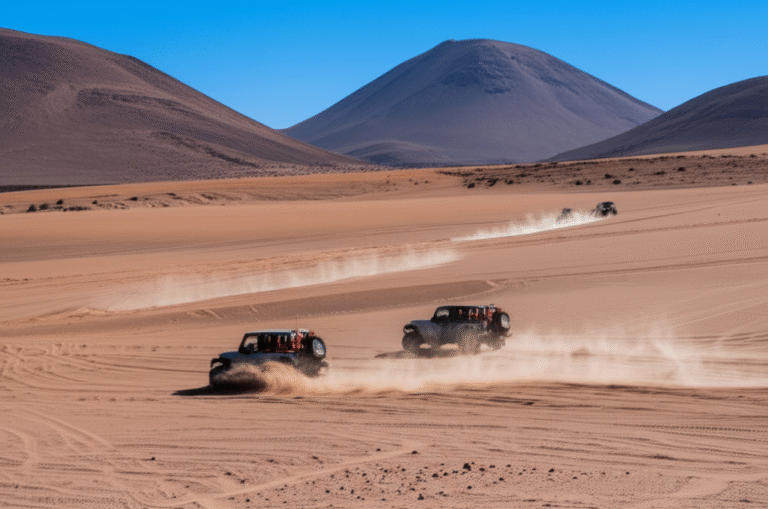
Let’s talk about the Atacama Desert. If you think the Sahara is dry, the Atacama is the Sahara’s older, thirstier sibling. Some parts of the Atacama have never recorded a drop of rain in recorded history. Yet, it’s not a barren wasteland of death; it’s a landscape of surreal beauty, salt flats, and geysers.
The “Bolivian Winter” and Summer Rains
Here is a twist that confuses many first-time visitors: The Atacama isn’t always bone dry.
- The Phenomenon: Between December and March, a phenomenon known as the “Invierno Boliviano” (Bolivian Winter) occurs. Warm, moist air from the Amazon basin travels south and gets trapped by the high Andes.
- The Result: Instead of the usual drought, you get thunderstorms and sudden, intense rainfall.
- The Consequence: This triggers the Desierto Florido (Flowering Desert), where dormant seeds explode into a carpet of wildflowers. It’s a sight so rare it’s almost mythical.
Why the confusion? Most travel guides say “it never rains.” That’s true for 90% of the year. But if you visit in February, you might get caught in a storm that floods the roads. We learned this the hard way when our rental car got stuck in a flash flood near San Pedro de Atacama!
Stargazing Windows: When the Skies Are Clearest
The Atacama is the stargazing capital of the world. Why? Because the lack of water vapor in the atmosphere means zero light pollution and crystal-clear views.
- Best Months: April to October offers the longest nights and the clearest skies.
- The Trade-off: While summer (Dec-Feb) has the “Bolivian Winter” clouds, the winter months (Jun-Aug) can be surprisingly cold at night, dropping to near freezing in the desert!
Pro Tip: If you want to see the Milky Way, avoid the full moon. The Atacama Large Millimeter/submillimeter Array (ALMA) is located here for a reason—the air is that stable.
For the best gear to handle these extreme temperature swings, we recommend checking out The North Face jackets.
- 👉 Shop The North Face on: Amazon | The North Face Official
🌊 Coastal Cool: The Humboldt Current and Mediterranean Vibes
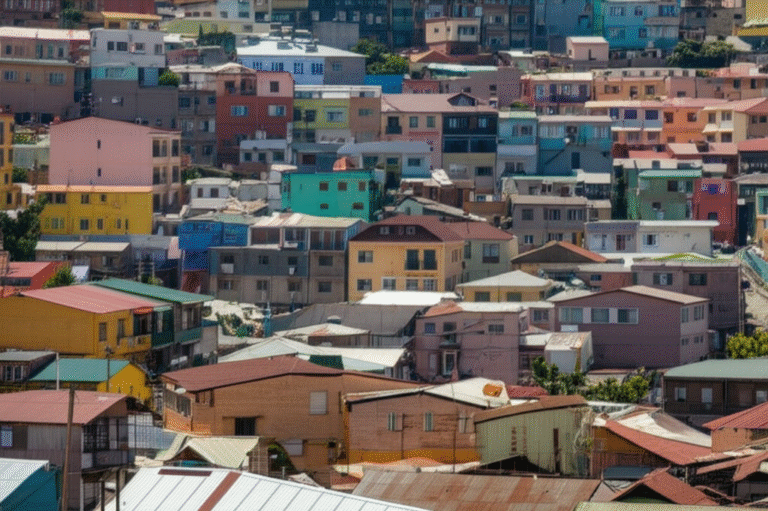
Moving south from the Atacama, the climate shifts dramatically. The Humboldt Current continues its chill, but the land begins to open up, and the climate becomes Mediterranean. This is the region of Viña del Mar, Valparaíso, and Zapallar.
The Camanchaca: Understanding the Coastal Fog
You might expect a beach destination to be sunny and hot. In Chile, the coast is often shrouded in Camanchaca, a dense marine fog.
- How it works: The cold ocean water cools the air, which then hits the warmer land and condenses into fog.
- The Effect: It keeps the coastal temperatures cool and moderate year-round. Summer highs rarely exceed 25°C (77°F), and winter days are mild but damp.
- The Benefit: This fog is a lifeline for the local flora. Lichens and mosses grow on the rocks, feeding on the moisture. It’s a unique ecosystem that thrives on “dryness” that isn’t actually dry.
Beach Season: When to Hit Viña del Mar and Zapallar
So, when do you actually go to the beach?
- The Reality: “Beach season” in Chile is short. It’s mostly January and February.
- The Water: Even in summer, the Pacific water is cold. We’re talking 15°C to 18°C (59°F-64°F). You need a wetsuit if you plan on surfing for more than 10 minutes!
- The Crowd: Valparaíso and Viña del Mar get packed in February. If you want a quieter vibe, head to Zapallar or Reñaca in March.
For those looking to explore the coastal culture, check out our Destinations guide for hidden gems.
🏔️ High Altitude Antics: Weather in the Mighty Andes
The Andes are the backbone of Chile, and the weather here is dictated by altitude. As you climb, the air gets thinner, the sun gets stronger, and the temperature drops.
Skiing the Powder: Winter Peaks in the Central Andes
If you are dreaming of skiing, the Central Andes (near Santiago) are your playground.
- The Season: June to September.
- The Snow: The snowfall is reliable, but it’s not always deep powder like in the Alps. It’s often a mix of icy crust and fresh snow.
- Top Resorts: Valle Nevado, La Parva, and El Colorado are the big three. Portillo is legendary for its steep terrain and lack of crowds.
- The Vibe: It’s a social scene. The slopes are often filled with Chileans celebrating the winter, and the après-ski is legendary.
Patagonian Extremes: Navigating the Southern Andes
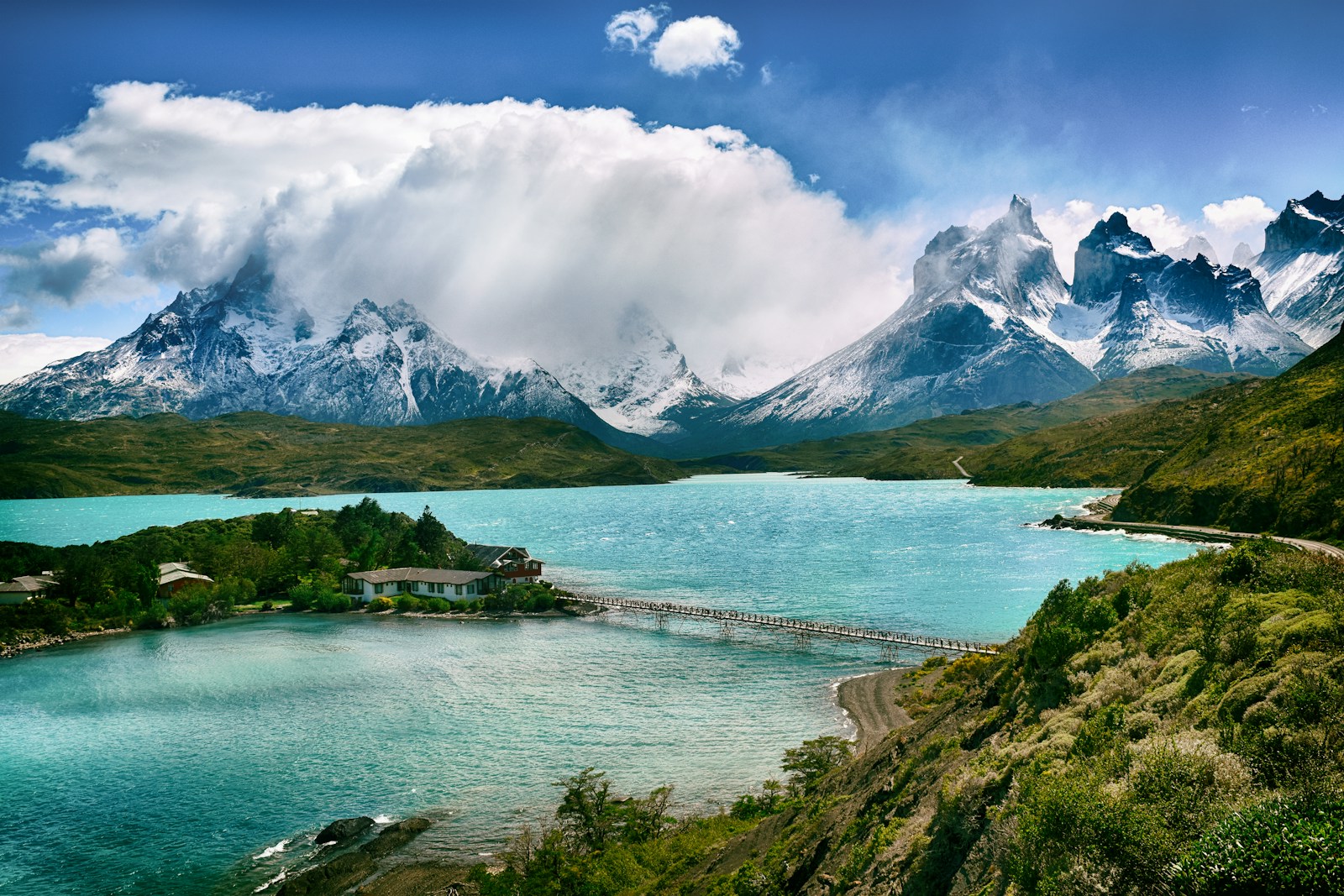
Head further south to Torres del Paine or El Chaltén (Argentina side, but accessible from Chile), and the weather becomes unpredictable and fierce.
- The Wind: Patagonia is known for winds that can reach 100 km/h (60 mph). It’s not just a breeze; it’s a physical force.
- The Rain: Unlike the north, the southern Andes are wet. It rains frequently, and the weather can change from sunny to a blizzard in an hour.
- The Reward: The landscapes are otherworldly. Glaciers, turquoise lakes, and jagged peaks.
Expert Insight: “In Patagonia, you don’t check the weather forecast; you check the wind direction,” says a seasoned trekker we met in Puerto Natales. “If the wind is from the west, bring your rain gear. If it’s from the east, bring your sunblock.”
⚖️ The Great Divide: Coastal Humidity vs. Mountain Aridity
This is the core of your question: How do they differ?
| Feature | Coastal Regions (North & Central) | Mountain Regions (Andes) | Desert (Atacama) |
|---|---|---|---|
| Primary Driver | Humboldt Current (Cold Water) | Altitude & Rain Shadow | Subtropical High Pressure |
| Rainfall | Low to Moderate (Winter rain in Central) | High in South, Low in Central | Near Zero (except “Bolivian Winter”) |
| Humidity | High (Fog/Camanchaca) | Low (Dry air at altitude) | Low (but high fog moisture) |
| Temp Range | Moderate (Small daily swing) | Extreme (Hot days, freezing nights) | Extreme (Hot days, cold nights) |
| Best Activity | Beach, Wine Tours, City Life | Skiing, Hiking, Stargazing | Geysers, Salt Flats, Astronomy |
The Rain Shadow Effect Explained:
When moist air from the Atlantic hits the Andes, it rises and cools, dropping rain on the eastern side (Argentina). By the time it crosses the peaks and descends into the Chilean valleys, it’s dry and warm. This is why the Central Valley is so perfect for wine grapes—it’s dry enough to prevent fungus, but warm enough to ripen fruit.
🗓️ 12 Best Times to Visit Chile Based on Regional Weather
You asked for the best times, and we’ve broken it down by month. Remember, Chile is long. What’s perfect in the north might be a blizzard in the south.
1. January: Peak Summer for Patagonia Trekking
- North: Hot and dry. Perfect for the Atacama.
- Central: Warm and sunny. Great for wine tasting.
- South: The best time for Patagonia. Long days (17+ hours of light) and mild temperatures.
- Verdict: Ideal for Adventure Travel in the south.
2. February: Coastal Bliss and Vina del Mar Festivals
- North: Still hot, but watch for the “Bolivian Winter” storms.
- Central: Peak beach season. The Viña del Mar International Song Festival happens here!
- South: Still great for trekking, but crowds are high.
3. March: Grape Harvest (Vendimia) in the Central Valleys
- North: Cooling down slightly.
- Central: The Vendimia (grape harvest) begins. Festivals, wine tastings, and beautiful autumn colors start appearing.
- South: Weather starts to turn; shorter days.
4. April: Autumn Colors in the Lake District
- North: Pleasant, less crowded.
- Central: Stunning fall foliage in the Lake District (Puerto Varas, Frutillar).
- South: Winter is approaching; some trails start closing.
5. May: Low Season Serenity in the Atacama
- North: Quiet and cool. Great for stargazing without the summer crowds.
- Central: Rain begins to fall in the central valley.
- South: Winter sets in; snow starts falling in the mountains.
6. June: The Start of the Andean Ski Season
- North: Cool nights, sunny days.
- Central: Winter begins. Rain is common.
- South: Deep winter. Only for those seeking solitude and snow.
- Verdict: Time to hit the slopes in Valle Nevado.
7. July: Deep Winter Snow in Portillo and Valle Nevado
- North: Dry and sunny.
- Central: Peak ski season.
- South: Coldest month. Perfect for cozy lodges and hot chocolate.
8. August: Whale Watching on the Northern Coast
- North: Humpback whales migrate to the coast.
- Central: Ski season continues.
- South: Still winter, but signs of spring appear.
9. September: Fiestas Patrias and Spring Blooms
- North: Warming up.
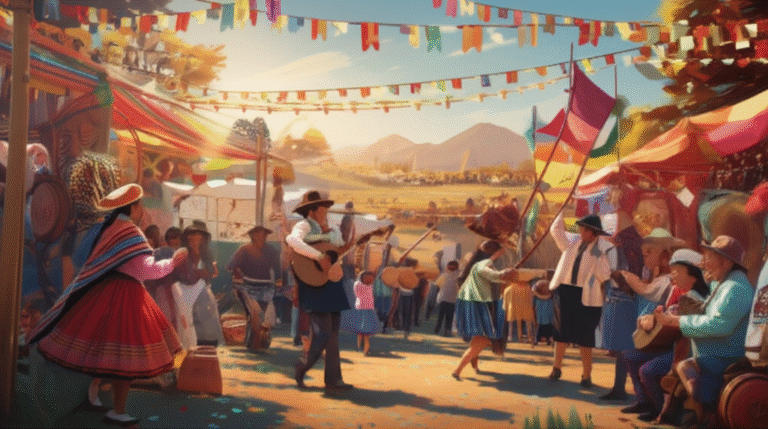
- Central: Fiestas Patrias (Chile’s Independence Day) is huge! Celebrations, rodeos, and empanadas everywhere.
- South: Spring begins. Flowers bloom, but weather is still erratic.
10. October: Ideal Hiking in the Central Mountains
- North: Hot.
- Central: Perfect hiking weather. Snow melts, trails open.
- South: Spring in full swing. Great for bird watching.
11. November: Wildflower Season in the Desert (Desierto Florido)
- North: If the “Bolivian Winter” was strong, you might see the Desierto Florido.
- Central: Warm and sunny.
- South: Summer is approaching.
12. December: Perfect Solstice Skies for Astronomers
- North: Long days, clear skies.
- Central: Start of summer. Beaches get crowded.
- South: Summer begins. Best time for Patagonia before the peak crowds of Jan/Feb.
🎒 Packing Like a Pro: From Flip-Flops to Heavy Parkas
Packing for Chile is like packing for three different countries. You need a modular wardrobe.
- The Base Layer: Merino wool is your best friend. It regulates temperature and doesn’t smell. Brands like Smartwool or Icebreaker are excellent.
- The Mid Layer: A fleece or light down jacket. Patagonia Nano Puff jackets are a staple in our backpacks.
- The Outer Layer: A waterproof, windproof shell. In Patagonia, this is non-negotiable. Look for Gore-Tex materials.
- The Footwear:
- Hiking Boots: Waterproof and sturdy (e.g., Salomon or Merrell).
- Sandals: For the beach and hostels.
- Wool Socks: Always pack extra.
👉 Shop Essential Gear on:
- Hiking Boots: Amazon | REI
- Wool Base Layers: Amazon | Icebreaker Official
- Waterproof Shells: Amazon | Patagonia Official
🌡️ Understanding Thermal Sensation and the Rain Shadow Effect
Why does it feel colder in the coastal fog than in the dry desert, even if the thermometer says the same temperature?
The Wind Chill Factor
In Patagonia, the wind is relentless. A 10°C (50°F) day with 60 km/h winds feels like -5°C (23°F). This is the wind chill effect. Always pack a windbreaker.
The Humidity Paradox
In the Atacama, the air is dry, so sweat evaporates quickly, cooling you down. But at night, without humidity to trap heat, the temperature plummets.
In the Coastal regions, the humidity (from the fog) makes the cold feel “damp” and penetrating. It seeps into your bones.
The Rain Shadow in Action
The Andes block the moisture.
- Windward Side (East): Wet, lush, green (Argentina).
- Leeward Side (West): Dry, arid, desert-like (Chilean steppe).
This is why the Patagonian Steppe is so dry, even though it’s next to the ocean. The mountains stole the rain!
💡 Expert Advice: How to Outsmart Chile’s “Four Seasons in One Day”
We’ve seen tourists get soaked in a flash flood in the Atacama and freeze in a Patagonian blizzard because they didn’t listen to the locals. Here is our Chile Vacay™ secret sauce:
- Check the “Real” Forecast: Don’t just look at the temperature. Look at the wind speed and humidity. Apps like Windy.com are essential for Chile.
- Layer Up: The “onion method” is your best friend. You can peel off layers as you hike up a mountain and put them back on as you descend.
- Respect the Sun: The UV index in the Andes is extreme. Wear a hat, sunglasses, and sunscreen. Even in winter.
- Be Flexible: In Patagonia, if the weather is bad, have a backup plan (a museum, a wine tasting, a cozy café). Don’t let the weather ruin your trip.
- Listen to the Locals: Chileans know the weather better than anyone. If they say “bring a jacket,” bring a jacket.
For more tips on traveling on a budget while staying safe, check out our Budget Travel section.
Stay tuned for our Conclusion, where we’ll wrap up the ultimate guide to Chile’s climates and give you our final verdict on when to book your ticket!
Conclusion
So, we’ve traveled from the foggy, sun-drenched coasts of the Atacama to the snow-capped peaks of the Andes, and we’ve answered the burning question: How does the climate in Chile’s coastal regions differ from the mountains and desert, and what are the best times to visit each area?
The short answer? Chile is not one country; it is three (or four) distinct worlds stitched together by a narrow strip of land.
- The Coast is defined by the cooling, dampening embrace of the Humboldt Current, offering mild summers and foggy winters.
- The Atacama Desert is a paradox of extreme aridity and sudden, miraculous blooms, driven by high pressure and the “Bolivian Winter.”
- The Andes are the great divider, creating a rain shadow that dries out the valleys while trapping snow for skiers and hikers.
The Verdict: There is no single “best time” to visit Chile. Instead, there is a best time for your specific adventure.
- Want to surf? Head to the coast in February.
- Want to ski? Book a trip to the Andes in July.
- Want to see the Desierto Florido? Aim for November.
- Want to trek Patagonia? January and February are your golden windows.
We’ve resolved the mystery of the “four seasons in one day” by emphasizing layering and flexibility. Whether you are chasing the Desierto Florido in the north or the Fiestas Patrias in the central valley, the key to a successful Chilean adventure is respecting the microclimates. Don’t let the weather dictate your plans; let it enhance them. Pack your Merino wool, grab your Gore-Tex shell, and get ready for the most diverse climate journey on Earth.
Ready to start planning? Check out our Adventure Travel guides for specific itineraries tailored to these climates!
Recommended Links
Whether you are gearing up for the freezing winds of Patagonia or the scorching sun of the Atacama, having the right gear is non-negotiable. Here are our top picks for products and books mentioned in this guide, sourced from trusted retailers.
👉 Shop Essential Gear:
- Waterproof Hiking Boots (Patagonia/Andes):
- Amazon | REI | Salomon Official
- Merino Wool Base Layers (All Regions):
- Amazon | Icebreaker Official | Smartwool Official
- Windproof & Waterproof Shells (Patagonia):
- Amazon | Patagonia Official | Arc’teryx Official
- High-UV Protection Sunglasses (Atacama/Andes):
- Amazon | Oakley Official | Ray-Ban Official
- Travel Guidebooks:
- Lonely Planet Chile | Rick Steves Chile & Argentina
Book Your Stay:
FAQ
Are there any specific weather patterns or natural events that travelers should be aware of when planning a trip to Chile’s diverse landscapes?
Yes, Chile is geologically active and meteorologically unique. Travelers must be aware of:
- The “Bolivian Winter” (Invierno Boliviano): Occurring in the Atacama (Dec-Mar), this brings unexpected heavy rains and flash floods. While it creates the rare Desierto Florido, it can also close roads.
- Flash Floods: Even in deserts, sudden cloudbursts can turn dry riverbeds (arroyos) into raging torrents in minutes. Never camp in dry riverbeds.
- Earthquakes: Chile sits on the “Ring of Fire.” While most are minor, large earthquakes can occur. Always know your hotel’s evacuation routes.
- Wildfires: In the central and southern regions during summer (Dec-Mar), dry conditions and high winds can lead to severe forest fires. Check local alerts before hiking.
What are the average temperature and precipitation levels in Chile’s distinct regions, and how do they impact tourist seasons?
- Atacama Desert: Average highs of 25°C (77°F) in summer, dropping to 0°C (32°F) at night. Rainfall is <1mm/year. Impact: Best visited May-Oct for clear skies; Dec-Mar for the flower bloom (with flood risk).
- Central Coast/Valley: Summer highs of 25-30°C (77-86°F), winter lows of 5°C (41°F). Rain is concentrated in winter (May-Aug). Impact: Peak tourism is Dec-Feb for beach weather; June-Aug for wine harvest and skiing.
- Patagonia (South): Summer highs of 15°C (59°F), winter lows of -5°C (23°F). High rainfall year-round, especially in the west. Impact: Only accessible for trekking Nov-Mar; winter is for snow sports and solitude.
How do the different climates in Chile affect the best times for outdoor activities like hiking, skiing, and surfing?
- Hiking:
- Patagonia: Dec-Mar (long days, milder temps).
- Andes (Central): Oct-Apr (snow-free trails).
- Atacama: Apr-Oct (cooler days, clear nights).
- Skiing:
- Central Andes: June-Sept (reliable snowpack).
- Patagonia: July-Aug (limited resorts, mostly backcountry).
- Surfing:
- Central Coast: May-Aug (bigger swells, colder water).
- North Coast: Year-round (consistent swells, but cold water).
What are the most significant climate variations between Chile’s coastal regions, the Andes mountains, and the Atacama Desert?
The primary variation is the source of moisture and temperature regulation:
- Coast: Regulated by the Humboldt Current, creating cool, foggy, and stable temperatures with high humidity but low rain.
- Atacama: Defined by subtropical high pressure and the rain shadow, creating extreme aridity and massive daily temperature swings (hot days, freezing nights).
- Andes: Defined by altitude. Temperature drops ~6.5°C per 1,000m. The mountains create the rain shadow, blocking Atlantic moisture and creating dry valleys to the west while receiving snow on the peaks.
What is the best time of year to visit Chile’s coastal regions for surfing?
The best time for surfing on the central coast (e.g., Pichilemu) is May through August. During these winter months, the Southern Ocean generates consistent, powerful swells. While the water is cold (14-16°C / 57-61°F), the waves are world-class. In summer, the swells are smaller and less consistent, though the water is slightly warmer.
Read more about “🎒 25 Essential Items for Chile’s Wild Climate (2025)”
How does the climate in the Atacama Desert compare to the Andes mountains?
- Atacama: Low altitude (mostly), extremely dry, high solar radiation, large diurnal temperature range (hot day, cold night). No snow except on the highest peaks.
- Andes: High altitude, thin air, intense UV, cold year-round. Significant snowfall in winter. The Andes act as a barrier, making the Atacama dry while the eastern slopes are wet.
- Key Difference: The Atacama is a desert due to lack of rain; the Andes are a mountain range that causes that lack of rain via the rain shadow effect.
What clothing should I pack for a trip covering Chile’s diverse climates?
You need a modular wardrobe:
- Base Layer: Merino wool (thermal regulation, odor resistance).
- Mid Layer: Fleece or down jacket (insulation).
- Outer Layer: Waterproof/windproof shell (Gore-Tex) for Patagonia and coastal fog.
- Accessories: Wide-brimmed hat (Atacama sun), beanie and gloves (Andes winter), sunglasses (high UV), and sturdy waterproof boots.
- Swimwear: Essential for the coast, even if the water is cold!
Read more about “When to Visit Chile in 2025: 9 Best Months for Outdoor Fun & Festivals 🎉”
Are there any seasonal weather warnings travelers should know before visiting Chile?
- Summer (Dec-Mar): Wildfire risk in central/southern regions. Flash flood risk in the Atacama during “Bolivian Winter.” Heatstroke in the north due to high UV.
- Winter (Jun-Aug): Avalanche risk in the Andes. Hypothermia risk in Patagonia due to wind chill. Road closures due to snow in high mountain passes.
- General: Always check the ONEMI (National Emergency Office) website for current alerts before traveling to remote areas.
What is the “Camanchaca” and how does it affect travel in the north?
The Camanchaca is a dense marine fog that rolls in from the Pacific Ocean, covering the coastal Atacama. It doesn’t rain, but it creates a damp, chilly environment that can reduce visibility on coastal roads. It is a vital water source for local ecosystems but can make driving conditions tricky in the early morning.
Can I visit the Atacama Desert in the summer?
Yes, but be prepared for the Bolivian Winter. While the days are warm and sunny, afternoon thunderstorms can cause flash floods. If you visit in summer, avoid camping in dry riverbeds and check road conditions daily.
Reference Links
- National Geographic Education: Desert – National Geographic Education – Comprehensive overview of desert types, including the Atacama, and the rain shadow effect.
- Chile Travel: Wine Tourism in Chile – Insights into the climate of Chile’s wine regions and seasonal variations.
- The North Face: The North Face Official Website – Technical specifications for cold-weather gear.
- Patagonia: Patagonia Official Website – Sustainable outdoor clothing and gear for extreme climates.
- Icebreaker: Icebreaker Official Website – Merino wool apparel for temperature regulation.
- Smartwool: Smartwool Official Website – Merino wool base layers and socks.
- Salomon: Salomon Official Website – Hiking boots and outdoor footwear.
- ONEMI (National Emergency Office of Chile): ONEMI Alerts – Official source for weather warnings and natural disaster alerts in Chile.
- ALMA Observatory: Atacama Large Millimeter/submillimeter Array – Information on the Atacama’s unique atmospheric conditions for astronomy.