Support our educational content for free when you purchase through links on our site. Learn more
🎒 Chile Packing List 2026: 15 Essentials for Every Season & Adventure

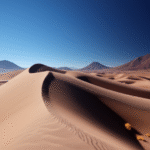
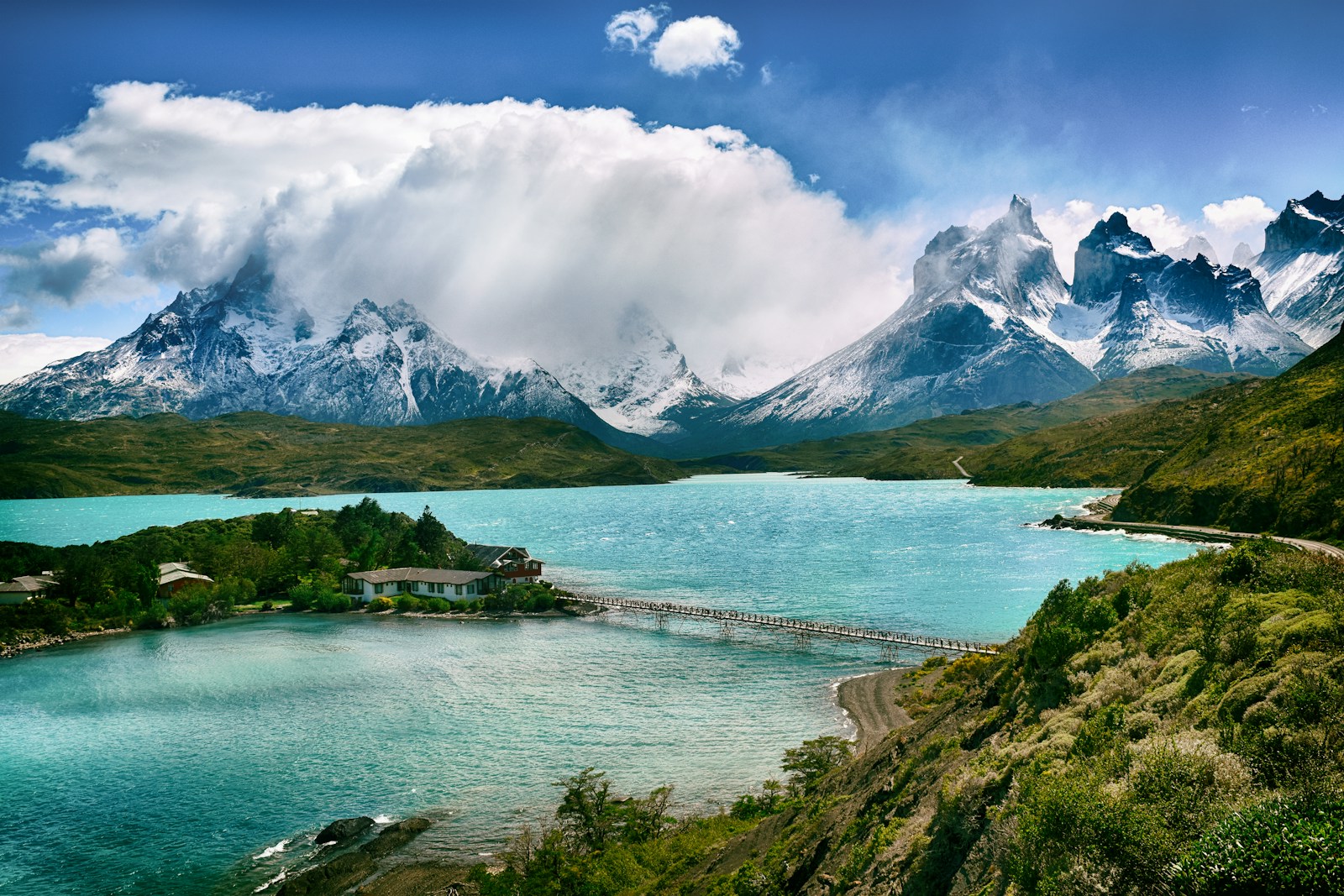
Imagine standing at the edge of a glacier in Patagonia, where the wind howls like a freight train, only to realize you packed for a sunny beach day in the Atacama Desert. We’ve been there, shivering in a cotton hoodie while our friends in Merino wool laughed it off. Chile is a geographical paradox, stretching 4,30 kilometers from the driest desert on Earth to the icy southern tip, meaning one single packing list simply does not exist. Whether you are treking the W Circuit, skiing in the Andes, or sipping Pinot Noir in the Central Valley, your gear must adapt to the microclimate you’re about to conquer. In this guide, we break down exactly what to pack for every season and activity, revealing the one item most travelers forget that could save your trip (hint: it’s not a jacket).
Key Takeaways
- Layering is Survival: Due to Chile’s extreme microclimates, the three-layer system (base, mid, shell) is non-negotiable for Patagonia and the Andes.
- Seasonal Shifts Matter: Pack for winter in the south (June-August) and summer in the north (Dec-Feb) simultaneously if doing a multi-region trip.
- Activity Dictates Gear: Your kit for trekking Torres del Paine differs vastly from a wine tour in the Maipo Valley; prioritize function over fashion.
- Sun Protection is Critical: The ozone hole makes UV radiation in the Atacama and high-altitude regions dangerously intense; bring SPF 50+ and Category 4 sunglasses.
- No Cotton Allowed: Avoid cotton entirely for outdoor activities; it retains moisture and leads to hypothermia in cold, windy conditions.
Table of Contents
⚡️ Quick Tips and Facts
Before you even unzip that suitcase, let’s hit the pause button on your packing panic. Chile is a geographical unicorn. It stretches over 4,30 kilometers (2,670 miles) from north to south, but it’s rarely more than 17 kilometers (10 miles) wide. What does that mean for you? You can pack for a desert, a rainforest, a tundra, and a ski resort all in the same trip. 🌵🌧️❄️🎿
Here is the reality check most guidebooks skip:
- The “Four Seasons in One Day” Myth: It’s not just a saying in Patagonia; it’s a survival requirement. You might wake up to a blizzard, hike through a sunny meadow, and end the day in a hailstorm.
- UV Radiation is No Joke: Due to the ozone hole and high altitude (especially in the Atacama), the sun burns you faster here than almost anywhere else on Earth. Sunscreen is not optional; it’s a lifeline.
- The Wind is Real: We’re not talking a gentle breeze. We’re talking “Patagonian Gale” winds that can knock you over. If your hat isn’t strapped to your head, it’s gone.
- Cash is King (in the sticks): While Santiago and major tourist hubs love cards, remote refugios and small towns often run on Chilean Pesos (CLP) cash.
For the ultimate timing on your trip, check out our deep dive on What are the best times to visit Chile for a vacation? to align your packing list with the perfect season.
📜 The Evolution of Chilean Travel Gear: A Brief History

You might think packing for Chile is a modern dilemma, but the history of surviving this land is written in wool, leather, and sheer grit. Long before Gore-Tex, the indigenous Mapuche people of the south mastered the art of layering with wool. They didn’t have synthetic fleece, but they had lana de oveja (shep’s wool) that kept them warm even when wet—a crucial feature when the weather turns on you.
Fast forward to the 19th century, when the Huasos (Chilean cowboys) of the central valley developed their iconic gear: sturdy leather boots for the mud and wide-brimed hats for the sun. These weren’t fashion statements; they were survival tools.
Today, the gear has evolved, but the philosophy remains the same. Modern travelers often make the mistake of bringing “fashion hiking” gear that looks great on Instagram but fails in a Patagonian gale. We’ve seen too many tourists in cotton hoodies shivering at the base of Torres del Paine. The lesson from history? Function over form. The best gear is the gear that keeps you moving when the temperature drops to -10°C and the wind hits 80 km/h.
🌍 Understanding Chile’s Microclimates and Seasons
Why can’t we just pack for “Chile”? Because “Chile” doesn’t exist as a single climate. It’s a collection of microclimates stacked vertically and horizontally.
| Region | Climate Type | Key Characteristics | Packing Priority |
|---|---|---|---|
| Atacama (North) | Hyper-Arid Desert | Extreme UV, dry heat by day, freezing at night. | Sun protection, thermal layers, hydration. |
| Central Valley | Mediterranean | Warm, dry summers; cool, rainy winters. | Versatile layers, rain jacket, sun hat. |
| Lake District | Temperate Oceanic | High rainfall, lush forests, moderate temps. | Waterproof everything, warm mid-layers. |
| Patagonia (South) | Sub-Antarctic | Windy, unpredictable, cool summers, cold winters. | Windproof shell, heavy insulation, sturdy boots. |
| Easter Island | Subtropical | Warm year-round, humid, occasional rain. | Light layers, swimwear, rain shell. |
Source: Chilean National Meteorological Service (DHM)
The Golden Rule: If you are doing a multi-region trip, pack for the coldest and wetest place you will visit, then layer down for the warmer spots. You can always take a jacket off; you can’t conjure one out of thin air when you’re stuck in a storm in Tierra del Fuego.
🎒 The Ultimate Packing List: Essentials for Every Traveler
Let’s get into the nitty-gritty. We’ve broken this down by category because throwing everything in a bag is a recipe for disaster. We’ve tested these items on the W Trek, the Salar de Atacama, and the streets of Valparaíso.
1. Footwear That Conquers the Andes
Your feet are your engine. If they fail, the trip fails.
The Breakdown:
- Hiking Boots: You need ankle support for the rocky, uneven terrain of Patagonia. Look for waterproof membranes (Gore-Tex is the gold standard).
- Trail Runers: Great for the dry, flat sections of the Atacama or city walking.
- Camp Shoes: A pair of lightweight sandals or slip-ons for the shower and resting your feet at the refugio.
Top Brand Recommendations:
- Merell Moab 3: The workhorse of the hiking world. Durable, comfortable, and affordable.
- Salomon X Ultra 4: Excellent grip and lighter than traditional boots.
- Ken Targhee: Great for wide feet and waterproofing.
👉 CHECK PRICE on:
- Merell Moab 3: Amazon | Merell Official
- Salomon X Ultra 4: Amazon | Salomon Official
- Ken Targhee: Amazon | Ken Official
Pro Tip: Never wear brand new boots on a multi-day trek. Break them in for at least two weeks before you leave. We learned this the hard way when a blister turned a 10km hike into a 4-hour crawl.
2. Layering Systems for Patagonian Winds
Forget the “one big jacket” approach. The Three-Layer System is your best friend:
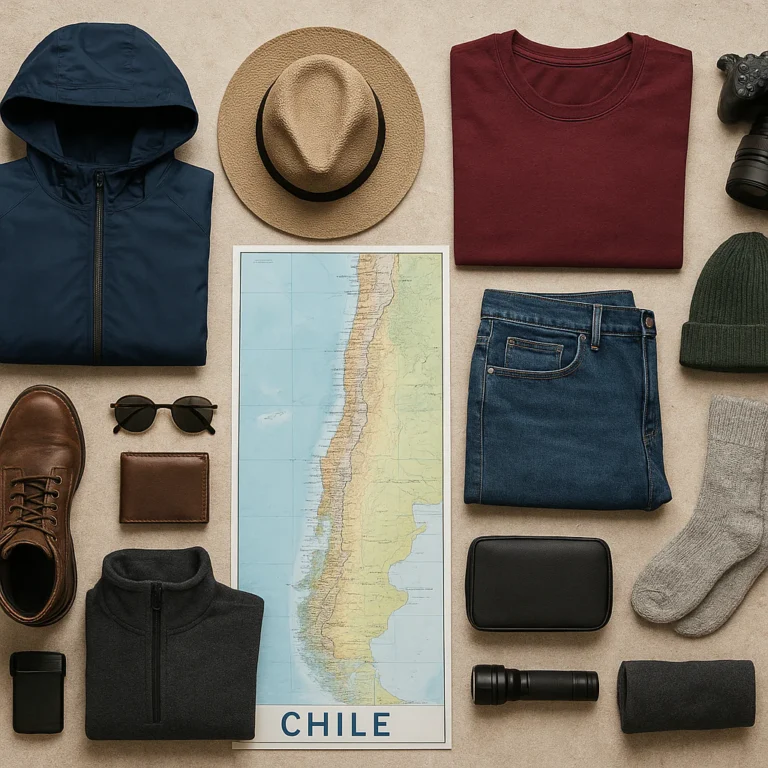
- Base Layer: Moisture-wicking. NO COTON. Cotton kills. It holds sweat, gets cold, and makes you hypothermic. Use Merino wool or synthetic blends.
- Mid Layer: Insulation. A fleece or a lightweight down jacket.
- Outer Layer: Wind and rain protection. A hard-shell jacket with a hood is non-negotiable.
Brand Spotlight:
- Patagonia Nano Puff: The ultimate mid-layer. Warm when wet, compresses small.
- Arc’teryx Beta AR: The holy grail of hard shells. Expensive, but worth every peso for the wind protection.
- Smartwol: Best for base layers. Their Merino wool doesn’t smell even after 5 days of hiking.
👉 CHECK PRICE on:
- Patagonia Nano Puff: Amazon | Patagonia Official
- Arc’teryx Beta AR: Amazon | Arc’teryx Official
- Smartwol Base Layers: Amazon | Smartwol Official
3. Sun Protection in the High Altitude
In the Atacama, the sun feels like it’s personally attacking you. The UV index often exceeds 1 (Extreme).
- Sunglasses: Must be Category 4 (very dark) for the glaciers and salt flats. Polarized lenses are a must to cut the glare from the snow and water.
- Sunscreen: SPF 50+ is the minimum. Bring a stick for your lips and nose.
- Hat: A wide-brimed hat is great, but in the wind, a neck gaiter (buff) and a cap with a chin strap are safer.
Top Picks:
- Julbo Breathe: High-altitude sunglasses with side shields.
- Blue Lizard: Mineral-based sunscreen that’s reef-safe and effective.
- Buff Original: The classic neck gaiter.
👉 CHECK PRICE on:
- Julbo Sunglasses: Amazon | Julbo Official
- Blue Lizard Sunscreen: Amazon | Blue Lizard Official
- Buff Original: Amazon | Buff Official
4. Tech and Navigation Tools for Remote Trails
Cell service in Patagonia is a myth. You will be offline for days.
- Offline Maps: Download Maps.me or Gaia GPS before you leave Wi-Fi.
- Power Bank: A 20,0mAh+ power bank is essential. Cold drains batteries fast.
- Headlamp: Even if you aren’t camping, the days get short in winter, and refugios can have power outages.
Top Picks:
- Anker PowerCore: Reliable, fast-charging power banks.
- Black Diamond Spot: Rugged, waterproof headlamps.
- Garmin inReach: For emergency SOS and two-way texting in remote areas.
👉 CHECK PRICE on:
- Anker PowerCore: Amazon | Anker Official
- Black Diamond Spot: Amazon | Black Diamond Official
- Garmin inReach: Amazon | Garmin Official
5. Health, Hygiene, and First Aid Must-Haves
The medical facilities in remote areas are basic. You are your own doctor.
- Blister Care: Leukotape is superior to moleskin.
- Altitude Sickness: If heading to the Atacama (2,40m+), bring Diamox (consult your doctor) and coca leaves.
- Water Purification: A SteriPen or purification tablets. Tap water is safe in cities, but not in the wild.
Top Picks:
- Leukotape: The gold standard for blister prevention.
- SteriPen: Lightweight water purification.
- First Aid Kit: Include antihistamines, anti-diarrheal, and pain relievers.
👉 CHECK PRICE on:
- Leukotape: Amazon | Leukotape Official
- SteriPen: Amazon | SteriPen Official
🏔️ Seasonal Specifics: What to Pack When
Now that you have the basics, let’s tailor your kit to the season. Remember, Chile’s seasons are opposite to the Northern Hemisphere.
🌸 Spring (Sept-Nov): Mud, Bloms, and Unpredictable Weather
Spring is the “wild card” season. The snow is melting, creating muddy trails and swollen rivers.
- What to Pack: Gaiters are essential to keep mud out of your boots. A waterproof jacket is non-negotiable.
- The Good: Fewer crowds, bloming wildflowers in the south.
- The Bad: Trails can be slippery and dangerous. Some refugios might still be closed.
☀️ Summer (Dec-Feb): Peak Hiking and Coastal Heat
This is high season. The days are long (sunrise at 6 AM, sunset at 10 PM in the south!).
- What to Pack: Lighter layers, but don’t ditch the fleece. Nights can still drop to 0°C. Sunscreen is critical.
- The Good: All trails are open, weather is generally stable.
- The Bad: Crowds. You must book refugios and campsites months in advance.
🍂 Autumn (Mar-May): Golden Foliage and Cooler Nights
The “shoulder season” with the best colors. The bech trees turn a stunning gold and red.
- What to Pack: Warmer mid-layers. The wind picks up again as winter approaches.
- The Good: Stunning photography, fewer people, lower prices.
- The Bad: Weather becomes increasingly unpredictable.
❄️ Winter (Jun-Aug): Sking in the Andes and Southern Storms
The south is dark, cold, and windy. The north is mild and dry.
- What to Pack: Heavy down jackets, thermal underwear, waterproof boots, and snow gaiters.
- The Good: Sking in Valle Nevado, seeing the glaciers up close without the crowds.
- The Bad: Many hiking trails (like the O Circuit) are closed due to snow. Some roads may be impassable.
🎯 Activity-Based Gear: Tailoring Your Kit
Your itinerary dictates your pack. A wine tour requires a different kit than a 10-day trek.
🥾 Treking the W and O Circuits in Torres del Paine
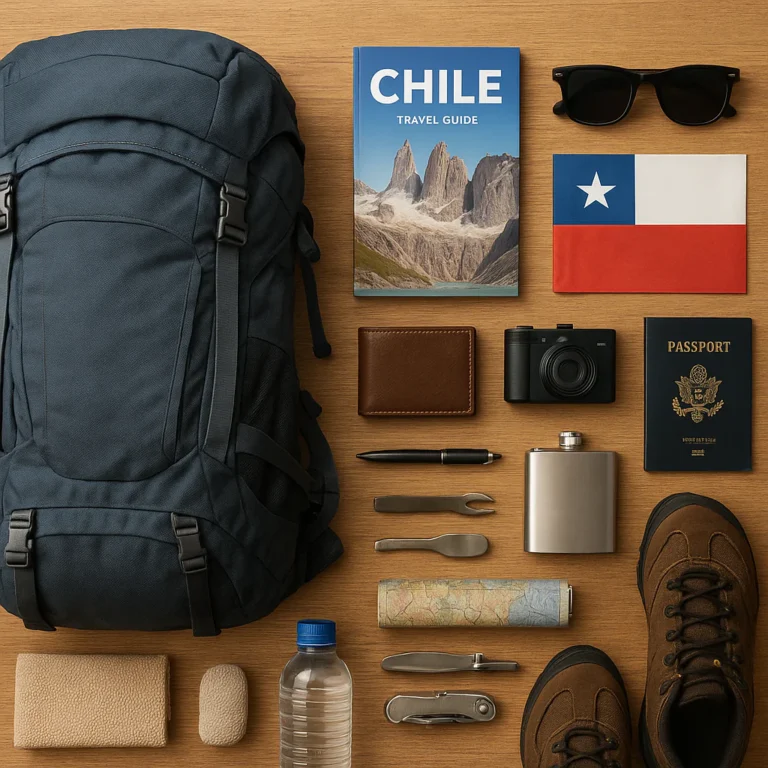
- Backpack: 50-65L with a rain cover.
- Sleeping: If camping, a 4-season tent and a -10°C sleeping bag. If staying in refugios, a sleeping bag liner is usually enough.
- Poles: Treking poles are highly recommended for the steep ascents and descents.
👉 CHECK PRICE on:
- Osprey Atmos AG 65: Amazon | Osprey Official
- Black Diamond Treking Poles: Amazon | Black Diamond Official
🏂 Sking and Snowboarding in Valle Nevado and Portillo
- Gear: Rent or bring your own. If bringing, ensure you have a helmet and goggles with low-light lenses for cloudy days.
- Clothing: Ski-specific base layers, insulated pants, and a breathable shell.
👉 CHECK PRICE on:
- Oakley Goggles: Amazon | Oakley Official
- Smith Helmets: Amazon | Smith Optics Official
🍷 Wine Touring in the Central Valley
- Gear: Comfortable walking shoes (coblestones in Santiago), a light jacket for cool evenings, and a wine tote if you plan to buy bottles.
- Clothing: Smart-casual. Many wineries have nice restaurants where shorts and flip-flops are frowned upon.
🚤 Kayaking and Boat Tours in Patagonia and the Lake District
- Gear: Dry bag for your electronics. A change of clothes in your backpack.
- Clothing: Quick-dry pants and a windbreaker.
🏜️ Desert Adventures in the Atacama
- Gear: A good camera with a polarizing filter. A headlamp for stargazing (the sky is incredible here).
- Clothing: Light, breathable clothes for the day, heavy layers for the night.
🧳 Luggage and Carry-On Strategy for Chilean Airlines
Chilean airlines like LATAM and Sky Airline can be strict with baggage.
- Cary-On: Keep your valuables, medications, and one change of clothes in your carry-on. If your checked bag gets lost (it happens), you can still hike or explore.
- Checked Bag: Use a duffel bag or a hard-shell suitcase. Soft duffels are easier to stuff into small buses and boats.
- Weight Limit: Check your airline’s specific limits. Domestic flights often have a 23kg limit, but budget airlines can be stricter.
Pro Tip: If you are doing a multi-stop trip, consider shipping your gear ahead or using a luggage forwarding service. We’ve seen travelers struggle with 30kg bags on the “Bus de la Cordillera” (mountain bus).
🧼 Laundry and Cleaning Tips on the Go
You won’t be doing a full load of laundry every day.
- Quick Wash: Bring a small bottle of Dr. Broner’s soap. It works for clothes, dishes, and even you.
- Drying: A travel drying rack or a clothesline with clips is essential for hostels and refugios.
- Laundry Services: Most hostels and towns have a lavandería service for a small fee (usually 5,0-10,0 CLP per load).
🆘 Emergency Preparedness and Safety Gear
- First Aid: As mentioned, a comprehensive kit.
- Communication: A satellite messenger (Garmin inReach) is a game-changer for remote areas.
- Documents: Keep digital copies of your passport, insurance, and itinerary in the cloud.
- Emergency Numbers: Dial 13 for Carabineros (police) and 131 for Ambulance.
👉 CHECK PRICE on:
- Garmin inReach Mini 2: Amazon | Garmin Official
🤔 Frequently Asked Questions
Q: Can I wear jeans in Patagonia?
A: You can, but you shouldn’t. Jeans take forever to dry if they get wet, and they offer no insulation when damp. Opt for synthetic hiking pants or wool trousers instead.
Q: Do I need a 4WD for the Careira Austral?
A: While you can do it in a 2WD, the gravel roads are rough. A 4WD gives you peace of mind and better traction. As one traveler said, “It will really help you… there are many gravel roads that will eat your tyres for dinner.”
Q: Is it safe to drink tap water in Chile?
A: Yes, in most cities and towns. However, in remote areas, it’s best to filter or boil it.
Q: What about the “first YouTube video” advice on beach gear?
A: If you are heading to Easter Island or a coastal resort, the advice from the video is spot on: bring a beach bag, polarized sunglasses, and a sunscreen stick. However, for the rest of Chile, those items are secondary to your wind and rain gear. Don’t pack a pool floatie for a trek in Torres del Paine!
Q: How much cash should I bring?
A: Bring enough for small towns and tips. ATMs are available in major cities, but run out of cash in remote areas.
Q: Can I bring fruit or meat into Chile?
A: NO. Chile has strict biosecurity laws. Do not pack fresh fruit, vegetables, meat, or dairy. You will be fined heavily, and your food will be confiscated. Check the SAG (Agricultural and Livestock Service) website for the full list.
📚 Reference Links and Further Reading
- Chilean National Meteorological Service (DHM)
- SAG (Agricultural and Livestock Service) – Biosecurity
- CONAF (National Forestry Corporation) – Park Info
- Lonely Planet: Chile Travel Guide
- Worldly Adventurer: Patagonia Packing List
- Lamb on the Rhodes: Backpacking Patagonia Guide
🏁 Conclusion

Packing for Chile is an art form. It’s about balancing the need for warmth with the reality of the wind, the desire for style with the necessity of function. Whether you’re chasing the midnight sun in Patagonia or the golden hues of the Atacama, the right gear makes the difference between a miserable slog and an unforgettable adventure.
Remember, the best packing list is the one you’ve tested. Don’t wait until you’re in the middle of a storm to figure out if your jacket is waterproof. Test your gear, layer smart, and embrace the chaos of Chilean weather.
Now, go forth and conquer the Andes! But wait… did you remember to pack your sunscreen stick? And your chin strap for your hat? Because if you don’t, you’ll be chasing your hat down the Andes, and we’d hate for that to be your first memory of Chile!
🔗 Recommended Links