Support our educational content for free when you purchase through links on our site. Learn more
🚢 Navimag Ferry Patagonia Route: The Ultimate 4-Day Adventure (2026)

Skip the flight and sail the wild: the Navimag ferry Patagonia route is the only way to witness Chile’s most remote fjords, glaciers, and penguin colonies from the deck of a working ship. This isn’t a luxury cruise; it’s a gritty, magical journey through the heart of the Aysén region that transforms travelers into Patagonia insiders.
Imagine waking up to the sound of a glacier calving just meters from your porthole, or sharing a meal with a local fisherman who has lived in the last human settlement on the west coast for generations. That is the reality of this four-day odyssey, a route so isolated that 250 residents in Puerto Edén rely entirely on these feries for their existence.
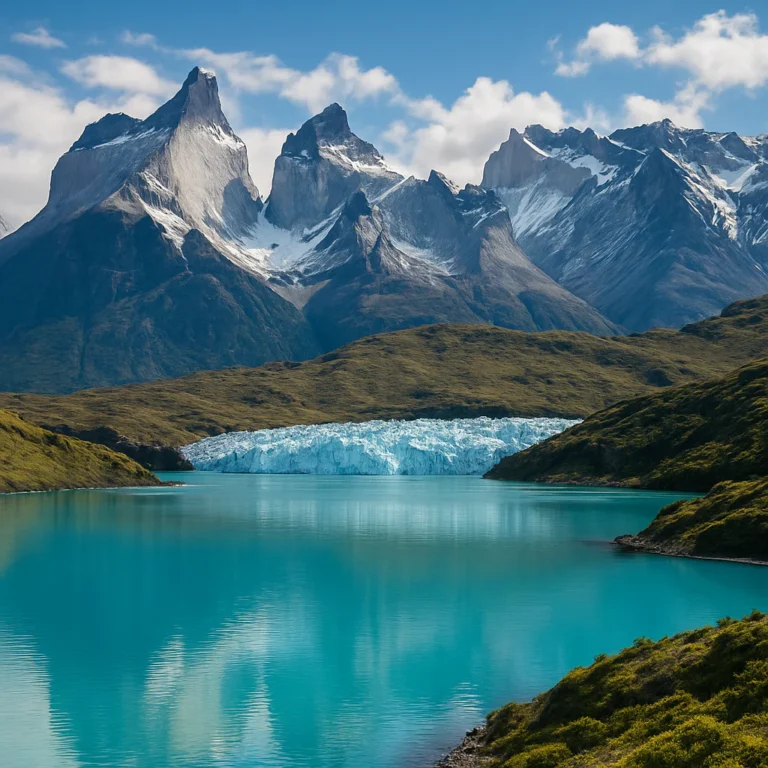
While the skies offer a quick one-hour hop between cities, the sea offers a front-row seat to a landscape that defies imagination. From the chaotic squawks of thousands of Magellanic penguins on Isla Magdalena to the silent, towering walls of the Pío XI Glacier, every moment on board feels like stepping into a living documentary.
Key Takeaways
- The Journey is the Destination: The Navimag ferry Patagonia route offers a unique 4-day, 3-night immersive experience through the Chilean Fjords, connecting Puerto Mont to Puerto Natales.
- Access the Unreachable: It is the only way to visit Puerto Edén, a remote village with no road access, and witness massive wildlife colonies like the penguins of Isla Magdalena.
- Practical & Affordable: Unlike luxury cruises, this working ferry allows you to transport your car (or rent one) for a fraction of the cost of overland travel, while including all meals and accommodation.
- Prepare for the Elements: Expect no Wi-Fi, potential rough seas in the Chacao Channel, and rapidly changing weather that demands a layered packing strategy.
- Best Time to Go: Plan your trip between October and April for the best weather and wildlife viewing opportunities during the summer season.
Table of Contents
- ⚡️ Quick Tips and Facts
- 📜 A Brief History of the Navimag Ferry: From Cargo to Cruise
- 🚢 Why Choose the Navimag Ferry Patagonia Route Over a Flight?
- 🗺️ The Ultimate Navimag Itinerary: A Day-by-Day Breakdown
- 1. Puerto Mont: The Gateway to the Fjords
- 2. Crossing the Chacao Channel and Entering the Archipelago
- 3. Isla Magdalena: The Penguin Capital of the World
- 4. The Mirador de los Fjords: Where the Mountains Meet the Sea
- 5. Puerto Edén: The Last Human Settlement on the West Coast
- 6. The Glaciers of Grey and Pío XI: A Frozen Wonderland
- 7. Torres del Paine: The Crown Jewel of Patagonia
- 8. The Return Journey: Chaitén and the Desolate Beauty of the North
- 🛌 Inside the Ship: Cabins, Dining, and Onboard Amenities
- 📅 Best Time to Sail: Navimag Ferry Patagonia Route Seasons Explained
- 🎒 What to Pack: Essential Gear for the Chilean Fjords
- 💰 Navimag Ferry Costs: Is It Worth the Splurge?
- 🤔 Common Myths and Misconceptions About the Navimag Journey
- 🌟 Discover Patagonia Like a Local: Hidden Gems and Insider Secrets
- 🤝 Connect with Patagonia: The People and Culture You’ll Meet
- 🚨 Navigating the Fjords: Safety, Seasickness, and Weather Realities
- 📸 Capturing the Moment: Photography Tips for the Navimag Route
- 🏁 Conclusion: Is the Navimag Ferry Patagonia Route Your Next Adventure?
- 🔗 Recommended Links
- ❓ FAQ: Everything You Need to Know Before Booking
- 📚 Reference Links
⚡️ Quick Tips and Facts
Before you pack your bags and dream of the misty fjords, let’s hit the rewind button on a few things you think you know about the Navimag ferry Patagonia route. We’ve sailed these waters more times than we’ve had hot dinners, and let’s just say the reality is a bit more magical (and occasionally a bit more sogy) than the brochures suggest.
| Fact | The Reality Check |
|---|---|
| Duration | It’s a 4-day, 3-night journey one way. Not a quick hop, but a slow, immersive cruise. |
| Route | Connects Puerto Mont (North) to Puerto Natales (South). No, it doesn’t go to Ushuaia. |
| Vehicle Transport | ✅ You can bring your car! ❌ But you can’t drive it off the ship until you reach the final port. |
| Wildlife | Expect Magellanic penguins, sea lions, and if you’re lucky, blue whales. |
| Connectivity | ❌ No Wi-Fi on board. ✅ Yes, you will actually talk to strangers. |
| Weather | It’s Patagonia. Bring layers. Even in summer, it can feel like winter. |
| Cabin Size | They are cozy, not palatial. Think “efficient nautical” rather than “five-star suite.” |
Pro Tip: If you are prone to seasickness, take your meds before the ship leaves the dock. The Chacao Channel can get chopy, and the open sea near the Golfo de Penas is no joke.
For more on how we plan our Chilean adventures, check out our guide on Chile Vacay.
📜 A Brief History of the Navimag Ferry: From Cargo to Cruise
You might think the Navimag ferry Patagonia route was born out of a desire to show off Patagonia’s beauty tourists. Wrong! This beast of a journey started as a gritty, no-nonsense cargo operation.
Back in the day, the only way to get supplies to the isolated villages of the Aysén Region was by sea. The roads? Non-existent. The terrain? A nightmare of glaciers and jaged peaks. Navimag was founded to keep the lights on in places like Puerto Edén, a village so remote it has no road access at all.
Over time, the company realized that the people living in these remote corners needed more than just mail and milk; they needed connection. And the world? The world wanted to see this untouched wilderness. So, they adapted. They kept the cargo capacity (because the locals still need their goods) but added passenger cabins, dining halls, and a deck for gawking at the scenery.
Today, it’s a unique hybrid: part working freighter, part expedition cruise. It’s not a luxury liner with a casino and a Broadway show. It’s a real Patagonian experience. As one of our team members put it, “It’s the kind of ship where you might share a meal with a fisherman, a hiker, and a family moving to a new island, all while watching a glacier calve in the distance.”
🚢 Why Choose the Navimag Ferry Patagonia Route Over a Flight?
Let’s be honest: flying from Puerto Mont to Puerto Natales takes about an hour. The ferry takes four days. Why would anyone choose the slow boat?
- The Scenery is the Destination: When you fly, you see clouds. When you take the Navimag ferry, you sail through the Canal Messier, pass under waterfalls, and navigate channels so narrow you can almost touch the cliffs. It’s a moving landscape painting.
- Access to the Unreachable: The ferry stops at Puerto Edén, a village with only 250 inhabitants that is inaccessible by road. You can’t fly there. You can’t drive there. You have to take the boat.
- Cost-Effective Transport: If you are driving your own car (or renting one), the ferry is often cheaper than renting a car for the entire overland route plus the fuel and time. Plus, you save on hotel costs for those three nights.
- The “Slow Travel” Vibe: In a world of rushing, the ferry forces you to slow down. You have time to read, watch the stars, and actually be in Patagonia.
But is it right for you?
- ✅ Choose the ferry if: You love nature, don’t mind rough seas, want to bring a car, and enjoy meeting locals.
- ❌ Skip the ferry if: You have a tight schedule, get seasick easily, or prefer luxury amenities and constant Wi-Fi.
For more on Adventure Travel in Chile, explore our Adventure Travel category.
🗺️ The Ultimate Navimag Itinerary: A Day-by-Day Breakdown
The Navimag ferry Patagonia route is a four-day odyssey. Here is exactly what happens, day by day, so you know what to expect when you step on board.
1. Puerto Mont: The Gateway to the Fjords
Your journey begins in Puerto Mont, the bustling capital of the Los Lagos Region. It’s a city of contrasts: German architecture meets Chilean seafood.
- Boarding: Usually around 9:0 PM. Yes, you board at night. It’s a bit of a scramble, but the staff is efficient.
- The First Night: You’ll sleep as the ship departs. You might wake up to the sound of the engine or the gentle rocking of the ship.
- What to do: Arrive early! Explore the Angelmó Market for some fresh salmon and artisanal crafts before heading to the port.
2. Crossing the Chacao Channel and Entering the Archipelago
Day 1 morning brings you through the Chacao Channel. This is where the open ocean meets the sheltered archipelago.
- The View: You’ll see the Isla Grande de Chiloé one side and the mainland on the other.
- Wildlife: Keep your eyes peeled for sea lions basking on the rocks.
- The Vibe: The ship is still settling in. Breakfast is served, and the crew starts the day.
3. Isla Magdalena: The Penguin Capital of the World
By Day 2, you reach Isla Magdalena. This is the highlight for many.
- The Colony: Home to one of the largest colonies of Magellanic penguins in the world. Thousands of them!
- The Experience: The ship slows down, and you can watch them waddle, dive, and squawk from the deck. It’s chaotic, adorable, and utterly wild.
- Note: You cannot go ashore here, but the view from the ship is spectacular.
4. The Mirador de los Fjords: Where the Mountains Meet the Sea
As you sail deeper into the Canal Messier, the landscape changes. The mountains get taller, the water gets grener, and the silence gets louder.
- The Mirador: This is a specific point where the ship offers a panoramic view of the fjords. It’s the perfect spot for photos.
- Glaciers: You might spot small glaciers hanging from the cliffs.
- The Leonidas: Keep an eye out for the wreck of the Leonidas, a ship that sank in these waters years ago. It’s a haunting reminder of the power of the sea.
5. Puerto Edén: The Last Human Settlement on the West Coast
Day 3 brings you to Puerto Edén. This is the most remote village in Chile.
- The People: Only about 250 people live here. They are mostly descendants of the Kawésqar people, indigenous to the region.
- The Stop: The ship docks for a few hours. You can go ashore, walk around the small village, and meet the locals.
- The Culture: It’s a rare chance to see a community that has survived in isolation for centuries. The Kawésqar culture is alive and well here.
- Insider Tip: Bring small gifts or snacks to share with the locals. They appreciate the gesture.
6. The Glaciers of Grey and Pío XI: A Frozen Wonderland
On the way to Puerto Natales, you’ll pass the Grey Glacier and the massive Pío XI Glacier.
- The Scale: These glaciers are enormous. The Pío XI is the largest in the Southern Hemisphere outside of Antarctica.
- The Sound: You can hear the ice cracking and calving. It’s a sound that resonates in your chest.
- The View: The ship often stops here to let you soak it all in. Bring your camera and your warmest jacket.
7. Torres del Paine: The Crown Jewel of Patagonia
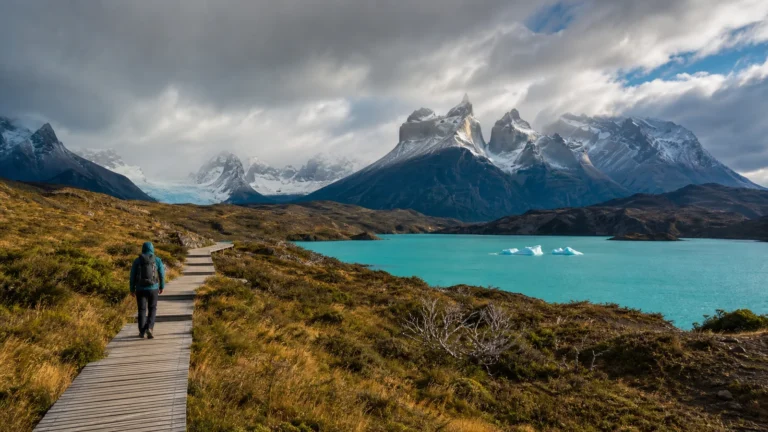
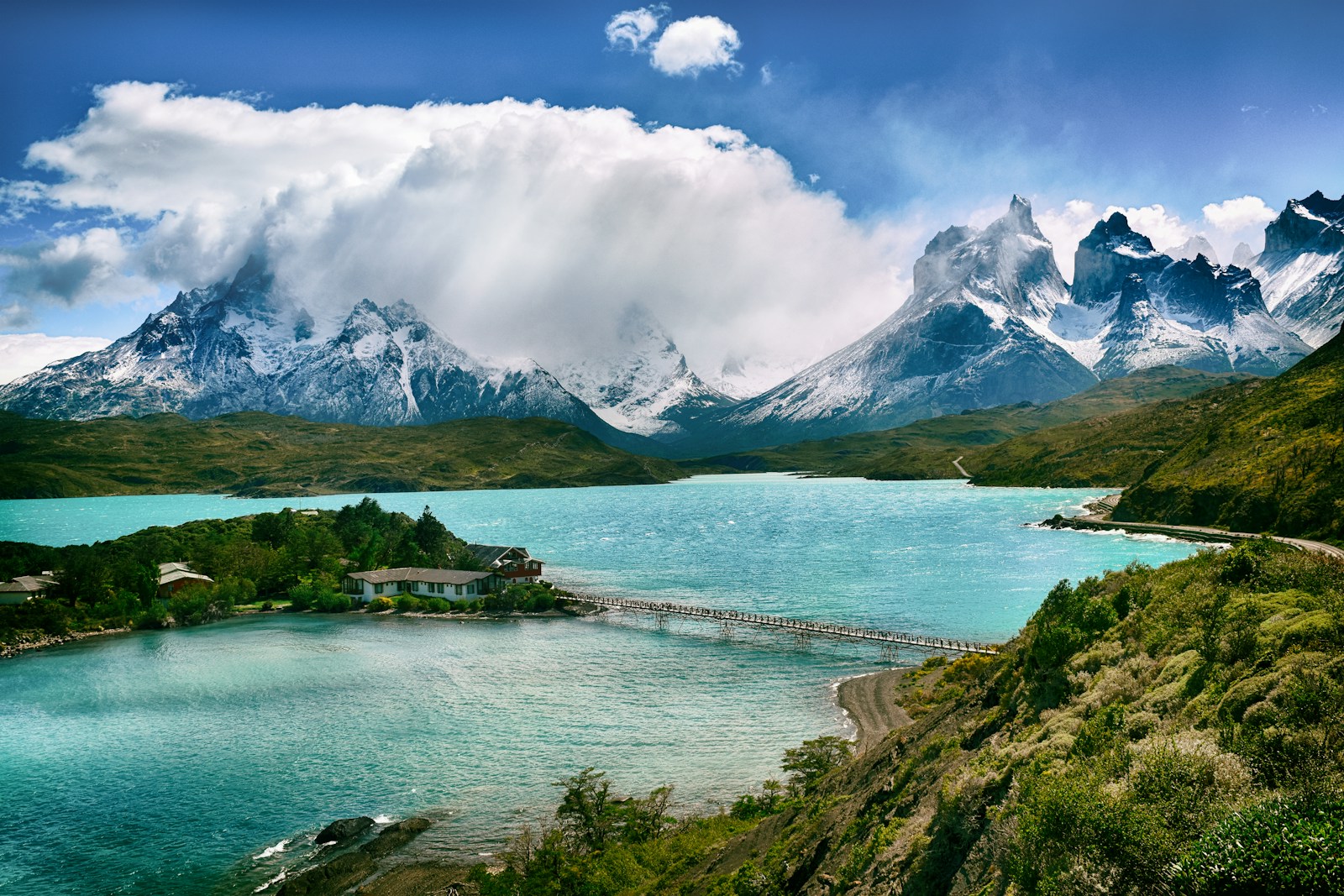
As you approach Puerto Natales, you’ll get a glimpse of the Tores del Paine mountains in the distance.
- The Arrival: The ship arrives in the morning. The city of Puerto Natales is your gateway to the park.
- The Connection: Many hikers use the ferry to get to the park, saving time and money on the overland route.
- Disembarking: You’ll leave the ship with a sense of accomplishment. You’ve seen the fjords, the penguins, and the glaciers.
8. The Return Journey: Chaitén and the Desolate Beauty of the North
If you are taking the ferry back (which is less common but possible), the route is slightly different, passing through Chaitén and the Golfo Corcovado.
- The Vibe: The return trip is often quieter. You get to see the fjords from a different angle.
- The Wildlife: You might see different species of whales or dolphins.
- The Experience: It’s a chance to reflect on the journey and plan your next adventure.
🛌 Inside the Ship: Cabins, Dining, and Onboard Amenities
So, what’s it like to live on a Navimag ferry for four days? Let’s break it down.
Cabins: Cozy and Functional
The cabins are not luxury suites. They are functional, clean, and surprisingly comfortable.
- Types: You can choose from Interior, Window, or Balcony cabins.
Interior: No window, but cheaper. Good if you plan to be out on deck all day.
Window: A small porthole. Great for a bit of natural light.
Balcony: The best option. You can step out and watch the fjords go by. - Amenities: Each cabin has a private bathroom with a shower (good water pressure, surprisingly!), a bed, and a small desk.
- Storage: Limited. Pack light!
Dining: A Culinary Journey
The food on the Navimag ferry is consistently rated as “very good.”
- Meals: Three meals a day are included. Breakfast, lunch, and dinner.
- Variety: You’ll get a mix of Chilean and international cuisine. Think grilled salmon, hearty stews, and fresh bread.
- Atmosphere: The dining hall is a social hub. You’ll meet people from all over the world. It’s a great place to swap travel stories.
Onboard Amenities
- Deck: The main deck is the heart of the ship. There’s a life-sized chess set, benches, and plenty of space to walk around.
- Bridge: You can visit the bridge (with permission) to see how the ship is navigated. The crew is usually happy to explain the process.
- No Wi-Fi: This is a big one. There is no Wi-Fi on board. You will be disconnected. Embrace it!
- Library: There’s a small library with books and magazines.
📅 Best Time to Sail: Navimag Ferry Patagonia Route Seasons Explained
Timing is everything in Patagonia. The Navimag ferry Patagonia route operates during the Summer Season, which runs from October to April.
- October & November: Spring. The weather is unpredictable, but the landscapes are waking up. Fewer crowds.
- December to February: Peak Summer. The weather is warmest (relatively speaking), and the days are long. This is the most popular time.
- March & April: Autumn. The colors change, and the crowds thin out. It can be windy, but the scenery is stunning.
What about winter?
The ferry does not operate in winter (May to September) due to harsh weather conditions and shorter days.
Pro Tip: Book early! The summer season fills up fast, especially for Balcony cabins.
🎒 What to Pack: Essential Gear for the Chilean Fjords
Packing for the Navimag ferry is a balancing act. You need to be prepared for everything from sunny days to rainy afternons.
- Layers, Layers, Layers: The weather changes quickly. Bring a base layer, a fleece, and a waterproof jacket.
- Sturdy Shoes: You’ll be walking on deck and possibly ashore. Bring comfortable, non-slip shoes.
- Binoculars: Essential for spotting wildlife and glaciers.
- Camera: You’ll want to capture every moment. Bring extra batteries and memory cards.
- Medication: Seasickness pills, painkillers, and any personal meds.
- Power Bank: No Wi-Fi means you’ll be using your phone for photos and offline maps.
- Cash: Small bills for tips or small purchases in Puerto Edén.
💰 Navimag Ferry Costs: Is It Worth the Splurge?
Let’s talk money. The Navimag ferry Patagonia route is not cheap, but it’s not the most expensive option either.
- Value: You get transportation, accommodation, meals, and a unique experience all in one.
- Comparison: If you factor in the cost of a rental car, hotels, and fuel for the overland route, the ferry can be competitive.
- Budget Tip: Book an Interior cabin if you’re on a budget. You’ll still see the scenery from the deck.
🤔 Common Myths and Misconceptions About the Navimag Journey
- Myth: “It’s a luxury cruise.”
Fact: It’s a working ferry. The amenities are functional, not luxurious. - Myth: “You can’t see wildlife.”
Fact: The wildlife viewing is incredible. Penguins, sea lions, whales, and birds are common. - Myth: “It’s boring.”
Fact: The scenery is constantly changing. You’ll never be bored. - Myth: “You can’t bring a car.”
Fact: You can! It’s one of the main reasons people take the ferry.
🌟 Discover Patagonia Like a Local: Hidden Gems and Insider Secrets
Want to see Patagonia like a local? Here are some secrets:
- Talk to the Crew: The crew knows the area better than anyone. Ask them about the best spots to see wildlife.
- Visit Puerto Edén: Don’t just pass through. Go ashore, meet the locals, and learn about their culture.
- Watch the Sunset: The sunsets in the fjords are legendary. Find a spot on the deck and just watch.
- Bring a Journal: The quiet moments on the ship are perfect for reflection.
🤝 Connect with Patagonia: The People and Culture You’ll Meet
The Navimag ferry is a melting pot of cultures. You’ll meet hikers, fishermen, families, and solo travelers.
- The Locals: The people of Puerto Edén are incredibly welcoming. They are proud of their heritage and happy to share it.
- The Crew: The crew is professional, friendly, and helpful. They make the journey smooth and enjoyable.
- The Fellow Travelers: You’ll make friends from all over the world. The camaraderie on board is one of the best parts of the experience.
🚨 Navigating the Fjords: Safety, Seasickness, and Weather Realities
Let’s be real: the Navimag ferry Patagonia route is not a smooth ride.
- Seasickness: The Chacao Channel and the Golfo de Penas can be rough. Take your meds early.
- Weather: It can rain, wind, or shine. Be prepared for all conditions.
- Safety: The ship is safe and well-maintained. The crew is trained for emergencies.
- Drone Warning: If you bring a drone, be careful. Landing on a moving ship is difficult and can damage your equipment.
📸 Capturing the Moment: Photography Tips for the Navimag Route
- Golden Hour: The best light is in the early morning and late afternoon.
- Wide Angle: Bring a wide-angle lens to capture the vastness of the fjords.
- Wildlife: Use a telephoto lens for penguins and whales.
- Patience: Wait for the right moment. The best shots often come from patience.
🏁 Conclusion: Is the Navimag Ferry Patagonia Route Your Next Adventure?
So, is the Navimag ferry Patagonia route right for you? If you are looking for a luxury cruise with a casino and a Broadway show, then no. But if you are looking for a unique, immersive, and unforgettable experience that takes you deep into the heart of Patagonia, then absolutely yes.
The journey is not just about getting from point A to point B. It’s about the scenery, the wildlife, the people, and the sense of adventure. It’s about disconnecting from the world and reconnecting with nature.
Our Verdict:
- Positives: Incredible scenery, unique wildlife, access to remote villages, cost-effective for car transport, great food, friendly crew.
- Negatives: No Wi-Fi, potential for rough seas, basic cabins, limited dining options.
Recommendation: If you have the time and the spirit for adventure, book the Navimag ferry Patagonia route. It’s an experience you won’t forget.
🔗 Recommended Links
- Book your Navimag Ferry Ticket: Navimag Official Website
- Travel Insurance for Patagonia: World Nomads
- Packing Gear for Patagonia: Amazon Search: Patagonia Hiking Gear
- Guidebooks: Moon Chile Guidebook
- Camera Gear: Amazon Search: Travel Camera
❓ FAQ: Everything You Need to Know Before Booking
What is the best time of year to take the Navimag ferry in Patagonia?
The best time is during the Summer Season, from October to April. December to February offers the warmest weather and longest days, but it’s also the busiest. If you prefer fewer crowds, consider October or April.
How long does the Navimag ferry journey from Puerto Mont to Puerto Natales take?
The journey takes 4 days and 3 nights. You board in Puerto Mont in the evening and arrive in Puerto Natales on the fourth morning.
What is included in the Navimag ferry ticket price?
Your ticket includes accomodation in your chosen cabin, three meals a day, and access to the ship’s amenities. It does not include alcoholic beverages, Wi-Fi (which is not available anyway), or shore excursions (except for the stop in Puerto Edén).
Can I bring a car on the Navimag ferry to Patagonia?
Yes, you can bring a car. However, you cannot drive it off the ship until you reach the final port. The car is secured on board for the duration of the journey.
What are the cabin options available on the Navimag ferry?
You can choose from Interior, Window, or Balcony cabins. All cabins have a private bathroom with a shower. Balcony cabins are the most popular for the views.
Does the Navimag ferry stop at glaciers or other attractions along the route?
Yes, the ferry passes by several glaciers, including the Grey Glacier and Pío XI Glacier. It also stops at Isla Magdalena to view the penguin colony and Puerto Edén for a shore excursion.
How do I book a cabin on the Navimag ferry for a Chilean adventure?
You can book directly through the Navimag Official Website or through authorized travel agents. It’s recommended to book several months in advance, especially for the summer season.
Read more about “🇨🇱 15+ Top Chile Tourist Attractions: Beyond the Top 20 (2026)”
📚 Reference Links