Support our educational content for free when you purchase through links on our site. Learn more
How to Get Around Chile in 2025: 15 Reliable Transport Options 🚍✈️

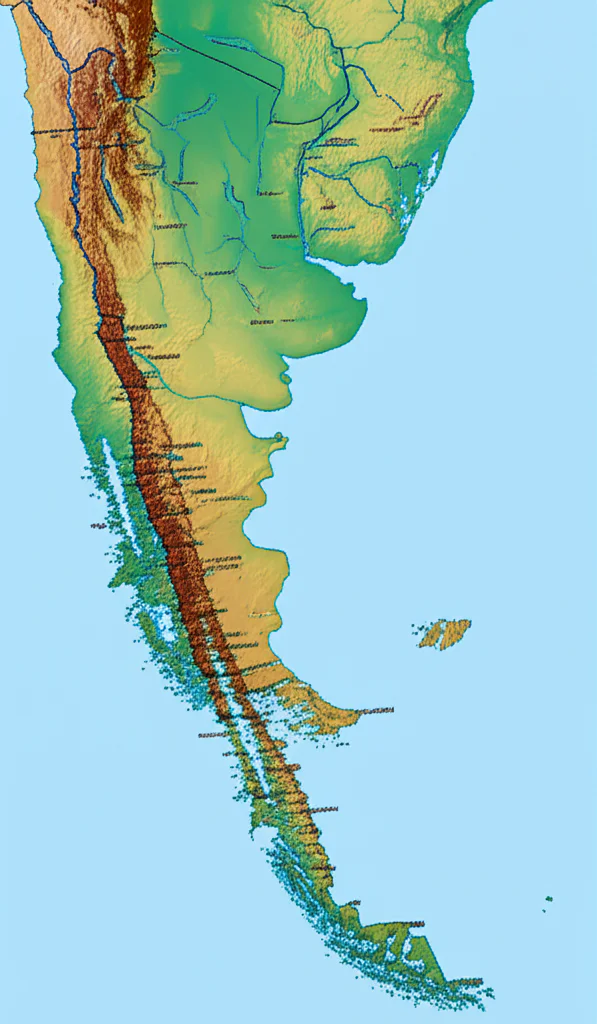
Chile is a country of extremes—stretching over 4,200 kilometers from the driest desert on Earth to windswept Patagonian fjords. Navigating this elongated marvel can feel like solving a giant travel puzzle. We once found ourselves debating whether to brave a 20-hour bus ride or hop a flight to Patagonia, only to discover that the best way to get around depends on your style, budget, and sense of adventure. Spoiler alert: sometimes the bus is king, sometimes the ferry steals the show, and sometimes renting a 4×4 is the only way to go.
In this comprehensive guide, we’ll walk you through 15 of the most reliable and practical transportation options in Chile—from budget-friendly buses and domestic airlines to scenic ferries and urban metros. Whether you’re a digital nomad craving Wi-Fi on wheels or a thrill-seeker planning to bike the legendary Carretera Austral, we’ve got you covered with insider tips, safety advice, and booking hacks that only seasoned Chile travelers know.
Ready to unlock Chile’s transport secrets and travel smarter? Let’s dive in!
Key Takeaways
- Buses dominate Chilean travel with multiple comfort classes like salón cama and cama premium offering surprisingly luxurious overnight rides.
- Domestic flights by LATAM, Sky Airline, and JetSMART save time on long hauls but watch out for baggage fees!
- Renting a car is essential for remote regions like the Atacama and Patagonia, especially with a 4×4 for rugged roads.
- Ferries are vital in southern Chile’s fjords and islands—book ahead for Carretera Austral crossings.
- Urban transport in Santiago shines with its efficient Metro and handy Bip! card system.
- Digital nomads: Don’t rely on bus Wi-Fi; get a local SIM and portable charger for productivity on the move.
- Safety tip: Use official taxis or ride-sharing apps like Uber and Cabify to avoid scams.
👉 Shop recommended travel gear:
Table of Contents
⚡️ Quick Tips and Facts
🗺️ Chile Transport History: From Mules to Metro
🧳 Pre-Trip Planning: Visas, Apps & Money-Saving Hacks
1. 🛫 By Air: Domestic Airlines, Airpasses & Insider Airport Hacks
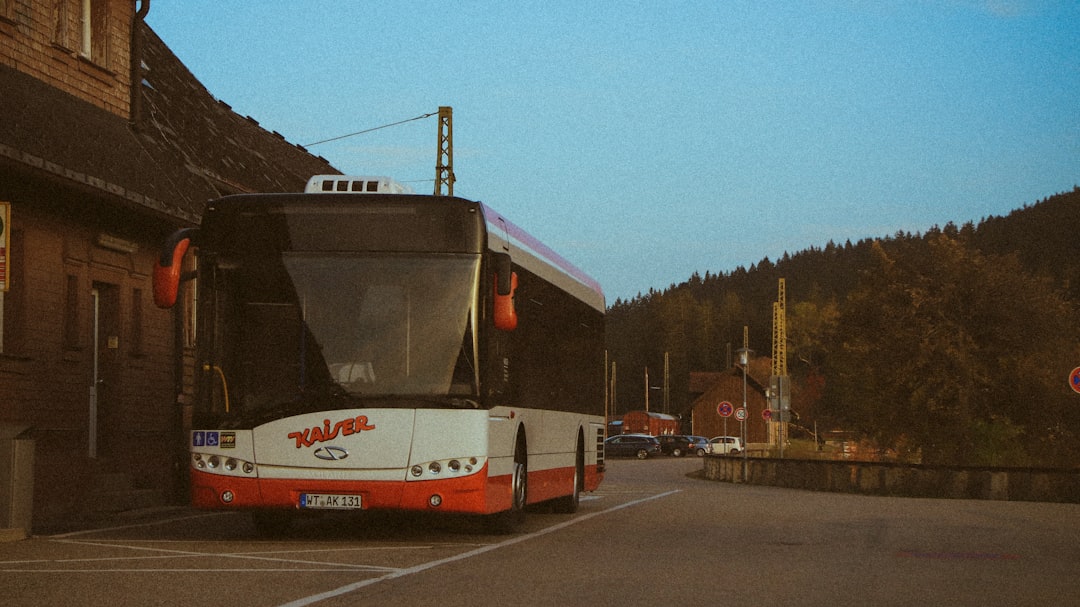
2. 🚌 By Bus: Long-Distance Giants vs. Boutique Operators
3. 🚐 Local Buses, Colectivos & Taxis: City-to-Village Survival Guide
4. 🚗 By Car: Rental Cars, One-Ways & the Pan-American Highway
5. ⛴️ By Ferry: Patagonian Fjords, Island-Hopping & Lake Crossings
6. 🚲 By Bike: Urban Ciclovías to the Carretera Austral
7. 🚆 By Train: Santiago Metro, Ramal & the Revival of Scenic Rails
8. 🚁 Micro-Mobility & Emerging Options: E-Scooters, Ride-Shares & Cable Cars
9. 🏜️ Crossing the Atacama: Desert Transport Tricks
10. 🏔️ Patagonia Logistics: Navigating the End of the World
11. 🧭 Border Runs: Argentina, Bolivia & Peru Crossings
12. 🎒 Luggage Storage, Left Luggage & Packing for Every Mode
13. 🛡️ Safety, Scams & Health on the Move
14. 🌱 Sustainable Travel: Carbon-Smart Choices
15. 🧑💻 Digital Nomad Transport: Wi-Fi on Wheels & Co-Working Commutes
Conclusion
Recommended Links
FAQ
Reference Links
Here at Chile Vacay™, we’ve crisscrossed this impossibly long, beautifully bonkers country more times than we can count. We’ve been squished in colectivos, luxuriated in salón cama buses, white-knuckled it on Patagonian gravel roads, and soared over the Andes. And the number one question we get is always: “How on earth do you get around a country that looks like a shoestring?”
Well, buckle up, buttercup! You’ve come to the right place. Getting around Chile is an adventure in itself, a glorious puzzle of buses, boats, and budget airlines. It’s the circulatory system of this vibrant nation, and learning to navigate it is key to unlocking its secrets. From the sun-scorched Atacama Desert in the north to the icy fjords of Patagonia in the south, we’re about to give you the ultimate, no-nonsense guide to Chilean transport.
So, are you ready to find out which bus seat is really the best, how to avoid getting fleeced by a taxi driver, and why renting a 4×4 might be the best decision you make on your trip? Let’s get this show on the road!
⚡️ Quick Tips and Facts
In a hurry? Here’s the lowdown on navigating Chile, fast and dirty.
- 📏 Chile is LONG: Over 4,270 km (2,653 mi) long but only 177 km (110 mi) wide on average. This shape dictates everything about travel here. Flying is often necessary for long hauls.
- 🚌 Buses are King: For most inter-city travel, buses are the most popular, affordable, and surprisingly comfortable option. Think reclining seats and onboard movies!
- 📱 Book Online: Use apps and websites like Recorrido.cl and Busbud to compare bus companies and book tickets in advance, especially for popular routes.
- 🚗 Rent a Car for Freedom: To truly explore remote areas like the Carretera Austral or the Atacama Desert, renting a car is a must. Check out our Adventure Travel section for more inspiration.
- 💳 Bip! Card is Your Best Friend: In Santiago, a Tarjeta Bip! is essential for using the Metro and public bus system. You can buy and top them up at any metro station.
- ✅ Safety First: Chile is one of South America’s safest countries, but petty theft can happen in busy terminals and cities. Always keep an eye on your belongings.
- ❌ Don’t Expect Trains: Outside of Santiago’s excellent Metro and a few scenic routes, Chile’s passenger train network is very limited. Don’t plan your trip around it.
- ⛴️ Ferries are Essential in the South: In Patagonia, roads often disappear. Ferries are a vital—and incredibly scenic—part of the transport network.
- ✈️ Budget Airlines Rule the Skies: LATAM, Sky Airline, and JetSMART offer competitive pricing for domestic flights. Pro-tip: Booking on the Chilean version of their websites can sometimes be cheaper, but may require a Chilean credit card or RUT (national ID number).
🗺️ Chile Transport History: From Mules to Metro
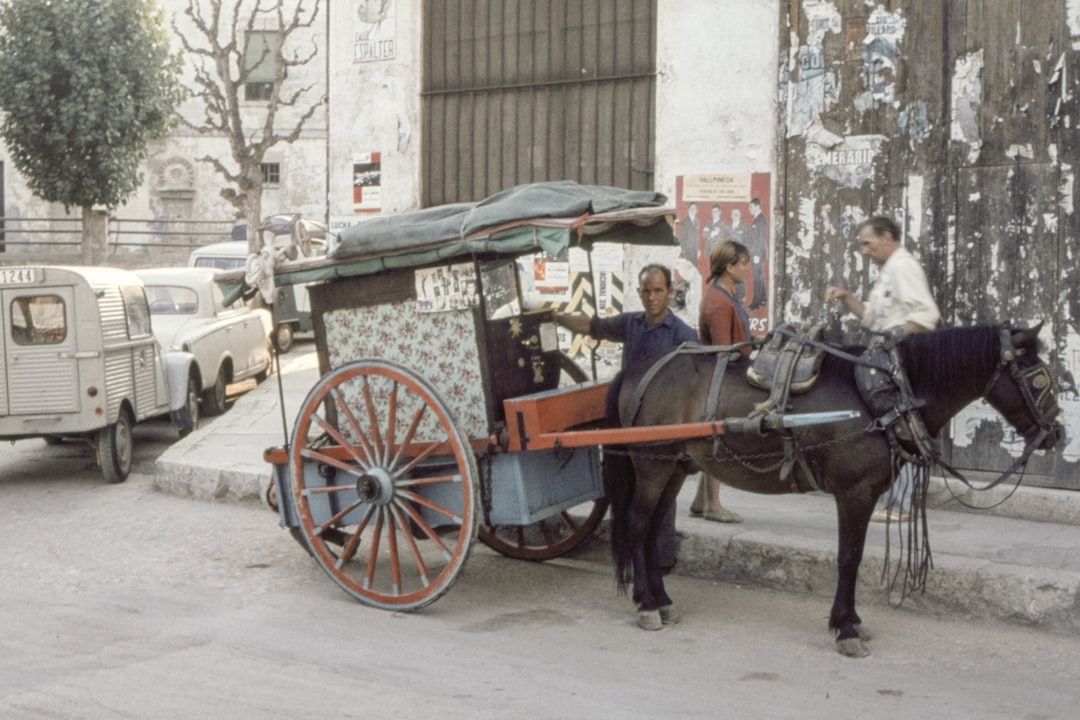
Ever wonder how people got around this geographical marvel before the age of jumbo jets and cushy buses? The story of Chilean transport is a saga of grit, ingenuity, and a whole lot of mountains getting in the way.
For centuries, the primary routes were the rugged trails of the Inca, traversed by messengers and llama caravans. After the Spanish arrived, mules and horses became the go-to, forging paths that would one day become modern roads. The iconic Pan-American Highway, or Ruta 5, which forms the backbone of the country, follows many of these ancient corridors.
The 19th century brought the railway boom, connecting the mining heartlands of the north with the ports. While many of these lines have since fallen into disuse for passengers, their legacy can still be seen in ghost towns and historic train stations. It wasn’t until the mid-20th century that the bus network truly exploded, democratizing travel and connecting even the most remote villages. As Rough Guides puts it, Chile’s long-distance buses now offer “an excellent service, far better than their European or North American counterparts.”
Today, you can ride Santiago’s futuristic, driverless Metro line in the morning and, by afternoon, be on a flight bound for the “end of the world.” It’s a transport system built on layers of history, from dusty mule tracks to sleek airport terminals. Understanding this evolution doesn’t just help you get around; it helps you understand Chile itself.
🧳 Pre-Trip Planning: Visas, Apps & Money-Saving Hacks
A smooth journey starts long before you board the plane. Getting your ducks in a row will save you headaches, hassles, and a surprising amount of pesos.
H3: Visas and Entry Requirements
For many nationalities (including those from the US, UK, EU, and Australia), a tourist visa is not required for stays of up to 90 days. However, there’s a little catch for our Aussie friends.
- Reciprocity Fee: Citizens of Australia must pay a “reciprocity fee” upon arrival at Santiago’s international airport (SCL). This is paid before you go through immigration. Always check the latest requirements on the official Chilean government travel site before you book.
- PDI Tourist Card: Upon entry, you’ll be given a small piece of paper by the PDI (Chile’s investigative police). DO NOT LOSE THIS. It’s your tourist card (Tarjeta de Turismo). You’ll need to present it when you leave the country, and many hotels ask for a copy to exempt you from the 19% IVA (value-added tax). Keep it safe with your passport!
H3: Must-Have Apps for Chilean Travel
Your smartphone is your secret weapon. Download these before you go:
- Booking: Recorrido.cl and Busbud are fantastic for comparing and booking bus tickets.
- Navigation: Google Maps works well in cities, but for hiking and remote roads, Maps.me is a lifesaver as it works offline.
- Ride-Sharing: Uber and Cabify are prevalent in major cities like Santiago, Valparaíso, and Concepción. They can be more straightforward than hailing a taxi if your Spanish isn’t great.
- Translation: Google Translate’s conversation and camera features are invaluable.
H3: Money-Saving Hacks
Chile isn’t the cheapest country in South America, but with a few tricks, you can make your money go further. For more tips, check out our Budget Travel guide.
- Travel Overnight: Taking a long-distance overnight bus saves you the cost of a night’s accommodation.
- Pack a Lunch: Food at bus terminals and on the road can be pricey. Stock up on snacks and water at a supermarket (supermercado) like Lider or Jumbo.
- Look for “Menú del Día”: At lunchtime, many restaurants offer a fixed-price menu (menú del día or colación) which is a fantastic value.
1. 🛫 By Air: Domestic Airlines, Airpasses & Insider Airport Hacks
Given Chile’s string-bean geography, flying is less a luxury and more a necessity if you want to see drastically different regions without spending days on a bus. Want to go from the Atacama Desert to Patagonia? You’re flying, my friend. It’s the only way to see many of the top tourist attractions in Chile on a single trip.
H3: The Big Three: LATAM vs. Sky vs. JetSMART
Chile’s domestic airline market is a fierce battleground between three main players. Here’s our take:
| Feature | LATAM Airlines | Sky Airline | JetSMART |
|---|---|---|---|
| Network | ✅ Most extensive network, including Easter Island. | ✅ Good coverage of major cities. | ✅ Focuses on popular, high-traffic routes. |
| Price Point | Generally the highest, but offers more service. | The original low-cost carrier, often the mid-range option. | Ultra-low-cost model. You pay for everything extra. |
| Baggage | Fares often include a carry-on. Checked bags cost extra on basic fares. | ❌ Basic fares include only a small personal item. Pay close attention! | ❌ Famously strict about baggage. A backpack can cost you. |
| Our Vibe | The reliable, full-service (ish) legacy carrier. Good for complex itineraries. | The happy medium. Decent service, decent prices. Our usual go-to. | The “no-frills, get-me-there” option. Great for short hops if you pack light. |
A word of warning from Lonely Planet: “Read fare details carefully (luggage allowance).” They are not kidding. The sticker price on JetSMART might look amazing, but once you add a carry-on and a checked bag, it can sometimes cost more than Sky or LATAM.
H3: Airpasses and Booking Secrets
The old LANPass and other airpasses are largely a thing of the past, replaced by the dynamic pricing of low-cost carriers. The real secret is how you book.
- Book in Advance: Especially for peak season (December-February), prices soar.
- Be Flexible: Use Google Flights’ calendar view to see the cheapest days to fly.
- The Chilean Website Trick: Sometimes, accessing an airline’s Chilean site (e.g., latam.com/cl-es) can show lower fares in Chilean Pesos (CLP). However, these often require a Chilean ID (RUT) or credit card to complete the purchase. It’s a gamble, but worth a look.
H3: Insider Airport Hacks
- Santiago Airport (SCL): The main international gateway. Domestic and international terminals are now in separate buildings, connected by a short walk or shuttle. Give yourself plenty of time. Buses from the airport to the city center (Turbus and Centropuerto) are cheap and efficient.
- Calama (CJC) & Punta Arenas (PUQ): These are the key airports for the Atacama Desert and Patagonia, respectively. They are small and easy to navigate. Pre-booking rental cars or shuttle transfers from these airports is highly recommended.
2. 🚌 By Bus: Long-Distance Giants vs. Boutique Operators
Welcome to the beating heart of Chilean travel! The bus system is extensive, efficient, and your ticket to seeing the country like a local. Forget the rickety Greyhound you’re imagining; Chilean buses are on another level.
H3: Decoding Bus Classes: From Clásico to Cama Premium
Choosing your seat is the most important decision you’ll make. It can be the difference between a sleepless night and arriving refreshed and ready to explore.
- Clásico or Pullman: ✅ The most basic option. Standard reclining seats. Fine for short trips (under 4 hours).
- Semi Cama (Half Bed): ✅ The workhorse of the fleet. More legroom, deeper recline (around 140°). Our standard choice for daytime or shorter overnight journeys.
- Salón Cama (Bed Lounge): ✅ The business class of buses. Wide, plush seats (only 3 across instead of 4) that recline to about 160°. Often includes a pillow, blanket, and a snack. This is our non-negotiable choice for any overnight trip.
- Cama Premium (Premium Bed): ✅ The holy grail. Fully flat (180°) beds. Not available on all routes or with all companies, but if you see it, book it. You’ll sleep like a baby.
H3: The Main Players
You’ll see these names everywhere. While they offer similar routes, service can vary.
- Turbus: One of the biggest, with a massive network covering almost the entire country. They have a decent app and are generally reliable.
- Pullman Bus: Another giant. They often have multiple sub-brands (like Pullman San Andres) running out of the same terminal, which can be confusing. Double-check your ticket and platform.
- Cruz del Sur: A major player, especially for routes south of Santiago and to the island of Chiloé. We’ve found their salón cama service to be consistently excellent.
- Boutique Operators: For some routes, smaller companies are your only option. For example, buses into the Elqui Valley or along the Carretera Austral are often run by local, family-owned businesses. They might not be on the big booking websites, so you’ll often need to buy tickets at the local terminal.
Personal Anecdote: On my first solo trip, I cheaped out and booked a clásico seat for an 18-hour ride from Santiago to San Pedro de Atacama. Never again! I arrived feeling like a crumpled-up piece of paper. The next time, I splurged on a salón cama with Cruz del Sur, and it was a revelation. I watched a movie, ate a surprisingly decent meal, and actually slept. The small extra cost was worth every single peso.
H3: Booking and Boarding
- Where to Book: For major routes, use Recorrido.cl. It’s a fantastic aggregator that lets you compare times and prices from most of the big companies. For more obscure routes, you’ll need to go to the terminal de buses in person.
- Luggage: Your main bag goes underneath the bus. You’ll be given a numbered stub (boleto de equipaje). Guard this stub with your life. You need it to retrieve your bag. Keep all valuables (passport, electronics, money) in your carry-on with you.
- Food & Drink: Long-haul buses sometimes provide a snack box, but it’s wise to bring your own water and food. Most will make one or two meal stops at roadside restaurants.
3. 🚐 Local Buses, Colectivos & Taxis: City-to-Village Survival Guide
Once you’ve arrived in a new city or town, you’ll need to master the art of local transport. This is where things get a little more chaotic, a lot more interesting, and where you’ll feel most like a local.
H3: Micros: The Colorful City Buses
Micros are the local city buses. They are often brightly colored, sometimes a bit battered, and the backbone of urban transit.
- How they work: Routes are usually displayed on a sign in the front window. You flag them down like a taxi, get on, and pay the driver directly in cash (have small change ready!). In Santiago, you must use a Bip! card.
- The Challenge: Routes can be bewildering. Use Google Maps’ transit feature or an app like Moovit to help you figure out which micro to catch. When in doubt, ask a local!
H3: Colectivos: The Best Thing Since Sliced Bread
This is, hands down, one of our favorite forms of Chilean transport. A colectivo is a shared taxi that runs a fixed route.
- What they look like: They look like regular taxis but are usually all black, with a lighted sign on the roof displaying their route number or final destination.
- How they work: You stand on the designated route and flag one down. You tell the driver where you’re going (along their route), and hop in. They are slightly more expensive than a micro but much faster and more comfortable. You pay the driver when you get out.
- Why we love them: They’re a perfect middle ground. Faster than a bus, cheaper than a taxi. They’re especially common in regional cities like Valparaíso, La Serena, and Punta Arenas.
H3: Taxis and Ride-Sharing
- Official Taxis: These are typically black with a yellow roof. They should always use the meter (taxímetro). It’s good practice to confirm with the driver, “Usa el taxímetro, ¿verdad?” (You use the meter, right?).
- Ride-Sharing Apps: Uber and Cabify operate in most major cities. As Lonely Planet notes, they can be a great option if you don’t speak much Spanish, as the destination is locked in the app, avoiding any confusion. They are often cheaper than official taxis.
- Safety Tip: Never get into an unmarked or unofficial taxi. At the Santiago airport, ignore the touts in the arrivals hall and go directly to the official taxi rank or pre-paid transfer counters.
4. 🚗 By Car: Rental Cars, One-Ways & the Pan-American Highway
While public transport is great, there are some parts of Chile where the real magic lies just beyond the bus route. For the ultimate freedom to explore wild landscapes, nothing beats having your own set of wheels. This is prime Adventure Travel territory.
H3: To Rent or Not to Rent?
Renting a car isn’t for every trip. Here’s when we think it’s worth it:
- ✅ The Atacama Desert: To explore the salt flats, geysers, and hidden lagoons at your own pace.
- ✅ The Lake District: To hop between charming German-influenced towns like Puerto Varas and Frutillar, and access national parks.
- ✅ The Carretera Austral: This is the big one. This legendary southern highway is one of the world’s most epic road trips and is nearly impossible to do justice without your own vehicle.
- ❌ Santiago: Don’t do it. Traffic is intense, parking is a nightmare, and public transport is excellent.
- ❌ Long-distance North-South: Driving from Santiago to San Pedro de Atacama is a grueling 20-hour slog. Fly and rent a car there instead.
H3: The Nitty-Gritty of Renting
- Requirements: You’ll generally need to be over 21 (sometimes 25), have a valid driver’s license from your home country, a passport, and a major credit card for the deposit. An International Driving Permit (IDP) is officially recommended and good to have, though not always asked for by rental agencies.
- The Car: For most paved roads, a basic sedan is fine. For the Atacama’s dirt tracks or the gravel sections of the Carretera Austral, a high-clearance SUV or a 4×4 pickup (camioneta) is highly recommended.
- Insurance: Make sure your rental includes Seguro Obligatorio (basic third-party liability). We strongly advise getting the Collision Damage Waiver (CDW), often called seguro con deducible.
- One-Way Rentals: These are possible but can be very expensive due to the “drop-off” fee. Sometimes it’s cheaper to do two separate round-trip rentals in different regions.
👉 Shop for your rental car on:
H3: On the Road in Chile
- Ruta 5 (The Pan-American): This is the main artery of Chile. It’s a modern, multi-lane toll road for much of its length. Tolls (peajes) are frequent and can be paid in cash or with an electronic tag (TAG) that comes with most rental cars.
- Fuel: Gas stations (bencineras) are plentiful along major routes but can be few and far between in remote areas like the Altiplano or Patagonia. The rule is: if you see a gas station and have half a tank, fill up.
- Police Checks: Carabineros (the national police) often set up checkpoints. Don’t be alarmed. Just have your license, registration (padrón), and rental agreement handy. As Rough Guides cheekily notes, “If an oncoming vehicle flashes its headlights at you, it’s a friendly warning that there are carabineros ahead.”
5. ⛴️ By Ferry: Patagonian Fjords, Island-Hopping & Lake Crossings
South of Puerto Montt, the land shatters into a breathtaking maze of islands, fjords, and channels. Here, roads give way to waterways, and the humble ferry becomes your chariot. This isn’t just transport; it’s a destination in itself, offering some of the most spectacular scenery on the planet.
H3: The Big Patagonian Voyages
These are multi-day journeys that are as much a cruise as they are a mode of transport.
- Navimag (Puerto Montt to Puerto Natales): This is the classic Patagonian ferry trip. It’s a 4-day, 3-night journey through the remote fjords of the Southern Patagonian Ice Field. It’s a rustic, backpacker-friendly experience with shared cabins and basic meals, but the views are priceless. You might see dolphins, sea lions, and even whales.
- Book with: Navimag Ferries Official Website
- Transbordadora Austral Broom (Punta Arenas to Puerto Williams): This 30-hour ferry is the main lifeline to Isla Navarino and the world’s southernmost city, Puerto Williams. It’s a stunning trip through the Beagle Channel.
- Book with: TABSA Official Website
H3: The Carretera Austral Connectors
If you’re driving the Carretera Austral, you’ll need to use several vehicle ferries (transbordadores) to bridge gaps in the road. These are non-negotiable parts of the route.
- The Hornopirén to Caleta Gonzalo stretch: This is the most famous one, involving two separate ferry rides. Booking this in advance, especially in summer, is absolutely essential.
- Puerto Yungay to Río Bravo: This short crossing connects the two final sections of the Carretera Austral.
- Book with: The main operator for the Carretera Austral ferries is SOMARCO.
H3: Island Hopping and Lake Crossings
- Chiloé Island: Frequent ferries run the short distance across the Chacao Channel from Pargua (on the mainland) to Chiloé. You just show up and wait for the next one.
- The Lake Crossing (Cruce Andino): This is a famous tourist route connecting Puerto Varas, Chile, with Bariloche, Argentina. It’s a full-day journey involving three bus legs and three boat trips across stunning alpine lakes. It’s not a direct transport option, but a spectacular scenic tour.
- Book with: Cruce Andino Official Website
Pro Tip: For any ferry journey, especially the long ones, pack layers! Even in summer, the wind on deck can be brutally cold. Also, bring snacks, a good book, and a portable charger. And maybe some seasickness medication, just in case.
6. 🚲 By Bike: Urban Ciclovías to the Carretera Austral
For the truly adventurous (or slightly mad), seeing Chile from the saddle of a bicycle is an unforgettable experience. From urban commuting to one of the world’s toughest bikepacking routes, Chile offers a full spectrum of two-wheeled challenges.
H3: City Cycling: Santiago’s Ciclovías
Santiago has made huge strides in becoming a bike-friendly city.
- Ciclovías (Bike Lanes): There’s a growing network of dedicated bike lanes, especially along the Mapocho River and in neighborhoods like Providencia.
- Bike Share: The Bike Itaú system is a public bike-share program, similar to those in many world cities. It’s great for short trips. You’ll need to register online with a credit card.
- Sunday CicloRecreoVía: Every Sunday morning, major avenues are closed to cars and opened up to cyclists, runners, and skaters. It’s a fantastic local experience.
H3: The Ultimate Challenge: Cycling the Carretera Austral
This is the holy grail for long-distance cyclists. It’s a 1,240 km route of mixed pavement and gravel (ripio) through some of the most remote and beautiful scenery in Patagonia. It is not for the faint of heart.
- The Bike: You need a sturdy touring bike or a hardtail mountain bike with robust tires. This is not the place for a skinny-tired road bike.
- Be Self-Sufficient: As Lonely Planet advises, “Carry spare inner tubes and a repair kit.” We’d add to that: know how to use them! Bike shops are scarce. You need to be your own mechanic.
- Logistics: You’ll be battling relentless Patagonian winds, unpredictable weather, and long stretches between supply points. You’ll need to carry food, water, and camping gear.
- Buses & Bikes: Most long-distance bus companies will take bikes, but they usually require you to box them up. Ask at the terminal beforehand.
A Dose of Reality: We met a German couple in Villa O’Higgins who had just finished cycling the entire Carretera Austral. They looked weathered, exhausted, and deliriously happy. Their advice? “The wind is your biggest enemy and your best friend. And never, ever pass up a chance to eat a hot meal.”
7. 🚆 By Train: Santiago Metro, Ramal & the Revival of Scenic Rails
If you’re dreaming of a cross-country rail journey like you’d find in Europe, you’ll need to adjust your expectations. Chile’s passenger rail network is a shadow of its former self. However, what remains is either incredibly useful or wonderfully scenic.
H3: The Santiago Metro: A World-Class System
The Metro de Santiago is the pride of the capital and by far the best way to get around the city.
- Efficiency: It’s clean, fast, safe, and extensive. It’s one of the most modern and efficient systems in Latin America.
- The Bip! Card: You cannot pay in cash. You must buy a Tarjeta Bip! card from a kiosk in any station and load it with credit. You can use the same card on the city’s micro bus system.
- Peak Hours: Like any metro, it gets incredibly crowded during morning and evening rush hours (hora punta). Be prepared to get cozy.
H3: EFE: The Mainline South
The state-run railway, EFE (Empresa de los Ferrocarriles del Estado), operates the few remaining long-distance services, all running south from Santiago’s Estación Central.
- Santiago to Chillán: This is the main service. It’s a comfortable 4.5-hour journey. It’s more expensive and often slower than the bus, but it’s a relaxed and scenic way to travel.
- Tourist Trains: EFE occasionally runs special tourist trains, like the “Sabores del Valle” wine train to the Colchagua Valley. Check their website for special excursions.
H3: The Last Ramal: A Journey Back in Time
For a truly unique experience, seek out the Ramal Talca-Constitución. This is the last remaining rural branch line (ramal) in the country.
- The Route: A small, single-carriage train trundles daily from the city of Talca to the coastal town of Constitución, stopping at tiny, isolated villages along the Maule River.
- The Experience: This isn’t about speed; it’s about connection. The train is a lifeline for the communities along the route. It’s a slow, rattling, beautiful journey into the heart of rural Chile. It’s a must-do for train lovers and those seeking an authentic slice of Chilean life.
8. 🚁 Micro-Mobility & Emerging Options: E-Scooters, Ride-Shares & Cable Cars
Chile’s cities are constantly evolving, and so are the ways to get around them. Beyond the traditional buses and taxis, a new wave of transport options is making urban exploration easier and more fun.
H3: E-Scooters: Zipping Through the City
You’ll see electric scooters from brands like Lime and others dotting the sidewalks in parts of Santiago and other major cities.
- How they work: You use an app to unlock a scooter and are charged by the minute.
- Best for: Short, fun trips in neighborhoods with good bike lanes, like Providencia or Las Condes in Santiago.
- The Catch: They can be more expensive than you think for longer distances, and you need to be mindful of local traffic laws and pedestrians. Always ride responsibly!
H3: Ride-Sharing: The App-Based Revolution
We’ve mentioned them before, but it’s worth restating how much Uber and Cabify have changed the game.
- Why they’re great: Fixed pricing, no cash needed, and a digital trail of your journey. They eliminate the language barrier and the risk of being overcharged by a rogue taxi.
- Legal Gray Area: While widely used, their legal status in Chile has been a topic of debate for years. This rarely affects riders, but it’s something to be aware of.
H3: Cable Cars (Teleféricos): Transport with a View
Some of the best views come with a commute!
- Santiago’s Teleférico: The cable car in the Parque Metropolitano whisks you from the base of San Cristóbal Hill to the summit. It’s both a transport link within the park and a fantastic attraction in its own right.
- Valparaíso’s Ascensores: These aren’t cable cars, but historic funicular elevators that climb the city’s steep hills. They are a quintessential Valparaíso experience and a practical way to avoid a strenuous climb. Many are considered national monuments.
9. 🏜️ Crossing the Atacama: Desert Transport Tricks
The Atacama Desert is a landscape from another planet. But its otherworldly beauty comes with some down-to-earth transport challenges. Getting around the world’s driest desert requires a bit of planning.
H3: The Hub: San Pedro de Atacama
Almost all Atacama adventures start and end in the charming, dusty oasis town of San Pedro de Atacama. The nearest airport is in Calama (CJC), about 1.5 hours away.
- Getting from Calama to San Pedro: Numerous shuttle companies (transfers) meet every flight. You can book a spot at their counters in the airport arrivals hall. It’s a fixed price per person.
H3: Tour vs. DIY
This is the big question for exploring the Atacama’s famous sights (Valley of the Moon, Tatio Geysers, Altiplanic Lagoons).
- Tours: ✅ Easy and informative. Dozens of agencies in San Pedro offer tours to all the main attractions. This is a great option if you’re short on time or don’t want to drive. You’ll get a guide and won’t have to worry about navigation or altitude.
- DIY (Rental Car): ✅ Ultimate freedom. Renting a car (preferably a high-clearance SUV or 4×4) in Calama gives you the flexibility to visit sites on your own schedule, avoid the crowds, and explore lesser-known spots.
- Warning: Distances are vast, roads can be rough, cell service is non-existent outside of towns, and the altitude is a serious factor. As Rough Guides wisely suggests, for altiplano driving, “take two spare tires… and extra petrol.”
H3: High-Altitude Driving Tips
- Fuel: The only gas station in the region is in San Pedro. Fill up every time you pass it.
- Water & Snacks: Always carry more than you think you’ll need.
- Altitude Sickness (Puna): Many attractions are over 4,000 meters (13,000 feet). Acclimatize in San Pedro (2,400m) for a day or two before heading higher. Drink lots of water and coca tea.
- Navigation: Download offline maps on Google Maps or Maps.me before you leave Calama.
10. 🏔️ Patagonia Logistics: Navigating the End of the World
Patagonia is not a place you can just wing. Its sheer scale and wildness demand respect and planning. Transport here is a complex dance of flights, buses, ferries, and a whole lot of patience. It’s the ultimate test for any traveler’s logistical skills, but the rewards are immeasurable.
H3: The Two Gateways: Puerto Montt and Punta Arenas
Think of Patagonia as two distinct zones for travel planning.
- The Northern Zone (Lake District / Carretera Austral): The main hub is Puerto Montt (PMC). From here, you can catch buses or ferries south, or start a road trip down the Carretera Austral.
- The Southern Zone (Torres del Paine / Tierra del Fuego): The main hub is Punta Arenas (PUQ). You’ll fly here from Santiago or Puerto Montt. From Punta Arenas, it’s a 3-hour bus ride to Puerto Natales, the gateway town for Torres del Paine National Park.
H3: The Classic Patagonia Loop (Without a Car)
This is a popular route for backpackers and those relying on public transport.
- Fly from Santiago (SCL) to Punta Arenas (PUQ).
- Bus from Punta Arenas to Puerto Natales (3 hours).
- Explore Torres del Paine using buses from Puerto Natales to the park entrance.
- Bus from Puerto Natales across the border to El Calafate, Argentina (to see the Perito Moreno Glacier).
- Fly from El Calafate (FTE) back to Santiago or another destination.
H3: The Carretera Austral Puzzle
This requires the most planning.
- Car Rental: The best way is to rent a 4×4 in Puerto Montt and drive south. Be prepared for a hefty one-way drop-off fee if you leave it in a different city like Coyhaique or Balmaceda.
- Bus & Hitchhike: It is possible to do the Carretera Austral by bus, but it’s challenging. Services can be infrequent, especially in the southern half. You’ll need a flexible schedule and a willingness to hitchhike (hacer dedo), which is common among locals and travelers in this region.
- Ferry Timetables: As Lonely Planet points out, “Carretera Austral travel requires timing with ferry departures.” You must plan your drive around the ferry schedules, especially the Hornopirén crossing, and book vehicle spots well in advance in summer.
11. 🧭 Border Runs: Argentina, Bolivia & Peru Crossings
Chile shares long and often dramatic borders with three neighbors, and crossing them is a key part of many South American itineraries. Each crossing has its own character and challenges.
H3: Crossing to Argentina 🇦🇷
This is the most common border crossing for travelers, with numerous options through the Andes.
- Santiago to Mendoza: A stunning 7-hour bus journey that winds up a series of hairpin turns known as Los Caracoles. Warning: This pass can close for days during winter (June-September) due to snow. Always have a backup plan.
- The Lake District Crossing (Cruce Andino): The scenic boat-and-bus combo from Puerto Varas to Bariloche. More of a tour than a direct transfer.
- Patagonia Crossings: Numerous bus routes connect Chilean and Argentine Patagonia, such as Puerto Natales to El Calafate, and Chile Chico to Los Antiguos.
- Rental Car Note: Most rental companies do not allow you to take their cars into Argentina. Those that do require expensive extra insurance and paperwork that must be arranged weeks in advance.
H3: Crossing to Bolivia 🇧🇴
This is a high-altitude adventure, typically done as part of a multi-day tour.
- San Pedro de Atacama to Uyuni Salt Flats: This is the classic route. You book a 3-day, 2-night 4×4 tour that starts in San Pedro, crosses the border at Hito Cajón, explores the stunning landscapes of southwest Bolivia (including colorful lagoons and deserts), and finishes at the Salar de Uyuni. You can then continue into Bolivia or do a round-trip tour back to San Pedro.
- Important: This is a rugged, high-altitude trip. Choose a reputable tour agency in San Pedro. Safety standards can vary wildly.
H3: Crossing to Peru 🇵🇪
The northernmost crossing is straightforward and heavily trafficked.
- Arica to Tacna: This is one of the easiest land border crossings in South America. You can take a bus or, more commonly, a colectivo (shared taxi) from the terminal in Arica. The journey is short (about 1.5 hours, including border formalities), and vehicles leave constantly. You’ll get your passport stamped out of Chile and into Peru at the Chacalluta/Santa Rosa complex.
12. 🎒 Luggage Storage, Left Luggage & Packing for Every Mode
What do you do with your giant suitcase when you want to do a 5-day trek? Smart packing and knowing your luggage storage options can make your trip infinitely smoother.
H3: Left Luggage (Custodia)
- Bus Terminals: Most major bus terminals (terminal de buses) in cities like Santiago, Valparaíso, and Puerto Natales have a custodia or guardería (left luggage office). You pay a daily fee per bag. It’s generally safe, but don’t leave irreplaceable valuables.
- Airports: Santiago’s airport (SCL) has a left luggage facility. It’s more expensive than the bus terminal but convenient for flight layovers.
- Hostels & Hotels: This is your best bet. Most accommodations will happily store your main luggage for free or a small fee while you go off on a multi-day excursion, like the W Trek in Torres del Paine. We do this all the time. Just ask!
H3: Packing Smart for Chilean Transport
How you pack depends on how you’re traveling.
- For Bus Travel: A backpack is often easier to manage than a rolling suitcase. Keep a small daypack with you at your seat containing valuables, a water bottle, snacks, a book, a portable charger, and a warm layer (the A/C can be fierce!).
- For Budget Flights: The eternal struggle. To avoid excess baggage fees on Sky or JetSMART, you need to be ruthless. Wear your heaviest clothes (hiking boots, jacket) on the plane. Use packing cubes to compress your clothes. Consider if you really need that extra pair of shoes.
- For Car Travel: The beauty of a car is you can pack more! But don’t leave valuables visible in a parked car. The On My Canvas blog wisely suggests packing a travel pillow, which we co-sign for any long journey, be it by plane, bus, or car.
👉 CHECK PRICE on:
- Travel Pillow: Cabeau Evolution S3 on Amazon | trtl Pillow on Amazon
- Packing Cubes: Eagle Creek on Amazon | Peak Design on Peak Design Official Website
13. 🛡️ Safety, Scams & Health on the Move
Chile is safe, but like anywhere, being a tourist can make you a target for opportunistic crime. Staying aware on the move is your best defense.
H3: Common Scams & Thefts
- The Distraction Scam: Especially common in busy bus terminals. One person “accidentally” spills something on you while an accomplice grabs your bag. Be wary of overly friendly strangers or sudden commotion around you.
- Taxi Meter Shenanigans: The “broken” meter is a classic. Always confirm the use of the taxímetro before you get in. Or better yet, use a ride-sharing app with a fixed price.
- Bags on Buses: On city buses (micros), keep your backpack on your lap, not on the floor or in the overhead rack. On long-distance buses, your main bag is safe under the bus, but keep ALL valuables with you.
H3: Road Safety
- Driving: Chilean drivers can be aggressive, especially in Santiago. Be a defensive driver.
- Seatbelts: They are mandatory for all passengers, in both the front and back seats.
- Drink Driving: Chile has a zero-tolerance policy. The penalties are severe. Don’t do it.
H3: Health on the Go
- Motion Sickness: The winding Andean roads and Patagonian ferry crossings can be a challenge for sensitive stomachs. Pack medication like Dramamine if you’re prone to it.
- Altitude Sickness: In the Atacama and Altiplano, take it easy for the first few days. Stay hydrated, avoid heavy meals and alcohol.
- Tap Water: The water in most cities is safe to drink, but it has a high mineral content that can upset some stomachs. To be safe, stick to bottled water or use a filter bottle like a Lifestraw Go or Grayl GeoPress.
14. 🌱 Sustainable Travel: Carbon-Smart Choices
Traveling a country as long as Chile has an unavoidable carbon footprint. But as conscious travelers, we can make choices to minimize our impact and support the preservation of the incredible natural landscapes we’ve come to see.
H3: Choosing Your Mode
- Bus over Plane: Whenever feasible, taking a bus instead of a short-haul flight is a significantly greener choice. A full bus has a much lower carbon footprint per passenger than a plane. The Santiago-La Serena route, for example, is a perfect candidate for a comfortable overnight bus trip instead of a flight.
- Direct Flights: If you must fly, choose direct flights. Takeoffs and landings consume the most fuel.
- Slow Travel: Embrace it! Instead of trying to see the whole country in two weeks (which involves a lot of flying), consider focusing on one or two regions. This reduces your travel footprint and allows for a deeper, more meaningful experience. Check out our Destinations page for regional deep-dives.
H3: Supporting Green Initiatives
- Public Transport: Using Santiago’s Metro or the local micros and colectivos isn’t just cheap; it’s a sustainable choice that reduces traffic congestion and emissions.
- Carbon Offsetting: Consider offsetting the carbon footprint of your long-haul flight to Chile through reputable programs like Gold Standard or Terrapass.
- Leave No Trace: This is paramount, especially in pristine national parks. Pack out everything you pack in. Stick to marked trails. Respect wildlife from a distance.
15. 🧑💻 Digital Nomad Transport: Wi-Fi on Wheels & Co-Working Commutes
For those of us who travel while we work, transport isn’t just about getting from A to B; it’s a potential mobile office. Chile is increasingly friendly to digital nomads, but you need to know the lay of the land.
H3: Wi-Fi on the Move: Myth vs. Reality
- Buses: Many long-distance bus companies like Turbus and Cruz del Sur advertise “Wi-Fi onboard.” Treat this promise with extreme skepticism. In our experience, it rarely works. And when it does, it’s usually painfully slow and only works when you’re passing through a major town. Do not rely on it for anything important.
- Your Own Hotspot: The only reliable solution is to have your own data. Get a local SIM card from providers like Entel or Movistar and use your phone as a hotspot. Entel generally has the best coverage in remote areas.
H3: The “Bus Office”
Can you work on a 10-hour bus ride? Yes, but with caveats.
- Choose Salón Cama: The extra space and individual armrests of a salón cama seat are essential if you plan to use a laptop.
- Power Up: Some newer buses have USB ports or even power outlets, but they’re not guaranteed. Bring a fully charged laptop and a powerful portable battery pack.
- Privacy: A privacy screen for your laptop is a good idea if you’re working on sensitive material.
👉 CHECK PRICE on:
- Portable Battery Pack: Anker PowerCore on Amazon
- Laptop Privacy Screen: 3M Privacy Filters on Amazon
H3: Commuting to Co-Working Spaces
In Santiago, co-working spaces are popping up all over, especially in neighborhoods like Providencia and Las Condes. The Metro is the perfect way to commute. It’s fast, reliable, and has good cell service in the tunnels, so you can even get a head start on your emails before you arrive.
Conclusion
Navigating Chile’s vast and varied landscape might seem daunting at first glance, but with the right knowledge and a sprinkle of adventurous spirit, it becomes one of the most rewarding parts of your trip. Whether you’re hopping on a plush salón cama bus, soaring above the Andes on a budget airline, or cruising the Patagonian fjords by ferry, each mode of transport offers a unique window into Chile’s soul.
The key takeaway? Don’t just think of transport as a way to get from point A to B. Embrace it as part of the adventure. The buses are comfortable and reliable, the domestic flights save you precious time, and renting a car unlocks hidden gems off the beaten path. For urban explorers, the Metro and micros keep life moving smoothly, while the colectivos add a dash of local flavor.
We hope our insider tips, personal anecdotes, and detailed breakdowns have armed you with everything you need to confidently plan your Chilean journey. Remember the golden rule: plan ahead, stay flexible, and always carry a warm layer—because Chile’s climate and transport quirks can surprise you!
Ready to hit the road (or sky, or sea)? Chile awaits with open arms and endless horizons.
Recommended Links
👉 CHECK PRICE on:
-
Travel Pillows:
Cabeau Evolution S3 on Amazon | trtl Pillow on Amazon -
Packing Cubes:
Eagle Creek on Amazon | Peak Design on Peak Design Official Website -
Portable Battery Packs:
Anker PowerCore on Amazon -
Laptop Privacy Screens:
3M Privacy Filters on Amazon -
Bike Gear & Accessories:
REI Bike Packing Gear on Amazon -
Rental Cars in Chile:
RentalCars.com | Expedia | Booking.com -
Chile Travel Books:
Lonely Planet Chile & Easter Island
Rough Guide to Chile
FAQ
What are the best ways to travel from Santiago to other major cities in Chile?
The fastest way is by domestic flight, especially for distant cities like Calama (gateway to Atacama) or Punta Arenas (Patagonia). Airlines like LATAM, Sky Airline, and JetSMART offer frequent flights. For budget travelers or those who prefer ground travel, long-distance buses are excellent—comfortable, safe, and with multiple daily departures. Companies like Turbus and Pullman Bus dominate these routes. For shorter distances, the Santiago Metro and local buses provide efficient urban transit.
Read more about “25 Cheap Things to Do in Chile (2025) 🇨🇱 Your Ultimate Budget Guide”
Are there any affordable and reliable bus companies in Chile for long-distance travel?
Absolutely! Chile’s bus companies are among the best in South America. Turbus, Pullman Bus, and Cruz del Sur are the big players offering a range of classes from clásico to cama premium. They provide amenities like onboard toilets, snacks, and reclining seats. For more niche routes, smaller boutique operators serve remote areas. Booking in advance via Recorrido.cl or Busbud is recommended, especially in high season.
Can I rent a car in Chile and drive on my own, or are there better transportation options?
Yes, renting a car is a fantastic way to explore Chile’s remote regions, especially the Atacama Desert, Lake District, and Carretera Austral. You’ll need a valid driver’s license, a credit card, and ideally an International Driving Permit. A 4×4 vehicle is recommended for unpaved roads in the south and desert. However, in cities like Santiago, public transport is more convenient and parking is difficult. For long-distance north-south travel, flying combined with local transport is often more practical.
How do I get to remote or rural areas of Chile, such as Easter Island or Patagonia, where public transportation may be limited?
For Easter Island, flying is the only practical option, with LATAM offering flights from Santiago. Once there, you can rent bikes, scooters, or cars to explore. In Patagonia, a combination of flights (to Puerto Montt or Punta Arenas), buses, ferries, and car rentals is necessary. The Patagonian ferry network is essential for crossing fjords and channels. In very remote areas like the Carretera Austral, renting a 4×4 and planning ferry crossings in advance is crucial. Some rural spots require guided tours or hitchhiking, which is common and generally safe.
How reliable and safe is public transportation in Chile?
Chile’s public transport is generally safe, reliable, and well-maintained. Long-distance buses are punctual and comfortable, with safety standards higher than many neighboring countries. Urban buses (micros) and colectivos are affordable but can be crowded and chaotic; vigilance with belongings is advised. Santiago’s Metro is modern and secure. Always use official taxi services or ride-sharing apps to avoid scams.
Read more about “When Is the Cheapest Time to Visit Chile? 7 Insider Secrets (2025) ✈️”
Are there any special considerations for traveling with bicycles in Chile?
Yes! Chile is increasingly bike-friendly in cities like Santiago, but rural and remote routes require preparation. Bikes often need to be boxed for bus transport, and bike shops are mostly in major cities. For long-distance routes like the Carretera Austral, a sturdy mountain or touring bike is essential, along with repair skills and spare parts. Helmets are mandatory by law. For urban cycling, use bike lanes (ciclovías) and consider bike-share programs like Bike Itaú.
Reference Links
- Rough Guides: Getting Around Chile
- Lonely Planet: Getting Around Chile
- On My Canvas: Chile Travel Guide 2025 (6-Month Solo Trip)
- LATAM Airlines Official Website
- Sky Airline Official Website
- JetSMART Official Website
- Turbus Bus Company
- Pullman Bus Company
- Cruz del Sur Bus Company
- Recorrido.cl Bus Booking
- Busbud Bus Booking
- RentalCars.com
- Navimag Ferries
- TABSA Ferries
- Chile Travel Official Site
- Santiago Metro
- Chile Government Travel Info