Support our educational content for free when you purchase through links on our site. Learn more
🚌 How to Get Around Chile in 2026: The Ultimate Guide

To get around Chile during your vacation, you must embrace a hybrid strategy: fly to cover the massive 4,30km distance between the north and south, rely on the world-class Salón Cama bus network for scenic intercity travel, and rent a 4×4 only for specific off-road adventures like the Caretera Austral.
You might be wondering exactly how do I get around Chile during my vacation without getting lost or stranded in the Atacama? The answer isn’t a single mode of transport, but a smart combination tailored to the region you are exploring. Chile is so long that driving from the top to the bottom would take nearly 24 hours non-stop, making air travel essential for long-haul jumps.
Imagine this: you board a bus in Santiago, settle into a seat that reclines into a full bed, and wake up 12 hours later in the misty forests of Puerto Mont, having watched the landscape transform from desert to vineyard to glacier. This is the magic of Chilean travel, where the journey is just as memorable as the destination.
Key Takeaways
- Fly for Distance: Use domestic flights (LATAM, Sky, JetSmart) to bridge the gap between the far north and Patagonia, as ground travel is too time-consuming.
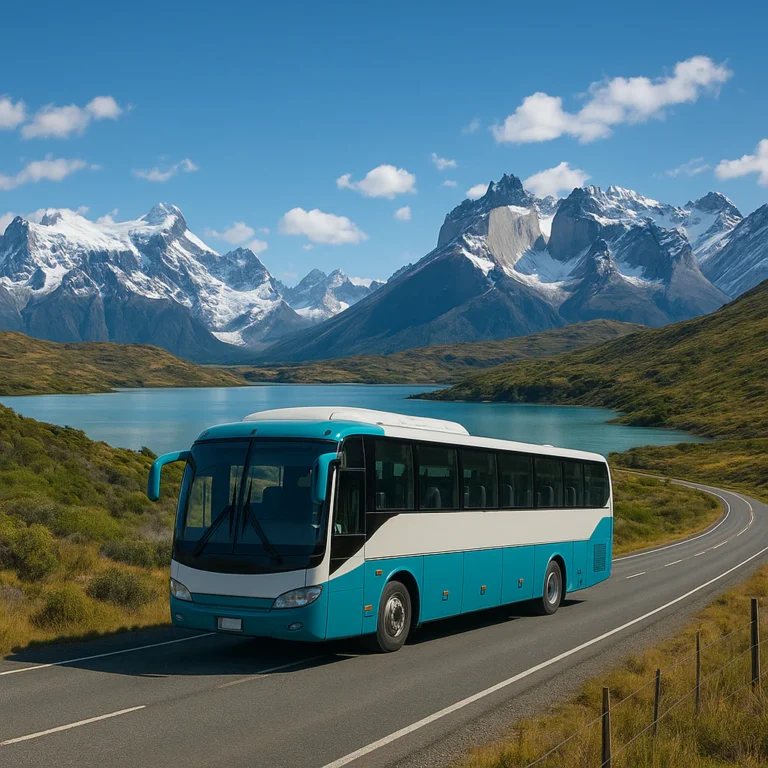
- Bus is King: For most intercity travel, book Salón Cama or Semi-cama class tickets on reputable companies like Pullman Bus or Turbus for comfort and safety.
- Rent Wisely: A standard 2WD car is sufficient for 90% of tourist routes, but reserve a 4×4 if you plan to tackle the gravel roads of the Caretera Austral or remote desert tracks.
- City Navigation: In Santiago and major hubs, rely on the efficient Metro system with a Tarjeta Bip! card, or use Uber for safe, convenient point-to-point travel.
Table of Contents
- ⚡️ Quick Tips and Facts
- 🇨🇱 Chilean Transport History: From Mules to High-Speed Trains
- 🚌 The Bus Network: Chile’s Lifeline and Most Affordable Way to Travel
- ✈️ Domestic Flights: Conquering the 4,30km Stretch
- 🚗 Renting a Car: Navigating Chile’s Rugged Roads and Scenic Routes
- 🚆 Trains and Feries: The Slow Travel Experience in the South
- 🚕 Taxis, Uber, and Micros: Getting Around Santiago and Major Cities
- 🗺️ Planning Your Itinerary: How to Get Around Chile Based on Region
- 🎒 Budget vs. Luxury: Comparing Transport Costs and Comfort Levels
- 🚨 Safety, Scams, and Essential Traveler Warnings
- 📱 Apps, Tickets, and Digital Tools for Seamless Chilean Travel
- 🌄 Journeys Beyond and Within: The Ultimate Road Trip Routes
- 📝 Conclusion
- 🔗 Recommended Links
- ❓ FAQ: Your Burning Questions About Getting Around Chile
- 📚 Reference Links
⚡️ Quick Tips and Facts
Before you even pack your first pair of hiking boots, let’s hit the pause button on the “just wing it” mentality. Chile is a beast of a country, stretching over 4,30 kilometers from the driest desert on Earth to the icy glaciers of Patagonia. If you think you can hop on a bus in the north and be in the south by lunch, think again. That’s a 2,0-kilometer journey that takes nearly 24 hours on the road!
Here is the Chile Vacay™ cheat sheet to keep you sane:
- The Bus is King: Forget trains for long distances; Chile’s bus network is the backbone of intercity travel. It’s comfortable, safe, and surprisingly luxurious.
- Cash is Still King (in the sticks): While Santiago runs on cards and apps, rural areas and small micros (local buses) often demand cash (Chilean Pesos).
- Download Offline Maps: Cell service vanishes in the Andes and Patagonia. Google Maps and Maps.me are your lifelines.
- Book Ahead: For popular routes like Santiago to Patagonia or Easter Island flights, book weeks in advance. Last-minute tickets often mean standing room only or sky-high prices.
- Language Barrier: Don’t panic if you don’t speak Spanish. Locals are generally helpful, but learning “¿Dónde está el baño?” (Where is the bathroom?) goes a long way.
For a deeper dive into our philosophy on planning your perfect trip, check out our guide on Chile Vacay.
🇨🇱 Chilean Transport History: From Mules to High-Speed Trains

You might be wondering, “Why are there so many buses and so few trains?” It’s a valid question, especially if you’re used to the rail networks of Europe or Japan. The answer lies in Chile’s geography.
Imagine trying to lay tracks along a 4,30km strip of land that is, at its widest, only 17km wide, sandwiched between the towering Andes Mountains and the Pacific Ocean. In the 19th and early 20th centuries, Chile did have an extensive railway network, primarily built to transport copper and nitrate from the mines to the ports.
However, as the mining industry shifted and the road network improved, the railways fell into disrepair. Today, the only significant long-distance passenger train is the Tren Altiplano (connecting Santiago to Chillán) and a few scenic tourist lines. The rest of the country relies on the bus system, which evolved to fill the void, becoming so efficient that it rivals air travel in comfort and speed for many routes.
“Chile doesn’t have trains, and most of the intercity travel happens by buses, cars, feries, and flights.” — On My Canvas
This historical shift means that when you travel in Chile, you aren’t just getting from A to B; you’re experiencing a mobile social hub where the bus is the destination.
🚌 The Bus Network: Chile’s Lifeline and Most Affordable Way to Travel
If you ask a local how they get around, they’ll likely say, “En bus.” And they aren’t kidding. The bus network in Chile is a marvel of logistics, connecting even the most remote villages.
Choosing Your Class: It’s Not Just a Seat
One of the most confusing but exciting parts of booking a bus in Chile is the seating classes. Unlike the standard “economy” and “business” you might know, Chilean buses offer tiers that feel like a hotel room on wheels.
| Class | Description | Best For |
|---|---|---|
| Ejecutivo | Standard reclining seats, often with a small footrest. | Short trips (under 4 hours). |
| Semi-cama | Wider seats that recline significantly (approx. 135°). Includes a small meal. | Medium trips (4-8 hours). |
| Salón Cama | Full-bed reclining seats (almost flat), personal TV, blanket, and pillow. | Long-haul journeys (8+ hours). |
| Cama Suite | Private pods with curtains, extra legroom, and premium service. | Luxury travelers seeking privacy. |
Pro Tip: Always opt for Salón Cama for overnight trips. The difference in sleep quality is night and day.
The Big Players
When booking, you’ll see names like Pullman Bus, Turbus, and Cruz del Sur. These are the “big three” and are generally reliable, safe, and comfortable.
- Pullman Bus: Known for punctuality and modern fleets.
- Turbus: Often has the best routes to the south and excellent customer service.
- Cruz del Sur: A historic company with a strong presence in the central and southern regions.
You can book tickets online via their official websites or use aggregators like Recorido (which has an English interface) or Busbud. However, for the most flexibility, buying at the terminal (bus station) is often recommended, as you can sometimes negotiate or get last-minute deals.
“When the bus has to go to another island, it gets onto a ferry, and you sit on your bus and enjoy.” — On My Canvas
The Ferry-Bus Hybrid
In the south, specifically in the Los Lagos region, you’ll encounter a unique phenomenon: the bus drives onto the ferry. You stay seated (or get off to stretch your legs) while the bus rolls onto the boat. It’s a seamless transition that saves you the hassle of unloading luggage.
✈️ Domestic Flights: Conquering the 4,30km Stretch
Sometimes, the bus is just too long. If you are traveling from Santiago to Punta Arenas (Patagonia) or Santiago to Easter Island, flying is not just a luxury; it’s a necessity. The distance is simply too vast to cover by road in a reasonable vacation timeframe.
The Airlines
- LATAM Airlines: The giant of the sky. They have the most extensive network, including flights to Easter Island and the far south. Service is generally reliable, though baggage fees can add up.
- Sky Airline: A low-cost carrier that has grown rapidly. They offer competitive prices but are strict about baggage limits.
- JetSmart: Another budget option, often the cheapest, but be prepared for a no-frills experience.
The Easter Island Exception
Getting to Easter Island (Rapa Nui) is a unique beast. There are no feries. The only way is by air. Flights from Santiago take about 4 hours. Because the island is so remote, flights are limited (usually 2-3 per day), and prices can fluctuate wildly. Book these months in advance.
“Flying into hubs like Puerto Mont (south) or Calama (north) can offer cheaper fares and better flight times.” — Lonely Planet
Budget vs. Comfort
While budget airlines are tempting, remember that in Chile, the “base fare” often excludes checked bags. If you are bringing hiking gear or ski equipment, factor in the extra cost. For a stress-free experience, LATAM is often worth the extra few dollars for the included baggage allowance and better on-time performance.
👉 Shop LATAM Flights on:
🚗 Renting a Car: Navigating Chile’s Rugged Roads and Scenic Routes
Renting a car in Chile offers fredom like no other. You can stop at a roadside parrilla (BBQ) whenever you please, chase the sunset in the Atacama, or explore the hidden valleys of the Lake District. But is it right for you?
2WD vs. 4×4: Do You Really Need a Jeep?
A common myth is that you need a 4×4 for everything in Chile.
- The Truth: For 90% of tourist destinations (Santiago, Valparaíso, San Pedro de Atacama, Puerto Varas, Torres del Paine main roads), a standard 2WD car is perfectly fine.
- When you need 4×4: If you plan to drive the Caretera Austral (Southern Highway) in the rainy season, or venture deep into the Atacama off the main tracks, a 4×4 is essential.
Driving Conditions
Chilean roads are generally well-maintained. The Pan-American Highway (Ruta 5) is a modern, paved superhighway. However, in the south, roads can be gravel (ripio).
- Speed Limits: Strictly enforced. Speed cameras are everywhere.
- Tolls: The Ruta 5 has several toll booths (peajes). Keep cash (Chilean Pesos) handy, as not all accept cards.
- Driving Style: Chileans drive fast. Overtaking on two-lane roads is common. Be defensive.
The Caretera Austral
This is the ultimate road trip. It’s a 1,20km stretch of mostly gravel road connecting the Lake District to Patagonia.
- Pros: Breathtaking scenery, no crowds, total freedom.
- Cons: Slow (plan for 10-12 hours a day), gravel can be slippery, and feries are required at certain points.
- Tip: Rent a car in Puerto Mont or Puerto Varas rather than driving all the way from Santiago. It saves time and wear on the vehicle.
👉 Shop Rental Cars on:
🚆 Trains and Feries: The Slow Travel Experience in the South
The Train: A Niche Experience
As mentioned, Chile’s long-distance train network is minimal. The EFE (Empresa de los Ferocarriles del Estado) operates the Santiago to Chillán route, which is a pleasant 4-hour journey through the central valley. It’s a great way to avoid the stress of the highway, but don’t expect a train to take you to Patagonia.
The Feries: Essential for the South
In the Los Lagos and Aysén regions, feries are not just a scenic option; they are the only way to connect certain islands and peninsulas.
- Chiloé Island: You can drive your car onto the ferry from Pargua to Chacao. The ride takes about 20 minutes and runs frequently.
- Caretera Austral: You’ll encounter several car feries (e.g., Chaitén to Hornopirén). These can have long wait times, so check the schedule in advance.
“For me getting into a bus and crossing to distant islands was one of the most fun things to travel in Chile.” — On My Canvas
🚕 Taxis, Uber, and Micros: Getting Around Santiago and Major Cities
Once you arrive in a city, how do you get from the airport to your hotel, or from the hotel to the restaurant?
Santiago: The Metro and Micros
Santiago has one of the best metro systems in Latin America.
- Metro: Fast, clean, and cheap. You need a Tarjeta Bip! card (rechargeable) to ride. You can buy it at any station.
- Micros: These are the local city buses. They are cheap but can be confusing. Routes are not always clearly marked.
- Payment: On micros, you pay when you exit the bus. On the Metro, you tap in and out.
Taxis and Rideshare
- Uber/Cabify: Available in Santiago, Valparaíso, and Concepción. These are often safer and cheaper than hailing a random taxi, especially at night.
- Taxis: Always ensure the taxi is licensed (yellow license plates in Santiago). Avoid unmarked cars.
- Safety: While generally safe, be aware of your surroundings. Avoid walking alone in downtown Santiago at night.
🗺️ Planning Your Itinerary: How to Get Around Chile Based on Region
Chile is too big to do in one go. You need to break it down by region.
The North (Atacama Desert)
- Best Way: Fly into Calama (CJC).
- Getting Around: Rent a car for flexibility, or join tours from San Pedro de Atacama. Public transport between towns is limited.
Central Chile (Santiago, Valparaíso, Wine Valeys)
- Best Way: Metro, Uber, and buses.
- Day Trips: Take a bus to Valparaíso (2 hours) or Viña del Mar. For wine tours, book a guided tour or rent a car.
The South (Lake District & Patagonia)
- Best Way: Fly to Puerto Mont or Punta Arenas.
- Getting Around: Rent a car for the Lake District. For Patagonia, fly to Puerto Natales and take a bus or tour to Tores del Paine.
🎒 Budget vs. Luxury: Comparing Transport Costs and Comfort Levels
Let’s talk money. How much should you budget for getting around?
| Mode | Budget Option | Luxury Option |
|---|---|---|
| Bus | Local micro or Ejecutivo class | Salón Cama or Suite with meals |
| Flight | JetSmart/Sky (carry-on only) | LATAM (checked bags + meal) |
| Car | 2WD rental (manual) | 4×4 SUV (automatic) + full insurance |
| City | Metro + Walking | Uber + Private Driver |
Budget Tip: If you are on a tight budget, the bus is your best friend. A Semi-cama ticket from Santiago to Puerto Mont can cost less than a flight, and you get to see the landscape change from desert to forest.
Luxury Tip: For long overnight journeys, splurge on the Salón Cama. The extra cost is worth the sleep, and you’ll arrive refreshed.
🚨 Safety, Scams, and Essential Traveler Warnings
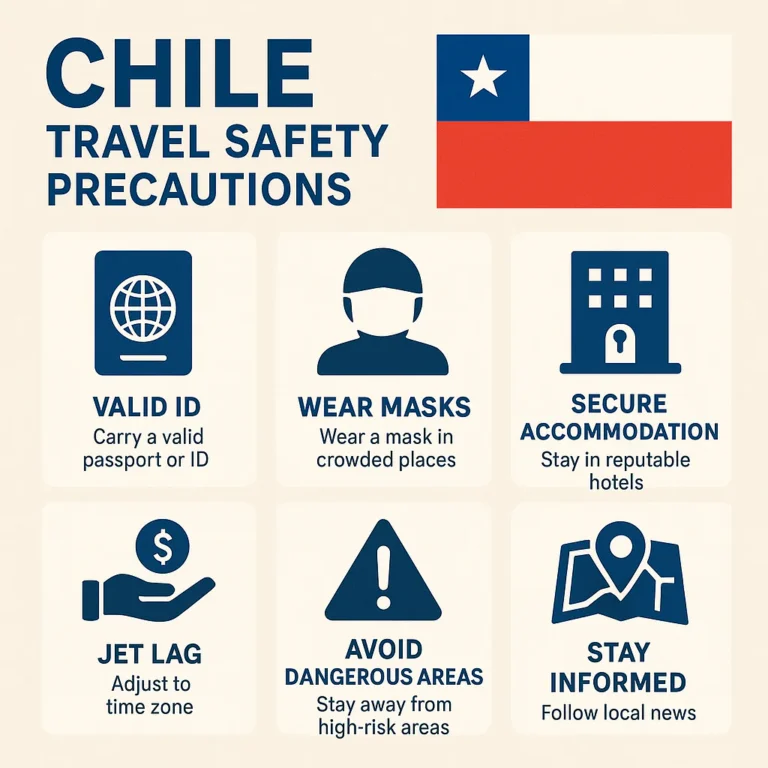
Chile is one of the safest countries in South America, but it’s not immune to crime.
- Pickpocketing: Common in crowded areas like Santiago’s downtown and on buses. Keep your bag in front of you.
- Taxi Scams: Always use Uber or official taxis. Never get in a car with someone who approaches you on the street offering a ride.
- Night Safety: Avoid walking alone in downtown Santiago after dark. Stick to well-lit, busy areas.
- Natural Hazards: If you are driving in the Andes, be aware of landslides and snow in winter. Check road conditions before heading out.
“The simple rule that you should not walk alone at night… still applies in Chile.” — On My Canvas
📱 Apps, Tickets, and Digital Tools for Seamless Chilean Travel
You can’t navigate Chile without the right tools.
- Recorido: The best app for comparing and booking bus tickets in English.
- Google Maps: Essential for navigation, but download offline maps for remote areas.
- Maps.me: Often better than Google Maps for rural roads and hiking trails.
- Uber/Cabify: For city travel.
- 12Go.asia: Another great platform for booking bus and ferry tickets.
Pro Tip: Download the Chilean Ministry of Transport app for real-time bus schedules and alerts.
🌄 Journeys Beyond and Within: The Ultimate Road Trip Routes
Ready to hit the road? Here are the top routes to consider:
- The Ruta 5 (Pan-American Highway): The spine of Chile. Connects the north to the south.
- The Caretera Austral: The ultimate adventure. Gravel roads, stunning scenery, and total isolation.
- The Wine Route: From Santiago to the Maipo Valley or Colchagua Valley.
- The Lake District Loop: Puerto Varas, Puerto Mont, and the surrounding lakes.
Each route offers a unique experience, from the arid deserts of the north to the lush forests of the south.
Conclusion

So, how do you get around Chile during your vacation? The answer is: it depends on where you are going and how much time you have.
If you are short on time, fly to your destination and rent a car or take a bus. If you have weeks to spare, embrace the bus culture and let the journey be part of the adventure. Whether you are cruising in a Salón Cama bus through the Andes, driving a 4×4 down the Caretera Austral, or hopping on the Santiago Metro, Chile offers a transportation experience that is as diverse as its landscapes.
Our Verdict:
- For the Adventurer: Rent a car and tackle the Caretera Austral.
- For the Budget Traveler: Master the bus network and use Salón Cama for overnight trips.
- For the Time-Poor: Fly between major hubs and use Uber in cities.
Chile is a country that rewards those who plan ahead but remain flexible. So pack your bags, download your maps, and get ready for the ride of a lifetime.
🔗 Recommended Links
Book Your Next Adventure:
- Bus Tickets: Recorido | Busbud
- Flights: LATAM Airlines | Sky Airline
- Car Rentals: RentalCars.com | Budget
- Accomodations: Booking.com | Airbnb
Books to Read:
❓ FAQ: Your Burning Questions About Getting Around Chile
Can I use buses to explore remote areas and national parks in Chile?
Yes, but with caveats. While buses connect major towns, reaching remote trails within national parks often requires a tour or a rental car. In places like Tores del Paine, buses run to the park entrance, but getting to the specific trailheads usually requires a shuttle or a hike from the entrance.
How do I navigate Chile’s metro systems in Santiago and other cities?
Santiago’s metro is straightforward. Buy a Tarjeta Bip! card at any station, load it with credit, and tap in/out. The system is color-coded and has English signs. Other cities like Valparaíso and Concepción have smaller metro or train systems, but they are less extensive.
Are there convenient domestic flights within Chile for tourists?
Absolutely. LATAM, Sky Airline, and JetSmart connect all major tourist hubs. Flights are frequent and often affordable, especially if booked in advance. However, be mindful of baggage fees on budget carriers.
How can I rent a car in Chile and what are the driving rules?
You can rent a car at the airport or in major cities. You’ll need a valid driver’s license (an International Driving Permit is recommended but not always mandatory for short stays). Drive on the right, obey speed limits strictly, and be prepared for tolls.
Is it safe to use public transportation in Chile as a tourist?
Generally, yes. Buses and the metro are safe, but keep an eye on your belongings, especially in crowded areas. Avoid unmarked taxis and use Uber or official taxi stands at night.
What are the best transportation options for traveling between cities in Chile?
For distances under 80km, buses are the best option. For longer distances, flights are more efficient. The Caretera Austral is best explored by car or motorcycle.
Read more about “How to Plan a Budget Trip to Chile”
Are there any domestic flights within Chile that can help me save time during my vacation?
Yes, flying from Santiago to Punta Arenas or Easter Island saves you 24+ hours of bus travel. It’s the only practical way to reach these destinations in a reasonable timeframe.
How do I get to Easter Island from mainland Chile, and what are my transportation options?
The only way to get to Easter Island is by plane. Flights depart from Santiago and take about 4 hours. There are no feries.
What are the most scenic routes to take when driving through Chile?
The Caretera Austral is the most scenic, offering rugged landscapes and remote beauty. The Ruta de los Lagos (Lake District) is also stunning, with views of volcanoes and lakes.
Read more about “What are the most scenic routes to take when driving through Chile?”
Can I use public transportation to get around Chile, and is it reliable?
Yes, public transportation is reliable and extensive. Buses are the primary mode of intercity travel, and the metro is excellent in Santiago. However, in rural areas, schedules may be infrequent.
Read more about “Can I use public transportation to get around Chile, and is it reliable?”
Are there any budget-friendly transportation options in Chile for tourists?
Buses are the most budget-friendly option. Local micros and colectivos (shared taxis) are also very cheap. Walking is free and often the best way to explore city centers.
Read more about “Are there any budget-friendly transportation options in Chile for tourists?”
How do I rent a car in Chile and what are the requirements?
You need a valid driver’s license, a credit card, and usually a passport. Some companies require an International Driving Permit. Book in advance for better rates.
Read more about “How do I rent a car in Chile and what are the requirements?”
What are the best ways to travel from Santiago to other cities in Chile?
For cities like Valparaíso and Viña del Mar, take a bus or train. For Puerto Mont or Punta Arenas, fly or take a long-distance bus.
Read more about “What are the best ways to travel from Santiago to other cities in Chile?”
📚 Reference Links