Support our educational content for free when you purchase through links on our site. Learn more
Health and Safety Tips for Traveling in Chile

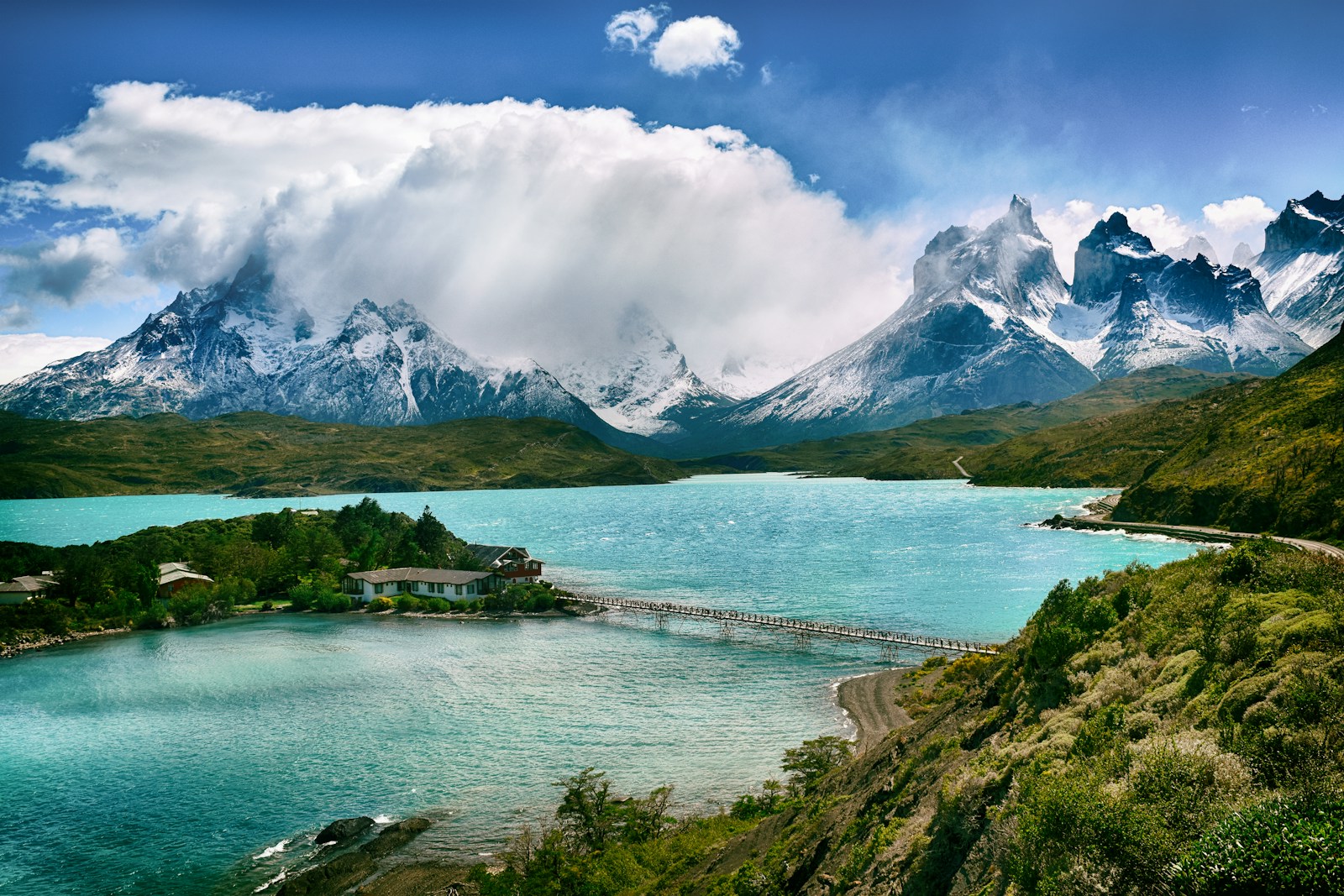
Is Chile the safest bet in South America, or a hidden trap for the unprepared? We’ve walked the coblestones of Santiago’s historic center and trekked the windswept trails of Patagonia, and the answer isn’t a simple “yes” or “no.” It’s a resounding yes, but only if you know the rules. While Chile boasts one of the most stable democracies in the region, the gap between tourist paradise and urban reality is narrower than you think. From the infamous “mustard scam” in downtown Santiago to the sudden, silent shifts in Patagonian weather, the difference between a trip of a lifetime and a travel nightmare often comes down to one thing: awareness.
You might be wondering, “Can I really hike Torres del Paine alone?” or “Is it safe to drink tap water in San Pedro de Atacama?” We’ll answer those burning questions and reveal the 10 specific scams that catch even seasoned travelers off guard later in this guide. Did you know that while violent crime against tourists is rare, petty theft rates in certain Santiago neighborhoods rival those of major European capitals? We’ve seen friends lose passports to sleight-of-hand tricks and others get stranded by sudden civil unrest. But don’t let that scare you off! With the right preparation, Chile is an absolute gem. This guide pulls back the curtain on everything from Level 2 travel advisories to altitude sickness protocols, ensuring you navigate the Land of the Long Shadow with confidence.
Key Takeaways
- ✅ Chile is generally safe, but requires increased caution (Level 2) due to petty crime and potential civil unrest.
- 🚨 Avoid specific zones like Santiago’s Centro and Estación Central at night, and always use ride-sharing apps instead of hailing street taxis.
- 🏔️ Nature demands respect: Altitude sickness in the Atacama and sudden weather changes in Patagonia are real risks; acclimatize and hire guides for technical hikes.
- 🛡️ Scams are common: Learn to spot the “mustard scam,” “luggage guys,” and fake police before they happen to you.
- 📱 Stay connected: Download offline maps, register with STEP, and carry a satellite communicator for remote adventures.
Table of Contents
- ⚡️ Quick Tips and Facts
- 🇨🇱 Chile Safety History: From Political Turmoil to Modern Travel Havens
- 🚨 Understanding the Current Travel Advisory: What Level 2 Really Means
- 🏙️ Urban Safety in Santiago and Major Cities: Navigating Pickpockets and Scams
- 🏔️ Adventure Travel Safety: trekking, Volcanoes, and Patagonia Warnings
- 🌊 Coastal and Island Safety: Easter Island, Valparaíso, and Water Hazards
- 🚗 Road Safety and Driving in Chile: From the Pan-American to Remote Routes
- 🌋 Natural Disaster Preparedness: Earthquakes, Tsunamis, and Volcanic Activity
- 👮 ♂️ Police Presence and Emergency Services: How to Contact Carabineros
- 💊 Health and Medical Safety: Vaccinations, Altitude Sickness, and Healthcare Quality
- 📱 Staying Connected: SIM Cards, Emergency Apps, and Communication Tips
- 🛡️ Essential Safety Gear and Packing List for Chile
- 🚫 10 Common Tourist Scams to Avoid in Chile
- 🌍 Regional Safety Breakdown: North, Central, South, and Easter Island
- 👩 👧 👦 Solo Female Traveler Safety in Chile: A Comprehensive Guide
- 🍷 Nightlife Safety: Bars, Clubs, and Late-Night Transport
- 📞 Assistance for U.S. Citizens: Embassy Contacts and Legal Resources
- 🗺️ Chile Safety Map: High-Risk vs. Low-Risk Zones
- ✅ Conclusion
- 🔗 Recommended Links
- ❓ FAQ
- 📚 Reference Links
⚡️ Quick Tips and Facts
Before you pack your bags and head to the land of the long shadow, let’s hit the high notes of safety in Chile. We’ve been there, done that, and survived the occasional pickpocket attempt (thanks to a well-placed fanny pack). Here is the TL;DR version of staying safe in Chile:
Video guide
- ✅ The Vibe: Chile is generally safe for tourists, but it’s not a “leave your wallet on the table” kind of place.
- ✅ The Big Warning: Exercise increased caution (Level 2) due to petty crime and occasional civil unrest.
- ✅ The Golden Rule: Never leave your luggage unattended, not even for a second.
- ✅ The Scam Alert: Watch out for “luggage guys” at bus terminals and the infamous “mustard scam” in Santiago.
- ✅ The Health Check: Routine vaccines are a must; Hantavirus is a rare but real risk in the south.
- ✅ The Tech Tip: Download Uber or Cabify before you land. Taxis can be tricky for tourists.
If you’re wondering, “But is it really safe to hike Patagonia alone?” or “Can I drink the tap water in Santiago?”, don’t worry. We’re about to dive deep into every nok and cranny of Chilean safety so you can travel with confidence. Ready to uncover the truth? Let’s get into the nitty-gritty.
For a broader look at where you’ll be going, check out our guide on What are the top tourist attractions to see in Chile? to see which destinations require extra vigilance.
🇨🇱 Chile Safety History: From Political Turmoil to Modern Travel Havens

To understand the current safety landscape, you have to look at the history. Chile has undergone a massive transformation. For decades, the country was synonymous with political turmoil, military dictatorships, and social unrest. However, since the return to democracy in the 190s, Chile has positioned itself as the most stable and developed nation in South America.
The Shift from Turmoil to Tourism
In the past, traveling to Chile meant navigating a complex political minefield. Today, the narrative has shifted. The country is a beacon of economic stability and a hub for adventure travel. Yet, history leaves scars. The memory of the 2019 social protests (Estallido Social) is still fresh. These protests, sparked by a subway fare hike, evolved into massive demonstrations against inequality.
While the government has since implemented reforms, the potential for civil unrest remains. Large gatherings can still occur with little notice, particularly in Santiago. Unlike the political violence of the past, modern unrest is often spontaneous and focused on social issues, but it can disrupt transport and create unsafe pockets in the city center.
Did you know? The 2019 protests led to a temporary suspension of the subway system in Santiago, leaving thousands of tourists stranded. This is why we always tell you to stay flexible with your itinerary.
Why the Perception vs. Reality Gap?
You might read headlines screaming “Chile Unsafe!” and wonder if you should cancel your trip. Here’s the reality check:
- The Headline: “Violent crime rising in Chile.”
- The Reality: Violent crime against tourists is rare. Most incidents are opportunistic thefts.
- The Headline: “Protests shut down the city.”
- The Reality: Protests are usually localized to specific neighborhoods (like Plaza Italia) and rarely affect the tourist-heavy areas like Providencia or Las Condes.
We believe in context. Chile is safer than many major US cities regarding gun violence, but it has a higher rate of petty theft than, say, Switzerland. It’s a tale of two cities: the tourist paradise and the urban reality.
🚨 Understanding the Current Travel Advisory: What Level 2 Really Means
The U.S. Department of State currently rates Chile as Level 2: Exercise Increased Caution. If you’ve ever felt a knot in your stomach seeing that yellow flag, let’s unpack what it actually means for you.
Decoding Level 2
Level 2 doesn’t mean “Don’t go.” It means “Go, but keep your eyes open.” It’s the same level as France, Germany, and the UK. It acknowledges that while the country is generally safe, there are specific risks that require heightened awareness.
The Two Main Drivers of the Advisory
- Crime: The advisory specifically cites muggings, pickpocketing, and theft. In some areas, violent crime (assaults, carjackings) is increasing.
- Civil Unrest: Periodic demonstrations can turn violent or cause significant disruptions.
What the Data Says
According to the U.S. Embassy in Chile, the majority of incidents involving U.S. citizens are non-violent. However, the trend of armed robberies in Santiago has been on the rise, particularly in the city center and near major transport hubs.
| Risk Factor | Severity | Frequency | Tourist Impact |
|---|---|---|---|
| Pickpocketing | Low-Medium | High | High (Common in crowds) |
| Mugging | Medium | Medium | Medium (Avoid at night) |
| Civil Unrest | Medium-High | Low-Medium | High (Disrupts travel) |
| Violent Assault | High | Low | Low (Rare for tourists) |
| Scams | Low | High | High (Anoying but not dangerous) |
The “Increased Caution” Checklist
- ✅ Avoid: Demonstrations and large crowds.
- ✅ Do: Keep your passport in a hotel safe and carry a copy.
- ✅ Do: Use registered taxis or ride-sharing apps.
- ❌ Don’t: Walk alone in poorly lit areas at night.
If you’re still unsure, check the latest updates on the Travel.State.Gov page for Chile. We update our own Adventure Travel guides regularly to reflect these changes.
🏙️ Urban Safety in Santiago and Major Cities: Navigating Pickpockets and Scams
Santiago is a sprawling metropolis that feels like a mix of New York and a Latin American capital. It’s vibrant, modern, and yes, it has its dangers. But with the right mindset, you can navigate it like a local.
Neighborhood Breakdown: The Good, The Bad, and The Sketchy
✅ Safe Zones (Stay Here)
- Providencia: This is our top recommendation. It’s upscale, leafy, and packed with cafes. Perfect for families and solo travelers.
- Las Condes: The financial district. Very safe, modern, and full of high-end shopping.
- Vitacura: Another affluent area, great for luxury stays.
⚠️ Caution Zones (Be Smart)
- Bellavista: Great for nightlife and art, but can get dodgy late at night. Stick to the main streets.
- Lastaria: Beautiful historic district, but watch your pockets in crowded plazas.
❌ Avoid Zones (Especially at Night)
- Centro (Downtown): During the day, it’s bustling. At night, it becomes a no-go zone for tourists. The historic center is where most pickpocketing and muggings occur.
- Estación Central: The main bus and train station area. It’s chaotic and a hotspot for scams.
The “Mustard Scam” and Other Tricks
You might have heard about the mustard scam. Here’s how it works: A stranger “accidentally” spills mustard (or ketchup) on your shirt. While you’re distracted cleaning it, an accomplice picks your pocket.
- The Fix: If someone spills something on you, back away immediately. Do not let them help you clean it.
The “Luggage Guy” at the Bus Terminal
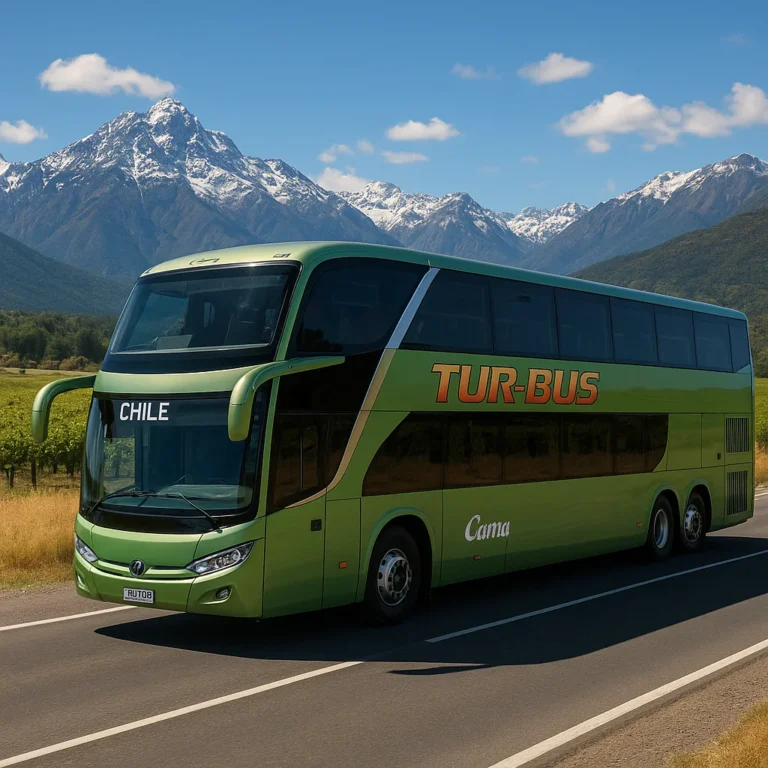
At the Terminal Alameda (Santiago’s main bus station), you’ll see men offering to carry your bags. They are often unofficial and will demand exorbitant fees or steal your luggage.
- The Fix: Only use official porters inside the terminal. If a stranger approaches you outside, politely decline and walk briskly to your ride.
Pro Tip: As mentioned in our featured video analysis, using Uber or Cabify to get to and from the bus station is the safest bet. It avoids the hassle of hailing a taxi and ensures you know the route.
Personal Story: The Close Call in Bellavista
We once had a friend who was enjoying a drink in Bellavista. He left his phone on the table for a split second to take a photo. By the time he looked back, the phone was gone. It wasn’t a violent robbery; it was a sleight of hand. He learned the hard way: never leave your phone unattended, even for a second.
🏔️ Adventure Travel Safety: trekking, Volcanoes, and Patagonia Warnings
Chile is an adventurer’s dream, but the wilderness demands respect. From the Atacama Desert to the glaciers of Patagonia, the risks here are different from the city.
The Atacama Desert: Altitude and Isolation
The Atacama is stunning, but the altitude can be a killer. Many tourists rush from sea level to 2,40 meters (San Pedro de Atacama) and suffer from altitude sickness.
- The Risk: Headaches, nausea, and in severe cases, pulmonary edema.
- The Fix: Spend a night in a lower altitude city (like Calama) before heading up. Drink plenty of water and avoid alcohol for the first 24 hours.
Patagonia: The Elements are the Enemy
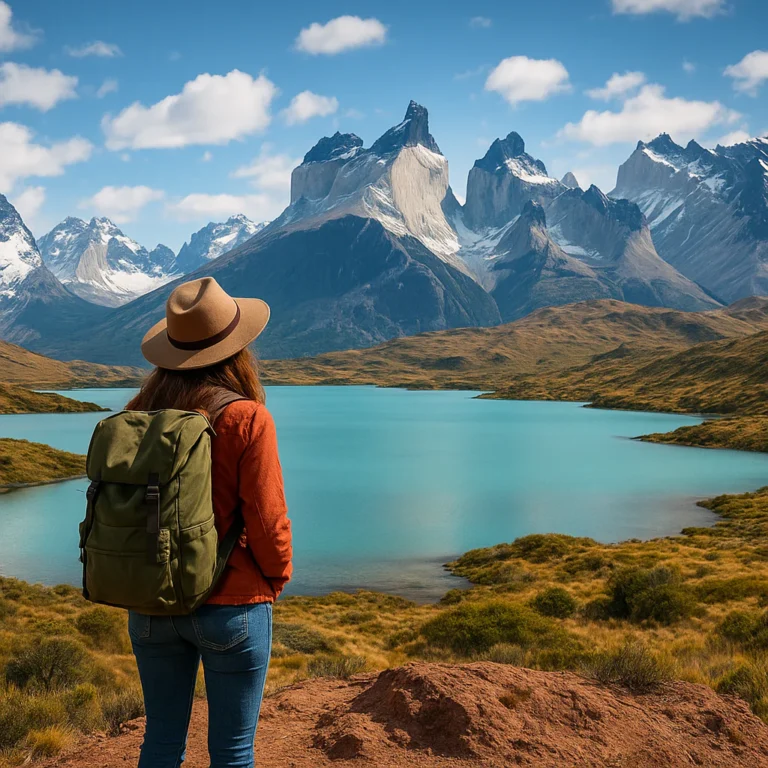
In Torres del Paine, the weather can change in minutes. One minute you’re sunbathing, the next you’re in a blizzard.
- The Risk: Hypothermia, getting lost, and falls.
- The Fix: Always check the weather forecast. Never hike alone. Carry a GPS device and a satellite communicator (like a Garmin inReach).
Volcanic Activity
Chile has over 1,0 volcanoes, and several are active.
- The Risk: Ash fall, gas emissions, and sudden eruptions.
- The Fix: Follow the advice of the SERNAGEOMIN (National Geology and Mining Service). They provide real-time updates on volcanic activity.
| Activity | Primary Risk | Safety Gear Needed |
|---|---|---|
| High Altitude trekking | Altitude Sickness | Oxygen, acclimatization |
| Glacier Hiking | Falls, Crevasses | Crampons, Ice Axe, Guide |
| Volcano Viewing | Gas, Ash | Mask, Goggles, Rain Gear |
| Desert Camping | Dehydration, Sunburn | Sunscreen, Water, Hat |
The Importance of a Guide
For technical hikes (like the W Trek in Torres del Paine), we highly recommend hiring a local guide. They know the terrain, the weather patterns, and the emergency protocols. It’s not just about safety; it’s about enriching your experience.
🌊 Coastal and Island Safety: Easter Island, Valparaíso, and Water Hazards
Chile’s coastline is breathtaking, but the ocean and the islands come with their own set of challenges.
Easter Island (Rapa Nui): A World Apart
Easter Island is remote and culturally rich. Safety here is generally high, but the isolation is a factor.
- The Risk: Medical emergencies are hard to handle due to limited facilities.
- The Fix: Get comprehensive travel insurance that covers medical evacuation.
Valparaíso: The Colorful City of Hills
Valparaíso is famous for its colorful houses and steep hills. It’s a UNESCO World Heritage site, but it has a reputation for being sketchy.
- The Risk: Pickpocketing, especially on the funiculars and in the port area.
- The Fix: Stick to the main tourist areas (like Cero Alegre) and avoid the port at night.
Water Hazards: Rip Currents and Cold Water
The Pacific Ocean off Chile is cold and often has strong rip currents.
- The Risk: Drowning, hypothermia.
- The Fix: Never swim alone. Look for beaches with lifeguards. If you’re surfing, hire a local instructor.
Did you know? The Humboldt Current brings cold water from Antarctica, making the ocean temperatures surprisingly low even in summer. Always wear a wetsuit if you’re planning to swim!
🚗 Road Safety and Driving in Chile: From the Pan-American to Remote Routes
Driving in Chile can be an adventure in itself, but it requires caution. The roads are generally good, but the driving culture is… intense.
The Driving Culture
Chilean drivers are known for being agressive. Overtaking on curves, speeding, and ignoring traffic lights are common.
- The Risk: Accidents, especially on rural roads.
- The Fix: Drive defensively. Assume other drivers will make mistakes.
The Pan-American Highway
The Ruta 5 (Pan-American Highway) is the main artery. It’s a dual carriageway, but it can be dangerous due to truck traffic and por lighting at night.
- The Fix: Avoid driving at night. Stick to daylight hours.
Remote Routes
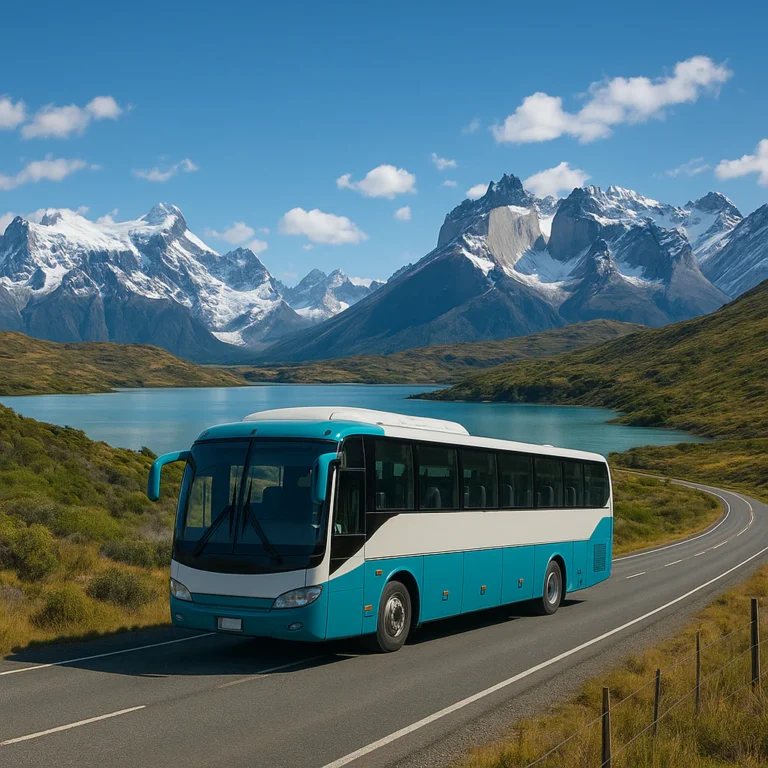
In Patagonia and the far south, roads can be gravel (ripio) and narrow.
- The Risk: Getting stuck, tire blowouts.
- The Fix: Rent a 4×4 if you’re going off the beaten path. Carry a spare tire, jack, and tools.
Car Rental Tips
- ✅ Do: Rent from reputable companies like Hertz, Avis, or Localiza.
- ❌ Don’t: Rent from unknown street vendors.
- ✅ Do: Get full insurance coverage.
Pro Tip: If you’re driving in the south, download offline maps. Cell service is spotty in many areas.
🌋 Natural Disaster Preparedness: Earthquakes, Tsunamis, and Volcanic Activity
Chile sits on the Ring of Fire, making it one of the most seismically active countries on Earth. But don’t panic! Chileans are experts at handling earthquakes.
Earthquakes
Earthquakes are common in Chile. Most are minor, but major ones can occur.
- The Risk: Building collapse, aftershocks.
- The Fix: Know the Drop, Cover, and Hold On procedure. Identify safe spots in your accommodation.
Tsunamis
Coastal areas are at risk of tsunamis following major earthquakes.
- The Risk: Massive waves, flooding.
- The Fix: If you feel a strong earthquake near the coast, move to higher ground immediately. Do not wait for an official warning.
Volcanic Eruptions
As mentioned earlier, volcanic activity is monitored closely.
- The Risk: Ash fall, gas emissions.
- The Fix: Follow local news and SERNAGEOMIN alerts.
How to Prepare
- Download Apps: Get the SERNAGEOMIN app for real-time alerts.
- Know the Plan: Ask your hotel about their emergency evacuation plan.
- Pack a Kit: Include a flashlight, water, and a first aid kit.
Did you know? Chile has one of the best earthquake early warning systems in the world. You might get a few seconds of warning on your phone before the shaking starts.
👮 ♂️ Police Presence and Emergency Services: How to Contact Carabineros
Chile’s police force, Carabineros, is generally professional and helpful. They are easily identifiable by their green uniforms and white hats.
Emergency Numbers
- 13: Carabineros (Police)
- 131: Ambulance (SAMU)
- 132: Fire Department (Bomberos)
- 91: General Emergency (works in many areas)
How to Interact with Police
- ✅ Do: Be polite and respectful.
- ✅ Do: Show your ID if asked.
- ❌ Don’t: Try to bribe them. It’s illegal and won’t work.
Tourist Police
In major tourist areas, you’ll find Policía de Turismo (Tourist Police). They speak English and are specifically trained to help visitors. Look for their blue uniforms.
Reporting a Crime
If you are a victim of a crime, go to the nearest police station to file a report (denuncia). This is essential for insurance claims.
💊 Health and Medical Safety: Vaccinations, Altitude Sickness, and Healthcare Quality
Chile has a high-quality healthcare system, especially in Santiago and major cities. However, rural areas may have limited facilities.
Vaccinations
According to the CDC, you should be up-to-date on:
- Routine Vaccines: MR, Diphtheria-Tetanus-Pertussis, Varicella, Polio, Flu.
- Hepatitis A: Recommended for all unvaccinated travelers.
- Hepatitis B: Recommended for travelers under 60.
- Typhoid: Recommended for most travelers, especially those visiting smaller cities.
- Rabies: Consider if you’ll be in contact with animals (bats are a risk).
Altitude Sickness
As mentioned in the Atacama section, altitude sickness is a real risk.
- Symptoms: Headache, nausea, dizziness.
- Treatment: Rest, hydration, and medication like Diamox (consult your doctor).
Healthcare Quality
- Public vs. Private: Public hospitals are good but can be crowded. Private hospitals (Clínicas) are excellent but expensive.
- Insurance: Travel insurance is a must. It covers medical evacuation and private hospital bills.
Water Safety
Tap water in Santiago and most cities is safe to drink. However, in rural areas, it’s better to drink bottled water.
📱 Staying Connected: SIM Cards, Emergency Apps, and Communication Tips
Staying connected in Chile is easy and affordable.
SIM Cards
You can buy a local SIM card at the airport or in any farmacia (pharmacy) or tienda (store).
- Providers: Entel, Movistar, Claro.
- Cost: Very affordable. You can get a data plan for a few dollars.
- Requirement: You need your passport to register the SIM.
Emergency Apps
- SERNAGEOMIN: For volcanic and seismic alerts.
- Uber / Cabify: For safe transportation.
- Google Maps: Download offline maps for remote areas.
Communication Tips
- ✅ Do: Learn a few Spanish phrases. It goes a long way.
- ✅ Do: Keep your phone charged. Carry a power bank.
- ❌ Don’t: Rely solely on Wi-Fi. Public Wi-Fi can be insecure.
Pro Tip: Use a VPN to protect your data when using public Wi-Fi. We recommend NordVPN or ExpressVPN for secure browsing.
🛡️ Essential Safety Gear and Packing List for Chile
Packing the right gear can make the difference between a safe trip and a disaster.
Must-Have Safety Gear
- Money Belt: To hide your passport and cash.
- Portable Charger: For emergencies.
- Satellite Communicator: For remote areas (e.g., Garmin inReach).
- First Aid Kit: Including altitude sickness meds.
- Whistle: To attract attention if needed.
- Flashlight: Power outages can happen.
Clothing Tips
- Layers: The weather changes fast.
- Sturdy Shoes: For hiking and walking on uneven terrain.
- Sun Protection: High UV index in the north.
| Item | Why You Need It |
|---|---|
| Money Belt | Prevents pickpocketing |
| Satellite Communicator | Emergency contact in remote areas |
| First Aid Kit | Treat minor injuries and altitude sickness |
| Flashlight | Power outages and night hikes |
| Whistle | Atract attention in emergencies |
🚫 10 Common Tourist Scams to Avoid in Chile
Scams are the most common threat tourists in Chile. Here are the top 10 to watch out for:
- The Mustard Scam: Spilling something on you to distract you.
- The Luggage Guy: Unofficial porters at bus stations.
- The Fake Police: People pretending to be police to check your ID and steal your wallet.
- The Taxi Overcharge: Drivers taking long routes or refusing to use the meter.
- The “Free” Gift: Someone giving you a bracelet or flower, then demanding money.
- The Distraction: A group of people causing a commotion while an accomplice pickpockets you.
- The Fake Tour: Unlicensed tour operators selling fake or dangerous tours.
- The ATM Skimmer: Devices attached to ATMs to steal card info.
- The “Helpful” Local: Someone offering to help you with directions or tickets, then leading you to a shop for a commission.
- The Currency Confusion: Confusing Chilean Pesos (CLP) with US Dollars or other currencies.
The Fix: Always be skeptical of unsolicited help. Use official services. Keep your belongings close.
🌍 Regional Safety Breakdown: North, Central, South, and Easter Island
Chile is long and diverse. Safety varies by region.
The North (Atacama)
- Safety: Generally safe.
- Risks: Altitude sickness, dehydration, sun exposure.
- Tips: acclimatize, drink water, use sunscreen.
Central (Santiago, Valparaíso)
- Safety: Moderate.
- Risks: Pickpocketing, scams, civil unrest.
- Tips: Avoid downtown at night, use Uber, be aware of protests.
The South (Patagonia, Lakes)
- Safety: Very safe.
- Risks: Weather, getting lost, wildlife.
- Tips: Check weather, hire guides, carry emergency gear.
Easter Island
- Safety: Very safe.
- Risks: Medical emergencies due to isolation.
- Tips: Get travel insurance, respect local culture.
👩 👧 👦 Solo Female Traveler Safety in Chile: A Comprehensive Guide
Chile is generally safe for solo female travelers, but it’s important to take extra precautions.
The Reality
- ✅ Do: Dress modestly to avoid unwanted attention.
- ✅ Do: Stay in well-lit, populated areas.
- ❌ Don’t: Walk alone at night in unfamiliar areas.
- ❌ Don’t: Accept drinks from strangers.
Tips for Solo Women
- accommodation: Choose highly-rated hostels or hotels with 24-hour reception.
- Transport: Use Uber or Cabify. Avoid hailing taxis on the street.
- Socializing: Be cautious when meeting new people. Don’t reveal too much about your plans.
Personal Story: We met a solo female traveler in Patagonia who felt completely safe. She said, “The locals are respectful, and the other travelers are friendly. Just use common sense.”
🍷 Nightlife Safety: Bars, Clubs, and Late-Night Transport
Chile’s nightlife is vibrant, but it can be risky if you’re not careful.
Safe Areas
- Providencia: Great bars and clubs.
- Lastaria: Trendy and safe.
- Bellavista: Lively, but be cautious late at night.
Tips for Nightlife
- ✅ Do: Go with a group.
- ✅ Do: Keep your drink in sight.
- ❌ Don’t: Walk home alone. Take a ride-share.
- ❌ Don’t: Flash expensive jewelry or phones.
Late-Night Transport
- Uber/Cabify: The safest option.
- Official Taxis: Look for the “Radio Taxi” sign.
- Avoid: Unmarked cars.
Pro Tip: If you’re partying, set a meeting point with your friends in case you get separated.
📞 Assistance for U.S. Citizens: Embassy Contacts and Legal Resources
If you get into trouble, the U.S. Embassy is your lifeline.
U.S. Embassy in Santiago
- Address: Av. Andrés Bello 280, Santiago.
- Phone: +56 230 30
- Emergency: +56 230 30 (24/7)
Smart Traveler Enrollment Program (STEP)
Enroll in STEP to receive alerts and help the embassy locate you in an emergency. It’s free and highly recommended.
Legal Resources
- Country Security Report: Available via the Overseas Security Advisory Council (OSAC).
- Traveler’s Checklist: Download from the State Department website.
Did you know? The U.S. Embassy can help you find a local lawyer, but they cannot provide legal advice or pay your legal fees.
🗺️ Chile Safety Map: High-Risk vs. Low-Risk Zones
While we can’t embed an interactive map here, we can guide you through the zones.
High-Risk Zones (Avoid at Night)
- Santiago Centro: Downtown area.
- Estación Central: Bus station area.
- Port of Valparaíso: At night.
Low-Risk Zones (Generally Safe)
- Providencia: Santiago.
- Las Condes: Santiago.
- Torres del Paine: Patagonia.
- Easter Island: Rapa Nui.
How to Use This Info
- ✅ Do: Plan your route to avoid high-risk areas.
- ✅ Do: Use apps like Google Maps to check real-time safety.
- ❌ Don’t: Assume a “low-risk” zone is 10% safe. Always stay alert.
✅ Conclusion

So, is Chile safe? Yes, absolutely. But it’s not a place to let your guard down. Chile is a country of contrasts: stunning landscapes and bustling cities, friendly locals and opportunistic thieves. The key to a safe trip is awareness, preparation, and common sense.
We’ve covered everything from the Level 2 travel advisory to the mustard scam, from altitude sickness in the Atacama to earthquake preparedness in Santiago. The bottom line? Chile is a fantastic destination for travelers who are willing to do their homework.
Our Final Recommendation:
- ✅ Do: Enroll in STEP, get travel insurance, and pack smart.
- ✅ Do: Use ride-sharing apps, avoid downtown at night, and respect local customs.
- ❌ Don’t: Flaunt your wealth, leave your luggage unattended, or ignore local advice.
Chile is waiting for you with open arms (and a few cautionary tales). Pack your bags, stay sharp, and get ready for the adventure of a lifetime.
❓ FAQ

How can I stay safe while hiking or participating in outdoor activities in Chile’s national parks and wilderness areas?
Answer: Always hike with a guide or in a group, especially in remote areas like Patagonia. Carry a satellite communicator (like Garmin inReach) for emergencies. Check the weather forecast before heading out and be prepared for sudden changes. Stick to marked trails and inform someone of your itinerary.
What are the safest areas to visit in Chile and are there any areas that should be avoided?
Answer: The safest areas include Providencia and Las Condes in Santiago, Torres del Paine in Patagonia, and Easter Island. Areas to avoid, especially at night, include Santiago Centro, Estación Central, and the port of Valparaíso. Always check local advice and current conditions.
Are there any health concerns or vaccinations required before traveling to Chile?
Answer: Routine vaccines (MMR, Diphtheria-Tetanus-Pertussis, etc.) should be up-to-date. Hepatitis A and Typhoid are recommended. Rabies vaccination is advised if you’ll be in contact with animals. There are no mandatory vaccinations for entry, but check the latest CDC guidelines.
Read more about “How Safe Is It to Travel Around Chile for Tourists? 🇨🇱 (2026)”
What are the most common crimes to be aware of when traveling to Chile and how can I protect myself?
Answer: The most common crimes are pickpocketing, muggings, and scams. To protect yourself, keep your belongings close, avoid flashing valuables, use ride-sharing apps, and be cautious in crowded areas. Never leave your luggage unattended.
What are the most common safety scams for tourists in Chile?
Answer: Common scams include the mustard scam, luggage guys at bus stations, fake police, and taxi overcharges. Always be skeptical of unsolicited help, use official services, and keep your belongings secure.
Read more about “🇨🇱 15 Free & Low-Cost Chile Activities (2026)”
Is it safe to travel to Chile during the current political climate?
Answer: Chile is generally stable, but civil unrest can occur with little notice. Avoid large demonstrations and follow local news. The U.S. State Department advises increased caution due to these risks, but the country remains a popular and safe destination for tourists.
Are there specific health precautions or vaccinations needed before visiting Chile?
Answer: See the answer to the health concerns question above. Additionally, be aware of altitude sickness in the north and Hantavirus in the south. Consult your doctor before traveling.
Read more about “🇨🇱 15 Essential Chile Packing Items for Any Climate (2026)”
How safe is public transportation in major Chilean cities like Santiago and Valparaíso?
Answer: Public transportation is generally safe, but pickpocketing is common on the Santiago Metro and buses. Use ride-sharing apps like Uber or Cabify for added safety, especially at night. Avoid the Estación Central bus station area at night.
📚 Reference Links
- U.S. Department of State: Chile Travel Advisory
- CDC: Chile Travel Health Notice
- SERNAGEOMIN: Volcanic and Seismic Activity
- U.S. Embassy in Chile
- Overseas Security Advisory Council (OSAC)
- Worldly Adventurer: Is it Safe to Travel to Chile?
- Chile Vacay: Destinations
- Chile Vacay: Adventure Travel
- Chile Vacay: Cultural Experiences
- Chile Vacay: Budget Travel
- Chile Vacay: Atacama Desert
- Chile Vacay: Top Tourist Attractions