Support our educational content for free when you purchase through links on our site. Learn more
Pumalin Park Conservation Travel Guide

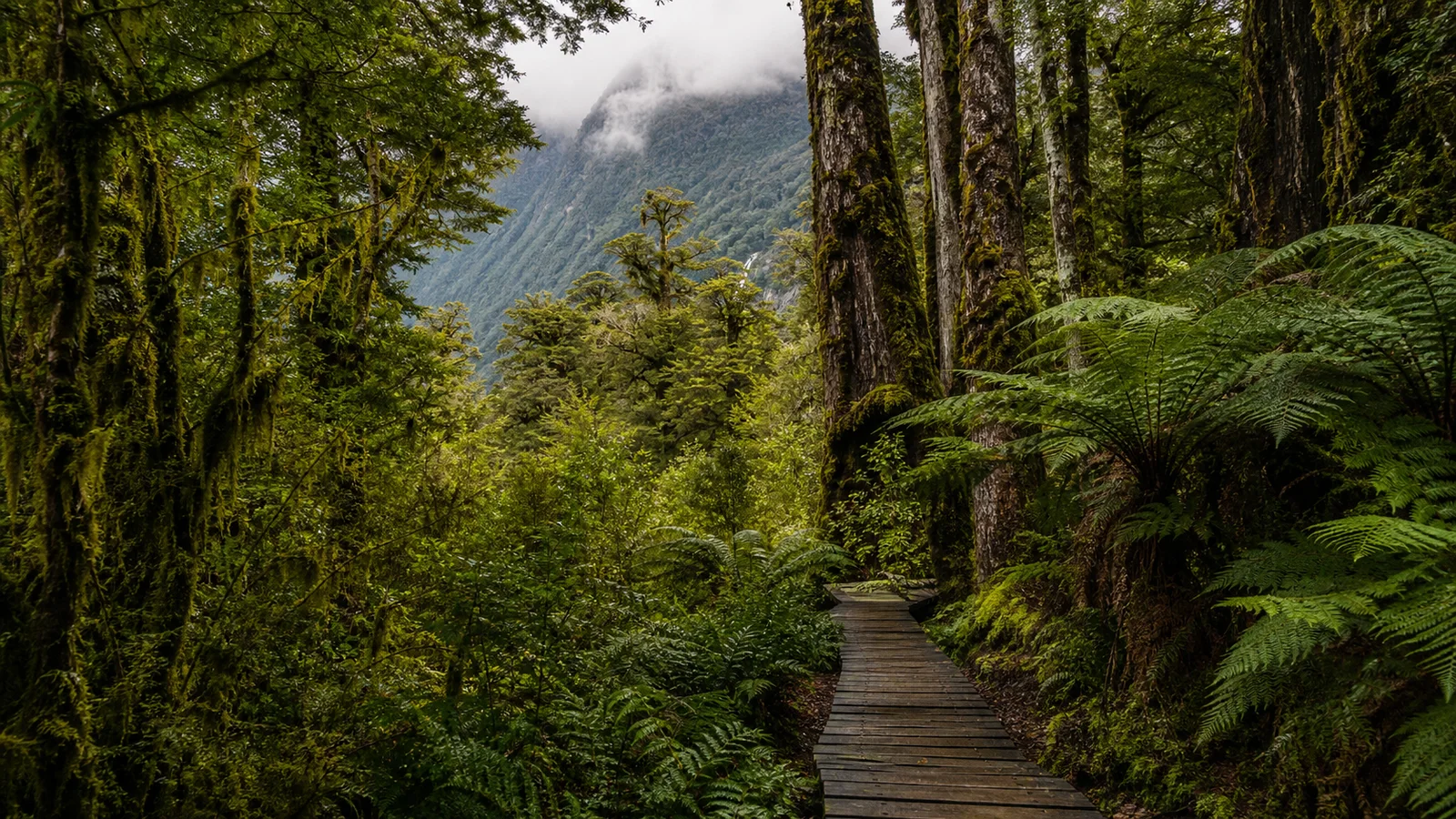
Imagine standing in a forest so ancient that the trees around you have watched empires rise and fall, all while a gentle rain taps a rhythm on your waterproof jacket. This isn’t a scene from a fantasy novel; it’s a Tuesday in Pumalín Douglas Tompkins National Park, the crown jewel of Chilean Patagonia. We once spent a night here, huddled in a tent as the wind howled through the Chonos Archipelago, realizing that the silence between the gusts was the loudest sound we’d ever heard. It was a humbling reminder that we are merely guests in a world that has been healing itself for decades.
Many travelers flock to Patagonia for the dry steppes and towering peaks, but they miss the wet, wild, and wildly beautiful temperate rainforest that Pumalín protects. This park is a living testament to the vision of Douglas and Kristine Tompkins, who transformed a threatened landscape into a national treasure. In this guide, we’re not just listing trails; we’re revealing the 10 most transformative conservation experiences you can have here, from tracking the elusive Darwin’s Fox to paddling through fjords that feel like the edge of the world. We’ll also spill the beans on the “4 PM rule” that catches most first-timers off guard and show you exactly how to pack for the wetest place on Earth.
Key Takeaways
- Conservation is the Core: Pumalín is a model of successful private-to-public conservation, protecting over 40,0 hectares of ancient Valdivian rainforest and endangered species like the Huemul and Darwin’s Fox.
- Prepare for the Elements: This is the wetest place on Earth; high-quality waterproof gear (Gore-Tex), a 4-season tent, and a power bank are non-negotiable for a safe trip.
- Strict Park Rules: Remember the 4:0 PM exit rule for all trails, the ban on fires, and the absolute necessity of bringing all your own food and supplies as there are no shops inside the park.
- Plan Ahead: Access requires a barge ride from Hornopirén which fills up quickly; booking transport and accommodation months in advance is essential, especially for the summer season.
- Leave No Trace: Your visit directly supports the park’s maintenance, but only if you strictly adhere to Leave No Trace principles to protect this fragile ecosystem.
Table of Contents
- ⚡️ Quick Tips and Facts
- 🌲 From Private Reserve to National Treasure: The History of Pumalín Conservation
- 🗺️ Why Pumalín Is the Crown Jewel of the Chilean Patagonia Route of the Parks
- 🥾 Top 10 Must-Do Conservation Experiences in Pumalín Douglas Tompkins National Park
- 1. Hike the Ancient Valdivian Rainforest Trails
- 2. Witness the Spectacular Waterfalls of the Fjordlands
- 3. Kayak Through the Pristine Fjords and Channels
- 4. Spot Endemic Wildlife: From Huemul to Darwin’s Fox
- 5. Camp Under the Southern Stars at Designated Eco-Sites
- 6. Learn About Reforestation Efforts at the Visitor Centers
- 7. Capture the Magic of the Llanquihue and Palena Landscapes
- 8. Navigate the Chonos Archipelago by Boat
- 9. Participate in Citizen Science and Conservation Monitoring
- 10. Experience the Silence of the Unspoiled Wilderness
- 🚗 How to Get to Pumalín: Navigating the Roads of the Aysén Region
- 🏕️ Where to Stay: Eco-Lodges, Refugios, and Camping in the Heart of the Park
- 🌧️ When to Visit: Seasonal Weather Patterns and Best Times for Conservation Travel
- 🎒 Essential Gear List for trekking in the Wetest Place on Earth
- 🛡️ Leave No Trace: Your Guide to Ethical Travel in Sensitive Ecosystems
- 🇨🇱 Beyond the Park: What You Should Know About Traveling in Chilean Patagonia
- ❓ Frequently Asked Questions About Pumalín Conservation Travel
- 🔗 Recommended Links for Your Patagonian Adventure
- 📚 Reference Links and Conservation Sources
- 🏁 Conclusion: Why Your Visit Matters for the Future of Pumalín
⚡️ Quick Tips and Facts
Before you pack your bags for the wetest, wildest, and most rewarding corner of Chile, let’s hit the ground running with the absolute essentials. We’ve been here, we’ve gotten soaked (multiple times), and we’ve learned that preparation is the difference between a magical memory and a sogy nightmare.
Video guide
- 🌧️ It Rains. A Lot. Don’t believe the “dry season” myths. In Pumalín, rain is a lifestyle, not a weather event. Even in summer, you’ll need waterproof gear that can withstand a monsoon.
- 📶 Zero Signal Zone. Once you cross the ferry at Hornopirén, say goodbye to Instagram and hello to the present moment. There is no cell service and no Wi-Fi in the park. Bring a physical map and a power bank.
- 🚫 No Shops Inside. You cannot buy food, water, or camping gear inside the park. The video we’ll discuss later emphasizes this: bring all your food. The nearest supply town is Chaitén, but even there, options are limited.
- 🕒 The 4 PM Rule. Unlike many national parks where you can stay until sunset, Pumalín has a strict rule: all trails must be exited by 4:0 p.m. This is to protect the wildlife and ensure visitor safety in the rapidly changing light and weather. Plan your hikes accordingly!
- 🚗 The Barge is Key. Getting here isn’t a simple drive. You must take a barge from Hornopirén to Caleta Gonzalo. These run on a schedule and can fill up, so book in advance.
- 🌲 Ancient Giants. You are walking among Alerce trees that are over 3,0 years old. Treat them with the reverence of a cathedral.
For more on how we plan our remote Chilean adventures, check out our guide on Chile Vacay.
🌲 From Private Reserve to National Treasure: The History of Pumalín Conservation

How does a private ranch become one of the most significant conservation success stories on the planet? The story of Pumalín is a tale of vision, stubborness, and an unshakeable belief that nature is worth saving.
The Tompkins Legacy
In the early 190s, Douglas Tompkins (co-founder of The North Face and Patagonia) and his then-wife Kristine McDivitt Tompkins purchased vast tracts of land in the Aysén region. Their goal wasn’t to build a luxury resort; it was to create a private nature reserve to protect the threatened Valdivian temperate rainforests.
For decades, they fought against logging interests, invasive species, and skepticism. They didn’t just fence off land; they actively restored it. They removed thousands of hectares of invasive pine and eucalyptus, replanted native Alerce and Nothofagus, and reintroduced native fauna.
The Great Donation
In a move that stunned the world, the Tompkins Conservation Foundation donated over 40,0 hectares of their private reserves to the Chilean government. In 2018, this land, along with others, was officially designated as Pumalín Douglas Tompkins National Park.
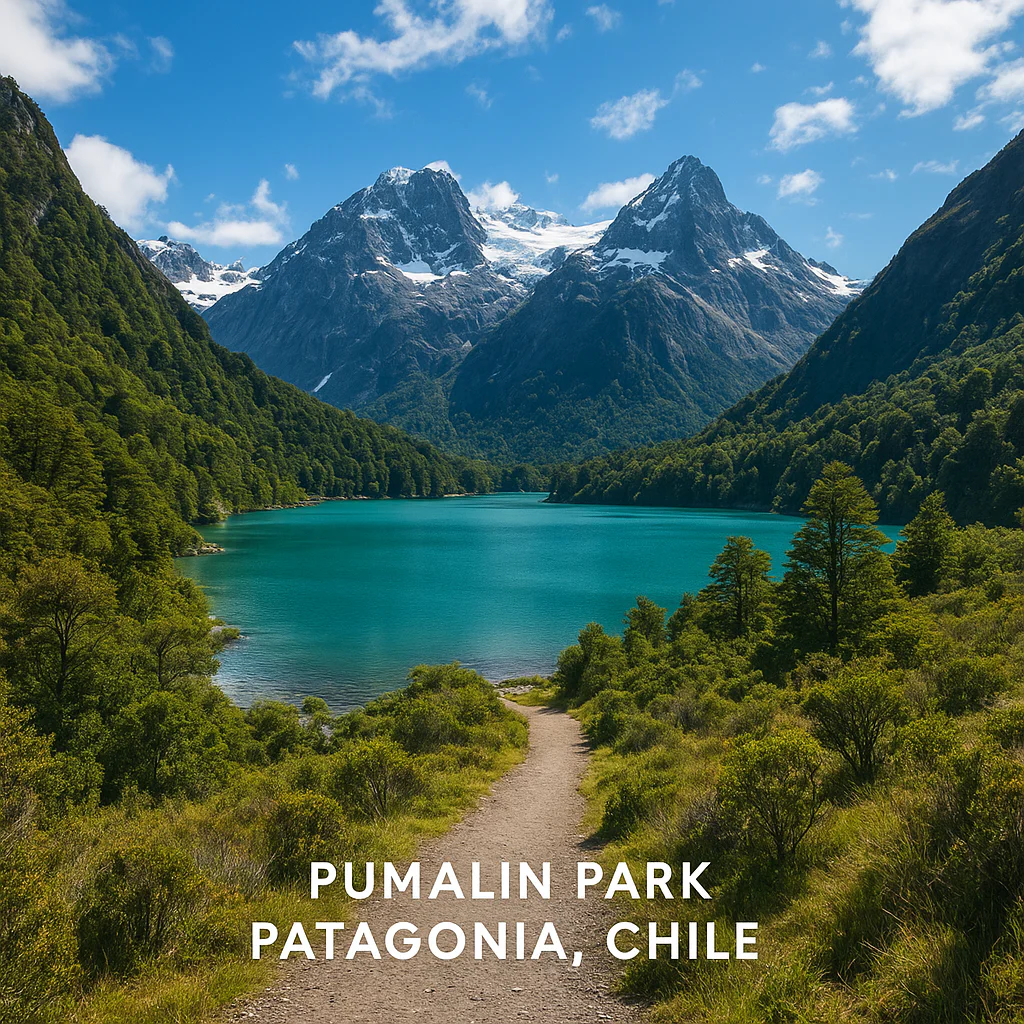
“The park rises with its unique biodiversity, and as a shelter for endangered species.” — Chile Travel
This wasn’t just a handover; it was a transfer of stewardship. The park now serves as a model for conservation travel, proving that tourism can fund protection rather than destroy it. It is a cornerstone of the Route of the Parks, a 2,80 km corridor connecting 17 national parks.
Why This Matters to You
When you visit, you aren’t just a tourist; you are a witness to a living experiment. You are walking on land that was once threatened by industrial logging, now protected for future generations. As the first video we’ll mention later notes, the sentiment is clear: “Thank you, Mr. Tompkins, for all the legacy he left for us.”
🗺️ Why Pumalín Is the Crown Jewel of the Chilean Patagonia Route of the Parks
If the Route of the Parks is a necklace of emeralds, Pumalín is the largest, most vibrant stone. But what makes it the “Crown Jewel”?
The Geography of Wonder
Pumalín is a geological masterpiece. It sits where the Chonos Archipelago meets the mainland, creating a labyrinth of fjords, channels, and islands. The park encompasses the Michimahuida and Chaitén volcanoes, which lom majestically over the Valdivian rainforest.
Unlike the dry, stepe-like Patagonia you might see in the south, Pumalín is a temperate rainforest. It is lush, green, dripping with moss, and teming with life. It’s the place where the ocean crashes against ancient forests.
A Sanctuary for the Endangered
This park is a critical refuge for species you won’t find anywhere else.
- The Huemul: The national animal of Chile, an endangered deer that is incredibly shy.
- Darwin’s Fox: One of the rarest foxes in the world, found almost exclusively in this region.
- The Pudu: The world’s smallest deer, often hiding in the undergrowth.
The Conservation Model
What sets Pumalín apart from other parks is its active restoration. You can see the difference between the old-growth forest and the areas where Tompkins Conservation removed invasive species and replanted natives. It’s a visual lesson in ecology.
🥾 Top 10 Must-Do Conservation Experiences in Pumalín Douglas Tompkins National Park
Ready to get your boots muddy? Here are the top 10 experiences that define a conservation-focused trip to Pumalín. We’ve ranked these based on our personal adventures and the impact they have on your understanding of the park.
1. Hike the Ancient Valdivian Rainforest Trails
Forget the dry, dusty trails of the Atacama. Here, the forest floor is a sponge. The Interpretativo El Volcán trail is perfect for beginners, winding through dense ferns and ancient trees.
- Why it’s a must: You’ll see the Alerce trees up close. Some are over 3,0 years old.
- Pro Tip: Watch your step! The roots can be slippery, and the moss is thick.
2. Witness the Spectacular Waterfalls of the Fjordlands
Pumalín is home to countless waterfalls cascading from the volcanic slopes into the fjords. The Dos Cascadas campsite is named for a reason.
- Why it’s a must: The sound of rushing water is the soundtrack of the park. It’s pure therapy.
3. Kayak Through the Pristine Fjords and Channels
While hiking is great, the water offers a different perspective. Paddling through the calm waters of the Fiordo Largo allows you to see the forest from the water level.
- Why it’s a must: You might spot sea lions or oters from the kayak. It’s a silent, respectful way to observe wildlife.
4. Spot Endemic Wildlife: From Huemul to Darwin’s Fox
This is the holy grail. Seeing a Huemul or a Darwin’s Fox in the wild is rare.
- Why it’s a must: It connects you to the conservation mission. Every sighting is a victory for the park.
- How to increase your chances: Go at dawn or dusk, move quietly, and keep your eyes peeled.
5. Camp Under the Southern Stars at Designated Eco-Sites
With no light pollution and no cell signal, the night sky is breathtaking.
- Why it’s a must: The Milky Way is visible in its full glory. It’s a reminder of how small we are in this vast universe.
6. Learn About Reforestation Efforts at the Visitor Centers
The visitor centers are not just information desks; they are educational hubs.
- Why it’s a must: You’ll learn about the invasive species removal and the replanting of native trees. It gives context to the landscape you see.
7. Capture the Magic of the Llanquihue and Palena Landscapes
The contrast between the dark volcanic rock, the green forest, and the blue water is a photographer’s dream.
- Why it’s a must: Every angle is a postcard. But remember: leave no trace. Don’t move rocks or branches for a better shot.
8. Navigate the Chonos Archipelago by Boat
Taking a boat tour from Caleta Gonzalo allows you to explore the islands that make up the archipelago.
- Why it’s a must: You’ll see the park from a completely different angle, spotting seabirds and marine life.
9. Participate in Citizen Science and Conservation Monitoring
Some tours offer opportunities to help with data collection, like counting bird species or monitoring trail conditions.
- Why it’s a must: You become part of the solution. It’s a hands-on way to contribute to conservation.
10. Experience the Silence of the Unspoiled Wilderness
In a world of constant noise, the silence of Pumalín is deafening.
- Why it’s a must: It’s a rare commodity. Sit still, close your eyes, and listen to the wind in the trees.
🚗 How to Get to Pumalín: Navigating the Roads of the Aysén Region
Getting to Pumalín is an adventure in itself. It’s not a place you just “drive to.” It requires planning, patience, and a bit of a sense of humor.
The Route from Puerto Mont
Most visitors start in Puerto Mont, the gateway to the Aysén region.
- Drive South: Take Ruta 7 (the famous Caretera Austral) south for about 49 km to Caleta La Arena.
- Ferry to Puelche: Take a short ferry to Caleta Puelche.
- Drive to Hornopirén: Continue south for another 60 km to Hornopirén. This is the main departure point for the barge.
- The Barge Ride: This is the critical step. You must take a barge from Hornopirén to Caleta Gonzalo. Companies: Transportes Austral or Somarco. Duration: Approximately 3.5 to 5 hours, depending on the vessel and weather. Booking: Book in advance! These boats fill up quickly, especially in summer.
- Arrival: Once you dock at Caleta Gonzalo, you are officially in the park. The main visitor center and campsites are just a short drive away.
The Route from the South
If you are coming from the south (e.g., Coyhaique), you can drive north on Ruta 7 to the El Amarillo area, which is near the park’s southern boundary. However, the barge route from Hornopirén is the most common and scenic entry point.
Public Transport
Buses are available from Puerto Mont to Caleta Gonzalo, but they are infrequent and may not align with your schedule. Renting a car is highly recommended for flexibility, as the park is vast and travel times between points are significant.
🏕️ Where to Stay: Eco-Lodges, Refugios, and Camping in the Heart of the Park
accommodation in Pumalín is rustic, eco-friendly, and designed to minimize impact. There are no luxury hotels inside the park.
Camping Options
- Camping Caleta Gonzalo: The main hub. Features cabins and an information center. Great for first-timers.
- Camping Dos Cascadas: Located near three different hiking trails. Perfect for hikers.
- Camping Lago Negro and Lago Blanco: Known for their privacy and lake access. Ideal for those seeking solitude.
- Camping El Volcan: Ideally situated for the steep, rewarding three-hour volcano hike.
Refugios and Cabins
Some campsites offer basic cabins for those who don’t want to sleep in a tent. These are simple, clean, and provide shelter from the rain.
Important Note on Supplies
As mentioned in the first video, there are no shops inside the park. You must bring all your food, water, and camping gear. The nearest town with supplies is Chaitén, but even there, options are limited. Plan your meals carefully.
🌧️ When to Visit: Seasonal Weather Patterns and Best Times for Conservation Travel
Timing is everything in Patagonia. The weather can change in minutes, so knowing the seasons is crucial.
Summer (December to February)
- Pros: Longest days, warmer temperatures (relatively), and the most wildlife activity.
- Cons: Peak tourist season. The park can be crowded, and the barge tickets sell out fast.
- Weather: Still rainy, but less frequent than in other seasons.
Shoulder Seasons (March and November)
- Pros: Fewer crowds, lower prices, and still decent weather.
- Cons: Days are shorter, and the chance of rain is higher.
- Recommendation: March is often cited as the best time to visit for favorable weather and avoiding the peak summer crowds.
Winter (June to August)
- Pros: Complete solitude. The park is quiet and serene.
- Cons: Very cold, heavy snow, and some trails may be closed. The barge schedule may be reduced.
- Recommendation: Only for experienced winter travelers with proper gear.
🎒 Essential Gear List for trekking in the Wetest Place on Earth
If you think you can hike in a light rain jacket, think again. Pumalín demands serious gear.
Clothing
- Waterproof Jacket and Pants: Must be high-quality (e.g., Gore-Tex).
- Layering System: Merino wool base layers, fleece mid-layers, and a down jacket for warmth.
- Waterproof Boots: Essential for the muddy trails.
- Gaiters: To keep water and mud out of your boots.
Camping Gear
- 4-Season Tent: Must be able to withstand heavy rain and wind.
- Sleeping Bag: Rated for near-freezing temperatures.
- Sleeping Pad: High R-value for insulation from the cold ground.
Other Essentials
- Power Bank: Since there’s no electricity, you’ll need to charge your devices.
- Physical Map and Compass: GPS is great, but batteries die.
- Water Filter: You can filter water from streams, but always have a backup.
- First Aid Kit: Including blister treatment.
🛡️ Leave No Trace: Your Guide to Ethical Travel in Sensitive Ecosystems
Pumalín is a fragile ecosystem. Your presence matters, but how you leave matters more.
The 7 Principles of Leave No Trace
- Plan Ahead and Prepare: Know the rules, the weather, and the trail conditions.
- Travel and Camp on Durable Surfaces: Stick to marked trails. Don’t create new paths.
- Dispose of Waste Properly: Pack out all trash, including food scraps.
- Leave What You Find: Don’t pick flowers, move rocks, or disturb wildlife.
- Minimize Campfire Impact: Fires are generally prohibited. Use a camp stove.
- Respect Wildlife: Observe from a distance. Don’t feed animals.
- Be Considerate of Other Visitors: Keep noise levels down and respect the 4 PM rule.
Why It Matters
Every piece of trash you leave behind can harm wildlife. Every new trail you create can erode the soil and damage the forest. By following these principles, you help ensure that Pumalín remains pristine for future generations.
🇨🇱 Beyond the Park: What You Should Know About Traveling in Chilean Patagonia
Pumalín is just one part of the larger Patagonian experience. Here’s what you need to know about the region.
The Caretera Austral
The Caretera Austral is the main road that runs through the Aysén region. It’s a mix of paved and gravel roads, offering stunning views but requiring a sturdy vehicle.
Nearby Towns
- Chaitén: A small town near the park with some lodging and supplies.
- Coyhaique: The capital of the Aysén region, offering more services and flights.
- Puerto Mont: The gateway to the region, with an international airport.
Cultural Experiences
The local culture is a blend of Chilean, Mapuche, and European influences. The people are friendly, and the food is hearty. Don’t miss the chance to try curanto, a traditional dish cooked in a pit with seafood, meat, and potatoes.
❓ Frequently Asked Questions About Pumalín Conservation Travel
What are the best conservation volunteer opportunities in Pumalin Park?
While there aren’t formal long-term volunteer programs for tourists, you can participate in citizen science initiatives. Some guided tours offer opportunities to help with data collection, such as monitoring wildlife or tracking invasive species. Check with the park’s visitor center for current opportunities.
How can I practice sustainable travel when visiting Pumalin Park Douglas Tompkins?
The best way is to follow the Leave No Trace principles strictly. Bring all your supplies, pack out all your trash, stay on marked trails, and respect the 4 PM rule. Also, support local businesses in Chaitén and other nearby towns to contribute to the local economy.
What wildlife can I see on a conservation-focused tour of Pumalin Park?
You might see the Huemul deer, Darwin’s fox, Pudu, Chilla fox, and various bird species like the Andean Condor. Marine life includes sea lions and oters. Remember, these animals are shy, so patience and quiet observation are key.
Are there guided hiking trails in Pumalin Park that support local conservation efforts?
Yes, the park offers guided tours that focus on conservation education. These tours often include visits to reforestation sites and explanations of the park’s history. They are a great way to learn more about the conservation efforts while enjoying the trails.
What is the history of the conservation movement in Pumalin Park?
The park was established in 2018 after the Tompkins Conservation Foundation donated over 40,0 hectares of private land to the Chilean government. The land was previously a private reserve where invasive species were removed and native forests were replanted. This transition from private to public ownership is a model for conservation worldwide.
How do I book eco-friendly accommodation near Pumalín Park?
accommodation inside the park is limited to campsites and basic cabins. You can book these through the park’s official website or authorized operators. For more options, consider staying in Chaitén or Coyhaique and taking day trips to the park.
What are the rules for visitors to help protect the biodiversity of Pumalín Park?
Visitors must exit the park by 4:0 p.m., stay on marked trails, pack out all trash, and avoid disturbing wildlife. Fires are generally prohibited, and camping is only allowed in designated areas.
📚 Reference Links and Conservation Sources
For more information on Pumalín and conservation efforts, check out these reliable sources:
- Chile Travel: Pumalín Douglas Tompkins National Park
- Tompkins Conservation: Pumalín Park
- CONAF (Chilean National Forestry Corporation): Pumalín National Park
- Route of the Parks: Route of the Parks
🏁 Conclusion: Why Your Visit Matters for the Future of Pumalín
So, why should you go? Because Pumalín is more than just a park; it’s a testament to what happens when vision meets action. It’s a place where you can walk among ancient trees, spot rare wildlife, and witness the power of conservation in real-time.
Your visit supports the local economy, funds the park’s maintenance, and spreads the word about the importance of protecting our planet’s biodiversity. By following the rules, respecting the environment, and sharing your experience, you become part of the story.
Remember the 4 PM rule, pack your rain gear, and bring your sense of adventure. The silence of the unspoiled wilderness is waiting for you. And who knows? Maybe you’ll spot a Huemul or a Darwin’s fox, a moment that will stay with you forever.
Ready to start your journey? Check out our Adventure Travel category for more tips and inspiration. And don’t forget to share your own Pumalín stories with us!