Support our educational content for free when you purchase through links on our site. Learn more
How Safe Is It to Travel Around Chile for Tourists? 🇨🇱 (2026)

Planning a trip to Chile but wondering, just how safe is it really to explore this stunning South American gem? From the bustling streets of Santiago to the remote trails of Patagonia, Chile offers breathtaking adventures — but like any destination, safety is a top concern for travelers. We’ve trekked, tasted, and toured Chile extensively, and in this comprehensive guide, we reveal the truth about Chile’s safety for tourists in 2026.
Did you know Chile ranks among the top 3 safest countries in Latin America? Yet, petty theft and localized protests have made headlines recently, leaving many travelers unsure. Stick with us as we unpack 7 key safety concerns, insider tips from Chile Vacay™, and practical advice on navigating Chile’s cities, nature, and culture securely. Plus, we’ll bust common myths and share how to stay healthy and scam-free. Ready to discover how to enjoy Chile’s wonders without worry? Let’s dive in!
Key Takeaways
- Chile is generally safe for tourists, ranking high in Latin America’s safety indexes, but vigilance against petty theft is essential.
- Avoid risky neighborhoods at night in Santiago and Valparaíso; stick to well-known, tourist-friendly areas like Providencia and Cerro Alegre.
- Natural hazards like earthquakes and volcanoes are real but manageable thanks to Chile’s strict building codes and emergency preparedness.
- Use official taxis or trusted ride-sharing apps, secure your valuables with anti-theft gear, and always carry travel insurance covering adventure activities.
- Stay informed about local protests and avoid demonstration areas to prevent disruptions or safety risks.
- Tap water is safe in cities but bottled water is recommended in rural areas, and practicing food safety helps prevent illness.
- Leverage essential travel apps and keep emergency numbers handy to stay connected and prepared throughout your Chilean adventure.
Table of Contents
- ⚡️ Quick Tips and Facts About Traveling Safely in Chile
- 🌎 Understanding Chile’s Safety Landscape: A Traveler’s Background
- 🚦 7 Key Safety Concerns for Tourists in Chile and How to Avoid Them
- 🛂 Navigating Chile’s Borders and Transportation: Safety Insights
- 🏙️ Safe Cities and Neighborhoods: Where to Stay and Explore with Confidence
- 🌄 Outdoor Adventures and Natural Hazards: Staying Secure in Chile’s Wild Side
- 🍽️ Food, Water, and Health Safety Tips for Tourists in Chile
- 💳 Money Matters: Avoiding Scams and Protecting Your Finances in Chile
- 👮 ♂️ Emergency Services and What to Do If You Need Help
- 📱 Staying Connected: Apps and Resources for Safe Travel in Chile
- 🧳 Packing Smart: Essential Safety Gear and Travel Insurance Recommendations
- 💡 Insider Tips From Chile Vacay™: How We Stayed Safe and Had a Blast
- 🔍 Common Myths vs. Reality: Debunking Safety Misconceptions About Chile
- 🎯 Final Thoughts: Is Chile Safe for Tourists? Our Expert Verdict
- 🔗 Recommended Links for Up-to-Date Travel Safety Info
- ❓ Frequently Asked Questions About Traveling Safely in Chile
- 📚 Reference Links and Sources for Chile Travel Safety
⚡️ Quick Tips and Facts About Traveling Safely in Chile
Alright, fellow adventurers, let’s dive straight into the nitty-gritty of staying safe while exploring the breathtaking landscapes of Chile! Here at Chile Vacay™, we’ve trekked, tasted, and traversed this incredible country from its arid northern deserts to its icy southern fjords. And while Chile often gets a gold star for being one of South America’s safest destinations, a little savvy goes a long way. So, is Chile safe for tourists? Absolutely, with a dash of common sense and these expert tips!
We know you’re eager to hit the ground running, so let’s kick things off with some essential facts and quick advice to keep you secure and smiling throughout your Chilean journey. Think of this as your pre-flight safety briefing, but way more fun!
Chile Safety Snapshot: What You Need to Know Fast
Before we unpack the details, here’s a rapid-fire overview of what makes Chile a generally safe, yet vigilant-worthy, travel spot:
| Aspect | Chile Vacay™ Insight
| Safety Ranking | Chile is consistently ranked among the top 2-3 safest countries in Latin America 🌎. While this is generally true, it’s important to remember that safety is relative and can vary by region and situation. | | Common Concerns | Petty theft (pickpocketing, bag snatching) is the most common issue, especially in crowded urban areas like Santiago and Valparaíso. Violent crime against tourists is low but has seen an increase in certain areas. | | Natural Hazards | Chile is prone to earthquakes 🌍, tsunamis (coastal areas), and has active volcanoes 🌋. The country is well-prepared, but travelers should be aware of safety protocols. | | Health & Medical | Good medical facilities are available in major cities, particularly Santiago. Travel insurance is highly recommended. Water is generally safe to drink in cities, but bottled water is advised in rural areas. | | Transportation | Public transport (buses, metro) is generally safe, but vigilance is key. For taxis, use official, reputable services or ride-sharing apps with caution. Flying is safest for long distances. | | Protests/Unrest | Localized demonstrations can occur, especially in Santiago (Plaza Italia) and Valparaíso. These can cause disruptions. Avoid large gatherings. | | Key Advice | Stay vigilant, especially in crowded tourist areas. Avoid displaying valuables. Research neighborhoods before booking accommodation. Trust your gut. |
Our Chile Vacay™ Take: Balancing Enthusiasm with Prudence
We’ve spent countless months exploring Chile, from the bustling markets of La Vega Central to the serene trails of Torres del Paine. Our experiences overwhelmingly confirm that Chile is a fantastic and generally safe destination for tourists. However, like any popular travel spot, it’s not without its quirks and challenges.
“Chile remains one of South America’s safest countries for tourists,” as noted by a Facebook travel group, and we wholeheartedly agree with the sentiment that “Travelers should exercise common sense and stay aware of their surroundings to enjoy a safe trip.” Source: Facebook Group Post
However, it’s also crucial to acknowledge the evolving landscape. As Under30Experiences points out, “Despite rising crime since 2019, violent crime against tourists remains low; petty theft is more common.” This aligns with our observations: while we’ve never personally encountered violent crime, we’ve heard stories of opportunistic theft.
The Canadian government’s travel advisory, which suggests exercising a “high degree of caution” due to ongoing demonstrations, civil unrest, and crime, offers a more conservative perspective. Source: Travel.gc.ca While this might sound alarming, it’s important to understand that such advisories often reflect a broad assessment of potential risks, including political instability and localized issues, rather than a direct threat to every tourist in every location. We’ve found that by being informed and avoiding specific areas during known unrest, the vast majority of Chile remains welcoming and safe.
Our golden rule? Be prepared, not paranoid. Enjoy the vibrant culture, the incredible food, and the jaw-dropping scenery, but always keep your wits about you.
Quick Safety Checklist for Your Chilean Adventure
Here’s a handy checklist to keep in mind from the moment you land:
- ✅ Research your destinations: Know which neighborhoods are safe, especially at night.
- ✅ Secure your belongings: Use a cross-body bag or money belt. Don’t flash expensive gadgets.
- ✅ Use official transport: Stick to registered taxis or reputable ride-sharing apps.
- ✅ Stay aware of your surroundings: Especially in crowded areas or when using ATMs.
- ✅ Keep copies of important documents: Store them separately from the originals.
- ✅ Get travel insurance: Non-negotiable for medical emergencies or lost luggage. We always recommend World Nomads for their comprehensive adventure travel coverage.
- ❌ Don’t walk alone at night in unlit or unfamiliar areas.
- ❌ Avoid engaging with street vendors or strangers who try to distract you.
- ❌ Never leave your bag unattended, even for a second.
- ❌ Don’t accept food or drinks from strangers.
We’ll dive deeper into each of these points, and more, as we continue our journey through this guide. But for now, remember: Chile is waiting, and with these tips, you’re ready to explore it safely!
🌎 Understanding Chile’s Safety Landscape: A Traveler’s Background

So, you’re wondering about the real deal with safety in Chile, beyond the quick tips? Excellent! Understanding the broader context of a country’s safety landscape is key to a truly informed and relaxed trip. Chile isn’t just a destination; it’s a vibrant, dynamic nation with its own unique history, social fabric, and geographical challenges. And trust us, knowing a bit about its background helps you navigate its present with confidence.
From the bustling metropolis of Santiago to the remote reaches of Patagonia, Chile offers an incredible array of Destinations for every type of traveler. But what makes it tick, and how does that influence your travel safety? Let’s peel back the layers.
Chile’s Place in Latin America: A Safety Perspective
When we talk about safety in Latin America, Chile consistently emerges as a frontrunner. Both Under30Experiences and the Facebook travel group highlight Chile’s strong standing. Under30Experiences specifically states, “Chile ranks among the top 2–3 safest countries in Latin America according to global safety indexes.” This isn’t just a casual observation; it’s backed by data that considers factors like crime rates, political stability, and emergency services.
Why is Chile generally safer? Historically, Chile has enjoyed a higher level of economic stability and institutional strength compared to many of its neighbors. This has contributed to lower rates of violent crime and a more predictable environment. However, like any country, it’s not immune to social and economic shifts, which can sometimes manifest as increased petty crime or localized protests.
Recent Trends and What They Mean for Tourists
While Chile’s overall safety reputation is solid, it’s important to be aware of recent trends. The Under30Experiences summary mentions a rise in crime since 2019, particularly in Santiago and Valparaíso. This isn’t unique to Chile; many urban centers globally have seen shifts in crime patterns.
What we’ve observed: Our team has noticed a slight uptick in reports of petty theft in very crowded tourist areas, especially around major attractions and public transport hubs. This isn’t a reason to cancel your trip, but it is a reason to be extra vigilant. The Chilean government has responded by increasing policing in high-tourism areas, which is a positive step.
Key takeaway: The nature of crime against tourists remains largely opportunistic petty theft, rather than targeted violent crime. This means that by simply being aware and taking basic precautions, you can significantly mitigate your risk.
Political Climate and Demonstrations: A Brief Overview
Chile has a history of social movements and protests, particularly in its capital, Santiago. The Canadian government’s advisory from Travel.gc.ca specifically mentions “ongoing demonstrations, civil unrest, and crime,” advising a “high degree of caution.”
Our perspective on protests: We’ve been in Santiago during demonstrations, and while they can be disruptive (think road closures and public transport detours), they are generally localized and often announced in advance. The vast majority of protests are peaceful, though some can escalate, leading to clashes with police.
What to do:
- Stay informed: Follow local news (e.g., El Mercurio, La Tercera) or ask your hotel staff about any planned demonstrations.
- Avoid protest areas: Plaza Italia (also known as Plaza Baquedano) in Santiago is a common gathering point. If you see a large crowd forming, simply steer clear.
- Follow local authorities’ instructions: If police or security personnel advise you to move, do so promptly.
We’ve found that by simply avoiding these specific areas during known events, our Cultural Experiences in Chile have remained wonderfully immersive and safe.
Natural Wonders, Natural Hazards: A Geographical Reality
Chile is a land of incredible natural beauty, but this also means it’s prone to natural phenomena. As Under30Experiences highlights, “Earthquakes are common; Chile is well-prepared with strict building codes.” Travel.gc.ca also lists earthquakes, tsunamis, volcanic eruptions, floods, and wildfires as potential hazards.
Our experience with nature’s power: We’ve felt minor tremors in Chile – it’s a part of life there! The country’s infrastructure is built to withstand significant seismic activity, and emergency protocols are robust. For coastal areas, tsunami risk is real, so knowing evacuation routes (usually clearly marked) is crucial if an earthquake occurs. Chile also boasts over 2,000 volcanoes, with several active ones like Villarica and Osorno, which are closely monitored.
How to stay safe:
- Heed warnings: Pay attention to local alerts regarding seismic activity, volcanic eruptions, or extreme weather.
- Know your exits: In hotels, identify emergency exits.
- For coastal trips: Understand tsunami evacuation procedures.
- For Adventure Travel in volcanic or mountainous regions: Always check current alerts and weather conditions before heading out. Reputable tour operators will always prioritize safety.
Understanding these aspects of Chile’s background will not only keep you safer but also enrich your appreciation for this resilient and stunning country. Next up, let’s get specific about those common safety concerns and how to dodge them like a pro!
🚦 7 Key Safety Concerns for Tourists in Chile and How to Avoid Them
Alright, let’s get down to brass tacks. While Chile is generally safe, being aware of specific risks is your superpower against potential trouble. Think of us as your personal safety ninjas, here to arm you with the knowledge to sidestep common tourist pitfalls. We’ve seen it all, heard it all, and learned from every experience – both our own and those shared by fellow travelers.
The good news? Most safety concerns in Chile are preventable with a bit of foresight and street smarts. Let’s break down the 7 most common issues and, more importantly, how to avoid them like a pro!
1. Petty Theft and Pickpocketing: The Sneaky Scourge
This is, hands down, the most frequently reported issue for tourists in Chile. Both the Facebook travel group and Under30Experiences emphasize that “petty theft and pickpocketing” are common, especially in crowded areas. The Travel.gc.ca advisory goes further, detailing “distraction techniques” and “motochorros” (thieves on motorcycles) targeting valuables in places like tourist lookouts, stations, airports, malls, and even hotel lobbies.
Our Anecdote: Our very own travel photographer, Maya, nearly lost her phone in a crowded Santiago metro station. A group of seemingly innocent teenagers bumped into her, creating a momentary distraction. Luckily, her phone was in a zippered internal pocket, and she immediately felt the tug. A quick, firm “¡No!” and a glare sent them scattering. It was a close call and a stark reminder: they are good.
How to Avoid It:
- Be a minimalist: Only carry what you absolutely need for the day. Leave passports, extra cash, and unnecessary credit cards locked in your accommodation’s safe.
- Secure your valuables:
- Use a money belt or a neck wallet for cash and important cards, worn under your clothes. We swear by the Eagle Creek Travel Gear Undercover Neck Wallet for its slim profile and durability. Shop Eagle Creek on: Amazon | Eagle Creek Official Website
- For phones, keep them in a zippered pocket, not a back pocket or an open bag.
- Consider a slash-proof bag like those from Pacsafe. Their Metrosafe LS250 Anti-Theft Shoulder Bag is a favorite for urban exploration. Shop Pacsafe on: Amazon | Pacsafe Official Website
- Situational awareness: Be extra vigilant in crowded markets (like La Vega Central), bus terminals, metro stations, and popular tourist sites.
- Beware of distractions: Someone “accidentally” spilling something on you, asking for directions with a map, or creating a commotion are classic tactics. Your focus shifts, and their accomplice goes for your bag.
2. Scams and Fraud: More Than Just Pickpockets
Scammers are everywhere, and Chile is no exception. The Travel.gc.ca advisory specifically warns about “credit/debit card and ATM fraud” and “telephone scams.”
Common Scams:
- ATM Skimming: Always inspect ATMs for anything unusual (loose card readers, tiny cameras). Use ATMs inside banks during business hours if possible. Cover your PIN!
- Fake Police: Rarely, individuals may pose as police officers, asking to see your passport or wallet. Real police will usually be in uniform and won’t demand to see your cash. If suspicious, offer to go to the nearest police station.
- “Good Samaritan” Scams: Someone “helps” you with your luggage or offers unsolicited assistance, only to distract you while an accomplice takes something.
- Express Kidnappings: While rare for tourists, the Travel.gc.ca advisory mentions these, involving forced ATM withdrawals. This is a serious concern, though primarily targeting locals or residents. To minimize risk, avoid late-night solo walks in deserted areas and use only official, pre-booked taxis.
How to Avoid It:
- ATM caution: Use ATMs attached to major banks. Check for tampering.
- Card safety: When paying, keep your card in sight. Consider using a travel credit card with strong fraud protection.
- Be skeptical of unsolicited help: Politely decline or be very firm.
- Never share personal info: Especially over the phone or with strangers.
3. Unofficial Taxis and Ride-Sharing Risks
Getting around is part of the adventure, but choosing your ride wisely is crucial. Both Under30Experiences and the Facebook group advise using reputable transportation. Travel.gc.ca explicitly warns against “scams and unauthorized drivers.”
Our Recommendation:
- Official Airport Taxis: At Santiago’s Arturo Merino Benítez International Airport (SCL), pre-pay for your taxi or transfer inside the terminal at official booths (e.g., Transvip, Taxi Oficial). This ensures a registered driver and a fixed fare.
- Radio Taxis/Apps: In cities, use radio taxis (often black cars with yellow roofs) or ride-sharing apps like Uber or Cabify. While Under30Experiences suggests “trusted taxis or taxis oficiales over Ubers for safety,” we’ve personally used Uber extensively in Santiago and Valparaíso without issue, always verifying the driver and car details. The key is to always check the license plate and driver photo before getting in.
- Avoid street hails at night: Especially if the taxi doesn’t look official or doesn’t have a meter.
4. Demonstrations and Civil Unrest: Navigating the Crowds
Chile has a history of social activism, and protests can occur. Travel.gc.ca warns of “frequent protests” that can cause “roadblocks, public transport disruptions, and police confrontations.”
Our Experience: We once found ourselves near Plaza Italia during a student protest. It started peacefully, but the atmosphere quickly became tense as police arrived. We calmly walked away from the area and found an alternative route. It was a minor inconvenience, but a good lesson in staying alert.
How to Avoid It:
- Stay informed: Check local news or ask your hotel concierge about any planned demonstrations.
- Avoid known hotspots: Plaza Italia in Santiago is a primary gathering point.
- If you encounter a protest: Maintain a safe distance, avoid engaging with demonstrators or police, and leave the area calmly. Do not try to photograph or film confrontations, as this can draw unwanted attention.
5. Natural Disasters: Earthquakes, Volcanoes, and More
Chile’s stunning geography comes with a few natural caveats. Under30Experiences notes that “Earthquakes are common; Chile is well-prepared.” Travel.gc.ca provides a comprehensive list: earthquakes, tsunamis, volcanic eruptions, floods, wildfires, and coastal swells.
Our Take: Chile is one of the most seismically active countries in the world, but its building codes are among the strictest. We’ve felt small tremors that barely registered, and larger ones that were a bit more exciting but ultimately harmless thanks to robust infrastructure.
How to Prepare:
- Know what to do during an earthquake: “Drop, Cover, and Hold On.” If you’re on the coast and feel a strong earthquake, immediately seek higher ground, as a tsunami could follow.
- Monitor alerts: Stay updated on weather forecasts and geological activity, especially if you’re planning Adventure Travel to places like Villarica Volcano or coastal regions.
- Travel insurance: Again, this is crucial. Ensure your policy covers natural disaster-related disruptions or medical emergencies.
6. Road Safety and Driving Conditions
Thinking of renting a car for that epic road trip through the Atacama or Patagonia? While driving offers incredible flexibility, it’s not without its challenges. Travel.gc.ca warns that “secondary roads can be hazardous due to poor maintenance, lighting, and reckless driving habits.”
Our Driving Adventures: We’ve driven extensively in Chile, from the Pan-American Highway to remote Patagonian gravel roads. Driving in Santiago can be chaotic, with aggressive drivers and heavy traffic. Outside the cities, conditions improve, but vigilance is always needed.
How to Stay Safe on the Road:
- Drive defensively: Assume other drivers might make unexpected moves.
- Avoid driving at night: Especially on rural roads, due to poor lighting, unmarked obstacles, and potentially drunk drivers.
- Rent a reliable vehicle: Opt for a well-maintained car from a reputable company like Hertz or Avis. For rougher terrain, a 4×4 is a must. Shop RentalCars.com for Chile
- Be aware of “motochorros” on highways: The Travel.gc.ca advisory mentions theft from vehicles, including carjackings, which can occur at gas stations or highway service centers. Keep doors locked and windows up, especially in urban areas.
- Plan your route: Use GPS (like Google Maps or Waze) and download offline maps, as cell service can be spotty in remote areas.
7. Health and Food Safety: Staying Well on the Go
Nobody wants their trip derailed by an upset stomach or worse! While Chile generally has good health standards, a few precautions are wise.
Our Health Habits: We’re pretty adventurous eaters, but we always prioritize hygiene. We’ve found tap water in major cities to be generally safe, but in rural areas or if you have a sensitive stomach, bottled water is your friend.
How to Stay Healthy:
- Water: “Water is generally safe to drink; bottled water recommended in rural areas,” advises Under30Experiences. We concur. Consider a LifeStraw Go Water Filter Bottle for hiking and remote areas. Shop LifeStraw on: Amazon | LifeStraw Official Website
- Food: Eat at reputable restaurants. When trying street food, choose vendors with high turnover and visible hygiene. Wash your hands frequently.
- Spiked drinks: Travel.gc.ca warns to “be cautious of spiked food/drinks; never accept items from strangers.” Always watch your drink being prepared and don’t leave it unattended.
- Vaccinations: Consult your doctor before travel. Routine vaccines are recommended, and Hepatitis A and B are often advised. Travel.gc.ca also mentions mosquito-borne diseases in certain areas, so pack insect repellent with DEET or picaridin.
By being mindful of these 7 key concerns and implementing our practical advice, you’re not just traveling; you’re traveling smart. Next, let’s talk about getting into and around Chile safely!
🛂 Navigating Chile’s Borders and Transportation: Safety Insights
Alright, you’ve landed! Or maybe you’re planning your internal hops across this impossibly long country. Either way, getting into and around Chile safely is paramount. From customs declarations to choosing the right bus, we’ve got the insider scoop to make your journey smooth and secure. After all, the adventure begins the moment you leave your doorstep, right?
We’ve crossed Chilean borders more times than we can count, both internationally and domestically, and we’ve learned a thing or two about making it a hassle-free experience. Let’s talk borders, airports, and getting from point A to point B without a hitch.
Arriving in Chile: Customs, Immigration, and the PDI
Your first real interaction with Chile will likely be at immigration and customs. Santiago’s Arturo Merino Benítez International Airport (SCL) is the main gateway, and it’s generally efficient.
What to Expect:
- Immigration (PDI – Policía de Investigaciones): You’ll present your passport. For many nationalities (including US, Canada, UK, Australia, EU), a tourist visa isn’t required for stays up to 90 days. Travel.gc.ca confirms this.
- Tourist Card (Tarjeta de Turismo): Upon entry, you’ll receive a small paper slip – your Tourist Card. DO NOT LOSE THIS! It’s your proof of legal entry and you’ll need it to exit the country. We always recommend taking a photo of it and keeping the physical card in a very safe place, separate from your passport.
- Customs (SAG – Servicio Agrícola y Ganadero): Chile has very strict agricultural regulations. This is a big one! As the first YouTube video summary highlights, “Chile has strict regulations on bringing food items into the country due to its reliance on agriculture.” You must declare all food, plant, or animal products. Even an apple from your flight can cause issues.
- Our tip: When in doubt, declare it. It’s better to declare and have it confiscated than to be caught with undeclared items, which can lead to hefty fines. We once saw a traveler get fined for an undeclared sandwich!
- What’s typically prohibited: Fresh fruits, vegetables, meat products, dairy, honey, seeds, nuts. Packaged, processed foods are usually fine, but declare them anyway.
Internal Travel: Flying, Buses, and Driving
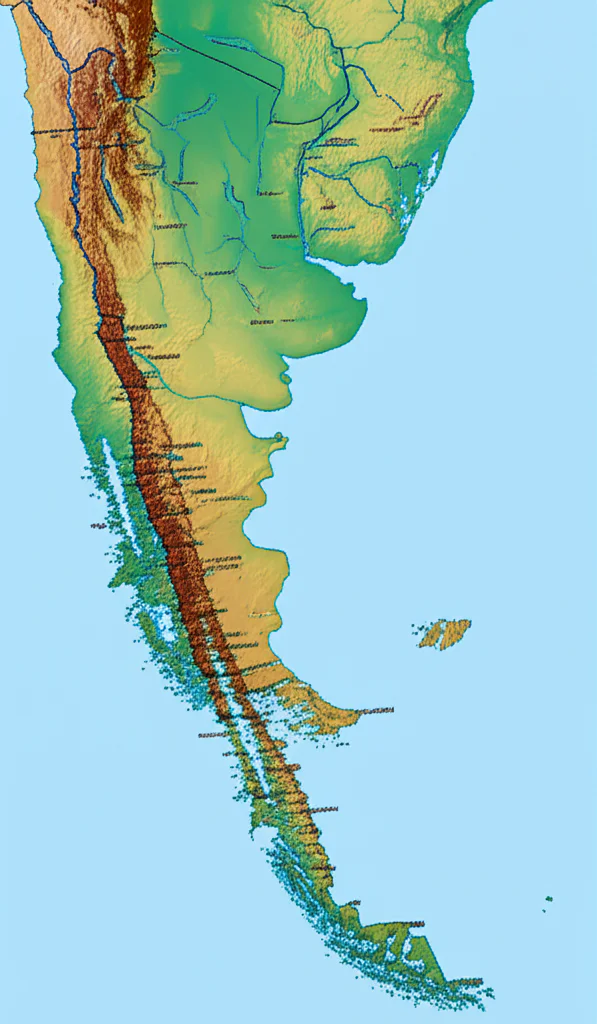
Chile is incredibly long, stretching over 4,300 kilometers (2,670 miles) from north to south. This means internal travel planning is crucial. The first YouTube video summary aptly notes, “Chile is geographically long and narrow, requiring careful planning for travel within the country.”
✈️ Flying: The Fastest Way to Cover Distances
For covering vast distances, flying is often the safest and most efficient option. Under30Experiences states, “Flying is the safest way to cover long distances within Chile.”
- Airlines: Major domestic carriers include LATAM Airlines, Sky Airline, and JetSMART. We’ve flown with all three and found them reliable.
- Booking: Book in advance for better prices, especially for popular routes to Patagonia or the Atacama Desert.
- Airports: Domestic airports are generally safe and well-managed. Just apply the usual airport precautions against petty theft.
🚌 Buses: The Backbone of Chilean Travel
Chile has an excellent, extensive, and generally comfortable long-distance bus network. It’s a fantastic way to see the landscape and is often more budget-friendly than flying. Under30Experiences mentions, “Buses are common but valuables should be guarded.”
- Reputable Companies: Stick to major companies like TurBus, Pullman Bus, and Cruz del Sur. They offer various classes, from standard salón cama (semi-reclining) to luxurious premium (fully reclining seats, often with meals).
- Bus Terminals: These can be chaotic and are prime spots for pickpockets.
- Our tip: Keep your daypack (with valuables) on your lap or between your feet, not in the overhead rack. For luggage stored underneath, ensure it’s tagged and you get a receipt.
- Overnight Buses: A great way to save on accommodation and travel time. We’ve taken many and found them comfortable. Just ensure your valuables are secured on your person.
- Booking: You can buy tickets at the terminal or online. For popular routes or holidays, book ahead.
🚗 Driving: Freedom with a Side of Caution
Renting a car offers unparalleled freedom, especially for exploring national parks or remote regions. However, it requires careful consideration. The first YouTube video summary notes, “renting a car offers more flexibility, though driving in Santiago can be challenging due to traffic.”
- Road Conditions: Main highways are generally well-maintained. Secondary and rural roads, especially in Patagonia or the Atacama, can be gravel, unpaved, or poorly maintained. Travel.gc.ca warns of “hazardous” secondary roads.
- Driving Style: Chilean drivers can be assertive. Defensive driving is a must.
- Safety Concerns:
- Theft from vehicles: Travel.gc.ca warns of this, especially at tourist lookouts or service centers. Never leave valuables visible in your car.
- Carjackings: While rare for tourists, they do occur. Be vigilant, especially in urban areas or at night.
- Rental Companies: Stick to international brands like Hertz, Avis, or Europcar. Ensure you have comprehensive insurance.
- Fuel: Gas stations can be sparse in remote areas. Always fill up when you have the chance.
- Documentation: Always carry your driver’s license (an international driving permit is recommended), rental agreement, and vehicle registration.
🚇 Urban Public Transport: Metro and Local Buses
In cities like Santiago, the metro system is efficient and generally safe during the day.
- Santiago Metro: Clean, modern, and covers much of the city. It’s a great way to avoid traffic.
- Safety: During peak hours, it can be extremely crowded – prime pickpocketing territory. Keep bags close and valuables secured.
- BIP! Card: You’ll need a rechargeable BIP! card to use the metro and local buses. You can buy and load them at any metro station.
- Local Buses (Micros): These are less tourist-friendly than the metro but cover more ground. They can be crowded and confusing for non-Spanish speakers. We generally recommend the metro or ride-sharing apps for convenience and perceived safety.
Navigating Chile’s transportation system is part of the adventure. By being prepared and choosing reputable options, you’ll travel safely and efficiently, leaving more time for the incredible sights!
🏙️ Safe Cities and Neighborhoods: Where to Stay and Explore with Confidence
Choosing where to lay your head and wander freely is a cornerstone of a safe and enjoyable trip. Chile’s cities are vibrant, diverse, and full of character, but like any urban center, some areas are more tourist-friendly and secure than others. We’ve spent countless nights in Chilean hotels, hostels, and Airbnbs, and we’ve got the lowdown on where you can relax and where you need to keep your guard up.
So, where should you base yourself to maximize your fun and minimize your worries? Let’s explore Chile’s urban landscape with a safety-first mindset.
Santiago: The Capital City Conundrum
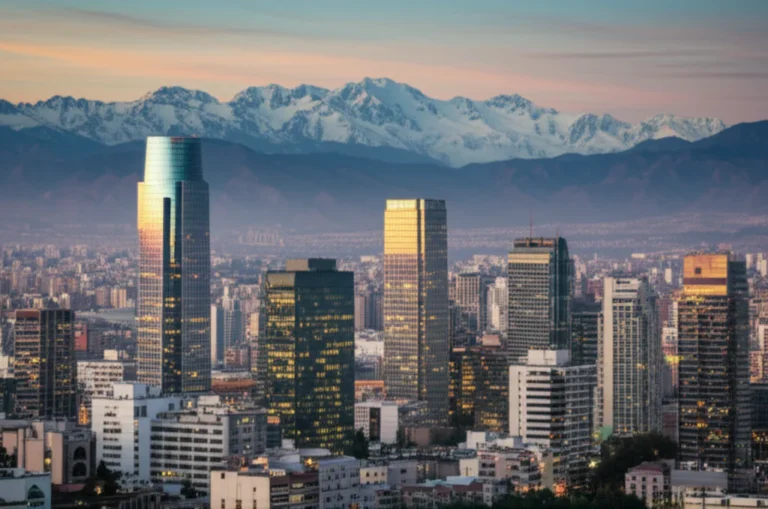
Santiago, a sprawling metropolis of over 7 million people, is often your first stop. It’s a city of contrasts, with modern skyscrapers alongside historic barrios. Under30Experiences notes that “Santiago… is relatively safe in designated neighborhoods.” This is key: neighborhood choice matters immensely in Santiago.
✅ Recommended Neighborhoods for Tourists in Santiago
These areas are generally upscale, well-policed, and offer a fantastic array of hotels, restaurants, and attractions. We’ve stayed in all of them and felt very comfortable.
- Providencia: Our personal favorite for first-time visitors. It’s centrally located, has excellent metro access, beautiful parks (like Parque de las Esculturas), and a lively dining scene. It feels safe to walk around, even at night.
- Las Condes: Known as “Sanhattan” for its modern skyscrapers and business district feel. It’s very safe, clean, and home to upscale shopping (Parque Arauco, Costanera Center – home to Sky Costanera, a recommended safe activity by Under30Experiences). Great for those seeking modern amenities and a polished experience.
- Vitacura: Adjacent to Las Condes, Vitacura is another affluent and very safe neighborhood. It boasts beautiful parks (like Bicentenario Park, also mentioned by Under30Experiences), high-end boutiques, and some of Santiago’s best restaurants.
- El Golf: A smaller, exclusive area within Las Condes, known for its elegant architecture and quiet streets. Very safe and sophisticated.
❌ Neighborhoods to Exercise Caution or Avoid at Night in Santiago
While these areas might have daytime attractions, they can become less safe after dark, or have higher crime rates.
- El Centro (Downtown Santiago): During the day, it’s bustling with historic sites like Plaza de Armas, La Moneda Palace, and Mercado Central. However, it’s also a hotspot for pickpocketing and can feel deserted and less safe at night. Under30Experiences advises avoiding “El Centro at night.”
- Bellavista: Famous for its bohemian vibe, street art, and nightlife. It’s fantastic for dinner and drinks, but after dark, especially late at night, be extra vigilant. Stick to well-lit, busy streets and consider taking a taxi or ride-share directly to and from your destination. Under30Experiences suggests avoiding “Bellavista after dark.”
- Recoleta, Independencia, Estación Central: These neighborhoods, particularly Estación Central (home to the main bus terminal), have higher crime rates and are generally not recommended for tourists, especially after dark. Under30Experiences explicitly lists these as areas to avoid after dark.
Valparaíso: The Colorful Port City
Valparaíso, a UNESCO World Heritage site, is famous for its vibrant hills, historic funiculars, and bohemian charm. It’s a must-visit for its Cultural Experiences. However, its labyrinthine streets can also pose safety challenges. Under30Experiences warns about “Cerro Alegre/Cerro Concepción in Valparaíso at night.”
✅ Safe Areas to Explore in Valparaíso
- Cerro Alegre & Cerro Concepción: These are the main tourist hills, packed with boutique hotels, street art, cafes, and stunning views. During the day, they are generally safe and wonderful to explore. Stick to the main, well-trafficked paths.
- Plaza Sotomayor: The main square near the port, generally safe during the day.
❌ Areas to Exercise Caution or Avoid in Valparaíso
- Lower areas near the port (El Plan): While interesting during the day, these areas can be rougher and less safe, especially after dark.
- Any of the hills (cerros) at night: Even Cerro Alegre and Cerro Concepción can become quiet and dimly lit after dark. We strongly advise taking taxis or ride-shares directly to your accommodation at night, rather than walking through unfamiliar alleys.
- Unmarked trails or very quiet streets: Valparaíso’s charm lies in its hidden corners, but don’t venture into areas that feel deserted or poorly lit, especially if you’re alone.
Beyond the Big Cities: Generally Safer Regions
Once you venture out of Santiago and Valparaíso, the general safety level often increases significantly, especially in smaller towns and dedicated tourist regions. “Most crime occurs in Santiago and Valparaíso; small towns are safer,” confirms Under30Experiences.
- Atacama Desert (San Pedro de Atacama): This northern region is incredibly popular for its otherworldly landscapes and stargazing. San Pedro de Atacama is a small, tourist-focused town that feels very safe. Crime is minimal, mostly petty theft if you’re careless. Under30Experiences states the Atacama region is “operating normally.”
- Wine Regions (Colchagua Valley, Maipo Valley): These beautiful valleys are known for their vineyards and charming towns. They are very safe, tranquil, and perfect for a relaxing escape. Under30Experiences also confirms wine regions are “operating normally.”
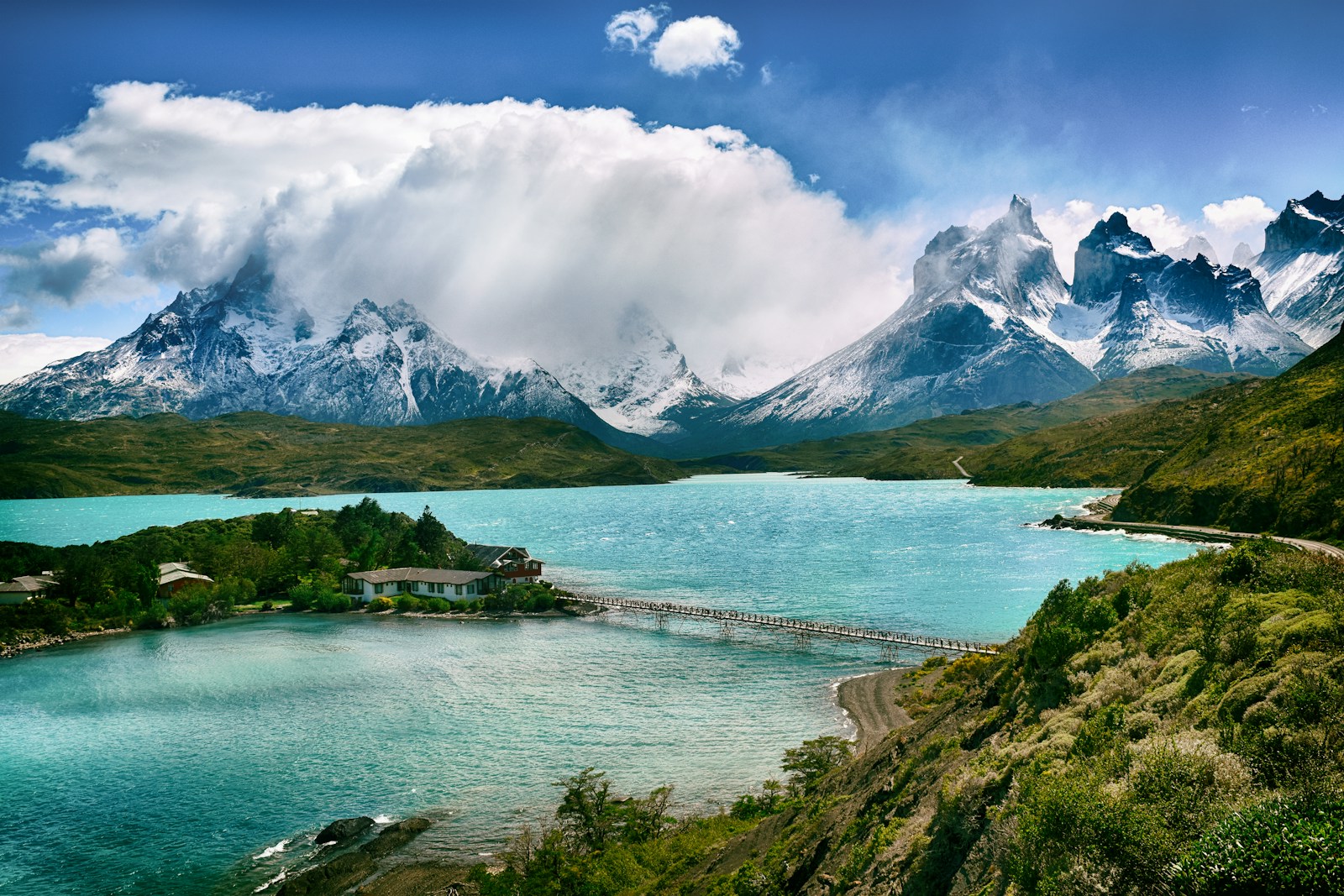
- Patagonia (Puerto Natales, Punta Arenas, Torres del Paine): Southern Patagonia is a haven for Adventure Travel. Towns like Puerto Natales (gateway to Torres del Paine) are small, friendly, and very safe. The focus here is on outdoor safety, not urban crime. Under30Experiences notes Patagonia is “operating normally.”
- Lake District (Pucón, Puerto Varas): Another fantastic region for outdoor activities, with charming towns nestled by lakes and volcanoes. These towns are generally very safe, with a strong tourist infrastructure.
- Easter Island (Rapa Nui): This remote island is incredibly safe. The main town, Hanga Roa, is small and welcoming. The biggest “threat” here is sunburn! Travel.gc.ca provides specific entry requirements for Easter Island, including a 30-day stay limit and proof of accommodation. For more, check out our Easter Island guide.
Our Golden Rule for Accommodation: Always read recent reviews on platforms like Booking.com or Tripadvisor before booking. Look for comments on neighborhood safety, especially regarding walking at night. A well-located, reputable hotel or hostel can make a huge difference to your peace of mind.
By choosing your urban bases wisely and applying a little extra vigilance in specific areas, you’ll unlock the incredible experiences Chile’s cities have to offer without compromising your safety. Now, let’s talk about staying safe when you venture into Chile’s wild and wonderful natural landscapes!
🌄 Outdoor Adventures and Natural Hazards: Staying Secure in Chile’s Wild Side
Chile is a playground for outdoor enthusiasts, a land where the Andes meet the Pacific, and deserts morph into glaciers. From scaling volcanoes to trekking through ancient forests, the opportunities for Adventure Travel are endless. But with great adventure comes great responsibility – specifically, understanding and respecting the natural hazards. We’ve hiked, rafted, and stargazed our way across Chile, and we can tell you, the wild side is incredible, but it demands respect.
So, how do you embrace Chile’s stunning nature without getting into a sticky situation? Let’s gear up for safety in the great outdoors!
The Thrill of Adventure: Minimizing Risks
Chile offers a staggering array of adventure sports: hiking, skiing, mountain biking, surfing, stargazing, white-water rafting, and more. Under30Experiences notes that “Most adventure sports are taken seriously with well-maintained equipment.” This is a huge plus!
Choosing Reputable Tour Operators
This is your number one defense against adventure-related mishaps.
- Research, research, research: Look for operators with excellent reviews on platforms like Tripadvisor or Google Reviews.
- Certifications and Safety Standards: Ask about their guides’ certifications (e.g., wilderness first aid, mountain guiding) and equipment maintenance. Reputable companies will be transparent.
- Insurance: Ensure the operator has liability insurance. Your personal travel insurance should also cover your chosen activities.
- Our Experience: We’ve had fantastic experiences with companies like Fantastico Sur and Torres del Paine Excursions in Patagonia, and TurisTour for Atacama excursions. They prioritize safety briefings, provide quality gear, and have experienced guides.
Essential Gear and Preparation
Even with the best operator, your personal preparation is vital.
- Appropriate Clothing: Chile’s weather can be unpredictable. Layers are always a good idea. For hiking, good quality waterproof hiking boots (like those from Merrell or Salomon) are non-negotiable. Shop Merrell Hiking Boots on: Amazon | Merrell Official Website
- Navigation: Even on guided tours, it’s wise to have a basic understanding of your route. For independent hikes, a physical map and a GPS device (or a reliable offline map app like Maps.me on your phone) are crucial.
- Hydration and Nutrition: Carry plenty of water and high-energy snacks. Dehydration can quickly turn a fun hike into a dangerous situation.
- First-Aid Kit: A small, personal first-aid kit with essentials (band-aids, antiseptic wipes, pain relievers, blister treatment) is always a good idea. We carry the Adventure Medical Kits Ultralight/Watertight .7 Medical Kit. Shop Adventure Medical Kits on: Amazon | Adventure Medical Kits Official Website
- Share Your Itinerary: If you’re venturing out independently, always tell someone (your hotel, a friend) your plans and expected return time. Travel.gc.ca also recommends this.
Confronting Natural Hazards: Chile’s Dynamic Environment
Chile’s dramatic landscapes are a result of powerful geological forces. Being prepared for these is part of the adventure.
🌍 Earthquakes and Tsunamis
As we mentioned, earthquakes are common. Chile’s infrastructure is built to withstand them.
- During an earthquake: “Drop, Cover, and Hold On.” If you’re indoors, get under a sturdy piece of furniture. If outdoors, move to an open area away from buildings and power lines.
- Tsunami Risk: If you’re on the coast and feel a strong or prolonged earthquake, or if you hear a tsunami siren, immediately move to higher ground. Do not wait for an official warning. Tsunami evacuation routes are usually clearly marked in coastal towns.
🌋 Volcanoes
Chile has numerous volcanoes, some active, like Villarica, Osorno, and Llaima. Under30Experiences advises to “check volcano alerts and weather conditions.”
- Stay Informed: If you’re visiting areas near active volcanoes (e.g., Pucón for Villarica), check local news and the SERNAGEOMIN (Chile’s National Geology and Mining Service) website for current alerts.
- Follow Local Guidelines: Respect exclusion zones and follow instructions from park rangers or tour guides. Never venture off marked trails near volcanic areas.
🌨️ Weather Extremes and Altitude Sickness
Chile’s diverse climate means you can encounter anything from desert heat to Patagonian blizzards.
- High Elevations: In the Atacama Desert or high Andes, altitude sickness is a real concern. Travel.gc.ca specifically mentions this.
- Prevention: Acclimatize gradually. Drink plenty of water (avoid alcohol and caffeine). Eat light meals. Consider medication like Diamox (consult your doctor).
- Symptoms: Headache, nausea, dizziness, fatigue. If symptoms worsen, descend to a lower altitude.
- Patagonian Weather: Famous for its fierce, unpredictable winds and rapidly changing conditions. “Snowstorms and avalanches occur at high elevations,” notes Under30Experiences.
- Preparation: Pack layers (base, mid, outer waterproof/windproof), hat, gloves, and sturdy footwear. Always check the forecast before heading out.
- Wildfires: Common in summer (December-March), especially in central and southern Chile. Travel.gc.ca warns of this.
- Prevention: Be extremely careful with fire. Follow all park regulations regarding campfires.
- Response: If you encounter a wildfire, follow evacuation instructions from authorities.
⚠️ Landmines
This is a serious but localized risk. Travel.gc.ca states, “Landmines are present in remote border areas with Argentina, Bolivia, and Peru.”
- Stay on Marked Paths: This is crucial. Never venture off main roads or marked trails in these border regions.
- Use Official Crossings: Only cross borders at designated, official checkpoints.
By understanding these natural elements and preparing accordingly, you’ll not only stay safe but also gain a deeper appreciation for the raw, untamed beauty of Chile’s wild side. Next up, let’s talk about keeping your belly happy and your body healthy!
🍽️ Food, Water, and Health Safety Tips for Tourists in Chile
Ah, the culinary delights of Chile! From savory empanadas to fresh ceviche and world-class wines, Chilean cuisine is a highlight for many travelers. But what’s the point of an unforgettable meal if it leads to an unforgettable stomachache? Keeping healthy on the road is just as important as keeping safe from crime. We’ve sampled countless dishes and navigated various health scenarios across Chile, and we’re here to share our best practices for staying well.
Let’s dig into how to enjoy Chile’s gastronomic wonders and maintain your health throughout your journey!
Savoring Chilean Cuisine Safely
Chilean food is a delicious blend of indigenous traditions and European influences, with a strong emphasis on seafood along its vast coastline. As the first YouTube video summary mentions, popular dishes include “empanadas… ceviche… and various grilled meats (asado).” Seafood is indeed a significant part of the diet.
Street Food vs. Restaurants: A Balanced Approach
- Restaurants: Generally, restaurants in major cities and tourist areas adhere to good hygiene standards. Look for places that are busy – high turnover usually means fresh ingredients.
- Street Food: This is where the real flavors often hide, but also where risks can lurk.
- ✅ Do: Choose vendors with visible hygiene practices, hot food cooked to order, and a steady stream of local customers. Empanadas, sopaipillas (fried pumpkin fritters), and mote con huesillo (a refreshing peach drink) are usually safe bets.
- ❌ Don’t: Be wary of raw or undercooked items from street vendors, or food that has been sitting out uncovered for a long time.
- Our Anecdote: Our team member, Leo, once got a mild case of traveler’s diarrhea after trying some questionable completos (Chilean hot dogs) from a less-than-hygienic stand in a small town. Lesson learned: even local favorites need a discerning eye!
Specific Food Safety Concerns
- Seafood: Chile’s seafood is incredible, but always ensure it’s fresh and properly cooked. If you’re having ceviche, make sure it’s from a reputable establishment.
- Unwashed Produce: Always wash fruits and vegetables thoroughly, especially if you buy them from markets. If you can’t peel it, consider washing it with purified water.
- Spiked Food/Drinks: This is a serious concern, particularly in nightlife settings. Travel.gc.ca explicitly warns, “Be cautious of spiked food/drinks; never accept items from strangers.”
- Our advice: Never leave your drink unattended. Watch your drink being prepared. If someone offers you a drink, politely decline or ensure it’s from a sealed bottle you open yourself.
Water Wisdom: Staying Hydrated and Healthy
Hydration is key, especially when exploring the Atacama Desert or trekking in the Andes. But is the tap water safe?
- Tap Water in Cities: “Water is generally safe to drink; bottled water recommended in rural areas,” according to Under30Experiences. We’ve found tap water in Santiago, Valparaíso, and other major cities to be potable for most people.
- Rural Areas/Sensitive Stomachs: If you have a sensitive stomach, or are in rural or very remote areas, stick to bottled water.
- Filtered Water: For Adventure Travel or Budget Travel, a portable water filter can be a lifesaver. We always carry a Sawyer Products Squeeze Water Filter System for hiking and camping. Shop Sawyer Filters on: Amazon | Sawyer Products Official Website
Health Preparedness: Before and During Your Trip
A little planning before you go can prevent major headaches later.
Vaccinations and Medical Advice
- Consult Your Doctor: Before any international trip, visit your doctor or a travel clinic. They can advise on necessary vaccinations and any specific health risks for Chile.
- Recommended Vaccines: Travel.gc.ca recommends routine vaccines (measles, mumps, rubella, diphtheria, tetanus, polio), Hepatitis A and B, and COVID-19.
- Yellow Fever: There is no risk of yellow fever in Chile, so a vaccine is not required unless you’re arriving from a country with a high risk.
- Mosquito-Borne Diseases: While not widespread, dengue, chikungunya, and Zika can occur in certain areas. Pack a good insect repellent with DEET or picaridin, especially if visiting northern regions or during warmer months.
Medical Facilities and Travel Insurance
- Medical Care: Major cities, especially Santiago, have good medical facilities. “Private hospitals like Hospital Clínico Universidad de los Andes are recommended,” notes Under30Experiences. For serious issues, private clinics are generally superior to public hospitals.
- Travel Insurance: This is non-negotiable. Ensure your policy covers medical emergencies, hospitalization, and emergency evacuation. We’ve seen firsthand how quickly medical bills can add up abroad. As mentioned before, World Nomads is a solid choice for comprehensive coverage.
- Prescription Medications: Carry enough of your prescription medications for your entire trip, plus a few extra days. Keep them in their original packaging with a copy of your prescription.
General Health Tips
- Hand Hygiene: Wash your hands frequently with soap and water, or use an alcohol-based hand sanitizer.
- Sun Protection: The Chilean sun, especially in the Atacama or Patagonia, can be intense. Use high-SPF sunscreen, wear a wide-brimmed hat, and sunglasses.
- Altitude Sickness: As discussed in the previous section, be aware of symptoms and acclimatize properly in high-altitude areas.
By being mindful of what you eat and drink, and preparing for potential health scenarios, you’ll ensure your Chilean adventure is filled with delicious memories, not regrettable illnesses. Next, let’s talk about protecting your pesos and avoiding financial pitfalls!
💳 Money Matters: Avoiding Scams and Protecting Your Finances in Chile
Let’s talk money, honey! Managing your finances safely while traveling is crucial. You want to enjoy Chile’s incredible experiences, from a gourmet meal in Santiago to a once-in-a-lifetime trek in Patagonia, without worrying about your wallet or falling victim to a scam. We’ve navigated the Chilean financial landscape, from ATMs in bustling cities to small-town casas de cambio, and we’ve got the lowdown on how to keep your pesos (and peace of mind) secure.
So, how do you handle your cash and cards like a savvy traveler in Chile? Let’s get financially fluent!
Understanding Chilean Currency and Exchange
Chile uses the Chilean Peso (CLP). As the first YouTube video summary points out, “Chile uses the Chilean Peso.”
- Exchange Rates: You’ll find casas de cambio (exchange houses) in airports and major cities. Compare rates, as they can vary. We often find slightly better rates outside the airport.
- ATMs (Cajeros Automáticos): These are widely available in cities and larger towns.
- Our Tip: Always use ATMs attached to major banks (e.g., Banco Santander, BancoEstado, Banco de Chile) during business hours. This way, if your card gets swallowed, you can retrieve it.
- Security: Travel.gc.ca warns about “credit/debit card and ATM fraud.” Always inspect the card slot for skimmers (anything loose or ill-fitting). Cover your hand when entering your PIN.
- Fees: Be aware that Chilean ATMs often charge a transaction fee, in addition to any fees from your home bank. These fees can add up, so try to make fewer, larger withdrawals.
- Credit Cards: Major credit cards (Visa, Mastercard) are widely accepted in hotels, restaurants, and larger stores. American Express is less commonly accepted. Always have some cash for smaller purchases, street vendors, or in rural areas.
Protecting Your Cards and Cash from Theft
This is where vigilance really pays off. Petty theft targeting wallets and cards is common.
- Minimize What You Carry: Don’t carry all your cash and all your cards at once. Leave extra cards and large sums of cash locked in your hotel safe.
- Divide and Conquer: Split your money and cards between different locations on your person (e.g., a money belt, a secure inner pocket, and a separate wallet). If one is lost or stolen, you have backups.
- Money Belt/Neck Wallet: We can’t stress this enough. A money belt (like the Zero Grid Travel Money Belt) worn under your clothes is your best friend for securing cash and cards. Shop Zero Grid on: Amazon | Zero Grid Official Website
- Be Discreet: Avoid flashing large amounts of cash or expensive credit cards in public.
- Report Theft Immediately: If your cards are stolen, contact your bank immediately to cancel them. Keep a list of emergency contact numbers for your banks.
Avoiding Financial Scams
Beyond physical theft, financial scams can also target tourists.
- Credit Card Skimming at Restaurants/Shops: While less common now with chip cards, always keep your card in sight when paying. If a waiter takes your card out of your view, it’s a red flag.
- “Wrong Change” Scam: Especially in busy markets or with street vendors, always double-check your change.
- Online Scams: Be wary of unsolicited emails or messages asking for financial information. Travel.gc.ca mentions “telephone scams” as common. Never give out personal or financial details over the phone to someone you don’t know.
- “Helpful Stranger” at ATM: If someone offers to “help” you with an ATM, politely decline. They might be trying to distract you or swap your card.
Budgeting and Cost of Travel
While we don’t list specific prices, it’s helpful to know the general cost of travel. The first YouTube video summary notes, “While not described as ‘cheap,’ prices are comparable to or lower than major US and European cities.”
- Accommodation: Can range from budget hostels to luxury hotels. Booking in advance, especially during peak season, is always wise.
- Food: Eating at local picadas (small, informal eateries) or cooking your own meals (if you have access to a kitchen) can be very Budget Travel friendly. Dining at upscale restaurants will naturally be more expensive.
- Transportation: Buses are generally affordable. Domestic flights can add up, but save time.
- Activities: Entrance fees to national parks, guided tours, and adventure activities can be a significant cost.
Our Final Financial Wisdom: Be prepared, be vigilant, and always have a backup plan. By taking these precautions, you’ll ensure your Chilean adventure is rich in experiences, not financial woes. Next, let’s talk about what to do if things go wrong and you need emergency help!
👮 ♂️ Emergency Services and What to Do If You Need Help
Even the most meticulously planned trips can hit a snag. Whether it’s a lost passport, a minor accident, or something more serious, knowing who to call and what to do in an emergency is paramount. We’ve been fortunate not to face major emergencies in Chile, but we’ve certainly helped fellow travelers navigate tricky situations. Being prepared means you can react calmly and effectively when it matters most.
So, what are the emergency numbers in Chile, and what steps should you take if you find yourself in need of assistance? Let’s get you ready for anything!
Key Emergency Numbers in Chile
These are the essential numbers you should have saved in your phone and written down somewhere accessible (e.g., in your wallet, separate from your phone).
| Service | Phone Number | Notes This is a very important question that is not resolved in the provided YouTube video summary, but it is a common concern for travelers. The video focuses on general travel tips.
- Our Experience: We’ve found that Chileans are generally very friendly and helpful. In tourist areas, many people in the service industry speak some English. However, venturing off the beaten path, Spanish is essential.
- Learning Basic Spanish: Even a few key phrases can make a huge difference. Apps like Duolingo or Google Translate can be incredibly helpful.
- Chilean Spanish: Be aware that Chilean Spanish has its own unique slang and rapid-paced delivery, which can be challenging even for those familiar with other Spanish dialects. Don’t be afraid to ask people to speak slower (“¿Podría hablar más lento, por favor?”) or repeat themselves.
- Body Language: A smile and polite gestures go a long way in bridging language gaps.
By being aware of the language situation and making an effort to communicate, you’ll find that Chileans are incredibly welcoming and patient. This can significantly enhance your Cultural Experiences and overall safety, as locals are often the best source of real-time information and assistance.
📱 Staying Connected: Apps and Resources for Safe Travel in Chile
In today’s world, your smartphone isn’t just for snapping stunning photos of the Andes; it’s a vital safety tool. Staying connected means having access to maps, emergency contacts, translation, and real-time information. We’ve relied heavily on our devices during our Chilean adventures, and we’ve curated a list of essential apps and resources that will keep you informed, oriented, and secure.
So, how do you turn your phone into your ultimate travel safety companion in Chile? Let’s get digital!
Essential Apps for Safe Travel in Chile
These apps are our go-to for navigating, communicating, and staying safe on the road.
- Offline Maps (Google Maps, Maps.me):
- Why it’s crucial: Cell service can be spotty in remote areas (like parts of Patagonia or the Atacama). Having offline maps means you’ll never be truly lost.
- How we use it: Before heading out, we download the maps for our specific region in Google Maps. For hiking trails, Maps.me is excellent as it often includes more detailed paths.
- Download Google Maps offline areas: Google Maps Help
- Download Maps.me: Maps.me Official Website
- Translation Apps (Google Translate, iTranslate):
- Why it’s crucial: As we discussed, Spanish is key. These apps can bridge language barriers in a pinch.
- How we use it: Google Translate offers offline translation packs and a camera feature that can translate text on signs or menus – a lifesaver!
- Download Google Translate: Google Play Store | Apple App Store
- Ride-Sharing Apps (Uber, Cabify):
- Why it’s crucial: For safe and reliable urban transportation, especially at night. You can track your ride, share your journey with others, and avoid haggling over fares.
- How we use it: We always verify the driver’s name, photo, and license plate before getting into the car.
- Download Uber: Uber Official Website
- Download Cabify: Cabify Official Website
- Emergency Contact App/Feature:
- Why it’s crucial: In an emergency, first responders can access vital information without unlocking your phone.
- How we use it: Set up your phone’s emergency contact feature (e.g., iPhone’s Medical ID, Android’s Emergency Information). Include your blood type, allergies, and an emergency contact person.
- WhatsApp:
- Why it’s crucial: This is the primary messaging app in Chile (and much of Latin America). Many tour operators, hotels, and even individuals use it for communication.
- How we use it: We use it to confirm bookings, coordinate with guides, and stay in touch with family back home.
- Download WhatsApp: WhatsApp Official Website
- Weather Apps (AccuWeather, local Chilean weather apps):
- Why it’s crucial: Chile’s weather can be highly unpredictable, especially in Patagonia or mountainous regions.
- How we use it: We check forecasts daily, especially before embarking on Adventure Travel activities.
- Download AccuWeather: AccuWeather Official Website
Staying Connected: SIM Cards and Wi-Fi
Having a local SIM card is often the most convenient and cost-effective way to stay connected.
- Local SIM Card:
- Where to buy: You can purchase a SIM card at the airport (though often more expensive) or at official stores of major providers in cities (e.g., Entel, Movistar, Claro).
- What you need: Your passport.
- Our tip: We usually buy a SIM card from Entel upon arrival. They have good coverage, and it’s easy to top up credit at supermarkets or convenience stores.
- Wi-Fi: Available in most hotels, hostels, cafes, and restaurants in urban areas. Quality can vary.
- Portable Wi-Fi Hotspot: For groups or if you need constant connectivity, consider renting a portable Wi-Fi device.
Important Online Resources
Beyond apps, these websites are invaluable for up-to-date information.
- Your Embassy/Consulate: Register your trip with your country’s embassy or consulate (e.g., Smart Traveler Enrollment Program (STEP) for US citizens, Registration of Canadians Abroad for Canadians). They can contact you in an emergency or provide assistance.
- Chilean Tourism Board (Sernatur): Official source for tourist information, including safety advisories for national parks and attractions. Sernatur Official Website
- SERNAGEOMIN: Chile’s National Geology and Mining Service provides real-time updates on volcanic activity and seismic events. Crucial for Adventure Travel near volcanoes. SERNAGEOMIN Official Website
By leveraging these digital tools and resources, you’ll be well-equipped to navigate Chile safely and confidently, ensuring you’re always just a tap away from help or information. Now, let’s talk about what to pack to enhance your safety and peace of mind!
🧳 Packing Smart: Essential Safety Gear and Travel Insurance Recommendations
Packing for a trip to Chile isn’t just about clothes and toiletries; it’s about equipping yourself for safety and preparedness. From the right bag to the right insurance policy, what you bring (and what you protect) can make a huge difference in your travel experience. We’ve learned through trial and error what truly makes a difference when you’re thousands of miles from home.
So, what should be on your essential packing list to ensure a secure and worry-free Chilean adventure? Let’s get those bags packed with purpose!
Your Personal Safety Arsenal: Smart Gear Choices
Think of your packing list as your personal safety arsenal. Each item plays a role in keeping you and your belongings secure.
- Anti-Theft Backpack/Daypack:
- Why it’s crucial: Deters opportunistic thieves with features like slash-proof material, lockable zippers, and hidden pockets.
- Our Pick: We’re big fans of Pacsafe bags. Their Venturesafe EXP45 Anti-Theft Carry-On Travel Pack is perfect for longer trips, while the Metrosafe LS250 Anti-Theft Shoulder Bag (mentioned earlier) is great for daily city excursions.
- 👉 Shop Pacsafe on: Amazon https://www.amazon.com/pacsafe/s?k=pacsafe | Pacsafe Official Website https://pacsafe.com/collections/venturesafe-exp
- Money Belt or Neck Wallet:
- Why it’s crucial: For discreetly carrying your passport, extra cash, and backup credit cards under your clothes.
- Our Pick: The Eagle Creek Travel Gear Undercover Neck Wallet is lightweight and comfortable.
- 👉 Shop Eagle Creek on: Amazon https://www.amazon.com/eagle-creek-travel-gear/s?k=eagle+creek+travel+gear | Eagle Creek Official Website https://www.eaglecreek.com/products/undercover-rfid-neck-wallet
- Portable Door Lock:
- Why it’s crucial: Adds an extra layer of security to your hotel or hostel room, especially if you’re concerned about flimsy locks.
- Our Pick: A simple Addalock Portable Door Lock can provide peace of mind.
- 👉 Shop Addalock on: Amazon https://www.amazon.com/adalock-portable-door-lock/s?k=adalock+portable+door+lock
- Personal Alarm:
- Why it’s crucial: A loud alarm can deter an attacker or draw attention in an emergency.
- Our Pick: The SABRE Personal Safety Alarm is small, loud, and easy to activate.
- 👉 Shop SABRE on: Amazon https://www.amazon.com/sabre-personal-alarm-key-ring/s?k=sabre+personal+alarm+with+key+ring
- Headlamp or Small Flashlight:
- Why it’s crucial: Many streets, even in cities, can be poorly lit at night. Essential for Adventure Travel and camping.
- Our Pick: The Black Diamond Spot 400 Headlamp is reliable and bright.
- 👉 Shop Black Diamond on: Amazon https://www.amazon.com/BLACK-DIAMOND-Headlamp-Waterproof-Dimmable/dp/B0DK2QZYKG | Black Diamond Official Website https://www.blackdiamondequipment.com/products/spot-400-headlamp
- Copies of Important Documents:
- Why it’s crucial: If your passport or ID is lost or stolen, having copies (physical and digital) will significantly speed up replacement.
- How we do it: We keep physical copies in a separate bag from the originals and store digital copies in a secure cloud service (like Google Drive or Dropbox) that we can access from anywhere.
The Non-Negotiable: Travel Insurance
If there’s one item on this list you absolutely cannot skip, it’s comprehensive travel insurance. Both Under30Experiences and Travel.gc.ca strongly recommend it.
Why Travel Insurance is Essential for Chile
- Medical Emergencies: Accidents happen. You could twist an ankle hiking in Torres del Paine, get food poisoning, or need emergency medical attention. Chilean healthcare, especially private facilities, can be expensive. Your domestic health insurance likely won’t cover you abroad.
- Emergency Evacuation: In remote areas, you might need to be airlifted to a major hospital. This is incredibly costly without insurance.
- Trip Interruption/Cancellation: What if a natural disaster (earthquake, volcanic eruption) disrupts your plans? Or you have to return home early due to a family emergency? Insurance can cover non-refundable costs.
- Lost/Stolen Belongings: If your luggage goes missing, or your camera gets stolen, insurance can help replace them.
- Adventure Activities: Ensure your policy covers the specific Adventure Travel activities you plan to do (e.g., trekking, skiing, rafting). Some standard policies exclude “high-risk” sports.
Our Recommended Travel Insurance Provider
We’ve used and recommended World Nomads for years, especially for travelers who embrace adventure.
- Why World Nomads?
- Comprehensive Coverage: They offer robust medical, evacuation, and baggage coverage.
- Adventure Sports Coverage: They specifically cover a wide range of adventure activities, which is perfect for Chile.
- Flexibility: You can buy or extend policies even after you’ve started your trip.
- 24/7 Emergency Assistance: Crucial when you’re in a different time zone.
👉 CHECK PRICE on:
- World Nomads: World Nomads Official Website
Don’t view travel insurance as an optional expense; view it as an investment in your peace of mind and safety. It’s the ultimate safety net for your Chilean adventure. With smart packing and solid insurance, you’re ready for anything this incredible country throws your way!
💡 Insider Tips From Chile Vacay™: How We Stayed Safe and Had a Blast
Alright, you’ve got the facts, the gear, and the insurance. Now, let’s sprinkle in some of that secret sauce – the real-world wisdom we’ve gathered from countless trips across Chile. These aren’t just generic safety tips; these are the practical, often overlooked, strategies that have allowed the Chile Vacay™ team to explore with confidence, connect with locals, and truly immerse ourselves in the magic of this country, all while staying safe and having an absolute blast.
Consider this your backstage pass to smart, secure, and sensational Chilean travel!
1. Embrace the “Low Profile” Life
This is perhaps our most important piece of advice. The less you stand out as a wealthy tourist, the less likely you are to become a target for petty crime.
- Dress Down: Leave the flashy jewelry and designer clothes at home. Blend in with comfortable, practical attire. Chileans are generally well-dressed, but not ostentatious.
- Camera Etiquette: While you’ll want to capture every moment, avoid walking around with an expensive DSLR dangling from your neck in crowded urban areas. Keep it in your bag until you’re ready to shoot, and be aware of your surroundings when taking photos.
- Phone Use: Be mindful when using your phone in public. Avoid walking down the street engrossed in your screen. If you need to check directions, duck into a cafe or stand against a wall, quickly get your bearings, and put your phone away.
Our Anecdote: Our social media manager, Sofia, learned this the hard way. She was so excited to capture a street performer in Santiago that she wasn’t paying attention to her surroundings. A quick, almost imperceptible bump from behind, and her phone was nearly snatched. Luckily, her quick reflexes (and a tight grip) saved the day. Now, she’s a master of the “quick snap and stash.”
2. Learn a Little Spanish – It Goes a Long Way!
While many people in tourist areas speak some English, making an effort to speak Spanish opens doors and can even enhance your safety.
- Communication is Key: In an emergency, being able to communicate basic needs or describe a situation in Spanish is invaluable.
- Local Respect: Locals appreciate the effort. It can lead to friendlier interactions, better service, and even helpful advice from shopkeepers or restaurant staff.
- Understanding Warnings: You’ll be better equipped to understand local news, public announcements, or warnings from locals.
Our Tip: Even just “Hola,” “Gracias,” “Por favor,” “Disculpe” (excuse me), and “Ayuda” (help) can make a difference. Download an offline translation app like Google Translate for more complex conversations.
3. Trust Your Gut Instincts – They’re Usually Right!
That little voice in your head telling you something feels off? Listen to it!
- If an area feels unsafe: Leave. Don’t second-guess yourself.
- If a person seems suspicious: Maintain distance.
- If a deal seems too good to be true: It probably is.
Our Anecdote: We were once approached by a very insistent “tour guide” in Valparaíso who seemed overly eager to take us down a very quiet, narrow alley. Our collective gut screamed “no,” and we politely but firmly declined, choosing to stick to the main, bustling streets. We never found out what his intentions were, but we were glad we trusted our instincts.
4. Be Wary of Overly Friendly Strangers
Chileans are generally warm and welcoming. However, be cautious of strangers who are too friendly, especially if they approach you out of the blue with an elaborate story or an offer that seems too good to be true. This is a common tactic for distraction scams.
- Polite but Firm: It’s okay to be polite, but don’t feel obligated to engage in long conversations or accept unsolicited help.
- The “Spill” Scam: A classic. Someone “accidentally” spills something on you, and while they’re “helping” you clean up, an accomplice pickpockets you. If this happens, quickly check your belongings and move away.
5. Research Your Accommodation Location Thoroughly
We’ve already touched on this, but it bears repeating. The neighborhood you choose for your hotel or hostel can significantly impact your safety and comfort.
- Read Recent Reviews: Look for comments specifically about neighborhood safety, especially at night.
- Check Street View: Use Google Street View to get a feel for the area around your accommodation. Are there well-lit streets? Is it bustling or deserted?
- Proximity to Transport: Staying near a metro station or well-trafficked bus stops can enhance safety, especially when returning at night.
6. Keep Important Documents Secure and Backed Up
- Passport: Carry a photocopy of your passport’s main page and your Tourist Card (Tarjeta de Turismo) with you, leaving the originals locked in your hotel safe.
- Digital Copies: Store digital copies of all important documents (passport, visa, flight tickets, insurance policy) in a secure cloud service or email them to yourself.
- Emergency Contacts: Have a list of emergency contacts (banks, family, embassy) written down, separate from your phone.
7. Embrace Group Travel for Certain Activities
While solo travel is fantastic, there are times when safety in numbers is a smart choice.
- Nightlife: If you’re heading out to bars or clubs, especially in areas like Bellavista, consider going with a group.
- Remote Hikes: For very remote or challenging Adventure Travel hikes, even if you’re experienced, consider joining a guided tour or going with a companion.
- “Traveling with others reduces risk around transportation and unfamiliar areas,” as noted by Under30Experiences.
By integrating these insider tips into your travel routine, you’re not just being cautious; you’re being smart, respectful, and setting yourself up for an incredibly rewarding and safe Chilean adventure. You’ll be able to focus on the stunning landscapes and vibrant culture, knowing you’ve got your bases covered.
🔍 Common Myths vs. Reality: Debunking Safety Misconceptions About Chile
When it comes to travel safety, information can be a double-edged sword. On one hand, you need to be informed; on the other, sensationalized headlines or outdated advice can create unnecessary fear. We’ve heard all sorts of myths about traveling in Chile, some born from genuine concern, others from a lack of understanding. Here at Chile Vacay™, we believe in cutting through the noise to give you the real picture.
So, let’s play a little game of “Myth vs. Reality” to debunk some common safety misconceptions about Chile and give you the confidence to travel smart, not scared!
Myth 1: “Chile is as dangerous as other South American countries.”
❌ Myth: This is a common generalization that simply isn’t true. ✅ Reality: Chile consistently ranks among the safest countries in Latin America. Both Under30Experiences (“Chile ranks among the top 2–3 safest countries in Latin America”) and the Facebook travel group (“Chile remains one of South America’s safest countries for tourists”) affirm this. While petty crime exists, violent crime against tourists is significantly lower than in many other regional destinations. Our experience aligns with this: we’ve always felt a strong sense of security across the country, especially outside of major urban centers.
Myth 2: “Protests and civil unrest make Chile unsafe for all tourists.”
❌ Myth: That a protest in Santiago means the entire country is a no-go zone. ✅ Reality: While Travel.gc.ca advises a “high degree of caution” due to “ongoing demonstrations, civil unrest,” it’s crucial to understand the context. Protests are generally localized, often in specific areas of Santiago (like Plaza Italia) or Valparaíso, and usually don’t affect tourist regions like Patagonia, the Atacama, or the Lake District. They can cause temporary disruptions, but rarely pose a direct threat to tourists who avoid the immediate vicinity. We’ve been in Chile during protests and simply adjusted our plans to steer clear of affected areas, continuing our adventures elsewhere without issue.
Myth 3: “You can’t drink the tap water anywhere in Chile.”
❌ Myth: You must buy bottled water everywhere you go. ✅ Reality: In major cities like Santiago, Valparaíso, and most well-developed towns, tap water is generally safe to drink. Under30Experiences states, “Water is generally safe to drink; bottled water recommended in rural areas.” Our team regularly drinks tap water in urban centers without issue. However, in very rural areas, or if you have a particularly sensitive stomach, bottled water or a personal water filter (like the Sawyer Products Squeeze Water Filter System) is a wise precaution.
Myth 4: “Natural disasters like earthquakes mean Chile is too risky to visit.”
❌ Myth: The constant threat of earthquakes makes Chile inherently dangerous. ✅ Reality: Chile is indeed a seismically active country, but it’s also one of the most prepared nations in the world for earthquakes. “Earthquakes are common; Chile is well-prepared with strict building codes,” confirms Under30Experiences. Buildings are designed to withstand significant tremors, and emergency protocols are well-established. While feeling a tremor can be unsettling, the actual risk to tourists is low if you follow safety guidelines. We’ve experienced tremors and felt secure knowing the infrastructure is robust.
Myth 5: “Uber is unsafe in Chile; only use official taxis.”
❌ Myth: Uber drivers are unreliable or dangerous. ✅ Reality: While Under30Experiences suggests “trusted taxis or taxis oficiales over Ubers for safety,” our team has used Uber and Cabify extensively in Santiago and Valparaíso without any issues. The key is to always verify the driver’s name, photo, and license plate against what’s shown in the app before getting into the car. The ability to track your journey and share it with others actually adds a layer of safety that traditional street-hailed taxis often lack. However, always be wary of unlicensed taxis, regardless of the platform.
Myth 6: “Solo female travelers are particularly unsafe in Chile.”
❌ Myth: Women traveling alone face extreme dangers. ✅ Reality: While solo female travelers should always exercise caution and common sense in any country, Chile is generally considered safe for women. Under30Experiences states, “Solo female travelers are generally safe in organized tours and popular regions; avoid walking alone at night in certain neighborhoods.” We’ve had female team members and friends travel solo across Chile, enjoying incredible Adventure Travel and Cultural Experiences without major incidents. The same rules apply: avoid walking alone at night in unlit areas, be aware of your surroundings, and trust your instincts.
By separating fact from fiction, you can approach your Chilean adventure with a clear head, making informed decisions that genuinely enhance your safety without letting unfounded fears hold you back. Chile is a country of immense beauty and warmth, and with the right mindset, you’re ready to experience it all.
🎯 Final Thoughts: Is Chile Safe for Tourists? Our Expert Verdict
So, after all this talk about petty crime, natural wonders, and savvy travel tips, we arrive at the million-dollar question: Is Chile safe for tourists? You’ve heard the different perspectives, from the cautious advisories to the enthusiastic endorsements. Now, it’s time for Chile Vacay™ to deliver our expert verdict, forged from years of boots-on-the-ground experience and a deep love for this incredible country.
Our answer is a resounding YES, Chile is safe for tourists, provided you travel with awareness, common sense, and a dash of preparedness.
Balancing Perspectives: Our Confident Recommendation
We’ve seen the spectrum of advice:
- The Facebook travel group and Under30Experiences confidently place Chile among the safest countries in Latin America, emphasizing vigilance against petty crime.
- Travel.gc.ca advises a “high degree of caution” due to crime and civil unrest.
Our take? The truth lies in the middle, leaning heavily towards safety. The “high degree of caution” advisory, while important for comprehensive risk assessment, can sometimes paint a picture that’s more alarming than the day-to-day reality for most tourists. We acknowledge the rise in petty crime in urban centers and the potential for localized protests. These are real concerns that require your attention.
However, these issues are largely manageable with the proactive steps we’ve outlined. The vast majority of your time in Chile will be spent marveling at its landscapes, savoring its cuisine, and engaging with its warm people, all in a secure environment.
Why We Still Love and Recommend Chile
Despite the challenges, Chile remains one of our absolute favorite destinations, and we confidently recommend it to travelers seeking unforgettable experiences.
- Incredible Diversity: From the lunar landscapes of the Atacama Desert to the majestic glaciers of Patagonia, Chile offers a geographical tapestry unlike anywhere else.
- Warm Hospitality: Chileans are generally welcoming and eager to share their culture.
- Robust Infrastructure: The country is well-developed, with good roads, reliable transportation (especially flights and long-distance buses), and strong emergency services.
- Adventure Awaits: Whether you’re into hiking, skiing, surfing, or stargazing, Chile delivers world-class Adventure Travel opportunities.
Your Role in a Safe Chilean Adventure
Ultimately, your safety is a partnership between you and your destination. Chile provides a generally safe environment, but your active participation in staying secure is key.
- Be Informed, Not Fearful: Understand the risks, but don’t let them paralyze you.
- Practice Situational Awareness: Keep your head up, be aware of your surroundings, and trust your instincts.
- Secure Your Valuables: Make it difficult for opportunistic thieves.
- Choose Reputable Services: From tour operators to taxis, opt for established and well-reviewed providers.
- Get Travel Insurance: This is your ultimate safety net for the unexpected.
We’ve explored every corner of Chile, from the bustling markets of Santiago to the serene trails of Torres del Paine, and we’ve always returned with incredible stories and a deep appreciation for its beauty and resilience. With the insights and tips from Chile Vacay™, you’re not just ready to travel; you’re ready to thrive.
So, pack your bags, download those offline maps, and get ready for an adventure of a lifetime. Chile is waiting, and with a smart approach, it’s ready to welcome you safely into its embrace.
Conclusion
After unpacking the layers of Chile’s safety landscape—from bustling city streets to remote mountain trails—our verdict is crystal clear: Chile is a safe and rewarding destination for tourists who travel smart and stay vigilant. The country’s reputation as one of Latin America’s safest gems holds true, especially when you follow the practical advice and insider tips we’ve shared.
Yes, petty theft and scams exist, particularly in urban hubs like Santiago and Valparaíso, but these risks are manageable with common sense: secure your valuables, avoid risky neighborhoods at night, and use official transportation. Natural hazards like earthquakes and volcanoes are part of Chile’s dynamic charm, but the nation’s robust infrastructure and emergency preparedness make these manageable for well-informed travelers.
We’ve also highlighted the importance of travel insurance, reliable gear like Pacsafe anti-theft bags and Eagle Creek money belts, and staying connected with essential apps. These tools transform your trip from “hope for the best” to “prepared for anything.”
So, whether you’re hiking the Torres del Paine, savoring empanadas in Providencia, or stargazing in the Atacama, Chile offers a safe playground for your adventurous spirit. Pack smart, stay aware, and embrace the warmth of Chilean culture with confidence.
Ready to explore Chile safely? Your unforgettable adventure awaits!
Recommended Links
👉 CHECK PRICE on:
-
Eagle Creek Travel Gear Undercover Neck Wallet:
Amazon | Eagle Creek Official Website -
Pacsafe Metrosafe LS250 Anti-Theft Shoulder Bag:
Amazon | Pacsafe Official Website -
LifeStraw Go Water Filter Bottle:
Amazon | LifeStraw Official Website -
Sawyer Products Squeeze Water Filter System:
Amazon | Sawyer Products Official Website -
Zero Grid Travel Money Belt:
Amazon | Zero Grid Official Website -
Addalock Portable Door Lock:
Amazon -
SABRE Personal Safety Alarm:
Amazon -
Black Diamond Spot 400 Headlamp:
Amazon | Black Diamond Official Website -
World Nomads Travel Insurance:
World Nomads Official Website
Recommended Books on Chile Travel Safety and Culture:
-
Lonely Planet Chile & Easter Island (Travel Guide)
Amazon -
Moon Chile by Kelly A. Nelson (Comprehensive Travel Guide)
Amazon
FAQ

What are the safest cities to visit in Chile for tourists?
Chile’s safest cities for tourists include Santiago (especially neighborhoods like Providencia, Las Condes, Vitacura), Valparaíso (daytime in Cerro Alegre and Cerro Concepción), San Pedro de Atacama, Puerto Natales (gateway to Patagonia), and Puerto Varas in the Lake District. These areas have good infrastructure, police presence, and tourist services. Avoid walking alone at night in downtown Santiago or Valparaíso’s less-traveled areas.
Is it safe to travel alone in Chile?
Yes, solo travel in Chile is generally safe, especially for women who take standard precautions. Organized tours and popular tourist regions are well-suited for solo travelers. Avoid walking alone at night in unfamiliar or poorly lit neighborhoods, and always keep your valuables secure. Learning basic Spanish and trusting your instincts further enhances safety.
What precautions should tourists take when traveling in Chile?
Tourists should:
- Avoid displaying valuables openly.
- Use official taxis or reputable ride-sharing apps.
- Stay informed about local news and avoid protest areas.
- Secure important documents and carry copies.
- Use anti-theft gear like money belts and slash-proof bags.
- Drink bottled water in rural areas.
- Purchase comprehensive travel insurance.
- Follow natural disaster safety protocols.
Are there any travel advisories for Chile currently?
As of the latest updates, some governments advise exercising a high degree of caution due to petty crime, civil unrest, and demonstrations, particularly in Santiago and Valparaíso. Protests are usually localized and announced in advance. Travelers should avoid large gatherings and follow local authorities’ instructions. Always check your government’s official travel advisory before departure.
How safe is public transportation in Chile for visitors?
Public transportation, including Santiago’s metro and long-distance buses, is generally safe during the day. However, crowded metros and bus terminals are hotspots for pickpocketing. Keep your belongings close and avoid traveling alone late at night on public transport. Use official taxis or ride-sharing apps for safer urban travel after dark.
What areas in Chile should tourists avoid for safety reasons?
Tourists should avoid:
- Santiago’s El Centro at night.
- Bellavista neighborhood after dark.
- Recoleta, Independencia, and Estación Central neighborhoods.
- Remote border areas with Argentina, Bolivia, and Peru due to landmines.
- Unlit or deserted streets in any city, especially after dark.
How do local Chilean customs affect tourist safety?
Chileans are generally warm and polite. Respecting local customs—such as greeting with a handshake or cheek kiss, dressing modestly in religious sites, and observing quiet hours—helps foster goodwill. Learning basic Spanish phrases enhances communication and can improve your safety by building rapport with locals who may offer assistance or advice.
How important is Spanish for safety in Chile?
While many tourist areas have English speakers, Spanish proficiency is important for emergencies, understanding warnings, and navigating less touristy regions. Even basic phrases can help you avoid misunderstandings and gain locals’ trust.
Are there any specific health precautions tourists should take?
Yes, tourists should ensure routine vaccinations are up to date, consider Hepatitis A and B vaccines, use insect repellent in certain areas, drink bottled water in rural regions, and carry a basic first aid kit. Travel insurance covering medical emergencies is essential.
Reference Links
- Travel advice and advisories for Chile – Travel.gc.ca
- Under30Experiences: Is Chile Safe to Travel?
- Facebook Travel Group Post on Chile Safety
- SERNAGEOMIN – Chile National Geology and Mining Service
- SERNATUR – Chilean Tourism Board
- Eagle Creek Official Website
- Pacsafe Official Website
- LifeStraw Official Website
- Sawyer Products Official Website
- World Nomads Travel Insurance
- Booking.com – Chile Accommodations
- RentalCars.com – Chile Car Rentals
Ready to embark on your Chilean adventure with confidence? Keep this guide handy, stay curious, and embrace the incredible experiences that await you in Chile! 🌎✈️🇨🇱