Support our educational content for free when you purchase through links on our site. Learn more
Top 10 Must-See Destinations in Chile for Every Season (2025) 🇨🇱

Picture this: you’re standing beneath a sky so clear and star-studded it feels like the universe is putting on a private show just for you. Or imagine hiking through fiery autumn vineyards, the crisp air carrying the scent of ripe grapes and wood smoke. Maybe you’re carving fresh powder on the Andes slopes or wandering colorful coastal streets bursting with summer festivals. Welcome to Chile — a country where every season unveils a new, breathtaking adventure.
In this guide, we’ll take you on a thrilling journey through 10 top Chilean destinations perfectly matched to each season. From the blooming deserts of spring to Patagonia’s snowy winter wonderland, we’ll reveal insider tips, hidden gems, and must-do experiences that will make your trip unforgettable. Ready to discover when and where to go for the best Chilean escapades? Let’s dive in!
Key Takeaways
- Chile’s diverse climate offers unique experiences every season, from desert stargazing in winter to vibrant wine harvests in autumn.
- Spring (Sept-Nov): Explore blooming Central Chile and the Atacama Desert’s mild nights.
- Summer (Dec-Feb): Perfect for Patagonia treks, lake adventures, and island festivals like Tapati Rapa Nui.
- Autumn (Mar-May): Enjoy golden vineyards, harvest festivals, and fiery Patagonia foliage.
- Winter (Jun-Aug): Ski world-class resorts in the Andes and marvel at Atacama’s crystal-clear night skies.
- Plan your trip based on activities and weather preferences to maximize your Chilean adventure.
- Pack smart: Layered clothing and versatile gear are essential for Chile’s microclimates.
👉 Shop Chilean adventure essentials:
Table of Contents
- ⚡️ Quick Tips and Facts
- 🗺️ Chile’s Climate Tapestry: A Seasonal Journey Through Its Diverse Regions
- 🌸 Spring into Adventure: Top Chilean Destinations (September – November)
- ☀️ Summer Sizzle: Unforgettable Chilean Escapes (December – February)
- 🍂 Autumn’s Embrace: Golden Hues & Harvests (March – May)
- ❄️ Winter Wonderland: Chile’s Snowy Peaks & Desert Stargazing (June – August)
- ✨ Beyond the Seasons: Year-Round Chilean Adventures & Hidden Gems
- ✈️ Navigating Chile: Essential Travel Tips & Logistics for Your Journey
- 🍷 Chilean Delights: Culinary Journeys & Authentic Local Experiences
- 💚 Responsible Travel: Preserving Chile’s Natural Wonders & Cultural Heritage
- 🎒 Safety & Preparedness: Your Chilean Adventure Checklist
- ✅ Conclusion: Your Perfect Chilean Itinerary Awaits!
- 🔗 Recommended Links
- ❓ FAQ: Your Burning Questions Answered About Chilean Travel
- 📚 Reference Links
⚡️ Quick Tips and Facts
Welcome to your ultimate cheat sheet for exploring Chile’s top destinations across the seasons! Whether you’re chasing spring blossoms, summer sun, autumn colors, or winter powder, Chile Vacay™ has you covered with insider tips and must-know facts.
- Chile’s climate is wildly diverse — from the driest desert on Earth to icy glaciers in Patagonia.
- Best time to visit? It depends on what you want to do! Check out our detailed seasonal breakdown below, or peek at our guide on best times to visit Chile for a vacation.
- Packing tip: Layers are your best friend — Chile’s geography means you can experience multiple microclimates in one day.
- Currency: Chilean Peso (CLP). Credit cards widely accepted in cities; carry cash for rural areas.
- Language: Spanish, but English is common in tourist spots.
- Safety: Generally safe, but watch out for pickpockets in crowded areas.
- Transport: Domestic flights connect major hubs; buses are reliable and scenic for longer journeys.
- Visa: Most nationalities don’t need a visa for tourist visits under 90 days.
Ready to dive into the best Chilean spots by season? Let’s go! 🌎✈️
🗺️ Chile’s Climate Tapestry: A Seasonal Journey Through Its Diverse Regions
Chile stretches over 4,300 km north to south, hugging the Pacific Ocean and the Andes Mountains. This staggering length creates a patchwork of climates and landscapes:
- North: The Atacama Desert — the driest place on Earth, with clear skies year-round.
- Central Chile: Mediterranean climate with warm summers and mild winters; home to Santiago and the famed wine valleys.
- South: Lakes District and Patagonia — lush forests, fjords, glaciers, and rugged mountains.
- Far South: Tierra del Fuego and Antarctica gateway — cold, windy, and wild.
Each region shines differently depending on the season, so your timing can make or break your experience. For example, skiing is epic in the Andes during winter, while summer is perfect for hiking Patagonia’s trails.
Chile Vacay™’s advice? Plan your trip around your interests, but keep an open mind — Chile’s surprises await year-round! For a deep dive into Chile’s weather patterns and how they affect travel, check out Chile’s seasonal guide.
🌸 Spring into Adventure: Top Chilean Destinations (September – November)
Spring in Chile is like a fresh canvas splashed with wildflowers, crisp air, and fewer tourists. It’s the perfect time to explore before the summer crowds arrive.
1. Blooming Wonders: Central Chile & The Atacama Desert in Spring
Central Chile wakes up with vibrant blooms in the vineyards and valleys. The Maipo and Casablanca wine regions are especially stunning, with grapevines budding and wineries opening their doors for tastings.
Why visit?
- Mild temperatures (15-25°C / 59-77°F) make outdoor activities delightful.
- The Atacama Desert’s spring nights are cool, ideal for stargazing without the intense summer heat.
- Visit San Pedro de Atacama to explore the Valle de la Luna, Tatio Geysers, and salt flats — tours are plentiful and well-organized.
Personal story: We once caught the desert’s rare spring wildflower bloom — a magical carpet of color against the stark landscape. It’s a photographer’s dream!
2. Patagonia’s Awakening: Early Spring Adventures
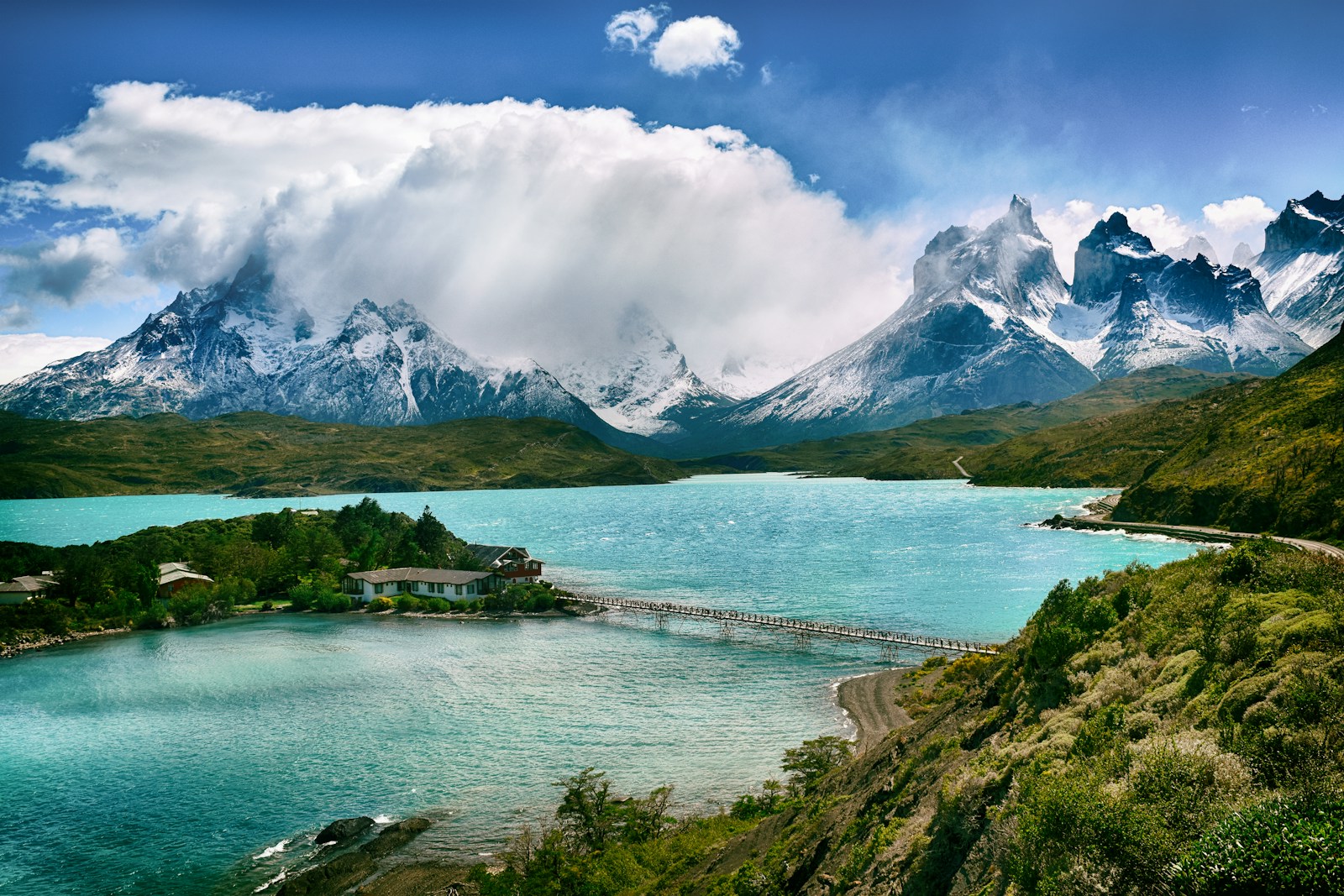
Spring in Patagonia means melting snow, rushing rivers, and the return of migratory birds. Trails in Torres del Paine begin to open, and lodges start welcoming guests.
Why visit?
- Fewer crowds than summer, so you get the park almost to yourself.
- Wildlife spotting improves — guanacos, condors, and foxes become more active.
- Weather is still unpredictable, so pack waterproof gear!
Pro tip: Book accommodations early, even in spring, as Patagonia is popular year-round.
☀️ Summer Sizzle: Unforgettable Chilean Escapes (December – February)
Summer is peak season in Chile, especially for outdoor lovers. The long days and warm weather invite endless adventures.
3. Sun-Kissed Shores & Lakes: Chile’s Summer Playground
The Lake District and coastal towns like Valparaíso and Viña del Mar come alive with festivals, beaches, and water sports.
- Swim in crystal-clear lakes like Lago Llanquihue.
- Explore charming towns with colorful architecture and vibrant street art.
- Don’t miss the seafood feasts — fresh ceviche and congrio fish are summer staples.
4. Patagonian Peaks & Glaciers: Prime Time for Exploration
Summer is the best time to tackle the iconic Torres del Paine “W” or “O” treks. The weather is warmer, trails are accessible, and the scenery is jaw-dropping.
- Expect long daylight hours (up to 17 hours!) — perfect for extended hikes.
- Book guided tours or self-guided treks; both offer unforgettable experiences.
- Patagonia’s unpredictable weather means always carrying rain gear.
5. Island Escapes: Rapa Nui (Easter Island) Year-Round & Summer Highlights
Rapa Nui is a year-round destination, but summer offers the best weather for exploring its mysterious moai statues and volcanic landscapes.
- Take guided tours to learn about the island’s rich Polynesian culture.
- Snorkel or dive in crystal-clear waters.
- Join local festivals like Tapati Rapa Nui in February for a cultural immersion.
🍂 Autumn’s Embrace: Golden Hues & Harvests (March – May)
Autumn in Chile is a feast for the senses — golden vineyards, crisp air, and a slower pace.
6. Golden Hues & Harvests: Wine Country & Lake District in Autumn
The Central Valley’s vineyards turn fiery red and gold, making it the perfect time for wine lovers.
- Visit wineries like Concha y Toro or Casa Lapostolle for harvest tours.
- Enjoy farm-to-table meals paired with Chile’s world-class reds.
- The Lake District’s forests mirror the vineyards’ colors, offering spectacular hikes.
7. Southern Splendor: Patagonia’s Fiery Fall Foliage
Patagonia’s lenga and coihue trees blaze with autumn colors, creating postcard-perfect landscapes.
- Trails are quieter, and wildlife is preparing for winter.
- Some lodges offer discounted rates in shoulder season.
- Weather starts cooling, so pack layers!
❄️ Winter Wonderland: Chile’s Snowy Peaks & Desert Stargazing (June – August)
Winter transforms Chile into a playground for snow lovers and stargazers alike.
8. Powder Paradise: Chile’s World-Class Ski Resorts & Andean Adventures
Chile boasts 17 ski resorts, with the Andes offering some of the best powder in the Southern Hemisphere.
| Ski Resort | Highlights | Proximity to Santiago | Unique Features |
|---|---|---|---|
| Portillo | Steep slopes, family-friendly | 2 hours | No lift lines, wine festivals |
| Valle Nevado | Highest resort, extensive terrain | 1.5 hours | Ikon Pass member, nightlife |
| La Parva | Upscale locals, off-piste terrain | 1.5 hours | La Chimenea couloir |
| El Colorado | Largest resort, best apres-ski | 1 hour | Santa Teresita expert zone |
| Nevados de Chillán | Tree skiing, hot springs | 4-5 hours (domestic flight) | Backcountry tours, local vibe |
| Corralco | Longest ski season | 6 hours (domestic flight) | Hot springs, beginner-friendly |
Best time to ski: Mid-July to early September is prime powder season. Early season starts in late May/June, and some resorts stay open into October.
Personal tip: We loved Portillo’s cozy atmosphere and zero lift lines — a rarity in ski resorts worldwide!
9. Desert Dreams & Stargazing: Atacama’s Winter Charm
Winter nights in the Atacama Desert are cold and crystal clear, perfect for astronomy buffs.
- Join tours with companies like Alto Atacama or SpaceObs for top-notch stargazing.
- Daytime temperatures are mild, ideal for exploring geysers and salt flats.
- Pack warm clothes for nighttime!
10. Urban Exploration: Santiago & Valparaíso in the Cooler Months
Winter in Chile’s cities is mild but cozy — perfect for cultural immersion.
- Explore Santiago’s museums, markets, and vibrant neighborhoods like Bellavista.
- Visit Valparaíso’s colorful hills and street art without the summer crowds.
- Warm up with a Pisco Sour at legendary bars like La Piojera.
✨ Beyond the Seasons: Year-Round Chilean Adventures & Hidden Gems
Chile’s magic doesn’t stop with the seasons. Some destinations shine all year:
- Chiloé Island: Known for its mystical wooden churches and rich folklore. Kayaking and wildlife spotting are great anytime.
- Carretera Austral: A rugged road trip through remote Patagonia — best for adventurers with flexible schedules.
- Easter Island: Cultural wonders and ocean adventures await regardless of season.
- Valdivia: The beer capital of Chile, perfect for craft beer lovers year-round.
Insider tip: Mix and match regions to experience Chile’s contrasts — a desert sunrise followed by a Patagonian sunset? Yes, please!
✈️ Navigating Chile: Essential Travel Tips & Logistics for Your Journey
Getting around Chile can be a breeze with some planning:
- International flights land mostly at Santiago’s SCL airport.
- Domestic flights connect Santiago with Calama (Atacama), Puerto Montt (Lakes District), Punta Arenas (Patagonia), and more.
- Buses are comfortable and scenic; companies like Turbus and Pullman Bus cover most routes.
- Car rentals are ideal for exploring regions like the Lake District and Carretera Austral.
- Transfers: Book airport transfers in advance, especially during peak seasons.
Travel tip: Download apps like Moovit for public transport info and Rome2rio for route planning.
🍷 Chilean Delights: Culinary Journeys & Authentic Local Experiences
Chile’s flavors are as diverse as its landscapes:
- Seafood: Fresh from the Pacific — try congrio, machas (razor clams), and chupe de mariscos (seafood stew).
- Wine: Chile is a top global producer. Don’t miss reds from Maipo Valley and Carménère varietals.
- Street food: Completo (Chilean hot dog), sopaipillas (fried dough), and empanadas.
- Traditional dishes: Curanto from Chiloé, pastel de choclo (corn pie), and cazuela (hearty stew).
Where to eat: Santiago’s Mercado Central and Bellavista neighborhood offer authentic experiences. For wine tours, check out Concha y Toro and Viña Montes.
💚 Responsible Travel: Preserving Chile’s Natural Wonders & Cultural Heritage
Chile’s breathtaking landscapes and vibrant cultures deserve our respect:
- Stick to marked trails in national parks.
- Support local communities by buying crafts and eating at family-run restaurants.
- Avoid single-use plastics; bring reusable water bottles.
- Respect wildlife and keep a safe distance.
- Learn basic Spanish phrases to connect respectfully.
Chile Vacay™ encourages eco-friendly tours like those certified by SERNATUR — Chile’s official tourism board.
🎒 Safety and Preparedness: Your Chilean Adventure Checklist
Before you jet off, here’s your must-do list:
- Valid passport with at least 90 days beyond your return date.
- Travel insurance covering health and adventure activities.
- Power adapter for 220V/50Hz outlets (Type C and L plugs).
- Layered clothing for variable weather.
- Sunscreen and sunglasses — the sun is fierce, especially in the mountains and desert.
- Copies of important documents.
- Local SIM card or international roaming plan for connectivity.
Safety note: Avoid flaunting valuables, especially in crowded markets or public transport.
🔗 Recommended Links
- Chile Vacay™ Destinations
- Chile Vacay™ Adventure Travel
- Best Times to Visit Chile for a Vacation
- SERNATUR – Chile’s Official Tourism Board
- Portillo Ski Resort Official Site
- Concha y Toro Winery
- Alto Atacama Desert Lodge & Spa
❓ FAQ: Your Burning Questions Answered About Chilean Travel
Q: When is the best time to visit Patagonia?
A: Summer (December to February) offers the best weather for hiking, but spring and autumn provide fewer crowds and stunning colors.
Q: Do I need a visa to visit Chile?
A: Most tourists from North America, Europe, and many other countries do not need a visa for stays under 90 days.
Q: Is Chile safe for solo travelers?
A: Yes, especially in tourist areas. Exercise usual precautions against petty theft.
Q: Can I use credit cards everywhere?
A: In cities and tourist hubs, yes. Rural areas may require cash.
Q: What languages are spoken?
A: Spanish is official. English is common in tourist areas.
Q: How do I get from Santiago to the Atacama Desert?
A: Fly from Santiago to Calama (~2 hours), then take a 1.5-hour bus or shuttle to San Pedro de Atacama.
📚 Reference Links
- PowderQuest Chile Ski Guide
- This Remote Corner – Best Places to Visit in Chile
- Worldly Adventurer – Chile Adventure Travel
- SERNATUR Chile Official Tourism
- Lonely Planet Chile Travel Guide
Ready to start planning your Chilean adventure? Stay tuned for our conclusion where we help you craft the perfect itinerary! 🌟
✅ Conclusion: Your Perfect Chilean Itinerary Awaits!
Wow, what a whirlwind tour through Chile’s spectacular seasonal playground! From the blooming vineyards and desert stargazing in spring, to summer’s sun-drenched lakes and Patagonia treks, autumn’s golden harvests, and winter’s snowy ski slopes and crystal-clear desert nights — Chile truly offers something magical every single season.
Here’s the scoop:
Positives:
- Chile’s incredible geographic diversity means you can tailor your trip to your favorite activities and weather preferences.
- World-class ski resorts like Portillo and Valle Nevado deliver powder-packed winters.
- The Atacama Desert’s year-round stargazing is unmatched.
- Patagonia’s trails and landscapes are breathtaking in all seasons, with fewer crowds in shoulder seasons.
- Rich culture, delicious food, and warm hospitality enhance every visit.
Challenges:
- Weather can be unpredictable, especially in Patagonia — pack layers and be flexible.
- Some remote areas require advance planning and bookings.
- Long distances between regions mean flights or long bus rides are often necessary.
Our confident recommendation? Don’t just visit Chile — experience it season by season. Mix and match regions and activities to create your dream itinerary. Whether you’re a thrill-seeker, nature lover, or culture buff, Chile’s diversity will keep you coming back for more.
And remember, the best time to visit depends on your personal interests — so use this guide to plan smart, pack right, and get ready for unforgettable adventures. 🌄✈️
🔗 Recommended Links
- 👉 Shop Ski Gear & Accessories on Amazon:
Ski Jackets | Ski Boots | Ski Goggles - Explore Chilean Wines:
Concha y Toro Wines on Amazon - Books to Inspire Your Chile Trip:
- Lonely Planet Chile & Easter Island — Amazon Link
- Moon Chile by Kelly Bingham — Amazon Link
- National Geographic Traveler: Chile — Amazon Link
- Chile Ski Resorts Official Sites:
- Stargazing Tours:
❓ FAQ: Your Burning Questions Answered About Chilean Travel
What are the best summer destinations in Chile for outdoor enthusiasts?
Summer (December to February) is prime time for outdoor lovers in Chile. The Patagonia region is a top pick, especially Torres del Paine National Park, where trails are accessible and wildlife is abundant. The Lake District around Puerto Varas and Pucón offers hiking, kayaking, volcano climbing (Villarrica), and hot springs. Coastal cities like Valparaíso and Viña del Mar provide beaches and water sports. The Atacama Desert is also pleasant, with warm days perfect for exploring geological wonders.
Why summer? Longer daylight hours (up to 17 hours in Patagonia!) allow for extended adventures, and most trails and accommodations are open.
How does the weather in Chile vary from north to south during different seasons?
Chile’s weather varies dramatically due to its length and geography:
- North (Atacama Desert): Dry year-round with minimal rainfall. Summer is hot during the day but cool at night; winter nights are colder but still clear for stargazing.
- Central Chile: Mediterranean climate with hot, dry summers and mild, wet winters. Spring and autumn are mild and pleasant.
- South (Patagonia and Lakes District): Cool temperate climate with frequent rain and wind. Summer is mild and relatively dry; winter is cold with snow in the mountains.
- Far South (Tierra del Fuego): Cold and windy year-round, with short summers and long, harsh winters.
This variation means you can experience desert heat and glacial cold in one trip!
Read more about “Ultimate Chilean Tourist Season Calendar: 8 Must-Know Travel Windows (2025) 🌎”
What are some must-visit festivals and events in Chile that take place during each season?
Chile’s vibrant culture shines through its festivals:
- Spring: Fiesta de la Vendimia (Grape Harvest Festival) in March celebrates wine harvest with music and food in the Central Valley.
- Summer: Tapati Rapa Nui on Easter Island in February is a two-week cultural festival with traditional sports, dance, and music.
- Autumn: Festival Internacional de Jazz de Providencia in Santiago draws international jazz artists.
- Winter: Fiesta de la Nieve (Snow Festival) in ski resorts like Portillo features skiing competitions, music, and local cuisine.
These events offer authentic cultural immersion alongside natural beauty.
Are there any specific adventure activities in Chile that are limited to certain seasons, such as skiing or surfing?
Absolutely! Some activities are seasonal:
- Skiing and Snowboarding: Best from mid-June to early October in the Andes resorts like Portillo, Valle Nevado, and Nevados de Chillán. Early and late season skiing is possible but less reliable.
- Trekking in Patagonia: Most trails are best from November to March (summer). Some routes close or are dangerous in winter due to snow and weather.
- Surfing: The Chilean coast offers year-round waves, but the best swells are typically in autumn and winter (March to August), especially around Pichilemu.
- Stargazing in Atacama: Excellent year-round, but winter offers the clearest skies and coldest nights for optimal visibility.
Planning your activities around these seasons ensures you get the best experience.
📚 Reference Links
- PowderQuest Chile Ski Guide — Comprehensive ski resort info and travel tips.
- This Remote Corner – Best Places to Visit in Chile — Great for first-timers exploring Chile’s highlights.
- Worldly Adventurer – 8 Stunning Locations in Chile Every Adventurer Should Discover — Adventure travel inspiration and detailed destination guides.
- SERNATUR – Chile’s Official Tourism Board — Official info on Chilean tourism, responsible travel, and events.
- Lonely Planet Chile Travel Guide — Trusted travel advice and itineraries.
- Portillo Ski Resort Official Site — For bookings and resort details.
- Concha y Toro Winery — Explore Chile’s iconic wines.
- Alto Atacama Desert Lodge & Spa — Premier stargazing and desert tours.
Chile Vacay™ hopes this guide lights your path to unforgettable adventures in Chile — no matter the season! Ready to pack your bags? 🌎🎒