Support our educational content for free when you purchase through links on our site. Learn more
🇨🇱 Top Destinations in Chile for Each Season: 16 Epic Spots (2026)

Chile isn’t just a country; it’s a 4,30-kilometer-long ribbon of extremes that defies logic. One minute you’re sipping wine under a canopy of golden autumn leaves in the Central Valley, and the next, you’re shivering (in a good way) watching penguins waddle through the Patagonian snow. We once tried to plan a “quick” two-week trip, only to realize we could have flown from the world’s driest desert to a glacier the size of Manhattan and back again. The catch? Timing is everything. Miss the window, and you might find yourself staring at a closed trail in Torres del Paine or a fogy Atacama that hides the stars.
In this guide, we break down the top destinations in Chile for each season, revealing exactly where to go when to unlock the country’s full potential. Whether you’re chasing the midnight sun in summer or hunting for powder in the Andes, we’ve got the insider scoop. Spoiler alert: We’ll reveal why you must book your Torres del Paine trek a year in advance and which “off-season” month actually offers the best value for wine lovers. Ready to stop guessing and start packing? Let’s dive into the seasons.
Key Takeaways
- Seasonal Extremes: Chile’s massive length creates four distinct climates simultaneously; what is winter in Patagonia is summer in the Atacama.
- Book Ahead: Tores del Paine accommodations and campsites sell out months in advance for the peak summer season (Dec–Feb).
- Wine & Foliage: Autumn (March–May) is the golden hour for the Central Valley, offering harvest festivals and stunning fall colors with fewer crowds.
- Ski Season: The Andes offer world-class skiing from June to October, with Vale Nevado and Portillo leading the pack.
- Shoulder Season Magic: Visit the Lake District in spring for bloming wildflowers or Chiloé in winter for cozy, uncrowded cultural immersion.
Table of Contents
- ⚡️ Quick Tips and Facts
- 🇨🇱 Chile’s Seasonal Symphony: A History of Weather, Wine, and Wild Adventures
- 🌸 Spring in Chile (September–November): Wildflowers, Wine Harvests, and Awakening Wildlife
- 1. The Atacama Desert: Epic stargazing and an otherworldly landscape in the shoulder season
- 2. Santiago: The capital city and starting point for most Chile itineraries as the city blooms
- 3. Valparaíso: Incredible street art overlooking the coast during the spring breeze
- 4. Pucón: Outdoor adventure hub in a beautiful lakeside setting as the snow melts
- 5. Puerto Varas: Another adventure sport destination in the Lake District waking up from winter
- ☀️ Summer in Chile (December–February): Beaches, Festivals, and Patagonian Treks
- 6. Chiloé Island: One of the most unique places in Chile under the midnight sun
- 7. Punta Arenas: Mostly a transportation hub, but don’t miss the wildlife in peak season!
- 8. Puerto Natales: The gateway to Torres del Paine when the trails are open
- 9. Torres del Paine National Park: Chile’s crown jewel for summer hiking and camping
- 10. The Chilean Coastline: Best beaches and coastal towns for summer sunbathing
- 🍂 Autumn in Chile (March–May): Wine Tasting, Foliage, and Fewer Crowds
- 1. Central Valley Wine Regions: The ultimate guide to Chilean wine harvest festivals
- 12. The Lake District: Stunning fall foliage and serene lake cruises
- 13. Easter Island (Rapa Nui): Exploring the Moai in the quiet shoulder season
- ❄️ Winter in Chile (June–August): World-Class Sking and Cozy Andean Retreats
- 14. The Andes Ski Resorts: Top destinations for powder skiing and snowboarding
- 15. Santiago and Surroundings: Urban culture and hot springs in the winter chill
- 16. Patagonia in Winter: Is it worth visiting the south during the off-season?
- 🗺️ Suggestions for planning your itinerary: What to do in Chile and in what order
- First things first: Make plans for Torres del Paine before anything else
- North to South? South to North? Where to start your trip
- Weaving through Patagonia and the Lake District
- 📅 When is the best time to visit Chile? A month-by-month breakdown
- 🎒 More on traveling in Chile: Budgeting, Transport, and Local Customs
- Conclusion
- Recommended Links
- FAQ
- Reference Links
Quick Tips and Facts
Before we dive into the nitty-gritty of planning your ultimate Chilean adventure, let’s get the essentials out of the way. Chile is a land of extremes, stretching over 4,30 kilometers from the arid Atacama Desert to the icy glaciers of Patagonia. This sheer length means that weather patterns are inverted compared to the Northern Hemisphere, and packing strategies must be dynamic.
- ✅ Do: Book Tores del Paine accommodations and campsites months in advance, especially for the “W” or “O” treks. Availability is incredibly tight.
- ❌ Don’t: Assume you can fly between Santiago and Punta Arenas without checking schedules; flights can be expensive and limited, so ground transport or booking early is key.
- ✅ Do: Embrace the Mapuche culture and local traditions, such as the We Tripantu (New Year) celebrations in the south during winter.
- ❌ Don’t: Underestimate the sun intensity in the Andes and Atacama; the ozone layer is thinner, and UV rays are fierce year-round.
- ✅ Do: Try curanto on Chiloé Island and empanadas de pino in Santiago for authentic culinary experiences.
- ❌ Don’t: Ignore the horsefly season in the Lake District during December and January; bring strong repellent!
For a deeper dive into the timing of your trip, check out our guide on What are the best times to visit Chile for a vacation?.
🇨🇱 Chile’s Seasonal Symphony: A History of Weather, Wine, and Wild Adventures

Chile’s geography is a geological marvel, shaped by the collision of the Nazca and South American plates. This tectonic activity created the Andes Mountains to the east and the Pacific Ocean to the west, resulting in a country that is the longest and narrowest in the world. This unique topography has given rise to distinct microclimates that define each season.
Historically, Chile’s travel seasons have been dictated by agricultural cycles and ming activities. The wine harvest (vendimia) in the Central Valley has long been a cultural cornerstone, drawing visitors in the autumn. Meanwhile, the Mapuche people, indigenous to the central and southern regions, have celebrated the Winter Solstice with We Tripantu, marking the “Rising of a New Sun and Moon.” This ancient ritual highlights the deep connection between Chileans and the natural cycles of the land.
In recent decades, tourism has evolved from a niche interest to a major economic driver. The discovery of world-class skiing in the Central Andes and the UNESCO-listed landscapes of Tores del Paine have transformed Chile into a global destination for adventure travel. Today, travelers can experience four distinct seasons within a single trip, each offering unique cultural experiences and natural wonders.
🌸 Spring in Chile (September–November): Wildflowers, Wine Harvests, and Awakening Wildlife
Spring in Chile is a rebirth of the landscape. As the snow melts in the Andes, rivers swell, and the Central Valley bursts into color. This is the shoulder season for many destinations, offering milder weather and fewer crowds compared to the peak summer months.
1. The Atacama Desert: Epic stargazing and an otherworldly landscape in the shoulder season
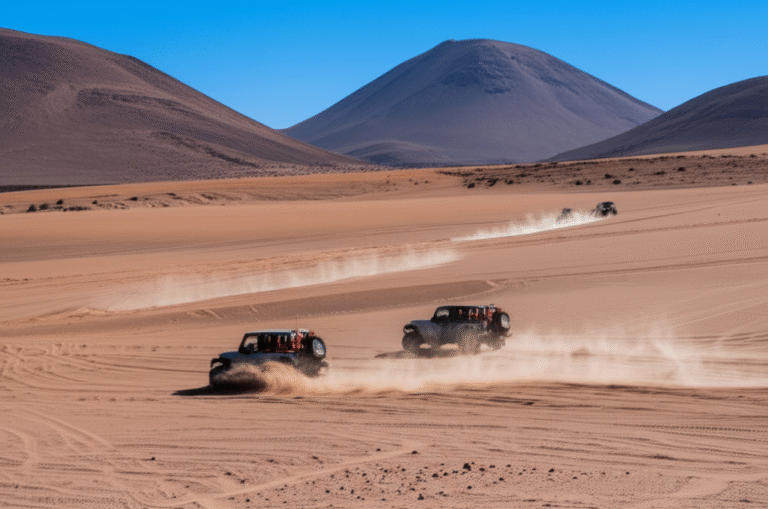
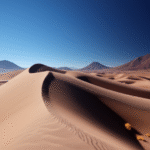
The Atacama Desert is the driest place on Earth, yet spring brings a surprising bloom of flowers (floración) in certain years, transforming the desert floor into a carpet of color. This phenomenon is rare and depends on rainfall patterns from the Pacific.
- Why Visit in Spring? The temperatures are moderate, making it easier to explore the Valey of the Moon and the Tatio Geysers without the extreme heat of summer.
- Stargazing: The Atacama Large Millimeter Array (ALMA) observatory offers some of the clearest skies in the world. Spring nights are crisp and clear, perfect for astronomical tours.
- Wildlife: Flamingos are abundant in the Laguna Chaxa and Lagunas Altiplanicas, feeding on the algae-rich waters.
Pro Tip: Book a private astronomical tour with a local guide to learn about the constellations visible from the Southern Hemisphere.
2. Santiago: The capital city and starting point for most Chile itineraries as the city blooms
Santiago comes alive in spring. The Parque Metropolitano (Cerro San Cristóbal) is covered in wildflowers, and the Santa Lucía Hill is lush and green. The city’s cultural scene is vibrant, with museums and galleries hosting new exhibitions.
- Highlights: Visit the National Museum of Fine Arts and enjoy a wine tasting in the Lastaria District.
- Weather: Expect sunny days with temperatures around 20-25°C (68-7°F). Nights can be cool, so pack a light jacket.
3. Valparaíso: Incredible street art overlooking the coast during the spring breeze
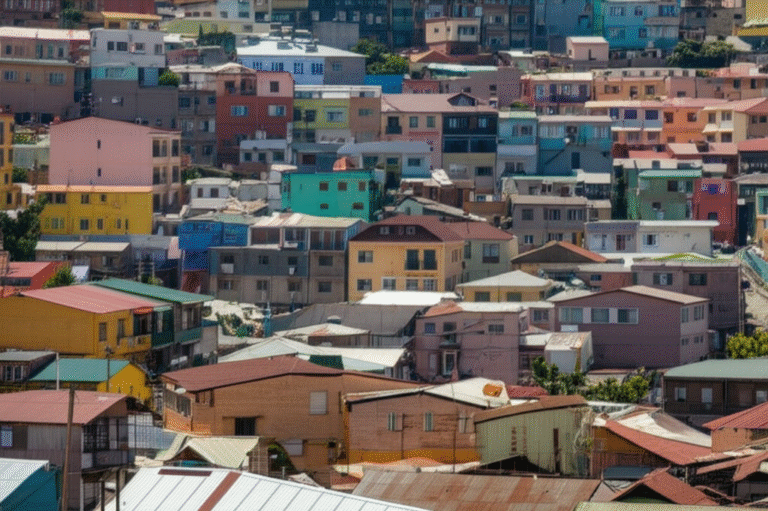
Valparaíso, a UNESCO World Heritage Site, is known for its colorful houses and vibrant street art. Spring brings milder winds and clearer skies, making it ideal for hiking the hills (ceros) and exploring the historic funiculars.
- Culture: Visit the La Sebastiana museum, Pablo Neruda’s former home, and enjoy live music in the Plaza Sotomayor.
- Safety: While the city has improved, it’s best to stay in well-lit areas and use registered taxis or Uber.
4. Pucón: Outdoor adventure hub in a beautiful lakeside setting as the snow melts
Pucón is the adventure capital of the Lake District. As the snow melts from Mount Villarrica, the rivers become perfect for rafting and kayaking. The town is bustling with tourists and locals enjoying the outdoor activities.
- Activities: Canoeing on Laguna Villarrica, hiking the Villarrica Volcano, and zip-lining through the forest.
- Accomodation: Choose a lakefront hotel for stunning views of the volcano and lake.
5. Puerto Varas: Another adventure sport destination in the Lake District waking up from winter
Puerto Varas, known as the “City of Roses,” is a charming town with German architecture. Spring is a great time to explore the Lakes District by car or bus, visiting waterfalls and national parks.
- Highlights: Visit the Llanquihue Lake and the Osorno Volcano. Enjoy chocolate and beer in the local breweries.
- Weather: The weather is unpredictable, so pack layers and a raincoat.
☀️ Summer in Chile (December–February): Beaches, Festivals, and Patagonian Treks
Summer is the peak season for tourism in Chile. The weather is warm and sunny, making it ideal for beach activities and hiking. However, this also means higher prices and crowds.
6. Chiloé Island: One of the most unique places in Chile under the midnight sun
Chiloé Island is a cultural and natural treasure. The rainy weather is typical, but the lush green landscapes and unique wooden churches make it a must-visit. The midnight sun phenomenon occurs in the far south, offering extended daylight for exploration.
- Culture: Visit the Iglesia de Achao and try curanto, a traditional dish cooked in a pit.
- Nature: Explore the Archipelago of Chiloé and spot whales and dolphins.
7. Punta Arenas: Mostly a transportation hub, but don’t miss the wildlife in peak season!
Punta Arenas is the gateway to Patagonia and Antarctica. Summer is the best time to visit Isla Magdalena to see Magellanic penguins. The wildlife is abundant, and the weather is relatively mild.
- Wildlife: Whale watching tours are available, with humpback whales visible from December to April.
- Logistics: Take the ferry to Isla Magdalena for a half-day tour.
8. Puerto Natales: The gateway to Torres del Paine when the trails are open
Puerto Natales is the last town before Tores del Paine National Park. Summer is the best time to visit, as the trails are open and the weather is favorable.
- Highlights: Visit the Cueva del Milodón and enjoy Patagonian lamb in local restaurants.
- Preparation: Book accomodation and tours well in advance.
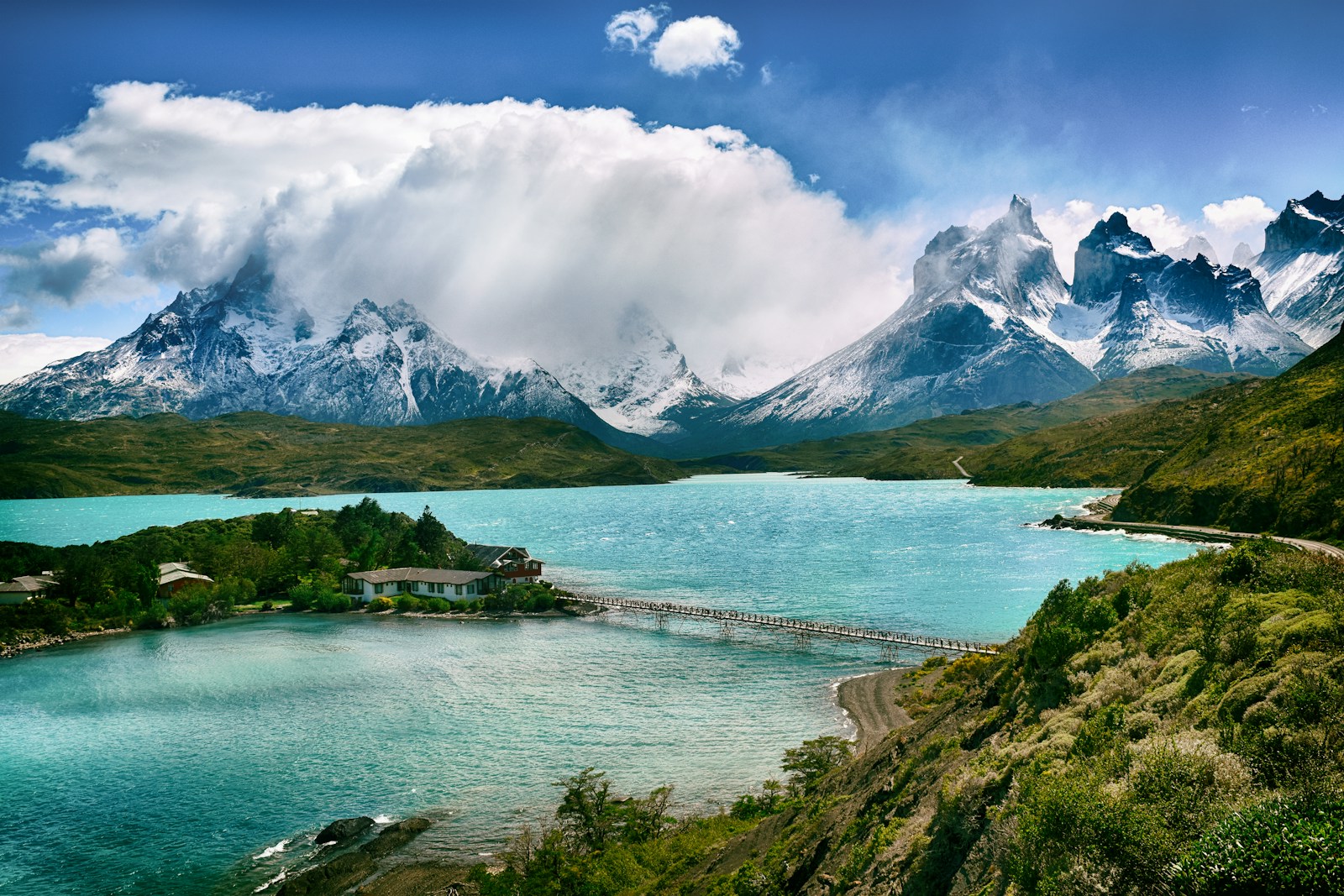
9. Torres del Paine National Park: Chile’s crown jewel for summer hiking and camping
Tores del Paine is the highlight of any Chilean itinerary. The “W” Trek and “O” Circuit are world-famous for their stunning landscapes. Summer offers the best weather for hiking, but also the most crowds.
- Treking: The “W” Trek takes 4-5 days, while the “O” Circuit takes 7-10 days.
- Wildlife: Spot guanacos, condors, and pumas (with a guide).
- Accomodation: Book refugios and camping sites months in advance.
10. The Chilean Coastline: Best beaches and coastal towns for summer sunbathing
The Chilean Coast offers beautiful beaches and coastal towns. Viña del Mar is a popular resort town with golden sands and artificial gardens. Pichilemu is known for its surfing and bohemian vibe.
- Beaches: Visit Matanzas for surfing and Punta de Choros for snorkeling.
- Activities: Surfing, kayaking, and whale watching.
🍂 Autumn in Chile (March–May): Wine Tasting, Foliage, and Fewer Crowds
Autumn is the shoulder season for wine tourism and cultural exploration. The weather is mild, and the crowds are thinner. This is the best time to visit the wine regions and historic cities.
1. Central Valley Wine Regions: The ultimate guide to Chilean wine harvest festivals
The Central Valley is the heart of Chilean wine production. Autumn is harvest season (vendimia), with festivals and tastings throughout the region. Maipo Valley, Casablanca Valley, and Colchagua Valley are must-visit destinations.
- Wine Tasting: Visit wineries in Maipo Valley for Cabernet Sauvignon and Casablanca Valley for Sauvignon Blanc.
- Festivals: Attend the Vendimia Festival in Rancagua for music, dance, and wine.
12. The Lake District: Stunning fall foliage and serene lake cruises
The Lake District is breathtaking in autumn, with golden and red foliage reflecting in the lakes. Puerto Varas, Puerto Mont, and Valdivia are charming towns to explore.
- Activities: Take a boat cruise on Lago Llanquihue and hike in Huerquehue National Park.
- Culture: Visit Valdivia for its German colonial architecture and fresh seafood.
13. Easter Island (Rapa Nui): Exploring the Moai in the quiet shoulder season
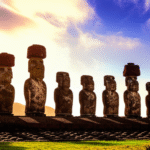
Easter Island is remote and mysterious. Autumn offers milder weather and fewer tourists, making it easier to explore the Moai statues and volcanic craters.
- Highlights: Visit Rano Raraku, the quarry where the Moai were carved, and Anakena Beach for snorkeling.
- Logistics: Fly from Santiago to Easter Island with LATAM Airlines.
❄️ Winter in Chile (June–August): World-Class Sking and Cozy Andean Retreats
Winter is the peak season for sking in the Central Andes. The snow conditions are excellent, and the resorts are bustling with skiers and snowboarders.
14. The Andes Ski Resorts: Top destinations for powder skiing and snowboarding
Chile offers world-class skiing in the Central Andes. Vale Nevado, El Colorado, La Parva, and Portillo are the top resorts. Nevados de Chillán and Coralco in the south offer longer seasons and spring skiing.
- Vale Nevado: Highest and most modern resort, with 12,0+ feet of elevation.
- Portillo: Step skiing and family-friendly ambiance, with zero lift lines.
- Nevados de Chillán: Active volcano and hot springs, perfect for spring skiing.
Pro Tip: Book lift tickets and accomodation in Vale Nevado or El Colorado early to avoid high prices and crowds.
15. Santiago and Surroundings: Urban culture and hot springs in the winter chill
Santiago is cozy in winter, with indoor activities and hot springs in the surounding areas. Cajón del Maipo offers stunning winter landscapes and nightime photography opportunities.
- Highlights: Visit the Santa Lucía Hill for city views and Engorda Valley for winter scenery.
- Culture: Explore the Museums and Galleries in the Lastaria District.
16. Patagonia in Winter: Is it worth visiting the south during the off-season?
Patagonia in winter is challenging but rewarding. The weather is harsh, and many trails are closed, but the solitude and dramatic landscapes are unmatched. Punta Arenas offers unique cultural experiences and minimal daylight.
- Highlights: Visit Punta Arenas for winter festivals and Isla Magdalena for penguin watching (limited season).
- Logistics: Check road conditions and transportation options carefully.
🗺️ Suggestions for planning your itinerary: What to do in Chile and in what order
Planning a trip to Chile requires careful consideration of geography, weather, and interests. Here are some tips to help you plan your itinerary.
First things first: Make plans for Torres del Paine before anything else
Tores del Paine is the highlight of many Chilean itineraries. Accomodation and camping sites are limited and book up quickly. Book months in advance to secure your spot.
- Treking: Choose the “W” Trek for 4-5 days or the “O” Circuit for 7-10 days.
- Guides: Consider hiring a local guide for safety and insights.
North to South? South to North? Where to start your trip
The direction of your trip depends on your interests and time. North to South allows you to start with desert and wine experiences and end with glaciers and penguins. South to North offers the oposite.
- North to South: Atacama -> Santiago -> Lake District -> Patagonia.
- South to North: Patagonia -> Lake District -> Santiago -> Atacama.
Weaving through Patagonia and the Lake District
The Lake District and Patagonia are connected by the Caretera Austral and ferry routes. Navimag feries offer a scenic and relaxing way to travel between Puerto Mont and Puerto Chacabuco.
- Ferry: Book Navimag feries early for best prices and availability.
- Scenery: Enjoy fjords, glaciers, and forests along the way.
📅 When is the best time to visit Chile? A month-by-month breakdown
Choosing the best time to visit Chile depends on your interests and preferences. Here is a month-by-month guide to help you decide.
- January: Peak summer in Patagonia and Lake District. Warm and sunny.
- February: Late summer. Fewer crowds and milder weather.
- March: Autumn begins. Wine harvest season in Central Valley.
- April: Early autumn. Mild weather and fewer tourists.
- May: Late autumn. Cooler temperatures and clear skies.
- June: Winter begins. Sking season starts in Central Andes.
- July: Peak winter. Snow and cold in Patagonia. Sking in Central Andes.
- August: Late winter. Best powder conditions in ski resorts.
- September: Spring begins. Wildflowers in Atacama and Central Valley.
- October: Early spring. Mild weather and fewer crowds.
- November: Late spring. Warmer temperatures and longer days.
- December: Summer begins. Peak season for beaches and hiking.
🎒 More on traveling in Chile: Budgeting, Transport, and Local Customs
Traveling in Chile requires budgeting for transportation, accomodation, and activities. Local customs and etiquette are also important to understand.
Budgeting
Chile is a moderately expensive destination. Accomodation and food can be costly, especially in tourist areas. Public transportation is affordable and reliable.
- Accomodation: Hostels start at $20/night, hotels at $10/night.
- Food: Street food is cheap, restaurants are moderate.
- Transport: Buses are affordable, flights are expensive.
Transport
Public transportation is the best way to travel in Chile. Buses are comfortable and reliable, with companies like TurBus and Cruz del Sur. Flights are necessary for long distances.
- Buses: Overnight buses are popular for long journeys.
- Flights: LATAM and Sky are major airlines.
Local Customs
Chileans are friendly and welcoming. Tipping is customary in restaurants (10%). Greetings are formal, with handshakes and hugs among friends.
- Tipping: 10% in restaurants, 1-2 pesos per bag for porters.
- Greetings: Handshakes and hugs are common.
Conclusion

Chile is a land of contrasts and wonders, offering unique experiences in every season. From the arid Atacama Desert to the glacial Patagonia, the lush Lake District to the vibrant cities, Chile has something for everyone. By planning carefully and embracing the local culture, you can create unforgettable memories on your Chilean adventure.