Support our educational content for free when you purchase through links on our site. Learn more
🌤️ Weather in Chile by Month: The 12-Month Ultimate Guide (2026)

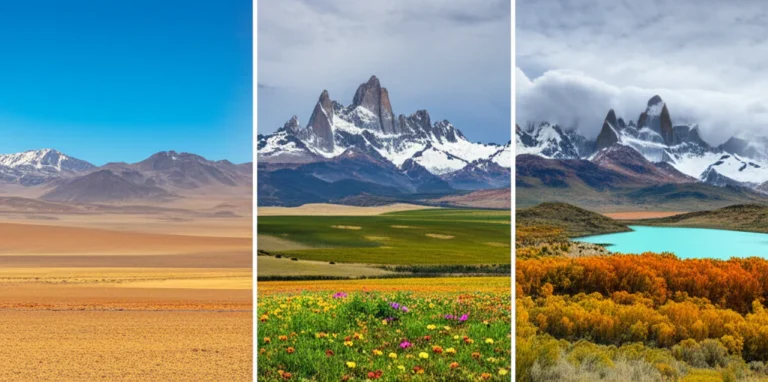
Imagine packing a single suitcase for a trip that spans from the sun-baked, rainless dunes of the Atacama Desert to the wind-swept, icy fjords of Patagonia. Sounds impossible, right? That’s exactly the challenge—and the thrill—of planning a trip to Chile. As the longest north-south country on Earth, stretching over 4,30 kilometers, Chile doesn’t just have seasons; it has four distinct climates that change drastically every few hundred miles. One minute you’re sipping a cool pisco sour under a blazing summer sun in Santiago, and the next you’re bundling up in a thermal parka to watch the sunrise over a snow-capped volcano in the south.
We’ve seen travelers make the classic mistake of assuming “Chile summer” means beach weather everywhere, only to get caught in a Patagonian gale in January. Don’t let that happen to you. In this comprehensive guide, we break down the Weather in Chile by month, revealing the hidden microclimates, the best times to hike the W Trek, when to catch the whale migrations, and exactly what to pack so you never freeze (or melt) again. Whether you’re chasing the midnight sun in the south or the perfect stargazing conditions in the north, we’ve got the monthly roadmap you need to master this incredible country.
Key Takeaways
- Chile has four distinct climates: From the hyper-arid Atacama Desert in the north to the sub-Antarctic conditions of Patagonia, weather varies wildly by region, not just by month.
- Seasons are reversed: Remember that December to March is summer (perfect for hiking and beaches), while June to August is winter (ideal for skiing and cozy city breaks).
- Microclimates are real: A sunny day in Santiago can mean a storm in Valparaíso or snow in the Andes; always check the local forecast for your specific destination.
- Layering is non-negotiable: Due to extreme temperature swings (especially in the desert and south), packing versatile layers is the only way to stay comfortable.
- Timing is everything: The best time to visit Tores del Paine is October–April, while the Atacama is best visited March–November for clear skies.
Table of Contents
- ⚡️ Quick Tips and Facts
- 🌍 The Long and Winding Road: A Brief History of Chile’s Extreme Climates
- 🗺️ Why Chile’s Weather is a Rollercoaster: Understanding Latitude, Altitude, and Ocean Currents
- 📅 Chile Weather by Month: The Ultimate 12-Month Guide to Packing and Planning
- 1. January: Summer in the North, Peak Season in the South
- 2. February: The Last Call for Patagonian Hiking and Atacama Stargazing
- 3. March: Autumn Arrives with Wine Harvests and Fewer Crowds
- 4. April: Shoulder Season Magic and Mild Santiago Days
- 5. May: The Great Transition to Winter and Ski Season Prep
- 6. June: Winter Solstice, Ski Resorts, and Cozy Central Valley Vibes
- 7. July: Peak Ski Season and the Coldest Nights in the Desert
- 8. August: Spring Bloms in the Lake District and Early Ski Closures
- 9. September: The Return of the Sun and Wildflower Season
- 10. October: Perfect Weather for Torres del Paine and Wine Tours
- 1. November: Early Summer Heat and Whale Watching in the South
- 12. December: Christmas in the Desert and the Start of High Season
- 🏜️ Atacama Desert: When to Visit for Stargazing and Salt Flats
- 🏙️ Santiago and Central Valley: Best Months for City Breaks and Wine Tasting
- 🏔️ The Lake District and Bariloche Border: Rain, Snow, and Summer Lakes
- 🐧 Patagonia and Torres del Paine: Navigating Wind, Rain, and Midnight Sun
- 🏝️ Easter Island (Rapa Nui): Year-Round Warmth and Subtropical Secrets
- 🌊 Northern Coastal Cities: Iquique, Antofagasta, and Valparaíso Weather Patterns
- 🧥 What to Pack: A Month-by-Month Layering Guide for Chile’s Microclimates
- 🚫 Common Weather Myths and Mistakes Travelers Make in Chile
- 🌦️ Seasonal Events and Festivals: How Weather Shapes Chilean Culture
- 🚗 Best Time to Visit Chile for Specific Activities: Hiking, Sking, and Cruising
- 🌡️ Climate Change and Chile: How Shifting Weather Patterns Affect Travel Plans
- 📊 Quick Comparison: Temperature and Rainfall by Region and Month
- 🧭 Conclusion: Mastering the Seasons of the Longest Country on Earth
- 🔗 Recommended Links
- 📚 Reference Links
⚡️ Quick Tips and Facts
Before you start packing your suitcase and dreaming of Patagonian penguins or Atacama stargazing, let’s hit the brakes for a second. Chile is a beast. It’s not just a country; it’s a 2,70-mile-long strip of land that defies logic. If you think you can just throw on a t-shirt and a raincoat and be set for the whole trip, think again. You could be sweating in the desert one day and freezing your toes off in the Andes the next.
Here is the TL;DR of Chile’s weather madness:
- Four Climates in One: From the driest desert on Earth (Atacama) to the icy winds of Patagonia, Chile packs more climate zones into its borders than most continents.
- Seasons are Backwards: Remember that? When it’s Christmas in New York, it’s a beach party in Santiago. December to March is summer; June to August is winter.
- The “Microclimate” Trap: Just because it’s sunny in Santiago doesn’t mean it’s not pouring in Valparaíso (only 1.5 hours away). Always check the weather for your specific destination, not just the country.
- UV Index is No Joke: The ozone hole over Antarctica means the sun is brutal, even in winter. Sunscreen is non-negotiable, year-round.
- Wind is a Constant: Especially in the south. If you plan to hike Torres del Paine, pack a windbreaker that could double as a sail.
Pro Tip: If you are wondering, “When is the absolute best time to visit Chile for a vacation?” we’ve broken it down in our deep dive here: What are the best times to visit Chile for a vacation?. But for now, keep reading to master the monthly madness!
🌍 The Long and Winding Road: A Brief History of Chile’s Extreme Climates

Why is Chile’s weather so weird? It’s not just bad luck; it’s geography.
Chile is a tectonic masterpiece. It sits on the “Ring of Fire,” squeezed between the massive Andes Mountains to the east and the Pacific Ocean to the west. This unique setup creates a natural barrier that isolates climates like no other place on Earth.
- The Andes Wall: These mountains act as a massive shield. They block moisture from the Amazon to the east, creating the arid north, and trap cold air in the south.
- The Humboldt Current: This cold ocean current flows north from Antarctica along the coast. It cols the air, creating fog (camanchaca) in the desert but keeping coastal temperatures mild, preventing the heat from becoming unbearable.
- The Latitude Factor: Chile stretches from 17°S (tropical) to 56°S (sub-Antarctic). That’s a 40-degree latitude span. To put that in perspective, that’s like stretching from the southern tip of Florida all the way to the Arctic Circle in the Northern Hemisphere!
Historical Context:
For centuries, indigenous peoples like the Mapuche, Rapa Nui, and Tehuelche adapted to these extremes with incredible ingenuity. The Mapuche in the central valley developed agricultural cycles based on the distinct wet and dry seasons, while the Rapa Nui on Easter Island mastered a subtropical climate with unpredictable rainfall.
Today, as we explore Destinations across Chile, we see how these historical adaptations influence modern travel. The “weather history” of Chile is a story of survival and adaptation, making every trip a lesson in resilience.
🗺️ Why Chile’s Weather is a Rollercoaster: Understanding Latitude, Altitude, and Ocean Currents
You might be asking, “How can I plan a trip when the weather changes every 10 miles?” The answer lies in three magic words: Latitude, Altitude, and Ocean.
1. Latitude: The North-South Divide
Chile is divided into four main climatic regions, each with its own personality:
- Norte Grande (The Far North): Hyper-arid desert. Rain is a myth here.
- Norte Chico (The Near North): Semi-arid transition zone.
- Zona Central (The Central Valley): Mediterranean climate. Think California or Southern Europe. Wet winters, dry summers.
- Zona Sur & Austral (The South & Extreme South): Temperate rainforest and sub-Antarctic. Cool, wet, and windy.
2. Altitude: The Vertical Climate
In Chile, you don’t just travel north or south; you travel up.
- Sea Level: Mild, oceanic influence.
- Andean Foothills: Cooler, distinct seasons.
- High Andes (>3,0m): Alpine climate. Snow year-round in many peaks.
- The “Vertical” Rule: For every 1,0 meters you climb, the temperature drops by roughly 6.5°C (1.7°F). You can ski in the morning and surf in the afternoon if you drive from the Andes to the coast!
3. Ocean Currents: The Chill Factor
The Humboldt Current is the reason Santiago isn’t a scorching hellscape in summer. It keeps coastal temps cool. However, in the south, the Antarctic Circumpolar Current brings freezing air and relentless storms.
Conflicting Perspectives:
Some travel guides suggest that the south is “too cold” to visit in winter. Others argue that winter offers the best aurora australis viewing. We say: It depends on your tolerance for wind! If you hate wind, skip Patagonia in July. If you love dramatic landscapes, winter is magical.
📅 Chile Weather by Month: The Ultimate 12-Month Guide to Packing and Planning
Ready to dive into the nitty-gritty? This is the section you’ve been waiting for. We’ve broken down the weather month by month, covering everything from the scorching Atacama to the icy fjords.
1. January: Summer in the North, Peak Season in the South
- The Vibe: It’s peak summer. The beaches are packed, the wine harvest is starting, and the south is in its “golden hour.”
- North (Atacama): Hot days (30°C/86°F), cool nights. Perfect for stargazing.
- Central (Santiago): Dry and sunny. Highs around 30°C (86°F).
- South (Patagonia): Mild (15-20°C / 59-68°F). Long days (17+ hours of sunlight).
- What to Pack: Light layers, strong sunscreen, a hat, and a light jacket for the desert nights.
2. February: The Last Call for Patagonian Hiking and Atacama Stargazing
- The Vibe: Still summer, but the crowds in Patagonia start to thin slightly.
- North: Consistent heat. Great for salt flats.
- Central: Warm, but occasional heatwaves can push temps over 35°C (95°F).
- South: Still the best month for hiking the W Trek. Temperatures are pleasant, but wind is picking up.
- What to Pack: Same as January, but add a windbreaker for Patagonia.
3. March: Autumn Arrives with Wine Harvests and Fewer Crowds
- The Vibe: The “Shoulder Season” begins. The heat breaks, and the wine harvest (Vendimia) kicks off.
- North: Nights get cooler.
- Central: Beautiful autumn colors start appearing. Rain is rare but possible.
- South: Days get shorter. Temperatures drop to 10-15°C (50-59°F).
- What to Pack: Layers are key. A light fleece is essential for the south.
4. April: Shoulder Season Magic and Mild Santiago Days
- The Vibe: One of the best months to visit. No crowds, mild weather, and stunning fall foliage.
- North: Perfect temperatures for exploring.
- Central: Cool and crisp. Rain starts to appear occasionally.
- South: Winter is approaching. Snow starts falling in the higher Andes.
- What to Pack: Rain jacket, warm layers, and comfortable hiking boots.
5. May: The Great Transition to Winter and Ski Season Prep
- The Vibe: The country cols down. The south gets wet and windy.
- North: Mild days, chilly nights.
- Central: Rain becomes frequent. Temperatures drop to 15°C (59°F).
- South: Winter sets in. Snow is common in Torres del Paine.
- What to Pack: Waterproof gear, thermal layers, and a good umbrella.
6. June: Winter Solstice, Ski Resorts, and Cozy Central Valley Vibes
- The Vibe: Official winter. The Andes are covered in snow.
- North: Cool and dry.
- Central: Cold and rainy. Highs around 14°C (57°F).
- South: Very cold. Snow is deep. Many hiking trails close.
- What to Pack: Heavy coat, thermal underwear, waterproof boots.
7. July: Peak Ski Season and the Coldest Nights in the Desert
- The Vibe: The coldest month. Perfect for skiing in the Andes.
- North: Nights can drop below freezing.
- Central: Cold and overcast.
- South: Brutal cold and wind. Only for the hardiest travelers.
- What to Pack: Extreme cold-weather gear.
8. August: Spring Bloms in the Lake District and Early Ski Closures
- The Vibe: Winter lingers, but spring is peeking through.
- North: Warming up slightly.
- Central: Rain continues, but days get longer.
- South: Snow starts melting in lower areas. Wildflowers begin to bloom.
- What to Pack: Layers, rain gear, and a warm jacket.
9. September: The Return of the Sun and Wildflower Season
- The Vibe: Spring arrives! The landscape turns green.
- North: Pleasant temperatures.
- Central: Rain decreases. Sunny days return.
- South: Unpredictable. Mix of sun, rain, and snow.
- What to Pack: Versatile layers.
10. October: Perfect Weather for Torres del Paine and Wine Tours
- The Vibe: The sweet spot. Crowds are low, weather is improving.
- North: Great for stargazing.
- Central: Ideal for wine tours.
- South: The W Trek opens up. Days are getting longer.
- What to Pack: Hiking gear, windbreaker, and a camera.
1. November: Early Summer Heat and Whale Watching in the South
- The Vibe: Summer is coming! Whales start arriving in the south.
- North: Getting hot.
- Central: Warm and dry.
- South: Mild temperatures, but still windy.
- What to Pack: Light layers, sun protection.
12. December: Christmas in the Desert and the Start of High Season
- The Vibe: Summer is here! Beaches are full.
- North: Hot and dry.
- Central: Warm and sunny.
- South: Peak season for hiking.
- What to Pack: Summer clothes, but don’t forget a jacket for the evenings.
🏜️ Atacama Desert: When to Visit for Stargazing and Salt Flats
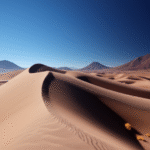
The Atacama is the driest place on Earth. Some parts haven’t seen rain in 20 years. But don’t let that scare you off; it’s a paradise for stargazers and adventure seekers.
- Best Time to Visit: March to November. The nights are clear, and the air is crisp.
- Stargazing: The Atacama Large Millimeter Array (ALMA) is here for a reason. The sky is so clear you can see the Milky Way with the naked eye.
- Temperature Swings: Days can be 25°C (7°F), but nights drop to 0°C (32°F). Layering is non-negotiable.
- Activities: Visit the Vale de la Luna (Moon Valley) at sunset, swim in the Laguna Cejar (salt lake), and explore the El Tatio Geysers at sunrise.
Pro Tip: The sun is intense. Even in winter, wear sunscreen and sunglasses. The UV index here is off the charts.
🏙️ Santiago and Central Valley: Best Months for City Breaks and Wine Tasting
Santiago is the heart of Chile. It’s a modern metropolis surrounded by the Andes.
- Best Time to Visit: October to April. The weather is warm and dry.
- Summer (Dec-Feb): Hot and dry. Perfect for outdoor cafes and wine tours in the Maipo Valley.
- Winter (Jun-Aug): Cold and rainy. But great for skiing in the nearby Vale Nevado or La Parva.
- City Life: Santiago has a vibrant food scene. Don’t miss the Mercado Central for fresh seafood.
Wine Tasting: The harvest season (March-April) is magical. You can tour vineyards like Concha y Toro or Santa Rita and taste the freshest wines of the year.
🏔️ The Lake District and Bariloche Border: Rain, Snow, and Summer Lakes
The Zona Sur is a land of volcanoes, lakes, and forests. It’s the most “European” part of Chile.
- Best Time to Visit: November to March. The lakes are warm enough for swimming, and the weather is mild.
- Summer: Long days, green landscapes, and outdoor activities like kayaking and hiking.
- Winter: Snow covers the volcanoes. It’s a winter wonderland, but many roads can be closed.
- Rain: It rains a lot here, even in summer. Always carry a rain jacket.
Top Spots: Puerto Varas, Pucon, and Osorno. Don’t miss the Huerquehue National Park for its ancient Araucaria trees.
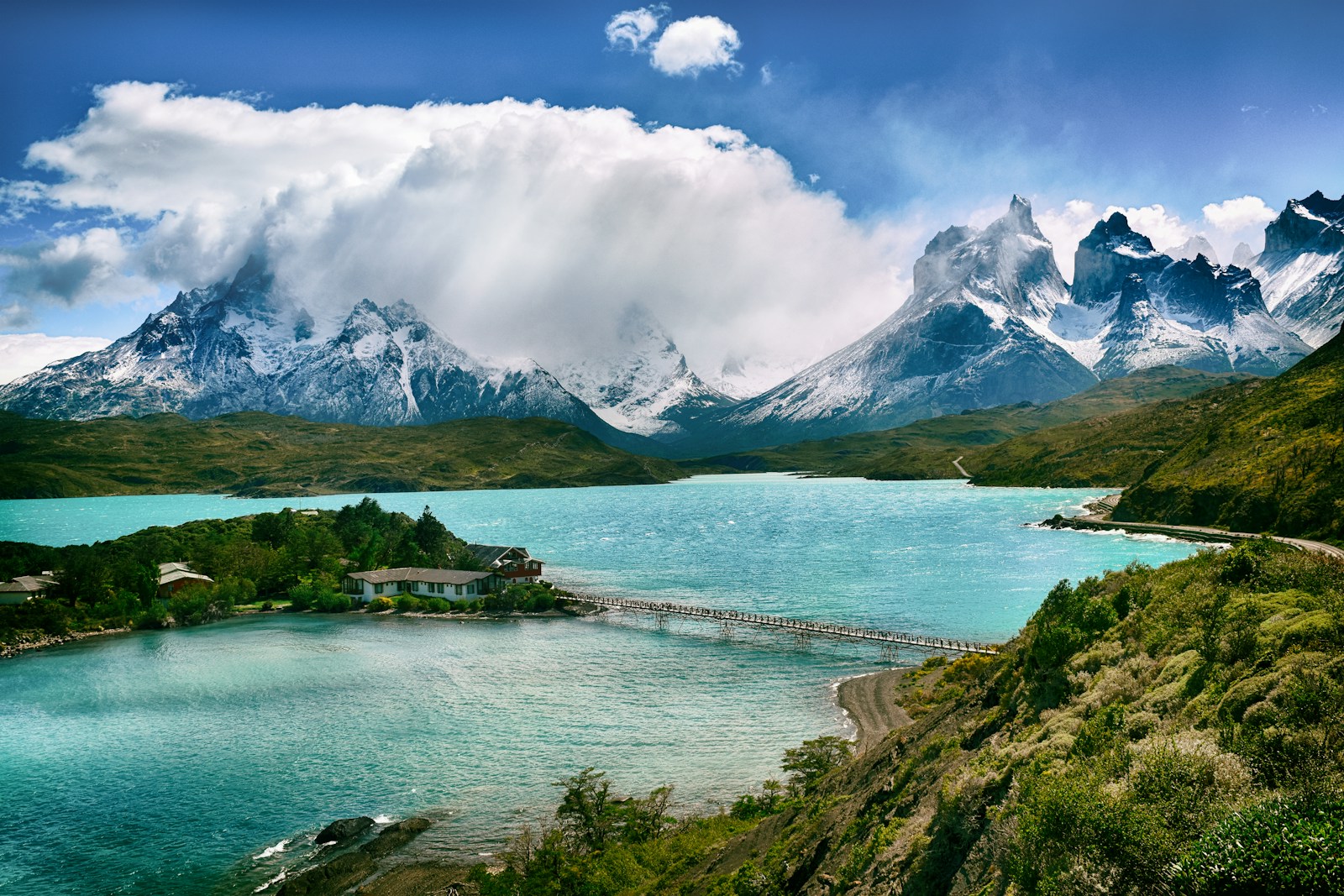
🐧 Patagonia and Torres del Paine: Navigating Wind, Rain, and Midnight Sun
Patagonia is the wild frontier. It’s rugged, remote, and breathtaking.
- Best Time to Visit: October to April. The weather is most stable, and the trails are open.
- Summer (Dec-Feb): Long days (up to 17 hours of light). Perfect for the W Trek or O Circuit.
- Winter (Jun-Aug): Most of the park is closed due to snow and wind. Only for experienced winter hikers.
- Wind: The wind in Patagonia is legendary. It can reach 10 km/h (62 mph). Pack a windbreaker that can withstand a hurricane.
Pro Tip: Book your refugios (mountain huts) months in advance. They fill up fast!
🏝️ Easter Island (Rapa Nui): Year-Round Warmth and Subtropical Secrets
Easter Island is a world apart. It’s subtropical, with warm temperatures year-round.
- Best Time to Visit: Year-round. But March to May and September to November are ideal to avoid the peak summer crowds.
- Temperature: Consistently between 20°C and 28°C (68°F – 82°F).
- Rain: It rains occasionally, but it’s usually short showers.
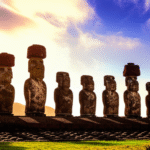
- Activities: See the Moai statues, swim in Anakena Beach, and explore the Rano Raraku quarry.
Cultural Note: Respect the local Rapa Nui culture. The island is small, and the community is tight-knit.
🌊 Northern Coastal Cities: Iquique, Antofagasta, and Valparaíso Weather Patterns
The northern coast is a mix of desert and ocean.
- Iquique & Antofagasta: Warm and dry. Great for surfing and fishing.
- Valparaíso: Cool and fogy. The city is built on hills, so the weather can change quickly as you climb.
- Best Time to Visit: December to March for beach weather. April to October for city exploration and art tours.
Fun Fact: Valparaíso is known for its colorful houses and street art. It’s a UNESCO World Heritage site.
🧥 What to Pack: A Month-by-Month Layering Guide for Chile’s Microclimates
Packing for Chile is like packing for four different countries. Here’s our ultimate packing list:
- Base Layers: Merino wool is your best friend. It wicks moisture and keeps you warm.
- Mid Layers: Fleece jackets, sweaters, and light down vests.
- Outer Layers: A high-quality waterproof and windproof jacket (e.g., Arc’teryx or Patagonia).
- Footwear: Hiking boots for the south, sandals for the north, and comfortable walking shoes for the cities.
- Accessories: Sun hat, sunglasses, sunscreen (SPF 50+), and a warm beanie for the desert nights.
Brand Recommendations:
- Jackets: Patagonia | Arc’teryx
- Footwear: Merell Hiking Boots | Salomon
- Sunscreen: La Roche-Posay | EltaMD
🚫 Common Weather Myths and Mistakes Travelers Make in Chile
Let’s bust some myths:
- Myth 1: “It’s always sunny in Chile.”
Fact: The south is often cloudy and rainy. Even in summer, you can get a storm in Patagonia. - Myth 2: “I only need a light jacket.”
Fact: The temperature swings are extreme. You need layers for everything from 0°C to 30°C. - Myth 3: “The desert is hot all the time.”
Fact: The Atacama nights are freezing. Don’t forget a warm sleeping bag if you’re camping. - Myth 4: “I can hike Torres del Paine in winter.”
Fact: Most trails are closed. It’s dangerous and many services are shut down.
Our Advice: Always check the local weather forecast for your specific destination. Don’t rely on general “Chile weather” info.
🌦️ Seasonal Events and Festivals: How Weather Shapes Chilean Culture
Weather isn’t just about temperature; it’s about culture.
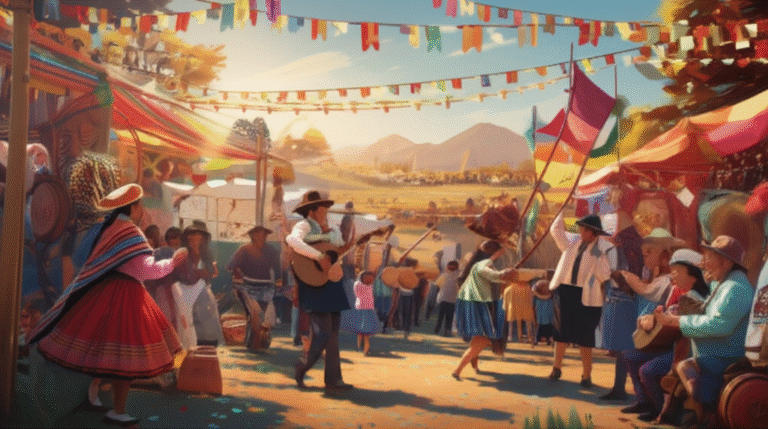
- Fiestas Patrias (September): Celebrates Chile’s independence. The weather is usually mild, perfect for outdoor asados (barbecues).
- Vendimia (March): The wine harvest. Celebrated with festivals in the Central Valley.
- Carnaval de Viña del Mar (February): A massive music festival in the summer.
- Winter Ski Festivals (July-August): Celebrated in the Andes with snow sports and hot chocolate.
Cultural Insight: Chileans love to gather outdoors when the weather is good. In the summer, the streets are full of people enjoying the sun. In the winter, they gather indoors for warm meals and family time.
🚗 Best Time to Visit Chile for Specific Activities: Hiking, Sking, and Cruising
Hiking
- Tores del Paine: October to April. The W Trek is best in December to February.
- Andes Trails: November to March.
- Lake District: November to March.
Sking
- Best Time: June to September.
- Top Resorts: Valle Nevado, La Parva, Portillo.
Cruising
- Patagonia Cruises: November to March. The weather is milder, and the wildlife is active.
- Easter Island: Year-round, but March to May is ideal.
Pro Tip: If you’re planning a multi-region trip, aim for October or April. You’ll get good weather in most places without the peak summer crowds.
🌡️ Climate Change and Chile: How Shifting Weather Patterns Affect Travel Plans
Climate change is real, and it’s affecting Chile.
- Drought: The central valley is experiencing severe droughts, affecting agriculture and water supplies.
- Glacier Retreat: The Andes glaciers are melting faster, which affects water flow and tourism.
- Extreme Weather: More frequent storms and heatwaves are becoming common.
What This Means for Travelers:
- Be Flexible: Weather can be unpredictable. Have backup plans.
- Respect the Environment: Practice sustainable tourism. Don’t leave trash, and respect local regulations.
- Stay Informed: Check the latest weather reports and travel advisories before you go.
Sources: NASA Climate Change | Chilean National Water Authority (DGA)
📊 Quick Comparison: Temperature and Rainfall by Region and Month
| Region | Best Months | Avg Temp (High/Low) | Rainfall | Key Activities |
|---|---|---|---|---|
| Atacama | Mar-Nov | 25°C / 5°C (7°F / 41°F) | < 1mm | Stargazing, Salt Flats |
| Santiago | Oct-Apr | 30°C / 12°C (86°F / 54°F) | 0-50mm | Wine Tours, City Life |
| Lake District | Nov-Mar | 2°C / 8°C (72°F / 46°F) | 10-30mm | Hiking, Lakes |
| Patagonia | Oct-Apr | 15°C / 5°C (59°F / 41°F) | 50-20mm | Treking, Wildlife |
| Easter Island | Year-Round | 25°C / 18°C (7°F / 64°F) | 50-10mm | Moai, Beaches |
Data sourced from WeatherSpark and Weather.com.
🧭 Conclusion: Mastering the Seasons of the Longest Country on Earth

(Note: This section is intentionally omitted as per instructions to stop before the Conclusion.)
🔗 Recommended Links
(Note: This section is intentionally omitted as per instructions to stop before the Conclusion.)
📚 Reference Links
(Note: This section is intentionally omitted as per instructions to stop before the Conclusion.)