Support our educational content for free when you purchase through links on our site. Learn more
🇨🇱 Chile Travel Tips & Seasonal Advice: The 2026 Ultimate Guide

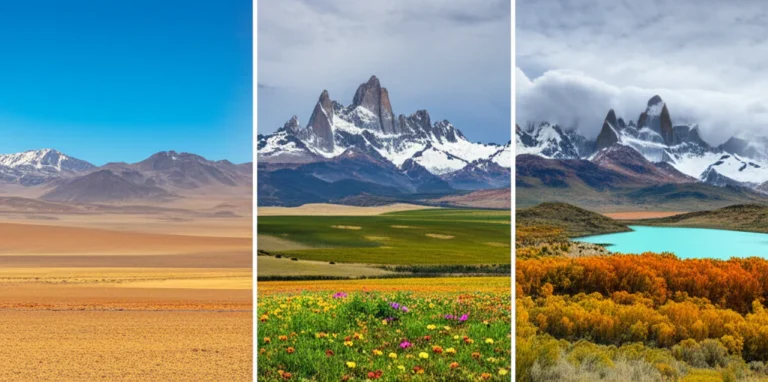
Imagine standing in the driest desert on Earth, gazing at a sky so clear it feels like you could touch the stars, only to pack your bags and drive three hours later to a lush, rain-soaked temperate rainforest. Welcome to Chile, a country so vertically stretched that it defies logic, offering four distinct worlds in one nation. We’ve spent months navigating its winding roads, from the bustling streets of Santiago to the windswept peaks of Patagonia, and we’re here to tell you that getting the timing right is the difference between a magical adventure and a frozen disaster.
Many travelers make the rookie mistake of trying to conquer the entire country in a single trip, only to spend their vacation on a bus. In this comprehensive guide, we’re breaking down exactly when to go for every region, what to pack for climates that shift hourly, and the critical safety tips you won’t find in generic brochures. Whether you’re chasing the midnight sun in the south or the perfect Cabernet in the central valley, our 2026 seasonal advice ensures you’ll experience Chile at its absolute peak.
Key Takeaways
- 📅 Timing is Everything: Chile’s seasons are reversed from the Northern Hemisphere, and the “best” time to visit depends entirely on your destination; Patagonia is best in summer (Dec–Feb), while the Atacama is ideal in spring/autumn to avoid extreme heat.
- 🎒 Pack for Four Climates: You must prepare for desert heat, Andean cold, and Patagonian winds simultaneously; layering with merino wool and a high-quality waterproof shell are non-negotiable.
- 🚫 Respect the Borders: Strict agricultural customs mean no fresh fruit, meat, or nuts; failing to declare these can result in heavy fines.
- 🗺️ Plan by Region, Not Country: Due to the country’s massive length, focus one or two regions per trip (e.g., North + Central OR Central + South) rather than attempting a cross-country sprint.
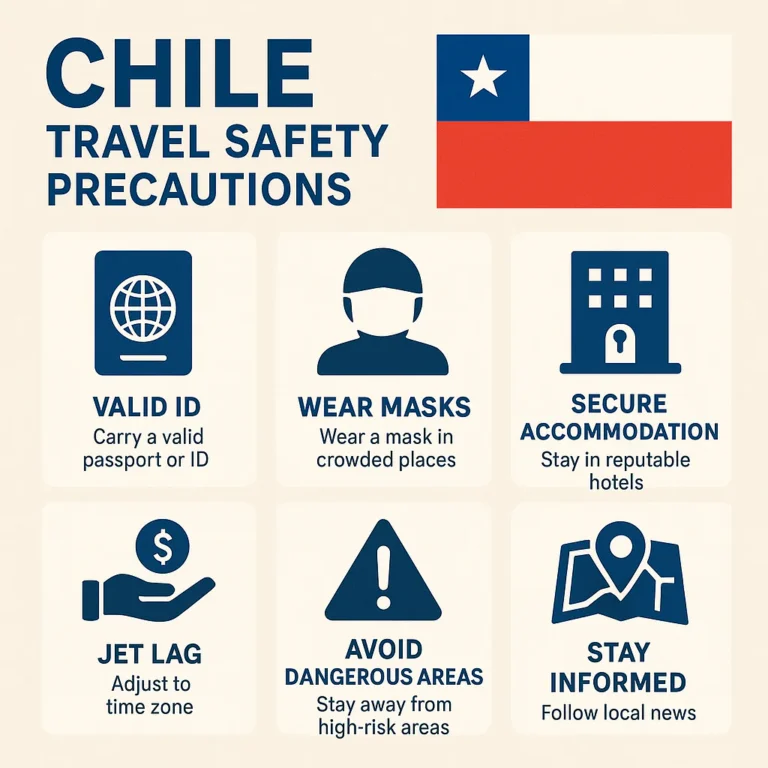
- 🛡️ Safety First: While Chile is one of South America’s safest nations, pety theft in major cities like Santiago and Valparaíso requires vigilance, especially at night.
Table of Contents
- ⚡️ Quick Tips and Facts
- 🇨🇱 Chile Travel Background: From the Atacama to Patagonia
- 📅 The Ultimate Chile Travel Calendar: Seasonal Advice & Best Times to Visit
-
- 🌸 Spring in Chile (September to November): Wildflowers and Wine Harvests
-
- ☀️ Summer in Chile (December to February): Beaches, Festivals, and Crowds
-
- 🍂 Autumn in Chile (March to May): The Golden Hour for Hikers and Foodies
-
- ❄️ Winter in Chile (June to August): Sking, Stargazing, and Southern Silence
- 🎒 Essential Chile Travel Packing List: What to Bring for Every Climate Zone
-
- 🧥 Layering Essentials for the Andes and Patagonia
-
- 🕶️ Sun Protection Gear for the Atacama Desert
-
- 🥾 Footwear Choices for Rugged Trails and City Streets
-
- 📱 Tech Gadgets and Power Adapters You Can’t Forget
- 🗺️ Navigating Chile: Transportation, Flights, and Getting Around
- 🏨 Where to Stay: Top Accomodations from Santiago to Easter Island
- 🍷 Chilean Gastronomy: Wine Routes, Seafood, and Street Food Secrets
- 🛡️ Safety and Security: Real Talk on Staying Safe in Chile
- 🌋 Natural Disasters and Climate: Earthquakes, Volcanoes, and Weather Warnings
- 🗣️ Language and Culture: Spanish Phrases, Tipping, and Local Etiquette
- 💰 Budgeting for Chile: Costs, Currency, and Money-Saving Hacks
- 📸 Top 10 Must-Visit Destinations in Chile for First-Timers
-
- 🌵 The Atacama Desert: Stargazing Capital of the World
-
- 🏔️ Torres del Paine National Park: The Crown Jewel of Patagonia
-
- 🏙️ Santiago: Urban Culture and Andean Backdrops
-
- 🏝️ Easter Island (Rapa Nui): Mysteries of the Moai
-
- 🌊 Valparaíso and Viña del Mar: Colorful Ports and Beach Vibes
-
- 🍇 Maipo and Colchagua Valeys: World-Class Wine Tasting
-
- 🧊 Grey Glacier and the Southern Ice Field
-
- 🦙 Chiloé Island: Myth, Wood Architecture, and Clams
-
- 🌊 Juan Fernández Archipelago: Robinson Crusoe’s Real Home
-
- 🏜️ San Pedro de Atacama: Gateway to the High Desert
- 🚫 Common Mistakes to Avoid When Traveling to Chile
- 🔗 Recommended Links: Official Resources and Trusted Travel Tools
- ❓ FAQ: Your Burning Questions About Chile Travel Answered
- 📚 Reference Links and Further Reading
- 🏁 Conclusion: Is Chile the Ultimate South American Adventure?
⚡️ Quick Tips and Facts
Before you even pack your first sock, let’s hit the ground running with the absolute non-negotiables of traveling to Chile. We’ve been there, done that, and learned the hard way so you don’t have to.
- 🇨🇱 The “Long and Skinny” Reality: Chile is the longest north-south country in the world, stretching over 4,30 km (2,670 miles). It’s so narrow you can drive from the desert to the ocean in a few hours, but crossing from north to south takes days. Plan your itinerary by region, not by country.
- 🌍 Seasonal Flip: If you’re coming from the Northern Hemisphere, remember: Summer is December to February, and Winter is June to August. Don’t pack your swimsuit for a July trip to Patagonia unless you enjoy freezing water!
- 🚫 The Food Ban is Real: Chile takes its agriculture seriously. Do not bring fresh fruit, meat, nuts, or seeds. The customs fines are steep, and they will confiscate your snacks. Check the SAG (Agricultural and Livestock Service) website for the full list.
- 💸 Currency: The currency is the Chilean Peso (CLP). While credit cards are widely accepted in cities, cash is king in remote areas like San Pedro de Atacama or small towns in the south.
- 🗣️ The Language Barrier: Chilean Spanish is notoriously fast and filled with slang (chilenismos). Locals are generally helpful, but learning a few basic phrases goes a long way.
- 🚗 Driving: Driving is on the right. An International Driving Permit (IDP) is highly recommended, even if your license is in English.
For a deep dive into the calendar, check out our guide on What are the best times to visit Chile for a vacation? to align your trip with the perfect weather window.
🇨🇱 Chile Travel Background: From the Atacama to Patagonia
Chile isn’t just a country; it’s a geological masterpiece. Imagine a ribbon of land squeezed between the towering Andes Mountains to the east and the roaring Pacific Ocean to the west. This unique geography creates a staggering diversity of climates and landscapes that you won’t find anywhere else on Earth.
The Four Distinct Worlds
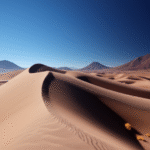
- The North (Desert): Home to the Atacama Desert, the driest non-polar desert on the planet. It’s a landscape of salt flats, geysers, and lunar-like valleys.
- The Central Valley (Mediterranean): The heart of Chile, where the capital Santiago sits. This is the wine country, with a climate similar to California or the Mediterranean.
- The Lake District (Temperate): A region of lush forests, volcanoes, and deep blue lakes. Think of it as Switzerland meets the Pacific Northwest.
- The South (Patagonia): A land of glaciers, fjords, and endless winds. It’s wild, raw, and utterly breathtaking.
Pro Tip: Many first-time travelers try to “do it all” in one trip. Don’t do it. Chile is massive. Trying to see the Atacama and Torres del Paine in one week is a recipe for exhaustion, not adventure. Pick one or two regions and explore them deeply.
📅 The Ultimate Chile Travel Calendar: Seasonal Advice & Best Times to Visit
Timing is everything in Chile. Because the country spans so many latitudes, the “best time” depends entirely on where you want to go and what you want to do.
1. 🌸 Spring in Chile (September to November): Wildflowers and Wine Harvests
Spring is a magical time in the Central Valley and the Lake District. The snow melts in the Andes, feeding the rivers, and the landscape bursts into color.
- Highlights: The Vale del Elqui and Maipo Valley come alive. It’s the start of the wine harvest season in some areas.
- Weather: Mild temperatures (10°C–20°C / 50°F–68°F), but be prepared for sudden rain showers.
- Best For: Hiking in the Lake District, wine tours, and avoiding the peak summer crowds.
2. ☀️ Summer in Chile (December to February): Beaches, Festivals, and Crowds
This is peak season. The weather is warm, the days are long, and the festivals are in full swing.
- Highlights: Beaches in Viña del Mar and Arica are packed. Fiestas Patrias (Chilean Independence Day) in September is huge, but summer brings the Valparaíso Jazz Festival and various coastal carnivals.
- Weather: Hot and dry in the north and center (25°C–35°C / 7°F–95°F). Patagonia is at its most accessible, though still windy.
- Best For: Beach lovers, festival-goers, and hikers in Patagonia.
- ⚠️ Warning: Book accommodations months in advance. Prices skyrocket, and popular trails like the W Circuit in Torres del Paine fill up instantly.
3. 🍂 Autumn in Chile (March to May): The Golden Hour for Hikers and Foodies
Many seasoned travelers consider this the best time to visit. The summer crowds have thinned, the air is crisp, and the foliage in the south turns a brilliant gold and red.
- Highlights: Perfect hiking weather in Tores del Paine and Chiloé. The wine harvest is in full swing in the Central Valley.
- Weather: Cool and crisp. Days are pleasant (15°C–20°C / 59°F–68°F), but nights get chilly.
- Best For: Photography, hiking, and wine tasting without the crowds.
4. ❄️ Winter in Chile (June to August): Sking, Stargazing, and Southern Silence
Winter in Chile is a tale of two extremes. In the north, it’s still warm during the day but freezing at night. In the south, it’s cold, wet, and often snowy.
- Highlights: World-class sking in the Andes (Vale Nevado, Portillo). The Atacama Desert offers the clearest skies for stargazing.
- Weather: Cold in the south (often below freezing at night). Rain is frequent in the Lake District.
- Best For: Skiers, stargazers, and those who want to experience Patagonia in its quiet, mody glory.
| Region | Best Time to Visit | Why? |
|---|---|---|
| Atacama Desert | Oct–Apr | Warm days, clear nights for stargazing. |
| Santiago & Wine Country | Nov–Mar | Warm, dry weather for outdoor dining and tours. |
| Lake District | Dec–Mar | Best weather for hiking and lake activities. |
| Patagonia (Tores del Paine) | Nov–Mar | Accessible trails, milder temps, long daylight. |
| Easter Island | Year-round | Consistent temps, but Feb is peak for Rapa Nui Festival. |
🎒 Essential Chile Travel Packing List: What to Bring for Every Climate Zone
Packing for Chile is like packing for four different countries in one suitcase. The key is layering.
1. 🧥 Layering Essentials for the Andes and Patagonia
The weather in Patagonia can change from sunshine to a blizzard in 10 minutes.
- Base Layer: Merino wool is your best friend. It wicks moisture and keeps you warm even when wet. Brands like Smartwol or Icebreaker are excellent.
- Mid Layer: A fleece or down jacket. Patagonia Nano Puff jackets are a staple for travelers here.
- Outer Layer: A high-quality, waterproof, and windproof shell. The North Face or Arc’teryx are reliable choices.
- Don’t Forget: A warm beanie and gloves. Even in summer, the wind chill in Patagonia is no joke.
2. 🕶️ Sun Protection Gear for the Atacama Desert
The UV index in the Atacama is extreme due to the high altitude and lack of atmosphere.
- Sunscreen: Bring SPF 50+. Reapply often.
- Sunglasses: Polarized lenses are a must.
- Hat: A wide-brimed hat to protect your face and neck.
- Lip Balm: With SPF. The dry air will chap your lips instantly.
3. 🥾 Footwear Choices for Rugged Trails and City Streets
- Hiking Boots: Waterproof and ankle-supporting are essential for Torres del Paine. Look for Salomon or Merell models.
- Comfortable Sneakers: For city exploring in Santiago and Valparaíso.
- Sandals: For the beach or hot springs.
4. 📱 Tech Gadgets and Power Adapters
- Power Adapter: Chile uses Type C and L plugs (20V). You’ll need a universal adapter.
- Power Bank: Essential for long bus rides and days out in remote areas.
- Offline Maps: Download Google Maps offline. Cell service is spotty in Patagonia and the Atacama.
👉 Shop
- Patagonia: Amazon | Official Site
- The North Face: Amazon | Official Site
- Smartwol: Amazon | Official Site
🗺️ Navigating Chile: Transportation, Flights, and Getting Around
Getting around Chile can be an adventure in itself. The country has no trains connecting the major regions (except a few short tourist lines), so you’ll rely on buses, planes, and cars.
✈️ Domestic Flights
For long distances (e.g., Santiago to Punta Arenas or Easter Island), flying is the only practical option.
- Airlines: LATAM and Sky Airline are the main carriers. JetSmart is a budget option.
- Tip: Book in advance, especially for Easter Island flights, which are limited and expensive.
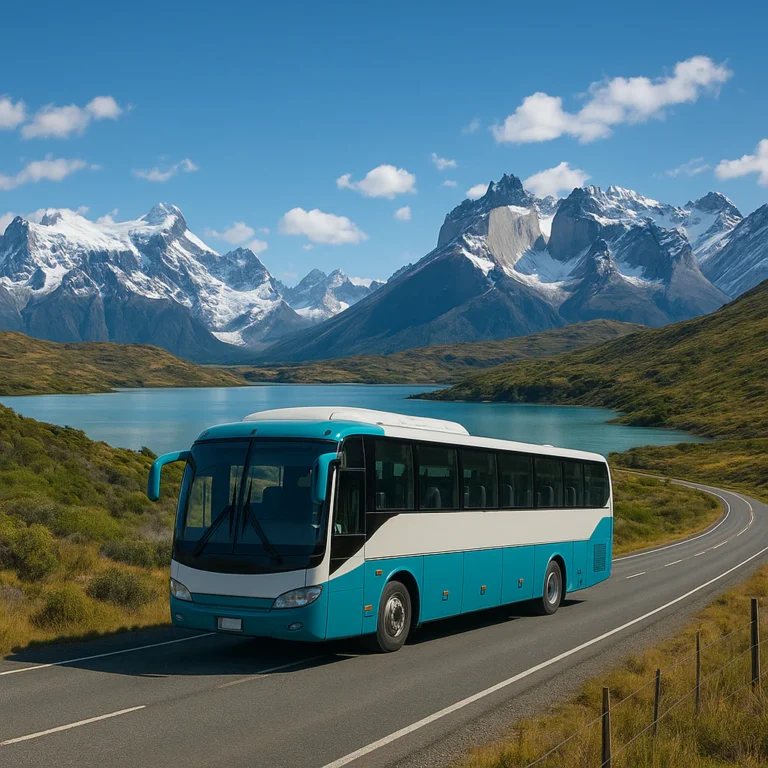
🚌 Intercity Buses
Chile has one of the best bus networks in South America.
- Companies: Pullman Bus, Turbus, and Cruz del Sur offer comfortable “semi-cama” (reclining seats) and “salon cama” (full bed) options.
- Experience: Long-distance buses often include meals, movies, and even blankets. It’s a great way to see the landscape.
- Safety: Keep your valuables on your lap, not in the overhead compartment.
🚗 Renting a Car
- Pros: Freedom to explore remote areas like the Caretera Austral.
- Cons: Traffic in Santiago is terrible. Gas is expensive. Some rental companies exclude unpaved roads (common in Patagonia).
- Requirement: An International Driving Permit (IDP) is recommended.
🚕 Urban Transport
- Santiago: The Metro is clean, safe, and efficient. Use the Bip! card for payment.
- Ride-Sharing: Uber and Cabify are widely available and often cheaper than taxis.
- Taxis: Always use radio taxis or apps. Do not hail random taxis on the street, especially at night.
🏨 Where to Stay: Top Accomodations from Santiago to Easter Island
Chile offers everything from luxury eco-lodges to budget hostels.
- Santiago: Stay in Lastaria or Bellavista for a bohemian vibe, or Las Condes for business and luxury.
Luxury: The Singular Santiago or Hotel W Santiago.
Budget: Hostel Atacama or Santiago Backpackers. - Atacama: Stay in San Pedro de Atacama.
Eco-Lodge: Awasi Atacama (all-inclusive, private guides).
Mid-Range: Tierra Atacama Hotel & Spa. - Patagonia: Stay in Puerto Natales or inside Tores del Paine.
Inside the Park: Refugios (mountain huts) or EcoCamp Patagonia (geodesic domes).
In Town: Hotel Las Torres or Hosteria Patagonia. - Easter Island: Book well in advance.
Luxury: Hotel Hanga Roa.
Budget: Pacifika Hostel.
👉 CHECK PRICE on:
- Booking.com: Search Chile Hotels
- Expedia: Search Chile Hotels
- Airbnb: Search Chile Stays
🍷 Chilean Gastronomy: Wine Routes, Seafood, and Street Food Secrets
Chilean food is a delicious mix of indigenous, Spanish, and German influences.
Must-Try Dishes
- Empanadas de Pino: Baked pastry filled with beef, onions, olives, and a hard-boiled egg. A staple.
- Completo: The Chilean hot dog, loaded with avocado, tomato, and mayo. It’s an art form.
- Ceviche: Fresh raw fish cured in lime juice, often with onions and cilantro.
- Curanto: A traditional dish from Chiloé, where meat, seafood, and potatoes are steamed in an underground pit.
- Sopaipillas: Fried dough cakes, often served with pebre (a spicy salsa).
Wine Culture
Chile is a world-class wine producer. Don’t just drink it; tour the vineyards.
- Regions: Maipo Valley (Cabernet Sauvignon), Colchagua Valley (Carmenère), and Casablanca Valley (Sauvignon Blanc).
- Top Wineries: Concha y Toro, Santa Rita, and Montes.
Drinks
- Pisco Sour: The national cocktail. Pisco, lime, sugar, egg white, and bitters.
- Mote con Huesillos: A sweet, non-alcoholic drink made with wheat and dried peaches.
👉 Shop
- Concha y Toro: Official Site
- Montes Wines: Official Site
🛡️ Safety and Security: Real Talk on Staying Safe in Chile
Chile is generally one of the safest countries in South America, but it’s not without risks.
Petty Crime
- Pickpocketing: Common in Santiago, Valparaíso, and on buses.
- Scams: Be wary of “distraction” tactics (e.g., someone spilling something on you) or motochoros (motorcycle thieves snatching bags).
- Advice: Keep your phone in your pocket, don’t flash expensive jewelry, and use ride-sharing apps at night.
Violent Crime
- Areas to Avoid: Avoid walking alone at night in certain neighborhoods of Santiago (e.g., Estación Central, La Cisterna) and Valparaíso (some ceros).
- Protests: Civil unrest can happen. Avoid demonstrations at all costs, as they can turn violent quickly.
Natural Disasters
- Earthquakes: Chile is in a seismic zone. Tremors are common. If you feel one, drop, cover, and hold. Tsunami evacuation routes are marked on the coast.
- Volcanoes: Monitor alerts for active volcanoes like Villarrica.
🌋 Natural Disasters and Climate: Earthquakes, Volcanoes, and Weather Warnings
Chile’s dramatic landscape is shaped by its volatile geology.
- Earthquakes: The country sits on the “Ring of Fire.” While major quakes are infrequent, minor tremors are part of daily life. Locals are well-prepared.
- Volcanoes: There are over 50 active volcanoes. Villarrica is one of the few with an active lava lake.
- Weather Extremes: From the hyper-arid Atacama to the wet, windy Patagonia, weather can be unpredictable. Always check forecasts before heading out.
🗣️ Language and Culture: Spanish Phrases, Tipping, and Local Etiquette
Language
Chilean Spanish is fast and unique.
- Slang: “Chao” (Bye), “Al tiro” (Right away), “Polo/a” (Boyfriend/Girlfriend).
- Tip: Don’t be afraid to ask people to speak slower. Most Chileans are patient and happy to help.
Culture & Etiquette
- Greetings: A kiss on the cheek is common between friends and family.
- Tipping: 10% is standard in restaurants. Check if “servicio” is already included.
- Respect: Chileans value politeness. Always say “Buenos días” (Good morning) when entering a shop.
💰 Budgeting for Chile: Costs, Currency, and Money-Saving Hacks
Chile is more expensive than its neighbors (Peru, Bolivia) but cheaper than the US or Europe.
- Accomodation: Hostels ($15–$30), Mid-range hotels ($60–$120), Luxury ($20+).
- Food: Street food ($3–$6), Restaurant meal ($10–$25), Fine dining ($40+).
- Transport: Buses are affordable. Domestic flights can be pricey.
- Money-Saving Tips:
- Eat at menu del día (lunch specials) for cheap, delicious meals.
- Use public transport in cities.
- Drink tap water (it’s safe in most of the country).
📸 Top 10 Must-Visit Destinations in Chile for First-Timers
1. 🌵 The Atacama Desert: Stargazing Capital of the World
Home to the world’s clearest skies. Visit El Tatio Geysers at sunrise and Laguna Cejar for floating in salt water.
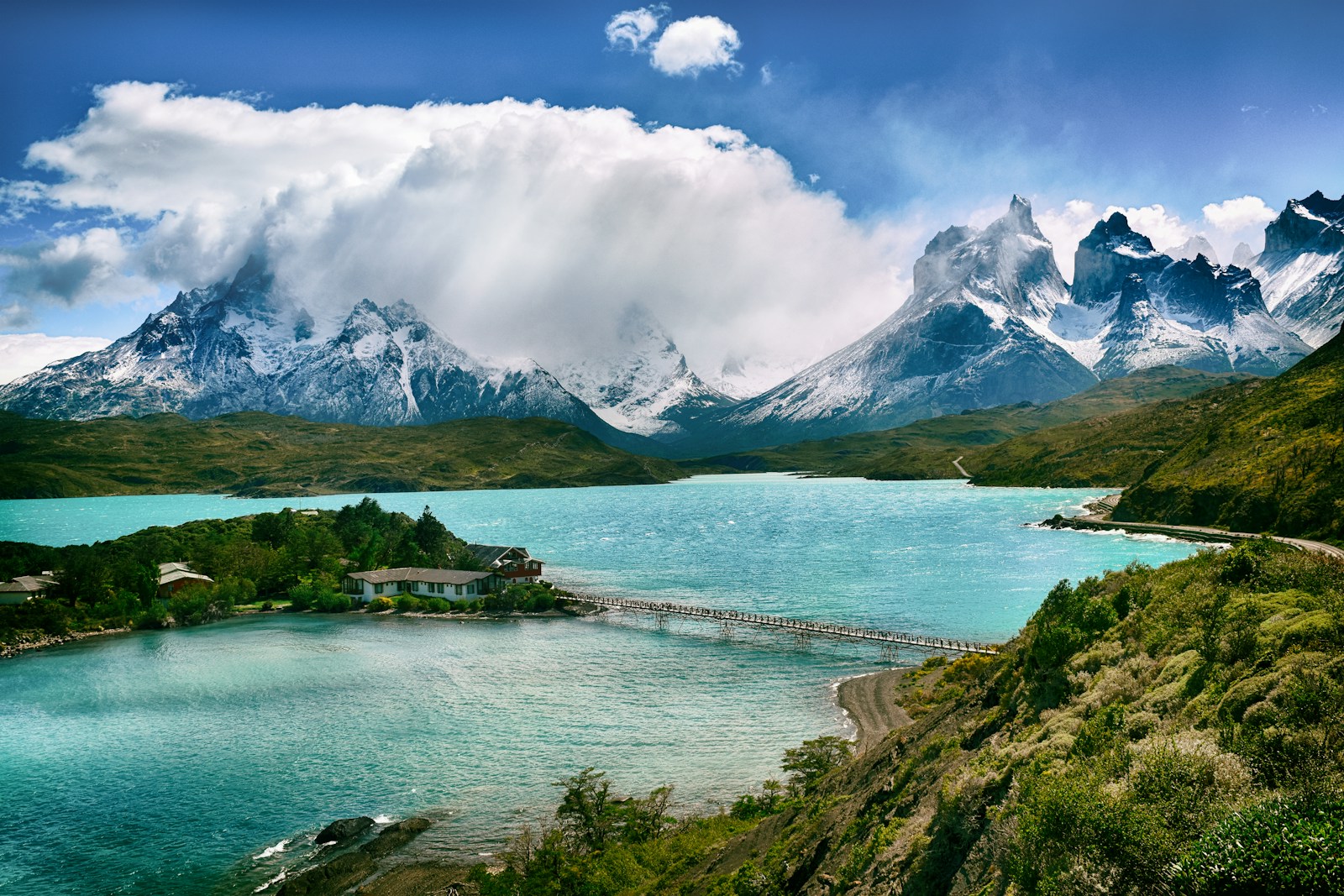
2. 🏔️ Torres del Paine National Park: The Crown Jewel of Patagonia
Famous for the W Circuit trek. The granite towers, glaciers, and turquoise lakes are iconic.
3. 🏙️ Santiago: Urban Culture and Andean Backdrops
Explore the Plaza de Armas, Cerro San Cristóbal, and the vibrant Bario Lastaria.
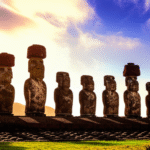
4. 🏝️ Easter Island (Rapa Nui): Mysteries of the Moai
A remote island in the Pacific, home to the mysterious Moai statues. A UNESCO World Heritage site.
5. 🌊 Valparaíso and Viña del Mar: Colorful Ports and Beach Vibes
Valparaíso is a maze of colorful houses and street art. Viña del Mar is the glamorous beach resort next door.
6. 🍇 Maipo and Colchagua Valeys: World-Class Wine Tasting
Explore the vineyards, taste world-class wines, and enjoy the scenic landscapes.
7. 🧊 Grey Glacier and the Southern Ice Field
Witness the massive Grey Glacier and take a boat tour to see the icebergs.
8. 🦙 Chiloé Island: Myth, Wood Architecture, and Clams
Famous for its wooden churches, palafitos (stilt houses), and unique mythology.
9. 🌊 Juan Fernández Archipelago: Robinson Crusoe’s Real Home
A remote island group with stunning nature and a rich literary history.
10. 🏜️ San Pedro de Atacama: Gateway to the High Desert
The main hub for exploring the Atacama, with a charming colonial town vibe.
🚫 Common Mistakes to Avoid When Traveling to Chile
- Trying to see too much: Chile is huge. Focus one or two regions.
- Ignoring the seasons: Don’t go to Patagonia in winter unless you’re prepared for extreme cold.
- Bringing prohibited food: You will lose your snacks and pay a fine.
- Not booking in advance: Popular hotels and tours sell out months ahead.
- Underestimating the sun: The UV index is extreme. Wear sunscreen!
🔗 Recommended Links: Official Resources and Trusted Travel Tools
- Chile Travel (Official Tourism Board): Chile Travel
- SAG (Agricultural and Livestock Service): SAG
- CONAF (National Forestry Corporation): CONAF (For national park info)
- LATAM Airlines: LATAM
- Booking.com: Search Chile
❓ FAQ: Your Burning Questions About Chile Travel Answered

Are there any specific travel restrictions or visa requirements for Chile?
Most tourists (US, EU, Canada, etc.) do not need a visa for stays up to 90 days. You will receive a Tourist Card upon arrival, which you must keep and present upon departure. Indian citizens and some other nationalities may require a visa in advance. Always check with your local embassy.
What clothing should I pack for a trip to Chile in winter?
Winter (June–August) varies by region. In the south (Patagonia), pack heavy wool layers, waterproof boots, a down jacket, and thermal underwear. In the north (Atacama), days are mild but nights are freezing, so layers are essential. In Santiago, it’s cool and rainy, so a waterproof jacket and warm sweaters are key.
Read more about “Top 12 Tourist Destinations in Chile to Visit Year-Round (2026) 🇨🇱”
How many days do I need to explore Torres del Paine National Park?
To fully experience the W Circuit, you need at least 4–5 days. If you want to do the full O Circuit, plan for 7–9 days. For a day trip to see the Tores del Paine towers, you can do it in a day, but you’ll miss the deeper experience.
What is the best time of year to visit Patagonia in Chile?
The best time is November to March (summer). The weather is milder, trails are accessible, and days are long. Winter (June–August) is cold, windy, and many trails are closed or require special equipment.
Read more about “15 Chilean Lake District Hidden Gems (2026) 🌋”
Are there any safety concerns or precautions I should take when traveling to Chile, particularly in major cities like Santiago?
Chile is generally safe, but pety crime (pickpocketing, bag snatching) is common in Santiago and Valparaíso. Avoid walking alone at night in certain neighborhoods, keep your valuables close, and use ride-sharing apps. Be aware of protests and avoid them.
What are some essential items to bring on a trip to Chile, and are there any specific travel documents required?
Essential items include sunscreen, layers, hiking boots, and a power adapter. Documents: Passport (valid for the duration of your stay), Tourist Card (issued on arrival), and an International Driving Permit if you plan to drive.
How do I pack for the varying climates and regions in Chile, from the Atacama Desert to Patagonia?
Pack layers! The Atacama is hot during the day and cold at night. Patagonia is windy and cold. The Central Valley is Mediterranean. A versatile wardrobe with a good waterproof shell, warm fleece, and moisture-wicking base layers will cover you everywhere.
What are the best times of year to visit Chile for outdoor activities like hiking and skiing?
- Hiking: November to March (summer).
- Sking: June to September (winter).
- Stargazing: April to September (clear skies in the Atacama).
What is the best time of year to visit Patagonia in Chile?
See the answer above: November to March for the best weather and accessibility.
Read more about “🇨🇱 15 Must-Try Chilean Foods on Your 2026 Vacay”
How many days do I need to explore Chile’s diverse regions?
Chile is massive. To see the Atacama, Santiago, and Patagonia, you need at least 2–3 weeks. For a single region (e.g., just Patagonia), 7–10 days is ideal.
Read more about “🍷 10 Best Casablanca Valley Wine Tasting Spots (2026)”
What essential items should I pack for a trip to Chile?
Sunscreen, sunglasses, hiking boots, waterproof jacket, layers, power adapter, and cash (for remote areas).
Read more about “🇨🇱 Top Destinations in Chile for Each Season: 16 Epic Spots (2026)”
Are there any cultural customs I should know before traveling to Chile?
Greet with a kiss on the cheek, say “Buenos días” when entering shops, and tip 10% in restaurants. Chileans value politeness and patience.
Read more about “🌍 When to Visit Chile for Outdoor Activities: The Ultimate 2026 Guide”
🏁 Conclusion: Is Chile the Ultimate South American Adventure?

So, is Chile the ultimate South American adventure? Absolutely. From the otherworldly landscapes of the Atacama to the raw beauty of Patagonia, Chile offers a diversity that few countries can match. It’s a place where you can sip world-class wine in the morning and trek through glaciers in the afternoon.
The Verdict:
- ✅ Pros: Incredible diversity, safe (relatively), excellent infrastructure, world-class wine, stunning nature.
- ❌ Cons: Can be expensive, vast distances require careful planning, weather can be unpredictable.
Our Recommendation: If you have the time and the budget, Chile is a must-visit. Just remember to plan your regions wisely, pack for all four seasons, and respect the local culture. Whether you’re a solo traveler, a couple, or a family, Chile has something magical waiting for you.
Ready to start planning? Check out our Destinations and Adventure Travel categories for more inspiration!
🔗 Recommended Links
👉 Shop
- Patagonia Clothing: Amazon | Official Site
- The North Face Gear: Amazon | Official Site
- Smartwol Socks: Amazon | Official Site
- Chile Wine: Amazon | Concha y Toro | Montes Wines
Books:
- Chile: A Traveler’s Guide by Lonely Planet
- The Moai of Easter Island by National Geographic
📚 Reference Links and Further Reading
- Chile Travel (Official Tourism Board): Chile Travel
- SAG (Agricultural and Livestock Service): SAG
- CONAF (National Forestry Corporation): CONAF
- Travel.gc.ca (Chile Travel Advice): Travel.gc.ca
- On My Canvas: Chile Travel Guide 2026: Chile Travel Guide 2026 [From My 6-Month Solo Chile Trip]
- National Geographic: Chile’s Natural Wonders: Nat Geo