Support our educational content for free when you purchase through links on our site. Learn more
🌲 Explore Chile’s 109 Natural Parks: The Ultimate 2026 Guide

How can you truly explore Chile’s natural parks and reserves without getting lost in the vastness of a country that stretches 4,30 kilometers? We’ve been there—standing breathless on a windswept Patagonian ridge, wondering if we’d made the right choice, only to be rewarded with a view of a glacier that defies belief. Chile isn’t just a destination; it’s a living laboratory of nature where 21% of the land is protected, offering everything from the driest desert on Earth to the icy giants of the south.
In this comprehensive guide, we’re pulling back the curtain on the 109 state-protected wild areas and the rising stars of private conservation. We’ll reveal the secret to booking the elusive “O” circuit in Torres del Paine, explain why the Route of Parks of Patagonia is more than just a road trip, and share the exact gear that saved us from a Patagonian squall. Whether you’re a seasoned treker or a first-time visitor, this is your roadmap to unlocking the wild heart of Chile.
Key Takeaways
- Master the Booking System: Access to Chile’s most iconic parks like Tores del Paine and Conguillío requires mandatory advance tickets via the official PasesParques platform; last-minute visits are often impossible.
- Public vs. Private: Understand the difference between CONAF-managed public parks (budget-friendly, rugged) and private reserves (luxury, specialized conservation) to tailor your adventure perfectly.
- Seasonality is Critical: Chile’s extreme length means summer in the south (Dec-Mar) is the only time to access many Patagonian trails, while the north is best visited in the cooler months.
- Rewilding Success: Discover how the Route of Parks of Patagonia has transformed 17 national parks into a continuous corridor, supporting local communities and restoring endangered species like the huemul and puma.
- Leave No Trace: Strict regulations on fires, pets, and drones are enforced to protect fragile ecosystems; respecting these rules is non-negotiable for preserving Chile’s wild beauty.
Table of Contents
- ⚡️ Quick Tips and Facts
- 🏔️ From Desert Dunes to Glacial Giants: A History of Chile’s Protected Wild Areas
- 🗺️ The Ultimate Guide to Exploring Chile’s Natural Parks and Reserves
- 🚗 Mastering the Route of Parks: La Ruta de los Parques de Patagonia
- 🌲 Top 10 Must-Visit National Parks and Reserves in Chile
- 🏔️ Torres del Paine: The Crown Jewel of Patagonia
- 🌋 Conguillío: Where Volcanoes Meet Araucaria Forests
- 🦉 Huilo Huilo: A Bioluminescent Wonderland
- 🌊 Tantauco: The Wild Heart of Chiloé
- 🏜️ Lauca: The High-Altitude Altiplano Experience
- 🌊 Puyehue: Hot Springs and Andean Lakes
- 🌲 Vicente Pérez Rosales: The Gateway to the Lakes District
- 🦅 Patagonia National Park: Rewilding the South
- 🌋 Huerquehue: Ancient Forests and Volcanic Views
- 🏝️ Isla Magdalena: Penguins and Coastal Wonders
- 🏕️ Public vs. Private: Navigating Chile’s Conservation Landscape
- 🎒 Essential Gear and Packing List for Chilean Wilderness Adventures
- 🚐 How to Plan Your Itinerary: Self-Drive vs. Guided Tours
- 🌦️ Best Time to Visit Chile’s Natural Parks by Region
- 🚫 Common Mistakes to Avoid When Visiting Chile’s Reserves
- 🌿 Sustainable Travel: How to Leave No Trace in Chile
- 🍽️ Where to Eat and Stay Near Chile’s Top Parks
- 📸 Capturing the Magic: Photography Tips for Chilean Landscapes
- 🚨 Safety First: Wildlife Encounters and Weather Warnings
- 🌍 Discover More Trends on Our Chile Vacay™ Blog
- 💡 What You Should Know Before You Go: Insider Secrets
- ✅ Conclusion
- 🔗 Recommended Links
- ❓ FAQ: Your Burning Questions About Chile’s Parks Answered
- 📚 Reference Links
Welcome, fellow adventurers, to Chile Vacay™! We’re your expert team of travel bloggers, and we’re absolutely thrilled to guide
you through the breathtaking, untamed beauty of Chile’s natural parks and reserves. If you’ve ever dreamt of standing amidst towering volcanoes, trekking through ancient forests, or gazing at colossal glaciers, you’ve come to the right place.
Chile isn’t just a country; it’s an adventure waiting to happen, a vibrant tapestry of ecosystems stretching from the driest desert on Earth to the icy reaches of Patagonia. Ready to dive into the wild? Let’s go
! And for more incredible Chilean adventures, be sure to explore our main hub at Chile Vacay.
⚡️ Quick Tips and Facts
Before
you lace up your hiking boots and grab your camera, let’s arm you with some essential knowledge about exploring Chile’s spectacular protected areas. Trust us, a little preparation goes a long way in ensuring an unforgettable journey!
| Aspect
| Quick Fact
to the National Forest Corporation (CONAF). This vast network includes 46 National Parks, 45 National Reserves, and 18 Natural Monuments, covering an astounding 18.8 million hectares – that’s roughly 21% of Chile’s entire
landmass!
But wait, there’s more! Beyond the state-protected areas, Chile also boasts a growing network of private reserves. These gems often focus on high-quality conservation and ecotourism,
offering unique opportunities to connect with nature. From the arid wonders of the Atacama Desert to the lush Valdivian rainforests and the majestic glaciers of Patagonia, Chile’s protected areas safeguard an incredible array of ecosystems, brimming
with unique flora and fauna.
🏔️ From Desert Dunes to Glacial Giants: A History of Chile’s Protected Wild Areas

The story of Chile’s commitment to preserving its natural heritage is
as rich and varied as its landscapes. For centuries, indigenous communities have lived in harmony with these lands, understanding their delicate balance. However, the formal establishment of protected areas began much later, evolving from early conservation efforts into the comprehensive system we see
today.
The National Forest Corporation (CONAF) was founded in 1970, marking a significant step in the organized administration and protection of Chile’s natural resources. Over the decades, the network of protected areas
has steadily grown, driven by a recognition of Chile’s unique biodiversity and the increasing global awareness of environmental conservation. This expansion has been crucial in safeguarding critical habitats and iconic species, from the elusive Darwin’s fox to the majestic Andean condor.
A pivotal moment in recent history was the creation of the “Route of Parks of Patagonia”, a monumental initiative that consolidated and expanded protected lands in the south. This visionary project, supported by both government and private conservation efforts, has transformed how
we think about and experience Patagonia, prioritizing conservation-based economic development. It’s a testament to a “new way of thinking” about immense natural spaces, where tourism directly contributes to ecosystem protection.
🗺️ The Ultimate Guide to Exploring Chile’s Natural Parks and Reserves
So, you’re ready to explore, but where do you even begin with 109 state-protected areas and numerous private reserves? Don’t worry,
we’re here to help you navigate this natural paradise! The key to a successful Chilean adventure lies in planning, planning, planning!
First things first: online ticketing is mandatory for most public parks administered by CONAF
. You’ll need to purchase your tickets in advance through the official platform, PasesParques.cl. For private reserves, the process is a
bit different; they each have their own independent reservation systems, so always check their official websites for rates and availability.
Seasonality is crucial. Chile’s vast length means different regions have vastly different climates and optimal
visiting times. Always verify opening hours and operational status, especially if you’re traveling outside the peak summer season (December to February). Weather can change rapidly, particularly in Patagonia, so being prepared for all conditions
is not just a recommendation, it’s a necessity!
We’ve personally learned that lesson the hard way, caught in an unexpected Patagonian squall with only a light jacket – never again! Always pack layers, waterproof gear, and sturdy
hiking boots.
🚗 Mastering the Route of Parks: La Ruta de los Parques de Patagonia
Imagine a breathtaking journey stretching 1,700 miles through some of the most pristine landscapes on Earth. That’s the
Route of Parks of Patagonia, a scenic corridor that has been hailed as “the most beautiful scenic route in the world”. From Puerto Montt down to Cape Horn, this incredible route connects **17 National Parks
** across Chilean Patagonia, truly making it the jewel in Chile’s conservation crown.
This isn’t just a road trip; it’s an immersion into a vast, protected wilderness. The Route of Parks safeguards
more than 90% of Chilean land designated as National Park, encompassing over 28 million acres of pristine ecosystems. It’s a sanctuary for 140 species of birds and 4
6 different kinds of mammals, protecting 24 distinct ecosystems.
As the first YouTube video embedded in this article beautifully illustrates, this route is more than just a collection of parks; it’s “a nature-based
solution to reverse the dual climate and extinction crisis” [#featured-video]. It highlights that the region’s North and South Ice Fields form the third largest freshwater reserve globally, and its forests are powerful carbon reservoirs, storing almost three times more
carbon per acre than the Amazon! [#featured-video]
The economic impact is equally impressive. The route actively benefits more than 60 local communities, fostering economic development rooted in conservation and ecologically-minded tourism. Studies show that for every $1 invested in National Parks, $6 to $10 returns to the local economy. This means your visit directly supports the people and places dedicated to preserving this incredible natural
heritage.
“Imagine a route featuring 1,700 miles of pristine landscapes, fragile ecosystems, and diverse local cultures,” as one source eloquently puts it. We couldn’t agree more! Whether you choose
to explore by land or sea, the Route of Parks offers unparalleled opportunities for adventure travel and cultural experiences.
🌲 Top 10 Must-Visit National Parks and Reserves in Chile
Choosing just a few parks in Chile is like trying
to pick your favorite star – they’re all brilliant! But based on our extensive travels and insights, here are ten absolute must-visits that showcase the incredible diversity of Chile’s protected wild areas. Get ready to be inspired!
- 🏔️ Torres del Paine: The Crown Jewel of Patagonia
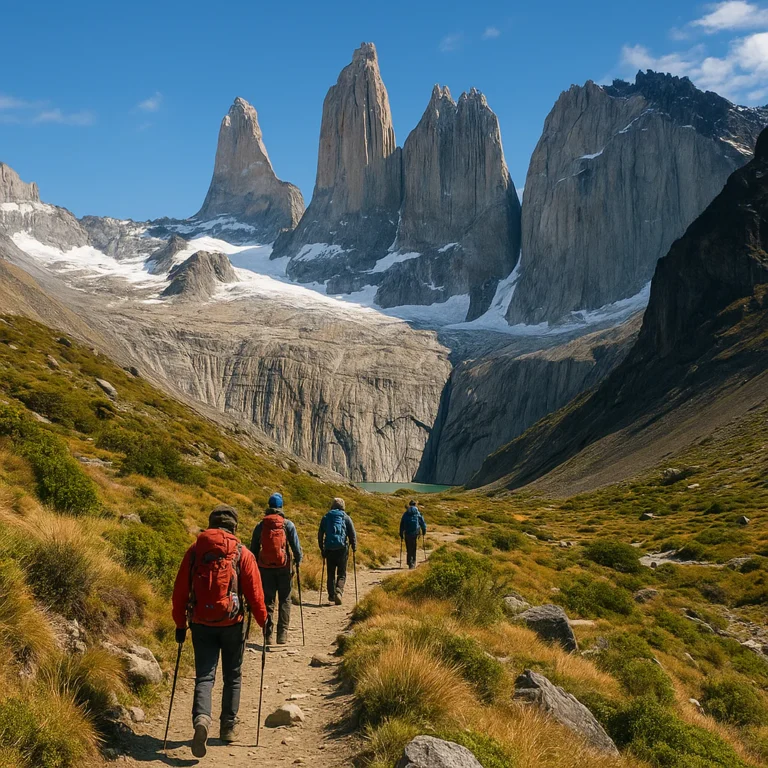
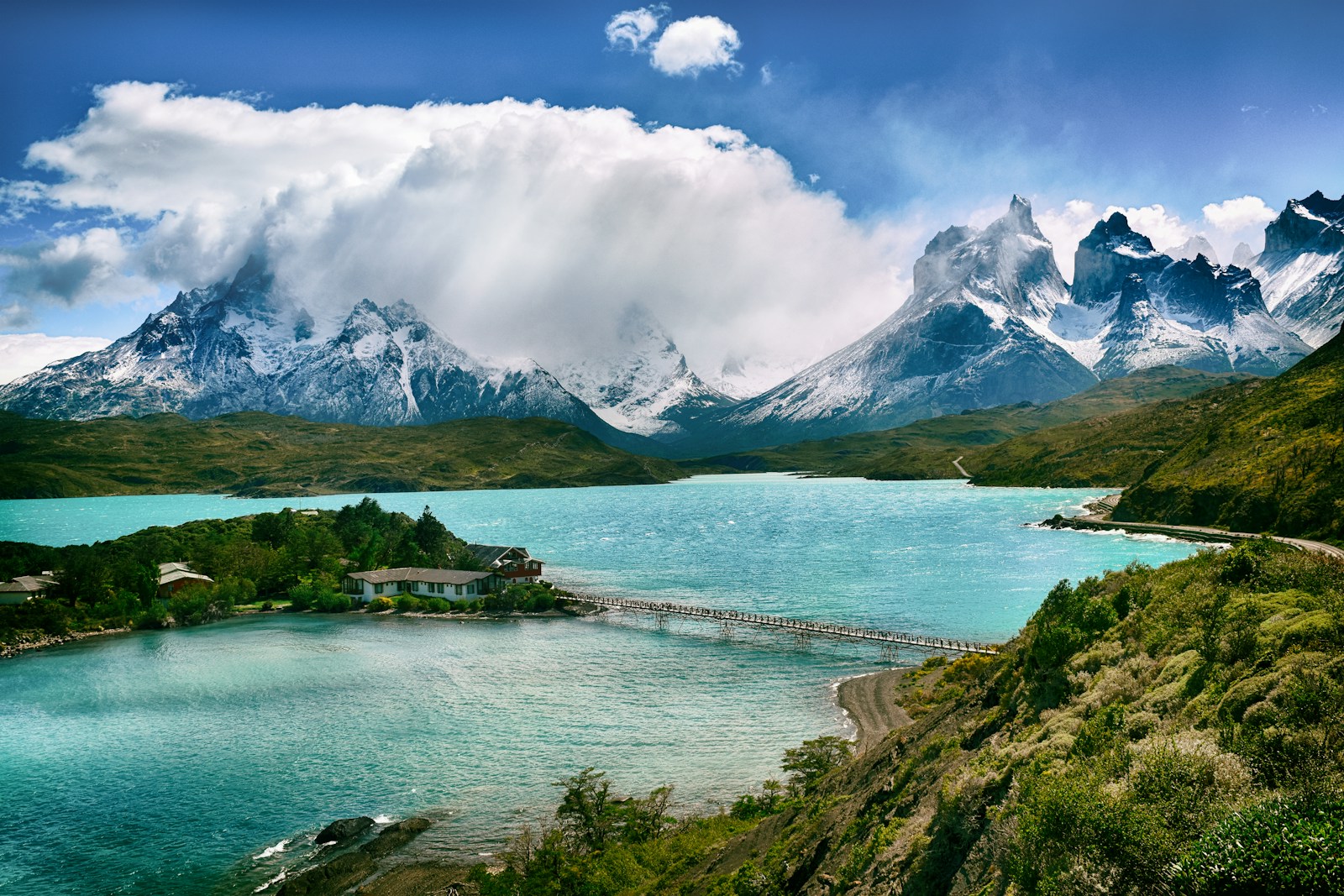
Ah, Torres del Paine National Park! If there’s one park that embodies the rugged, dramatic beauty of Chilean Patagonia, this is it. Located
in the Magallanes Region, it’s a place of iconic majestic mountains, glistening glaciers, and turquoise lakes that will steal your breath away.
Why we love it:
- Iconic Sc
enery: The granite spires of the Torres del Paine, the horn-like Cuernos del Paine, and the vast Grey Glacier are simply unforgettable. We still remember the first time we saw the Torres at dawn, bathed in reddish hues – pure
magic! - Diverse Wildlife: Keep your eyes peeled for guanacos, condors soaring overhead, and if you’re lucky, the elusive puma.
World-Class Hiking:** This is the mecca for trekkers, offering the famous “W” and “O” circuits. These multi-day treks are challenging but incredibly rewarding, taking you through some of the most spectacular landscapes on Earth.
Pro Tip: For the “W” and “O” circuits, you must book camps and shelters months in advance – seriously, months! Don’t show up expecting
to find a spot; you’ll be sorely disappointed.
Activities:
- Hiking the “W” and “O” circuits.
- Boat trips on Grey Lake to see the Grey Glacier up close.
- Photography, especially sunrise and sunset shots of the Paine Massif.
Booking: PasesParques.cl
2. 🌋 Conguillío: Where Volcanoes Meet Araucaria Forests
Venture into the La Araucanía Region, and you’ll discover Conguillío National Park,
a place where ancient history and raw geological power collide. Dominated by the active Llaima Volcano, this park is a living testament to the Earth’s dynamic forces.
Why we love it:
*
Millenary Araucaria Forests: Walking among these ancient “monkey puzzle” trees, some thousands of years old, feels like stepping back in time. They are truly magnificent and unique to this part of the world.
- Volcanic Landscapes: Explore petrified lava rivers and stunning lakes formed by past eruptions, creating a dramatic and otherworldly feel.
- Llaima Volcano: One of Chile’s most active
volcanoes, its presence adds an undeniable thrill to the landscape.
Our Story: One time, we were hiking the Sierra Nevada trail, and the views of Llaima were so clear, it felt like we could
reach out and touch it. The contrast of the dark volcanic rock against the emerald lakes and ancient trees was simply breathtaking.
Activities:
- Hiking the well-marked trails, including the Sierra Nevada trail for panoramic volcano views.
- Kayaking or paddleboarding on the pristine lakes.
- Exploring the unique volcanic formations.
Booking: PasesParques.cl
3. 🦉 Huilo Huilo: A Bioluminescent Wonderland
Deep in the Los Ríos Region lies Huilo Huilo Biological Reserve, a private conservation initiative that feels straight out of a fairy
tale. Spanning over 100,000 hectares of temperate forests, this reserve is dedicated to protecting endangered species like the huemul (Andean deer) and the tiny pudú.
Why we love it:
- Magical Accommodations: Huilo Huilo is famous for its unique, nature-integrated lodges, like the iconic Montaña Mágica Lodge and
the Nothofagus Hotel Spa. Staying here is an experience in itself, blending luxury with the wild. - Biodiversity Hotspot: It’s a fantastic place to spot unique wildlife and immerse
yourself in the rich Valdivian temperate rainforest. - Adventure for All Ages: From canopy walks to hot springs and wildlife viewing, there’s something for everyone.
Our Anecdote: We once stayed at the Montaña
Mágica Lodge, and waking up to the sound of waterfalls cascading down the hotel’s exterior, surrounded by lush forest, was an experience unlike any other. It truly felt like living in an enchanted forest!
Activities:
- Hiking
trails to waterfalls and viewpoints. - Wildlife observation, including the chance to see huemul and pudú.
- Canopy tours, rafting, and horseback riding.
- Relaxing in natural hot springs.
Website & Booking: huilohuilo.com
4. 🌊 Tantauco: The Wild Heart of Chiloé
For
those seeking a truly wild and remote experience, Tantauco Park on Isla Grande de Chiloé in the Los Lagos Region is an absolute must. This private park, almost 180,000 hectares in size,
is a crucial sanctuary for endangered species like Darwin’s fox, the pudú, and various unique bird species.
Why we love it:
- Untouched Wilderness: Tantauco offers a raw
, authentic Patagonian experience, far from the crowds. It’s a place to truly disconnect and immerse yourself in nature. - Endangered Species Haven: The park plays a vital role in the conservation of Darwin’s fox, a
tiny and incredibly rare canid. - Extensive Trail Network: With 150 kilometers of well-marked trails, you can embark on multi-day treks through dense forests and along pristine coastlines.
Activities:
- Hiking and multi-day trekking on extensive trails.
- Boat or kayak rides on tranquil lagoons and rivers.
Camping in equipped areas or staying in rustic shelters.
Website & Booking: parquetantauco.cl
- 🏜️ Lauca: The High-Altitude Altiplano Experience
Heading far north to the Arica y Parinacota Region, you’ll find Lauca National Park, a breathtaking high-altitude
wonderland on the Andean altiplano. This park is a stark contrast to the southern forests and glaciers, offering a unique glimpse into Chile’s desert ecosystems.
Why we love it:
- Lake Chungará: One
of the highest lakes in the world, cradled by towering volcanoes like Parinacota and Pomerape, its azure waters reflect the majestic peaks, creating an iconic, postcard-perfect scene. - Altiplano Wildlife: Home
to vicuñas, llamas, alpacas, and a diverse array of high-altitude birds, including flamingos. It’s a wildlife photographer’s dream! - Indigenous Culture: The park is also home to A
ymara communities, offering a chance to learn about their rich cultural heritage.
Pro Tip: Due to the high altitude (Lake Chungará is over 4,500 meters or 14,700 feet above sea level), it’s essential to acclimatize slowly to avoid altitude sickness. Drink plenty of water and take it easy on your first day.
Activities:
-
Driving the scenic routes, stopping at viewpoints.
-
Wildlife spotting around Lake Chungará and Cotacotani Lagoons.
-
Visiting traditional Aymara villages.
6. 🌊 Puyehue: Hot Springs and Andean Lakes
Nestled in the
Los Lagos Region, Puyehue National Park is a fantastic destination for those who love a mix of adventure and relaxation. This park is renowned for its lush forests, volcanic landscapes, and, most famously, its natural hot springs.
**
Why we love it:**
- Thermal Waters: After a day of hiking, there’s nothing better than soaking in the natural hot springs, like those at Termas de Puyehue. It’s the perfect way to soothe
tired muscles. - Volcanic Scenery: The park is home to the Puyehue-Cordón Caulle volcanic complex, offering dramatic landscapes and a glimpse into geological activity.
- Andean Lakes: Beautiful
lakes like Lago Puyehue and Lago Rupanco provide opportunities for boating, fishing, and simply enjoying the serene views.
Activities:
- Hiking trails through ancient forests.
- Relaxing in natural hot springs.
Water activities on the lakes.
- Skiing in winter at Antillanca.
7. 🌲 Vicente Pérez Rosales: The Gateway to the Lakes District
As Chile’s very first national park, established in 1
926, Vicente Pérez Rosales National Park holds a special place in our hearts. Located in the Los Lagos Region, it’s a stunning gateway to the Chilean Lake District, famous for its dramatic volcanoes and pristine waters
.
Why we love it:
- Osorno Volcano: The conical, snow-capped Osorno Volcano dominates the skyline, offering incredible photographic opportunities and challenging hikes.
- Petrohué Falls: These iconic
waterfalls, where the turquoise waters of the Petrohué River cascade over volcanic rock, are a must-see. - Lago Todos los Santos: Known as “Emerald Lake,” its vibrant green waters are surrounded by lush forests and volcanic peaks
, perfect for boat tours.
Activities:
- Hiking on various trails, including those on Osorno Volcano.
- Visiting Petrohué Falls.
- Boat tours on Lago Todos los Santos, often connecting to
Bariloche, Argentina. - Kayaking and rafting on the Petrohué River.
8. 🦅 Patagonia National Park: Rewilding the South
A newer addition to Chile’s protected areas, Patagonia
National Park in the Aysén Region is a testament to ambitious rewilding efforts, largely spearheaded by Tompkins Conservation Chile. This park is a beacon of hope for conservation, aiming to restore ecosystems and bring back endangered
species.
Why we love it:
- Rewilding Success Story: Witness firsthand the incredible work being done to restore native ecosystems and reintroduce species like the guanaco and huemul.
- V
ast Open Spaces: Experience the sweeping grasslands and dramatic mountains of the Aysén region, offering a sense of true wilderness. - Excellent Infrastructure: The park boasts well-maintained trails, visitor centers, and even some comfortable lodging
options, making it accessible for a range of travelers.
Activities:
- Hiking and trekking through diverse landscapes.
- Wildlife observation, particularly guanacos and various bird species.
- Visiting the park’s museum
and learning about conservation efforts.
9. 🌋 Huerquehue: Ancient Forests and Volcanic Views
Just a short drive from the popular town of Pucón, Huerquehue National Park in the La
Araucanía Region is a gem known for its stunning mountain lakes, cascading waterfalls, and ancient araucaria forests. It’s a fantastic alternative to the more crowded parks, offering serene beauty.
Why we love it:
*
Emerald Lakes and Waterfalls: The park is dotted with beautiful mountain lakes like Lago Tinquilco, Lago Chico, and Lago Verde, often fed by picturesque waterfalls.
- Araucaria Trails: Hike through dense forests of ancient ara
ucaria trees, feeling the immense history underfoot. - Panoramic Views: Many trails lead to viewpoints offering spectacular vistas of the surrounding volcanoes, including Villarrica.
Activities:
- Hiking the popular “Sendero Los
Lagos” trail. - Kayaking or paddleboarding on the lakes.
- Birdwatching in the dense forests.
10. 🏝️ Isla Magdalena: Penguins and Coastal Wonders
For a truly unique wildlife
encounter, a visit to Isla Magdalena National Natural Monument in the Magallanes Region is an absolute must. This small island in the Strait of Magellan is home to one of Chile’s largest Magellanic penguin colonies.
Why we love
it:
- Penguin Paradise: Walk among thousands of Magellanic penguins during their breeding season (typically October to March). It’s an incredible, up-close experience that will melt your heart!
- Coastal
Scenery: The island offers beautiful coastal views and a chance to experience the unique Patagonian marine environment. - Lighthouse History: A historic lighthouse stands on the island, adding to its charm and offering panoramic views.
Our Experience
: We’ll never forget the sheer number of penguins waddling around, completely unfazed by our presence. Just remember to stick to the marked paths and give them their space – they’re wild animals, after all!
Activities:
- Walking the designated path to observe the penguin colony.
- Photography.
- Visiting the lighthouse.
Pro Tip: Access to Isla Magdalena is typically via organized boat tours from Punta Arenas. Book in advance, especially during
peak season!
🏕️ Public vs. Private: Navigating Chile’s Conservation Landscape
When planning your Chilean wilderness adventure, you’ll encounter two main types of protected areas: those administered by the state (CONAF) and private
reserves. Both offer incredible experiences, but understanding their differences is key to a smooth trip.
Public Parks and Reserves (CONAF)
Chile’s state-protected areas, managed by the National Forest Corporation (CONAF)
, form the backbone of the country’s conservation efforts. This network includes 46 National Parks, 45 National Reserves, and 18 Natural Monuments, totaling 109 wild areas.
Key Characteristics:
-
Administration: Governed by CONAF, ensuring standardized regulations and conservation goals across the network.
-
Access: Generally accessible to the public, but mandatory online ticket purchase
in advance via PasesParques.cl is required for most parks. -
Regulations: Strict rules are in place to protect the environment and
ensure visitor safety. This includes strict prohibitions on making fires (except in authorized zones), bringing pets, and using drones. These rules are non-negotiable and are enforced to preserve these fragile ecosystems. -
Facilities: Facilities can range from basic campsites to well-maintained refugios (mountain huts) and visitor centers, especially in popular parks like Torres del Paine.
Private Reserves
Alongside the CONAF network, a growing number
of private reserves offer a different, often more specialized, approach to conservation and ecotourism. These areas are typically owned and managed by private foundations, individuals, or businesses with a strong commitment to environmental protection.
Key Characteristics:
- Administration: Independent management, often allowing for more flexible and innovative conservation strategies.
- Access: Ticket sales and reservation systems are independent of CONAF; you’ll need to check their official websites directly for rates and availability
. - Focus: Many private reserves, like Huilo Huilo and Tantauco, focus on specific conservation projects, ecotourism, and providing high-quality, nature-integrated experiences.
- Facilities: Often boast more upscale accommodation options, guided tours, and unique activities not always found in public parks. Think eco-lodges, glamping, and specialized wildlife viewing opportunities.
Which one is
right for you?
- Choose CONAF parks for iconic landscapes, extensive hiking trails, and a more budget-friendly approach (though popular parks like Torres del Paine still require significant planning and can be costly).
Opt for private reserves if you’re looking for unique, often luxurious, nature-integrated experiences, specialized conservation programs, or a more curated adventure. They can be pricier but often offer unparalleled service and access to unique ecosystems.
Both
types of protected areas are vital to Chile’s conservation efforts and offer distinct, yet equally rewarding, ways to experience the country’s natural beauty.
🎒 Essential Gear and Packing List for Chilean Wilderness Adventures
“There’s no such
thing as bad weather, only bad clothing!” This old adage rings especially true when exploring Chile’s diverse and often unpredictable natural parks. From the scorching Atacama to the windswept Patagonia, being prepared with the right gear is paramount
. Here’s our expert packing list to ensure you’re comfortable, safe, and ready for anything Mother Nature throws your way!
The Non-Negotiables: Your Core Adventure Kit
| Category | Item | Why
It’s Essential
| Item | Why it’s a
Must-Have
✅ Conclusion

So, there you have it, fellow wanders! We’ve journeyed from the sun-baked altiplano of the north to the icy winds of Cape Horn, uncovering the secrets of Chile’s 109 protected wild areas. Remember that question we posed at the very beginning: How can you truly explore Chile’s natural parks and reserves? The answer isn’t just about buying a ticket or picking a destination; it’s about respecting the wild, planning with purpose, and embracing the unexpected.
Whether you choose the rugged, self-sufficient trails of Tores del Paine, the magical, bioluminescent forests of Huilo Huilo, or the remote, untouched wilderness of Tantauco, you are stepping into a landscape that is as resilient as it is fragile. The Route of Parks of Patagonia isn’t just a road; it’s a promise that tourism can heal the planet, supporting local communities while preserving these ecosystems for generations to come.
Our Final Verdict:
If you are looking for a “product” to review, the “product” is Chile’s Protected Wilderness Network.
- Positives: Unparalleled biodiversity, dramatic geological diversity (from deserts to glaciers), world-class hiking infrastructure, strong conservation ethics, and the unique blend of public (CONAF) and private reserve experiences.
- Negatives: Requires significant advance planning (especially for the “W” and “O” circuits), strict regulations (no drones, no pets, no fires), and weather that can change in minutes.
- Confident Recommendation: Go! But go prepared. Book your tickets months in advance, pack for all four seasons in a single day, and leave no trace. The reward of standing before a glacier or sharing a path with a pudú is worth every ounce of effort.
Ready to turn these words into memories? Your adventure awaits.
🔗 Recommended Links
Ready to gear up for your Chilean expedition? Here are the essential brands and resources we trust and recommend based on our personal experiences in the field.
Essential Gear & Clothing
- Hiking Boots: For the rugged terrain of Patagonia and the Andes, you need serious traction.
Merell Moab 3: Amazon | Merell Official
Salomon X Ultra 4: Amazon | Salomon Official - Waterproof Jackets: The “four seasons in one day” rule is real.
Patagonia Houdini Jacket: Amazon | Patagonia Official
Arc’teryx Beta AR: Amazon | Arc’teryx Official - Backpacks:
Osprey Atmos AG 65: Amazon | Osprey Official
Deuter Aircontact: Amazon | Deuter Official
Accomodation & Tours
- Huilo Huilo Biological Reserve: Experience the magic of the Montaña Mágica Lodge.
Book Your Stay: Huilo Huilo Official Website - Tantauco Park: For the ultimate remote wilderness experience.
Reserve Your Spot: Tantauco Park Official Website - General Chilean Hotels & Lodges:
Booking.com: Search Chilean Eco-Lodges
Expedia: Find Patagonia Stays
Books & Guides
- Lonely Planet Chile: The bible for independent travelers.
Buy on Amazon: Lonely Planet Chile - The Patagonia Trail: A comprehensive guide to the long-distance trek.
Buy on Amazon: The Patagonia Trail Book
❓ FAQ: Your Burning Questions About Chile’s Parks Answered

What are the best national parks to visit in Chile for hiking?
Chile offers hiking for every skill level, but a few stand out as world-class destinations:
- Tores del Paine National Park: Undisputed king for multi-day treks. The “W” Circuit (4-5 days) and the “O” Circuit (7-9 days) are legendary.
- Conguillío National Park: Ideal for those who want to hike among ancient Araucaria trees with the backdrop of an active volcano. The Sierra Nevada trail is a highlight.
- Cerro Castillo National Park: Often called the “mini Torres del Paine,” it offers a challenging but less crowded trek to the famous “Cerro Castillo” spires.
- Huerquehue National Park: Perfect for day hikes or overnight trips to see the “Sendero de los Lagos” (Trail of the Lakes) and ancient forests.
Read more about “Patagonia Travel Tips: 15 Insider Secrets for Your Epic 2026 Adventure 🌎”
How do I get to Torres del Paine National Park from Santiago?
Getting to Patagonia requires a bit of travel savvy.
- Flight: Fly from Santiago (SCL) to Punta Arenas (PUQ). This is the main gateway. Airlines like LATAM and Sky Airline operate daily flights (approx. 3.5 hours).
- Transfer: From Punta Arenas, you have two main options:
Bus: Companies like Buses Buses or Turbus run regular services to Puerto Natales (approx. 4-5 hours). From Puerto Natales, local buses or shutles take you to the park entrance (approx. 2 hours).
Car Rental: Renting a car in Punta Arenas gives you the most flexibility to explore the park and the surrounding region.
Domestic Flight: Some seasonal flights go directly to Puerto Natales or El Calafate (Argentina), but the Punta Arenas route is the most reliable year-round.
Read more about “Spot a Star: Chile’s 7+ Celebrity Hotspots! 🌟”
What permits are required to visit Chilean nature reserves?
The requirements differ slightly between public and private areas:
- Public Parks (CONAF): You must purchase an entry ticket in advance via the official platform PasesParques.cl. For popular parks like Torres del Paine, you also need to book specific camping spots or refugios (mountain huts) months ahead.
- Private Reserves: These have their own independent reservation systems. You must book directly through their official websites (e.g., Huilo Huilo, Tantauco) to secure entry and accommodation.
- Special Permits: Some areas, like the “O” Circuit in Torres del Paine, require a specific permit for the full loop, which is often included when booking the full circuit accommodation.
When is the best time of year to explore Chile’s natural parks?
Chile is long, so the “best” time depends on the region:
- Patagonia (South): The peak season is November to March (Southern Summer). Days are long, weather is milder, and all trails are open. Winter (June-August) is cold, windy, and many services close, though it offers a stark, snowy beauty.
- Central Chile (Lakes District, Araucanía): October to April is ideal. Summer (Dec-Feb) is warm and great for lakes; Autumn (March-May) offers stunning foliage.
- Atacama (North): March to November is best to avoid extreme heat. Winter nights can be freezing, but days are sunny and perfect for stargazing.
Read more about “🇨🇱 Best Time to Visit Chile’s Parks: 4 Seasons of Adventure (2026)”
Are there guided tours available for Patagonia’s national parks?
Absolutely! While many parks are designed for self-guided hiking, guided tours are highly recommended for:
- First-time visitors who want to learn about the geology and wildlife.
- Multi-day treks where logistics (transport, food, camping) are handled for you.
- Specialized activities like wildlife tracking (pumas), glacier treking, or kayaking.
- Companies to consider: Green Travels, Patagonia Sur, and G Adventures offer excellent guided experiences. Always check if the guide is certified by SERNATUR (National Tourism Service).
Read more about “South America Chile Travel: 15 Must-See Wonders & Insider Tips (2026) 🇨🇱”
What wildlife can I expect to see in Chile’s protected areas?
Chile’s biodiversity is staggering. Depending on where you go:
- Patagonia: Guanacos (very common), Andean Condors, Pumas (elusive but present), Foxes (Darwin’s and Culpeo), and Magellanic Penguins (on Isla Magdalena).
- Central/South: Pudú (the world’s smallest deer), Huemul (Andean deer), Monito del Monte, and various bird species like the Chucao Tapaculo.
- North: Vicuñas, Llamas, Alpacas, and flamingos in the high-altitude lagons.
- Marine: Humpback whales, sea lions, and dolphins along the coast.
Read more about “How Solo Travelers Can Stay Safe Hiking Chile’s National Parks (2026) 🏞️”
How much does it cost to enter Chile’s national parks?
Entrance fees vary by park and nationality (Chilean residents pay less).
- Foreign Tourists: Generally range from $15 to $30 USD per day for most major parks. Torres del Paine is on the higher end.
- Camping/Refugios: These are separate costs and can range from $20 to $10+ USD per night depending on the facility (basic tent site vs. luxury lodge).
- Private Reserves: Entry fees are often higher, ranging from $15 to $30 USD, plus accommodation costs which can be significant.
- Note: Always check the latest fees on PasesParques.cl or the specific reserve’s website, as prices are subject to change.
Read more about “25 Cheap Things to Do in Chile (2025) 🇨🇱 Your Ultimate Budget Guide”
📚 Reference Links
For those who want to dive deeper into the data and conservation efforts behind these magnificent landscapes, here are our trusted sources:
- National Forest Corporation (CONAF): The official administrator of Chile’s national parks. CONAF Official Website
- PasesParques: The official platform for booking tickets to CONAF parks. PasesParques.cl
- Route of Parks of Patagonia: The official site for the 1,70-mile scenic corridor. Ruta de los Parques
- Chile Travel: The official tourism board of Chile. Chile Travel
- Tompkins Conservation: Information on the rewilding projects in Patagonia. Tompkins Conservation Chile
- SERNATUR: Chile’s National Tourism Service for general travel info. SERNATUR
- Huilo Huilo Biological Reserve: Details on their conservation and tourism. Huilo Huilo
- Tantauco Park: Information on the private reserve in Chiloé. Tantauco Park