Support our educational content for free when you purchase through links on our site. Learn more
🇨🇱 15 Best Places to Visit in Chile (2026)

Forget the idea that you need two months to see the highlights; the best places to visit in Chile can be experienced in a focused, life-altering two-week sprint if you know where to look. From the Martian landscapes of the Atacama to the jaged granite spires of Torres del Paine, this country packs more geographic diversity into a single strip of land than most continents do in their entirety.
We once watched a sunset in San Pedro de Atacama that painted the sky in shades of violet and burnt orange, only to wake up the next morning in a Patagonian blizzard that felt like stepping onto another planet. That’s the magic of Chile: it forces you to confront the raw power of nature while offering some of the world’s most welcoming hospitality.
Whether you are chasing the elusive puma in the south or the perfect glass of Carmenere in the central valley, this guide cuts through the noise to deliver the ultimate itinerary.
Key Takeaways
- Diversity is King: Chile offers four distinct climate zones in one country, allowing you to experience deserts, glaciers, and temperate rainforests in a single trip.
- Must-Visit Highlights: The Atacama Desert, Tores del Paine, and Easter Island are non-negotiable stops for first-time visitors seeking iconic landscapes.
- Timing Matters: Visit Patagonia between December and February for hiking, but head to the Atacama in the shoulder seasons (March-May) for comfortable temperatures.
- Logistics are Key: Domestic flights are essential for covering long distances, while a 4×4 rental is highly recommended for the remote Caretera Austral.
- Cultural Depth: Don’t skip the German-influenced towns of the Lakes Region or the ancient myths of Chiloé for a well-rounded cultural experience.
Table of Contents
- ⚡️ Quick Tips and Facts
- 📜 A Brief History of Chile: From Ancient Trails to Modern Wonders
- 🏔️ 1. Torres del Paine National Park: The Crown Jewel of Patagonia
- 🌊 2. Chilean Tierra del Fuego: Where the Andes Meet the Atlantic
- 🌲 3. The Chepu Valley, Chiloé: Myth, Magic, and Ancient Forests
- 🛣️ 4. The Caretera Austral: Northern Patagonia’s Ultimate Road Trip
- 🌸 5. Puerto Varas: The German-Colonial Gem of the Lakes Region
- 🌵 6. The Atacama Desert: The World’s Driest Playground
- 🌧️ 7. Valdivia: The Rainy City of Rivers and Chocolate
- 🌋 8. Pucón: Adventure Capital of the Southern Lakes
- 🏖️ 9. San Pedro de Atacama: Gateway to the High Desert
- 🏛️ 10. Santiago: The Urban Heartbeat of Chile
- 🏝️ 1. Easter Island (Rapa Nui): The Mystical Outpost
- 🍷 12. The Central Valley Wine Route: Sipping Through History
- 🏖️ 13. Viña del Mar and Valparaíso: Coastal Charm and Colorful Hills
- 🧭 14. The Aysén Region: Untouched Wilderness for the Brave
- 📅 15. Best Time to Visit Chile by Region and Season
- 🎒 16. Essential Packing List for Chile’s Diverse Climates
- 🚌 17. Getting Around: Trains, Buses, and Domestic Flights Explained
- 💰 18. Budgeting Your Trip: Costs, Currency, and Money-Saving Hacks
- 🍽️ 19. Must-Try Chilean Foods and Where to Eat Them
- 🏨 20. Where to Stay: From Luxury Lodges to Hostels
- 🚗 21. Self-Drive vs. Guided Tours: Pros and Cons
- 📝 Get Your Free 10 & 14-Day Chile Itineraries
- ✅ Conclusion
- 🔗 Recommended Links
- ❓ FAQ: Frequently Asked Questions About Traveling in Chile
- 📚 Reference Links
⚡️ Quick Tips and Facts
Before you pack your bags and chase the horizon across this 4,30 km long ribbon of land, let’s hit the ground running with some essential facts that will save you from major travel headaches. Chile isn’t just a destination; it’s a geography lesson that refuses to sit still.
- The Shape Game: Chile is the longest north-south country in the world. If you drove from Arica in the north to Punta Arenas in the south without stopping, you’d cover over 4,0 km. That’s roughly the distance from London to Tehran!
- Climate Chaos: You can experience four distinct seasons in a single day in Patagonia, while the Atacama Desert might not see rain for centuries. Pack layers or you’ll be the tourist shivering in a t-shirt while the locals laugh.
- The Currency: The Chilean Peso (CLP). Credit cards are widely accepted in cities, but cash is king in remote areas like the Chepu Valley or small stops on the Caretera Austral.
- Safety First: Chile is generally one of the safest countries in South America, but petty theft in Santiago and Valparaíso is real. Keep your wits about you, especially in crowded bus terminals.
- Connectivity: Wi-Fi is decent in cities and most hostels, but don’t expect 5G in the middle of the Atacama or deep in the Aysén region. Download offline maps via Google Maps or Maps.me before you head out.
For more deep dives into our personal journey and how we navigate this incredible country, check out our story at Chile Vacay. Whether you’re planning a solo trek or a family road trip, understanding the lay of the land is your first step to an unforgettable adventure.
📜 A Brief History of Chile: From Ancient Trails to Modern Wonders

To truly appreciate the best places to visit in Chile, you have to understand the layers of history that built this nation. It’s a story of isolation, resilience, and the clash of cultures.
The Ancient Roots
Long before the Spanish arrived, the Mapuche people dominated the central and southern regions, while the Atacameño and Diaguita civilizations thrived in the arid north. In the far south, the Yaghan and Kawésqar navigated the icy fjords in canoes, living in harmony with a harsh environment that would break most modern travelers.
The Colonial Era and Independence
The Spanish conquest in the 16th century brought a new era, but the Mapuche fiercely resisted, creating a border that lasted for centuries. Chile’s path to independence in the early 19th century was marked by the leadership of figures like Bernardo O’Higgins. The country’s unique geography, sandwiched between the Andes Mountains and the Pacific, fostered a sense of isolation that shaped a distinct national identity.
The Nitrate Boom and Modern Era
In the late 19th and early 20th centuries, Chile became the world’s leading producer of saltpeter (nitrate), fueling an economic boom that built grand cities but also led to social unrest. Today, Chile is a modern democracy known for its stability, vibrant wine industry, and as a global leader in renewable energy and copper mining.
Did you know? The Humberstone Ghost Town in the north stands as a haunting reminder of the nitrate boom, now a UNESCO World Heritage site where you can walk through the abandoned saltpeter offices and churches.
🏔️ 1. Torres del Paine National Park: The Crown Jewel of Patagonia
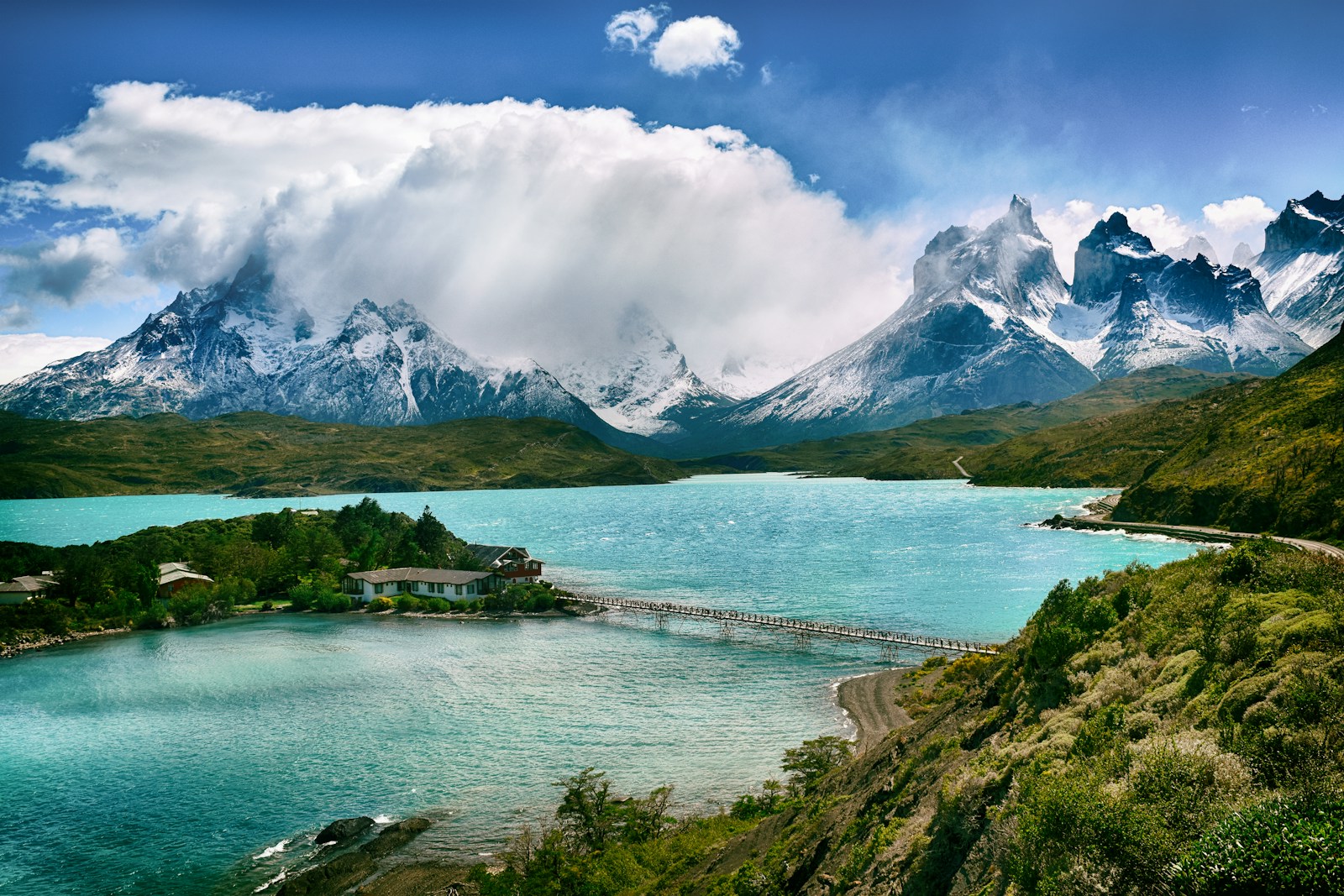
If you ask any traveler about Chile, the first thing they’ll mention is Tores del Paine. It’s not just a park; it’s a postcard come to life, featuring jaged granite spires, turquoise glacial lakes, and endless winds that test your resolve.
Why It’s Unmissable
The park is a UNESCO Biosphere Reserve and home to the famous W Trek and the more challenging O Circuit. The Tores del Paine towers themselves are the result of millions of years of tectonic uplift and glacial erosion.
The Hiking Options
- The W Trek: A 4-5 day hike that covers the highlights: the Towers, the French Valley, and Grey Glacier. It’s popular, so expect crowds, but the views are worth every step.
- The O Circuit: A 7-9 day loop that takes you around the entire park. It’s quieter and offers a more authentic Patagonian experience, but requires more planning and stamina.
Wildlife Watching
Keep your eyes peeled for guanacos (wild llamas), Andean condors, and if you’re lucky, a puma. Puma spotting tours in the park are becoming increasingly popular, offering a chance to see these elusive cats in their natural habitat.
Logistics and Tips
- Best Time to Visit: December to February for summer hiking, but be prepared for crowds. September to November (spring) offers fewer people and bloming wildflowers, though the weather is unpredictable.
- Accomodation: Book months in advance. Options range from luxury lodges like Explora Patagonia to refugios (mountain huts) and campsites.
- Getting There: Fly to Punta Arenas or Puerto Natales. From there, take a bus or hire a transfer to the park entrance.
Pro Tip: The weather in Patagonia is notorious. We once saw snow, sun, and hail in the span of 20 minutes. Always carry a waterproof jacket and extra layers, no matter the season.
🌊 2. Chilean Tierra del Fuego: Where the Andes Meet the Atlantic
Often overshadowed by Torres del Paine, Chilean Tierra del Fuego is a raw, untamed wilderness that feels like the edge of the world. It’s a place where the Andes Mountains plunge into the Atlantic Ocean, creating a dramatic landscape of peat bogs, snow-capped peaks, and sub-Antarctic forests.
Key Attractions
- Parque Pingüino Rey: Home to one of the largest colonies of King Penguins in the world. Seeing these majestic birds waddling through the mist is a surreal experience.
- Lago Fagnano: The largest lake in Tierra del Fuego, perfect for kayaking and fishing.
- Cabo de Hornos: The southernmost point of South America, a legendary landmark for sailors.
Wildlife Encounters
This region is a haven for wildlife. You can spot Magellanic penguins, southern elephant seals, and even whales in the surrounding waters. The Beagle Channel offers some of the best whale-watching opportunities in the world.
Getting There
Most visitors fly into Punta Arenas and then take a short flight to Porvenir on Tierra del Fuego. From there, you can rent a car or join a guided tour to explore the island.
Fun Fact: The name “Tierra del Fuego” (Land of Fire) was given by Ferdinand Magellan, who saw the fires of the indigenous Yaghan people burning on the shores.
🌲 3. The Chepu Valley, Chiloé: Myth, Magic, and Ancient Forests
If you’re looking for something different, head to the Chepu Valley on Chiloé Island. This remote valley is a haven for nature lovers, featuring submerged forests, ancient Alerce trees, and a rich tapestry of local myths.
The Submerged Forests
The Chepu Valley is famous for its submerged forests, a result of a massive earthquake in 1960 that caused the land to sink. Kayaking through these ghostly trees at dawn is an experience you won’t forget.
Wildlife and Culture
- Southern River Oters: These elusive creatures are often spotted in the valley’s rivers and lakes.
- Pudú: The world’s smallest deer, native to the region, can sometimes be seen in the forests.
- Palafitos: The colorful stilt houses of Castro are a UNESCO World Heritage site, reflecting the unique architecture of the island.
How to Get There
Fly to Puerto Mont, then take a bus or ferry to Chiloé Island. From Ancud, you can take a local bus to Chepu or hire a taxi.
Insider Tip: Don’t miss the Iglesia de Achao, one of the oldest wooden churches in Chile, located nearby. It’s a masterpiece of colonial architecture.
🛣️ 4. The Caretera Austral: Northern Patagonia’s Ultimate Road Trip
The Caretera Austral (Southern Highway) is a 1,240 km stretch of road that cuts through the heart of Northern Patagonia. It’s a road less traveled, offering some of the most scenic drives in the world.
Highlights of the Route
- Queulat Hanging Glacier: A stunning glacier that hangs precariously over a valley, accessible via a short hike.
- Marble Caves (Capillas de Mármol): Located on Lago General Carrera, these blue and white marble formations are a must-see.
- San Rafael Glacier: One of the largest glaciers in the Southern Hemisphere, accessible by boat.
Road Conditions
The road is mostly unpaved, with sections of gravel and dirt. A 4×4 vehicle is recommended, especially during the rainy season. However, many travelers successfully navigate it with a standard car, provided they drive cautiously.
Accomodation
There are numerous hostels, cabins, and campgrounds along the route. In remote areas, it’s best to book in advance or be prepared to camp.
Traveler’s Note: The Caretera Austral is not just a road; it’s an adventure. We once spent three days stuck in a mudslide, but the camaraderie with fellow travelers made it unforgettable.
🌸 5. Puerto Varas: The German-Colonial Gem of the Lakes Region
Nestled on the shores of Lago Llanquihue, Puerto Varas is a charming town with a distinct German influence. Its coblestone streets, colorful houses, and views of Volcán Osorno make it a perfect base for exploring the Lakes Region.
What to Do
- Volcán Osorno: Take the cable car to the summit for breathtaking views of the surrounding lakes and volcanoes.
- Saltos de Petrohué: A series of stunning waterfalls located just outside the city.
- Lago Todos Los Santos: A pristine lake known for its emerald waters and the nearby Desolation Pass hike.
Food and Culture
Puerto Varas is famous for its German-inspired cuisine. Don’t miss the kuchen (fruit tarts) and salchichas (sausages) at local bakeries.
Getting There
Fly to Puerto Mont and take a short bus or taxi ride to Puerto Varas. Alternatively, take a long-distance bus from Santiago.
Seasonal Warning: If you visit in December or January, be prepared for horseflies. They can be a nuisance for hikers, so bring repellent!
🌵 6. The Atacama Desert: The World’s Driest Playground
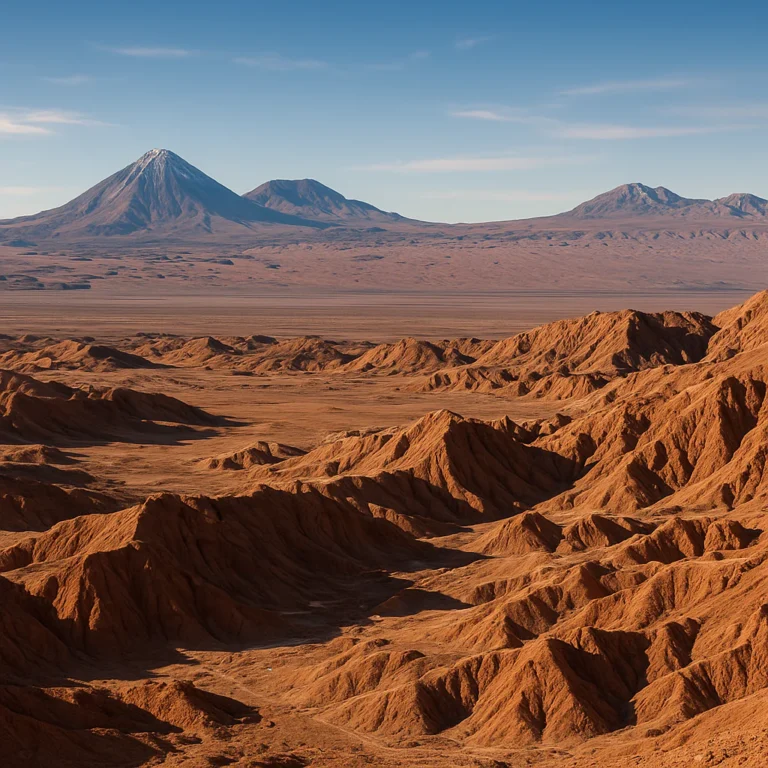
The Atacama Desert is a landscape like no other, often described as the driest place on Earth. Some parts of the desert haven’t seen rain in over 40 years, creating a surreal, Martian-like environment.
Top Attractions
- Vale de la Luna (Valey of the Moon): A lunar landscape of salt flats and rock formations, perfect for sunset views.
- El Tatio Geysers: The highest geothermal field in the world, where steam and water erupt from the ground at dawn.
- Laguna Chaxa: A salt lake in the Lauca National Park that is home to three species of flamingos.
- Piedras Rojas: A stunning area of red rocks and high-altitude lakes, offering some of the most unique landscapes in Chile.
Stargazing
The Atacama is one of the best places in the world for stargazing due to its clear skies and lack of light pollution. Book an astronomy tour to see the Milky Way in all its glory.
Getting There
Fly to Calama from Santiago, then take a bus or taxi to San Pedro de Atacama.
Important: The altitude in the Atacama can be challenging. Take it easy on your first day, stay hydrated, and avoid strenuous activities until you aclimate.
🌧️ 7. Valdivia: The Rainy City of Rivers and Chocolate
Valdivia is a city with a unique character, known for its rainy climate, German heritage, and craft beer. It’s a perfect destination for foodies and history buffs.
Key Sights
- Kunstmann Brewery: One of the largest craft breweries in Chile, offering tours and tastings.
- El Growler: A local favorite for craft beer enthusiasts.
- Sea Lion Colony: A resident colony of sea lions can be spotted at the fish market.
Food and Drink
Valdivia is famous for its curanto, a traditional dish of meat, shellfish, and potatoes cooked in a pit over hot stones. Don’t miss the local chocolate shops, which reflect the city’s German influence.
Getting There
Take an overnight bus from Santiago or a short flight from Puerto Mont.
Fun Fact: Valdivia was founded by Pedro de Valdivia in 152 and is one of the oldest cities in Chile.
🌋 8. Pucón: Adventure Capital of the Southern Lakes
Pucón is the adventure capital of the Lakes Region, located in the shadow of the active Volcán Villarrica. It’s a hub for outdoor enthusiasts, offering everything from hiking to whitewater rafting.
Activities
- Hiking Volcán Villarrica: A challenging hike to the summit of an active volcano with a visible lava lake.
- Whitewater Rafting: The Río Trancura offers some of the best rafting in Chile.
- Hot Springs: Relax in the natural hot springs at Termas Geométricas after a day of adventure.
Winter Sports
In the winter, Pucón becomes a top sking destination, with the Volcán Villarrica ski resort offering excellent slopes.
Getting There
Take a bus from Santiago (9-10 hours) or fly to Temuco and take a short bus ride to Pucón.
Safety Note: If you plan to hike Volcán Villarrica, book a guided tour. The volcano is active, and conditions can change rapidly.
🏖️ 9. San Pedro de Atacama: Gateway to the High Desert
While we mentioned the Atacama Desert earlier, San Pedro de Atacama deserves its own spotlight as the gateway to the high desert. This charming town is the perfect base for exploring the surrounding attractions.
Why Stay Here?
San Pedro offers a mix of ancient history, stunning landscapes, and modern amenities. It’s a great place to relax after a day of hiking or stargazing.
Top Experiences
- Cerro Toco: A challenging climb offering views of Volcán Licancabur and the Bolivian border.
- Lagunas Altiplánicas: High-altitude lagons that are home to flamingos and other wildlife.
- Geysers of El Tatio: A must-see for early risers.
Accomodation
San Pedro has a range of accommodations, from luxury lodges to budget hostels. Book in advance, especially during peak season.
Insider Tip: Rent a car to explore the desert independently. It’s more flexible and often cheaper than joining organized tours.
🏛️ 10. Santiago: The Urban Heartbeat of Chile
Santiago is the capital and largest city of Chile, a bustling metropolis that serves as the gateway to the rest of the country. While it may not be the first destination on your list, it’s worth spending a few days exploring its cultural treasures and vibrant neighborhoods.
Key Sights
- Plaza de Armas: The heart of the city, surrounded by historic buildings like the Metropolitan Cathedral and the National History Museum.
- Santa Lucía Hill: A park with panoramic views of the city and the Andes.
- Museum of Memory and Human Rights: A poignant museum dedicated to the victims of the Pinochet regime.
Food and Drink
Santiago is a foodie paradise. Don’t miss the empanadas at Emporio La Rosa or the wine from the nearby Maipo Valley.
Getting There
Santiago is well-connected by air, with Aeropuerto Internacional Arturo Merino Benítez serving as the main hub for domestic and international flights.
Safety Tip: While Santiago is generally safe, be cautious in crowded areas and at night. Keep your belongings close and avoid flashing valuables.
🏝️ 1. Easter Island (Rapa Nui): The Mystical Outpost
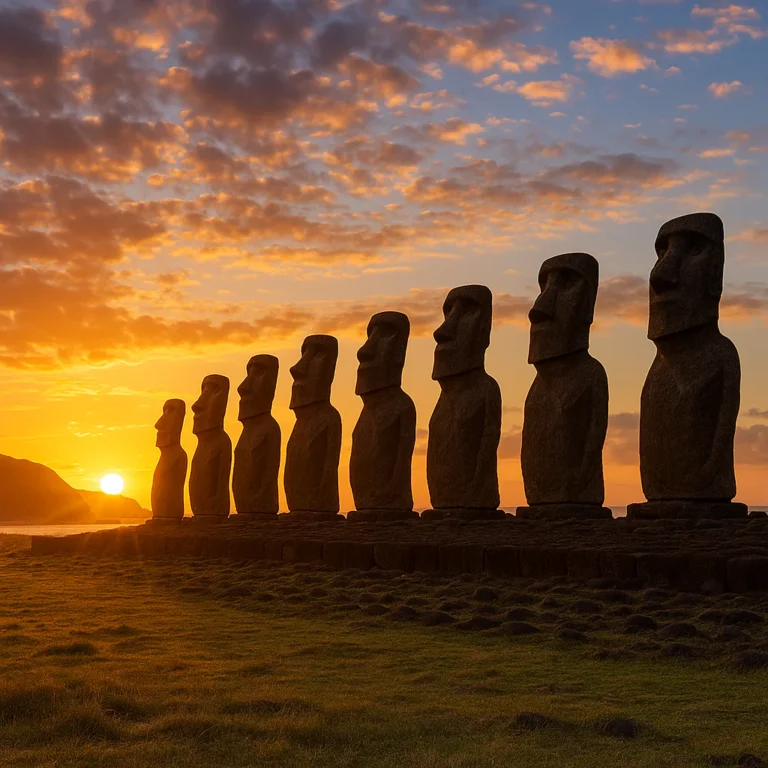
Easter Island, or Rapa Nui, is one of the most remote inhabited islands in the world, located 3,0 km off the coast of Chile. It’s famous for its mysterious Moai statues, which have captivated visitors for centuries.
The Moai
The Moai are massive stone statues, some reaching over 10 meters in height and weighing up to 80 tons. They were carved by the Rapa Nui people between 1250 and 150 AD.
Top Attractions
- Ahu Tongariki: The largest ceremonial platform on the island, featuring 15 Moai standing in a row.
- Rano Raraku: The quarry where the Moai were carved, offering a glimpse into the island’s history.
- Anakena Beach: A beautiful white-sand beach with a few Moai standing nearby.
Getting There
Fly from Santiago to Mataveri International Airport on Easter Island. Flights are limited, so book well in advance.
Cultural Note: Respect the local culture and the environment. The Moai are sacred to the Rapa Nui people, and climbing them is strictly prohibited.
🍷 12. The Central Valley Wine Route: Sipping Through History
Chile’s Central Valley is one of the world’s premier wine regions, producing some of the finest Carmenere, Cabernet Sauvignon, and Sauvignon Blanc. A wine tour here is a must for any oenophile.
Top Wineries
- Concha y Toro: One of the largest and most famous wineries in Chile, offering tours and tastings.
- Santa Rita: Known for its historic estate and excellent wines.
- Viña Haras de Pirque: A boutique winery offering a more intimate experience.
Activities
- Wine and Bike Tours: Explore the vineyards by bike, ending with a tasting at a local winery.
- Gourmet Dining: Many wineries offer gourmet lunches paired with their wines.
Getting There
The Central Valley is easily accessible from Santiago, with many wineries located within a 1-2 hour drive.
Tip: Don’t drink and drive. Many wineries offer shuttle services or you can hire a driver for the day.
🏖️ 13. Viña del Mar and Valparaíso: Coastal Charm and Colorful Hills
Just an hour from Santiago, Viña del Mar and Valparaíso offer a perfect blend of coastal charm and urban culture.
Viña del Mar
Known as the “Garden City,” Viña del Mar is a resort town with beautiful beaches, a singing fountain, and a flower clock.
Valparaíso
A UNESCO World Heritage site, Valparaíso is famous for its colorful hillside houses, street art, and funiculars. It’s a city of poets and artists, with a bohemian vibe that’s hard to resist.
Getting There
Take a bus from Santiago (1.5 hours) or a train from the central station.
Safety Warning: Valparaíso has seen a rise in crime in recent years. Consider a guided day trip from Santiago if you’re concerned about safety.
🧭 14. The Aysén Region: Untouched Wilderness for the Brave
The Aysén Region is one of the most remote and pristine areas in Chile, offering untouched wilderness for the brave traveler. It’s a paradise for hikers, kayakers, and nature lovers.
Key Attractions
- Cerro Castillo National Park: A stunning park with a 51 km trail that takes you through pristine nature.
- Marble Caves: Located on Lago General Carrera, these blue and white marble formations are a must-see.
- Fjords of Patagonia: Remote and largely uninhabited, these fjords offer unique and untouched scenery.
Getting There
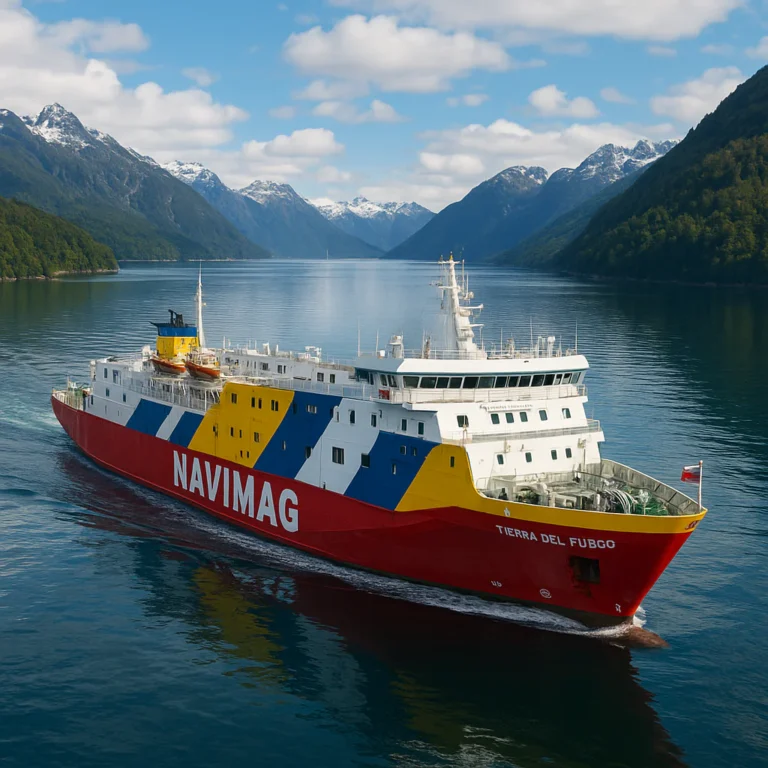
Fly to Balmaceda or take the Navimag Ferry from Puerto Mont to Coyhaique.
Note: The Aysén Region is not for the faint of heart. Roads are rough, and accommodations are limited. Plan carefully and be prepared for adventure.
📅 15. Best Time to Visit Chile by Region and Season
Chile’s vast size means that the best time to visit varies greatly depending on the region.
North (Atacama)
- Best Time: March to May and September to November.
- Why: Mild temperatures and clear skies for stargazing.
Central (Santiago, Valparaíso, Wine Region)
- Best Time: December to February (summer) for beach days, or March to May for wine harvest.
- Why: Warm, dry weather perfect for outdoor activities.
South (Patagonia, Lakes Region)
- Best Time: December to February (summer) for hiking, or September to November (spring) for fewer crowds.
- Why: Longer days and milder temperatures, though weather can be unpredictable.
Winter (June to August)
- Best Time: For skiing in the Andes or exploring the south with fewer crowds.
- Why: Some trails may be closed, and weather can be harsh, but the landscapes are stunning.
Pro Tip: If you’re planning to hike the O Circuit in Torres del Paine, remember that it’s only open from October to March.
🎒 16. Essential Packing List for Chile’s Diverse Climates
Packing for Chile can be tricky due to the diverse climates. Here’s what you need:
Clothing
- Layers: A good base layer, fleece, and waterproof jacket are essential.
- Hiking Boots: Sturdy, waterproof boots for the trails.
- Sun Protection: Hat, sunglasses, and high-SPF sunscreen.
- Warm Gear: A down jacket for Patagonia and the Atacama nights.
Gear
- Backpack: A comfortable daypack for hikes.
- Water Bottle: Reusable and insulated.
- Camera: To capture the stunning landscapes.
- Power Bank: For long days on the road.
Miscellaneous
- Cash: For remote areas.
- Maps: Offline maps for areas with no signal.
- First Aid Kit: Including blister plasters and altitude sickness medication.
Don’t Forget: A good pair of hiking socks can make or break your trip!
🚌 17. Getting Around: Trains, Buses, and Domestic Flights Explained
Chile’s transportation network is well-developed, but it requires some planning.
Flights
- Domestic Flights: The most efficient way to cover long distances. LATAM and Sky Airline are the main carriers.
- Book in Advance: Flights can be cheap if booked early, but prices soar during peak season.
Buses
- Long-Distance Buses: Comfortable and affordable, with options like Pullman Bus and Buses Buses.
- Night Buses: A great way to save on accommodation and travel overnight.
Trains
- Limited Network: Trains are not a major mode of transport in Chile, except for some tourist routes like the Tren Patagónico.
Car Rental
- Flexibility: Renting a car is ideal for exploring the Caretera Austral or the Atacama.
- Insurance: Ensure your rental agreement allows for unpaved roads.
Tip: Use Recorido or Buses Buses to book bus tickets online in advance.
💰 18. Budgeting Your Trip: Costs, Currency, and Money-Saving Hacks
Chile can be expensive, but with some planning, you can enjoy it on a budget.
Estimated Costs
- Accomodation: $20-$50 for hostels, $50-$150 for mid-range hotels, $20+ for luxury.
- Food: $5-$10 for a meal at a local restaurant, $15-$25 for a nice dinner.
- Transport: $20-$50 for a bus ticket, $50-$10 for a domestic flight.
- Tours: $50-$150 for a day tour.
Money-Saving Hacks
- Cook Your Own Meals: Many hostels have kitchens.
- Travel Off-Peak: Avoid December and January for lower prices.
- Use Public Transport: Buses are cheaper than flights for short distances.
- Book in Advance: Flights and tours are often cheaper when booked early.
Currency Tip: Withdraw cash from ATMs in cities, but bring cash for remote areas.
🍽️ 19. Must-Try Chilean Foods and Where to Eat Them
Chilean cuisine is a delicious blend of indigenous, Spanish, and German influences.
Top Dishes
- Empanadas: Baked pastries filled with meat, cheese, or vegetables.
- Curanto: A traditional dish from Chiloé, cooked in a pit over hot stones.
- Pastel de Choclo: A corn pie with meat and chicken.
- Ceviche: Fresh seafood marinated in lemon juice.
Where to Eat
- Local Markets: Try the food at Mercado Central in Santiago.
- Street Food: Look for completos (Chilean hot dogs) at street stalls.
- Restaurants: Try La Piojera in Santiago for traditional Chilean food.
Tip: Don’t miss the pisco sour, Chile’s national cocktail, made with pisco, lime, and sugar.
🏨 20. Where to Stay: From Luxury Lodges to Hostels
Chile offers a wide range of accommodations to suit every budget.
Luxury
- Explora Patagonia: A luxury lodge in Torres del Paine with all-inclusive packages.
- Awasi Atacama: A boutique hotel in the Atacama Desert with private villas.
Mid-Range
- Compass del Sur: A cozy hostel in Puerto Varas with comfortable rooms.
- Simple Patagonia: A modern hotel in Puerto Natales with great views.
Budget
- Airesbuenos Hostel: A budget-friendly option in Valdivia with a great outdoor space.
- Rakau Lodge: A rustic lodge in Pucón surrounded by forest.
Booking Tip: Use Booking.com or Hostelworld to find the best deals.
🚗 21. Self-Drive vs. Guided Tours: Pros and Cons
Deciding between self-driving and guided tours depends on your travel style.
Self-Drive
- Pros: Flexibility, freedom to explore at your own pace, cost-effective for groups.
- Cons: Requires planning, navigation skills, and a suitable vehicle.
Guided Tours
- Pros: Expert guides, hassle-free, access to remote areas.
- Cons: Less flexibility, can be more expensive.
Recommendation: For the Caretera Austral or Atacama, a self-drive is ideal. For Tores del Paine or Easter Island, a guided tour might be more convenient.
📝 Get Your Free 10 & 14-Day Chile Itineraries
Ready to start planning? We’ve put together free 10 and 14-day itineraries to help you make the most of your trip. Whether you’re a solo traveler, a couple, or a family, these itineraries cover the best places to visit in Chile with detailed day-by-day plans.
Download your free itinerary now and start your adventure!
✅ Conclusion

Chile is a country of incredible diversity, offering everything from the driest desert to the icy fjords of Patagonia. Whether you’re hiking the W Trek, stargazing in the Atacama, or exploring the Moai of Easter Island, Chile has something for everyone.
Our top recommendation? Start with the highlights like Torres del Paine and the Atacama, but don’t be afraid to venture off the beaten path to discover the hidden gems like the Chepu Valley or the Aysén Region.
Remember to plan ahead, pack wisely, and embrace the adventure. Chile is waiting for you!
🔗 Recommended Links
- Book Flights: LATAM Airlines | Sky Airline
- Rent a Car: Rentalcars.com | Discover Cars
- Find Accomodation: Booking.com | Hostelworld
- Explore Tours: Viator | GetYourGuide
- Read More: Chile Vacay Destinations | Chile Vacay Andes Mountains | Chile Vacay Budget Travel
❓ FAQ: Frequently Asked Questions About Traveling in Chile

Are there any unique festivals or events worth attending in Chile?
Chile hosts several unique festivals throughout the year. The Fiesta de la Tirana in July is a vibrant celebration of faith and culture in the north. In December, Fiestas Patrias (Chilean Independence Day) is a national holiday filled with parades, music, and traditional food like empanadas and asado.
What are the best national parks to visit in Chile?
The best national parks include Tores del Paine for its dramatic landscapes, Lauca for its high-altitude lakes and wildlife, Conguillío for its Araucaria trees, and Queulat for its hanging glacier. Each offers unique experiences for hikers and nature lovers.
Read more about “🚐 Rent a Campervan Chile Patagonia: The Ultimate 2026 Guide”
How can I explore Chile’s Patagonia region?
Patagonia can be explored via hiking, kayaking, or road trips. The Caretera Austral is a popular route for self-drive adventures, while guided tours are available for those who prefer a more structured experience.
Read more about “🎣 Fly Fishing in Aysén: The Ultimate 2026 Guide to Patagonia’s Last Frontier”
What are the top outdoor activities to do in Chile?
Top activities include hiking in Torres del Paine, stargazing in the Atacama, whitewater rafting in Pucón, sking in the Andes, and kayaking in the fjords of Patagonia.
Read more about “🇨🇱 50 Unforgettable Things to Do in Chile (2026 Guide)”
Which cities in Chile offer the best cultural experiences?
Santiago offers a mix of history and modern culture, Valparaíso is known for its street art and bohemian vibe, and Valdivia is famous for its German heritage and craft beer scene.
Read more about “Unique and Off-the-Beaten-Path Places in Chile”
What are the must-see natural wonders in Chile?
Must-see wonders include the Tores del Paine mountains, the Atacama Desert, the Marble Caves, the Hanging Glacier of Queulat, and the Moai statues of Easter Island.
Read more about “10 Unique Cultural Experiences to Have in Chile 🇨🇱 (2026)”
How do I get around Chile, and what are the best transportation options?
The best options are domestic flights for long distances, buses for regional travel, and rental cars for flexibility. Trains are limited but available for some tourist routes.
Read more about “🚌 How to Get Around Chile in 2026: The Ultimate Guide”
Can I visit Easter Island as part of a trip to Chile?
Yes, Easter Island is accessible via a 2-hour flight from Santiago. It’s a popular add-on to any Chilean itinerary, offering a unique cultural experience.
Read more about “10 Safest Places to Visit in Chile for Solo Travelers 🧳 (2026)”
What are the most popular destinations for hiking in Chile?
Popular hiking destinations include Tores del Paine, Cerro Castillo, Conguillío, and Volcán Villarrica. Each offers trails for all skill levels.
Read more about “What are the most popular destinations for hiking in Chile?”
Are there any beautiful beaches to visit in Chile?
Yes, Viña del Mar and Valparaíso offer beautiful beaches near Santiago, while Arica and Iquique in the north have stunning coastal areas.
Read more about “Are there any beautiful beaches to visit in Chile?”
What is the best time of year to visit Chile for outdoor activities?
The best time for outdoor activities is December to February (summer) for hiking and beach days, or September to November (spring) for fewer crowds and bloming wildflowers.
Read more about “What is the best time of year to visit Chile for outdoor activities?”
📚 Reference Links
- World Travel Awards: Chile #1 in Adventure Tourism
- UNESCO World Heritage Sites in Chile
- Chilean National Tourism Service (SERNATUR)
- The best places to visit in Chile – highlights of our 2-months trip
- Worldly Adventurer: Places to Visit in Chile
- This Remote Corner: Best Places to Visit in Chile for First Timers