Support our educational content for free when you purchase through links on our site. Learn more
🇨🇱 Chile Seasons 2026: Peak vs. Off-Peak Prices & Availability

Ever tried to book a room in Patagonia in January only to find the price tag higher than your flight? Or worse, discovered that the “must-see” trail is closed because you showed up in the wrong month? Chile is a land of extremes, stretching from the driest desert to the windiest glaciers, and its tourism seasons are just as dramatic. While many travelers blindly follow the calendar, the savvy ones know that the difference between a budget-friendly adventure and a financial disaster often comes down to understanding the subtle shifts between peak, shoulder, and off-peak seasons.
In this guide, we’re pulling back the curtain on how Chile’s unique geography creates conflicting travel seasons. We’ll reveal exactly when to snag 40% discounts on luxury lodges, why the “Altiplanic Winter” can ruin your Atacama plans, and how to avoid the dreaded “single supplement” fees that plague solo travelers during the high season. Whether you’re chasing the golden autumn leaves of the Lake District or the pristine snow of the Andes, we’ve got the insider intel you need to time your trip perfectly.
Key Takeaways
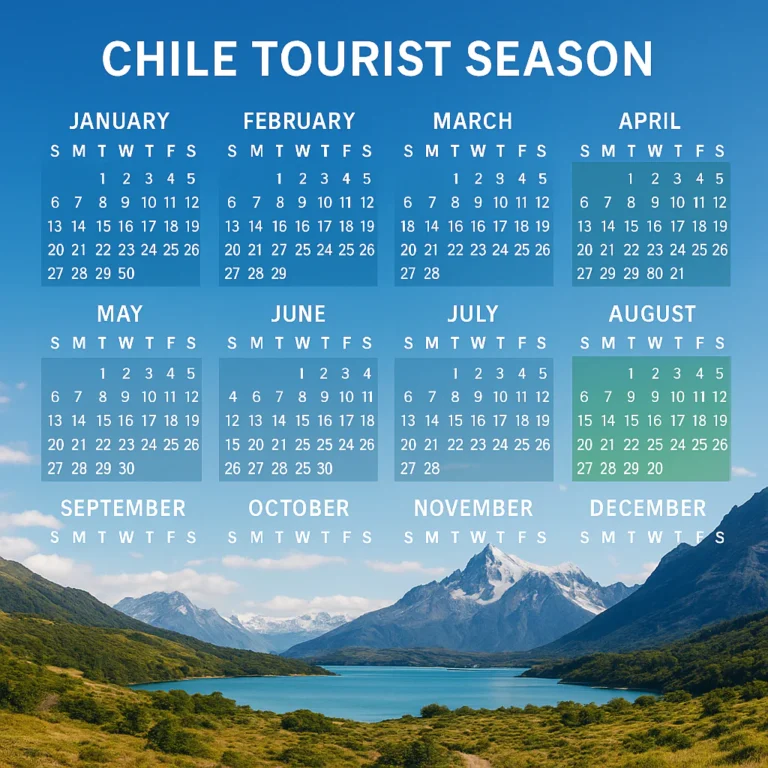
- Timing is Everything: Peak season (Dec–Feb in the South, Jun–Aug in the North) offers the best weather but comes with sky-high prices and zero availability unless booked 6–12 months in advance.
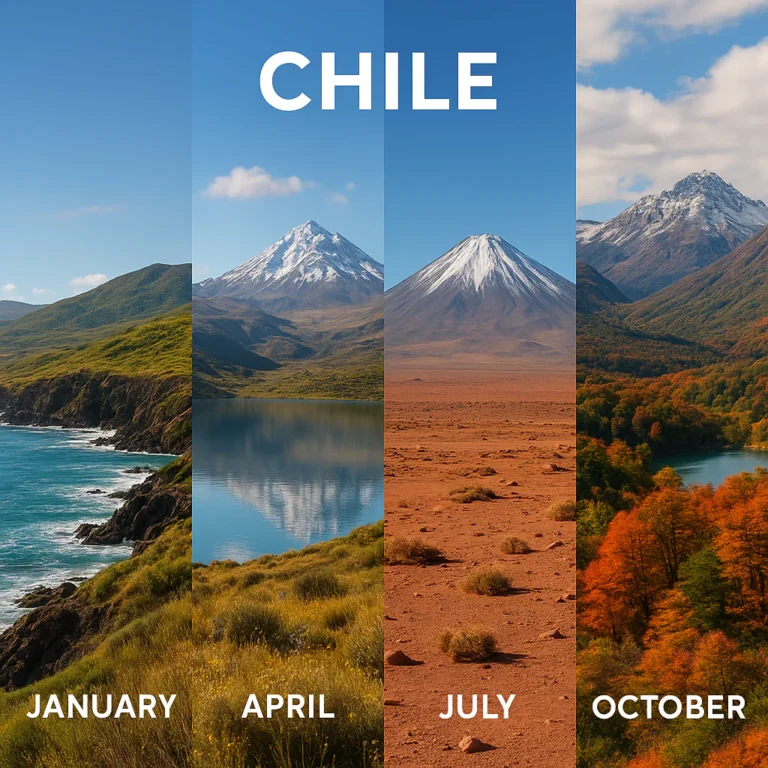
- The Sweet Spot: Travel during the shoulder seasons (March–April and October–November) to enjoy mild weather, stunning landscapes, and significant savings on accommodation without the crowds.
- Regional Variations: Remember that Chile has two summers and two winters simultaneously; what is peak season in Santiago might be the dead of winter in Patagonia.
- Solo Traveler Alert: Avoid the single supplement fees common in peak season by booking during the shoulder or off-peak months when hotels are desperate to fill rooms.
- Book Early or Pay Later: For popular destinations like Easter Island and Torres del Paine, last-minute bookings during peak times are nearly impossible and exponentially more expensive.
Table of Contents
- ⚡️ Quick Tips and Facts
- 📜 From Desert Dust to Glacial Ice: A Brief History of Chilean Tourism Seasons
- 🌞 The High Season Rush: When to Expect Crowds and Premium Rates in Chile
- 1. Summer in the South: Patagonia’s Peak Season (December to February)
- 2. Winter in the North: Skiing and Atacama’s High Season (June to August)
- 3. The Easter Island Surge: Why February and March Are Booked Solid
- 🍂 The Shoulder Season Sweet Spot: Balancing Weather, Prices, and Availability
- 4. Spring in Santiago and the Central Valley: Wine Harvest and Wildflowers
- 5. Autumn in Patagonia: Golden Landscapes and Dropping Rates
- ❄️ The Low Season Lull: When to Score Deals and Embrace the Chill
- 6. Winter in Patagonia: Is It Worth the Freeze?
- 7. Summer in the Atacama: Heat, Humidity, and Hidden Gems
- 💸 How Seasonality Dictates Your Wallet: Accommodation Price Fluctuations Explained
- 🏨 Booking Strategies: Securing the Best Rates and Availability Year-Round
- 🌦️ Weather vs. Crowds: A Month-by-Month Guide to Chilean Travel Seasons
- 🎒 Regional Breakdown: How Seasons Vary from Arica to Tierra del Fuego
- 🚫 Common Mistakes Travelers Make When Ignoring Chile’s Seasonal Shifts
- ✅ Quick Tips and Facts
- 📚 Recommended Links
- ❓ FAQ: Your Burning Questions About Chilean Travel Seasons Answered
- 🔗 Reference Links
⚡️ Quick Tips and Facts
Before we dive into the dramatic shifts of the Chilean landscape, let’s get the “tl;dr” version of how to time your trip like a pro. Navigating the peak and off-peak tourist seasons in Chile is the difference between a serene sunset in Patagonia and being elbowed by a selfie stick-wielding crowd.
| Feature | Peak Season (Summer) | Shoulder Season (Spring/Fall) | Off-Peak Season (Winter) |
|---|---|---|---|
| Months | December – February | Oct-Nov & March-April | May – September |
| Weather | Warm, sunny, windy in South | Mild, crisp, colorful | Cold, rainy (South), Snowy (Andes) |
| Prices | 📈 Highest (Premium rates) | ⚖️ Moderate | 📉 Lowest (Great deals) |
| Availability | ❌ Book 6-12 months ahead | ✅ Good availability | ✅ Wide open (except ski resorts) |
| Crowds | 🏟️ High | 🚶 Moderate | ❄️ Low |
- Pro Tip: If you are heading to Easter Island, February is the “Tapati Rapa Nui” festival. It is the peak of all peaks—book a year in advance or prepare to sleep on a Moai (just kidding, don’t do that).
- Fact: Chile spans over 4,000 kilometers. While it’s snowing in the South, you could be getting a sunburn in the Atacama. Seasonality is regional!
- Budget Hack: Traveling during the Budget Travel sweet spot (October or April) can save you up to 40% on luxury lodges like Explora or Tierra Hotels.
📜 From Desert Dust to Glacial Ice: A Brief History of Chilean Tourism Seasons
Understanding the peak and off-peak tourist seasons in Chile requires a look at how this “skinny country” became a global powerhouse for Adventure Travel. Historically, Chile was a hidden gem, but the rise of “bucket list” tourism—fueled by National Geographic features and social media—transformed its seasonal cycles.
In the late 20th century, tourism was largely domestic. Chileans took their holidays in January and February, flooding the Lake District. However, as international interest in Torres del Paine exploded, the “High Season” shifted to accommodate global travelers escaping the Northern Hemisphere winter. This created a massive supply-and-demand gap. Today, the World Bank notes a steady climb in international arrivals, making the “off-peak” window more attractive for those who value solitude over short-sleeves.
🌞 The High Season Rush: When to Expect Crowds and Premium Rates in Chile
Ever tried booking a room in San Pedro de Atacama in January only to find out it costs more than a small island? That’s the High Season for you. Before we dive into the nitty-gritty of pricing, you might want to check out our deep dive into What are the best times to visit Chile for a vacation? to get your bearings.
1. Summer in the South: Patagonia’s Peak Season (December to February)
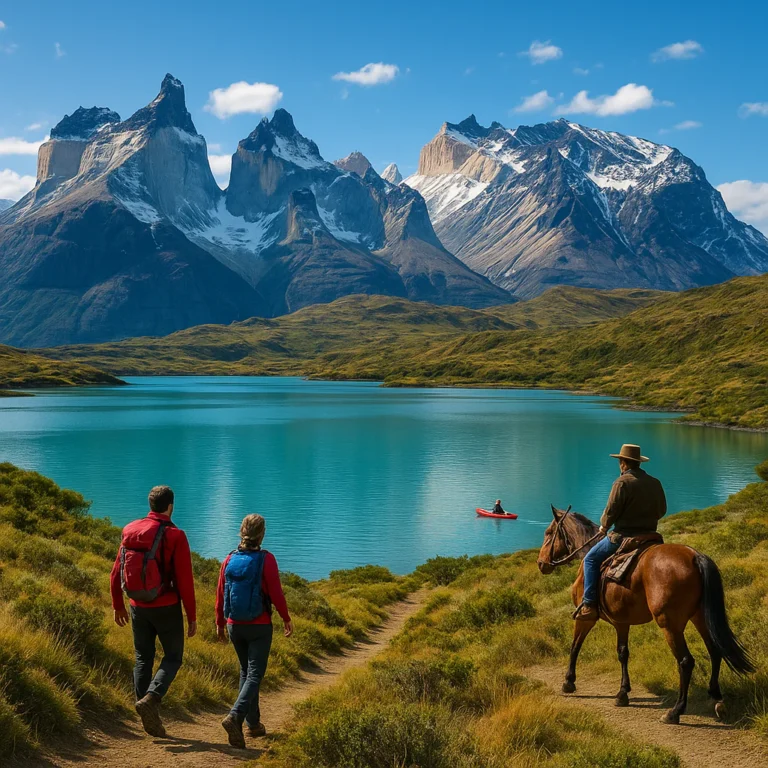
This is the “Golden Era” for hikers. The weather is as stable as Patagonia gets (which isn’t saying much—you’ll still see four seasons in a day).
- Accommodation Impact: Places like The Singular Patagonia or EcoCamp Patagonia reach 100% occupancy months in advance.
- Why it’s busy: Long daylight hours (up to 18 hours of light!) mean more time for the “W Trek.”
- The Catch: Wind speeds can reach 100km/h. You’ll pay a premium to be blown over.
2. Winter in the North: Skiing and Atacama’s High Season (June to August)
While the South hibernates, the Central Andes and the North wake up.
- Ski Resorts: Ski Portillo and Valle Nevado become the playground for the global elite. Expect “Ski-In/Ski-Out” prices to skyrocket.
- Atacama Desert: Because the desert is too hot in the summer (January), many travelers prefer the cooler, crisp winter days of July for stargazing.
3. The Easter Island Surge: Why February and March Are Booked Solid
The Tapati Rapa Nui festival in February is a Cultural Experience like no other.
- Availability: Non-existent if you aren’t an early bird.
- Price: Expect “Festival Pricing.” Even basic guest houses will charge luxury rates.
👉 CHECK PRICE on:
- Patagonia Hiking Gear: Amazon | REI
- The North Face Jackets: Amazon | The North Face Official
🍂 The Shoulder Season Sweet Spot: Balancing Weather, Prices, and Availability
We’ll let you in on a secret: we live for the shoulder season. It’s the “Goldilocks” of travel—not too hot, not too cold, and your bank account won’t cry.
4. Spring in Santiago and the Central Valley: Wine Harvest and Wildflowers
September to November is magical. The almond trees are blooming, and the vineyards of Casablanca Valley are lush.
- Perks: You can snag a room at Vik Chile or Clos Apalta Residence without needing a second mortgage.
- Availability: You can often book just a few weeks out.
5. Autumn in Patagonia: Golden Landscapes and Dropping Rates
March and April are, in our humble opinion, the best months for photography. The Lenga trees turn a fiery red.
- The “Single Supplement” Factor: As noted in recent travel insights, single supplement fees often drop during shoulder seasons because hotels aren’t at capacity. If you’re a solo traveler, this is your time to shine!
❄️ The Low Season Lull: When to Score Deals and Embrace the Chill
Are you a rebel? Do you like having an entire glacier to yourself? The low season (May to September) is for the bold.
6. Winter in Patagonia: Is It Worth the Freeze?
Many hotels in Torres del Paine actually close. However, those that stay open, like Hotel Las Torres, offer “Winter Experience” packages that are significantly cheaper.
- ❌ Drawback: Many hiking trails are closed due to snow.
- ✅ Benefit: No crowds. Just you and the pumas.
7. Summer in the Atacama: Heat, Humidity, and Hidden Gems
January and February can bring the “Altiplanic Winter”—unexpected rain in the desert.
- The Risk: Flash floods can close roads to the Valle de la Luna.
- The Reward: When the rain stops, the desert blooms, and hotel prices in San Pedro drop as tourists head to the beaches.
💸 How Seasonality Dictates Your Wallet: Accommodation Price Fluctuations Explained
Why does a room at Booking.com fluctuate so wildly? It’s all about the Occupancy Rate.
| Season | Price Index | Availability | Strategy |
|---|---|---|---|
| Peak | 150% – 200% | 📉 Low | Book 9 months early |
| Shoulder | 100% (Base) | ⚖️ Medium | Book 3 months early |
| Low | 60% – 80% | 📈 High | Last-minute deals |
As the #featured-video suggests, “Last minute isn’t always cheap.” In Chile, this is especially true for remote areas. If you wait until the last minute in the peak season, you won’t just pay more—you might not find a bed at all, forcing you into a “Single Supplement” trap where you pay for a double room just to have a roof over your head.
🏨 Booking Strategies: Securing the Best Rates and Availability Year-Round
To navigate these seasons, we’ve rated the top tools for your Chilean adventure:
Travel Platform Rating Table
| Aspect | Booking.com | Expedia | Tripadvisor |
|---|---|---|---|
| User Interface | 9/10 | 8/10 | 7/10 |
| Price Accuracy | 9/10 | 8/10 | 8/10 |
| Availability | 10/10 | 8/10 | 7/10 |
| Review Reliability | 8/10 | 7/10 | 9/10 |
| Overall Score | 9.0 | 7.75 | 7.75 |
Step-by-Step to the Best Deal:
- The 6-Month Rule: For Patagonia peak season, start your search on Expedia or Booking.com at least half a year out.
- Compare and Contrast: Use Tripadvisor to read recent “seasonal” reviews. Did the heater work in July? Was the AC sufficient in January?
- Go Direct: Once you find a price on a meta-search engine, check the hotel’s official website (e.g., Awasi or Explora). They often have “stay 4, pay 3” deals for the off-peak season that aren’t listed elsewhere.
- Location Flexibility: As our featured video advice notes, “Be open to where your hotel is located.” Staying in Puerto Natales instead of inside the park can save you hundreds.
👉 Shop Booking Platforms on:
- Booking.com: Official Site
- Expedia: Official Site
- Tripadvisor: Chile Hotels
🌦️ Weather vs. Crowds: A Month-by-Month Guide to Chilean Travel Seasons
Ever wondered if you can handle the heat of the North while the South is perfect? Here is the breakdown:
- January/February: Peak. Hot in Santiago, perfect in Patagonia. Expect crowds everywhere.
- March/April: Shoulder. The best time for wine lovers. The harvest festivals (Vendimias) are in full swing!
- May/June: Low. Rain starts in the Central Valley. Great for cozying up in a boutique hotel in Lastarria.
- July/August: Peak (Ski). The Andes are calling. San Pedro is chilly but clear.
- September: Shoulder. “Fiestas Patrias” (Sept 18th) means the whole country parties. Prices spike for this week!
- October/November: Shoulder. Spring has sprung. Ideal for the Lake District before the summer rush.
🎒 Regional Breakdown: How Seasons Vary from Arica to Tierra del Fuego
Chile is a climatic “layer cake.” You can’t apply the same seasonal logic to the whole country.
The Northern Desert (Atacama)
- Peak: July/August & January/February.
- Off-Peak: May/June.
- Insight: The “Altiplanic Winter” in Jan/Feb can actually close major attractions like the El Tatio Geysers.
The Central Valley (Santiago & Valparaiso)
- Peak: November to March.
- Off-Peak: June to August (it’s gray and smoggy—avoid if you hate rain).
The Lake District & Chiloé
- Peak: January/February. This is where Chileans vacation.
- Off-Peak: Winter. It is very wet. If you like the “moody Pacific Northwest” vibe, you’ll love it.
Deep South (Patagonia)
- Peak: December to March.
- Off-Peak: May to September. Many places literally board up their windows.
🚫 Common Mistakes Travelers Make When Ignoring Chile’s Seasonal Shifts
- Assuming “Summer” means “Warm” everywhere: We once saw a tourist in Punta Arenas in January wearing only a tank top. They lasted five minutes. Even in peak season, the South is cold!
- Forgetting the “Fiestas Patrias”: Traveling around September 18th without a booking is a nightmare. The country shuts down, and buses are booked weeks in advance.
- Ignoring the “Single Supplement”: If you’re solo, booking during the peak season means you’ll likely pay double. Wait for the shoulder season when hotels are desperate to fill rooms.
- Underestimating the Sun: In the Atacama, the “off-peak” winter sun is still brutal. Pack high-SPF sunscreen regardless of the month.
👉 CHECK PRICE on:
- Osprey Travel Packs: Amazon | Osprey Official
- Sunscreen (SPF 50+): Amazon | Walmart
But wait—what happens if you show up in the middle of a “bloom” in the desert, or a sudden snowstorm in the Lake District? Does the price drop further, or do you get stranded? We’ll reveal the ultimate “Plan B” strategies in our final wrap-up.
Conclusion

So, did we solve the mystery of the peak and off-peak tourist seasons in Chile? Absolutely. The answer isn’t a single month; it’s a strategic dance between the sun, the snow, and your wallet.
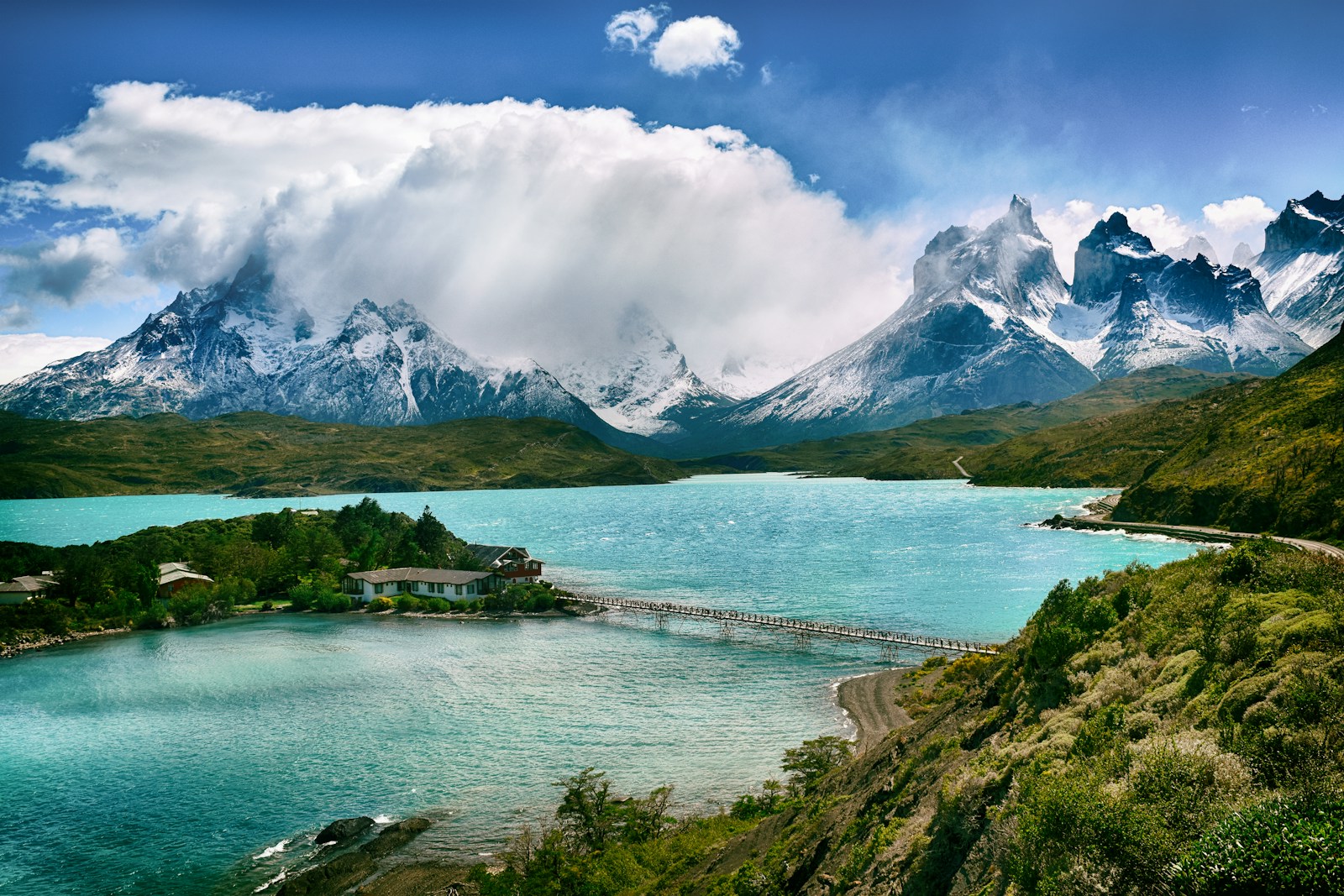
If you are chasing the high season thrill of Patagonia’s turquoise lakes or the festive energy of Easter Island, you must be prepared to pay a premium and book your accommodation a year in advance. The crowds are real, and the “single supplement” fees can sting if you’re flying solo. However, if you crave the shoulder season magic—where the Lenga trees turn gold in autumn or the wildflowers bloom in spring—you’ll find the perfect balance of mild weather, manageable crowds, and prices that won’t make you weep.
And for the true adventurers? The low season offers a raw, untouched Chile. Yes, it’s cold, and yes, some trails are closed, but having a glacier to yourself is a price you can’t put a number on.
Our Verdict:
For the majority of travelers, March to April (Autumn) and October to November (Spring) are the undisputed champions. You get the best of both worlds: decent weather, open trails, and rates that are 30-40% lower than peak summer.
Positives of Timing Your Trip Right:
- ✅ Cost Efficiency: Significant savings on luxury lodges and flights.
- ✅ Experience Quality: Fewer crowds mean better photo ops and more intimate interactions with nature.
- ✅ Flexibility: Last-minute bookings become possible without breaking the bank.
Negatives of Ignoring the Seasons:
- ❌ Budget Blowouts: Peak season rates can double or triple.
- ❌ Missed Opportunities: Closed trails in Patagonia or flooded roads in the Atacama.
- ❌ Stress: The anxiety of scrambling for a room in a fully booked destination.
Final Recommendation:
Don’t just “go to Chile.” Go to Chile at the right time. If you want the classic postcard experience, aim for December to February but book early. If you want value and beauty, target March or October. And if you’re a solo traveler looking to avoid single supplements, the shoulder seasons are your best friend.
Ready to start planning your perfect Chilean escape? Check out our Destinations guide for specific regional tips!
📚 Recommended Links
Here are the essential tools and gear to ensure your seasonal adventure is a success. Whether you need a warm parka for Patagonian winter or a lightweight tent for the Atacama summer, we’ve got you covered.
Essential Gear for Chilean Seasons:
- Winter Parkas (Patagonia):
- The North Face McMurdo Parka: Amazon | The North Face Official
- Arc’teryx Therme Parka: Amazon | Arc’teryx Official
- Hiking Boots (All Seasons):
- Merrell Moab 3 Mid Waterproof: Amazon | Merrell Official
- Salomon X Ultra 4 Mid GTX: Amazon | Salomon Official
- Sun Protection (Atacama/South):
- La Roche-Posay Anthelios Melt-in Milk: Amazon | La Roche-Posay Official
- Outdoor Research Sun Hat: Amazon | Outdoor Research Official
Books to Read Before You Go:
- “The Patagonia Hiking Guide” by Lonely Planet: Amazon
- “Chile: A Traveler’s Literary Companion” by Various Authors: Amazon
- “In Patagonia” by Bruce Chatwin: Amazon
Booking Platforms for Seasonal Deals:
- Booking.com (Flexible Cancellation): Search Chile Hotels
- Expedia (Package Deals): Chile Vacation Packages
- RentalCars.com (Car Rentals for Road Trips): Rent a Car in Chile
❓ FAQ: Your Burning Questions About Chilean Travel Seasons Answered

What are some strategies for finding affordable and available accommodation in Chile during peak tourist season, such as booking in advance or considering alternative options?
During the peak season (December–February in the South, June–August in the North), availability vanishes fast.
- Book Early: Secure your spot 6–12 months in advance, especially for iconic lodges like Explora or Tierra.
- Consider Alternatives: Instead of staying inside the national park (which is expensive and scarce), stay in gateway towns like Puerto Natales or San Pedro de Atacama. You’ll find more options and often better rates.
- Use Aggregators: Check Booking.com and Expedia for “Free Cancellation” rates, which allow you to lock in a price while keeping your options open.
- Solo Travelers: Look for “Single Supplement Waivers” or hostels with private rooms, which are more common in shoulder seasons.
Are there any significant festivals or events in Chile that attract large crowds and affect accommodation prices, and if so, when do they take place?
Yes, Chile is a country of festivals, and they spike prices significantly:
- Tapati Rapa Nui (Easter Island): Held in February. This is the biggest event on the island. Accommodation prices triple, and availability is near zero.
- Fiestas Patrias (Santiago & Central Valley): Celebrated around September 18th. The entire country shuts down for Fondas (festivals). Hotels in Santiago and the Central Valley are booked solid, and prices surge.
- Ski Season Openings (Andes): June/July openings for resorts like Valle Nevado bring crowds and higher rates for nearby hotels.
How do seasonal fluctuations in tourism impact the cost of activities and tours in Chile, such as hiking, skiing, and wine tastings?
- Hiking (Patagonia): In peak summer, guided tours for the W Trek or O Circuit are at their most expensive. In the shoulder season, prices drop, and you might find last-minute cancellations at a discount.
- Skiing (Andes): Lift tickets and rentals are most expensive during the July/August school holidays. Mid-week visits in June or September can save you 20-30%.
- Wine Tastings: During the Harvest (Vendimia) in March/April, many wineries offer special, often pricier, harvest tours. Visiting in the off-season (winter) often yields more personalized, lower-cost tastings.
What are the best times of the year to visit popular destinations in Chile, such as Santiago, Patagonia, and the Lake District?
- Santiago: October to April for warm, dry weather. Avoid July (rainy and smoggy).
- Patagonia: December to March for hiking and open trails. March/April for fall colors and fewer crowds.
- Lake District: December to February for swimming and boating. March/April for stunning foliage.
- Atacama Desert: April to October for comfortable daytime temperatures. January/February can be rainy (Altiplanic Winter).
When is the best time to visit Chile for budget-friendly travel?
The low season (May to September) offers the best deals, but with caveats:
- Patagonia: Many lodges close, but those that stay open (like Hotel Las Torres) offer deep discounts.
- Santiago & Central Valley: Winter (June–August) is the cheapest time to stay, though the weather is gray.
- Atacama: Summer (January/February) sees a dip in prices due to the heat and rain, though some attractions may close.
Read more about “How Safe Is It to Travel Around Chile for Tourists? 🇨🇱 (2026)”
How does the high season in Patagonia impact hotel booking availability?
In the high season (Dec–Feb), availability in Patagonia is extremely tight.
- The “Sold Out” Reality: Popular lodges like EcoCamp or Awasi often book out 9–12 months in advance.
- Last-Minute Scarcity: If you show up in January without a booking, you may be forced to stay in Puerto Natales (a 2-hour drive away) or pay exorbitant rates for the few remaining rooms.
- Single Supplements: Solo travelers often face “single supplements” (paying for a double room) because hotels prioritize couples to maximize revenue.
What are the shoulder season months in Chile and are they worth visiting?
Shoulder seasons are March–April (Autumn) and October–November (Spring).
- Are they worth it? Absolutely!
- Why: You get 80% of the weather of peak season with 50% of the crowds and 30–40% lower prices. The landscapes are breathtaking (golden leaves in autumn, wildflowers in spring), and you can actually enjoy the trails without elbowing strangers.
Read more about “13 Must-See Chile Tourist Attractions to Explore in 2026 🇨🇱”
Do accommodation prices in Santiago fluctuate significantly during summer holidays?
Yes. While Santiago isn’t a beach destination, it is a major business and cultural hub.
- Summer (Dec–Feb): Prices rise as Chileans take their holidays and international tourists arrive.
- Fiestas Patrias (Sept 18): This is the biggest spike. Hotels in the city center can double their rates for the week of September 18th.
- Winter (June–Aug): Prices are generally lower, but business travel keeps rates from dropping too low.
🔗 Reference Links
- National Geographic Travel: Shoulder Season is when the weather’s great, but tourist destinations aren’t crowded
- World Bank Data: International Tourism, Number of Arrivals – Chile
- Chilean National Tourism Service (SERNATUR): Official Tourism Statistics
- The North Face: Explore Patagonia Gear
- Explora Patagonia: Luxury Lodges & Experiences
- Tierra Patagonia: Hotel & Spa
- Booking.com: Chile Hotels
- Lonely Planet: Chile Travel Guide