Support our educational content for free when you purchase through links on our site. Learn more
12 Must-See Chile Attractions Blending Culture, History & Adventure 🌎 (2025)

Ever wondered if Chile offers more than just jaw-dropping landscapes? Spoiler: it absolutely does! From ancient mysteries carved in stone to adrenaline-pumping treks across glaciers, Chile is a living tapestry where culture, history, and adventure collide in the most spectacular ways. Picture this: hiking beneath towering granite spires in Patagonia by day, then sipping a Pisco Sour while learning about Indigenous legends by night. Intrigued? Keep reading because we’re about to reveal 12 unforgettable destinations that perfectly mix heritage and thrill—plus insider tips to help you plan your ultimate Chilean escapade.
Did you know Chile is home to the oldest artificially mummified bodies in the world, the Chinchorro mummies, dating back over 7,000 years? Or that you can surf Pacific waves in the morning and explore ancient volcanic craters by afternoon? This guide is your passport to discovering Chile’s rich stories and wild adventures, all wrapped into one epic journey.
Key Takeaways
- Chile offers a unique fusion of culture, history, and adventure across diverse regions—from the Atacama Desert’s ancient ruins to Patagonia’s rugged peaks.
- 12 top destinations like Torres del Paine, Easter Island, and the Lake District showcase this perfect blend.
- Plan smart: alternate high-energy activities with cultural immersion for a balanced experience.
- Pack layers and sturdy gear—Chile’s climate varies dramatically from desert to glaciers.
- Support local and travel responsibly to preserve Chile’s natural and cultural treasures.
Ready to gear up for your Chilean adventure?
- Shop hiking boots like Merrell Moab 3 | Salomon X Ultra 4
- Grab waterproof jackets from Patagonia or Arc’teryx
- Stay hydrated with a LifeStraw reusable water bottle
Dive into our full guide and start planning your unforgettable Chile vacay today!
Table of Contents
- ⚡️ Quick Tips and Facts
- 📜 Unveiling Chile’s Tapestry: A Journey Through Culture, History, and Natural Wonders
- 🗺️ Chile’s Diverse Tourist Attractions: Where Culture, History, and Adventure Converge
- ⛰️ Patagonia’s Crown Jewel: Torres del Paine – Where Epic Adventure Meets Indigenous Lore and Geological History
- 🏜️ Atacama Desert: Earth’s Driest Frontier – Stargazing, Ancient Cultures, and Extreme Adventure Sports
- 🏞️ Chile’s Lake District: Volcanoes, Lakes, and Alpine Charm – Exploring Mapuche Heritage and Thrilling Outdoor Pursuits
- 🏙️ Santiago: Chile’s Vibrant Capital – A Hub of Urban Culture, Colonial History, and Gateway to Andean Adventures
- 🎨 Valparaíso: The Bohemian Port City – A Canvas of Street Art, Historic Funiculars, and Maritime History
- 🏡 Chiloé Island: Myths, Legends, and Unique Architecture – Unearthing Indigenous Traditions and Coastal Wonders
- 🗿 Easter Island (Rapa Nui): The Mysterious Island of the Moai – Decoding Ancient Civilizations and Pacific Adventures
- ✨ Elqui Valley: Chile’s Stargazing Capital – Cosmic Wonders, Pisco Trails, and Spiritual Retreats in the Andes
- 🛣️ Carretera Austral: The Ultimate Patagonian Road Trip – Wilderness, Pioneer Spirit, and Untamed Beauty
- 🍷 Chile’s Central Valley Wine Region: Savoring Culture, History, and Vineyard Adventures
- ⛰️ Arica & Parinacota Region: Gateway to the Andes – Ancient Cultures, High-Altitude Lakes, and Desert Adventures
- ✈️ Planning Your Chilean Adventure: Seamlessly Blending Experiences
- 🗺️ Crafting Your Perfect Chilean Itinerary: Tips for Blending Culture, History, and Adventure
- 🗓️ Sample Itineraries: Blending Iconic Sights with Hidden Gems
- ☀️ When to Visit Chile: Seasons, Festivals, and Best Times for Adventure
- 🎒 Essential Packing List for a Diverse Chilean Journey
- 🚗 Navigating Chile: Transportation Tips and Tricks
- 🌍 Responsible Tourism in Chile: Preserving Culture, History, and Nature
- ✨ Conclusion: Your Chilean Adventure Awaits!
- 🔗 Recommended Links
- ❓ Frequently Asked Questions (FAQ)
- 📚 Reference Links
Here is the main body content for your blog post.
⚡️ Quick Tips and Facts
So, you’re wondering if Chile is just pretty landscapes or if it has some real soul? Spoiler alert: it has it all! Before we dive deep into the nitty-gritty of where to find that perfect blend of culture, history, and heart-pounding adventure, here’s a quick cheat sheet to get you started. We’ve been all over this long, skinny country, and trust us, these are the tidbits you’ll want to know.
| Fact Category 🌎 | The Chile Vacay™ Lowdown 💡 |
|---|---|
| Geography | Chile is the world’s longest country (north to south) at over 4,300 km (2,670 mi) but averages only 177 km (110 mi) east to west. This means you can go from the driest desert on Earth to epic glaciers in one trip! |
| Cultural Mix | A vibrant blend of Indigenous heritage (Mapuche, Aymara, Rapa Nui), Spanish colonial history, and later European influences (especially German in the south). |
| Adventure Scale | From gentle hikes in wine valleys to multi-day treks in Patagonia and sandboarding down massive dunes, the adventure level is fully customizable. You pick your thrill! |
| Historical Depth | Home to some of the oldest mummies in the world (the Chinchorro Mummies), mysterious Moai statues, and cities that are living museums. |
| Language | Spanish is the official language. Chilean Spanish is known for its unique slang and fast pace. Pro tip: “¡Bacán!” means “Cool!” |
| National Drink | The Pisco Sour is a must-try! It’s a cocktail made from pisco (a grape brandy), lime juice, egg white, and bitters. The debate over whether it’s originally from Chile or Peru is a passionate one! |
📜 Unveiling Chile’s Tapestry: A Journey Through Culture, History, and Natural Wonders
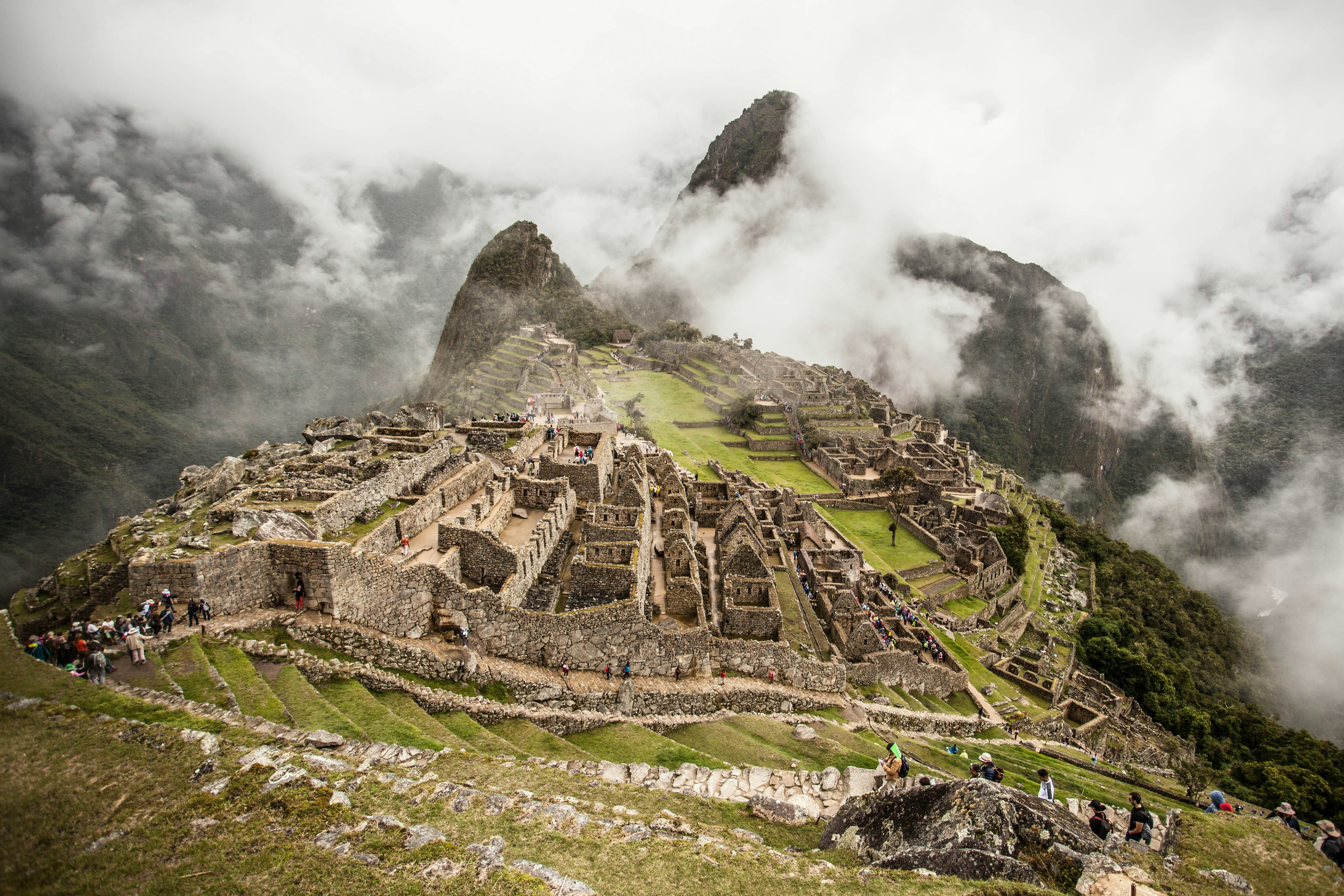
“So, are there any tourist attractions in Chile that offer a mix of culture, history, and adventure?”
We get this question all the time. People see the epic photos of Patagonia’s peaks or the stark beauty of the Atacama and wonder if there’s more beneath the surface. Is it just a playground for adrenaline junkies, or is there a story to be told?
Let me tell you a story. On my first trip, I was standing in San Pedro de Atacama, covered in dust after a morning of sandboarding. I felt like I was on Mars. That afternoon, I found myself in a quiet museum, staring at artifacts from the Atacameño people that were thousands of years old. That night, I was looking through a telescope at galaxies millions of light-years away. Adventure, history, and a profound sense of wonder—all in one day.
That’s Chile in a nutshell. It’s not a country where you have to choose. It’s a place where history is carved into the landscape, culture is lived out in the open, and adventure is waiting around every corner. It’s a destination that doesn’t just show you things; it makes you feel them. If you’re looking for more than just a pretty picture, you’ve come to the right place. We’ve compiled a list of the absolute best tourist attractions to see in Chile that deliver this perfect trifecta.
So, grab your notebook (and maybe a Pisco Sour), because we’re about to plan an adventure that feeds your mind, body, and soul.
🗺️ Chile’s Diverse Tourist Attractions: Where Culture, History, and Adventure Converge
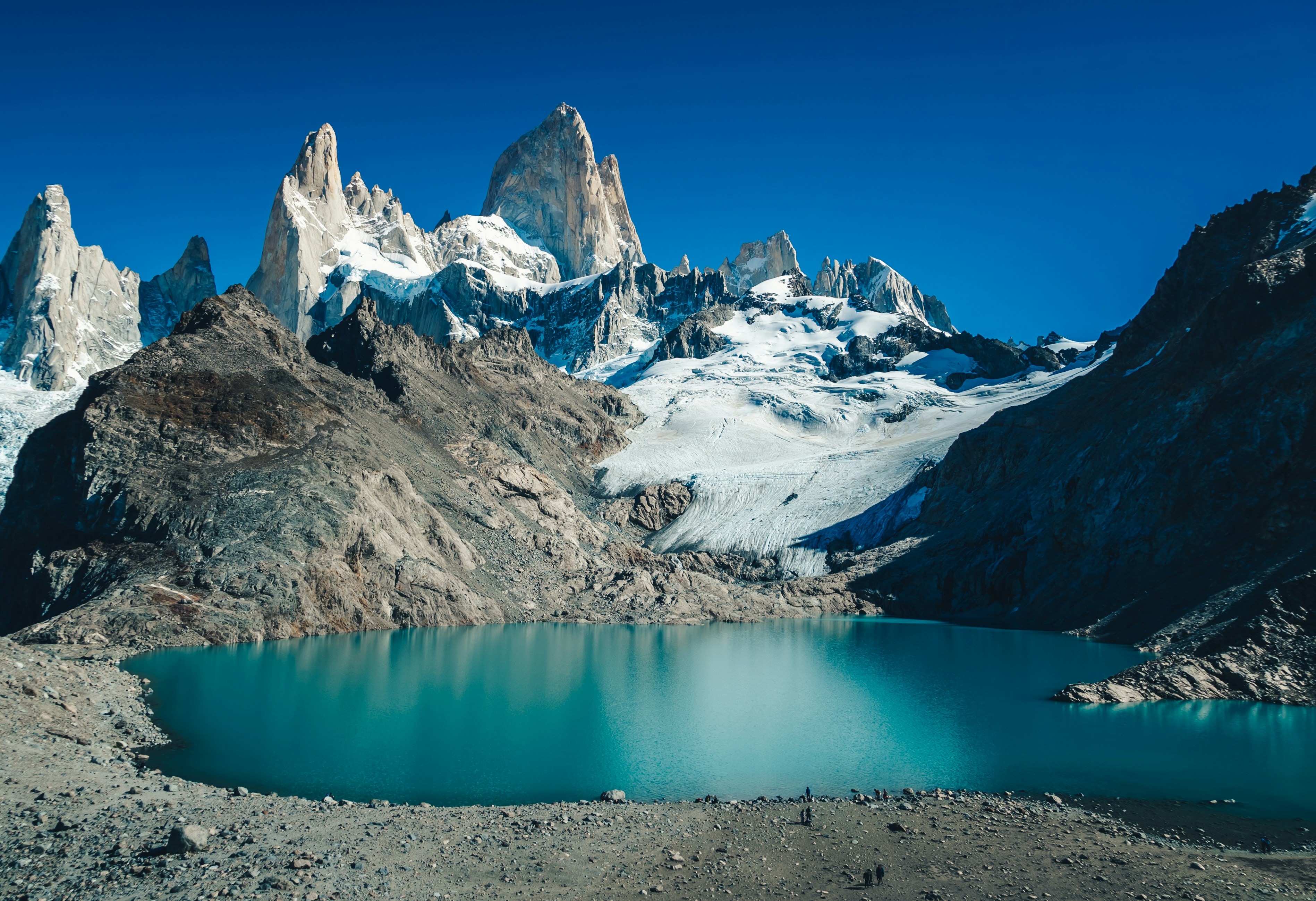
Ready to see how Chile masterfully weaves these three elements together? Let’s explore the destinations that prove you can have your historical cake and eat it too… while dangling from a zip line.
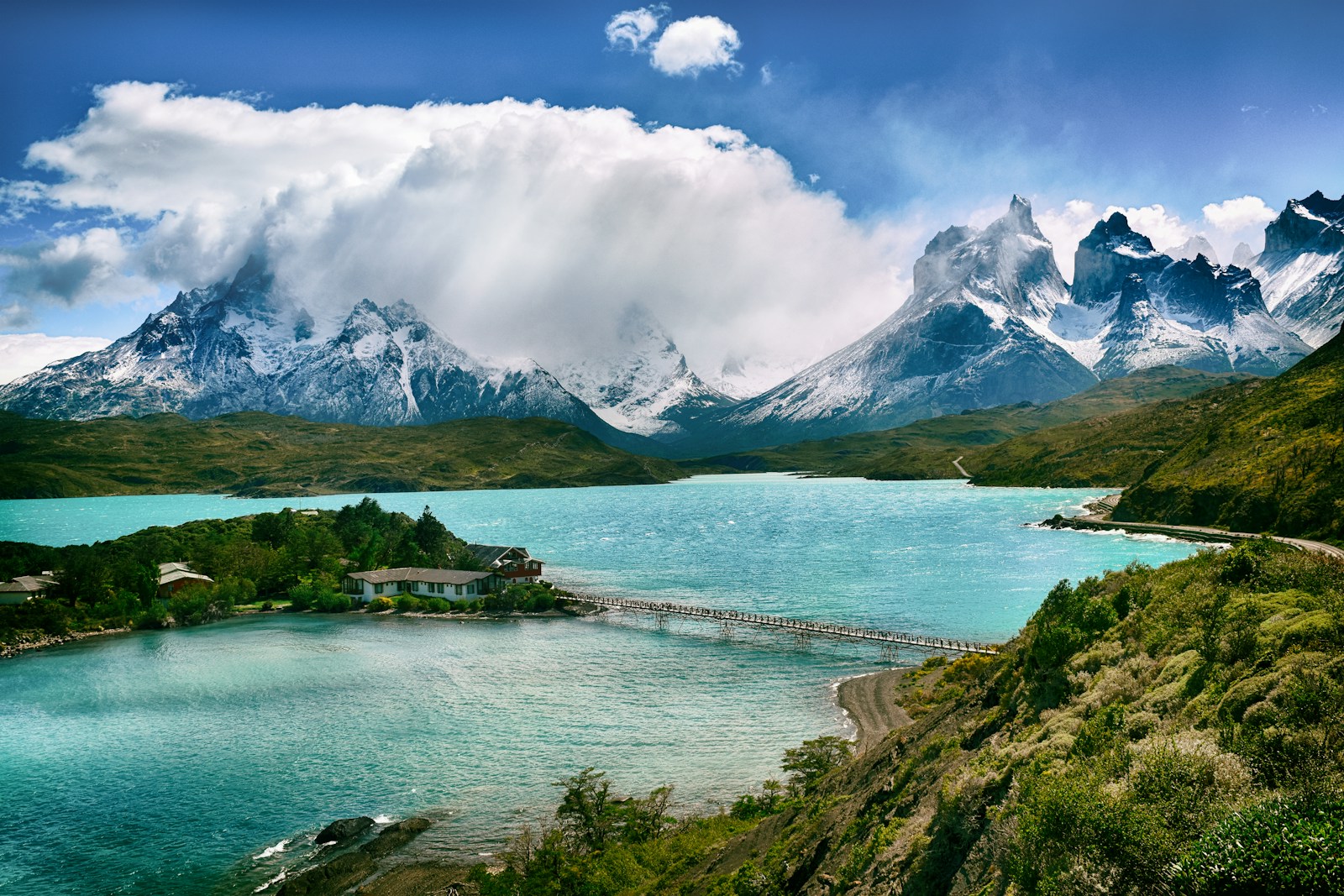
⛰️ Patagonia’s Crown Jewel: Torres del Paine – Where Epic Adventure Meets Indigenous Lore and Geological History
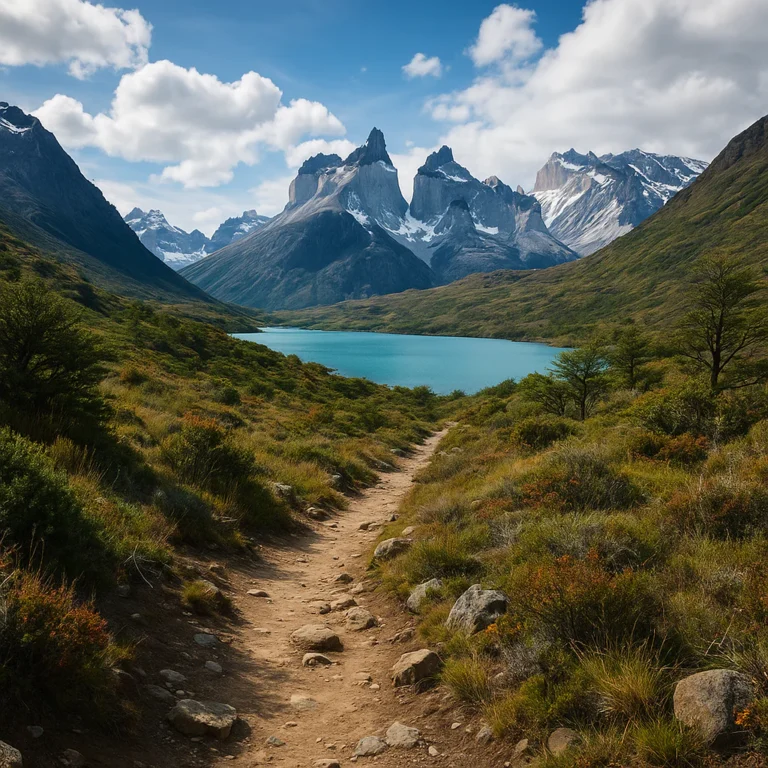
When you think of Chilean adventure, this is probably the image that pops into your head. Those iconic granite horns piercing the sky. But Torres del Paine is so much more than just a pretty (okay, breathtakingly gorgeous) face.

Culture & History
Before it was a world-famous national park, this land was the territory of the Aonikenk (Tehuelche) people, nomadic hunter-gatherers who lived here for centuries. The name “Paine” (pronounced PIE-nay) itself comes from their language and means “blue,” likely referring to the stunning azure lakes. The park’s dramatic geology tells a 12-million-year-old story of glacial carving and volcanic uplift. Every trail you walk is a step through time, a landscape shaped by ice and fire.
Adventure & Thrills
This is the heart of Adventure Travel in Chile.
- ✅ The W Trek: The world-famous 5-day trek that takes you to the park’s three main highlights: the base of the Towers, the French Valley, and Glacier Grey. It’s challenging but accessible to most fit hikers.
- ✅ Kayaking on Lake Grey: Paddle among ethereal blue icebergs that have calved off the massive Glacier Grey. It’s a surreal, humbling experience.
- ✅ Puma Tracking: Join a guided tour to (safely) spot the elusive “ghost of the Andes.” It’s a lesson in patience and a massive thrill when you finally see one.
- ❌ Don’t underestimate the weather! The Patagonian wind is legendary. You can experience all four seasons in a single day. Pack accordingly!
As the team at Kuoda Travel puts it, “From Mirador Base Torres to Lake Pehoé, the park offers countless spots for photography and sightseeing.” We couldn’t agree more. It’s a place where every view feels like a reward.
Find your Patagonian basecamp:
- CHECK ACCOMMODATION on: Booking.com | Expedia
🏜️ Atacama Desert: Earth’s Driest Frontier – Stargazing, Ancient Cultures, and Extreme Adventure Sports
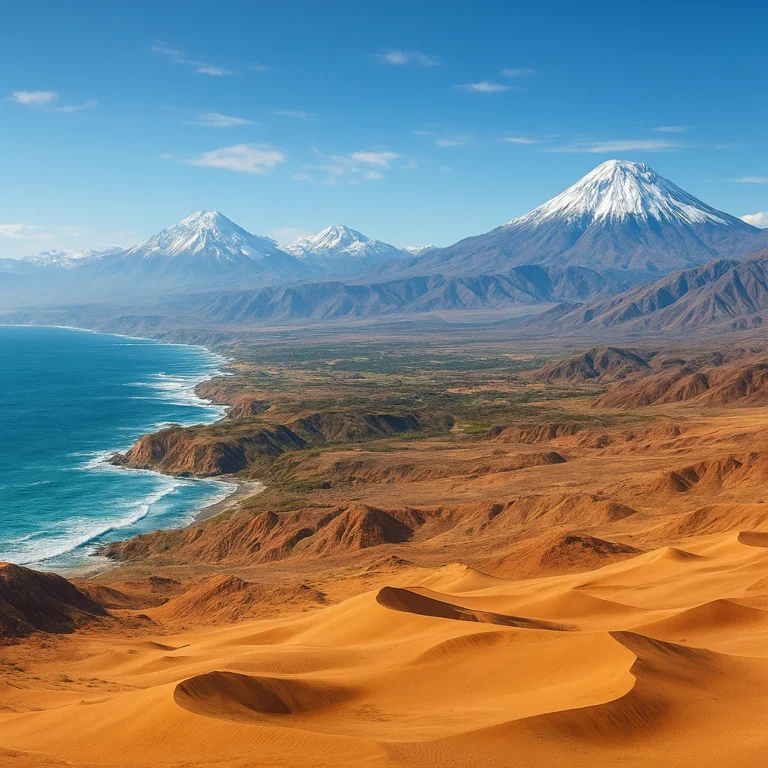
Welcome to Mars on Earth. The Atacama is a place of extremes, and its blend of activities is just as dramatic. It’s one of our favorite Destinations for a reason.
Culture & History
The town of San Pedro de Atacama is an oasis that has been inhabited for thousands of years.
- Ancient Civilizations: Visit the Pukará de Quitor, a pre-Inca stone fortress offering panoramic views and a tangible link to the region’s defensive history. Explore the Aldea de Tulor, a village buried by sand over 2,000 years ago.
- Living Culture: The town itself, with its adobe buildings and the historic 17th-century church, is a living cultural hub. The local market is a great place to see Lickanantay (Atacameño) crafts.
Adventure & Thrills
- ✅ Stargazing: The Atacama’s clear skies and high altitude make it one of the best places on the planet for astronomy. A stargazing tour is non-negotiable. You’ll see the Milky Way like never before.
- ✅ Sandboarding in Death Valley (Valle de la Muerte): Grab a board and shred down massive sand dunes. It’s like snowboarding, but with warmer, softer landings!
- ✅ Floating in Laguna Cejar: The high salt concentration in this sinkhole lagoon allows you to float effortlessly, just like in the Dead Sea.
- ✅ El Tatio Geysers: Wake up before dawn to witness a field of steaming geysers erupting at over 4,200 meters (13,780 ft). It’s a geothermal wonderland.
The travel blog On My Canvas perfectly captures the vibe, noting that the desert features “snow-capped volcanoes, salt and freshwater lagoons with flamingos, moon-like valleys, and geysers.” It’s an adventurer’s dreamscape with deep historical roots.
🏞️ Chile’s Lake District: Volcanoes, Lakes, and Alpine Charm – Exploring Mapuche Heritage and Thrilling Outdoor Pursuits
Think Switzerland, but with a fiery Latin heart and a deep Indigenous soul. The Lake District is a stunning region of emerald lakes, snow-capped volcanoes, and lush forests.
Culture & History
- Mapuche Heritage: This is the ancestral land of the Mapuche people, Chile’s largest Indigenous group. You can visit traditional rukas (thatched homes), learn about their cosmology (where the Villarrica Volcano is the “House of the Spirit”), and buy beautiful silverwork and textiles.
- German Settlement: In the mid-19th century, German immigrants settled here, leaving a distinct architectural and culinary mark. Towns like Frutillar and Puerto Varas are famous for their kuchen (cake) and charming wooden houses, creating a fascinating cultural fusion.
Adventure & Thrills
- ✅ Climb an Active Volcano: For the ultimate thrill, join a guided ascent of the Villarrica Volcano. You’ll hike up with crampons and an ice axe and then—the best part—sled down the snowy slopes on your backside!
- ✅ Whitewater Rafting: The Trancura and Petrohué rivers offer world-class rafting, with rapids ranging from Class III to V.
- ✅ Hiking and Waterfalls: Explore Vicente Pérez Rosales National Park, Chile’s oldest, and marvel at the turquoise Petrohué Falls, with the perfect cone of the Osorno Volcano in the background.
This region is a perfect example of how different cultures can shape a landscape. You can spend the morning learning about Mapuche traditions and the afternoon enjoying a German pastry before kayaking on a glacial lake.
Explore hotels and tours in the Lake District:
- CHECK OPTIONS on: Booking.com | Expedia | Tripadvisor
🏙️ Santiago: Chile’s Vibrant Capital – A Hub of Urban Culture, Colonial History, and Gateway to Andean Adventures
Don’t just use Santiago as a layover spot! Chile’s bustling capital is a destination in its own right, offering a sophisticated blend of history, art, and easy access to mountain adventures. It’s a great place for some Budget Travel if you know where to look.
Culture & History
- Historic Heart: Start at the Plaza de Armas, the city’s colonial core. Here you’ll find the magnificent Metropolitan Cathedral and the National History Museum.
- Poet’s Legacy: Visit La Chascona, one of Pablo Neruda’s three homes, now a whimsical museum that offers a peek into the Nobel laureate’s eccentric life.
- A Painful Past: For a sobering but essential historical lesson, visit the Museum of Memory and Human Rights, which documents the human rights violations during the military dictatorship under Augusto Pinochet. It’s powerful, moving, and crucial for understanding modern Chile.
Adventure & Thrills
- ✅ Urban Hiking: Hike or take the funicular up Cerro San Cristóbal for the best panoramic views of the city sprawling towards the Andes. There’s a massive statue of the Virgin Mary at the top, a swimming pool, and a zoo.
- ✅ Day Trip to the Andes: In less than two hours, you can be in the heart of the Andes. In winter, this means skiing at world-class resorts like Valle Nevado. In summer, it means hiking, horseback riding, or visiting the stunning Embalse El Yeso reservoir.
- ✅ Wine Tasting: Santiago is the gateway to the Maipo Valley, one of Chile’s most famous wine regions. You can easily take a half-day tour to historic vineyards like Concha y Toro or Santa Rita.
Santiago proves that “adventure” doesn’t always mean being in the middle of nowhere. Sometimes, it’s about discovering the pulse of a city and realizing the mountains are your backyard.
🎨 Valparaíso: The Bohemian Port City – A Canvas of Street Art, Historic Funiculars, and Maritime History
Oh, Valpo. This city is a chaotic, colorful, crumbling masterpiece. A UNESCO World Heritage site, it’s a labyrinth of steep hills, vibrant street art, and creaking funiculars. It feels like the entire city is an art installation.
Culture & History
- A Living Museum: Valparaíso’s “adventure” is the act of getting lost. Wander through the cerros (hills) like Cerro Alegre and Cerro Concepción. Every corner reveals a new mural, a hidden café, or a stunning view of the Pacific.
- Historic Funiculars (Ascensores): These rickety wooden elevators have been hauling locals up the city’s impossibly steep hills since the 19th century. Riding one is a trip back in time and a quintessential Valpo experience.
- Maritime Soul: As Chile’s main port for centuries, its history is tied to the sea. You can feel this maritime spirit everywhere, from the bustling port to the grand buildings erected during its golden age.
Adventure & Thrills
- ✅ Street Art Tours: The best way to understand the city’s soul is through its art. The murals here are not just decoration; they are political statements, social commentaries, and expressions of pure joy.
- ✅ Urban Exploration: The real adventure is simply walking. Ditch the map (for a little while) and let your curiosity guide you. You’ll discover hidden alleyways (pasajes), artist workshops, and the best empanadas of your life from a tiny hole-in-the-wall shop.
- ❌ Wear comfortable shoes! We cannot stress this enough. The hills are no joke.
Kuoda Travel rightly notes that “Valparaíso’s bohemian vibe and rich artistic heritage make it one of the most intriguing places to visit in Chile.” It’s a city that will capture your heart and your imagination.
🏡 Chiloé Island: Myths, Legends, and Unique Architecture – Unearthing Indigenous Traditions and Coastal Wonders
Crossing the Chacao Channel to Chiloé is like entering another world. This archipelago is a place steeped in mythology, with a unique culture born from the fusion of Indigenous Chono and Huilliche traditions with Spanish Jesuit influence.
Culture & History
- Wooden Churches: Chiloé is famous for its 16 wooden churches, which are collectively a UNESCO World Heritage site. Built entirely without nails by master shipbuilders, they are a testament to a unique architectural tradition.
- Mythology and Folklore: This is a land of ghost ships (El Caleuche), forest gnomes (El Trauco), and sea witches. The local culture is rich with these stories, and you’ll feel their presence in the misty air.
- Palafitos: The iconic stilt houses built over the water in cities like Castro and Dalcahue are a practical and picturesque solution to the island’s dramatic tides.
Adventure & Thrills
- ✅ Penguin Spotting: Take a boat trip from Puñihuil to see colonies of both Magellanic and Humboldt penguins nesting side-by-side—one of the only places in the world this happens.
- ✅ Hiking in Chiloé National Park: Explore the wild western coast of the island, with its dense temperate rainforests and windswept beaches.
- ✅ Kayaking through Sunken Forests: Paddle through the hauntingly beautiful “Muelle de las Almas” (Dock of Souls) area, where the 1960 earthquake submerged parts of the forest.
- ✅ Taste a Curanto: This is a must-do cultural and culinary adventure. A traditional feast of seafood, meat, and potatoes is cooked in a pit in the ground using hot stones. It’s delicious and a true community event.
As On My Canvas highlights, Chiloé has a “unique island culture with a strong belief in natural powers and folklore.” It’s a magical place that feels a world away from mainland Chile.
🗿 Easter Island (Rapa Nui): The Mysterious Island of the Moai – Decoding Ancient Civilizations and Pacific Adventures
The ultimate blend of mystery, history, and remote island adventure. Rapa Nui is one of the most isolated inhabited islands on Earth, and its enigmatic Moai statues have fascinated the world for centuries.
Culture & History
- The Moai: This is why you come here. These colossal stone figures are a marvel of human ingenuity and a source of endless speculation. Visiting the quarry at Rano Raraku, where they were carved, and seeing the 15 restored giants at Ahu Tongariki is an unforgettable experience.
- Rapa Nui Culture: The island’s history is a dramatic tale of a complex society, environmental challenges, and cultural resilience. Learn about the “Birdman” cult at the ceremonial village of Orongo and witness the unique Polynesian culture that thrives today.
Adventure & Thrills
- ✅ Sunrise at Ahu Tongariki: Watching the sun rise behind the 15 Moai is a spiritual, almost mystical experience. It’s worth the early wake-up call.
- ✅ Scuba Diving & Snorkeling: The waters around Rapa Nui boast some of the best visibility on the planet (up to 60 meters!). You can even see a submerged Moai (a movie prop, but still cool!).
- ✅ Explore by Bike or Horseback: Rent a bike or join a horseback riding tour to explore the island’s rugged coastline and volcanic craters at a slower pace.
- ✅ Relax on a Volcanic Beach: Head to Anakena Beach, a perfect crescent of white coral sand, fringed with palm trees and, of course, a few Moai standing guard.
Classic Journeys aptly states, “The island’s enigmatic Moai statues are a UNESCO World Heritage site,” but the real magic is feeling the mana (spiritual power) of the island for yourself.
✨ Elqui Valley: Chile’s Stargazing Capital – Cosmic Wonders, Pisco Trails, and Spiritual Retreats in the Andes
If the Atacama is for professional astronomers, the Elqui Valley is for the dreamers. Nestled in the Andes, this fertile valley is famous for three things: pisco, stars, and a seriously mystical vibe.
Culture & History
- The Pisco Trail: This valley is the heartland of Chilean pisco production. You can tour artisanal and industrial distilleries like Mistral, Capel, or the boutique Fundo Los Nichos to learn the history of this beloved spirit and, of course, enjoy some tastings.
- Gabriela Mistral’s Homeland: The valley was the birthplace of Gabriela Mistral, the first Latin American to win the Nobel Prize in Literature. You can visit a museum dedicated to her in the town of Vicuña.
- Spiritual Center: The valley’s clear skies and unique energy have attracted UFO watchers, spiritual seekers, and wellness retreats for decades. There’s a tangible sense of peace (and quirkiness) here.
Adventure & Thrills
- ✅ Astronomical Tours: With over 300 clear nights a year, this is a stargazing paradise. Numerous small, intimate observatories like the Observatorio del Pangue offer fantastic tours where you can look through powerful telescopes.
- ✅ Cycling the Valley: Rent a bike in the main town of Pisco Elqui and cruise downhill through vineyards and picturesque villages. It’s a fantastic way to see the landscape.
- ✅ Hiking and Horseback Riding: Explore the Andean foothills on trails that offer stunning views of the green valley floor contrasted against the arid mountains.
The Elqui Valley is the perfect place to mix adventure with relaxation. One day you’re hiking in the mountains, the next you’re sipping pisco and contemplating the cosmos.
🛣️ Carretera Austral: The Ultimate Patagonian Road Trip – Wilderness, Pioneer Spirit, and Untamed Beauty
This isn’t a single destination; it’s one of the world’s most epic road trips. The Carretera Austral (Southern Highway) is a 1,240 km (770 mi) route that winds through the wildest, most untamed parts of Patagonia.
Culture & History
- Pioneer Spirit: This road was only completed in the late 20th century, a monumental feat of engineering to connect isolated communities. Driving it, you’ll meet hardy pioneers and feel the spirit of self-reliance that defines this region. The culture is one of gauchos (cowboys), remote homesteads, and a deep connection to the land.
- History in the Making: The route is dotted with national parks established by the late Douglas Tompkins and Kristine Tompkins of Tompkins Conservation, a massive conservation effort that is now part of Chile’s national park system. You are traveling through a living legacy of preservation.
Adventure & Thrills
- ✅ Marble Caves (Capillas de Mármol): Take a boat tour on General Carrera Lake to witness these stunning caves, sculpted by water over thousands of years into swirling patterns of blue, grey, and white.
- ✅ Hike on a Glacier: In Queulat National Park, you can hike to a viewpoint of the spectacular Ventisquero Colgante (Hanging Glacier). Or, near the town of Caleta Tortel, you can join a tour to trek on the Steffen Glacier.
- ✅ Raft the Futaleufú River: Considered one of the top three rafting and kayaking rivers in the world, the “Fu” offers turquoise water and exhilarating Class IV and V rapids.
The Carretera Austral is the ultimate adventure for those who want to get off the beaten path. It requires planning and a sturdy vehicle, but the rewards are immeasurable.
Ready to hit the road?
- CHECK CAR RENTALS on: RentalCars.com
🍷 Chile’s Central Valley Wine Region: Savoring Culture, History, and Vineyard Adventures
Just south of Santiago lies a paradise for wine lovers. But Chile’s wine valleys—like Colchagua, Maule, and Curicó—offer more than just a good glass of Carménère. They are steeped in colonial history and offer plenty of gentle adventure.
Culture & History
- Hacienda Life: This region is the heart of Chile’s traditional huaso (cowboy) culture. Many of the wineries are historic haciendas (estates) that date back to the colonial era. You can tour grand manor houses and learn about the history of Chilean agriculture and aristocracy.
- The Rebirth of Carménère: Learn the fascinating story of the Carménère grape, once thought to be extinct in its native Bordeaux, only to be rediscovered in Chile in 1994. It’s a piece of living wine history!
Adventure & Thrills
- ✅ Bike Through Vineyards: Many wineries, like Viña Montes in the Colchagua Valley, offer bike rentals or tours, allowing you to explore the vineyards at your own pace before a well-deserved tasting.
- ✅ Horseback Riding: Embrace your inner huaso and go for a horseback ride through the rolling hills and vineyards. It’s a classic and beautiful way to experience the landscape.
- ✅ Hot Air Ballooning: For a truly unforgettable perspective, take a hot air balloon ride over the vineyards at sunrise.
This is the perfect “soft adventure” destination, ideal for travelers who want to mix stunning scenery and outdoor activity with world-class food and wine.
⛰️ Arica & Parinacota Region: Gateway to the Andes – Ancient Cultures, High-Altitude Lakes, and Desert Adventures
In the far north, where Chile meets Peru and Bolivia, lies a region that is often overlooked but packed with incredible history and high-altitude adventure.
Culture & History
- The Chinchorro Mummies: The city of Arica is near the discovery site of the Chinchorro mummies, the oldest artificially preserved mummies in the world, predating the Egyptian ones by thousands of years. The San Miguel de Azapa Archaeological Museum is a must-visit.
- Aymara Culture: As you ascend into the Andes, you enter the world of the Aymara people. Visit tiny, ancient villages with beautiful colonial-era churches, like the one in Parinacota, and learn about their traditions of alpaca herding and weaving.
- Ancient Geoglyphs: The desert valleys here are etched with enormous geoglyphs created by ancient peoples, depicting llamas, humans, and geometric shapes.
Adventure & Thrills
- ✅ Explore Lauca National Park: A high-altitude wonderland and UNESCO Biosphere Reserve. The centerpiece is Lago Chungará, one of the highest lakes in the world, reflecting the perfect cones of the Payachata twin volcanoes. You’ll see herds of vicuñas, vizcachas, and countless bird species.
- ✅ Surfing in Arica: Known as the “City of Eternal Spring,” Arica has some of Chile’s best and most consistent surf breaks, including the legendary “El Gringo” wave.
- ✅ Acclimatize and Hike: The adventure here is dealing with the altitude. Take it slow, chew coca leaves like the locals, and enjoy gentle hikes around the stunning high-altitude lakes and wetlands (bofedales).
This region offers a profound sense of stepping back in time, combined with the raw, high-altitude beauty of the Andes.
✈️ Planning Your Chilean Adventure: Seamlessly Blending Experiences
Okay, feeling inspired? Overwhelmed? Both? That’s normal! Chile is huge, and the options are endless. Here’s how to start piecing together your perfect trip that balances all your interests.
🗺️ Crafting Your Perfect Chilean Itinerary: Tips for Blending Culture, History, and Adventure
- Pick a Region (or Two): Don’t try to do it all. Chile is over 4,300 km long! A great trip focuses on one or two regions. For example, combine the Atacama Desert (North) with Santiago/Valparaíso (Central). Or focus entirely on a Patagonian adventure (South).
- Alternate Your Pacing: Plan a high-octane adventure day (like climbing a volcano) followed by a more relaxed cultural day (like exploring a museum or a winery). Your body will thank you.
- Hire Local Guides: For historical sites and cultural experiences, a local guide is invaluable. They bring stories to life in a way a guidebook never can. For adventure sports, always go with certified, reputable operators.
- Embrace the Journey: In Chile, transportation can be part of the adventure. A scenic bus ride through the Andes or a ferry to Chiloé isn’t just getting from A to B; it’s part of the experience.
🗓️ Sample Itineraries: Blending Iconic Sights with Hidden Gems
To give you a head start, here are a few plug-and-play ideas from our team:
1. The Northern Explorer: Desert, Stars & Ancient Roots (10 Days)
- Days 1-2: Arica. Acclimatize, see the Chinchorro Mummies, and surf.
- Days 3-4: Lauca National Park. High-altitude adventure and Aymara culture.
- Days 5-9: San Pedro de Atacama. Mix adventure (sandboarding, geysers) with history (Pukará de Quitor) and wonder (stargazing).
- Day 10: Fly out of Calama (CJC).
2. Central Chile Charm: Wine, Art & City Buzz (7-9 Days)
- Days 1-3: Santiago. Explore museums, hike Cerro San Cristóbal, and take a day trip to a Maipo Valley winery.
- Days 4-5: Valparaíso. Get lost in the street art, ride the funiculars, and visit a Neruda house.
- Days 6-7: Elqui Valley. Drive or fly north to La Serena (LSC). Stargaze, tour pisco distilleries, and bike through the valley.
- Optional Days 8-9: Add a coastal detour to Zapallar or head to the mountains for more hiking.
3. Patagonia & Beyond: Glaciers, Peaks & Indigenous Lore (14 Days)
- Days 1-3: Lake District (fly into Puerto Montt – PMC). Explore Puerto Varas, see Petrohué Falls, and learn about Mapuche culture.
- Days 4-6: Chiloé Island. See the wooden churches, spot penguins, and eat a curanto.
- Days 7-11: Torres del Paine (fly from PMC to Punta Arenas – PUQ). Hike the W Trek or do day trips to key lookouts.
- Days 12-14: Explore Punta Arenas, see the Magellan Strait, and fly home.
4. Island Hopping: Moai, Myths & Maritime Wonders (12 Days)
- Days 1-5: Easter Island (fly from Santiago – SCL). Explore the Moai, hike to Orongo, and relax at Anakena beach.
- Days 6-7: Return to Santiago/Valparaíso. Recover from the long flight and enjoy the city.
- Days 8-12: Chiloé Island. Fly to Castro (MHC) or Puerto Montt (PMC) and immerse yourself in the island’s unique mythology and landscapes.
☀️ When to Visit Chile: Seasons, Festivals, and Best Times for Adventure
Because of its length, Chile’s climate varies dramatically.
| Season | North (Atacama) | Central (Santiago/Valpo) | South (Patagonia) |
|---|---|---|---|
| Summer (Dec-Feb) | Hot days, cool nights. Perfect for everything. | Hot and dry. Ideal for beaches and wine tours. | Peak season. Best weather for hiking, but crowded and windy. Book everything far in advance! |
| Autumn (Mar-May) | Pleasant temps, fewer crowds. | Beautiful colors in the vineyards. Mild weather. | Stunning fall foliage. Cooler temps, less wind, fewer people. A great time to visit. |
| Winter (Jun-Aug) | Cool days, cold nights. Clear skies for stargazing. | Cool and rainy. Peak ski season in the Andes. | Cold, snowy, and many services/trails are closed. Best for hardcore winter adventurers only. |
| Spring (Sep-Nov) | Wildflower blooms if it has rained. Pleasant temps. | Wildflowers bloom. Pleasant weather. Fiestas Patrias (National Day) on Sep 18th is a huge party! | Shoulder season. Weather is unpredictable but parks are opening up. Cheaper and less crowded. |
🎒 Essential Packing List for a Diverse Chilean Journey
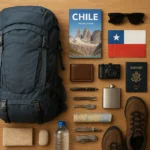
Layers, layers, layers! That’s the mantra for packing for Chile. Check out our full Packing Guides for more detail, but here are the non-negotiables:
- Sturdy Hiking Boots: Something waterproof like the Merrell Moab 3 or Salomon X Ultra 4.
- Waterproof/Windproof Jacket: An absolute must for Patagonia and the coast. Brands like Patagonia and Arc’teryx are top-tier.
- Fleece or Puffy Jacket: For cold nights in the desert and chilly days in the south.
- Sun Protection: Sunscreen, sunglasses, and a wide-brimmed hat. The sun is intense, especially at high altitudes.
- Reusable Water Bottle: Stay hydrated and reduce plastic waste. A LifeStraw bottle is great for refilling from natural sources.
- Universal Power Adapter: Chile uses Type C and L plugs.
🚗 Navigating Chile: Transportation Tips and Tricks
- Flights: For long distances (e.g., Santiago to Patagonia), flying is the only practical option. LATAM and Sky Airline are the main domestic carriers.
- Buses: For inter-city travel in the central and northern regions, Chile has an excellent and comfortable long-distance bus system. Companies like Turbus and Pullman Bus offer cama (bed) and semi-cama (reclining) seats that are great for overnight journeys.
- Rental Car: Renting a car is the best way to explore the Lake District, the Carretera Austral, or the wine valleys at your own pace. 4×4 is recommended for more rugged routes.
Book your wheels for the road:
- CHECK RENTALS on: RentalCars.com | Expedia
🌍 Responsible Tourism in Chile: Preserving Culture, History, and Nature
Being a great traveler means leaving a place as good as or better than you found it.
- Respect Indigenous Cultures: When visiting communities like the Mapuche or Rapa Nui, always be respectful. Ask before taking photos of people, buy authentic handicrafts directly from artisans, and hire local Indigenous guides to support their economy.
- Leave No Trace: In national parks, this is the golden rule. Pack out everything you pack in. Stay on marked trails to prevent erosion. Do not feed wildlife.
- Support Local: Eat at family-run restaurants, stay in local guesthouses (hospedajes), and buy souvenirs from local markets. Your tourist dollars make a much bigger impact this way.
- Conserve Water: This is especially critical in the Atacama Desert. Be mindful of your water usage.
- Learn More: Organizations like SERNATUR (Chile’s National Tourism Service) and Chile es Tuyo have resources on sustainable travel practices.
✨ Conclusion: Your Chilean Adventure Awaits!

So, are there any tourist attractions in Chile that offer a mix of culture, history, and adventure? Absolutely—and then some! From the towering granite spires of Torres del Paine, where you can hike alongside pumas and learn about ancient Indigenous peoples, to the otherworldly Atacama Desert with its stargazing and ancient ruins, Chile is a treasure trove for travelers craving a rich, multi-dimensional experience.
What makes Chile truly special is how seamlessly these elements intertwine. You don’t just visit a place—you live it. Whether you’re savoring a Pisco Sour in a historic Santiago bar, tracing the footsteps of the Mapuche in the Lake District, or marveling at the enigmatic Moai on Easter Island, every moment is steeped in stories and adrenaline alike.
Our personal journeys have taught us that Chile rewards the curious and the adventurous in equal measure. The country’s vastness means you can tailor your trip to your own pace and interests, mixing high-energy treks with cultural immersion and historical discovery. And with responsible tourism practices, you can ensure your visit helps preserve the magic for generations to come.
So, pack your boots, your sense of wonder, and maybe a notebook for all the stories you’ll gather. Chile is calling—and it promises an unforgettable adventure where culture, history, and adventure dance together in perfect harmony.
🔗 Recommended Links
Ready to gear up or dive deeper? Here are some trusted resources and products to help you prepare for your Chilean adventure:
-
Merrell Moab 3 Hiking Boots:
Amazon | Merrell Official Website -
Salomon X Ultra 4 Hiking Shoes:
Amazon | Salomon Official Website -
Patagonia Waterproof Jackets:
Patagonia Official Website -
Arc’teryx Shell Jackets:
Arc’teryx Official Website -
LifeStraw Reusable Water Bottle:
Amazon -
RentalCars.com – Car Rentals in Chile:
RentalCars.com -
LATAM Airlines:
LATAM Official Website -
Sky Airline:
Sky Airline Official Website -
Books on Chilean Culture and Travel:
❓ Frequently Asked Questions (FAQ)

What are the top cultural festivals and events to experience in Chile that showcase its rich history and heritage?
Chile’s calendar is peppered with vibrant festivals that bring its culture and history to life:
- Fiestas Patrias (September 18-19): The biggest national celebration, marking Chile’s independence. Expect traditional music, dance (cueca), rodeos, and plenty of empanadas and chicha (fermented grape or apple drink). It’s a full-on cultural immersion.
- Tapati Rapa Nui Festival (Easter Island, February): A unique Polynesian festival celebrating Rapa Nui culture with traditional sports, dance, and art competitions.
- Carnaval Andino con la Fuerza del Sol (Arica, January): A colorful Andean carnival featuring indigenous dances, costumes, and music, showcasing the Aymara and other northern cultures.
- La Tirana Festival (July): One of Chile’s most important religious festivals, blending Catholic and Indigenous traditions with elaborate dances and costumes in the town of La Tirana.
These festivals are perfect opportunities to experience Chile’s living heritage firsthand.
Are there any guided tours in Chile that combine outdoor adventures with visits to historical landmarks and cultural sites?
Yes! Many tour operators specialize in immersive experiences that blend adventure with culture and history:
- Classic Journeys offers curated walking and adventure tours across Chile, including Patagonia treks combined with visits to Mapuche communities and historical sites. Their Chile Walking & Adventure Tours are highly recommended for travelers seeking a well-rounded experience.
- Kuoda Travel provides custom itineraries that mix hiking in Torres del Paine with cultural excursions in Santiago and Valparaíso.
- Explora lodges in Patagonia and Atacama offer guided hikes, horseback riding, and cultural tours with expert naturalists and historians.
- Local guides in San Pedro de Atacama often combine desert adventure with archaeological site visits, including the Pukará de Quitor fortress.
Booking guided tours ensures you get insider knowledge and access to hidden gems while enjoying safe, well-organized adventures.
What are the most scenic hiking trails in Chile’s national parks that offer breathtaking views and opportunities to learn about the country’s unique geology and history?
Chile’s national parks are hiking paradises with trails that combine natural beauty and cultural significance:
- The W Trek in Torres del Paine: A classic 5-day trek passing glaciers, turquoise lakes, and granite towers. Along the way, guides share stories about the Aonikenk people and the park’s geological formation.
- The Valle de la Luna (Moon Valley) in Atacama: Short hikes through surreal lunar landscapes with interpretive signs explaining the geology and ancient human presence.
- Conguillío National Park: Trails around Llaima Volcano and ancient Araucaria forests, sacred to the Mapuche.
- Chiloé National Park: Coastal hikes through temperate rainforests and along beaches, with insights into local myths and Jesuit missionary history.
- Lauca National Park: High-altitude hikes with views of volcanoes and ancient villages, offering a window into Andean culture and geology.
These trails are accessible with varying difficulty levels and often include guided options to deepen your understanding.
Can I experience the local cuisine and wine of Chile on a tour that also explores the country’s colonial past and indigenous traditions?
Absolutely! Chile’s culinary scene is a delicious reflection of its history and cultural diversity:
- Wine Tours in the Central Valley: Visit historic vineyards like Concha y Toro and Santa Rita, where colonial-era haciendas showcase Chile’s winemaking heritage. Many tours include tastings paired with traditional Chilean dishes.
- Chiloé Culinary Experiences: Try curanto, a traditional pit-cooked feast, and fresh seafood while learning about the island’s folklore and architecture.
- Santiago Food and History Tours: Explore markets like Mercado Central and Barrio Lastarria, sampling empanadas, completos, and local cheeses, while visiting colonial plazas and museums.
- Mapuche Gastronomy: In the Lake District, some tours introduce you to Mapuche cooking techniques and ingredients, such as muday (fermented corn drink) and piure (seafood).
These tours offer a full sensory experience, connecting food with stories, traditions, and history.
How safe is it to travel in Chile, especially in remote adventure areas?
Chile is generally considered one of the safest countries in South America for travelers. Petty crime can occur in urban centers like Santiago, so standard precautions (watch your belongings, avoid poorly lit areas at night) are advised.
In remote areas such as Patagonia or the Atacama, safety concerns are minimal, but:
- Always travel with certified guides for adventure activities.
- Check weather conditions carefully, especially in Patagonia, where sudden storms can be dangerous.
- Register your trekking plans with park authorities.
- Carry adequate gear and supplies, as services can be sparse.
Chile’s infrastructure is well-developed for tourism, and emergency services are accessible in most popular regions.
Read more about “Are There Safety Concerns in Chile? 12 Must-Know Tips (2025) 🇨🇱”
What is the best way to get around Chile for a multi-region trip?
Chile’s geography makes transportation planning essential:
- Domestic Flights: The fastest way to cover large distances (e.g., Santiago to Punta Arenas or Calama). LATAM and Sky Airline are reliable carriers.
- Long-Distance Buses: Comfortable and frequent between major cities and towns, especially in the north and central regions.
- Car Rentals: Ideal for exploring the Lake District, wine valleys, and the Carretera Austral. A 4×4 vehicle is recommended for rugged roads.
- Ferries: Necessary for island hopping, especially to Chiloé.
- Urban Transport: Santiago has a modern metro system; taxis and ride-sharing apps are widely available.
Combining these modes allows for a flexible and efficient itinerary.
Read more about “15 Budget-Friendly Chile Tours & Packages You Can’t Miss in 2025 🇨🇱”
📚 Reference Links
- Kuoda Travel – Places to Visit in Chile
- On My Canvas – Travel Guide Chile
- Classic Journeys – Chile Walking & Adventure Tours
- UNESCO World Heritage – Churches of Chiloé
- SERNATUR – Chile National Tourism Service
- Tompkins Conservation
- Concha y Toro Winery
- Santa Rita Winery
- LATAM Airlines
- Sky Airline
- Merrell Official Website
- Salomon Official Website
- Patagonia Official Website
- Arc’teryx Official Website
- RentalCars.com – Chile
Ready to start your Chilean adventure? Whether you’re chasing glaciers, savoring pisco, or diving into ancient cultures, Chile offers a rich, unforgettable journey that blends culture, history, and adventure like nowhere else. 🌎✨

The Inca Trail is a great experience that you have to do at least once in your life. With a route of 42 km from km 82 to the Citadel of Machu Picchu. It combines beautiful mountain landscapes of incredible panoramic views, lush forests, a subtropical jungle of splendid natural surroundings, with the magnificent work of the Incas such as the exceptional stone pavement on the road, beautiful Inca cities, sumptuous temples, agricultural terraces, canals. and water sources, tunnels and amazing archaeological sites including the famous Sun gate (Puerta del Sol), from where you can observe the Sunrise over the Inca City of Machu Picchu.