Support our educational content for free when you purchase through links on our site. Learn more
25 Essential Chile Travel Tips & Seasonal Advice for 2025 🇨🇱

Picture this: you’re standing beneath the vast, star-studded sky of the Atacama Desert, the driest place on Earth, while the Andes’ snow-capped peaks glow faintly on the horizon. Or maybe you’re trekking the rugged trails of Patagonia, where glaciers meet wild forests, and every step feels like a page out of an adventure novel. Chile is a land of extremes and enchantment, but navigating its diverse climates, cultures, and logistics can be as challenging as it is rewarding.
In this comprehensive guide, we at Chile Vacay™ unravel 25 essential travel tips and seasonal insights to help you master your Chilean adventure. From when to visit for the best hiking or skiing, to packing smart for unpredictable weather, to understanding local customs and safety — we cover it all. Whether you’re a first-timer or a seasoned explorer, these insider tips will ensure your trip is smooth, safe, and unforgettable. Ready to unlock Chile’s secrets? Let’s dive in!
Key Takeaways
- Chile’s seasons vary dramatically by region — plan your visit according to your interests, whether it’s summer hiking in Patagonia or winter skiing near Santiago.
- Pack layers and sun protection to handle everything from desert heat to mountain chills.
- Stay vigilant in cities like Santiago to avoid petty crime and scams; use authorized taxis and keep valuables secure.
- Embrace local culture by learning basic Spanish phrases and respecting social customs — it opens doors and hearts.
- Use domestic flights and buses wisely to cover Chile’s vast distances efficiently.
- Prepare for natural hazards like earthquakes and volcanic activity by following local safety advice.
- Support responsible tourism by respecting parks, wildlife, and indigenous communities.
👉 CHECK PRICE on:
- Outdoor gear essentials: Patagonia Clothing | The North Face Hiking Boots
- Travel guides: Lonely Planet Chile | Moon Chile Guide
- Ski equipment: Rossignol Skis | Salomon Ski Gear
Get ready to explore Chile like a pro in 2025!
Table of Contents
- ⚡️ Quick Tips and Facts
- 🗺️ Unveiling Chile: A Geographic and Cultural Tapestry
- 🗓️ When to Go: Decoding Chile’s Seasons & Best Times to Visit
- ☀️ Summer Adventures (December – February): Sun, Sand, and Patagonia Peaks
- 🍂 Autumn Hues (March – May): Harvests, Fall Foliage, and Fewer Crowds
- ❄️ Winter Wonderland (June – August): Ski Slopes, Desert Stars, and City Charms
- 🌸 Spring Blooms (September – November): Wildflowers, Festivals, and Awakening Landscapes
- ✈️ Navigating Chile: Essential Pre-Trip Planning & Logistics
- 🚗 Getting Around Chile: Transportation Tips & Tricks
- 🤝 Cultural Immersion: Embracing Chilean Customs & Etiquette
- 🛡️ Safety & Security: Staying Savvy and Sound
- 🗺️ Top Chilean Destinations & Experiences by Region
- 🏔️ Patagonia: Trekking, Glaciers, and Wild Beauty
- ✨ Atacama Desert: Stargazing, Geysers, and Lunar Landscapes
- 🍇 Central Valley: Wine Country & Vibrant Cities
- 🗿 Easter Island (Rapa Nui): Mystical Moai & Polynesian Culture
- 🏞️ The Lake District: Volcanoes, Lakes, and Adventure Sports
- 🛶 Chiloé Island: Myths, Palafitos, and Unique Culture
- 🧗♀️ Adventure & Outdoor Activities: Thrills in Every Terrain
- 🍽️ Food & Drink: A Culinary Journey Through Chile
- 🛍️ Shopping & Souvenirs: Bringing a Piece of Chile Home
- ♻️ Responsible Travel: Treading Lightly on Chilean Soil
- Conclusion
- Recommended Links
- FAQ
- Reference Links
⚡️ Quick Tips and Facts
Welcome to your ultimate cheat sheet for Chile travel tips and seasonal advice! At Chile Vacay™, we’ve trekked deserts, skied Andes slopes, and sipped wine in the Central Valley so you don’t have to learn the hard way. Here are some must-know nuggets before you pack your bags:
- Best Time to Visit: Depends on your vibe! Summer (Dec–Feb) for endless daylight and Patagonia hikes; winter (Jun–Aug) for epic skiing; spring and autumn for fewer crowds and stunning landscapes. (Dive deeper at What are the best times to visit Chile for a vacation?)
- Safety: Exercise caution in major cities like Santiago and Valparaíso — petty crime and scams exist. Avoid demonstrations and be vigilant with belongings.
- Entry Requirements: Most travelers don’t need a visa for short stays; keep your passport valid and your tourist card handy.
- Currency: Chilean Peso (CLP). Credit cards accepted in cities, but carry cash in remote areas.
- Language: Spanish is king. Learning basic phrases goes a long way.
- Weather: Chile’s geography is a rollercoaster — from the driest desert in the north to glaciers in the south. Pack layers!
- Health: Routine vaccines recommended; tap water is generally safe in cities.
- Transport: Domestic flights and buses cover vast distances; renting a car offers freedom but drive defensively.
- Adventure: From skiing in the Andes to stargazing in Atacama, Chile is an outdoor playground.
- Cultural Etiquette: Politeness matters; a warm “buenos días” opens doors.
- Natural Hazards: Earthquakes and volcanoes are real — stay informed and follow local advice.
Keep these in your back pocket as you plan your Chilean escapade. Ready to unpack the details? Let’s dive in!
🗺️ Unveiling Chile: A Geographic and Cultural Tapestry
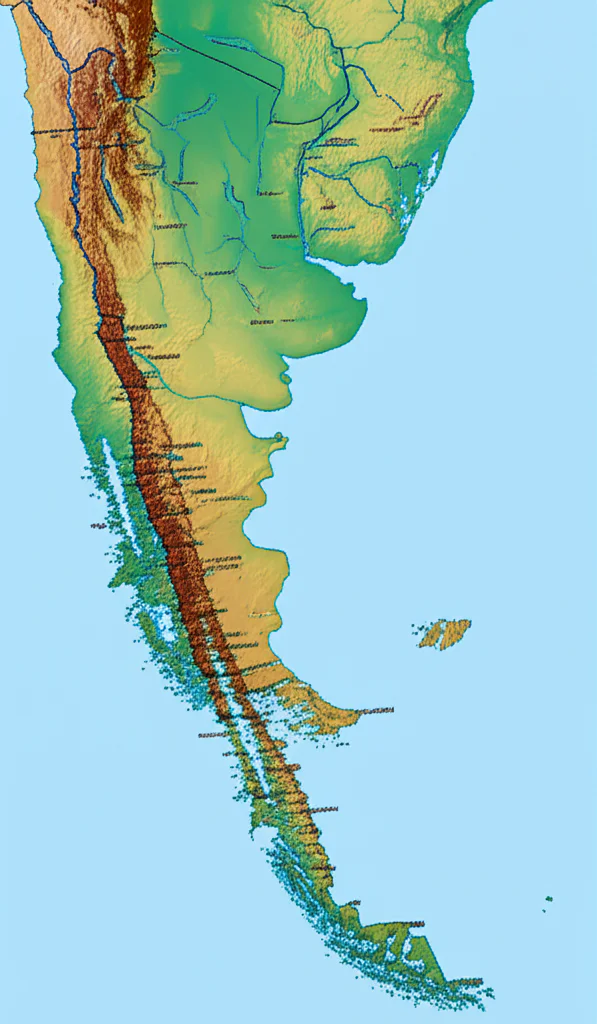
Chile is like a long, skinny ribbon of wonder stretching over 4,300 km along South America’s western edge. From the bone-dry Atacama Desert in the north to the windswept glaciers of Patagonia in the south, Chile’s geography is a masterclass in diversity.
Geography Highlights
- Atacama Desert: The world’s driest non-polar desert, perfect for stargazing and surreal landscapes.
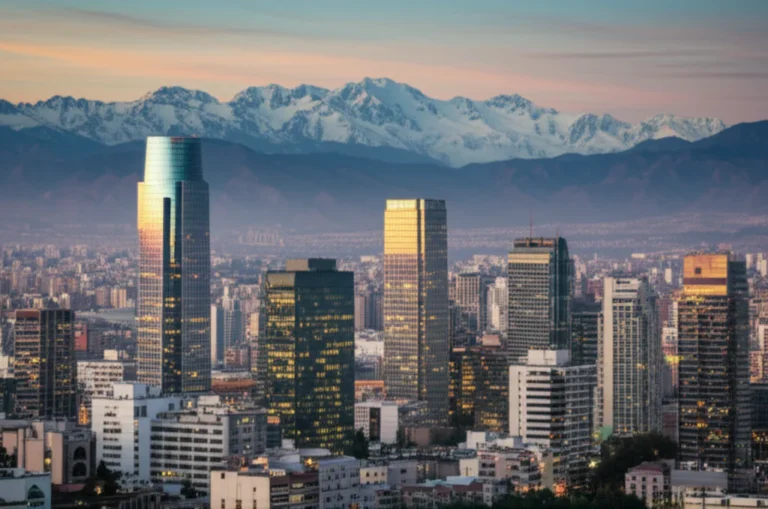
- Central Valley: The heartland of Chilean wine and culture, home to Santiago and Valparaíso.
- Andes Mountains: The spine of Chile, offering skiing, hiking, and breathtaking views.
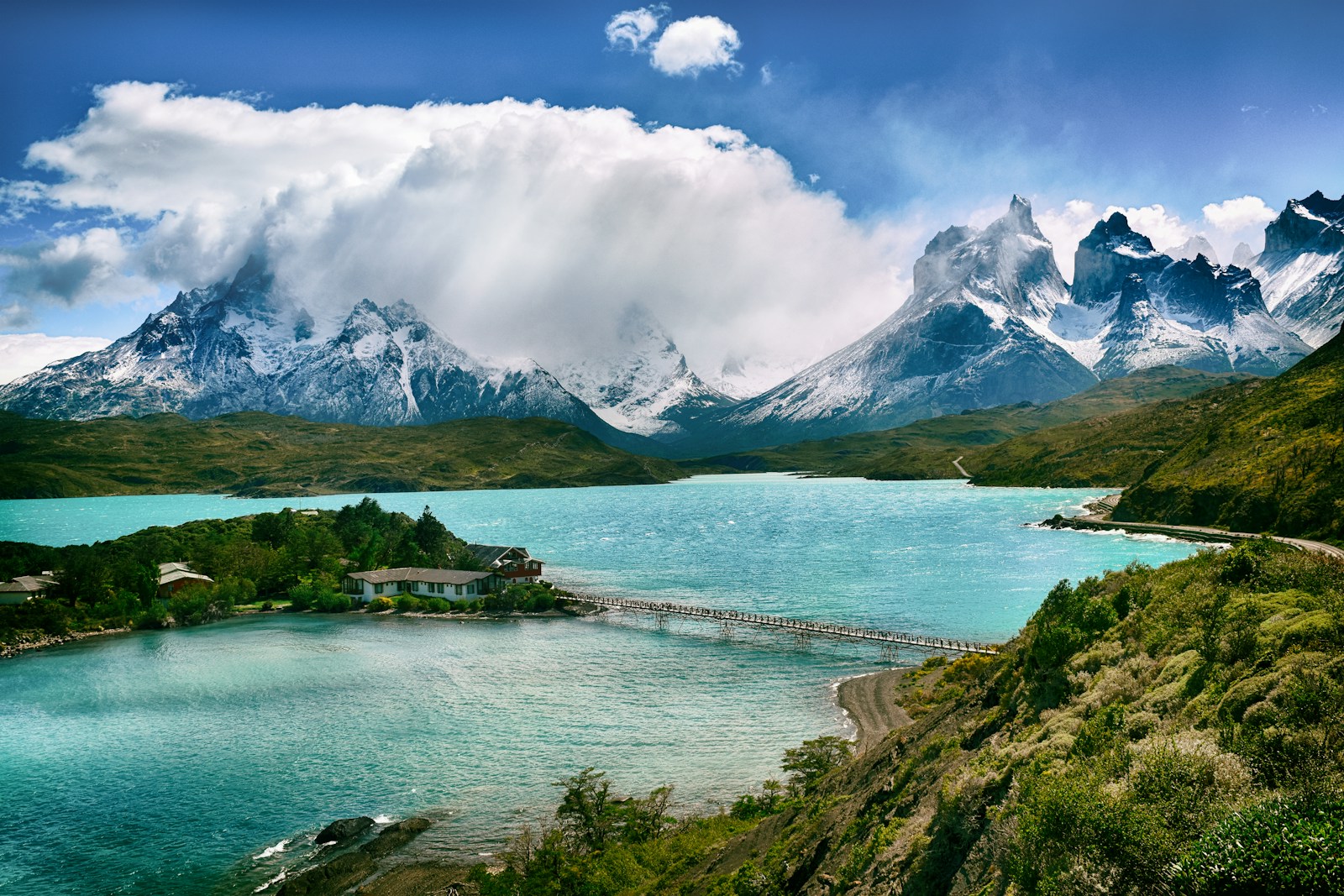
- Patagonia: Rugged wilderness with glaciers, fjords, and wildlife.
- Easter Island: Remote Polynesian culture and mysterious Moai statues.
Cultural Mosaic
Chile’s culture is a vibrant blend of indigenous Mapuche heritage, Spanish colonial influences, and modern cosmopolitan life. Expect warm hospitality, rich folklore, and a passion for food and wine. Spanish is the official language, but you’ll hear indigenous languages and English in tourist hubs.
For a deep dive into the best times to visit this incredible country, check out our detailed guide: What are the best times to visit Chile for a vacation?.
🗓️ When to Go: Decoding Chile’s Seasons & Best Times to Visit
Chile’s seasons are flipped from the Northern Hemisphere, and its vast latitudinal range means there’s a perfect time for every traveler. Let’s break it down by season:
☀️ Summer Adventures (December – February): Sun, Sand, and Patagonia Peaks
- Daylight: Up to 17 hours in Patagonia — perfect for epic hikes and kayaking.
- Weather: Warm to hot in Central Chile; Patagonia is mild but can be windy.
- Crowds: Peak tourist season; book accommodations early.
- Highlights: Torres del Paine National Park, wine festivals, beach towns like Viña del Mar.
- Tips: Sunscreen is your BFF; pack layers for Patagonia’s unpredictable weather.
🍂 Autumn Hues (March – May): Harvests, Fall Foliage, and Fewer Crowds
- Weather: Cooling down, especially in the south; Central Valley harvest season.
- Crowds: Thinner crowds and lower prices.
- Highlights: Wine harvest festivals, colorful forests in the Lake District, perfect reflections in Patagonia’s lakes.
- Bonus: Ideal for photographers chasing autumn colors and golden light.
❄️ Winter Wonderland (June – August): Ski Slopes, Desert Stars, and City Charms
- Weather: Snow blankets the Andes; dry and sunny in the Atacama Desert.
- Activities: Skiing at Valle Nevado, Portillo, and Nevados de Chillán; stargazing in Atacama.
- Crowds: Ski resorts get busy; cities are quieter.
- Tips: Book ski gear rentals in advance; bring sunscreen for high-altitude sun.
🌸 Spring Blooms (September – November): Wildflowers, Festivals, and Awakening Landscapes
- Weather: Warming up, with blossoming flora.
- Highlights: Wildflower blooms in Patagonia, Easter Island cultural events, Santiago’s spring festivals.
- Crowds: Shoulder season with pleasant weather and fewer tourists.
- Pro Tip: Great time for wildlife spotting and photography.
✈️ Navigating Chile: Essential Pre-Trip Planning & Logistics
Planning your Chile adventure? Here’s the lowdown on what to prepare before you jet off.
🛂 Visa & Entry Requirements: What You Need to Know Before You Go
- Visa: Most nationalities, including Canadians and Americans, do not require a visa for tourist stays up to 90 days. Check your country’s specifics at Chile’s official immigration site.
- Passport: Must be valid for the duration of your stay.
- Tourist Card: Issued on arrival; keep it safe as you’ll need it when departing.
- Easter Island: Special entry requirements apply, including a maximum stay of 30 days.
- Pro Tip: Always carry proof of onward travel and sufficient funds.
⚕️ Health & Safety in Chile: Staying Well and Secure on Your Journey
- Vaccinations: Hepatitis A & B, measles, and routine vaccines recommended. No yellow fever risk.
- Water: Tap water is generally safe in cities; bottled water advised in rural areas.
- Travel Insurance: Essential, especially for adventure activities and medical evacuation.
- Medical Facilities: Good in Santiago and major cities; limited in remote areas.
- Safety: Avoid flashy displays of wealth; be cautious in crowded places and at night.
- Women Travelers: Exercise caution; harassment can occur but is usually verbal.
- Emergency Numbers: Police (133), Medical (131), Fire (132).
💸 Money Matters: Currency, Budgeting, and Payment Tips
- Currency: Chilean Peso (CLP).
- Credit Cards: Widely accepted in cities; cash preferred in remote areas.
- ATMs: Available in urban centers; use machines inside banks or malls.
- Tipping: 10% customary in restaurants.
- Currency Exchange: US dollars exchange easily; avoid street exchangers.
- Budget Tip: Chile can be surprisingly affordable if you avoid tourist traps.
📱 Connectivity & Communication: Staying in Touch
- SIM Cards: Local providers like Entel, Movistar, and Claro offer prepaid SIMs with good coverage.
- Wi-Fi: Available in hotels, cafes, and many public spaces.
- Adapters: Chile uses 220V, 50Hz with type C and L plugs.
- Language Apps: Download Spanish phrasebooks or translation apps for smoother communication.
🎒 Packing Smart: What to Bring for Chile’s Diverse Climates
- Layered Clothing: Essential for shifting temperatures, especially in Patagonia and the Andes.
- Sun Protection: High SPF sunscreen, sunglasses, and hats.
- Rain Gear: Waterproof jacket and shoes for southern regions.
- Hiking Boots: For trekking and outdoor adventures.
- Adapters & Chargers: For your electronics.
- Travel Documents: Passport, tourist card, travel insurance info.
- Bonus: Binoculars for wildlife spotting, reusable water bottle, and a daypack.
🚗 Getting Around Chile: Transportation Tips & Tricks
Chile’s long shape means travel logistics can be daunting, but we’ve got you covered.
✈️ Domestic Flights: Covering Vast Distances
- Airlines: LATAM, Sky Airline, and JetSMART dominate domestic routes.
- Popular Routes: Santiago to Punta Arenas (Patagonia), Calama (Atacama), Puerto Montt (Lake District).
- Booking: Book early for best fares; check baggage policies.
- Tip: Flights save time but factor in airport transfers.
🚌 Buses: The Backbone of Chilean Travel
- Coverage: Extensive network connecting cities and towns.
- Comfort: Varies from basic to luxury “cama” buses with reclining seats.
- Booking: Online platforms like Turbus and Pullman Bus.
- Pro Tip: Overnight buses are a great way to save on accommodation.
🚙 Renting a Car: Freedom on Four Wheels
- Requirements: Valid driver’s license (international permit recommended), credit card.
- Road Conditions: Good on main highways; some rural roads are gravel or dirt.
- Driving Style: Defensive driving advised; watch for pedestrians and animals.
- Restrictions: No right turn on red; zero tolerance for drinking and driving.
- Insurance: Check coverage carefully, especially for off-road driving and Easter Island.
🚇 City Transport: Metro, Taxis, and Ride-Shares
- Santiago Metro: Efficient and affordable; beware of pickpockets during rush hour.
- Taxis: Use authorized taxis or apps like Uber and DiDi.
- Valparaíso: Funiculars and walking are best ways to explore.
- Tip: Agree on taxi fare beforehand if meter isn’t used.
🤝 Cultural Immersion: Embracing Chilean Customs & Etiquette
Chileans are warm and proud of their heritage — here’s how to blend in and make friends.
🗣️ Language & Communication: ¡Hola! Essential Spanish Phrases
- Greetings: “Hola” (Hello), “Buenos días” (Good morning), “Por favor” (Please), “Gracias” (Thank you).
- Basic Questions: “¿Dónde está…?” (Where is…?), “¿Cuánto cuesta?” (How much does it cost?).
- Politeness: Use “usted” for formal situations.
- Tip: Locals appreciate any effort to speak Spanish, even if imperfect.
🍷 Dining & Tipping: Savoring Chilean Flavors
- Cuisine: Empanadas, pastel de choclo, fresh seafood, and world-class wines.
- Meal Times: Lunch around 1-3 pm; dinner after 8 pm.
- Tipping: 10% customary; some restaurants include service charge.
- Dining Etiquette: Wait to be seated; don’t start eating until the host says “buen provecho.”
🧑🤝🧑 Local Customs & Social Norms: Blending In Like a Local
- Personal Space: Chileans are warm with handshakes and cheek kisses.
- Punctuality: Flexible but better to be on time.
- Dress Code: Casual but neat; dress up for city nightlife.
- Respect: Avoid controversial political topics unless you know the person well.
🛡️ Safety & Security: Staying Savvy and Sound
Chile is generally safe, but like any destination, a little street smarts go a long way.
🕵️♀️ Common Scams & How to Avoid Them
- Pickpocketing: Especially in crowded markets and public transport.
- Taxi Scams: Use authorized taxis or rideshare apps.
- ATM Fraud: Use ATMs inside banks; cover your PIN.
- Food/Drink Spiking: Never leave drinks unattended; be cautious accepting snacks from strangers.
🚨 Emergency Contacts & Resources
- Police: 133
- Medical Emergencies: 131
- Fire: 132
- Women’s Helpline: 1455
- Maritime Rescue: 137
- Canadian Embassy: Embassy of Canada in Santiago
🌋 Navigating Natural Wonders: Earthquakes, Volcanoes, and Climate Awareness
- Seismic Activity: Chile is earthquake-prone; familiarize yourself with safety protocols.
- Volcanoes: Active volcanoes exist; check alerts if visiting volcanic areas.
- Tsunamis: Coastal areas have warning systems.
- Weather Hazards: Floods in rainy season; wildfires in summer.
- Tip: Always follow local authorities’ instructions during emergencies.
🗺️ Top Chilean Destinations & Experiences by Region
Chile’s regions offer distinct flavors of adventure and culture. Here’s our curated list of must-see spots.
🏔️ Patagonia: Trekking, Glaciers, and Wild Beauty
- Highlights: Torres del Paine National Park, Grey Glacier, Marble Caves.
- Activities: Hiking, wildlife watching, kayaking.
- Best Time: Summer for hiking; autumn and winter for photography and solitude.
- Pro Tip: Book guided tours for remote areas.
✨ Atacama Desert: Stargazing, Geysers, and Lunar Landscapes
- Highlights: Valle de la Luna, El Tatio Geysers, salt flats.
- Activities: Star tours, sandboarding, hot springs.
- Best Time: Year-round; nights can be cold.
- Pro Tip: Bring warm clothes for nighttime stargazing.
🍇 Central Valley: Wine Country & Vibrant Cities
- Highlights: Santiago, Valparaíso, Casablanca and Maipo wine valleys.
- Activities: Wine tasting, city tours, coastal beaches.
- Best Time: Spring and autumn for festivals and mild weather.
- Pro Tip: Explore street art in Valparaíso.
🗿 Easter Island (Rapa Nui): Mystical Moai & Polynesian Culture
- Highlights: Moai statues, Rano Raraku quarry, Anakena beach.
- Activities: Cultural tours, snorkeling, hiking.
- Entry: Special permits and max 30-day stay.
- Pro Tip: Book flights and accommodation well in advance.
🏞️ The Lake District: Volcanoes, Lakes, and Adventure Sports
- Highlights: Villarrica Volcano, Lake Llanquihue, Pucon.
- Activities: Hiking, rafting, hot springs.
- Best Time: Summer for outdoor sports.
- Pro Tip: Try local trout dishes.
🛶 Chiloé Island: Myths, Palafitos, and Unique Culture
- Highlights: Wooden churches, stilt houses (palafitos), folklore.
- Activities: Boat tours, seafood tasting, cultural festivals.
- Best Time: Summer and spring.
- Pro Tip: Rent a car to explore the island fully.
🧗♀️ Adventure & Outdoor Activities: Thrills in Every Terrain
Chile is an adrenaline junkie’s dream. Here’s a sampler platter of adventures:
- Skiing & Snowboarding: Valle Nevado, Portillo, La Parva.
- Trekking: Torres del Paine, Cerro Castillo, Villarrica.
- Kayaking & Rafting: Patagonia fjords, Lake District rivers.
- Sandboarding: Atacama Desert dunes.
- Wildlife Watching: Puma tracking in Patagonia, flamingos in Atacama.
- Stargazing: Atacama Desert’s world-renowned observatories.
Pro Tip: Always book with certified guides and carry proper gear. Travel insurance with rescue coverage is a must!
🍽️ Food & Drink: A Culinary Journey Through Chile
Chile’s cuisine is a delicious reflection of its geography and culture.
- Must-Try Dishes:
- Empanadas (stuffed pastries)
- Pastel de Choclo (corn pie)
- Cazuela (hearty stew)
- Fresh seafood: congrio, machas, and ceviche
- Completo (Chilean hot dog with avocado and mayo)
- Drinks:
- Chilean wines (Carmenere is a signature grape)
- Pisco Sour (national cocktail)
- Mote con Huesillo (sweet peach and wheat drink)
- Dining Tips:
- Lunch is the main meal; dinner is lighter and later.
- Try local markets for authentic flavors and fresh produce.
🛍️ Shopping & Souvenirs: Bringing a Piece of Chile Home
Looking for unique mementos? Chile has plenty:
- Wine: Bottles from Maipo or Casablanca Valley.
- Lapis Lazuli: The national gemstone, perfect for jewelry.
- Handicrafts: Mapuche silverwork, woven textiles, and pottery.
- Food Products: Dried fruits, merken (smoked chili powder), and honey.
- Art: Local paintings and street art prints from Valparaíso.
Shopping Tips: Bargain politely in markets; avoid buying items made from endangered species.
♻️ Responsible Travel: Treading Lightly on Chilean Soil
Chile’s natural beauty is fragile. Here’s how to be a responsible traveler:
- Respect National Parks: Stick to marked trails; no fires outside designated areas.
- Waste: Pack out what you pack in; recycle where possible.
- Wildlife: Observe from a distance; don’t feed animals.
- Local Communities: Support local businesses and artisans.
- Water Use: Conserve water, especially in arid regions like Atacama.
- Cultural Respect: Learn about indigenous customs and ask before photographing people.
By traveling responsibly, you help preserve Chile’s magic for generations to come.
Conclusion
After our deep dive into Chile travel tips and seasonal advice, one thing is crystal clear: Chile is a land of contrasts and endless adventure, where every season offers a new chapter of discovery. Whether you’re chasing the powder in the Andes, marveling at the starry skies of the Atacama, or savoring a glass of Carmenere in the Central Valley, Chile rewards the curious traveler with unforgettable experiences.
Positives:
✅ Diverse climates and landscapes for all types of travelers
✅ Rich cultural heritage and warm, welcoming people
✅ World-class outdoor activities year-round
✅ Excellent infrastructure in major cities and tourist areas
✅ Unique destinations like Easter Island and Patagonia
Negatives:
❌ Petty crime and scams in urban areas require vigilance
❌ Some remote regions have limited medical facilities
❌ Variable weather demands careful packing and planning
❌ Political demonstrations can disrupt travel plans
Our confident recommendation? Plan your trip with flexibility, respect local customs, and prepare for Chile’s diverse environments. Use this guide as your trusty companion, and you’ll unlock the magic of Chile safely and joyfully. Remember, the best time to visit depends on your interests — so whether it’s summer hiking or winter skiing, Chile has you covered.
Ready to start your Chilean adventure? Pack smart, stay safe, and embrace the journey!
Recommended Links
👉 CHECK PRICE on:
-
Travel Guides & Books:
-
Outdoor Gear & Clothing:
-
Ski Equipment:
-
Travel Accessories:
FAQ
What are the best times of year to visit Chile for outdoor activities like hiking and skiing?
The best time depends on the activity and region:
- Hiking: Summer (December to February) offers long daylight hours and milder weather, especially in Patagonia and the Lake District. Autumn (March to May) is also excellent for fewer crowds and vibrant fall colors. Spring (September to November) brings blooming wildflowers and pleasant temperatures.
- Skiing: Chile’s ski season runs from June to September, with peak powder typically in July and August. Resorts near Santiago like Valle Nevado and Portillo are popular, while southern resorts like Nevados de Chillán offer longer seasons. Early season skiing can start in late May but expect variable conditions.
Choosing your travel dates based on these windows ensures you experience Chile’s outdoors at their best.
How do I pack for the varying climates and regions in Chile, from the Atacama Desert to Patagonia?
Packing for Chile requires versatility:
- Layering is key: Temperatures can swing dramatically, especially in Patagonia where you might experience four seasons in one day. Pack moisture-wicking base layers, insulating mid-layers, and waterproof outer layers.
- Sun protection: The Atacama Desert has intense sun and high altitude, so bring high SPF sunscreen, sunglasses, and a wide-brimmed hat.
- Warm clothing: Even in summer, Patagonia and the Andes can be chilly, especially at night. Include a warm jacket, gloves, and a beanie.
- Footwear: Durable hiking boots for trekking, comfortable shoes for cities, and sandals for warmer areas.
- Extras: A reusable water bottle, travel umbrella or rain jacket for southern regions, and a daypack for excursions.
Planning your packing around these tips will keep you comfortable across Chile’s diverse environments.
What are some essential items to bring on a trip to Chile, and are there any specific travel documents required?
Essentials to pack:
- Valid passport (with at least the duration of your stay)
- Tourist card received on arrival (keep it safe)
- Travel insurance documents (including medical evacuation)
- Spanish phrasebook or translation app
- Power adapter (Chile uses type C and L plugs, 220V)
- Sunscreen and insect repellent
- Copies of important documents (stored separately)
Travel documents:
- Most tourists do not require a visa for stays up to 90 days.
- Proof of onward travel and sufficient funds may be requested at entry.
- Special permits apply for Easter Island (max 30-day stay).
- International driving permit recommended if renting a car.
Being prepared with these items and documents will smooth your journey through Chile.
Are there any safety concerns or precautions I should take when traveling to Chile, particularly in major cities like Santiago?
Yes, while Chile is generally safe, exercising caution is wise:
- Petty crime: Pickpocketing and bag snatching occur in crowded places like markets, buses, and the metro. Keep valuables secure and be alert.
- Avoid demonstrations: Political protests happen in Santiago and other cities; steer clear to avoid disruptions or confrontations.
- Authorized taxis: Use official taxi services or rideshare apps to avoid scams.
- Night travel: Avoid walking alone in poorly lit or unfamiliar areas after dark.
- Emergency numbers: Know local emergency contacts (Police 133, Medical 131).
- Natural hazards: Be aware of earthquake protocols and volcanic activity alerts.
By staying vigilant and informed, you can enjoy Chile’s cities safely and confidently.
What are the best ways to experience Chile’s unique culture and local customs?
- Learn basic Spanish phrases: Locals appreciate the effort and it opens doors.
- Try local cuisine: Visit markets and family-run restaurants for authentic flavors.
- Respect social norms: Greet with a handshake or cheek kiss, dress neatly, and be polite.
- Engage with indigenous culture: Explore Mapuche communities and traditions respectfully.
- Attend festivals: Time your visit to coincide with events like the Wine Harvest Festival or Fiesta de La Tirana.
Immersing yourself in Chilean culture enriches your travel experience beyond sightseeing.
Reference Links
- Government of Canada Travel Advisory for Chile
- PowderQuest Chile Ski Guide 2025
- EcoCamp Patagonia: The Ultimate Tips for Photographers in Patagonia
- Chile Immigration and Visa Information
- Embassy of Canada in Santiago
- LATAM Airlines Official Website
- Valle Nevado Ski Resort
- Chile National Tourism Service (SERNATUR)
Ready to explore Chile with confidence? Bookmark this guide, pack smart, and prepare for an adventure of a lifetime! 🌎✈️🇨🇱