Support our educational content for free when you purchase through links on our site. Learn more
🇨🇱 7 Cheapest Times to Visit Chile for a Budget-Friendly Trip (2026)


We once watched a backpacker in Puerto Natales wep over a $150 hostel bill in January, only to smile as a local told him, “Come back in May, amigo, and the mountains will be yours for half the price.” That moment sparked our obsession with cracking Chile’s seasonal pricing code. While Chile is often dubbed the “Switzerland of South America” due to its steep costs, the truth is that timing is everything. By shifting your travel dates just a few months, you can slash accommodation costs by up to 60% and dodge the crushing crowds that turn the W Trek into a human conveyor belt.
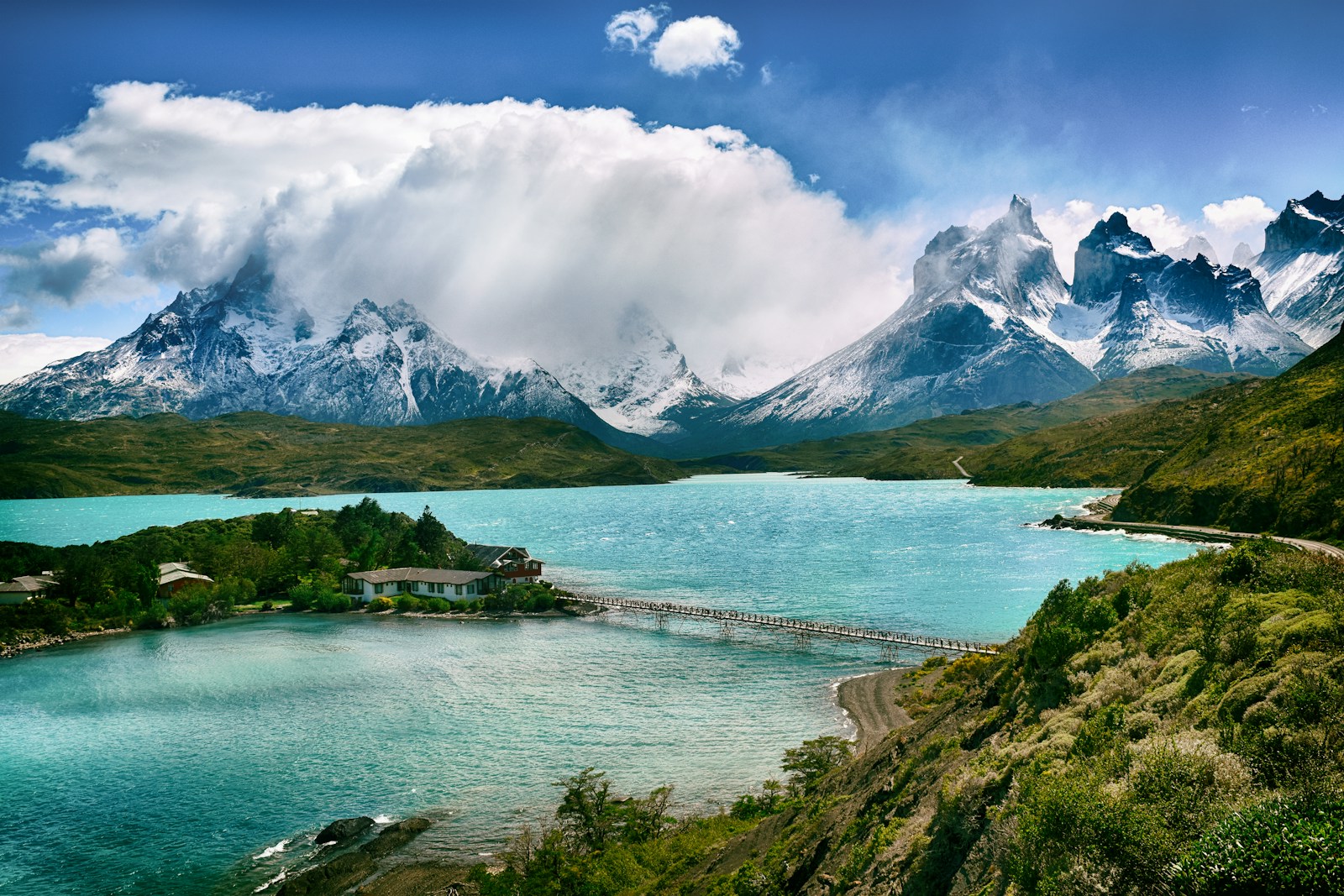
In this guide, we’re pulling back the curtain on the shoulder seasons and winter months that offer the best bang for your buck without sacrificing the soul of the experience. From the golden autumns of the Lake District to the silent, snow-dusted majesty of Patagonia in July, we’ll show you exactly when to book your flights and where to find the hidden deals. We’ll also reveal the specific months when refugios close and how to navigate them without breaking the bank. Ready to trade the tourist traps for a budget-friendly adventure that feels like a secret? Let’s dive into the calendar.
Key Takeaways
- The Absolute Cheapest Window: Visit during the Southern Hemisphere Winter (June–August) for the lowest prices, but be prepared for closed trails and cold weather.
- The Sweet Spot: Aim for the Shoulder Seasons (April–May and September–October) to balance significant savings with accessible trails and decent weather.
- Regional Variations: While Patagonia sees massive price drops in winter, the Atacama Desert remains a year-round destination with specific off-peak advantages.
- Budget Hacks: Save big by eating Menús del Día, staying in hostels or camping, and booking low-cost carriers like Sky Airline well in advance.
- Plan Ahead: Even in the off-season, popular spots like Tores del Paine require early planning for transport and gear rentals.
Table of Contents
- ⚡️ Quick Tips and Facts
- 🕰️ The History of Chilean Tourism: How Seasons Shaped the Budget Landscape
- 📅 Decoding the Calendar: When is the Absolute Cheapest Time to Visit Chile?
- 🌧️ Embracing the Shoulder Seasons: The Sweet Spot for Savings and Scenery
- 🏔️ Budget Breakdown by Region: Where Your Peso Goes Furthest
- 1. Santiago: The Urban Bargain Hunt
- 2. The Atacama Desert: Beating the High Season Crowds
- 3. The Lake District: Rain, Rupees, and Rugged Beauty
- 4. Patagonia: The Winter Wonderland Discount
- 🏕️ Accomodation Hacks: Hostels, Refugios, and Camping Costs
- 🚌 Navigating Chile on a Shoestring: Flights, Buses, and Feries
- 🍲 Eating Like a Local: Cheap Eats and Supermarket Secrets
- 🎒 Packing for the Low Season: Gear You Need vs. Gear You Can Skip
- 🚫 The Hidden Costs of “Cheap” Travel: What to Watch Out For
- 🗺️ Sample Itineraries: 7, 10, and 14 Days on a Budget
- 🌍 Comparing Chile to Other South American Destinations for Budget Travelers
- 💡 Top Tips for Torres del Paine on a Budget
- 🏆 Conclusion: Is the Off-Season Worth the Risk?
- 🔗 Recommended Links
- ❓ FAQ: Your Burning Questions About Cheap Travel in Chile
- 📚 Reference Links
⚡️ Quick Tips and Facts
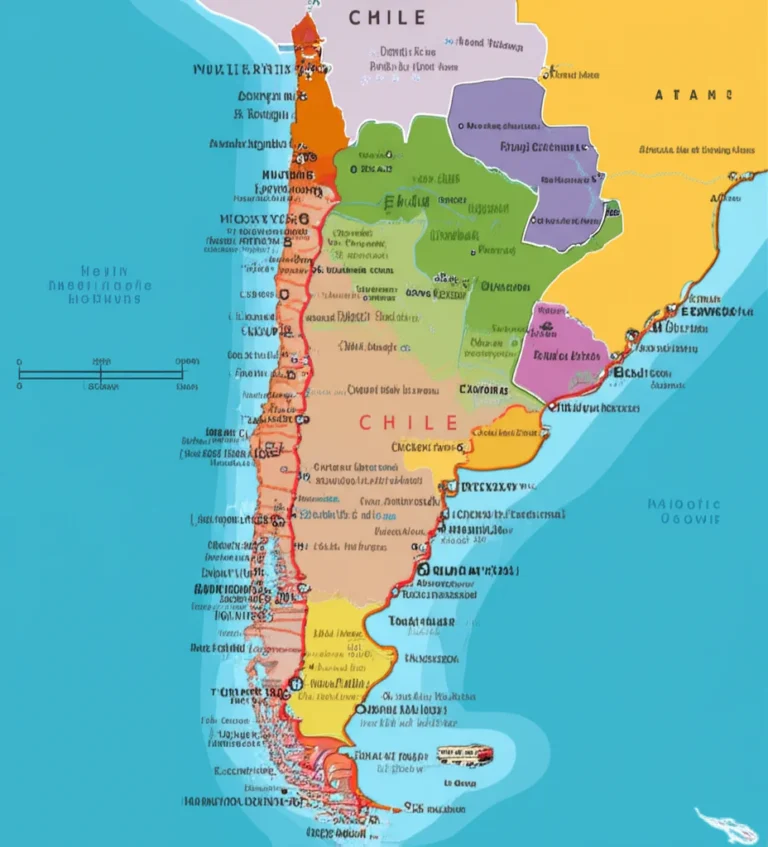
Before you start packing your bags (or your credit card), let’s hit the fast facts that will save you a fortune. Chile is a long, skinny country that stretches from the driest desert on Earth to the icy winds of Patagonia, and the price tag changes drastically depending on when and where you step foot.
- The Golden Rule: Chile is expensive. Compared to its neighbors like Bolivia or Peru, Chile is the “Switzerland of South America.” But, if you time it right, you can hack the system.
- The Magic Window: The absolute cheapest time to visit is during the Southern Hemisphere Winter (June to August), but only if you are okay with snow, shorter days, and some closed trails.
- The Sweet Spot: For the best balance of decent weather and lower prices, aim for the Shoulder Seasons: April to May (Autumn) and September to October (Spring).
- Currency Hack: The Chilean Peso (CLP) fluctuates. Always check the exchange rate before you go, and never exchange money at the airport if you can avoid it.
- The “Double Budget” Warning: As noted by budget travel experts, crossing from Argentina into Chile can double your daily spend. Plan accordingly!
💡 Pro Tip: If you’re wondering how to plan a trip to Chile on a budget without going broke, check out our ultimate guide on How do I plan a trip to Chile on a budget? for a deep dive into the logistics.
🕰️ The History of Chilean Tourism: How Seasons Shaped the Budget Landscape

To understand why Chile is so pricey in December and so empty in July, you have to look at the history of tourism in the region. Unlike Europe, where the “off-season” is a well-trodden path for history buffs, Chile’s tourism boom is relatively modern and heavily tied to seasonal accessibility.
For decades, Patagonia was the domain of the hardiest explorers. It wasn’t until the 190s and 20s that infrastructure (like the Caretera Austral and better flights to Punta Arenas) opened up the “end of the world” to the masses. This created a peak season mentality: everyone wants to hike the W Trek in January when the days are long and the weather is “mild” (15°C/59°F).
The Result?
- January/February: Prices skyrocket. Refugios (mountain huts) book out a year in advance.
- The Winter Shift: In the 70s and 80s, winter in Patagonia meant “closed.” Today, it means sking and Northern Lights hunting, but many treking routes remain inaccessible due to snow.
This historical reliance on summer tourism has created a price elasticity that works in your favor if you are willing to brave the cold. The “low season” isn’t just a marketing term; it’s a physical reality where the wind howls, but the hostels are half-empty and the prices are slashed.
📅 Decoding the Calendar: When is the Absolute Cheapest Time to Visit Chile?
Let’s cut to the chase. If your wallet is your primary compass, here is the cheapest time to visit Chile.
The Winter Low Season (June – August)
This is the budget traveler’s paradise (if you have the right gear).
- Why it’s cheap: Most hikers stay home. Flights from Santiago to the south drop significantly. Accomodation in Patagonia can be 40-60% cheaper than in summer.
- The Catch: Many refugios in Torres del Paine close. The W Trek is often impassable without mountainering skills. It is cold, windy, and days are short (sunrise around 9 AM, sunset around 6 PM).
- Best for: Sking in Portillo or Valle Nevado, seeing penguins in Punta Arenas (they are molting and less active but visible), and enjoying the Northern Lights in the south.
The Shoulder Seasons (April – May & September – October)
This is the sweet spot we at Chile Vacay™ recommend for 90% of travelers.
- Why it’s great: You get decent weather (though still unpredictable) and lower prices than the peak summer rush. The crowds thin out, but the infrastructure remains open.
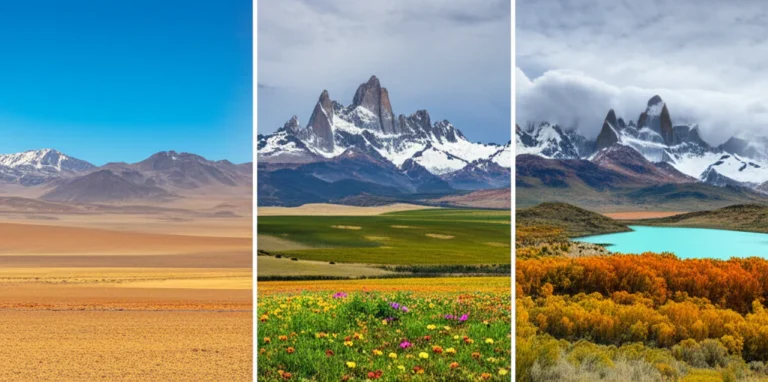
- The Vibe: In April, the autumn colors in the Lake District are breathtaking. In October, the first wildflowers bloom in Patagonia.
- Cost: Expect to pay 20-30% less than peak season.
The Peak Season (December – March)
- The Reality: This is when the prices are highest. If you visit now, you are paying a premium for long days and warm weather.
- The Exception: If you book 6-12 months in advance, you might snag a deal, but last-minute deals in summer are non-existent.
| Season | Months | Weather | Crowd Level | Cost Level | Best For |
|---|---|---|---|---|---|
| Winter (Low) | Jun – Aug | Cold, Snow, Wind | Low | 💰 (Cheapest) | Sking, Northern Lights, Solitude |
| Shoulder | Apr – May, Sep – Oct | Mild, Unpredictable | Medium | 💰 (Moderate) | Hiking, Photography, Value |
| Summer (High) | Dec – Mar | Warm, Long Days | High | 💰 (Expensive) | Treking, Beaches, Festivals |
🌧️ Embracing the Shoulder Seasons: The Sweet Spot for Savings and Scenery
Why do we love the shoulder seasons so much? Because they offer the best of both worlds.
Imagine hiking the W Trek in late April. The summer crowds have dissipated, leaving the trails to you and a few hardy locals. The air is crisp, the leaves are turning gold and red, and the accomodation prices have dropped. You can still camp, but you don’t have to fight for a spot at Camping Paine Grande.
The Trade-off:
- Weather: It can rain. A lot. Chile is famous for “four seasons in one day.”
- Wind: The wind in Patagonia doesn’t care what month it is, but in shoulder season, it can feel more biting.
- Services: Some seasonal restaurants might close for a week or two for maintenance.
Our Verdict: If you want to see Tores del Paine without the shoulder-to-shoulder crowds and without paying peak prices, May is your month. If you want to catch the spring bloom and avoid the winter closures, October is your winner.
🏔️ Budget Breakdown by Region: Where Your Peso Goes Furthest
Chile is not a monolith. The cost of travel in the Atacama Desert is vastly different from Patagonia. Let’s break it down.
1. Santiago: The Urban Bargain Hunt
Santiago is the most expensive city in Chile, but it’s also the hub.
- Accomodation: You can find hostels for a fraction of the cost of Patagonia. Look for places in Lastaria or Bellavista.
- Food: Eat at Menús del Día (daily set menus) which are incredibly cheap and filling.
- Transport: The metro system is efficient and affordable.
- Tip: Use Santiago as a base to take day trips to Valparaíso and Viña del Mar rather than staying there for weeks.
2. The Atacama Desert: Beating the High Season Crowds
San Pedro de Atacama is a tourist trap in summer, but a gem in winter.
- The Strategy: Visit in June or July. The nights are freezing (perfect for stargazing), but the day tours are cheaper.
- The Catch: Some high-altitude lagons might be inaccessible due to snow.
- Budget Hack: Rent a bike and explore the Vale de la Luna yourself instead of paying for a guided tour.
3. The Lake District: Rain, Rupees, and Rugged Beauty
Puerto Varas and Frutillar are beautiful but pricey in summer.
- The Secret: Visit in April. The autumn foliage is stunning, and the lake cruises are less crowded.
- Cost: Accomodation drops significantly. You can find charming cabañas for much less than in December.
4. Patagonia: The Winter Wonderland Discount
This is where the big savings happen.
- The Reality: In winter, many refugios close. You must be self-sufficient.
- The Deal: If you can camp in the cold, you can save hundreds of dollars.
- Alternative: Stay in Puerto Natales (the gateway town) where prices are lower than inside the park, and take day trips if the weather permits.
🏕️ Accomodation Hacks: Hostels, Refugios, and Camping Costs
Where you sleep will make or break your budget. Here is the hierarchy of budget accommodation in Chile.
Hostels
- Best for: Solo travelers and social butterflies.
- Cost: Varies wildly. In Santiago, you can find dorms for a steal. In Patagonia, even in winter, hostels are pricey.
- Top Brands: Hostelworld is your friend. Look for Selina (great for digital nomads) or Camping & Hostel chains.
- Tip: Book directly on the hostel’s website to avoid booking fees.
Refugios (Mountain Huts)
- Best for: Hikers who don’t want to carry a tent.
- Cost: Expensive in summer, cheaper in shoulder season. In winter, many are closed.
- Strategy: If you are hiking the W Trek in shoulder season, book a bed in a dormitory rather than a private room.
- Note: Refugios often include meals, which can save you money on food.
Camping
- Best for: The ultimate budget traveler.
- Cost: The cheapest option, but requires gear.
- Warning: In Patagonia, wind is your enemy. Invest in a 4-season tent or a sturdy bivy sack.
- Camping Sites: Camping Paine Grande, Camping Los Cuernos, and Camping Central in Puerto Natales.
👉 CHECK PRICE on:
- Tents & Camping Gear: Amazon Search for 4-Season Tents | REI Co-op | Decathlon Official
- Sleeping Bags: Amazon Search for Cold Weather Sleeping Bags | Marmot Official
🚌 Navigating Chile on a Shoestring: Flights, Buses, and Feries
Getting around Chile is an adventure in itself. The country is 4,30 km long, so transport costs add up.
Flights
- Santiago to the South: This is the most expensive leg.
Airlines: LATAM, Sky Airline, and JetSmart.
Strategy: Book Sky Airline or JetSmart (low-cost carriers) well in advance. They often have sales for flights to Punta Arenas or Puerto Mont.
Warning: Read the baggage rules! Low-cost carriers charge heavily for checked bags.
Buses
- The Lifeline: Buses are the cheapest way to travel long distances.
- Top Companies: Buses Pullman Bus, Buses Turbus, and Buses Biotravel.
- Comfort: Chilean buses are surprisingly comfortable, often with reclining seats, meals, and movies.
- Route: The Santiago to Puerto Natales bus takes about 30 hours but costs a fraction of a flight.
Feries
- The Scenic Route: In the Lake District and Chiloé, feries are essential.
- Cost: Often included in bus tickets or very cheap.
- Tip: Check the schedule; they run less frequently in winter.
👉 CHECK PRICE on:
- Bus Tickets: Busbud Search for Chile | 12Go Asia
- Flights: Skyscanner Search for Chile Flights | Google Flights
🍲 Eating Like a Local: Cheap Eats and Supermarket Secrets
Food in Chile can be expensive if you eat at tourist traps. Here is how to eat like a local.
The “Menú del Día”
- What is it? A set lunch menu available from 12 PM to 3 PM.
- Cost: Usually includes soup, a main course, and a drink.
- Where: Look for signs saying “Menú” in any neighborhood.
- Tip: Avoid restaurants in the main squares of tourist towns. Walk two blocks away.
Supermarket Hacks
- Brands: Líder, Jumbo, and Unimarc.
- Staples: Buy maraqueta (bread), queso (chese), jamón (ham), and frutas (fruit).
- Water: Buy large bottles of water instead of small ones.
- Alcohol: Chilean wine is cheap! Buy a bottle of Concha y Toro or Santa Rita for a fraction of the price in the US or Europe.
Street Food
- Completos: Chilean hot dogs. Try the Italiano (avocado, tomato, mayo).
- Empanadas: Baked or fried. A classic empanada de pino (bef) is filling and cheap.
👉 CHECK PRICE on:
- Portable Stoves: Amazon Search for Jetboil | Jetboil Official
- Cooking Gear: REI Co-op Camping Cookware
🎒 Packing for the Low Season: Gear You Need vs. Gear You Can Skip
If you are visiting in the low season (winter), your packing list changes drastically.
Essentials (Do Not Skip)
- 4-Season Tent: The wind in Patagonia will destroy a 3-season tent.
- Warm Layers: Merino wool base layers, fleece, and a down jacket.
- Waterproof Boots: Hiking in mud and snow is common.
- Thermal Socks: Bring more than you think you need.
Can Skip
- Lightweight Rain Jacket: You need a heavy, waterproof shell, not a light windbreaker.
- Flip Flops: Unless you are staying in a hostel with a hot shower.
- Sunscreen: Even in winter, the UV index is high in the Atacama and Patagonia.
👉 CHECK PRICE on:
- Down Jackets: Amazon Search for Down Jackets | Patagonia Official
- Hiking Boots: REI Search for Waterproof Boots
🚫 The Hidden Costs of “Cheap” Travel: What to Watch Out For
Just because something is cheap doesn’t mean it’s free. Here are the hidden costs that can ruin your budget.
- Park Entry Fees: Torres del Paine entry is expensive (around $50+). This is non-negotiable.
- Gear Rental: If you don’t have a 4-season tent, renting one in Puerto Natales can be pricey.
- Transport Delays: Winter weather can delay buses and flights. Budget extra time and money for unexpected overnight stays.
- Food Inflation: In remote areas like Patagonia, food prices are higher. Bring snacks from the city.
🗺️ Sample Itineraries: 7, 10, and 14 Days on a Budget
7-Day Budget Itinerary (Santiago & Valparaíso)
- Days 1-3: Explore Santiago (free museums, Cero San Cristóbal).
- Days 4-5: Day trip to Valparaíso and Viña del Mar.
- Days 6-7: Relax in a cheap hostel, enjoy the nightlife.
10-Day Budget Itinerary (Atacama & Santiago)
- Days 1-3: Fly to San Pedro de Atacama. Explore on foot.
- Days 4-6: Rent a bike for the lagons and geysers.
- Days 7-10: Return to Santiago, explore neighborhoods.
14-Day Budget Itinerary (Patagonia Winter)
- Days 1-2: Fly to Punta Arenas.
- Days 3-5: Bus to Puerto Natales. Explore the town.
- Days 6-10: Day hikes (if weather permits) or visit the Grey Glacier by boat (cheaper in winter).
- Days 1-14: Return to Punta Arenas, visit Isla Magdalena for penguins.
🌍 Comparing Chile to Other South American Destinations for Budget Travelers
How does Chile stack up against its neighbors?
| Destination | Daily Budget (Est.) | Best Time to Visit | Budget Verdict |
|---|---|---|---|
| Chile | High | Apr-May, Sep-Oct | Expensive, but worth it for Patagonia. |
| Argentina | Medium | Mar-May, Sep-Nov | Cheaper than Chile, great food. |
| Peru | Low | May-Oct | Very budget-friendly, great history. |
| Bolivia | Very Low | May-Oct | The cheapest in South America. |
The Takeaway: If you are on a tight budget, spend more time in Argentina or Peru and make Chile a “quick in and out” as suggested by some travel blogs. However, if you want Patagonia, Chile is the only option, so plan for the higher costs.
💡 Top Tips for Torres del Paine on a Budget
Tores del Paine is the crown jewel, but also the most expensive. Here is how to do it on a budget.
- Book Early: Campsites and refugios fill up months in advance.
- Bring Your Own Food: Cooking your own meals saves a fortune.
- Skip the Guided Tours: The trails are well-marked. You don’t need a guide.
- Visit in Shoulder Season: Avoid the peak summer rush.
- Stay in Puerto Natales: It’s cheaper than staying inside the park.
👉 CHECK PRICE on:
- Backpacks: Amazon Search for Hiking Backpacks | Osprey Official
- Water Filters: Amazon Search for Water Filters | Sawyer Products
🏆 Conclusion: Is the Off-Season Worth the Risk?

So, is the off-season worth the risk? Absolutely, if you are prepared.
The winter months in Chile offer a solitude and beauty that you simply cannot find in the summer. The prices are lower, the crowds are gone, and the landscapes are dramatic. Yes, it’s cold. Yes, some trails are closed. But if you pack the right gear and plan your itinerary carefully, you can experience the magic of Chile without breaking the bank.
Our Final Recommendation:
- For Hikers: Go in May or October.
- For Solitude Seekers: Go in July.
- For Beach Lovers: Go in December (but pay the price).
Remember, the best time to visit is the time that fits your budget and your tolerance for cold. With the right planning, Chile can be an unforgettable adventure that doesn’t drain your savings.
🔗 Recommended Links
- Books: Lonely Planet Chile | Rick Steves South America
- Gear: Patagonia Official Website | The North Face Official
- Accomodation: Booking.com | Hostelworld
- Flights: Skyscanner | Google Flights
❓ FAQ: Your Burning Questions About Cheap Travel in Chile

Are there any budget-friendly alternatives to popular tourist destinations in Chile, such as Easter Island or Patagonia?
Yes! Instead of Easter Island (which is incredibly expensive due to flights), consider Chiloé Island. It offers stunning culture, unique architecture, and delicious seafood at a fraction of the cost. For Patagonia, consider the Aysén Region (Caretera Austral). It’s less developed, cheaper, and just as beautiful, though harder to access.
What are the best free or low-cost activities to do in Chile for a budget-friendly adventure?
- Hiking: Most trails in national parks are free (except Torres del Paine).
- Beaches: The beaches in Viña del Mar and Reñaca are free.
- Cities: Walking tours in Santiago and Valparaíso are free (tip the guide).
- Stargazing: In the Atacama, you can see the stars for free from many locations.
Read more about “What Is the Typical Cost of a Chile Vacation? 🏔️ (2026 Guide)”
How can I save money on accommodations in Chile during peak travel seasons?
- Book Early: Reserve 6-12 months in advance.
- Hostels: Choose dorms over private rooms.
- Couchsurfing: Use apps like Couchsurfing to find free stays.
- Work Exchange: Platforms like Worldpackers or Workaway offer free accommodation in exchange for work.
Read more about “When Is the Best Time to Plan a Chile Vacation? 🌎 Your Ultimate 2026 Guide”
What are the most affordable cities to visit in Chile for backpackers and travelers on a tight budget?
- Santiago: Great hostels and cheap food.
- Valparaíso: Affordable and full of culture.
- Puerto Varas: Cheaper than other Lake District towns.
- Concepción: A university city with low prices.
When is the low season for travel to Chile?
The low season is June to August (winter). During this time, prices are lowest, but some attractions may be closed.
Read more about “🇨🇱 Chile Travel Tips & Seasonal Advice: The 2026 Ultimate Guide”
What is the best month to visit Chile on a budget?
May and October are the best months for a balance of low prices and good weather.
Read more about “When Is the Best Time to Visit Chile for Outdoor Adventures? 🌄 (2026)”
Are there any cheap flight deals to Chile during winter?
Yes, flights to Punta Arenas and Puerto Mont are often cheaper in winter. Use Skyscanner or Google Flights to track prices.
Read more about “Top 12 Tourist Destinations in Chile to Visit Year-Round (2026) 🇨🇱”
How much does a budget trip to Chile cost per day?
A budget traveler can expect to spend around $40-$60 USD per day (excluding flights) if they stay in hostels, cook their own meals, and use public transport. In Patagonia, this might rise to $70-$90 USD due to higher food and accommodation costs.
Read more about “🌤️ Weather in Chile by Month: The 12-Month Ultimate Guide (2026)”
📚 Reference Links
- Chile Vacay – Budget Travel
- Chile Vacay – Adventure Travel
- Chile Vacay – Destinations
- Cheapest Destinations Blog – Travel South America on a Budget
- LATAM Airlines Official Website
- Sky Airline Official Website
- JetSmart Official Website
- Tores del Paine National Park Official Site
- Conaf (National Forest Corporation of Chile)