Support our educational content for free when you purchase through links on our site. Learn more
How Chile’s Weather Changes by Region + Top Seasonal Activities 🌦️ (2026)

Chile is a land of extremes—where you can watch the sun set over the driest desert on Earth, then ski down snowy Andes slopes the next day. But how exactly does the weather vary across Chile’s diverse regions, and what are the best activities to enjoy in each season? Whether you’re chasing wildflower blooms in the Atacama, sipping wine in Central Chile’s Mediterranean climate, or braving Patagonia’s fierce winds, this guide has you covered.
Here at Chile Vacay™, we’ve trekked, kayaked, and explored every corner of this long, narrow country to bring you the ultimate insider’s look at Chile’s climate zones and seasonal highlights. Curious about when to catch the “desierto florido” bloom? Or how to survive Patagonia’s notorious windstorms? Keep reading—we’ll reveal the best times and activities for every region, plus expert tips to help you pack smart and plan your dream trip.
Key Takeaways
- Chile’s weather varies dramatically from the hyper-arid Atacama Desert in the north to the rainy fjords of the south.
- Each region has a distinct climate zone influencing the best seasonal activities, from stargazing and sandboarding to skiing and glacier trekking.
- Summer offers long daylight and outdoor adventures across the country, while winter is perfect for skiing in the Andes and hot springs in the south.
- Extreme weather events like heatwaves, droughts, and fierce Patagonian winds are increasing, so flexibility and preparation are crucial.
- Packing layers and checking local forecasts can make or break your Chilean adventure—don’t underestimate the power of a good windbreaker!
Ready to unlock Chile’s weather secrets and plan your perfect seasonal itinerary? Let’s dive in!
Table of Contents
- ⚡️ Quick Tips and Facts About Chile’s Weather and Seasons
- 🌎 Climate Background: Why Chile’s Weather Is So Diverse
- 🌡️ Understanding Chile’s Climate Zones: From Desert to Ice
- 1. Northern Chile: The Atacama Desert’s Extreme Dryness and Best Activities
- 2. Central Chile: Mediterranean Climate and Seasonal Highlights
- 3. Southern Chile: Rainforests, Fjords, and Cool Temperatures
- 4. Patagonia and Tierra del Fuego: The Land of Winds and Ice
- ❄️ Seasonal Weather Patterns and How They Affect Travel Plans
- 🌞 Best Activities by Season: What to Do and When
- 🔥 Extreme Weather Events in Chile: Heatwaves, Droughts, and Storms
- 💧 Rainfall Extremes and Flood Risks: What Travelers Should Know
- 🌪️ Winds and Storms: How Chile’s Geography Shapes Weather Extremes
- 🌍 Climate Change Impact: How Chile’s Weather Is Evolving
- 🔍 How Meteorologists Study Chile’s Weather Extremes and Trends
- 🧳 Packing Tips and Travel Hacks for Chile’s Varied Weather
- 📅 Planning Your Chile Trip: When to Go for Your Dream Experience
- 📊 Weather Data and Tools: Best Resources to Track Chile’s Climate
- 🎒 Gear and Apps Recommended for Weather-Ready Chile Adventures
- ❓ FAQ: Your Burning Questions About Chile’s Weather Answered
- 🏁 Conclusion: Embrace Chile’s Weather and Make the Most of Every Season
- 🔗 Recommended Links for Chile Weather and Travel
- 📚 Reference Links and Sources
⚡️ Quick Tips and Facts About Chile’s Weather and Seasons
- Chile stretches 4,300 km (2,670 mi) but averages only 177 km (110 mi) wide – that’s why you can surf and ski on the same long weekend!
- Opposite seasons: When it’s summer in the US/EU, Chile rocks December–February sunshine.
- Pack for four seasons in one day – especially in Patagonia where 60 km/h winds can crash your selfie party.
- Atacama is the driest non-polar desert on Earth; some weather stations have never recorded rain (Arica, we’re looking at you).
- Central Chile’s vineyards follow a classic Mediterranean rhythm – dry summers, wet winters – perfect for that bold Carmenère.
- IPCC warns that “the occurrence of extreme events unprecedented in the observed record will rise with increasing global warming,” so travel smart and check forecasts.
- Best stargazing on the planet happens in northern Chile, but only when the Pacific inversion layer keeps clouds away – usually 300+ clear nights a year.
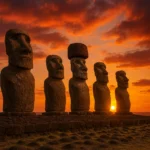
- Easter Island stays between 58 °F and 79 °F year-round; trade winds mean your beach hair will always look… interesting.
Need a month-by-month cheat-sheet? Jump to our deep-dive on what are the best times to visit Chile for a vacation? before you zip up that suitcase. 🧳✨
🌎 Climate Background: Why Chile’s Weather Is So Diverse

Chile’s weather is the love-child of three huge forces: the ice-cold Humboldt Current, the towering Andes, and the super-stable South Pacific High. Translation? One country, seven climate zones, and a lifetime of bragging rights.
- Latitude span: 17°S to 56°S – that’s like sticking Norway next to Morocco.
- Topography: The Andes rise >6 000 m in the north, dropping to fjords and glaciers in the south.
- Oceanic influence: The Humboldt Current drags Antarctic water north, chilling the coast and creating the Atacama’s hyper-arid pocket.
- Rain shadow: Moisture-laden storms from the Pacific slam into the Andes, dumping rain on Argentina, leaving Chilean slopes dry.
- Southern Annular Mode (SAM) – a fancy belt of westerly winds – wiggles north and south, dictating Patagonia’s wild mood swings.
IPCC AR6 Chapter 11 confirms that human-driven warming is intensifying temperature extremes and altering storm tracks in this part of the world. Translation for travelers: expect hotter heatwaves, shorter ski seasons, and juicier atmospheric-river rains in the south.
🌡️ Understanding Chile’s Climate Zones: From Desert to Ice
| Zone | Key Features | Avg. Annual Rain | Coolest Month | Hottest Month | Travel Vibe |
|---|---|---|---|---|---|
| Norte Grande (Arica–Iquique) | Coastal fog (camanchaca), lunar landscapes | <1 mm | Aug 15 °C | Feb 25 °C | Astro-tourism, sandboarding |
| Norte Chico (La Serena–Copiapó) | Semi-arid, cacti, clear skies | 20 mm | Jul 12 °C | Jan 28 °C | Beaches, pisco vineyards |
| Zona Central (Valparaíso–Santiago–Rancagua) | Mediterranean, 4 seasons | 350 mm | Jul 8 °C | Jan 30 °C | Wine harvest, city breaks |
| Zona Sur (Concepción–Valdivia) | Temperate rainy, Valdivian rainforest | 2 500 mm | Jul 5 °C | Jan 24 °C | Hot springs, rafting |
| Zona Austral (Puerto Montt–Coyhaique) | Fjords, glaciers, perpetual drizzle | 4 000 mm | Jul 2 °C | Jan 18 °C | Carretera Austral, kayaking |
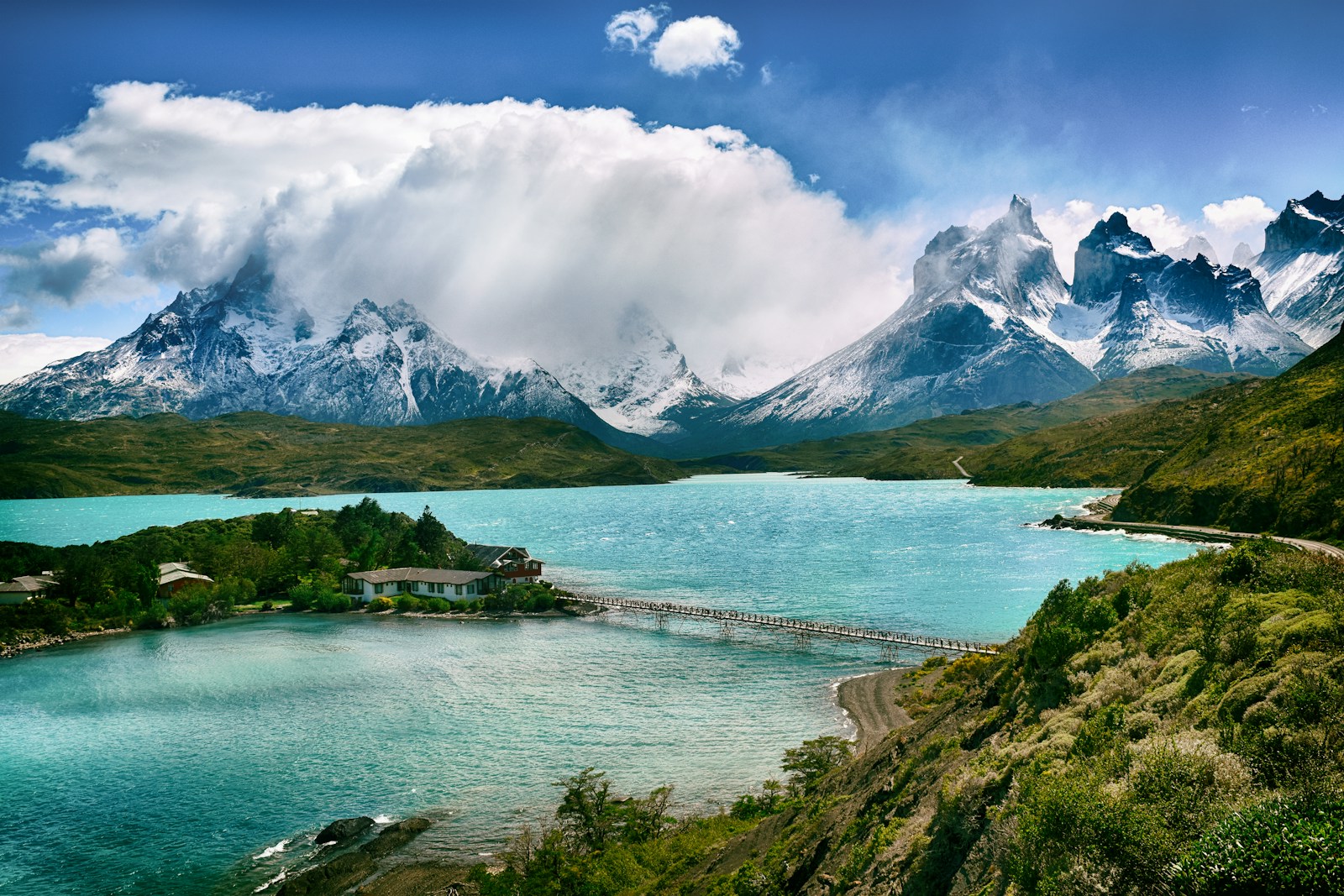
| Magallanes (Torres del Paine–Punta Arenas) | Sub-polar, 100 km/h winds | 400 mm | Jul −1 °C | Jan 15 °C | Trekking, penguins |
| Antarctic Territory (King George Island) | Ice sheets, 24 h summer daylight | <200 mm | Jul −10 °C | Jan 2 °C | Research cruises |
1. Northern Chile: The Atacama Desert’s Extreme Dryness and Best Activities
🏜️ Why the Atacama Makes Mars Jealous
- Driest spot: Quillagua once logged 0 mm in a 14-year stretch (source: DGA Chile).
- Altitude: San Pedro sits at 2 400 m; nearby Tatio geysers puff at 4 320 m – altitude sickness is real.
- Diurnal swing: 30 °C days plunge to 0 °C nights – bring puffy jackets and sunscreen SPF 50+.
✅ Best Seasonal Activities
| Season | Activity | Pro Tip |
|---|---|---|
| Spring (Sep–Nov) | Wildflower bloom (“desierto florido”) | Check Chile’s National Tourism Service alerts for bloom forecasts. |
| Summer (Dec–Feb) | Moon Valley sunset + sandboard down 150 m dunes | Carry 3 L water; CamelBak Crux 3L bladder works like a charm. |
| Autumn (Mar–May) | Stargazing at ALMA observatory | Book months ahead; only open Saturdays. |
| Winter (Jun–Aug) | Tatio geysers at dawn | Wear merino base layers – Smartwool 250 keeps you toasty at −5 °C. |
❌ What Not to Do
- Don’t assume “desert = hot” – hypothermia kills ill-prepared campers.
- Skip the altitude pills? Bad idea – we saw a backpacker puke at Tatio.
2. Central Chile: Mediterranean Climate and Seasonal Highlights
🍇 Santiago’s Weather in a Nutshell
- Rainy May–Aug: 85 % of annual rainfall in 4 months – pack waterproof boots.
- Dry heatwave Jan–Mar: temps hit 36 °C; ozone alerts spike – cycle early morning to beat smog.
- Coastal fog (“garúa”) hugs Valparaíso all summer – perfect noir Instagram shots.
Seasonal Activity Calendar
| Season | Must-Do | Insider Hack |
|---|---|---|
| Spring (Sep–Nov) | Vine bud-break bike ride in Casablanca | ConoSur vineyard offers free e-bike tours – reserve via WhatsApp. |
| Summer (Dec–Mar) | Surf at Pichilemu’s Punta de Lobos | Rent a 9 ft soft-top from Punta Surf Shop – they throw in free wax. |
| Autumn (Apr–May) | Harvest festival in Santa Rita | Stomp grapes barefoot – purple feet pics guaranteed. |
| Winter (Jun–Aug) | Ski at Valle Nevado | Buy a multi-day pass online – skip 2-hour ticket queues. |
IPCC Alert 🚨
The IPCC projects “the highest increase of temperature of hottest days is projected in some mid-latitude and semi-arid regions, at about 1.5 times to twice the rate of global warming.” Central Chile fits that box – expect more 40 °C scorchers by 2040.
3. Southern Chile: Rainforests, Fjords, and Cool Temperatures
🌲 Valdivian Temperate Rainforest – the Forgotten Amazon
- Annual rainfall: 2 500–4 000 mm – bring a dry-bag for your DSLR.
- Never truly dry; weather apps show rain icons 200 days a year – embrace the drip.
- Fireflies in February – magical nights at Huilo-Huilo Reserve.
Season-by-Season Playbook
| Season | Activity | Gear |
|---|---|---|
| Spring (Oct–Dec) | Raft the Futaleufú’s turquoise rapids | 5 mm wetsuit + NRS helmet – water at 12 °C. |
| Summer (Jan–Mar) | Kayak the marble caves of Lago Carrera | Go early – afternoon katabatic winds create 1 m chop. |
| Autumn (Apr–May) | Hot-spring hop at Puyuhuapi | Book mid-week – locals flood on weekends. |
| Winter (Jun–Sep) | Cat-ski at Corralco | Avalanche gear mandatory – they check beacon at lift. |
IPCC Note
Heavy precipitation events are likely to intensify – the Clausius-Clapeyron relation says ~7 % more rain per 1 °C. Translation: those marble caves may glow even bluer – but boat trips get cancelled more often.
4. Patagonia and Tierra del Fuego: The Land of Winds and Ice
💨 Wind Speeds That’ll Blow Your Hiking Boots Off
- Torres del Paine gusts regularly top 120 km/h – we once saw a Tent MSR Hubba fly like a UFO.
- November daylight: 15.5 h – perfect for the “W” trek in 4 days.
- Temperature swing: 0 °C dawn → 15 °C afternoon – layer like an onion.
What QuasarEx & BlogPatagonia Australis Say vs. Our Reality Check
| Source | Claim | Chile Vacay™ Verdict |
|---|---|---|
| QuasarEx | “November is mild” | True – but mild Patagonia ≠ mild Mallorca. Bring buff and windbreaker. |
| BlogPatagonia | “Pack for cold winds and rain” | Spot-on – Gore-Tex Paclite saved our bacon. |
| IPCC | “Storm tracks shift poleward” | Expect more southerly cyclones – book flexible flights. |
Seasonal Cheat-Sheet
| Season | Highlight | Trap to Avoid |
|---|---|---|
| Spring (Nov) | Baby guanacos on the pampas | Mudslides – park may close; check CONAF alerts. |
| Summer (Dec–Feb) | Longest days, best glacier calving at Grey | Crowds – reserve campsites 6 months ahead. |
| Autumn (Mar–Apr) | Copper-coloured lenga forests | Shorter buses – some routes end mid-April. |
| Winter (May–Aug) | Virtually empty trails | Hypothermia risk – only hard-core locals attempt. |
❄️ Seasonal Weather Patterns and How They Affect Travel Plans
| Month | North (Atacama) | Central (Santiago) | South (Puerto Varas) | Patagonia |
|---|---|---|---|---|
| Jan | 32 °C / 0 mm | 30 °C / 0 mm | 19 °C / 70 mm | 15 °C / 40 mm |
| Apr | 25 °C / 0 mm | 22 °C / 20 mm | 14 °C / 120 mm | 9 °C / 60 mm |
| Jul | 20 °C / 0 mm | 12 °C / 90 mm | 8 °C / 220 mm | 3 °C / 30 mm |
| Oct | 28 °C / 0 mm | 24 °C / 10 mm | 16 °C / 90 mm | 11 °C / 50 mm |
Key takeaway: Rain jumps 10-fold from north to south in winter; Patagonia is drier than you think – but windier than you can imagine.
🌞 Best Activities by Season: What to Do and When
Spring (Sep–Nov) 🌸
- North: Catch the desierto florida – a once-every-5-year bloom.
- Central: Cycle Cajón del Maipo when air is crisp and rivers roar.
- South: Whale watching in Corcovado Gulf – blue whales pass October–November.
- Patagonia: Puma cubs peek out; photographers rejoice.
Summer (Dec–Feb) ☀️
- North: ALMA observatory Saturdays – galaxies feel close enough to poke.
- Central: Beach-hopping from Zapallar to Matanzas – surf, rosé, repeat.
- South: Carretera Austral road-trip – 18-hour daylight means 200 km/day is doable.
- Patagonia: “W” trek – glacier calving at 11 p.m. under sunlit skies.
Autumn (Mar–May) 🍂
- Central: Harvest festivals – grape-stomping selfies in Santa Rita.
- South: Fall colours at Huilo-Huilo – lenga trees turn fire-red.
- Patagonia: Fewer crowds, golden lenga – photographers call it “magic hour” 24/7.
Winter (Jun–Aug) ❄️
- Central: Ski resorts – Valle Nevado, La Parva, El Colorado form the Tres Valles.
- South: Hot-spring circuit – Puyuhuapi, Aguas Calientes – steam meets snow.
- Patagonia: Penguin colonies – Isla Magdalena – walk among 60 000 Magellanic penguins.
🔥 Extreme Weather Events in Chile: Heatwaves, Droughts, and Storms
Heatwaves (Central & Norte Chico)
- 2019 Santiago: 40.4 °C – hottest day since 1918 (source: DMC Chile).
- IPCC projection: 1.5–2× global warming rate for hottest days – expect 42 °C+ by 2040.
Droughts (Central Chile “Mega-Sequia”)
- 2010–2022: 13-year drought – reservoirs at 20 % capacity.
- Agricultural impact: vineyards switching to drought-resistant rootstocks.
- Travel tip: shorter showers – many hotels use grey-water systems.
Storms & Cold Spikes (Patagonia)
- June 2021: polar front dumped 50 cm snow in Punta Arenas – flights cancelled for 3 days.
- IPCC notes: poleward shift of storm tracks – more southerly cyclones = wilder wind events.
💧 Rainfall Extremes and Flood Risks: What Travelers Should Know
Atmospheric Rivers (Zona Sur)
- 2017 “once-in-a-century” event: 400 mm in 24 h – railway washed out between Santiago and Chillán.
- Future: +7 % rain intensity per 1 °C – pack dry-bags and waterproof phone pouches.
Flash Floods (Atacama Altiplano)
- March 2015: desert lakes appeared overnight – roads vanished.
- Travel hack: download offline maps – cell towers sink in mud.
🌪️ Winds and Storms: How Chile’s Geography Shapes Weather Extremes
The Roaring Forties & Furious Fifties
- Patagonia sits smack in the Furious Fifties – winds accelerate through Andean fjords.
- Katabatic winds – cold air drainage from icefields – can flip a kayak in minutes.
Gear We Trust
- Tent: MSR Access 3 – geodesic dome laughs at 100 km/h gusts.
- Jacket: Patagonia Stormstride – burly 3-layer yet packs into its pocket.
- App: Windy.com – EU model shows **gusts in 1
🏁 Conclusion: Embrace Chile’s Weather and Make the Most of Every Season

Chile is a land of staggering contrasts—from the bone-dry Atacama Desert to the wind-whipped glaciers of Patagonia, the Mediterranean warmth of Central Chile to the lush rainforests of the south. Its weather variability is part of its charm, offering an adventure for every traveler, no matter the season.
We’ve seen how each region’s climate shapes the best activities: stargazing under pristine northern skies, wine tours and surfing in the central valleys, kayaking through fjords in the rainy south, and epic trekking in the ever-windy Patagonia. But beware: extreme weather events are becoming more frequent and intense, thanks to climate change, as the IPCC’s latest report warns. This means planning ahead, packing smart, and staying flexible are your best friends.
Remember our early teaser about packing for four seasons in one day? It’s no joke—Chile’s geography and climate demand respect and preparation. But with the right gear, insider tips, and a spirit for adventure, you’ll unlock unforgettable moments that only Chile’s diverse weather can offer.
So, whether you’re chasing the desert bloom, carving powder on the Andes, or hiking beneath towering glaciers, Chile’s weather is your ultimate travel companion—sometimes unpredictable, always spectacular. Ready to pack your bags yet? 🌍✈️
🔗 Recommended Links for Chile Weather and Travel
Gear and Apparel for Chile’s Weather Extremes
- MSR Access 3 Tent – Rugged, Windproof Shelter
- Patagonia Stormstride Jacket – Lightweight Waterproof Protection
- Smartwool Merino 250 Base Layer – Warm and Breathable
- CamelBak Crux 3L Hydration Reservoir – Stay Hydrated
- NRS Helmet – Safety for Whitewater Adventures
Books to Deepen Your Chile Travel Knowledge
- “Moon Chile & Easter Island” by Kelly Bingham & Angélica Baeza
- “Patagonia: A Cultural History” by Chris Moss
- “The Atacama Desert: A Guide to Its Natural Wonders” by John F. Shroder
❓ FAQ: Your Burning Questions About Chile’s Weather Answered

What are the top recommendations for hiking and trekking in Chile’s Patagonia region during the spring and summer months?
Spring (September–November) and summer (December–February) are prime trekking seasons in Patagonia. The “W” trek in Torres del Paine National Park is a must-do, offering spectacular glacier views and wildlife sightings. Spring brings blooming lenga forests and newborn guanacos, while summer offers long daylight hours (up to 17 hours) for extended hikes. Pack layers for wind and rain, and book campsites or refugios well in advance due to high demand.
What are the best winter sports and activities to enjoy in Chile’s ski resorts, such as Valle Nevado and Portillo?
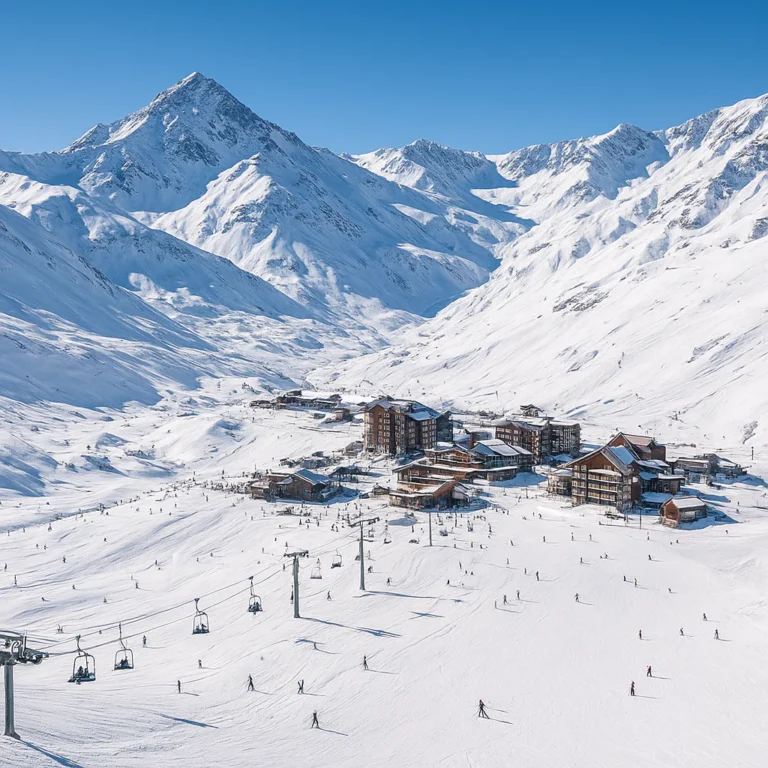
Winter (June–August) is ski season in the Andes. Valle Nevado, La Parva, and Portillo offer world-class skiing and snowboarding with reliable snow cover. Beyond downhill, try snowshoeing, heli-skiing, or relaxing in mountain lodges with panoramic views. Remember to check avalanche forecasts and rent quality gear; resorts often provide rental shops with top brands like Salomon and Rossignol.
How does the climate vary between the Andes Mountains and the coastal regions of Chile, and what are the best times to visit each?
The Andes Mountains experience alpine conditions—cold, snowy winters and cool summers—ideal for winter sports and summer trekking. The coastal regions have milder Mediterranean climates with wet winters and dry summers perfect for beach activities and wine tours. For the Andes, June to September is best for skiing, while December to March suits hiking. Coastal visits shine in summer (December–March) for sun and surf.
What are the most extreme weather conditions in Chile and how do they impact outdoor activities?
Chile faces heatwaves in central regions, mega-droughts, intense storms in the south, and high winds in Patagonia. These extremes can cause trail closures, flight delays, and water restrictions. For example, Patagonia’s fierce winds may ground helicopters or make camping challenging. Always check local weather alerts, carry emergency gear, and have flexible itineraries to adapt.
What are the climate differences between northern and southern Chile throughout the year?
Northern Chile is arid to hyper-arid, with minimal rainfall year-round and large temperature swings between day and night. Southern Chile is wet and cool, with heavy rainfall especially in winter, and milder summers. Northern regions are best visited in spring or autumn to avoid extreme heat, while southern regions are more accessible in summer for outdoor activities.
Which outdoor activities are ideal for summer in Chile’s Atacama Desert?
Summer in Atacama (December–February) is hot by day but cool at night. Ideal activities include early morning visits to Tatio geysers, stargazing tours at world-class observatories like ALMA, sandboarding, and exploring salt flats and colorful lagoons. Hydration and sun protection are critical. Nighttime desert camping offers surreal star-filled skies.
How does Patagonia’s weather affect travel plans and adventure options?
Patagonia’s weather is famously unpredictable, with rapid changes and strong winds. Travelers should expect wind gusts over 100 km/h, sudden rain, and cold snaps even in summer. This affects trekking conditions, boat trips, and flights. Flexibility is key—build buffer days into itineraries, pack windproof gear, and monitor weather updates from CONAF.
What cultural festivals in Chile align with the changing seasons and weather patterns?
- Fiesta de la Vendimia (Wine Harvest Festival) in March celebrates the grape harvest in Central Chile with parades, tastings, and folklore.
- La Tirana Festival in July in the north is a vibrant religious and cultural event despite winter’s chill.
- Carnaval Andino con la Fuerza del Sol in northern Chile’s highlands in January celebrates indigenous culture with music and dance.
- Patagonia’s Spring Festival in November marks the return of wildlife and blooming flora with local crafts and food fairs.
📚 Reference Links and Sources
- IPCC AR6 Chapter 11: Weather and Climate Extremes
- QuasarEx: November in Patagonia
- Blog Patagonia Australis: Weather in Chile – Everything You Need to Know
- Dirección Meteorológica de Chile (DMC)
- Chile National Forest Corporation (CONAF)
- Chile National Tourism Service (SERNATUR)
- Patagonia Official Site
- MSR Gear Official Site
- Smartwool Official Site
- CamelBak Official Site
For more on Chile’s climate and travel tips, check out our detailed guides in the Destinations and Adventure Travel categories at Chile Vacay™.