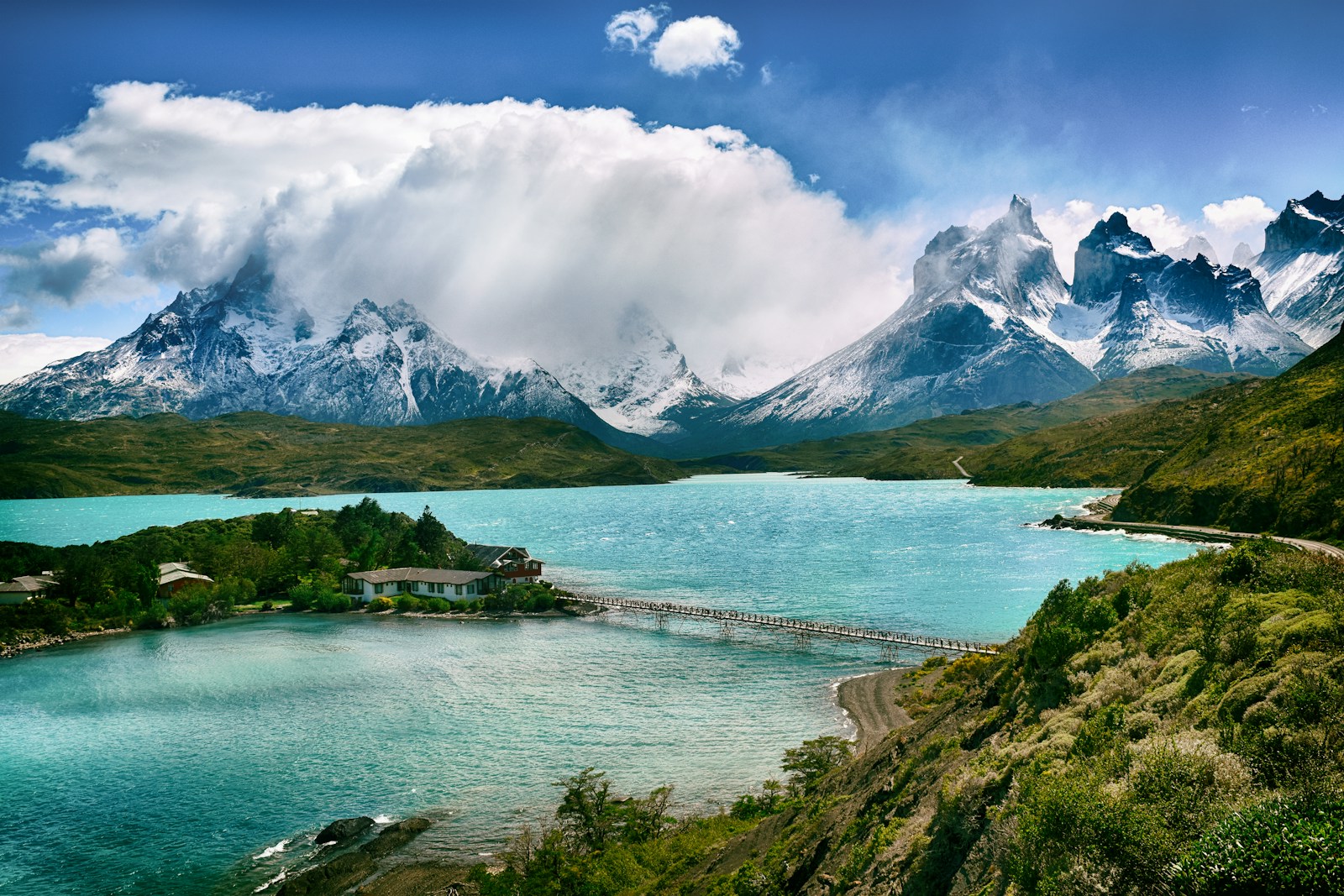
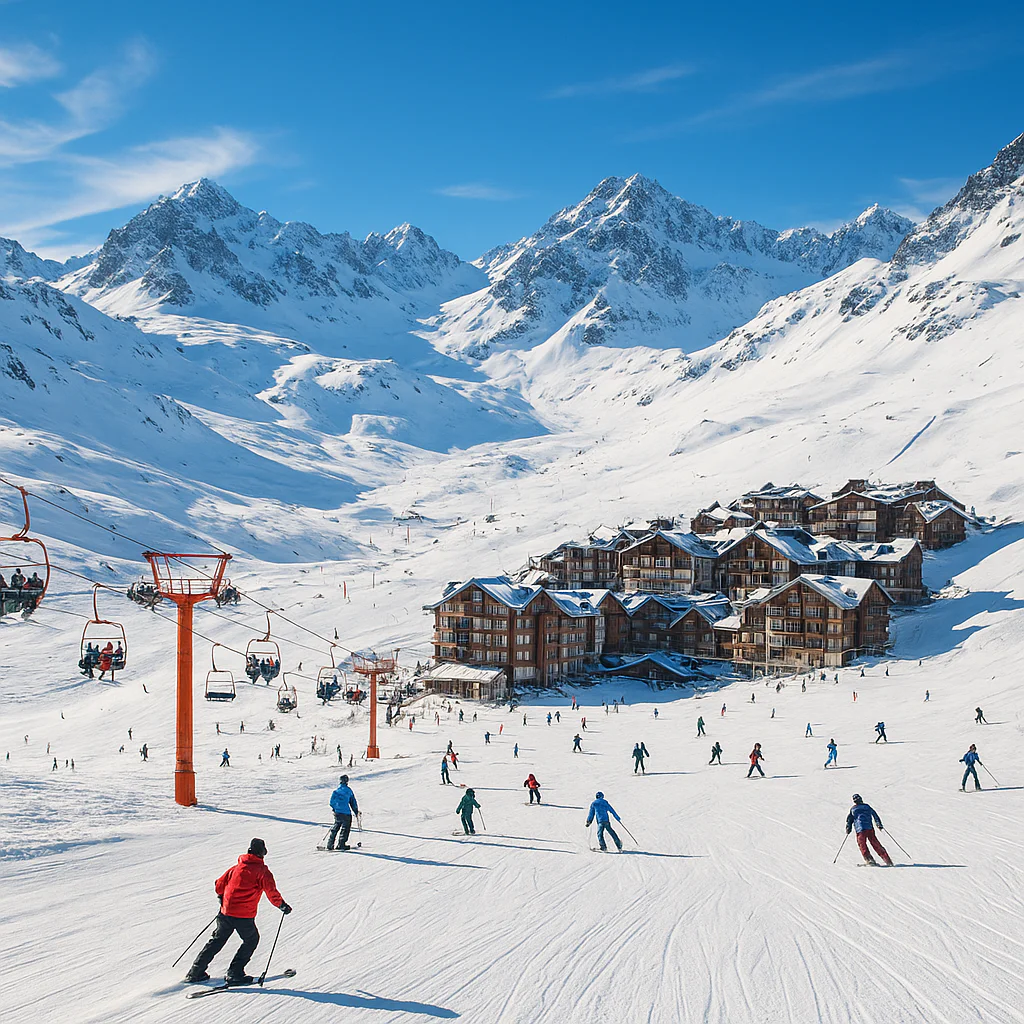
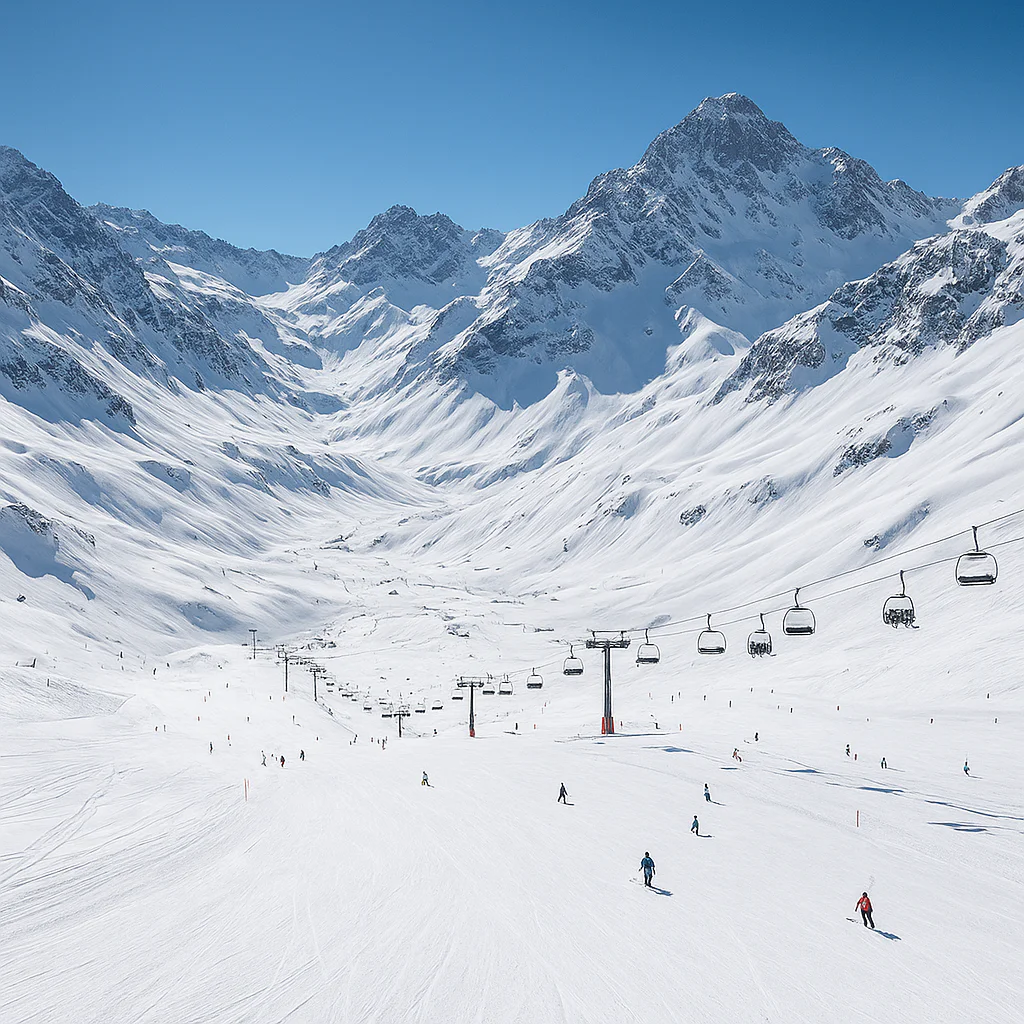
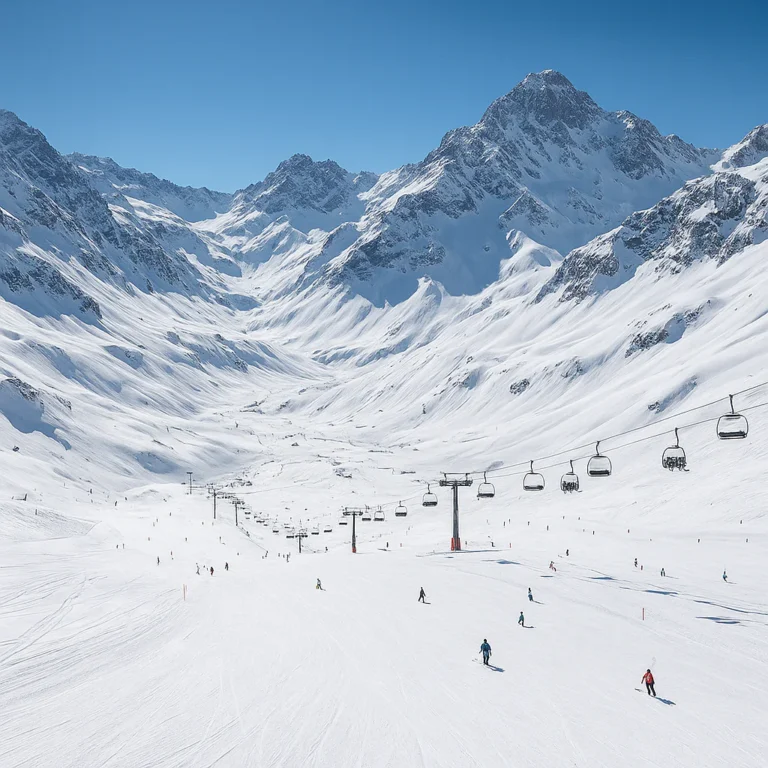
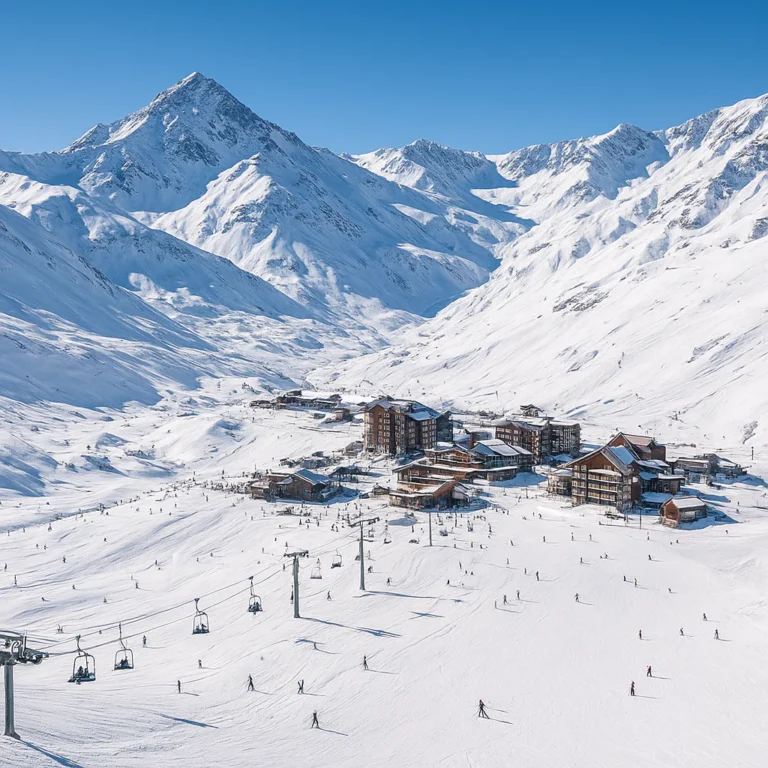
Forget the crowded, overpriced slopes of the Alps; the real winter magic is waiting in the Chilean Andes. Imagine gliding over champagne powder that feels like sugar, with the Laguna del Inca sparkling below and a glass of world-class Carmenère waiting for you at the summit. That’s the reality of sking in the Andes Chile, a destination that offers everything from the historic, exclusive chutes of Portillo to the family-friendly cruisers of El Colorado.
We’ve spent countless seasons chasing the snow from the Central Andes down to the volcanic peaks of the south, and let us tell you: the experience is unlike anything else on Earth. But here’s the catch—chosing the right resort can make or break your trip. Do you want the high-energy party of Vale Nevado, the rugged authenticity of La Parva, or the hidden gem of Coralco? In this guide, we break down the top 7 ski resorts, reveal the secrets to avoiding altitude sickness, and share exactly how to get the most out of your Andean winter adventure. By the end, you’ll know exactly which mountain to call home this season.
Key Takeaways
Season Timing: The prime window for sking in the Andes Chile is July to August for deep powder, with September offering perfect “corn snow” and fewer crowds.
Resort Variety: From the slope-side luxury of Portillo to the family-friendly terrain of El Colorado, there is a resort for every skill level and budget.
Altitude Awareness: Most resorts sit above 2,50 meters; acclimatization is critical to avoid altitude sickness before hitting the slopes.
Unique Culture: Experience the legendary Welcome Cocktail at Portillo and enjoy world-class Chilean wine and Pisco as part of the unique après-ski scene.
Travel Logistics: While Santiago is the gateway, a 4×4 vehicle or reliable shuttle service is essential for navigating the mountain roads safely.
Before you even pack your first pair of thermal socks, let’s hit the ground running with the absolute essentials for sking in the Andes Chile. We’ve been there, shivered there, and drank way too much Pisco there, so consider this your cheat sheet to avoiding the rookie mistakes.
Video guide
📅 Seasonality is Key: Unlike the Northern Hemisphere, our winter runs from June to September. The sweet spot for deep powder? July and August. If you go in June, you might be breaking in fresh tracks; by September, the “corn snow” (sun-softened snow) takes over, which is actually fantastic for carving.
🏔️ Altitude Alert: We aren’t playing around with sea-level hills here. Most resorts sit between 2,50m and 3,60m. That’s high enough to make you huff and puff just walking to the lift. acclimatization is not a suggestion; it’s a survival tactic. Spend your first day in Santiago (50m) or a lower valley before hitting the slopes.
🚗 The “Santiago to Snow” Reality: The drive from Santiago to the main Central Andes resorts (Vale Nevado, Portillo, etc.) is roughly 2 to 3 hours, but that’s under perfect conditions. In a blizzard, that 2-hour drive can stretch to 6. Always check road conditions via the Chilean National Police (Carabineros) website before leaving.
🍷 The “Welcome Cocktail” Culture: You might have heard rumors of a specific cocktail. It’s real! At Portillo, the owners host a legendary Sunday night Welcome Cocktail. It’s the ultimate icebreaker to meet international skiers and locals alike.
❄️ Snow Quality: The Andes are famous for dry, light powder. While the Alps can be heavy and wet, Chilean snow is often described as “champagne powder.” It’s lighter, drier, and flies everywhere (bring a good face mask!).
🇨🇱 Language: While English is spoken at major resorts, learning a few Spanish phrases like “¡Buenos días!” (Good morning) or “¿Dónde está el baño?” (Where is the bathroom?) goes a long way. The locals appreciate the effort!
For more inspiration on planning your ultimate Chilean getaway, check out our full guide at Chile Vacay.
🏔️ A Brief History of Sking in the Chilean Andes
How did a country known for its wine and copper mines become a world-class ski destination? It’s a story of adventure, resilience, and a little bit of luck.
The history of sking in the Chilean Andes dates back to the early 20th century. While the first ski clubs were formed in the 1930s, the real boom happened post-WII. In 1936, the first ski lift in South America was installed at Vale Nevado (though the resort as we know it came later), but it was Portillo that truly put Chile on the map.
Founded in 1948 by a group of Chilean and American enthusiasts, Portillo was built with a vision: to create a resort that could rival the best in Europe. The iconic yellow hotel, perched precariously on the edge of the Laguna del Inca, became a symbol of this ambition. By the 1960s, Chile was hosting international ski competitions, and the “Andean Winter” was born.
“For many experienced skiers, skiing in the Andes mountains in Chile is an unmissable milestone.” — Portillo Ski Resort
Unlike the European model of chalets and villages, the Chilean model evolved around slope-side hotels (like Portillo and Valle Nevado) or base towns (like Farellones). This unique infrastructure means you can ski right up to your door or step out of your car and onto the snow.
Over the decades, the industry has expanded south. While the Central Andes (near Santiago) dominate the headlines, the Southern Andes (around Temuco and Puerto Varas) offer a more rugged, less commercialized experience with resorts like Coralco and Antillanca. Today, with over 35 resorts and nearly 60 km of slopes, Chile is a powerhouse in the global ski scene.
🏂 Top 7 Ski Resorts in the Andes: From Valle Nevado to Portillo
You asked for the best, and we’re delivering the Top 7 Ski Resorts in the Andes. We’ve skied them all, from the glitzy slopes of Valle Nevado to the remote chutes of Portillo. Here is our no-nonsense breakdown.
1. Valle Nevado: The Modern Giant
If you want modern amenities, wide runs, and a party atmosphere, Valle Nevado is your spot. It’s the highest resort in the Andes, sitting at a staggering 3,670 meters.
The Vibe: High-energy, international, and slightly commercial. Think of it as the “Mega-resort” of Chile.
The Terrain: Massive open bowls, perfect for intermediate to advanced skiers. The “Funicular” lift is a marvel of engineering, whisking you up the mountain in minutes.
The Drawback: It can get crowded on weekends, and the lift lines can be long if you don’t arrive early.
Best For: Families, intermediates, and those who love a bustling après-ski scene.
2. El Colorado: The Family Favorite
Right next door to Valle Nevado, El Colorado offers a slightly more relaxed vibe. It’s famous for its long, gentle blue runs that are perfect for learning.
The Vibe: Friendly, family-oriented, and accessible.
The Terrain: Great for beginners and intermediates. The “El Colorado” run is a classic long cruiser.
The Drawback: Less challenging terrain for experts compared to its neighbor.
Best For: Families with kids and beginner skiers.
3. La Parva: The Local Legend
La Parva is where the locals go. It’s less polished than Valle Nevado but has a raw, authentic charm.
The Vibe: Grity, authentic, and full of character. The lift infrastructure is older, which adds to the charm (and the occasional wait).
The Terrain: Step, challenging, and often less crowded. The “Cerro El Plomo” area offers some serious adrenaline.
The Drawback: Facilities are basic. Bring your own food or be prepared for limited dining options.
Best For: Advanced skiers who want to avoid the crowds and enjoy a more “local” experience.
4. Portillo: The Historic Icon
We can’t talk about Chilean skiing without Portillo. It’s the oldest and most famous resort in South America.
The Vibe: Exclusive, historic, and incredibly social. The “Welcome Cocktail” and the Torchlight Parade are legendary.
The Terrain: Above the treline, offering endless open bowls and steep chutes. The Roca Jack run is an expert-only dream.
The Drawback: It’s expensive, and the terrain is not for beginners. As one video summary noted, “Portillo is not the best resort for beginner skiers and riders.”
Best For: Experts, powder hounds, and those seeking a unique, all-inclusive experience.
5. Coralco: The Hidden Gem in the South
Located in the Southern Andes near Temuco, Coralco is a world away from the Central Andes chaos.
The Vibe: Rustic, peaceful, and surrounded by stunning volcanoes.
The Terrain: A mix of groomed runs and off-piste powder. The views of the Villarrica Volcano are breathtaking.
The Drawback: It’s a long drive from Santiago (about 8-9 hours).
Best For: Those seeking solitude, off-piste adventures, and volcanic scenery.
6. Antillanca: The Powder Paradise
Also in the south, Antillanca is known for its deep powder and relaxed atmosphere.
The Vibe: Laid-back, friendly, and focused on the snow.
The Terrain: Great for intermediates and advanced skiers looking for fresh tracks.
The Drawback: Limited infrastructure and fewer amenities compared to the north.
Best For: Powder seekers and those who want to escape the crowds.
7. Cero Castor: The Southernmost Slopes
Located in Ushuaia (Argentina, but often grouped with Chilean Andes trips), Cerro Castor is the southernmost ski resort in the world.
The Vibe: Adventurous, remote, and unique.
The Terrain: Short but steep runs with incredible views of the Beagle Channel.
The Drawback: Very short season and limited terrain.
Best For: Adventurers who want to say they skied the “end of the world.”
🗺️ Comparing the Andes: Lift Tickets, Terrain, and Vibe
Confused about which resort to pick? We’ve broken it down into a handy comparison table. Note that while we can’t list specific prices (they change yearly and vary by season), we can give you a sense of the value proposition.
Resort
Best For
Terrain Difficulty
Lift System
Vibe
Unique Feature
Vale Nevado
Intermediates/Experts
High (Wide bowls)
Modern (Funicular)
Party/International
Highest altitude (3,670m)
El Colorado
Families/Beginers
Low/Medium
Good
Family-friendly
Long, gentle runs
La Parva
Locals/Experts
High (Step)
Older
Authentic/Grity
Less crowded, steep chutes
Portillo
Experts/Socializers
Very High
Unique (Va-et-vient)
Exclusive/Classic
Slope-side hotel, Torchlight Parade
Coralco
Powder/Seclusion
Medium/High
Basic
Rustic/Peaceful
Volcanic views
Antillanca
Powder/Relaxation
Medium/High
Basic
Laid-back
Deep powder
Cerro Castor
Adventure
Medium
Limited
Remote/Unique
Southernmost resort
Key Insight: If you are an expert skier, Portillo or La Parva will give you the most challenging terrain. If you are a family, El Colorado is your safest bet. If you want powder and don’t mind a long drive, head south to Coralco or Antillanca.
🚗 Getting There: Transport Options from Santiago to the Mountains
Getting to the slopes is an adventure in itself. The drive from Santiago to the Central Andes resorts is a winding, scenic journey through the Maipo Valley.
Option 1: Rental Car
Pros: Flexibility, ability to stop at viewpoints, and carry all your gear.
Cons:4×4 is mandatory in winter. Chains are often required. Driving in snow and ice can be stressful if you’re not experienced.
Tip: Rent a car with winter tires and chains. Check the Chilean National Police (Carabineros) website for road closures before you leave.
Option 2: Shuttle Services
Pros: Stress-free, door-to-door service, and often includes a guide.
Cons: Less flexible, fixed schedules.
Popular Providers:Bus-San Francisco, Andes Shuttle, and Transfer Ski. These companies run regular shutles from Santiago to Valle Nevado, Portillo, and La Parva.
Option 3: Public Bus
Pros: Cheap.
Cons: Infrequent, doesn’t go directly to the slopes, and you have to figure out the last mile.
Verdict: Not recommended for skiers with heavy gear.
Pro Tip: If you are driving, leave early. The traffic on weekends can be brutal. Aim to leave Santiago by 6:0 AM to beat the rush.
🏨 Where to Stay: On-Mountain Hotels vs. Santiago Base Camps
Where you sleep can make or break your ski trip. You have two main options: On-Mountain or Santiago Base Camp.
On-Mountain Hotels
Examples:Portillo, Vale Nevado, El Colorado.
Pros: Ski-in/ski-out convenience, no driving, immersive experience.
Cons: Expensive, limited dining options, can feel isolated.
Best For: Those who want to maximize ski time and don’t mind paying a premium.
Santiago Base Camps
Examples: Hotels in Santiago or nearby towns like San José de Maipo.
Pros: More dining options, cheaper accommodation, access to city life.
Cons: Daily commute (2-3 hours each way), risk of missing snow if roads close.
Best For: Budget travelers, those who want to explore Santiago, or groups with mixed interests.
Our Recommendation: If you are going for a short trip (3-4 days), stay on-mountain. The time saved on commuting is worth the extra cost. If you are staying for a week or more, consider a mix: a few nights on the mountain and a few in Santiago.
🍷 Après-Ski Culture: Chilean Wine, Pisco, and Good Times
You can’t talk about Chilean skiing without mentioning the après-ski. It’s not just about drinking; it’s about celebration.
The Wine Connection
Chile is a world-class wine producer. After a day on the slopes, nothing beats a glass of Carmenère or Cabernet Sauvignon. Many resorts, especially Portillo, offer wine tastings and even wine weeks featuring local vineyards.
Pisco Sour
The national drink of Chile, Pisco Sour, is a must-try. Made with Pisco (a grape brandy), lime juice, sugar, and egg white, it’s the perfect refresher after a cold day on the mountain.
The Social Scene
Portillo: The Torchlight Parade and the Sunday Welcome Cocktail are legendary. The hotel bar often features live bands and dancing until midnight.
Vale Nevado: The Funicular area has a lively bar scene with DJs and international crowds.
La Parva: More laid-back, with local bars and a focus on camaraderie.
Fun Fact: Did you know that the Condé Nast Traveler named the pool at Portillo one of the best après-ski pools in the world? It’s the perfect spot to soak in the sunset with a drink in hand.
🎒 Essential Gear Guide: What to Pack for High-Altitude Sking
Packing for the Andes is different from packing for the Alps. The high altitude and dry climate require specific gear.
Clothing
Base Layers: Moisture-wicking, merino wool is best. Avoid cotton!
Mid Layers: Fleece or down jackets for warmth.
Outer Layer: Waterproof and breathable shell. Gore-Tex is a reliable choice.
Accessories:Goggles with UV protection (the sun is intense at 3,0m), gloves (waterproof and warm), and a balaclava for wind protection.
Gear Rentals
Skis/Bots: Most resorts offer high-quality rentals. Brands like Salomon, Rossignol, and Atomic are common.
Helmets: Mandatory at most resorts. Bring your own if you have one, or rent on-site.
Other Essentials
Sunscreen: High SPF (50+). The UV index is extreme.
Lip Balm: With SPF.
Hydration: Bring a water bottle and drink plenty of water to combat altitude sickness.
Pro Tip: If you are bringing your own gear, check the airline’s ski bag policy. Some airlines charge extra for oversized bags.
🌤️ Best Time to Visit: Snow Conditions and Seasonal Insights
Timing is everything in the Andes. Here’s a breakdown of the seasonal insights:
June (Early Season): Fresh powder, but snow coverage might be patchy. Great for early birds.
July & August (Peak Season): Best snow conditions, deep powder, and full resort operations. Expect crowds.
September (Late Season): “Corn snow” conditions, warmer temperatures, and fewer crowds. Perfect for long, sunny days.
Weather Patterns: The Andes can be unpredictable. A sunny morning can turn into a blizzard by afternoon. Always check the weather forecast and avalanche reports before heading out.
⚠️ Safety First: Altitude Sickness and Avalanche Awareness
Safety is our top priority. The Andes are beautiful but unforgiving.
Altitude Sickness
Symptoms: Headache, nausea, dizziness, shortness of breath.
Prevention: acclimatize for at least 24 hours before skiing. Drink plenty of water. Avoid alcohol on the first day.
Treatment: Descend if symptoms worsen. Coca tea is a traditional remedy.
Avalanche Awareness
Risk: High in backcountry areas.
Prevention: Stick to marked runs. If you go off-piste, hire a guide and carry avalanche gear (beacon, probe, shovel).
Resources: Check the Chilean Avalanche Center (CNA) for daily reports.
Remember: No run is worth your life. If conditions look dangerous, stay off the slopes.
💰 Budgeting Your Trip: Costs Without the Sticker Shock
Sking in Chile can be expensive, but with smart planning, you can manage your budget.
Major Costs
Lift Tickets: Vary by resort and season. Portillo and Vale Nevado are on the higher end.
accommodation: On-mountain hotels are pricey. Consider Santiago base camps for savings.
Food: Resort dining is expensive. Bring snacks or eat in Santiago.
Transport: Shuttle services are affordable. Rental cars add up with fuel and insurance.
Money-Saving Tips
Book Early: Lift tickets and accommodation are cheaper if booked in advance.
Mid-Week: Ski on weekdays to avoid weekend crowds and higher prices.
Group Discounts: Many resorts offer discounts for groups.
Pack Your Own Food: Resort food is expensive. Bring your own lunch.
Budget Estimate: A week-long trip can range from moderate to high depending on your choices. For a detailed breakdown, check our Budget Travel category.
🌟 Unforgettable Ski Experience in the Andes Mountains of Chile
So, what does an unforgettable ski experience in the Andes look like? It’s the feeling of gliding over pristine powder with the Andes Mountains stretching out before you. It’s the warmth of a Pisco Sour after a cold day on the slopes. It’s the laughter of new friends at the Welcome Cocktail.
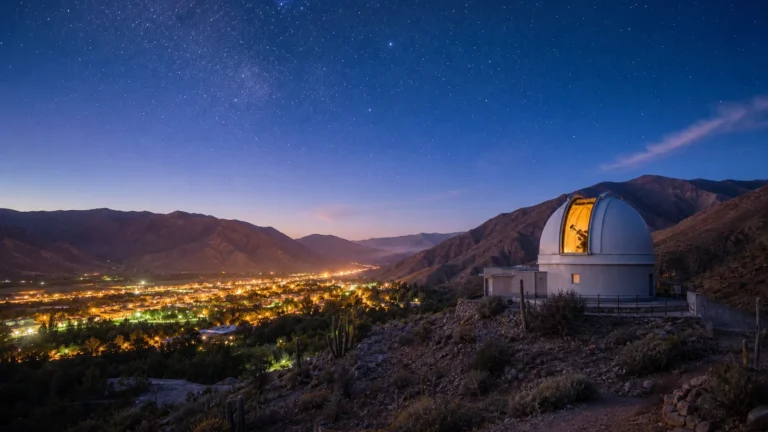
It’s the challenge of Roca Jack at Portillo, the serenity of Coralco, and the energy of Valle Nevado. It’s the stunning sunsets over the Laguna del Inca and the stargazing under the Southern Cross.
But it’s also the safety, the preparation, and the respect for the mountain. It’s knowing that you’ve done everything right to enjoy this incredible experience.
The Question: Are you ready to trade your winter for the Andean winter? The slopes are calling. Will you answer?
(Stay tuned for our final recommendations and FAQs to help you plan your perfect trip!)
Jacob
Jacob publishes Chile Vacay travel guides for readers planning trips around Chile, including destinations, routes, seasons, food, transportation, and safety.