Support our educational content for free when you purchase through links on our site. Learn more
Torres del Paine Celebrity Hiking Trails: 10 Iconic Routes 🥾

The best Torres del Paine celebrity hiking trails are the park’s famous, scenery-packed routes—not trails officially named for stars. We couldn’t verify reliable reports linking specific celebrities to particular hikes, so we recommend planning around the real attractions: Base Torres, the French Valley, Grey Glacier, and the legendary W Trek.
On our first blustery day in the park, a short viewpoint walk reminded us that Patagonia doesn’t need a celebrity cameo to steal the scene. The clouds shifted, the peaks appeared, and suddenly everyone on the trail was reaching for a camera—including us.
Key Takeaways
- “Celebrity hiking trails” isn’t an official category: It usually means Torres del Paine’s most famous and photogenic routes.
- Base Torres, French Valley, and Grey Glacier are the headline hikes, while Salto Grande and Lago Pehoé viewpoints offer shorter scenic outings.
- Choose the right scale: Day hikes suit tighter schedules; the W Trek links major highlights; the longer O Circuit takes more time and preparation.
- Check current park rules, trail access, weather, reservations, and transport before setting out.
- Celebrity sightings are unverified: Let the landscape—not rumors—guide your itinerary.
Table of Contents
- ⚡️ Quick Tips and Facts
- 🏔️ Torres del Paine and Its Celebrity Hiking Trails: What the Name Means
- Why Patagonia’s Most Famous National Park Draws the Spotlight
- What “Celebrity Hiking Trails” Really Means
- 🥾 The 10 Most Famous Torres del Paine Hiking Trails
- 1. Base of the Towers Viewpoint Trail
- 2. French Valley Trail
- 3. Grey Glacier Trail
- 4. Mirador Cuernos Trail
- 5. Salto Grande Waterfall Trail
- 6. Laguna Azul Viewpoints
- 7. Condor Lookout Trail
- 8. Lago Pehoé and Cuernos Viewpoints
- 9. Aonikenk Trail
- 10. The W Trek and O Circuit Highlights
- 🗺️ Choose Your Route: Day Hikes, the W Trek, or the O Circuit
- Best Trails for First-Time Visitors
- Best Short Hikes and Scenic Viewpoints
- Best Multi-Day Treks in Torres del Paine
- 📊 Trail Difficulty, Distance, and Hiking Time
- 🌦️ When to Hike: Patagonia Weather and Trail Seasons
- 🎟️ Park Tickets, Reservations, and Trail Access
- How to Book Campsites, Refugios, and Transport
- Park Rules, Closures, and Current Conditions
- 🚌 Getting to Torres del Paine National Park
- 🎒 What to Pack for Torres del Paine Hikes
- 🛡️ Safety, Wind, Wildlife, and Leave No Trace
- 📸 Photography Tips for Patagonia’s Iconic Viewpoints
- 🛏️ Where to Stay Near the Trails
- 💡 Local Hiking Tips and Common Mistakes to Avoid
- 🌟 Plan a Torres del Paine Hiking Trip You’ll Remember
- Conclusion
- 🔗 Recommended Links
- ❓ FAQ
- 📚 Reference Links
⚡️ Quick Tips and Facts
Tores del Paine is famous for granite towers, glaciers, wind that treats hats as optional, and hiking trails so photogenic they can seem almost too dramatic to be real. But “Tores del Paine celebrity hiking trails” isn’t an official trail category: it’s best understood as a search for the park’s best-known, most photographed routes—and for any verified celebrity connection.
Our first recommendation: plan around the trail you want to hike, not an unverified rumor about who might have walked it. For broader Chile travel ideas, see our destinations guide and adventure travel stories. If you’re curious about famous visitors elsewhere in the country, our celebrities in Chile guide is a useful companion.
| Quick fact | What hikers should know |
|---|---|
| Location | Tores del Paine National Park, in Chilean Patagonia |
| Best-known multi-day route | The W Trek, which links the Base Torres, French Valley, and Grey Glacier areas |
| Longer circuit | The O Circuit, which includes the W Trek highlights and the more remote John Gardner Pass section |
| Gateway town | Puerto Natales is the main base for park transport and trip logistics |
| Main planning challenge | Campsites, refugios, transport connections, and seasonal access may need advance reservations |
| Weather | Wind, rain, and quick changes are part of the experience; check official conditions before setting out |
| Celebrity claim check | We found no reliable evidence that particular celebrities have visited or hiked specific trails in the park |
A note on distances: Published route figures can differ depending on the trailhead, accommodation, boat or shuttle transfer, and whether a source measures a one-way segment or a round trip. Treat distances below as planning guides, then confirm the current route and access details with CONAF and your accommodation or transport operator.
🏔️ Torres del Paine and Its Celebrity Hiking Trails: What the Name Means
Why Patagonia’s Most Famous National Park Draws the Spotlight
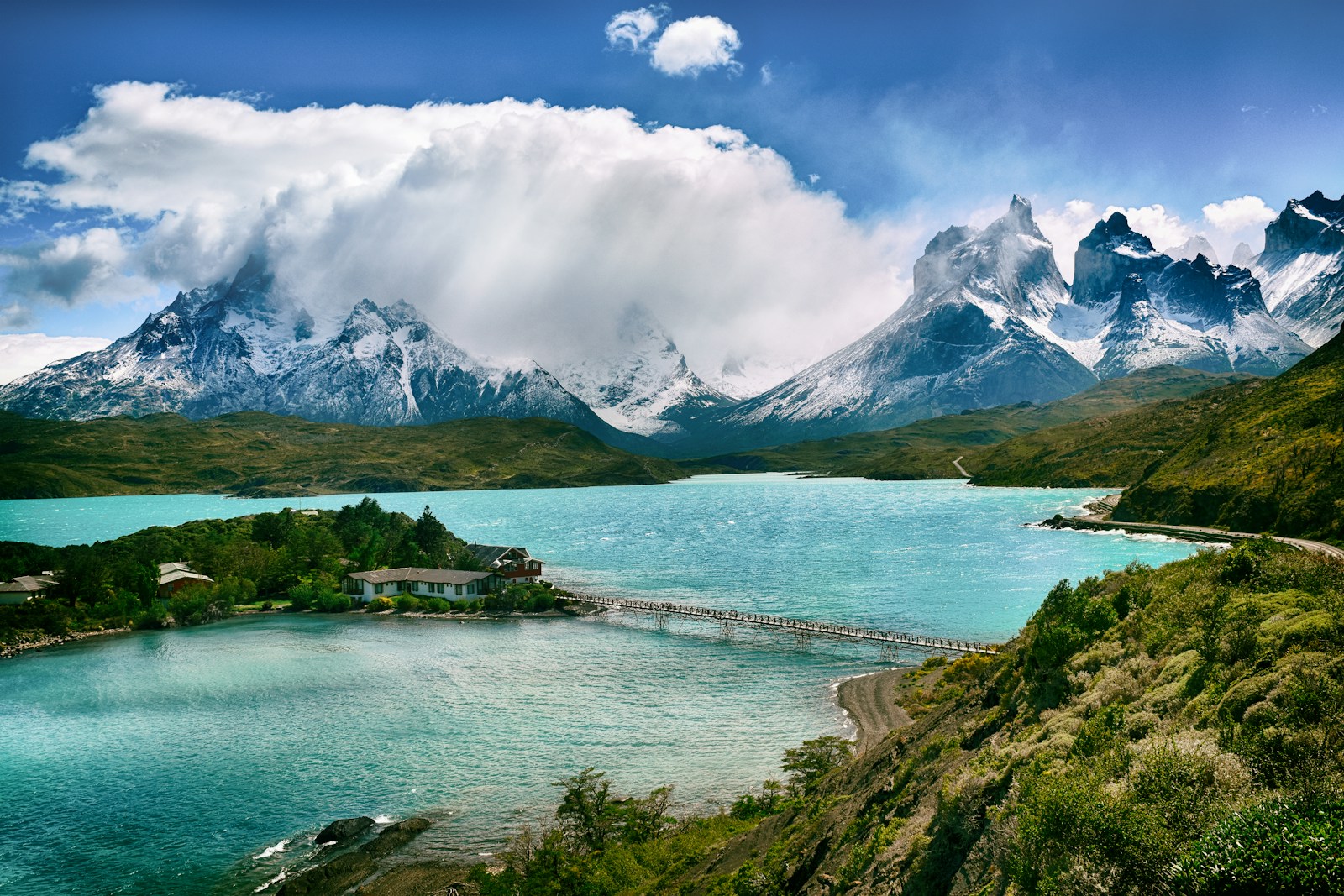
Tores del Paine’s appeal is easy to understand once you see the scenery: pale granite towers, sculpted peaks, turquoise lakes, hanging glaciers, and wide-open Patagonian landscapes. The park is also the setting for the celebrated W Trek and O Circuit, two of South America’s best-known multi-day hikes. You can explore more Chilean outdoor escapes in our Andes Mountains guide.
One useful distinction: Torres del Paine is not part of the Greater Patagonia Trail. A first-person account of the Greater Patagonia Trail describes it as a route linking trails, roads, and waterways, and explicitly says Torres del Paine is not part of the GPT. That expedition-style route is a different undertaking—not another name for the park’s marked trails.
What “Celebrity Hiking Trails” Really Means
There are no official trails named for celebrities in Torres del Paine, and we haven’t found trustworthy reporting that verifies specific celebrities hiking particular routes here. The phrase is more useful as a search term for famous, iconic, or exceptionally photogenic hikes.
So we’ll focus on trails with real reasons to be on your list: recognized viewpoints, dramatic landscapes, established access, and reliable planning information. If a social-media post claims that a star hiked a certain path, look for a direct statement, reputable interview, or credible news report before treating it as fact. A spectacular viewpoint is evidence of a good hike, not evidence of a celebrity sighting.
🥾 The 10 Most Famous Torres del Paine Hiking Trails
The park’s headline routes suit different trip lengths and comfort levels. Some are short viewpoint walks; others demand a full day—or several days—of sustained effort. Confirm current access and trail conditions before committing, especially for seasonal or weather-sensitive routes.
| Trail or route | Best for | Typical planning note | Challenge |
|---|---|---|---|
| Base of the Towers | The classic granite-tower viewpoint | A demanding full-day outing for many hikers | High |
| French Valley | Hanging glaciers and mountain scenery | Usually reached as part of the W Trek | Moderate to high |
| Grey Glacier viewpoints | Glacier views and suspension bridges | Route length depends on your start point | Moderate |
| Mirador Cuernos | A shorter classic viewpoint | Often combined with Salto Grande | Easy to moderate |
| Salto Grande | Waterfall and lake scenery | Short walk; wind can be fierce | Easy |
| Laguna Azul viewpoints | Open views toward the towers | Vehicle access helps | Easy |
| Mirador Cóndor | A short, steep viewpoint hike | Allow time for the climb and descent | Moderate |
| Lago Pehoé viewpoints | Lake-and-peak panoramas | Several roadside viewpoints | Easy |
| Aonikenk Trail | Stepe, wildlife, and cultural heritage | Check local access and route information | Easy to moderate |
| W Trek and O Circuit | Multi-day trekking | Reserve lodging, campsites, and transport | High |
1. Base of the Towers Viewpoint Trail
The hike to Mirador Base Torres is the park’s marquee day hike: a long approach through the Ascencio Valley, followed by a demanding climb toward a rocky viewpoint facing the three granite towers. It is strenuous, exposed to changing weather, and well worth planning carefully.
Some itineraries quote roughly 18 km round trip from the Welcome Centre, while other descriptions give a longer day depending on the precise start and route. The Experience Chile W Trek guide describes the Base Torres route as a substantial outing involving forest and steep, rocky terrain. Check the route information for your specific starting point rather than treating one distance as universal.
Our practical approach:
- Check the official park information and weather forecast before leaving.
- Start early enough to complete the hike within current trail hours.
- Carry waterproof layers, food, water, and a charged phone or navigation device.
- Use trekking poles if they help you on steep or rocky ground.
- Turn around if weather, fatigue, or trail conditions make continuing unsafe.
The final viewpoint can be crowded, and clouds sometimes hide the towers. That’s Patagonia: the mountains don’t take reservations for clear skies. For general hiking preparation and more outdoor trip ideas, browse our adventure travel section.
2. French Valley Trail
The French Valley is one of the signature landscapes of the W Trek. Depending on your route and how far you hike into the valley, you may see the Cuernos peaks, the French River, hanging glaciers, and dramatic mountain walls. The Experience Chile guide describes the valley as a highlight with wide-ranging views and places a commonly cited round trip from Paine Grande or Cuernos at around 16 km; your actual mileage depends on the start and turnaround point.
Why it’s a favorite: the scenery changes as you move through the valley, so the hike feels like a sequence of grand reveals rather than one long walk toward a single viewpoint.
Keep in mind: the trail can be rocky, weather can change quickly, and a longer out-and-back adds time and effort to an already full W Trek day. Ask your refugio or park staff about current conditions and turnaround guidance.
3. Grey Glacier Trail
The Grey Glacier section gives hikers a close look at glacial scenery, ice-studded water, and the rugged western side of the W Trek. A frequently cited segment is about 11 km from Paine Grande, but route length varies with the intended viewpoint and where you stay.
Expect uneven trail surfaces and wind. If your itinerary includes a boat connection, confirm the operating schedule and allow a sensible buffer; don’t plan a tight connection around a hike that could take longer than expected.
A longer O Circuit itinerary takes you beyond the W’s familiar highlights and over John Gardner Pass, where access and conditions are especially important to verify. The O Circuit is a serious multi-day trek, not a casual extension to squeeze in after lunch.
4. Mirador Cuernos Trail
For a shorter walk with a rewarding mountain-and-water panorama, Mirador Cuernos is a strong choice. It is often combined with the nearby Salto Grande waterfall, giving you a satisfying half-day outing without committing to the full W Trek.
The best choice for your day depends on wind, road access, and how much hiking you want to do. Check the park’s current route guidance, then treat the viewpoint as a flexible outing rather than a guaranteed quick stop—Patagonia can make even a short walk feel like a weather negotiation.
5. Salto Grande Waterfall Trail
Salto Grande is one of the park’s easiest ways to get a big landscape payoff with comparatively little walking. The route leads to a powerful waterfall connecting lakes in the Pehoé area, with the Paine massif providing a dramatic backdrop.
- Good for: visitors short on time, families, and hikers building a lighter day.
- Watch for: strong wind, spray, and exposed conditions.
- Pair it with: a visit to Mirador Cuernos if access and weather allow.
Short does not mean careless. Stay on marked paths and follow signs around water and exposed edges.
6. Laguna Azul Viewpoints
The Laguna Azul area offers open views of the park’s mountains and a quieter-feling alternative to the busiest headline routes. It’s particularly useful for visitors with a vehicle or a guided itinerary that reaches the park’s more distant areas.
A video tour of five Torres del Paine day hikes, linked as the featured video, presents Laguna Azul as an easy outing of about 6.4 km and roughly two hours. Treat that as the video’s estimate, not a universal trail measurement: access, walking pace, and the exact route can change the time you need.
7. Condor Lookout Trail
Mirador Cóndor is a short but uphill hike to a viewpoint above the lakes and surrounding peaks. The featured video describes it as approximately 2.4 km round trip, around an hour, and with roughly 200 m of elevation gain. Conditions and route measurements can vary, so check local signs before setting out.
This is a good example of a trail that can look deceptively easy on a map. The distance is modest, but the climb, wind, and loose footing can make it feel more demanding. Take it slowly, wear footwear with reliable grip, and don’t race the descent.
8. Lago Pehoé and Cuernos Viewpoints
The Lago Pehoé area is famous for vividly colored water and views toward the Cuernos and Paine massif. Many visitors experience it from roadside stops or short walks, making it an excellent choice for a scenic day that doesn’t revolve around a major climb.
For a quieter visit, allow time to stop, look for changing light, and keep an eye on weather. The lake can shift from jewel-bright to steel-grey with a passing cloud. That’s not a flaw; it’s the park changing the filter for you.
9. Aonikenk Trail
The Aonikenk Trail offers a different perspective from the glacier-and-granite highlights: open Patagonian stepe, traces of human history, and opportunities to learn about the region’s Indigenous heritage. Route access and interpretation can change, so consult park information or a knowledgeable local guide rather than relying on an old map alone.
For broader context on heritage and local traditions, see Chile Vacay’s cultural experiences guide. Approach cultural sites respectfully: stay on the route, follow posted rules, and avoid disturbing archaeological features.
10. The W Trek and O Circuit Highlights
The W Trek links the Base Torres, French Valley, and Grey Glacier areas. One route-planning source describes it as approximately 63 km (39 miles) over four to five days, though published totals vary according to route and itinerary. It can be completed in either direction; choose based on campsite availability, boat and bus connections, and your preferred schedule.
The O Circuit includes the W Trek and continues around the back of the Paine massif. It requires more days, more logistical preparation, and careful attention to seasonal access and park rules.
| Route | Typical duration | Main highlights | Best suited to |
|---|---|---|---|
| Short park visit | 1–2 days | Viewpoints, waterfall, lake scenery | Visitors with limited time |
| W Trek | Commonly 4–5 days | Towers, French Valley, Grey Glacier | Hikers wanting the classic multi-day route |
| O Circuit | Longer than the W | W highlights plus remote backcountry and John Gardner Pass | Experienced, well-prepared trekkers |
A third-party guide may describe route lengths and seasons differently from another source. Trust current park rules and operator updates for access, and use general route guides for orientation—not as a substitute for current conditions. The CONAF park page is the key place to verify official information.
🗺️ Choose Your Route: Day Hikes, the W Trek, or the O Circuit
Best Trails for First-Time Visitors
If it’s your first visit, don’t try to collect every viewpoint. Pick one major hike and one or two shorter scenic walks.
- For the iconic challenge: Base of the Towers.
- For a classic multi-day experience: W Trek.
- For an easier scenery day: Salto Grande and nearby viewpoints.
- For glacier landscapes: Grey Glacier section.
- For a longer, more remote trek: O Circuit, with suitable preparation and confirmed access.
Best Short Hikes and Scenic Viewpoints
Shorter outings are not consolation prizes. Salto Grande, Lago Pehoé viewpoints, Laguna Azul, and Mirador Cóndor can deliver memorable scenery without the same time commitment as Base Torres.
A helpful day-hike sequence:
- Check trail and road conditions with park staff or your operator.
- Choose a route based on weather and daylight, not just distance.
- Carry a windproof and waterproof outer layer even if the morning looks friendly.
- Leave time for transport and viewpoint stops.
- Keep a backup plan if wind or closures change the day.
Best Multi-Day Treks in Torres del Paine
Choose the W Trek if you want the three best-known valleys and can secure the required accommodation and transport. Choose the O Circuit if you have more time, suitable trekking experience, and a strong appetite for a longer, more remote route.
The Experience Chile itinerary guide recommends planning well ahead, especially for popular trekking seasons. Availability varies, so check the park and individual campsite or refugio providers before booking flights around a hoped-for itinerary.
📊 Trail Difficulty, Distance, and Hiking Time
| Hike | Approximate distance or duration from cited route descriptions | Typical effort | What affects the day |
|---|---|---|---|
| Base Torres | Around 18 km round trip in one common itinerary; other starting points differ | High | Weather, steep terrain, pace, trailhead |
| French Valley | Around 16 km round trip in one common itinerary | Moderate to high | Turnaround point, accommodation, conditions |
| Grey Glacier section | Around 11 km for a commonly cited segment | Moderate | Starting point and glacier viewpoint |
| Mirador Ferrier | The featured video estimates 5.6 km round trip and about three hours | Moderate | Step sections and elevation gain |
| Laguna Azul | The featured video estimates 6.4 km and about two hours | Easy | Exact route and access |
| Mirador Cóndor | The featured video estimates 2.4 km round trip and about one hour | Moderate | Step climb, wind, pace |
| W Trek | Around 63 km in one published itinerary | High, multi-day | Direction, lodging, and route variation |
These are not guaranteed official measurements. They come from route descriptions and the supplied hiking-video summary, and may differ from your itinerary. For exact planning, confirm the current trail, start point, operating hours, and closures with CONAF and your accommodation provider.
🌦️ When to Hike: Patagonia Weather and Trail Seasons
The park’s main trekking season is generally the warmer part of the year, but weather and trail access are not identical every season. A published W Trek guide gives an operating window from October through April; current dates, restrictions, and winter arrangements should be verified directly with CONAF and the relevant accommodation providers.
| Timing | Potential advantages | What to plan for |
|---|---|---|
| Shoulder season | Often less busy than peak summer | Changeable weather, limited services, seasonal access |
| Summer | Longer daylight and more active services | Greater demand, wind, and busy trails |
| Winter | A quieter, wintry landscape | Shorter days, cold, snow, and route or operator restrictions |
Instead of choosing a month based on a single blog’s “best time,” work through this checklist:
- Verify the current season dates and trail rules with the park.
- Check whether your planned refugios, campsites, boats, and buses operate on your dates.
- Read the forecast close to departure.
- Build flexibility into your itinerary in case conditions affect a connection.
- Pack for wind and rain even when visiting in a generally favorable season.
🎟️ Park Tickets, Reservations, and Trail Access
Buy park entry through the official channels indicated by CONAF and confirm which ticket rules apply to your itinerary. A park ticket, a campsite booking, a refugio reservation, and a transport seat are separate pieces of trip planning.
How to Book Campsites, Refugios, and Transport
- Choose your route and direction. The W Trek can be hiked from either end; choose based on lodging and connections.
- Confirm campsite or refugio availability. Popular dates can fill well ahead.
- Match transport to your itinerary. Check bus, shuttle, boat, and trail operating schedules.
- Buy or confirm park entry. Follow the official process and carry the required confirmation.
- Recheck everything before departure. Weather and operational changes can affect connections.
Refugios range from dorm-style accommodation to more comfortable options, while campsites may offer different equipment and meal arrangements. Read the exact booking terms carefully so you know what’s included, what you must carry, and where you’ll sleep.
Park Rules, Closures, and Current Conditions
Trails can close or have restricted access because of weather, fire risk, maintenance, or other safety concerns. Don’t assume that last year’s itinerary is still valid.
- Check CONAF’s park information before travel.
- Follow staff instructions and on-site signs.
- Stay on marked trails.
- Respect fire restrictions and wildlife guidance.
- Don’t force a route because you’ve already booked a bus.
🚌 Getting to Torres del Paine National Park
Puerto Natales is the principal gateway for many visitors. From there, travelers use scheduled buses, private transfers, tours, or rental vehicles to reach the park. Exact travel times depend on the park entrance, road, season, and transport connection.
A rental vehicle offers flexibility for dispersed viewpoints, but it doesn’t replace checking road conditions, fuel logistics, or access restrictions. The featured video recommends having a vehicle to reach more remote areas such as Estancia Pudeto; guided trips and scheduled transport can also work, depending on your chosen route.
Before setting off:
- Confirm your bus or transfer’s exact departure and arrival points.
- Check how you’ll reach your first trailhead.
- Leave a buffer for trail delays and connections.
- Ask whether boat services are running if your route depends one.
- For broader route-planning ideas, browse Chile Vacay’s adventure travel guides.
🎒 What to Pack for Torres del Paine Hikes
The winning strategy is layers, waterproof protection, and weather-ready essentials. A route may start in calm sunshine and finish in rain with the wind enthusiastically testing your jacket.
| Category | Useful items |
|---|---|
| Clothing | Moisture-wicking base layer, insulating fleece, packable warm layer, waterproof shell, rain pants |
| Footwear | Broken-in hiking boots or trail shoes with strong grip; spare socks |
| Safety | First-aid kit, headlamp, emergency whistle, sun protection |
| Navigation | Offline map, charged phone, power bank, and any required route information |
| Food and water | Trail snacks, lunch, and a refillable bottle or hydration system |
| Comfort | Treking poles, gloves, hat, sunglasses, blister care |
Reliable outdoor brands include Osprey for packs, Merell and Salomon for hiking footwear, and Black Diamond for trekking poles and headlamps. The right choice is the gear that fits you and has already been tested—not the shiniest item in a shop.
🛡️ Safety, Wind, Wildlife, and Leave No Trace
Patagonia’s conditions deserve respect. Strong gusts can affect balance, visibility can change, and wet or rocky trails require careful footing. Leave the route to trained local authorities when conditions are poor.
Safety essentials:
- Check official advisories before every hike.
- Tell someone your planned route and expected return.
- Carry enough food, water, warm layers, and battery power for delays.
- Turn back if weather or fatigue makes the route unsafe.
- Follow all wildlife and fire rules.
- Pack out everything you bring in.
For conservation-minded trip ideas, explore our cultural experiences and adventure travel sections. The best visitor leaves with photographs and leaves the landscape otherwise undisturbed.
📸 Photography Tips for Patagonia’s Iconic Viewpoints
The Towers, Grey Glacier, Lago Pehoé, and the Cuernos are all famous for a reason—but don’t expect the landscape to perform on schedule.
- Start early for popular viewpoints and softer light.
- Keep a lens cloth handy; wind and rain can turn a clear shot into a smudged one fast.
- Protect your phone or camera from spray and sudden showers.
- Use a stable stance in gusty conditions.
- Take a few wide views, then photograph details: ice, water, rock, and changing cloud.
- Don’t step off the trail or approach wildlife for a shot.
The Base Torres viewpoint can be clouded in, even after a challenging climb. Give the scenery time, but don’t let the hope of a photograph override safe hiking decisions.
🛏️ Where to Stay Near the Trails
Accommodation ranges from Puerto Natales guesthouses and hotels to in-park campsites, refugios, cabins, and lodges. The best choice depends on your route, comfort preferences, and how much gear you want to carry.
| Stay type | Advantages | Trade-offs |
|---|---|---|
| Puerto Natales accommodation | Gateway services, restaurants, and trip preparation | Requires transport into the park |
| Campsite | Close to the route and a classic trekking experience | Requires gear or a camping package |
| Refugio | Shelter and communal facilities along some routes | Limited availability and shared spaces |
| Lodge or hotel | More comfort and guided-excursion options | May not align with a self-supported trekking plan |
The Experience Chile guide notes that the park’s options include refugios, campsites, cabins, and higher-end lodges, and identifies Hotel Las Torres as being close to the Base Torres trailhead. Do not assume a famous person stayed at a particular property unless the traveler or a reputable source confirms it. Accommodation is a matter of fit and availability, not celebrity mythology.
💡 Local Hiking Tips and Common Mistakes to Avoid
What We’d Do Differently on a First Visit
- Book the core route and overnight stops before arranging every other detail.
- Keep a flexible day for weather or transport changes.
- Choose one demanding hike, not several consecutive “must-do” hikes.
- Carry layers where you can reach them quickly.
- Ask staff about current trail conditions rather than relying on old social posts.
Common Mistakes
❌ Underestimating the weather: clear skies at breakfast do not promise calm conditions all day.
❌ Treating distances as fixed: trailhead and itinerary differences matter.
❌ Booking a tight transport connection: hiking pace and conditions can change.
❌ Assuming celebrity reports are verified: viral claims need credible sourcing.
❌ Trying to see everything: the park rewards time and attention more than frantic box-ticking.
A Facebook post by Dan the Healthy Cook describes a 22 km first day hiking in Patagonia. It offers a personal snapshot of a big hiking day, not a route guide or independent confirmation of celebrity visits—useful inspiration, but not a substitute for official trail information.
🌟 Plan a Torres del Paine Hiking Trip You’ll Remember
Here’s a practical planning sequence:
- Decide what kind of trip you want: one-day viewpoints, the W Trek, or the O Circuit.
- Pick routes that fit your experience and available days.
- Check current park rules, closures, and seasonal dates.
- Reserve overnight stays and transport in the order your itinerary requires.
- Prepare for wind, rain, and changing conditions.
- Keep a backup plan and leave room for the landscape to surprise you.
The best “celebrity trail” may simply be the one you remember long after the photos are filed away. And if you’re still wondering whether there are confirmed celebrity routes, the honest answer is that reliable public evidence is scarce; the park’s extraordinary trails are the real headline.
Conclusion

🔗 Recommended Links
❓ FAQ

Which hiking trails in Torres del Paine have celebrities visited?
We couldn’t verify reliable reports identifying specific celebrities who hiked particular Torres del Paine trails. The phrase “celebrity hiking trails” is better understood as referring to the park’s famous routes, especially Base Torres, the W Trek, and Grey Glacier.
What are the most scenic hikes in Torres del Paine National Park?
The Base Torres hike is the classic granite-tower experience; the French Valley features mountain and hanging-glacier scenery; and the Grey Glacier section delivers dramatic ice and lake views. For shorter outings, consider Salto Grande, Mirador Cóndor, and Lago Pehoé viewpoints. Conditions and access can change, so verify details with CONAF.
Read more about “Santiago to Torres del Paine: The Smartest Route ✈️”
Which Torres del Paine trails are best for a luxury hiking adventure?
The W Trek can be paired with lodge stays, guided excursions, and luggage or transport support, depending on availability and the itinerary. Ask operators exactly what is included and confirm whether the lodging matches your route. A luxury stay does not remove the need to prepare for wind, rain, and changing trail conditions.
Read more about “San Pedro de Atacama Itinerary: 7 Epic Days of Desert Magic 🌵 (2026)”
Can you hike the W Trek in Torres del Paine without a guide?
That depends on current park rules, the specific route, and seasonal conditions. The Experience Chile guide says guided arrangements are required for some groups under park regulations and recommends guides for hikers who are unsure. Confirm current requirements directly with CONAF and your accommodation or operator before booking a self-guided trek.
Read more about “🌿 Explore Chile’s Natural Parks: 15 Unforgettable Places”
Where do celebrities stay when visiting Torres del Paine?
There is no reliable public record that establishes one standard place where visiting celebrities stay. The park and gateway area offer campsites, refugios, hotels, and lodges; choose based on access, comfort, and your route rather than unverified celebrity claims.
Read more about “🌤️ When to Plan Your Chile Vacation: The 12-Month Guide (2026)”
What is the best time of year to hike Torres del Paine’s famous trails?
The best time depends on your preferred conditions, available services, and the route. The warmer trekking season generally offers more daylight and active services, while shoulder periods may be quieter but more variable. Check current operating dates and trail access with CONAF and confirm accommodation and transport availability.
Which day hikes in Torres del Paine offer the most unforgettable views?
For a major challenge and iconic payoff, choose Base Torres. For a shorter scenic day, combine Salto Grande and Mirador Cuernos if conditions and access permit. Mirador Cóndor and Laguna Azul are other strong options, with route details varying by access point.
How difficult is the Base Torres hike?
It is a strenuous full-day hike for many visitors, with a long approach and steep, rocky terrain near the viewpoint. Fitness, weather, trail conditions, and your starting point all affect the day. Check current guidance, start early, and turn around if conditions become unsafe.
Is Torres del Paine part of the Greater Patagonia Trail?
No. A Greater Patagonia Trail account explicitly states that Torres del Paine is not part of the GPT. The park’s W Trek and O Circuit are separate routes with different infrastructure and planning needs.
Are the distances in hiking guides exact?
Not always. Distances can differ depending on the trailhead, accommodation, viewpoint, route variant, and whether a source describes a one-way segment or a round trip. Use published figures to compare routes, then verify your own itinerary with official park information and your operator.
📚 Reference Links
- CONAF: Torres del Paine National Park — Official park information and current guidance.
- Experience Chile: W Trek guide — Route overview, accommodation options, and planning considerations.
- Greater Patagonia Trail first-person account — A separate expedition route, with an explicit note that Torres del Paine is not part of the GPT.
- Dan the Healthy Cook’s Patagonia hiking post — Personal account of a 22 km hiking day.
- Chile Vacay: Celebrities in Chile — Related celebrity-travel reading.
- Chile Vacay: Destinations — More places to explore across Chile.
- Chile Vacay: Adventure Travel — Outdoor trips and active travel inspiration.
- Chile Vacay: Cultural Experiences — Heritage and cultural travel ideas.
- Chile Vacay: Andes Mountains — Mountain destinations and trip inspiration.