Support our educational content for free when you purchase through links on our site. Learn more
🌍 When to Visit Chile for Outdoor Activities: The Ultimate 2026 Guide

Chile is a land of extremes, stretching over 4,0 kilometers from the driest desert on Earth to the icy winds of Patagonia, meaning there is no single “best time” to visit—only the perfect time for your specific adventure. We once watched a group of hikers attempt the W Circuit in November, only to be turned back by a blizzard that had buried the trail under a meter of snow, a stark reminder that Chile’s seasons are not just weather patterns but gatekeepers to the wild. Whether you are chasing the midnight sun of a Patagonian summer, the powder days of an Andean winter, or the golden foliage of an autumn wine harvest, timing is the difference between a trip of a lifetime and a costly mistake. In this guide, we decode the microclimates, reveal the hidden shoulder seasons, and tell you exactly when to go to maximize your outdoor thrills while avoiding the crowds and the elements.
Key Takeaways
- Seasons are Inverted: Remember that Chile’s summer runs from December to February, making it the prime time for Patagonian treking, while June to August is peak ski season in the Andes.
- Microclimates Rule: The Atacama Desert is best visited in the shoulder seasons (March–May, Sept–Nov) to avoid extreme heat, while Central Chile requires summer visits for hiking but winter for skiing.
- Shoulder Seasons Win: For the best balance of fewer crowds, lower prices, and decent weather, aim for October/November or March/April, though you must be prepared for unpredictable conditions.
- Safety First: Always check wildfire alerts (Dec–Mar) in the central and southern regions and verify guide requirements for winter hiking in Torres del Paine.
- Book Early: Popular refugios and campsites in Patagonia often sell out 6–12 months in advance for the summer season.
Table of Contents
- ⚡️ Quick Tips and Facts
- 📜 A Brief History of Chile’s Seasons and Outdoor Traditions
- 🗓️ The Ultimate Guide: When to Visit Chile for Outdoor Activities by Season
- 🏔️ 1. Winter Wonderland: Sking and Snowboarding in the Andes (June–August)
- 🌸 2. Spring Awakening: Wildflowers, Hiking, and Waterfall Chasing (September–November)
- ☀️ 3. Summer Spectacle: Patagonian Treks, Beach Days, and Island Hopping (December–February)
- 🍂 4. Autumn Allure: Wine Harvests, Foliage, and Fewer Crowds (March–May)
- 🌍 5. Microclimates Decoded: North, Central, South, and Easter Island Timing
- 🥾 Top 7 Outdoor Adventures and Their Perfect Seasons
- 🏕️ Camping and Glamping: Best Times for Stargazing and Campfires
- 🚣 ♀️ Water Sports Calendar: Kayaking, Rafting, and Surfing Windows
- 🦅 Wildlife Watching: Penguin Colonies, Whales, and Guanacos by Month
- 🌡️ Weather Patterns and What to Pack for Every Chilean Season
- 🚨 Travel Advice and Safety: Navigating Chile’s Outdoor Risks
- 🏘️ Villarrica and Pucón: The Year-Round Outdoor Hub
- 🏝️ Chiloé: When to Conquer the Archipelago’s Mystical Trails
- 🍷 Wine Country and Gastronomy: Seasonal Foodie Experiences
- 💡 Insider Secrets: How to Avoid the High-Season Crush
- 📸 Discover Trends on Our Blog: Seasonal Photography Spots
- 🌲 Destinations and Attractions with Outdoor Life: Where to Go When
- 🤸 Dare to Try Other Activities: Beyond the Standard Itinerary
- 🧐 What You Should Know About Chile Before You Book
- ✅ Conclusion
- 🔗 Recommended Links
- ❓ FAQ
- 📚 Reference Links
⚡️ Quick Tips and Facts
Before you pack your bags and book that flight to the land of the long coastline, let’s hit the ground running with the absolute essentials you need to know about timing your Chilean outdoor adventure. We’ve been there, sweat in the Atacama, shivered in Patagonia, and gotten caught in a sudden Andean squall, so consider this your survival cheat sheet.
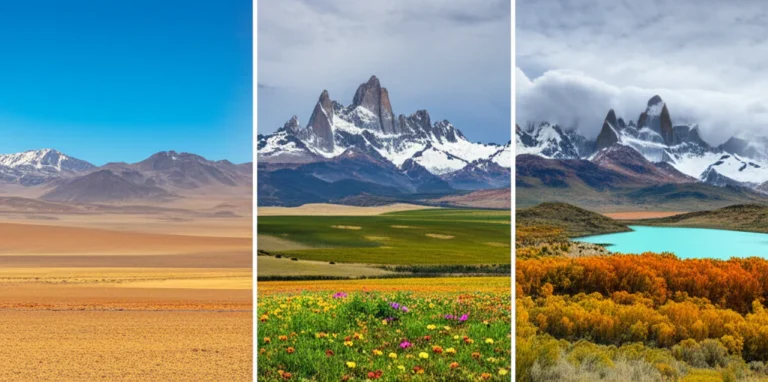
- The “One Country, Four Climates” Rule: Chile is so long (over 4,0 km!) that it has four distinct climate zones. What is peak summer in the north (Atacama) is peak winter in the south (Patagonia). Never assume “Chilean Summer” means the same thing everywhere.
- The Wildfire Warning: If you plan to visit Central Chile (including Santiago and the Lake District) between December and March, you must check the CONAF (National Forest Corporation) fire alerts. Wildfires are a real risk, and smoke can ruin your views and your lungs.
- The UV Reality: Because the ozone layer is thinner here, sunburn happens fast. Even on cloudy days in the Andes or the desert, the UV index can be lethal. Pack high-SPF sunscreen, sunglasses, and a hat.
- The “W” Circuit Mandate: As of the 2024/2025 season, hiking the famous “W” or “O” circuits in Tores del Paine during the winter months (April to August) requires a certified guide. This is a game-changer for solo travelers planning off-season trips.
- Border Crossings: If you are driving or hiking near the Argentina border, be aware that land posts close frequently due to snow or mudslides from May to August. Always check road status before heading out.
For a deeper dive into the general vacation timing beyond just outdoor sports, check out our comprehensive guide on What are the best times to visit Chile for a vacation?.
📜 A Brief History of Chile’s Seasons and Outdoor Traditions

You might think Chile’s outdoor culture is just a modern tourism trend, but the rhythm of the seasons has dictated life here for millennia. The indigenous Mapuche people in the south and the Atacameño in the north developed survival strategies that perfectly align with the weather patterns we still follow today.
Historically, the Mapuche relied on the austral spring (September-November) to begin planting crops and the summer to gather resources before the harsh, wet winters set in. Their traditional ruka (homes) were designed to withstand the heavy rains of June and July. Conversely, the desert dwellers of the Atacama mastered the art of night travel during the scorching summer months, resting in the shade of rock formations during the day and moving under the stars when the temperature dropped.
The modern outdoor boom in Chile is a relatively recent phenomenon, exploding in the 190s with the creation of new national parks and the opening of the Caretera Austral to international tourism. However, the seasonal logic remains unchanged.
“From the Atacama Desert to Patagonia, Chile has a wide variety of landscapes for outdoor camping and disconnecting from the daily routine.” — Chile.travel
While the official tourism board highlights the year-round availability of these landscapes, they often gloss over the critical timing differences that can make or break a trip. For instance, trying to hike the W Circuit in July without a guide is not just difficult; it’s often impossible due to snow and mandatory regulations.
Why do sources differ on the “best time”?
Some travel guides suggest “shoulder seasons” (April/May and October/November) are universally best. However, this advice is Central Chile-centric. In Patagonia, October is the start of the season, but in the Atacama, October can be uncomfortably hot for miday hikes. We’ve seen travelers follow generic advice and end up stuck in a Patagonian blizzard in November because they didn’t realize the “shoulder” season there is actually the transition to winter.
🗓️ The Ultimate Guide: When to Visit Chile for Outdoor Activities by Season
Chile doesn’t do “one size fits all.” To truly master the outdoors here, you need to think in zones, not just months. Let’s break down the four seasons and what they actually mean for your adventure.
🏔️ 1. Winter Wonderland: Sking and Snowboarding in the Andes (June–August)
If you are dreaming of powder, this is your time. The Andes Mountains transform into a world-class ski destination.
- The Vibe: Crisp air, clear blue skies (usually), and the smell of woodsmoke in the mountain refugios.
- Best For: Sking, snowboarding, snowshoeing, and winter hiking in the north.
- The Catch: While the north is dry and sunny, the central and southern regions experience heavy rain, mud, and frequent road closures.
Top Winter Destinations:
- Vale Nevado & La Parva: Located near Santiago, these are the giants of the Chilean ski scene. They offer high-altitude terrain that rivals the Alps.
- Portillo: A legendary ski resort known for its steep terrain and the famous “Sliding Wall.” It’s a favorite for advanced skiers.
- Chilean Patagonia (Winter): Surprisingly, the far south is quiet. While hiking trails are often snowed in, it’s a magical time for cross-country skiing in Torres del Paine (with a guide) or simply enjoying the solitude.
Pro Tip: If you are visiting in July, avoid the central valleys for hiking. The risk of flooding and landslides is high. Stick to the high Andes or the desert.
🌸 2. Spring Awakening: Wildflowers, Hiking, and Waterfall Chasing (September–November)
Spring in Chile is a spectacle of color, but it’s also the season of unpredictable weather.
- The Vibe: The snow melts, waterfalls roar, and the Lenga and Nothofagus forests turn a vibrant green.
- Best For: Waterfall chasing, bird watching, and early-season hiking.
- The Catch: The weather is volatile. You can experience four seasons in one day.
Why October is Special:
As noted by the Adventure Travel World Summit 2025 organizers, October is a prime window for Patagonia. The crowds are thinner than in January, but the days are getting longer. The “Day of Adventure” events in Puerto Natales showcase this perfectly, where you might see horses thundering through mud and rain, only to be greeted by a bonfire under a clearing sky.
What to Watch Out For:
- River Crossings: Melting snow makes river crossings dangerous. Always check with local guides.
- Mud: Trails in the Lake District can be a muddy mess. Bring waterproof boots!
☀️ 3. Summer Spectacle: Patagonian Treks, Beach Days, and Island Hopping (December–February)
This is high season. The sun shines for 16+ hours a day in Patagonia, and the weather is generally stable.
- The Vibe: Energetic, crowded, and warm (relatively speaking).
- Best For: Long-distance treking (W Circuit, O Circuit), kayaking, surfing, and island hopping.
- The Catch: Crowds and wildfires.
The Wildfire Factor:
Between December and March, the central and southern regions are prone to wildfires. The air quality can deteriorate rapidly, and smoke can obscure the views of the Andes.
- Action Item: Always check the Meteochile website for fire forecasts before heading out.
- Alternative: If the smoke is bad in the south, head north to the Atacama Desert, where the air is usually pristine.
Summer in the North:
While the south is warm, the Atacama is scorching. Temperatures can exceed 35°C (95°F) during the day. Hikes must be done at sunrise or sunset.
🍂 4. Autumn Allure: Wine Harvests, Foliage, and Fewer Crowds (March–May)
Autumn is the hidden gem of Chilean travel. The crowds thin out, the prices drop, and the foliage turns a stunning gold and crimson.
- The Vibe: Relaxed, romantic, and perfect for wine lovers.
- Best For: Wine harvesting (Vendimia), photography, and moderate hiking.
- The Catch: Days get shorter quickly, and the weather can turn chilly by May.
The Wine Connection:
March and April are the harvest months in the Central Valley. This is the best time to visit Maipo, Colchagua, and Casablanca valleys. Many wineries offer special harvest festivals where you can trample grapes (yes, really!) and taste the new vintage.
Patagonia in Autumn:
By April, the “W” circuit is still accessible, but by May, snow begins to accumulate at higher elevations. It’s a beautiful time for photography, with the Lenga forests glowing against the grey skies.
🌍 5. Microclimates Decoded: North, Central, South, and Easter Island Timing
You cannot treat Chile as a single weather zone. Here is how the timing breaks down by region:
| Region | Best Time for Outdoor Activities | Key Considerations |
|---|---|---|
| Atacama Desert (North) | March–May & September–November | Avoid Dec-Feb (too hot). Winter (Jun-Aug) is great for stargazing but cold at night. |
| Central Valley (Santiago, Wine Country) | November–March | Summer is hot and dry. Winter is rainy. Watch for wildfires in summer. |
| Lake District (Pucón, Puerto Varas) | December–March | Summer is perfect for lakes and volcanoes. Winter is for skiing. Spring/Fall are rainy. |
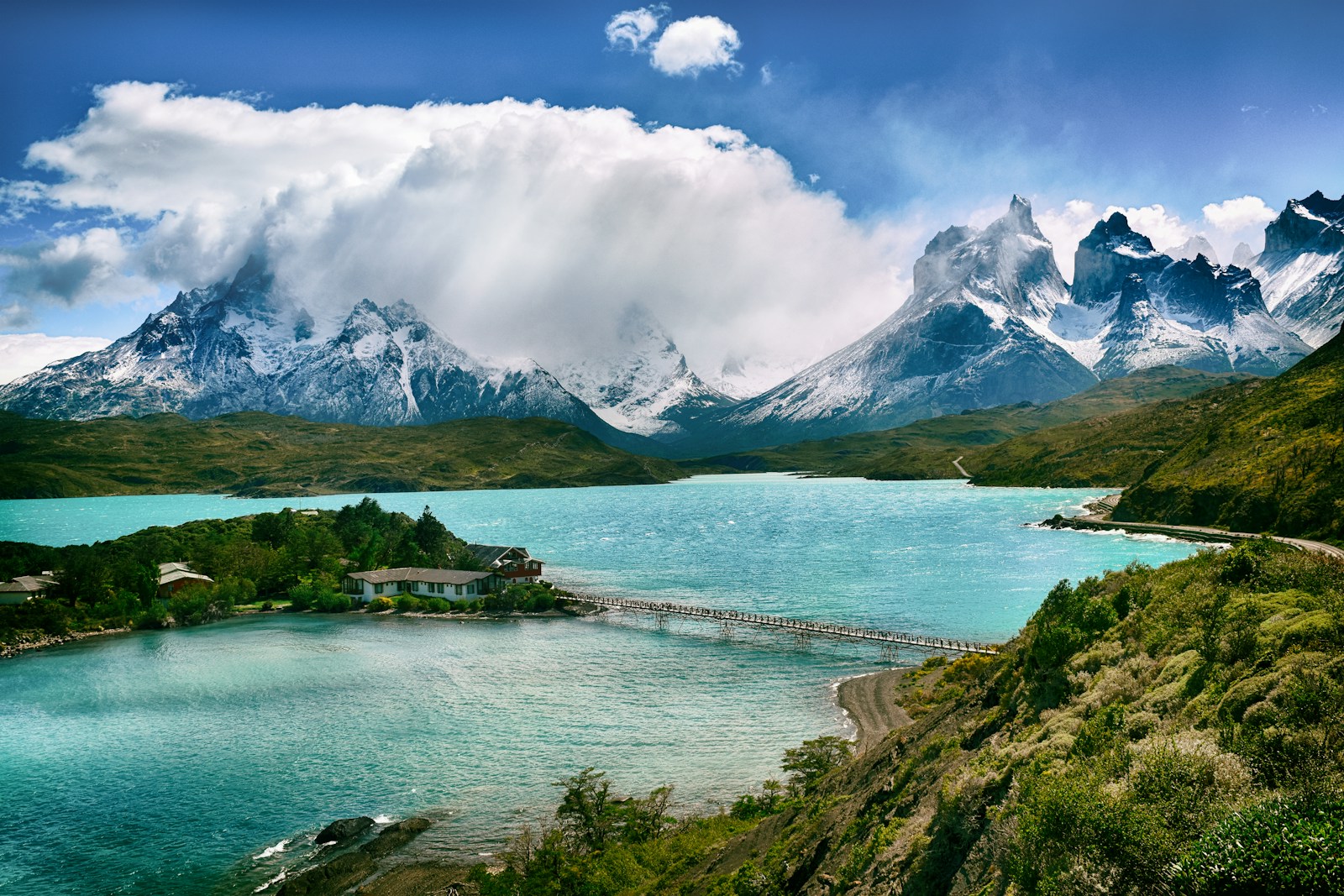
| Patagonia (Tores del Paine) | October–April | Summer (Dec-Feb) is peak. Shoulder seasons (Oct/Nov, Mar/Apr) are great but windy. Winter is for guided snow trips only. |
| Easter Island (Rapa Nui) | Year-Round | Warmest in Feb-Mar. Rainiest in May-June. Best for diving in Nov-Apr. |
The Easter Island Exception:
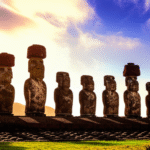
Easter Island has a subtropical climate. It’s warm year-round, but the rainy season is May to August. If you want to hike the Rano Kau crater or visit Ahu Tongariki without rain, aim for December to April.
🥾 Top 7 Outdoor Adventures and Their Perfect Seasons
We’ve narrowed down the endless possibilities to the seven must-do adventures and exactly when to do them.
-
Hiking the W Circuit (Tores del Paine):
Best Time: December to March.
Why: Stable weather, open refugios, and long daylight hours.
Note: Must be booked months in advance. -
Sking in the Andes:
Best Time: July to September.
Why: Peak snow conditions.
Top Resorts: Valle Nevado, Portillo, La Parva. -
Stargazing in the Atacama:
Best Time: March to May & September to November.
Why: Clear skies, moderate temperatures.
Tip: Join a tour with Alto Atacama or visit the Paranal Observatory. -
Kayaking in the Marble Caves (Lago General Carrera):
Best Time: November to March.
Why: Calm waters and accessible by boat.
Warning: Winter waters are too rough for small boats. -
Surfing in Iquique or Pichilemu:
Best Time: December to February (Summer swells).
Why: Consistent swells and warm water.
Brand Tip: Check out Rip Curl or Quiksilver for local gear. -
Puma Tracking in Patagonia:
Best Time: October to April.
Why: Pumas are more active and visible during the day.
Operator: Leona Amarga or Patagonia Puma Tracking. -
Cycling the Caretera Austral:
Best Time: November to March.
Why: Dry roads and long days.
Challenge: The road is unpaved in sections; a gravel bike is essential.
🏕️ Camping and Glamping: Best Times for Stargazing and Campfires
Camping in Chile is an experience like no other, but the rules are strict.
The Golden Rule: Open fires are strictly forbidden in national parks outside of designated camping areas. This includes portable gas stoves in some sensitive zones. Violations can lead to heavy fines and deportation.
Best Times for Stargazing:
- Atacama: Year-round, but April to October offers the clearest skies.
- Patagonia: December to February offers the longest nights (wait, no, shortest nights? No, longest days mean less stargazing time, but clearer skies). Actually, March to May offers a balance of decent nights and clear skies.
Glamping Options:
If you want comfort without the hassle, consider EcoCamp Patagonia in Torres del Paine. They offer geodesic domes that are warm and cozy even in winter.
- 👉 CHECK PRICE on: Booking.com | Expedia | EcoCamp Official
Camping Safety:
- Wind: Patagonian winds can be fierce. Always use a 4-season tent.
- Water: Bring a high-quality water filter. Streams in Patagonia are often contaminated with livestock waste.
- Permits: You must reserve campsites in advance in Torres del Paine.
🚣 ♀️ Water Sports Calendar: Kayaking, Rafting, and Surfing Windows
Chile’s water sports are dictated by the seasonal swells and river flows.
Kayaking:
- Marble Caves: Best in summer (Dec-Mar) when the water is calm.
- Fjords of Patagonia: Best in late spring/early summer (Nov-Dec) when the weather is milder.
- Brand Recommendation: Look for NRS kayaks for durability. Shop NRS on Amazon.
Rafting:
- Llano de Chajnantor: High-altitude rafting in the north. Best in summer when snowmelt increases the flow.
- Bio Bio River: One of the best in the world. Best in November to March for high water levels.
Surfing:
- Pichilemu: The surf capital. Best swells in winter (June-August) for big waves, but summer (Dec-Feb) for consistent, smaller waves.
- Iquique: Best in summer for consistent swells.
🦅 Wildlife Watching: Penguin Colonies, Whales, and Guanacos by Month
Chile is a wildlife paradise, but timing is everything.
Penguins:
- Magellanic Penguins: Best seen in September to March at Punta Tombo (Argentina side, but accessible) or Isla Magdalena (Chile).
- Humboldt Penguins: Year-round, but best in summer when they are breeding.
Whales:
- Blue Whales: Best seen in January to March in the Gulf of Corcovado.
- Humpback Whales: Best in June to October along the coast.
Guanacos and Pumas:
- Guanacos: Active year-round, but easiest to spot in summer when they graze in the open.
- Pumas: Best tracked in spring and summer (Oct-Apr) when they are more active during the day.
🌡️ Weather Patterns and What to Pack for Every Chilean Season
Packing for Chile is like packing for four different countries.
The “Layering” Strategy:
- Base Layer: Merino wool (e.g., Smartwol or Icebreaker).
- Mid Layer: Fleece or down jacket.
- Outer Layer: Waterproof and windproof shell (e.g., Arc’teryx or Patagonia).
Seasonal Packing List:
| Season | Essential Items | Brands to Consider |
|---|---|---|
| Summer | Sunscreen, hat, sunglasses, light hiking boots, swimsuit. | Sun Bum, The North Face |
| Winter | Thermal layers, heavy down jacket, waterproof boots, gloves. | Canada Goose, Marmot |
| Spring/Fall | Rain jacket, waterproof pants, layers, sturdy boots. | Arc’teryx, Columbia |
Don’t Forget:
- Waterproof backpack cover: Essential for Patagonia.
- Power bank: Power outages can happen in remote areas.
- First aid kit: Include blister plasters and altitude sickness meds.
🚨 Travel Advice and Safety: Navigating Chile’s Outdoor Risks
Chile is generally safe, but the outdoors can be unforgiving.
Critical Safety Requirements:
- DIFROL Registration: If you are hiking or driving near the borders with Argentina, Bolivia, or Peru, you must register with DIFROL.
- Minefields: Avoid unmarked trails in border areas.
- Tsunamis: If you are on the coast, know the evacuation routes. Tsunamis can strike within minutes of an earthquake.
Insurance:
Always purchase travel insurance that covers helicopter rescue and medical evacuation. Standard policies often exclude high-altitude treking.
- Recommended Provider: World Nomads or SafetyWing.
Emergency Numbers:
- Carabineros (Police): 13
- Ambulance: 131
- Fire: 132
🏘️ Villarrica and Pucón: The Year-Round Outdoor Hub
Pucón is the adventure capital of the Lake District. Located on the shores of Lago Villarrica, it offers a unique mix of volcanic landscapes and water activities.
When to Visit:
- Summer (Dec-Feb): Hiking Villarrica Volcano, swimming in the lake, and rafting.
- Winter (Jun-Aug): Sking at Villarrica Ski Resort and hot springs.
Why Pucón?
It’s one of the few places in Chile where you can ski in the morning and surf in the afternoon (in summer). The town is vibrant, with a great food scene and plenty of adventure operators.
Top Activities:
- Hike Villarrica Volcano: A challenging but rewarding climb.
- Hot Springs: Visit Termas Geométricas for a relaxing soak.
- Rafting: The Toltén River offers Class III-IV rapids.
🏝️ Chiloé: When to Conquer the Archipelago’s Mystical Trails
Chiloé is a world apart, with its wooden churches, mythical creatures, and unique culture.
When to Visit:
- Summer (Dec-Feb): Best for hiking the Parque Nacional Chiloé and exploring the Isla Grande.
- Winter (Jun-Aug): Rainy and windy, but great for experiencing the cozy palafitos (stilt houses) and local folklore.
Why Chiloé?
It’s a place of mystery and magic. The trails are less crowded, and the culture is deeply rooted in tradition.
Top Activities:
- Hike the Coastal Trails: Explore the Parque Nacional Chiloé.
- Visit the Wooden Churches: A UNESCO World Heritage site.
- Taste the Local Cuisine: Try curanto, a traditional dish cooked in an underground pit.
🍷 Wine Country and Gastronomy: Seasonal Foodie Experiences
Chile’s wine country is a must-visit for foodies.
Best Time to Visit:
- Harvest (Vendimia): March to April. This is when the grapes are picked, and the wineries are buzzing with activity.
- Spring (Sept-Nov): The vineyards are green and bloming.
Top Wine Regions:
- Maipo Valley: Close to Santiago, famous for Cabernet Sauvignon.
- Colchagua Valley: Known for Carmenère and Syrah.
- Casablanca Valley: Perfect for Chardonnay and Sauvignon Blanc.
Gastronomic Experiences:
- Cooking Classes: Learn to make empanadas and pastel de choclo.
- Food Tours: Explore the street food in Santiago or Valparaíso.
💡 Insider Secrets: How to Avoid the High-Season Crush
Want to experience Chile without the crowds? Here are our insider secrets:
- Go in the Shoulder Season: April and November offer great weather with fewer people.
- Book Early: For Torres del Paine, book your refugios and campsites 6-12 months in advance.
- Explore the “Second Tier” Parks: Instead of Torres del Paine, try Bernardo O’Higgins National Park or Nahuelbuta National Park.
- Travel Mid-Week: Flights and accommodations are cheaper and less crowded on Tuesdays and Wednesdays.
📸 Discover Trends on Our Blog: Seasonal Photography Spots
For photographers, Chile is a dream. Here are the best spots by season:
- Spring: The Vale de la Luna in Atacama with bloming wildflowers.
- Summer: The Tores del Paine at sunrise.
- Autumn: The Lenga forests in the Lake District.
- Winter: The snow-capped Andes near Santiago.
Pro Tip: Use a polarizing filter to cut through the glare on the lakes and enhance the blue of the sky.
🌲 Destinations and Attractions with Outdoor Life: Where to Go When
Here is a quick reference guide to the top destinations and their best seasons:
- Atacama Desert: Best in March-May and Sept-Nov.
- Santiago & Andes: Best in Nov-Mar for hiking, Jun-Aug for skiing.
- Lake District: Best in Dec-Mar for lakes, Jun-Aug for skiing.
- Patagonia: Best in Oct-Apr for hiking.
- Easter Island: Best in Dec-Apr for diving and hiking.
🤸 Dare to Try Other Activities: Beyond the Standard Itinerary
Chile offers more than just hiking and skiing. Here are some unique activities:
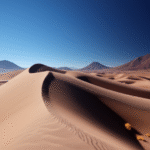
- Sandboarding in the Atacama: Glide down the dunes of Yungay.
- Whale Watching in the Gulf of Corcovado: See the majestic blue whales.
- Puma Tracking: A once-in-a-lifetime experience in Patagonia.
- Stargazing in the Atacama: Join a tour at the Paranal Observatory.
🧐 What You Should Know About Chile Before You Book
Before you finalize your plans, keep these final thoughts in mind:
- Visa Requirements: Check if you need a visa based on your nationality.
- Currency: The Chilean Peso (CLP) is the currency. Credit cards are widely accepted, but cash is king in remote areas.
- Language: Spanish is the official language. Learn a few phrases!
- Tipping: Tipping is customary in restaurants (10%) and for guides.
Final Thought:
Chile is a land of contrasts, where the desert meets the ice, and the mountains touch the sea. Whether you are chasing the perfect wave, the perfect summit, or the perfect glass of wine, timing is everything. Plan wisely, respect the land, and get ready for the adventure of a lifetime.
Now, are you ready to pack your bags and head to the land of the long coastline? The answer lies in the season you choose. But remember, no matter when you go, Chile will always surprise you.
✅ Conclusion

So, we’ve journeyed from the scorching dunes of the Atacama to the icy winds of Patagonia, and the answer to our opening question—When to visit Chile for outdoor activities?—is finally clear. It isn’t a single month; it’s a strategic dance with the seasons.
If you crave the W Circuit and endless summer days, December to February is your golden ticket, provided you book early and respect the wildfire risks. If you are a powder hound chasing the best snow in the Southern Hemisphere, July and August in the Andes are non-negotiable. And if you want to avoid the crowds while still catching the magic of the Lenga forests in autumn or the wildflowers of spring, the shoulder months of April, May, October, and November offer the perfect balance of adventure and solitude.
The Verdict:
- For Hikers & Trekkers: Target January/February for Patagonia or June/July for the Andes (with a guide).
- For Skiers: July to September is the peak, but June offers fewer crowds.
- For Stargazers: March to May and September to November provide the clearest skies in the Atacama.
- For Wildlife Lovers: September to March for penguins and whales; October to April for pumas.
We’ve resolved the mystery of the “one-size-fits-all” advice: it doesn’t exist. Chile demands you respect its microclimates. Whether you are navigating the mandatory guide rules in Torres del Paine or dodging the summer wildfires in the central valley, preparation is your best gear.
Don’t let the fear of the unknown keep you from the adventure of a lifetime. Pack your layers, check the Meteochile forecasts, register with DIFROL if you’re near the border, and get ready to fall in love with the land of the long coastline. The mountains are calling, and this time, you know exactly when to answer.
🔗 Recommended Links
Ready to gear up for your Chilean adventure? Here are the essential brands and products we trust, along with some great reads to get you inspired.
Outdoor Gear & Apparel
- Waterproof Shells & Tents:
Arc’teryx: Search Arc’teryx on Amazon | Arc’teryx Official Site
Patagonia: Search Patagonia on Amazon | Patagonia Official Site - Footwear for Mud and Snow:
Merell: Search Merell Hiking Boots on Amazon | Merell Official Site
Salomon: Search Salomon on Amazon | Salomon Official Site - Sleeping Systems for Cold Nights:
NEMO Equipment: Search NEMO Sleeping Bags on Amazon | NEMO Official Site
Sea to Summit: Search Sea to Summit on Amazon | Sea to Summit Official Site
Books & Guides
- Lonely Planet Chile: Buy on Amazon
- The Rough Guide to Chile: Buy on Amazon
- Patagonia: A Biography (for context): Buy on Amazon
Booking Your Stay
- EcoCamp Patagonia: Check Availability on Booking.com | EcoCamp Official Site
- Villarrica Ski Resort: Check Lift Tickets on Liftopia | Villarrica Official Site
❓ FAQ

Can I ski in Chile during the North American summer months, and if so, what are the best ski resorts to visit?
Yes, absolutely! In fact, the North American summer (June–August) is peak ski season in Chile because it is winter in the Southern Hemisphere.
- Why it works: The Andes receive their heaviest snowfall during these months, offering deep powder and reliable conditions.
- Top Resorts:
Vale Nevado: Located near Santiago, it offers high-altitude terrain and modern facilities.
Portillo: Famous for its steep slopes and the “Sliding Wall,” it’s a favorite for advanced skiers.
La Parva: Known for its long season and family-friendly slopes.
Antillanca: Located in the Lake District, perfect for those who want to combine skiing with lake views.
Are there any specific festivals or events in Chile that outdoor enthusiasts should plan their trips around?
Yes, timing your trip with these events can enhance your experience:
- Fiesta de la Vendimia (Harvest Festival): Held in March/April in the Central Valley. It celebrates the grape harvest with wine tastings, parades, and traditional music. Perfect for foodies and wine lovers.
- Adventure Travel World Summit (ATWS): As mentioned in our research, this major industry event often takes place in October in Patagonia (e.g., Puerto Natales). While it’s a trade event, it often includes public “Day of Adventure” excursions that showcase the region’s best trails.
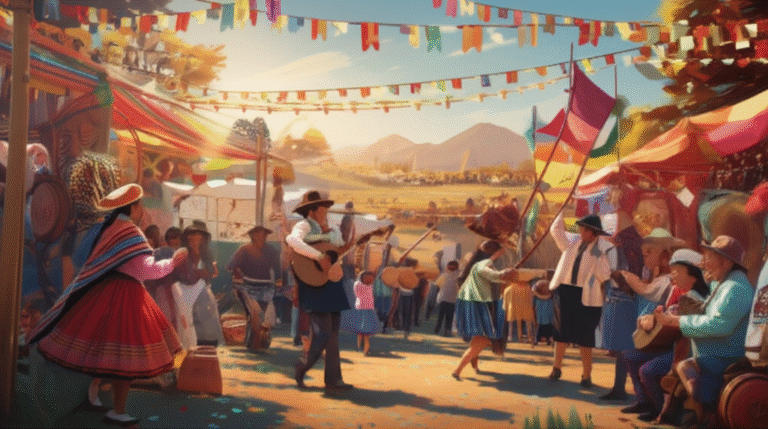
- Fiestas Patrias: Celebrated on September 18th, this is Chile’s biggest national holiday. While it’s more cultural than outdoor-focused, the countryside (fondas) offer traditional games and food, and the weather is usually mild (spring).
What is the weather like in the Andes mountains during the peak hiking season in Chile?
During the peak hiking season (December to February), the Andes generally offer:
- Temperatures: Daytime highs can reach 15°C to 25°C (59°F–7°F) at lower elevations, but drop to 0°C to 5°C (32°F–41°F) at higher altitudes (above 3,0m).
- Conditions: Days are typically sunny and clear, but afternoon thunderstorms are common. The UV index is extremely high due to the thin atmosphere.
- Nightime: Temperatures can plummet below freezing, even in summer.
- Wind: Wind speeds can be significant, especially in Patagonia, making it feel much colder than the actual temperature.
Read more about “🍷 12 Top Maipo Valley Vineyard Tours (2026): Your Ultimate Guide”
What are the best outdoor activities to do in Chile during the summer months?
Summer (December–February) is the most versatile season for outdoor activities:
- Hiking & Treking: The W Circuit in Torres del Paine and the O Circuit are fully accessible.
- Kayaking: Paddle through the Marble Caves on Lago General Carrera or the fjords of Patagonia.
- Surfing: Catch the consistent swells in Pichilemu or Iquique.
- Cycling: The Caretera Austral is most rideable during these dry months.
- Wildlife Watching: Ideal for spotting penguins, whales, and guanacos.
- Beach Days: Relax on the beaches of Viña del Mar or Arica.
Read more about “How Chile’s Weather Changes by Region + Top Seasonal Activities 🌦️ (2026)”
What is the best time of year for hiking in Patagonia?
The best time for hiking in Patagonia is from October to April.
- Peak Season (Dec–Feb): Longest days (up to 17 hours of daylight), warmest temperatures, and all trails/refugios open. However, it is also the crowded and most expensive time.
- Shoulder Seasons (Oct–Nov & Mar–Apr): Fewer crowds, stunning autumn colors (March/April) or spring wildflowers (Oct/Nov). Weather is more unpredictable, and some facilities may have limited hours.
- Winter (May–Sept): Most trails are snowed in or closed. Hiking the “W” circuit is mandatory with a guide and requires specialized winter gear.
Read more about “🎒 Chile Packing List 2026: 15 Essentials for Every Season & Adventure”
When should I go to Chile for whale watching?
- Blue Whales: The best time is January to March in the Gulf of Corcovado (Chiloé region).
- Humpback Whales: They migrate to Chilean waters to breed and give birth from June to October, with peak sightings in July and August along the central and southern coasts.
- Southern Right Whales: Best seen from June to December in the Valparaíso and Magallanes regions.
Read more about “When Is the Best Time to Visit Chile for Outdoor Adventures? 🌄 (2026)”
What are the ideal months for skiing in the Chilean Andes?
The ideal months are July, August, and September.
- July: Often has the deepest snowpack, but can be colder.
- August: Peak season with reliable snow and good weather.
- September: Spring skiing begins; days get longer, and the snow can be softer in the afternons.
- June and October: These are shoulder months. June can be great for early season, while October offers spring conditions but with a higher risk of rain or melting snow at lower elevations.
Read more about “12 Epic Outdoor Activities to Try During Your Chile Vacay (2026) 🌄”
When is the best season for stargazing in the Atacama Desert?
The Atacama is a year-round stargazing destination, but the best seasons are:
- Autumn (March–May): Clear skies, moderate temperatures, and less wind.
- Spring (September–November): Similar to autumn, with bloming wildflowers adding to the landscape.
- Winter (June–August): Excellent visibility, but nights are very cold.
- Summer (Dec–Feb): Can be hot during the day, but nights are clear. However, the full moon can sometimes interfere with viewing faint objects.
Read more about “🌍 Chile’s Climate Clash: Coast vs. Mountains vs. Desert (2026)”
📚 Reference Links
For further verification and planning, consult these authoritative sources:
- Chilean National Forest Corporation (CONAF): For park rules, fire alerts, and trail conditions. CONAF Official Website
- Chilean Meteorological Service (Meteochile): For accurate weather forecasts and fire risk maps. Meteochile
- National Department of State Borders and Boundaries (DIFROL): For border registration requirements. DIFROL
- Emergency Services (SENAPRED): For natural disaster alerts. SENAPRED
- Adventure Travel Trade Association (ATA): For industry insights and event details. ATA
- Government of Canada Travel Advice: Comprehensive safety and entry requirements. Travel advice and advisories for Chile – Travel.gc.ca
- Official Chile Tourism Board: General destination information. Chile.travel
- EcoCamp Patagonia: Sustainable accommodation in Torres del Paine. EcoCamp Official Site
- Vale Nevado Ski Resort: Sking in the Andes. Vale Nevado Official Site
- Patagonia Puma Tracking: Specialized wildlife tours. Patagonia Puma Tracking