Support our educational content for free when you purchase through links on our site. Learn more
Are There Health & Safety Concerns When Traveling to Chile? 10 Must-Knows (2026) 🇨🇱


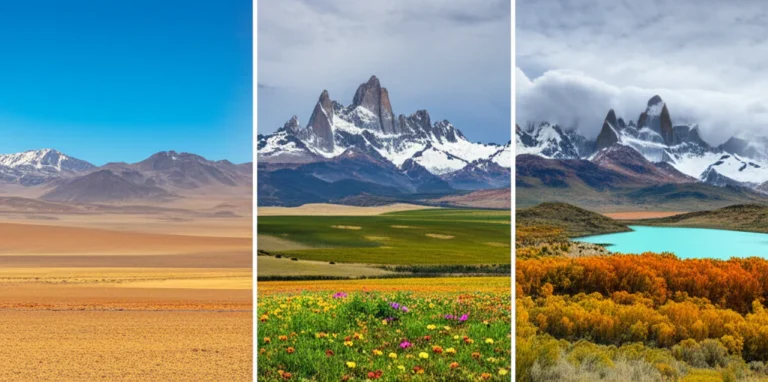
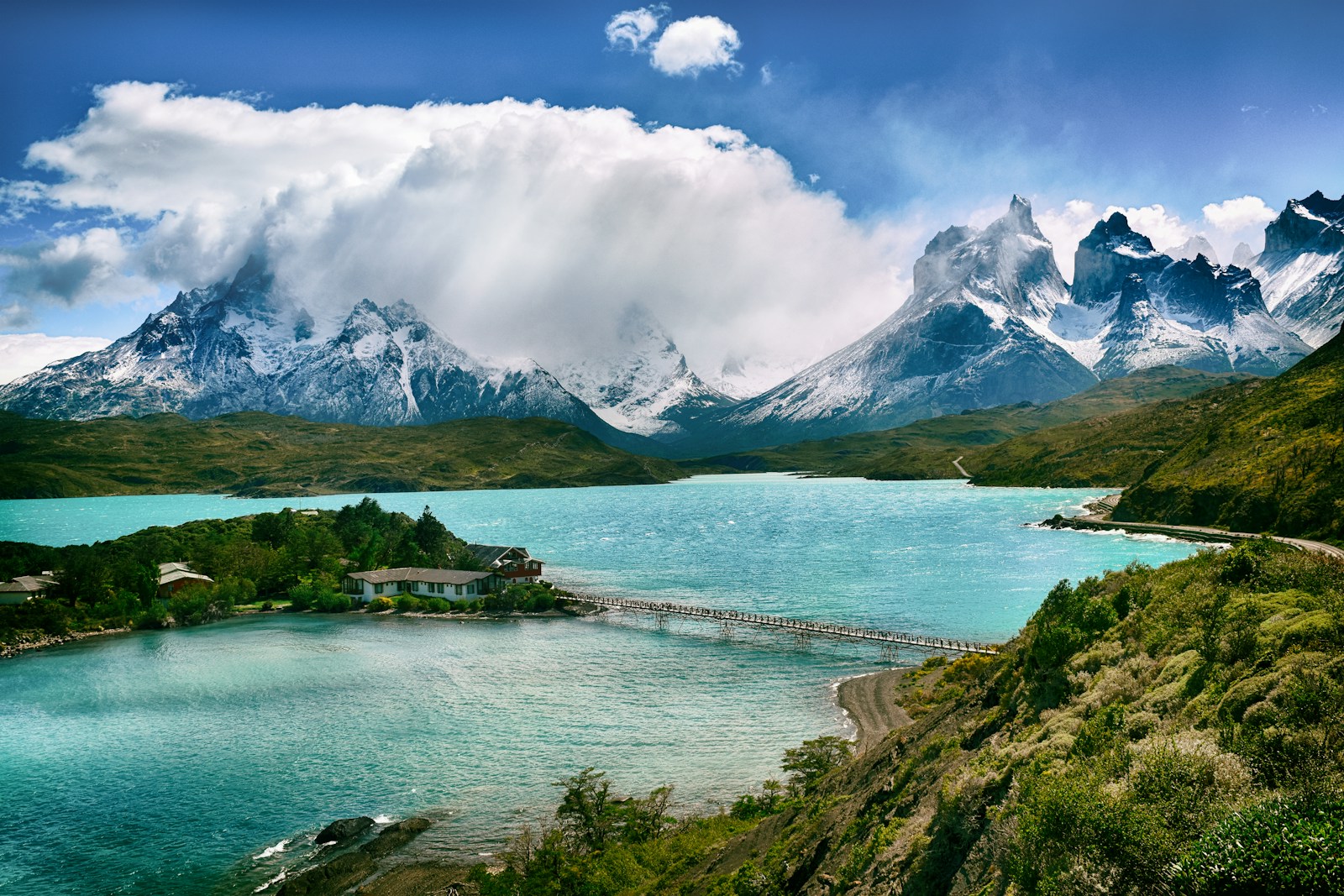
Planning your Chilean adventure but wondering if there are any health and safety concerns you should be aware of? You’re not alone! Chile dazzles with its breathtaking landscapes—from the arid Atacama Desert to the windswept peaks of Patagonia—but beneath that beauty lies a unique set of challenges that every savvy traveler should know about. From dodging crafty street scams in Santiago to preparing for the occasional earthquake rumble, we’ve got you covered with insider tips and expert advice.
Did you know Chile experiences over 2,000 earthquakes a year? Don’t worry, locals have mastered the art of staying safe, and so will you after reading this guide. Plus, we’ll reveal why sipping water in the Atacama might require a little extra caution and how to avoid the infamous “bird poo” scam that’s caught many tourists off guard. Ready to travel smart and stress-free? Let’s dive in!
Key Takeaways
- Chile is generally safe but requires vigilance in urban areas like Santiago and Valparaíso due to petty theft and scams.
- Health-wise, keep vaccinations up to date (Hepatitis A/B, Typhoid) and prepare for altitude sickness if trekking the Andes.
- Natural hazards such as earthquakes and volcanoes are common but manageable with proper knowledge and apps like “Chile Alerta.”
- Tap water is safe in most cities but avoid it in the Atacama Desert due to arsenic contamination.
- Travel insurance with medical evacuation coverage is essential, especially for remote regions like Patagonia.
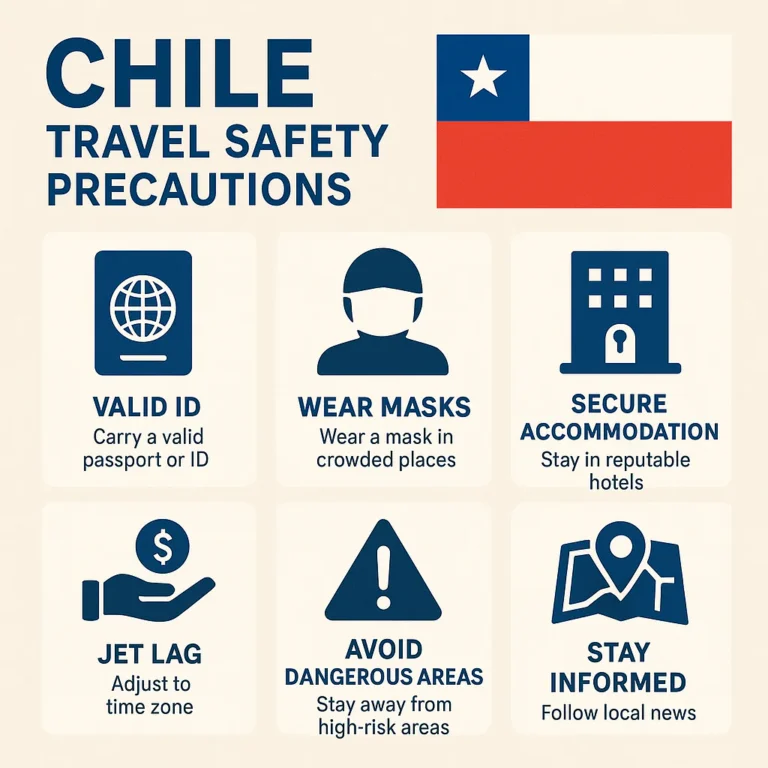
- Cultural respect and legal awareness will keep you out of trouble—never participate in protests and always carry ID.
Ready to explore Chile with confidence? Keep reading for our full breakdown of health and safety essentials, plus insider tips to make your trip unforgettable!
Table of Contents
- ⚡️ Quick Tips and Essential Facts About Health & Safety in Chile
- 🌎 Understanding Chile’s Health and Safety Landscape: A Traveler’s Background
- 🦠 1. Health Precautions: Vaccinations, Diseases, and Medical Care
- 🛡️ 2. Personal Safety: Crime, Scams, and Staying Secure
- 🌪️ 3. Natural Hazards: Earthquakes, Volcanoes, and Weather Risks
- 🍽️ 4. Food and Water Safety: Avoiding Traveler’s Diarrhea and More
- 🧳 5. Travel Insurance and Emergency Preparedness in Chile
- 📱 6. Communication and Staying Connected for Safety
- 🧑 🤝 🧑 7. Cultural Norms, Laws, and Respectful Travel Practices
- 🚗 8. Transportation Safety: Road Conditions and Public Transit Tips
- 🛏️ 9. Accommodation Safety: Choosing Secure and Comfortable Stays
- 🧴 10. Packing Smart: Health and Safety Gear You Shouldn’t Forget
- 🧳 Preparing for Special Situations: Traveling with Kids, Seniors, or Disabilities
- 🔍 How to Stay Updated: Monitoring Chile’s Health and Safety Alerts
- ✅ Conclusion: Your Ultimate Health and Safety Checklist for Chile
- 🔗 Recommended Links for Chile Travel Safety and Health
- ❓ Frequently Asked Questions About Health and Safety in Chile
- 📚 Reference Links and Resources
⚡️ Quick Tips and Essential Facts About Health & Safety in Chile
Before we dive into the nitty-gritty of your Andean adventure, let’s get the “CliffsNotes” version. Is Chile safe? Generally, yes, but the landscape is changing faster than a Patagonian windstorm.
| Feature | Status/Advice | Quick Tip |
|---|---|---|
| Overall Safety | ✅ High (Safest in LatAm) | Stay vigilant in Santiago & Valparaíso. |
| Tap Water | ✅ Generally Safe | Stick to bottled in the Atacama Desert. |
| Vaccinations | 💉 Routine + Hep A/B | Check CDC Guidelines. |
| Natural Risks | 🌋 Earthquakes/Volcanoes | Download the “Chile Alerta” app. |
| Common Crime | 🎒 Petty Theft/Scams | Use a Money Belt in crowded areas. |
| Emergency No. | 📞 131 (Med), 132 (Fire), 133 (Police) | Save these in your phone NOW! |
Pro Tip: If you’re planning your itinerary, don’t miss our 🍷 Ultimate Chile Travel Guide: 15 Must-Try Foods & Wines (2025) to ensure your stomach is as happy as your Instagram feed!
🌎 Understanding Chile’s Health and Safety Landscape: A Traveler’s Background

Chile has long held the crown as the “Switzerland of South America.” For decades, it’s been the gold standard for stability, but recent years have added a few layers of complexity. From the 2019 social unrest to a post-pandemic uptick in urban crime, the “vibe” in Santiago is a bit different than it was ten years ago.
Historically, Chile’s safety stems from its strong institutions and professional police force, the Carabineros. Unlike some neighbors, you should never attempt to bribe a Chilean officer—that’s a one-way ticket to a local jail cell! ❌ While the Government of Canada advises a “high degree of caution,” we at Chile Vacay™ believe that with a bit of “chispeza” (Chilean wit/shrewdness), you’ll have a blast.
But wait, why are people suddenly talking about “motochorros” in Providencia? And is the water in the north actually full of arsenic? We’ll resolve these mysteries as we go!
🦠 1. Health Precautions: Vaccinations, Diseases, and Medical Care
Your health is your wealth, especially when you’re trekking through Adventure Travel hotspots.
Common Vaccinations Recommended for Chile
While Chile doesn’t require a Yellow Fever certificate, you don’t want to be “that traveler” who catches something preventable.
- Routine Vaccines: Ensure your MMR and Tetanus shots are up to date.
- Hepatitis A & B: Highly recommended due to food/water risks in rural areas.
- Typhoid: Recommended if you’re an adventurous eater (and we know you are!).
Preventing Altitude Sickness in the Andes
Heading to San Pedro de Atacama? You’ll be at 2,400m+, and some tours hit 5,000m! Altitude sickness (soroche) is no joke.
- Hydrate: Drink double the water you think you need.
- Acclimatize: Spend 2 days in town before hitting the high-altitude lagoons.
- Coca Tea: A local remedy that works wonders (and is totally legal!).
Accessing Medical Facilities and Emergency Services
In Santiago, the healthcare is world-class. Private clinics like Clínica Alemana are better than many US hospitals. However, in deep Patagonia, “medical care” might be a small clinic with limited supplies.
👉 CHECK PRICE on:
🛡️ 2. Personal Safety: Crime, Scams, and Staying Secure
Let’s get real: Chile is safe, but Santiago and Valparaíso have a “sticky fingers” problem. According to the first YouTube video, petty theft is the most common headache for tourists.
Common Tourist Scams and How to Avoid Them
- The “Bird Poo” Scam: Someone spills a mustard-like substance on you, offers to help clean it, and poof—your wallet is gone. ❌ Action: If someone points out a stain, keep walking and clean it yourself in a secure building.
- The Punctured Tire: Thieves poke a hole in your rental car tire, then “helpfully” stop to assist you while their partner loots the trunk.
Neighborhoods to Watch Out For in Santiago and Beyond
While Destinations like Las Condes are posh and safe, be wary in:
- Estación Central: High congestion, high theft.
- Valparaíso: Beautiful but gritty. Stick to the main hills (Alegre and Concepción) and avoid the port area at night.
Tips for Safe Nightlife and Public Transport Use
The Santiago Metro is a marvel—clean, fast, and efficient. But as noted in our featured video, thieves often work in teams here. Keep your backpack on your front and your phone out of sight.
🌪️ 3. Natural Hazards: Earthquakes, Volcanoes, and Weather Risks
Chile is a land of extremes. It’s literally built on the “Ring of Fire.”
What to Do During an Earthquake in Chile
Chileans are the world champions of earthquakes. If the ground shakes:
- Stay Calm: If the locals aren’t running, you’re probably fine.
- Drop, Cover, Hold On: Get under a sturdy table.
- Evacuate: Only if you are near the coast (Tsunami risk). Follow the “Vía de Evacuación” signs.
Volcanic Activity and How It Affects Travelers
With over 500 active volcanoes, Chile is a geological playground. Volcán Villarrica is a popular climb, but it often “burps” ash. Always check the SERNAGEOMIN website for activity alerts before booking a trek.
🍽️ 4. Food and Water Safety: Avoiding Traveler’s Diarrhea and More
We love Food & Drink, but nobody wants to spend their vacation in the bathroom.
Safe Eating Practices and Where to Find Reliable Food
Chilean street food is legendary (hello, Completo!). Generally, it’s safe, but use the “crowd rule”: if locals are lining up, the food is fresh.
Water Quality and Drinking Recommendations
- Santiago/Central Chile: Tap water is safe but high in minerals. It might taste “heavy.”
- Atacama Desert: Do not drink the tap water. It contains high levels of natural arsenic. ❌
- Patagonia: Some of the purest water on Earth. You can often drink straight from the streams (but use a filter to be safe).
Product Review: LifeStraw Personal Water Filter
| Aspect | Rating (1-10) |
|---|---|
| Portability | 10 |
| Effectiveness | 9 |
| Ease of Use | 10 |
| Durability | 8 |
👉 Shop Water Filters on:
- LifeStraw: Amazon | Walmart | LifeStraw Official
🧳 5. Travel Insurance and Emergency Preparedness in Chile
If you can’t afford travel insurance, you can’t afford to travel. Period.
Choosing the Right Travel Insurance for Chile
Look for plans that cover Medical Evacuation, especially if you’re heading to Torres del Paine. A helicopter ride out of the park can cost a small fortune! We recommend World Nomads or SafetyWing for their flexible coverage.
Emergency Contacts and Embassy Information
Keep a physical card in your wallet with:
- Police: 133
- Ambulance: 131
- Fire: 132
- Your Embassy: (e.g., US Embassy Santiago)
📱 6. Communication and Staying Connected for Safety
Staying connected isn’t just for Instagram; it’s a safety lifeline.
Best Mobile Networks and Apps for Travelers
- Entel: Best coverage in remote areas (Patagonia).
- WOM: Great for Budget Travel in cities.
- Airalo (eSIM): The easiest way to get data the second you land.
Using GPS and Offline Maps in Remote Areas
Google Maps is great, but Maps.me or Gaia GPS are lifesavers when you lose signal in the Andes. Always download offline maps before leaving your hotel!
🧑 🤝 🧑 7. Cultural Norms, Laws, and Respectful Travel Practices
Chileans are warm but can be conservative. Understanding Cultural Experiences will keep you out of trouble.
Important Legal Considerations for Tourists
- Drugs: Chile has strict anti-drug laws. Don’t risk it.
- Protests: Foreigners are prohibited from participating in political demonstrations. If you see a crowd with banners, walk the other way! 🏃 ♂️
- Identity: You are legally required to carry ID. A photocopy of your passport is usually sufficient, but keep the original in a hotel safe.
🚗 8. Transportation Safety: Road Conditions and Public Transit Tips
Driving in Chile: What You Need to Know
Driving is generally safe, and the Carretera Austral is a bucket-list road trip.
- Tolls: Most highways use “TAG” (electronic tolls). Ensure your rental has one.
- Zero Tolerance: Chile has a zero-tolerance policy for drinking and driving. One beer and you’re over the limit. ❌
Safe Use of Buses, Taxis, and Ride-Sharing Services
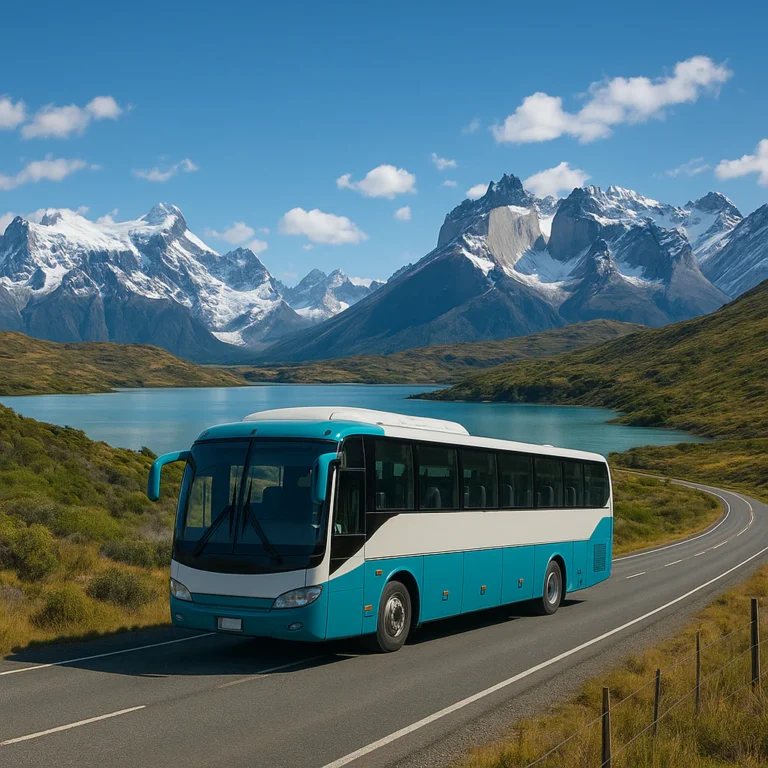
- Buses: Long-distance buses (like Turbus) are excellent. Keep your valuables in your lap, not the overhead bin.
- Taxis vs. Uber: Uber is technically “grey area” but widely used and often safer than hailing a random cab on the street. If using a taxi, ensure they use the meter (taxímetro).
🛏️ 9. Accommodation Safety: Choosing Secure and Comfortable Stays
Hotels, Hostels, and Rentals with Good Safety Records
When booking on Booking.com or Airbnb, look for “Superhosts” and read recent reviews specifically mentioning safety and neighborhood “vibe.”
Security Tips for Your Accommodation
- Use the Safe: Put your passport and extra cash away.
- Door Wedges: A simple Door Stop Alarm adds an extra layer of peace of mind in hostels.
🧴 10. Packing Smart: Health and Safety Gear You Shouldn’t Forget
Don’t leave home without these essentials:
- High-SPF Sunscreen: The ozone layer is thin here; you’ll burn in 15 minutes!
- Universal Power Adapter: Chile uses Type C and L (three round pins in a row).
- Personal Safety Alarm: Great for solo travelers.
👉 Shop Travel Gear on:
🧳 Preparing for Special Situations: Traveling with Kids, Seniors, or Disabilities
Chile is becoming more accessible, but it’s a work in progress.
- Kids: Chileans love children! You’ll find high chairs and “menú de niños” almost everywhere.
- Seniors: Be mindful of the uneven sidewalks in older cities.
- Disabilities: The Santiago Metro is mostly accessible, but Valparaíso’s hills are a major challenge.
🔍 How to Stay Updated: Monitoring Chile’s Health and Safety Alerts
Before and during your trip, keep these resources bookmarked:
- Sernatur: The official Chilean National Tourism Service.
- ONEMI: For natural disaster alerts.
- Local News: Emol (use Google Translate) for real-time updates on strikes or protests.
Ever wondered why Chileans are so obsessed with “Palta” (avocado) and how it might actually be the secret to their longevity? We’ll wrap up our safety journey with some final thoughts on why the risks are worth the rewards.
Conclusion: Your Ultimate Health and Safety Checklist for Chile

So, is Chile safe? The short answer: Yes, absolutely — with a pinch of prudence and a dash of savvy. From our boots-on-the-ground experience at Chile Vacay™, Chile offers an incredible blend of natural wonders, vibrant culture, and warm people. But like any great adventure, it comes with its own set of challenges.
We’ve unpacked everything from petty theft and scams to earthquakes and volcanic ash, and even the sneaky arsenic in Atacama’s water. The good news? Most risks are manageable with simple precautions:
- Stay alert in Santiago and Valparaíso, especially in crowded or poorly lit areas.
- Keep your vaccinations up to date and carry a basic first aid kit.
- Respect local laws and customs to avoid misunderstandings.
- Download offline maps and emergency apps.
- Always have travel insurance with medical evacuation coverage.
Remember the mystery of the “motochorros” and the “bird poo” scam? Now you know to keep your belongings close and avoid accepting help from strangers. And the arsenic in Atacama’s water? Stick to bottled water there, but feel free to sip from Patagonia’s crystal-clear streams (with a filter, just in case).
Chile’s natural beauty and cultural richness make it worth every bit of preparation. So pack your sunscreen, your sense of adventure, and maybe a LifeStraw, and get ready for an unforgettable trip!
Recommended Links for Chile Travel Safety and Health
👉 CHECK PRICE on:
-
LifeStraw Personal Water Filter:
Amazon | Walmart | LifeStraw Official Website -
Travel Insurance (World Nomads):
World Nomads -
Travel Insurance (SafetyWing):
SafetyWing -
Door Stop Alarm for Accommodation Safety:
Amazon
Recommended Books:
-
Lonely Planet Chile & Easter Island – Your go-to guide for in-depth travel tips and safety advice.
Amazon -
The Rough Guide to Chile – Great for cultural insights and off-the-beaten-path safety tips.
Amazon
❓ Frequently Asked Questions About Health and Safety in Chile
Are there any natural hazards or weather conditions to prepare for in Chile?
Chile sits on the Pacific “Ring of Fire,” making earthquakes and volcanic eruptions the most significant natural hazards. Earthquakes can be strong but are usually well-managed due to strict building codes and public preparedness. Coastal areas carry a tsunami risk after major quakes, so always follow evacuation routes and local instructions. Wildfires occur in summer, especially in central Chile, and heavy rains can cause flooding and mudslides in the south during winter. Pack accordingly and stay updated with official alerts from ONEMI.
Is tap water safe to drink in Chile?
In Santiago and central Chile, tap water is generally safe but may taste mineral-heavy. In the Atacama Desert, tap water contains high levels of natural arsenic and should be avoided. In Patagonia and southern regions, water is often pristine and safe to drink from natural sources, but using a portable water filter like LifeStraw is recommended for extra safety.
What vaccinations are recommended before traveling to Chile?
Routine vaccinations such as MMR (measles, mumps, rubella) and tetanus should be up to date. Additionally, Hepatitis A and B vaccines are recommended due to potential exposure through food and water. Typhoid vaccination is advisable if you plan to eat street food or visit rural areas. Yellow fever vaccination is not required unless arriving from a country with risk. Consult the CDC travel page for the latest recommendations.
Are there any areas in Chile travelers should avoid for safety reasons?
Avoid neighborhoods known for higher crime rates such as Estación Central in Santiago and certain port areas in Valparaíso after dark. Exercise caution in the Araucanía and Biobío regions due to ongoing political unrest and occasional violence. Always stay clear of protests and demonstrations, particularly in Santiago’s downtown and Plaza Italia area.
What emergency numbers should I know when visiting Chile?
- Medical Emergencies: 131
- Police: 133
- Fire: 132
Also, save your country’s embassy contact information. For example, the U.S. Embassy in Santiago provides consular assistance and emergency support.
How can I protect myself from common tourist scams in Chile?
Be wary of distraction scams like the “bird poo” trick, where someone spills a substance on you to divert your attention while an accomplice steals your belongings. Avoid accepting food or drinks from strangers and always keep your valuables close, preferably in a money belt or front-facing backpack. Use official taxis or trusted ride-sharing apps, and avoid hailing cabs off the street at night.
What should I do in case of an earthquake while traveling in Chile?
Chileans are well-prepared for earthquakes. If you feel shaking, drop to the ground, take cover under sturdy furniture, and hold on. After the shaking stops, if you are near the coast, move to higher ground immediately due to tsunami risk. Follow official evacuation routes and listen to local authorities. Download the “Chile Alerta” app for real-time alerts.
📚 Reference Links and Resources
- Government of Canada Travel Advisory: Chile
- CDC Travel Health: Chile
- Chilean National Tourism Service (Sernatur): https://www.sernatur.cl/
- Chilean National Emergency Office (ONEMI): https://senapred.cl/
- SERNAGEOMIN (Volcano Monitoring): https://www.sernageomin.cl/
- U.S. Embassy in Santiago: https://cl.usembassy.gov/
- Worldly Adventurer: Is it Safe to Travel to Chile? An Expert Safety Guide
Ready to take on Chile with confidence? Keep this guide handy, stay curious, and embrace the adventure — Chile’s magic awaits! 🇨🇱✨