Support our educational content for free when you purchase through links on our site. Learn more
Renting a Car in Chile for Tourists: 15 Insider Tips You Can’t Miss 🚗 (2025)

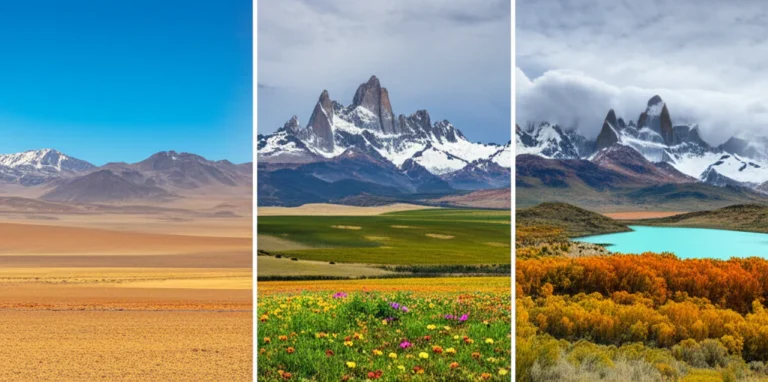
Planning to explore Chile’s jaw-dropping landscapes on your own wheels? Renting a car in Chile for tourists is hands down the best way to unlock the country’s hidden gems—from the otherworldly Atacama Desert to the wild, windswept fjords of Patagonia. But before you hit the road, there’s a lot you need to know to avoid surprises, save money, and stay safe. Did you know that some rental companies require drivers to be at least 24 years old, and that crossing into Argentina with your Chilean rental car demands special permits? Stick with us, and we’ll walk you through everything—from choosing the right rental company to mastering Chile’s diverse road conditions.
At Chile Vacay™, we’ve logged thousands of kilometers behind the wheel across Chile’s most iconic routes. In this comprehensive guide, you’ll find 15 essential insider tips that will make your car rental experience smooth, safe, and unforgettable. Wondering how to avoid common scams, what insurance you really need, or which routes demand a 4×4? We’ve got you covered. Ready to turn the key and start your Chilean adventure? Let’s dive in!
Key Takeaways
- Minimum age and documentation requirements vary—an International Driving Permit is highly recommended.
- Choose your rental company wisely; LYS Rent a Car stands out for 24/7 English support and reliable 4x4s.
- Understand Chile’s road rules and insurance options to avoid costly surprises.
- Plan your routes carefully—some require rugged vehicles and extra preparation.
- Be aware of safety concerns like tyre puncture scams and urban theft; stay vigilant.
- Cross-border travel to Argentina or Peru is possible but requires permits and additional fees.
Buckle up, because with these tips, your Chile road trip will be a breeze!
Table of Contents
- ⚡️ Quick Tips and Facts for Renting a Car in Chile
- 🚗 The Ultimate Guide to Renting a Car in Chile: What You Absolutely Must Know
- 🛂 Essential Requirements and Documentation for Tourists Renting Cars in Chile
- 💳 Choosing the Best Car Rental Company in Chile: Top Brands and Insider Tips
- 🔍 Understanding Chile’s Road Rules and Driving Laws for Tourists
- 🛣️ Planning Your Chile Road Trip: Best Routes and Scenic Drives for Renters
- 🚙 7 Must-Know Tips for Driving Safely on Chile’s Diverse Terrain
- 🛠️ What to Do If Your Rental Car Breaks Down or You Have an Accident in Chile
- 🔄 Cross-Border Driving: Can You Take Your Rental Car from Chile to Argentina or Peru?
- ⛽ Fueling Up in Chile: Gas Stations, Fuel Types, and Cost-Saving Hacks
- 📅 Seasonal Considerations: When Is the Best Time to Rent a Car in Chile?
- 💡 Insider Hacks: How to Score the Best Deals and Avoid Hidden Fees
- 🌄 Epic Self-Drive Itineraries: From Santiago to Patagonia and Beyond
- 📱 Must-Have Apps and Tech Tools for Driving Around Chile
- 🧳 Packing Smart for Your Chile Road Trip: Essentials for a Smooth Ride
- 🚦 Common Challenges and How to Overcome Them When Renting a Car in Chile
- 📖 Related Stories: Real Experiences from Tourists Who Rented Cars in Chile
- 🛤️ Exploring Neighboring Countries: Renting a Car in Chile and Road Trips into Argentina and Peru
- 🔚 Conclusion: Making the Most of Your Chile Car Rental Adventure
- 🔗 Recommended Links for Renting Cars in Chile
- ❓ FAQ: Your Burning Questions About Renting a Car in Chile, Answered
- 📚 Reference Links and Resources for Chile Car Rentals
⚡️ Quick Tips and Facts for Renting a Car in Chile
If you’re wondering how to get around Chile during your vacation, renting a car is often the best way to unlock the country’s breathtaking landscapes and hidden gems. At Chile Vacay™, we’ve driven from the Atacama Desert’s red dunes to Patagonia’s icy fjords, so we know the ropes. Here’s your starter pack of must-know facts and quick tips before you even think about picking a rental:
- Minimum age: Usually 22, but some companies require 24.
- Driver’s license: Your home country license is accepted, but an International Driving Permit (IDP) is highly recommended to avoid insurance headaches.
- Credit card: A credit card in your name with a sufficient limit (typically USD $450–$750) is mandatory for the deposit hold.
- Insurance: Basic insurance is included, but consider adding coverage for windscreen damage and theft, especially in cities like Santiago where car crime is a concern.
- Fuel: Gas stations are mostly full-service; tipping attendants 200–400 CLP is customary.
- Drop-off fees: Returning your car to a different city can cost extra — plan your itinerary accordingly.
- Vehicle choice: For city driving, compact cars suffice; for Carretera Austral or Patagonia, a 4×4 or pickup truck is your best friend.
- Safety: Keep doors locked, windows up, and avoid distractions—carjacking and theft attempts have been reported in urban areas.
Curious about which rental company to trust or how to navigate Chile’s roads safely? Keep reading—we’ll unpack all that and more! For a broader overview on getting around Chile, check out our How do I get around Chile during my vacation? guide.
🚗 The Ultimate Guide to Renting a Car in Chile: What You Absolutely Must Know
Renting a car in Chile isn’t just about picking a vehicle and hitting the road. It’s about understanding the nuances of Chilean driving culture, legal requirements, and terrain challenges. Let’s break it down:
Age and License Requirements
- Age: Most companies require drivers to be at least 22 years old; some prefer 24+.
- License: Your national driver’s license is accepted, but an IDP is recommended. According to Say Hueque, “the recommendation is to have both licenses.”
- Passport and Tourist Card: Always carry your passport and tourist card (‘tarjeta de turismo’) while driving, as police may request them.
Credit Card and Deposit Holds
- Rental companies require a credit card with a hold of approximately USD $450–$750 for security. Debit cards are usually not accepted.
- This hold is released after the car is returned in good condition, but it may take days to clear depending on your bank.
Insurance Coverage
- Basic insurance is included, but consider adding full coverage to avoid large deductibles.
- Windshield and tire damage are common in rural areas, so check if your policy covers these.
- Note: On Easter Island (Rapa Nui), insurance is often unavailable, so be extra cautious.
Drop-off and Cross-Border Fees
- Returning your car to a different city than where you picked it up usually incurs a “drop-off” fee.
- If you plan to cross into Argentina or Peru, you must notify the rental company and pay for additional insurance and permits.
🛂 Essential Requirements and Documentation for Tourists Renting Cars in Chile
Before you get behind the wheel, make sure your paperwork is in order. Here’s a checklist from our personal experience and industry insights:
| Requirement | Details | Notes |
|---|---|---|
| Valid Driver’s License | Must be valid in your home country; IDP recommended | IDP can be obtained from your local automobile club |
| Passport | Required for identification and rental contract | Keep a copy in the car and one on you |
| Tourist Card | Issued on arrival in Chile, proves legal tourist status | Police may ask for this during random checks |
| Credit Card | Must be in the renter’s name with sufficient credit limit | Debit cards generally not accepted |
| Minimum Age | Usually 22 or 24 depending on company | Some companies charge young driver fees if under 25 |
| International Driving Permit (IDP) | Recommended, especially for insurance claims | Avoids confusion with local authorities |
Pro Tip: Always scan and email yourself copies of all documents before traveling. It saved us during a roadside check in southern Chile!
💳 Choosing the Best Car Rental Company in Chile: Top Brands and Insider Tips
Chile’s rental market is bustling with options, but which company should you trust? Here’s a quick rundown of the top players and what sets them apart:
| Company | Fleet Variety | Special Features | Customer Service Highlights | Coverage Areas |
|---|---|---|---|---|
| LYS Rent a Car | Wide range from compact to 4×4 SUVs | 24/7 English emergency help desk; vehicles max 2 years old | Excellent for remote areas like Atacama & Patagonia | Calama, Santiago, Temuco, Puerto Montt, Punta Arenas |
| Europcar | Compact cars to SUVs | International presence, easy online booking | Good insurance options, airport pick-up | Nationwide |
| Hertz | Large fleet, luxury options | Young driver friendly, loyalty programs | Reliable roadside assistance | Major cities & airports |
| Econorent | Economy and mid-size cars | Competitive pricing, flexible rental terms | Focus on foreign tourists | Santiago, Valparaíso |
| Avis | Full range, including luxury | Frequent promotions, mobile app booking | Good customer support | Nationwide |
Why LYS Rent a Car?
As Chile Vacay™ veterans, we love LYS for their 24/7 English-speaking emergency help desk, a lifesaver when driving in isolated regions like Patagonia. Their fleet is young and well-maintained, which means fewer surprises on the road. Plus, their local expertise is unmatched.
Booking Tip: Book early, especially in high season (December–February), to secure the best rates and vehicle availability. Also, check if airport pick-up fees apply; sometimes off-airport locations save you money.
👉 CHECK PRICE on:
🔍 Understanding Chile’s Road Rules and Driving Laws for Tourists
Chile’s roads can be a dream or a nightmare depending on how well you know the rules. Here’s what you need to keep in mind:
Key Driving Laws
- Drive on the right side of the road.
- Seat belts are mandatory for all passengers.
- Speed limits:
- Urban: 50 km/h
- Rural: 100 km/h
- Highways: 120 km/h (where posted)
- Alcohol limit: 0.03% BAC (very strict).
- Mobile phone use: Only hands-free allowed.
Road Signage and Markings
- Signs are in Spanish but mostly intuitive.
- Yellow diamond signs indicate warnings.
- Blue signs provide information.
Toll Roads and Fees
- Many highways have tolls; pay in cash or with electronic devices like TAG.
- Some rental cars come equipped with TAG devices; check with your provider.
Police Checks
- Police may stop you for random checks; always carry your documents.
- They may ask for your passport, driver’s license, tourist card, and rental contract.
Safety Alerts
- Beware of tyre puncture scams where criminals puncture tires and distract drivers to steal valuables (UK Gov Travel Advice).
- Always lock doors and keep windows up, especially in cities.
🛣️ Planning Your Chile Road Trip: Best Routes and Scenic Drives for Renters
Chile is a ribbon of wonders stretching over 4,000 km, and renting a car lets you explore at your own pace. Here are some of our favorite routes:
| Route Name | Highlights | Recommended Vehicle | Duration |
|---|---|---|---|
| Carretera Austral | Untamed wilderness, fjords, glaciers | 4×4 pickup or SUV | 7–14 days |
| Atacama Desert Loop | Moon Valley, salt flats, geysers | Compact or SUV | 3–5 days |
| Lake District Circuit | Volcanoes, lakes, forests | Compact or SUV | 4–6 days |
| Santiago to Valparaíso | Coastal views, colorful port city | Compact car | 1–2 days |
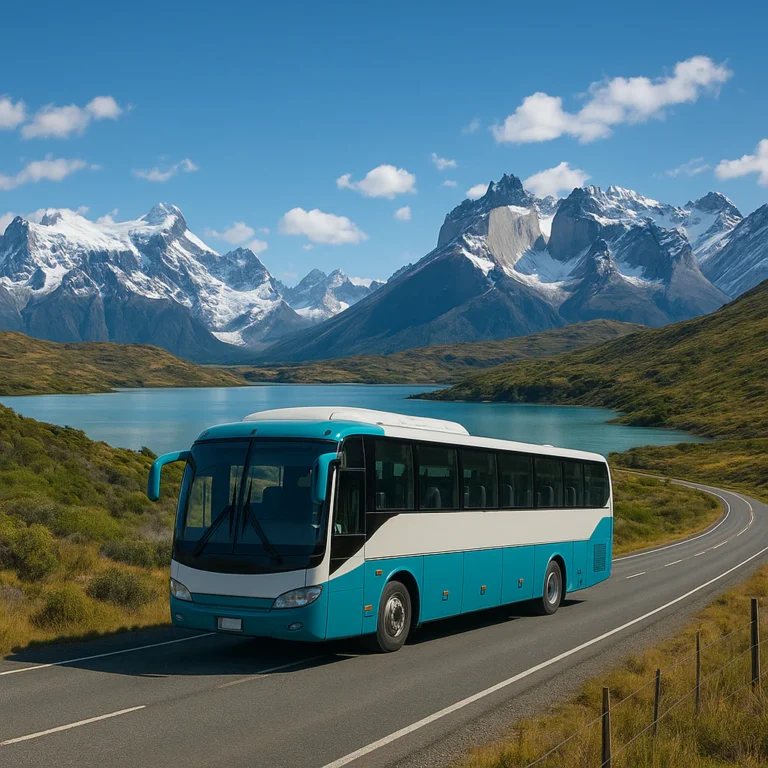
| Patagonia Explorer | Torres del Paine, glaciers, wildlife | 4×4 SUV | 7–10 days |
Pro Tip: For gravel or dirt roads, especially in Patagonia or Carretera Austral, a high-clearance 4×4 is essential. We learned this the hard way when our compact car struggled on unpaved stretches near Coyhaique!
🚙 7 Must-Know Tips for Driving Safely on Chile’s Diverse Terrain
Chile’s geography is wildly diverse, from deserts to mountains to glaciers. Here’s how to stay safe:
- Check weather and road conditions daily. Mountain passes can close suddenly in winter.
- Keep a spare tire and basic tools. Gravel roads are tough on tires.
- Drive cautiously on unpaved roads. Reduce speed to avoid damage.
- Watch for animals crossing, especially in rural areas.
- Avoid driving at night outside cities. Roads may be poorly lit or unmarked.
- Fill up gas tanks whenever possible. Remote areas have sparse stations.
- Have emergency contacts and roadside assistance numbers handy.
🛠️ What to Do If Your Rental Car Breaks Down or You Have an Accident in Chile
Even the best plans can hit a bump. Here’s your step-by-step guide:
Breakdown
- Stay calm and pull over safely.
- Turn on hazard lights.
- Call your rental company’s emergency number. LYS Rent a Car’s 24/7 English help desk is a standout here.
- If safe, try minor fixes like changing a tire.
- Wait for roadside assistance; do not accept help from strangers.
Accident
- Stop immediately and check for injuries.
- Call emergency services if needed (Police: 133, Ambulance: 131).
- Exchange information with other parties (name, license, insurance).
- Take photos of damage and scene.
- Report to your rental company ASAP.
- File a police report if required.
🔄 Cross-Border Driving: Can You Take Your Rental Car from Chile to Argentina or Peru?
Dreaming of a multi-country road trip? It’s possible but requires planning:
- Notify your rental company in advance.
- Pay additional insurance and notarial fees.
- Get official permits for border crossing.
- Some companies restrict cross-border travel on certain vehicles.
- Check border opening times; winter closures are common between Chile and Argentina.
We recommend contacting companies like LYS Rent a Car or Europcar for their cross-border policies.
⛽ Fueling Up in Chile: Gas Stations, Fuel Types, and Cost-Saving Hacks
Chile’s gas stations are mostly full-service, and attendants will fill your tank for you. Here’s what you need to know:
- Fuel types: Regular 93 octane and premium 97 octane gasoline; diesel available for diesel vehicles.
- Payment: Cash or credit card accepted; some remote stations may only take cash.
- Tipping: It’s customary to tip attendants 200–400 CLP.
- Prices: Higher than the US but lower than Europe; expect fluctuations depending on region.
- Cost-saving: Fill up in cities rather than remote areas where prices spike.
📅 Seasonal Considerations: When Is the Best Time to Rent a Car in Chile?
Chile’s seasons dramatically affect driving conditions:
| Season | Highlights | Driving Considerations |
|---|---|---|
| Summer (Dec–Feb) | Best weather, festivals, busy roads | Book early; expect traffic near tourist spots |
| Autumn (Mar–May) | Stunning fall colors, fewer crowds | Cooler temps; some mountain passes open |
| Winter (Jun–Aug) | Ski season, snow in south | Mountain passes may close; 4×4 needed |
| Spring (Sep–Nov) | Wildflowers, mild weather | Great for road trips; watch for rain |
💡 Insider Hacks: How to Score the Best Deals and Avoid Hidden Fees
Want to save money and avoid nasty surprises? Here’s our cheat sheet:
- Book early to lock in lower rates.
- Compare prices on platforms like RentalCars.com and official sites.
- Avoid airport pick-up fees by choosing downtown locations if possible.
- Check fuel policies: “Full to full” is best to avoid extra charges.
- Inspect the car thoroughly before driving off; document any scratches or dents.
- Decline unnecessary extras like GPS if you have a smartphone with offline maps.
- Ask about young driver fees if under 25.
- Read the fine print on insurance coverage carefully.
🌄 Epic Self-Drive Itineraries: From Santiago to Patagonia and Beyond
Ready to hit the road? Here are some of our favorite self-drive adventures:
Santiago to Valparaíso and Viña del Mar (1–2 days)
- Easy drive, coastal views, vibrant street art in Valparaíso.
- Great starter trip to get used to Chilean roads.
Atacama Desert Loop (3–5 days)
- Explore San Pedro de Atacama, Moon Valley, and El Tatio geysers.
- Rent a 4×4 for rugged terrain.
Lake District Circuit (4–6 days)
- Drive around Villarrica and Pucon, volcano hikes, and hot springs.
- Mix of paved and gravel roads.
Carretera Austral (7–14 days)
- One of the world’s most scenic drives through Patagonia’s wilderness.
- Requires 4×4 and patience for ferry crossings.
Patagonia Explorer (7–10 days)
- Torres del Paine National Park, glaciers, and wildlife spotting.
- Prepare for variable weather and gravel roads.
📱 Must-Have Apps and Tech Tools for Driving Around Chile
Tech can be your best co-pilot. Here’s what we recommend:
| App Name | Purpose | Notes |
|---|---|---|
| Google Maps | Navigation | Download offline maps for remote areas |
| Waze | Real-time traffic updates | Popular in Santiago and major cities |
| Maps.me | Offline maps and hiking trails | Great for Patagonia and national parks |
| GasApp Chile | Locate nearest gas stations | Handy for remote stretches |
| Rental Company Apps | Manage bookings and roadside assistance | Check if your rental company offers one |
🧳 Packing Smart for Your Chile Road Trip: Essentials for a Smooth Ride
Packing for a Chile road trip means preparing for everything from desert heat to mountain chill:
- Water and snacks: Essential for long stretches without services.
- First aid kit: Include sunblock, insect repellent, and basic meds.
- Warm layers and rain gear: Weather can change fast, especially in Patagonia.
- Spare tire and tools: Confirm with your rental company what’s included.
- Phone charger and power bank: Keep your devices juiced for navigation.
- Cash in small bills: For tolls and remote purchases.
🚦 Common Challenges and How to Overcome Them When Renting a Car in Chile
Even with the best planning, challenges arise:
- Language barrier: Most rental staff speak English, but learning basic Spanish phrases helps.
- Road conditions: Gravel and potholes can damage tires; drive cautiously.
- Unexpected fees: Always clarify insurance and fuel policies upfront.
- Safety concerns: Avoid leaving valuables visible; park in secure areas.
- Navigation: Some rural areas have poor signage; offline maps are a must.
📖 Related Stories: Real Experiences from Tourists Who Rented Cars in Chile
We love sharing stories from fellow travelers! Here are a few highlights:
- Anna from Germany: Rented a compact car in Santiago, drove to Valparaíso, and loved the freedom to explore at her own pace. She recommends booking early and getting full insurance.
- Mark and Lisa from the US: Took a 4×4 through Carretera Austral. They advise packing extra fuel and a second spare tire. Their LYS Rent a Car experience was “top-notch,” especially the 24/7 help desk.
- Sophie from Australia: Had her tire punctured near Torres del Paine but was saved by roadside assistance included in her rental. She warns about the tyre puncture scam in cities and advises vigilance.
🛤️ Exploring Neighboring Countries: Renting a Car in Chile and Road Trips into Argentina and Peru
Chile’s borders open up incredible road trip possibilities:
- Chile to Argentina: Popular crossings include Paso Los Libertadores near Santiago and Paso Cardenal Samoré in the south.
- Chile to Peru: Less common but possible through northern border points like Arica.
- Requirements: Notify your rental company, pay extra insurance, and carry all necessary permits.
- Border closures: Winter closures (June–September) are common on some passes.
Planning a multi-country adventure? Check out our Destinations section for inspiration.
🔚 Conclusion: Making the Most of Your Chile Car Rental Adventure
So, what’s the final word on renting a car in Chile? After countless road trips across this stunning country, we at Chile Vacay™ confidently say: renting a car is the ultimate way to experience Chile’s diverse landscapes, from the arid Atacama to the wild Patagonia fjords. But it’s not just about freedom—it’s about being prepared.
Positives:
- Flexibility to explore off-the-beaten-path destinations.
- Access to remote natural wonders unreachable by public transport.
- Wide range of rental options from compact city cars to rugged 4x4s.
- Helpful local companies like LYS Rent a Car with 24/7 English support.
Negatives:
- Potential safety concerns in urban areas require vigilance.
- Additional costs like drop-off fees and insurance can add up.
- Driving conditions vary widely; some routes demand experience and proper vehicles.
If you’re ready to embrace the adventure, plan ahead, choose your rental company wisely, and equip yourself with the right knowledge and gear. That way, you’ll avoid common pitfalls and maximize your Chilean road trip experience.
Remember those unresolved questions about cross-border travel, insurance, and safety? Now you know the steps to take and the precautions to keep you cruising smoothly. So buckle up, hit the road, and let Chile’s spectacular vistas unfold before your eyes!
🔗 Recommended Links for Renting Cars in Chile
Ready to book or learn more? Here are some trusted resources and products to help you gear up for your Chile road trip:
-
LYS Rent a Car:
RentalCars.com – LYS Rent a Car Search | LYS Official Website -
Europcar Chile:
Europcar Chile Official Site -
Hertz Chile:
Hertz Chile Official Site -
International Driving Permit (IDP):
AAA International Driving Permit (US-based example) -
Books for Chile Road Trips:
- Lonely Planet Chile & Easter Island (Amazon)
- Moon Chile by Allison Barrie (Amazon)
❓ FAQ: Your Burning Questions About Renting a Car in Chile, Answered
What are the best car rental companies for tourists in Chile?
The top picks include LYS Rent a Car for their excellent 24/7 English support and young fleet, Europcar for international reliability, and Hertz for broad coverage and luxury options. Local companies like Econorent offer competitive pricing but may have stricter age policies. Choose based on your itinerary, vehicle needs, and customer service preferences.
Can I use my international driver’s license to rent a car in Chile?
Yes, you can use your home country driver’s license, but an International Driving Permit (IDP) is highly recommended. Many rental companies and insurance providers prefer or require it to avoid complications in case of accidents or police checks. Getting an IDP before your trip is a smart move.
Is it safe to drive in Chile as a foreign visitor?
✅ Generally, yes, but with caution. Chile’s main highways and urban roads are well-maintained. However, car theft and scams like tyre puncture distractions have been reported, especially in Santiago and other cities. Always lock your doors, keep valuables out of sight, and avoid driving at night in rural areas. Follow local traffic laws and stay alert.
What are the requirements for renting a car in Chile as a tourist?
You need:
- A valid driver’s license from your home country.
- An IDP (recommended).
- A passport and tourist card.
- A credit card in your name with sufficient credit limit for the deposit.
- Be at least 22 years old (some companies require 24).
Always check the specific rental company’s policies as they can vary.
What is the best time of year to rent a car and explore Chile?
The summer months (December to February) offer the best weather and open roads, ideal for sightseeing and outdoor activities. However, this is peak tourist season, so book early. Autumn (March to May) offers fewer crowds and beautiful fall colors. Winter (June to August) is great for skiing but expect some mountain road closures. Spring (September to November) is also excellent for road trips with mild weather.
Are there any additional fees or insurance options for tourists renting cars in Chile?
Yes, watch out for:
- Drop-off fees if returning the car to a different location.
- Young driver fees if under 25.
- Optional insurance upgrades for theft, windscreen, and tire damage.
- Toll road charges, which may or may not be included.
- Cross-border fees if you plan to drive into Argentina or Peru.
Always clarify these before booking to avoid surprises.
How can I avoid common scams and theft while driving in Chile?
- Keep doors locked and windows up, especially in cities.
- Don’t stop immediately if you suspect a tyre puncture scam; drive to a safe, well-lit area.
- Avoid leaving valuables visible in the car.
- Use secure parking lots when stopping.
- Stay vigilant at viewpoints, gas stations, and traffic lights.
What type of vehicle is best for exploring Chile’s remote areas?
For urban and paved roads, a compact or mid-size car is fine. For Carretera Austral, Patagonia, and desert regions, a 4×4 SUV or pickup truck with high clearance is essential due to gravel roads, potholes, and rough terrain. Renting such vehicles from companies like LYS Rent a Car ensures you’re well-equipped.
📚 Reference Links and Resources for Chile Car Rentals
- Say Hueque: Renting a Car in Chile Requirements
- UK Government Foreign Travel Advice: Chile Safety and Security
- LYS Rent a Car Official Website
- Europcar Chile
- Hertz Chile
- AAA International Driving Permit Information
- Chile Vacay™ Destinations
- Chile Vacay™ Adventure Travel
Ready to start your Chilean road trip? 🚗💨 Don’t forget to bookmark this guide and check out our other travel tips to make your adventure unforgettable!