Support our educational content for free when you purchase through links on our site. Learn more
Top Tourist Attractions to See in Chile

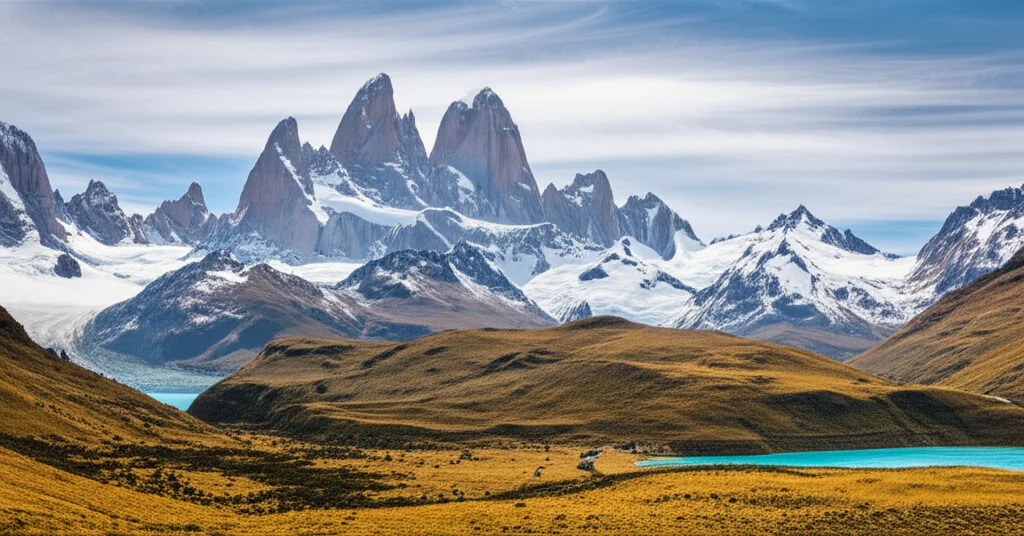
The absolute top tourist attractions to see in Chile are the otherworldly Torres del Paine National Park, the star-filled Atacama Desert, and the mysterious Easter Island, offering a diversity of landscapes unmatched anywhere else on Earth. When travelers ask, “What are the top tourist attractions to see in Chile?”, they are often surprised to learn that this single country stretches from the driest desert on the planet to the icy winds of Cape Horn, covering a distance of over 4,20 kilometers.
We once watched a group of tourists try to cram Santiago, the Atacama, and Patagonia into a single 10-day trip, only to spend more time on buses than actually enjoying the views. The secret to unlocking Chile’s magic isn’t speed; it’s focus. Whether you are chasing the granite spires of Patagonia or the silent giants of Rapa Nui, this guide breaks down the 25 best places to visit so you can plan a journey that actually feels like an adventure.
Key Takeaways
- Diversity is King: Chile offers everything from the Atacama Desert to Patagonian glaciers, making it impossible to see it all in one trip; prioritize based on your interests.
- Seasonal Timing Matters: Visit Patagonia in the Southern Hemisphere summer (Dec–Feb) for hiking, but head to the Andes for skiing in winter (June–Aug).
- Plan Ahead: Popular spots like Torres del Paine and Easter Island require bookings months in advance due to strict visitor limits and high demand.
- Transport Strategy: Use domestic flights for long distances (Santiago to Calama/Punta Arenas) and rely on buses or 4×4 rentals for regional exploration.
Table of Contents
- ⚡️ Quick Tips and Facts
- 🌍 A Brief History of Chile’s Diverse Landscapes and Tourism Evolution
- 🏔️ 25 Top Tourist Attractions to See in Chile: The Ultimate Bucket List
- 1. Torres del Paine National Park: The Crown Jewel of Patagonia
- 2. The Atacama Desert: Where the Sky Mets the Sand
- 3. Easter Island (Rapa Nui): Mysteries of the Moai
- 4. Chilean Tierra del Fuego: The End of the World
- 5. The Caretera Austral: Patagonia’s Most Epic Road Trip
- 6. Valparaíso: The Colorful Port City of Poets
- 7. San Pedro de Atacama: Gateway to the High Desert
- 8. The Chepu Valley, Chiloé: Myth, Wood, and Tides
- 9. Puerto Varas: The German Charm of the Lakes District
- 10. Pucón: Adventure Capital of the South
- 1. Valdivia: The Rainy City of Rivers and Chocolate
- 12. Salar de Atacama: The Salt Flat That Reflects the Stars
- 13. The Marble Caves of General Carrera Lake
- 14. Humberstone and Santa Laura Saltpeter Works
- 15. The W Trek: A Hiker’s Dream in Patagonia
- 16. Chiloé National Park: Ancient Forests and Mythical Creatures
- 17. The O Trek: For the True Patagonian Endurance Seekers
- 18. The Andes Mountains: Sking and Glaciers in Central Chile
- 19. The Wine Valeys: Maipo, Colchagua, and Casablanca
- 20. The Juan Fernández Archipelago: Robinson Crusoe’s Real Island
- 21. The Patagonian Ice Field: A Frozen Wilderness
- 2. The Desert of La Campana National Park
- 23. The Coastal Towns of the Algarobo and Viña del Mar
- 24. The Ancient Petroglyphs of the Atacama Region
- 25. The Penguin Colonies of Magdalena Island
- 🗺️ How to Plan Your Chilean Adventure: Seasonal Guides and Itineraries
- 🚗 Getting Around: Transport Tips for the Longest Country on Earth
- 🍷 Food and Drink: What to Eat and Drink in Chile
- 🏨 Where to Stay: From Luxury Lodges to Hostels
- 🎒 Packing Essentials for Chile’s Extreme Climates
- 📅 Get Your Free 10 & 14-Day Chile Itineraries
- 🏁 Conclusion
- 🔗 Recommended Links
- ❓ FAQ: Frequently Asked Questions About Visiting Chile
- 📚 Reference Links
⚡️ Quick Tips and Facts
Before you pack your bags and book that one-way ticket to the land of the condor, let’s hit the ground running with some essential Chilean trivia that will make you look like a local (or at least a very well-prepared traveler).
Video guide
Chile is a geographic anomaly. Stretching over 4,270 kilometers (2,650 miles) from north to south, it is the longest country in the world, yet it rarely exceeds 17 kilometers (10 miles) in width. Imagine trying to drive from the hottest desert on Earth to the icy winds of Cape Horn without ever leaving the country’s borders. That’s the Chilean experience.
Here is the lowdown on what you need to know before you dive into our ultimate guide:
| Feature | Fact | Why It Matters |
|---|---|---|
| Time Zones | 4 different time zones (including Easter Island) | Don’t get lost in transit; your watch might be wrong! |
| Currency | Chilean Peso (CLP) | Credit cards are widely accepted, but cash is king in remote areas. |
| Language | Spanish (with a unique accent) | Locals speak fast and swallow consonants. Learn “¿Cómo estás?” and “Por favor.” |
| Tipping | 10% is standard | Often included as “servicio” on bills, but extra is appreciated for great service. |
| Best Time to Visit | Dec–Feb (Summer) for Patagonia; June–Aug (Winter) for Sking | Seasons are reversed compared to the Northern Hemisphere. |
| Safety | Generally safe, but watch for pickpockets | Santiago and Valparaíso require street smarts; Patagonia is very safe. |
Pro Tip: If you think you can do it all in one trip, think again. We’ve seen travelers try to cram the Atacama, Santiago, and Torres del Paine into 10 days. Spoiler alert: You will be exhausted, and you’ll miss the magic. For a complete guide on how to structure your trip, check out our full breakdown at Chile Vacay.
🌍 A Brief History of Chile’s Diverse Landscapes and Tourism Evolution

How did a country so narrow become so incredibly diverse? The answer lies in geology and human resilience.
Chile’s landscape is a direct result of the Nazca Plate subducting under the South American Plate. This tectonic dance created the Andes Mountains, the Atacama Desert, and the Patagonian Ice Fields. But it wasn’t always a tourist paradise.
For centuries, Chile was a remote outpost of the Spanish Empire, isolated by the Atacama to the north and the Andes to the east. The indigenous Mapuche people fiercely resisted colonization in the south, while the Rapa Nui culture flourished in isolation on Easter Island.
The Tourism Boom: It wasn’t until the late 20th century that Chile opened its doors to the world. The establishment of Torres del Paine as a national park in the 1950s was a turning point. Today, Chile is a global leader in sustainable tourism and adventure travel, having won the World Travel Awards for South America’s leading adventure destination multiple times.
From the saltpeter miners of the north to the German settlers who shaped the Lakes Region, every corner of Chile tells a story of adaptation. Understanding this history adds depth to your visit. When you stand before a Moai or hike the W Trek, you aren’t just seeing scenery; you’re witnessing the result of millions of years of geological drama and human history.
🏔️ 25 Top Tourist Attractions to See in Chile: The Ultimate Bucket List
Ready to see the world’s most dramatic landscapes? We’ve curated a list of 25 top tourist attractions that cover everything from the driest desert to the southernmost tip of the continent. We’ve gone beyond the usual “Top 10” lists to include hidden gems and epic adventures.
1. Torres del Paine National Park: The Crown Jewel of Patagonia
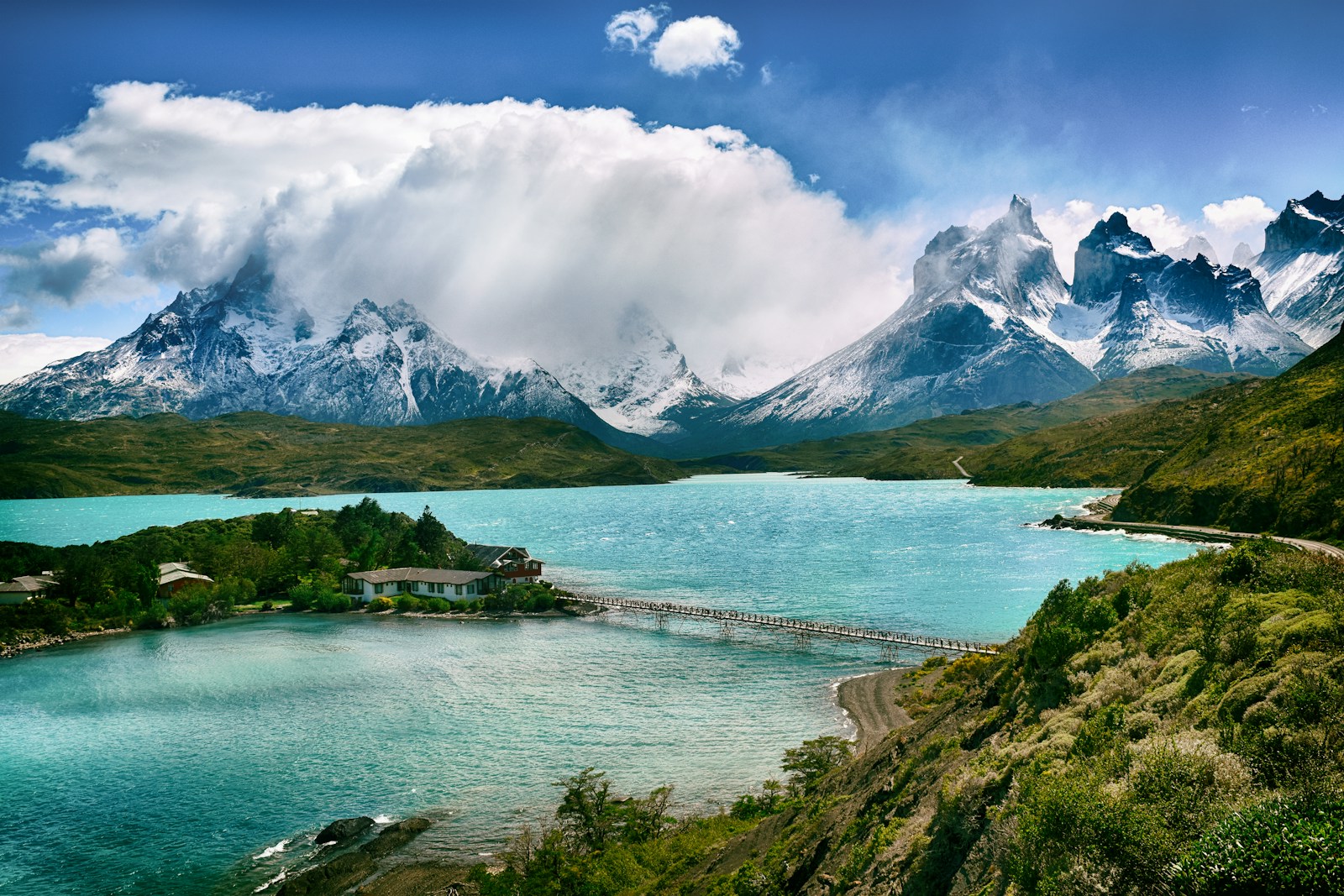
If you only visit one place in Chile, make it this UNESCO Biosphere Reserve. Towering granite spires, turquoise glacial lakes, and vast steppes define this park.
- The W Trek: The classic 5-day hike. It’s popular, yes, but for good reason. You’ll see the Grey Glacier, French Valley, and the iconic Torres del Paine towers.
- The O Trek (Full Circuit): For those who want solitude and a true challenge, this 9-day loop takes you around the entire park. As one traveler noted, “The O Trek offers a genuine adventure that the W Trek often lacks due to crowds.”
- Wildlife: Keep your eyes peeled for guanacos, Andean condors, and if you’re lucky, a puma.
Where to Stay:
- Refugios: Basic dorms inside the park (book months in advance).
- Hotel Las Torres: Luxury with private bathrooms and stunning views.
- Simple Patagonia: A great base in Puerto Natales with underfloor heating (essential for those chilly nights).
2. The Atacama Desert: Where the Sky Mets the Sand
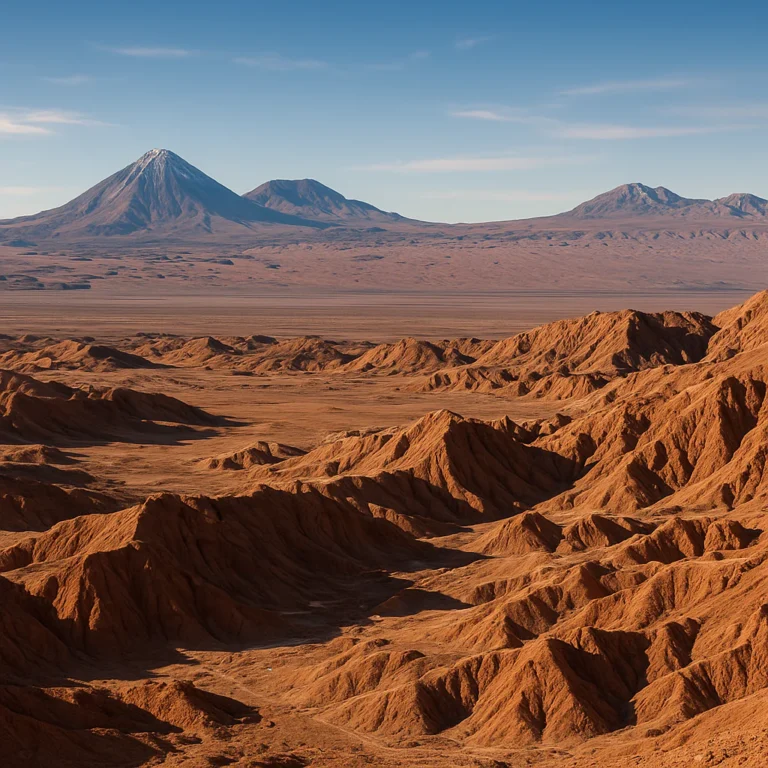
The driest non-polar desert on Earth. It’s so dry that NASA tests Mars rovers here. But don’t let the “desert” label fool you; it’s a landscape of surreal beauty.
- Vale de la Luna: Moon-like landscapes with salt formations and red rocks.
- El Tatio Geysers: Witness the world’s highest geothermal field erupting at sunrise.
- Salar de Atacama: A massive salt flat that reflects the stars perfectly.
Insider Tip: The altitude here is over 2,40 meters. Take it easy on your first day to avoid altitude sickness.
3. Easter Island (Rapa Nui): Mysteries of the Moai
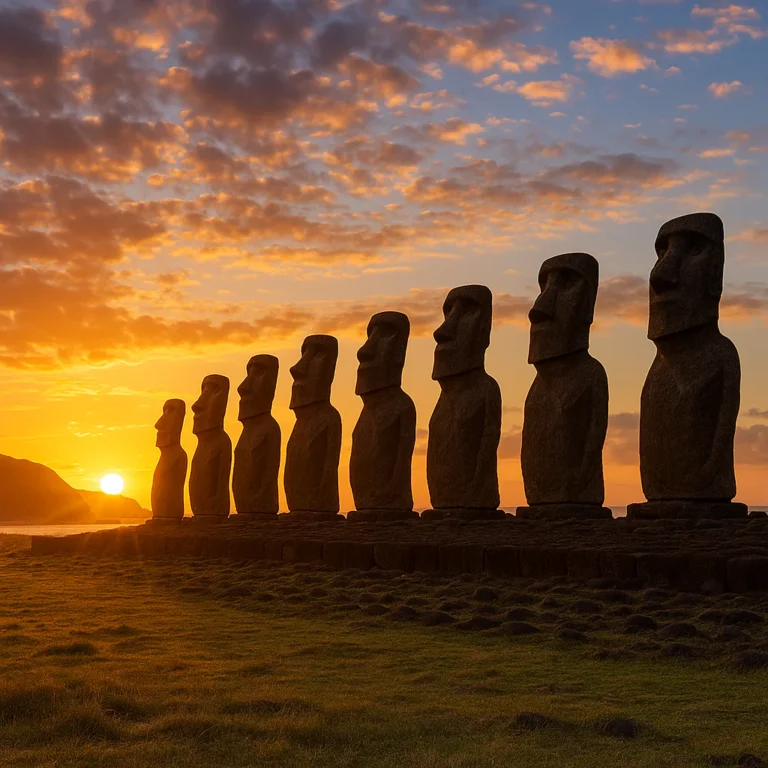
A 5-hour flight from Santiago lands you on this remote island, home to nearly 90 Moai statues. These monolithic figures, carved by the Rapa Nui people between the 13th and 15th centuries, face inland, guarding the island.
- Ahu Tongariki: The largest platform with 15 restored Moai.
- Rano Raraku: The quarry where the statues were carved.
- Anakena Beach: The only sandy beach on the island, perfect for a swim.
Did You Know? The island is a UNESCO World Heritage Site. Access is limited to protect the fragile ecosystem.
4. Chilean Tierra del Fuego: The End of the World
Head to the southernmost tip of South America. This region is rugged, windy, and breathtakingly beautiful.
- Parque Nacional Tierra del Fuego: Hike through sub-Antarctic forests and peat bogs.
- Cabo Froward: The southernmost point of the South American continent.
- Parque Pingüino Rey: Home to a massive colony of King Penguins.
Transport Note: You’ll need a 4×4 or high-suspension vehicle to reach the remote areas like Caleta Maria.
5. The Caretera Austral: Patagonia’s Most Epic Road Trip
A 1,240 km stretch of mostly unpaved road connecting the Lakes Region to Patagonia. It’s a road trip for the adventurous.
- Queulat Hanging Glacier: A glacier that hangs precariously over a valley.
- Marble Caves (Cuevas de Mármol): Boat tours reveal stunning blue marble formations carved by water.
- Enchanted Forest: A mystical forest with ancient trees.
Travel Tip: Hitchiking is common and generally safe here, but always carry full camping gear in case you get stuck.
6. Valparaíso: The Colorful Port City of Poets
A UNESCO World Heritage site, Valparaíso is a maze of colorful houses, steep hills, and street art.
- Ascensores: Ride the historic funiculars up the hills.
- Cerro Alegre & Cero Concepción: Wander the bohemian streets filled with galleries and cafes.
- Pablo Neruda’s La Sebastiana: Visit the poet’s former home, now a museum.
Vibe Check: It’s gritty, artistic, and alive. Don’t miss the sunset from Paseo Gervasoni.
7. San Pedro de Atacama: Gateway to the High Desert
The main hub for exploring the Atacama. It’s a charming adobe town with a laid-back vibe.
- Geysers of El Tatio: Best visited at sunrise.
- Laguna Chaxa: A salt lake in the Lauca National Park area, home to flamingos.
- Stargazing: With some of the clearest skies on Earth, a night tour is a must.
Brand Recommendation: For a unique stay, check out Ckuri Atacama, a boutique hotel with only 3 rooms.
8. The Chepu Valley, Chiloé: Myth, Wood, and Tides
Chiloé Island is famous for its wooden churches and palafitos (stilt houses). The Chepu Valley is a hidden gem for wildlife lovers.
- Kayaking: Paddle through submerged forests created by the 1960 earthquake.
- Wildlife: Spot southern river oters and the tiny pudú deer.
- Curanto: Try this traditional dish of seafood and potatoes cooked underground.
Stay: Palafito Cucao Lodge offers a traditional wooden-shingled design over the lake.
9. Puerto Varas: The German Charm of the Lakes District
Known as the “City of Roses,” Puerto Varas is a picturesque town with German architecture and views of Volcán Osorno.
- Volcán Osorno: Take a cable car to the summit for panoramic views.
- Saltos de Petrohue: Waterfalls cascading over ancient lava flows.
- Lago Todos Los Santos: Crystal clear waters perfect for kayaking.
Foodie Tip: Don’t leave without trying the kuchen (German cake) at a local bakery.
10. Pucón: Adventure Capital of the South
If you love adrenaline, Pucón is your spot. Dominated by the active Volcán Villarrica.
- Volcano Hike: Summit the volcano to see the lava lake (requires a guide).
- Snow Sliding: Slide down the volcano on your butt in the spring.
- Termas Geométricas: Natural hot springs with stunning red wooden walkways.
Safety First: The volcano is active. Always check conditions and hire a certified guide.
1. Valdivia: The Rainy City of Rivers and Chocolate
A university city with a rich German heritage and a love for craft beer.
- Kunstmann Brewery: Take a tour of one of Chile’s oldest craft breweries.
- Sea Lions: Watch the sea lion colony at the fish market.
- Historic Forts: Explore the ruins of Spanish fortifications on Isla Mancera.
Vibe: Relaxed, rainy, and full of character.
12. Salar de Atacama: The Salt Flat That Reflects the Stars
A massive salt flat that is a haven for flamingos and stargazers.
- Flamingo Watching: Three species of flamingos gather here.
- Stargazing: The clear skies make it one of the best spots in the world.
- Laguna Cejar: A saltwater lagoon where you can float like in the Dead Sea.
13. The Marble Caves of General Carrera Lake
Located in the Aysén region, these caves are formed by water eroding marble, creating surreal blue and white formations.
- Boat Tours: The only way to access the caves.
- Photography: The light changes throughout the day, offering different colors.
14. Humberstone and Santa Laura Saltpeter Works
A ghost town in the Atacama Desert, preserved as a UNESCO World Heritage Site.
- History: Learn about the saltpeter boom that shaped Chile’s economy.
- Architecture: Explore the abandoned buildings and machinery.
15. The W Trek: A Hiker’s Dream in Patagonia
The most popular trek in Torres del Paine. It takes 5 days and covers the highlights of the park.
- Difficulty: Moderate to challenging.
- Highlights: Grey Glacier, French Valley, and the Towers.
16. Chiloé National Park: Ancient Forests and Mythical Creatures
Protects the unique Valdivian temperate rainforest.
- Hiking: Trails through ancient forests.
- Mythology: Learn about the Caicai and other local legends.
17. The O Trek: For the True Patagonian Endurance Seekers
A 9-day loop around Torres del Paine.
- Difficulty: Challenging.
- Reward: Solitude and unspoiled wilderness.
18. The Andes Mountains: Sking and Glaciers in Central Chile
Central Chile offers world-class skiing and glacier viewing.
- Vale Nevado: One of the largest ski resorts in South America.
- La Parva & El Colorado: Great for families and intermediate skiers.
19. The Wine Valeys: Maipo, Colchagua, and Casablanca
Chile is a top wine producer.
- Colchagua Valley: Famous for red wines.
- Casablanca Valley: Known for white wines like Chardonnay and Sauvignon Blanc.
- Maipo Valley: The birthplace of Chilean wine, near Santiago.
20. The Juan Fernández Archipelago: Robinson Crusoe’s Real Island
A remote archipelago that inspired Daniel Defoe’s Robinson Crusoe.
- Wildlife: Home to the endangered Juan Fernández firecrown hummingbird.
- Hiking: Dramatic cliffs and lush forests.
21. The Patagonian Ice Field: A Frozen Wilderness
The second-largest contiguous ice field in the world.
- Grey Glacier: Part of the W Trek.
- Perito Moreno: (Note: This is in Argentina, but the Chilean side offers similar views).
2. La Campana National Park: The Desert of the Central Valley
A unique park where the desert meets the Andes.
- Palm Grove: Home to the only native palm tree in Chile.
- Hiking: Trails through diverse ecosystems.
23. The Coastal Towns of Algarobo and Viña del Mar
Popular beach towns near Santiago.
- Viña del Mar: Known for its gardens and the Flower Clock.
- Algarobo: Famous for the Portal de Algarobo, a beach club built on stilts over the ocean.
24. The Ancient Petroglyphs of the Atacama Region
Rock art dating back thousands of years.
- Geoglyphs: Large figures drawn on the desert floor.
- Cultural Significance: Insights into ancient indigenous cultures.
25. The Penguin Colonies of Magdalena Island
A sanctuary for Magellanic penguins.
- Boat Tours: Accessible from Punta Arenas.
- Wildlife: Millions of penguins, sea lions, and cormorants.
🗺️ How to Plan Your Chilean Adventure: Seasonal Guides and Itineraries
Planning a trip to Chile can feel overwhelming because the country is so vast. The key is to focus one region per trip.
Summer (December – February):
- Best for: Patagonia, Atacama, Easter Island.
- Weather: Warm and dry in the north; mild in the south.
- Crowds: Peak season. Book everything months in advance.
Winter (June – August):
- Best for: Sking in the Andes, visiting the Lakes Region.
- Weather: Cold and snowy in the south; mild in the north.
- Crowds: Low season in Patagonia, but busy in ski resorts.
Shoulder Season (March – May, September – November):
- Best for: Balancing crowds and weather.
- Weather: Variable, but often beautiful.
- Crowds: Fewer tourists, better prices.
Sample Itinerary Ideas:
- 10 Days: Santiago, Valparaíso, and the Atacama Desert.
- 14 Days: Santiago, Torres del Paine (W Trek), and Puerto Varas.
- 21 Days: Atacama, Santiago, Valparaíso, Torres del Paine, and Easter Island.
🚗 Getting Around: Transport Tips for the Longest Country on Earth
Chile is long, so getting around requires strategy.
- Flights: LATAM and Sky Airline dominate the domestic market. Flights from Santiago to Calama (Atacama) or Punta Arenas (Patagonia) are essential.
- Buses: Buses Pullman Bus and Tur Bus offer comfortable, long-distance bus travel. It’s a great way to see the countryside.
- Car Rental: Essential for the Caretera Austral and remote areas. Book early, especially in summer.
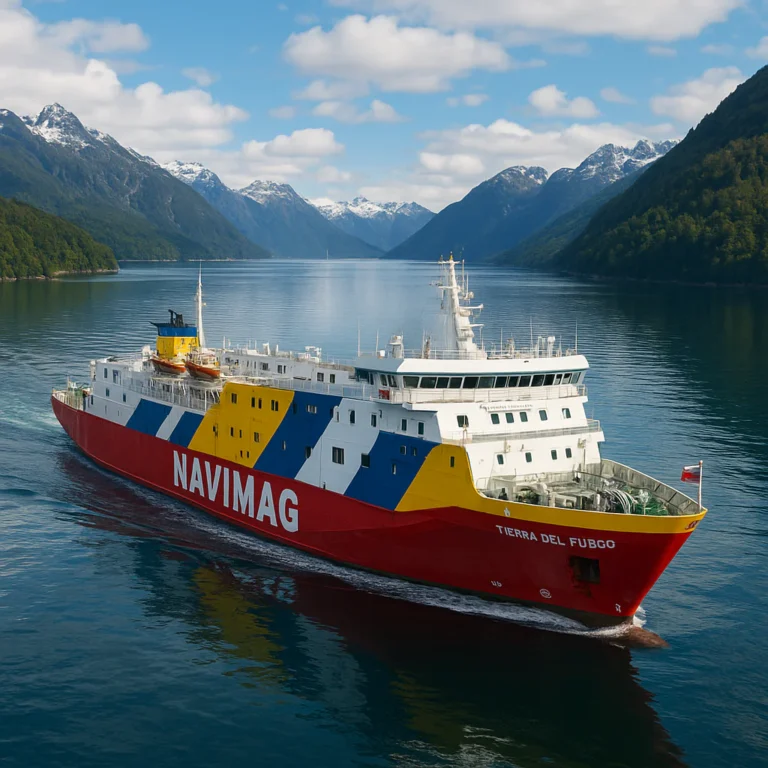
- Feries: Navimag offers scenic ferry rides from Puerto Mont to Coyhaique.
Pro Tip: In Patagonia, roads can be unpaved. Rent a 4×4 if you plan on exploring off the beaten path.
🍷 Food and Drink: What to Eat and Drink in Chile
Chilean cuisine is a fusion of indigenous and European influences.
- Empanadas: Baked pastries filled with meat, cheese, or seafood.
- Pastel de Choclo: A savory pie made with corn and meat.
- Ceviche: Fresh seafood marinated in lemon juice.
- Pisco Sour: The national cocktail made with Pisco, lemon, and sugar.
- Wine: Chile produces some of the world’s best Carmenere and Cabernet Sauvignon.
Must-Try: Curanto in Chiloé and Mariscos (seafood) in coastal towns.
🏨 Where to Stay: From Luxury Lodges to Hostels
Chile offers a wide range of accommodations.
- Luxury: Explora Patagonia, Awasi Atacama, Hotel Las Torres.
- Mid-Range: Simple Patagonia, Palafito Cucao Lodge, Compass del Sur.
- Budget: Hostels like Airesbuenos Hostel in Valdivia and Rakau Lodge in Pucón.
Booking Tip: Use Booking.com or Expedia for availability, but check the hotel’s official website for better rates.
🎒 Packing Essentials for Chile’s Extreme Climates
Chile’s climate varies wildly. Pack layers!
- North (Atacama): Sunscreen, hat, sunglasses, light clothing, warm jacket for nights.
- Central (Santiago, Valparaíso): Layers, rain jacket, comfortable walking shoes.
- South (Patagonia): Waterproof jacket, thermal layers, hiking boots, windbreaker.
- Easter Island: Swimwear, sunscreen, light clothing.
Don’t Forget: A good pair of hiking boots and a power bank for long days out.
📅 Get Your Free 10 & 14-Day Chile Itineraries
Ready to start planning? We’ve created detailed itineraries to help you make the most of your trip.
- 10-Day Itinerary: Perfect for a quick taste of Chile’s highlights.
- 14-Day Itinerary: Ideal for a deeper dive into Patagonia and the Atacama.
Download your free itineraries now and start your adventure!
🏁 Conclusion

Chile is a country that defies expectations. From the driest desert to the icy winds of Patagonia, it offers a diversity of landscapes and experiences that few other places can match. Whether you’re hiking the W Trek, exploring the mysteries of Easter Island, or sipping wine in the Colchagua Valley, Chile will leave you in awe.
Our Top Recommendation: If you have limited time, focus on one region. Trying to do it all in one trip is a recipe for burnout. Instead, choose your adventure: Patagonia for hiking, Atacama for stargazing, or Chiloé for culture.
Final Thought: As you plan your trip, remember that Chile is more than just a destination; it’s an experience. Embrace the unexpected, respect the environment, and let the spirit of the land guide you.
❓ FAQ: Frequently Asked Questions About Visiting Chile

Are there any eco-lodges or sustainable tourism options available in Chile’s Lake District?
Yes! The Lake District is a hub for sustainable tourism. Many lodges, like Lodge & Spa Termas Geométricas, focus on eco-friendly practices. Look for certifications like Sello S (Sustainable Tourism Seal) when booking.
What are some essential Chilean phrases I should learn before traveling to the country?
While Spanish is the main language, learning a few phrases goes a long way.
- “Hola” (Hello)
- “Gracias” (Thank you)
- “¿Cuánto cuesta?” (How much does it cost?)
- “Por favor” (Please)
- “¿Dónde está…?” (Where is…?)
How do I get to the Atacama Desert from Santiago, and what are the top attractions to see there?
Fly from Santiago to Calama (1.5 hours) with LATAM or Sky Airline, then take a bus or taxi to San Pedro de Atacama (1.5 hours). Top attractions include El Tatio Geysers, Vale de la Luna, and Salar de Atacama.
Can I visit Easter Island as a day trip from mainland Chile, or should I plan a longer stay?
Do not attempt a day trip. The flight is 5 hours each way. Plan for at least 3-4 days to fully experience the island’s culture and sites.
What are some of the most scenic hiking trails to explore in Chile’s Patagonia region?
The W Trek and O Trek in Torres del Paine are the most famous. For less crowded options, try the Dientes de Navarino trail in Tierra del Fuego.
Are there any tourist attractions in Chile that offer a mix of culture, history, and adventure?
Valparaíso offers street art and history, while Chiloé combines mythology with outdoor activities. Sewell Mining Town is a great historical site with a unique adventure vibe.
What are the best times of year to visit Chile for outdoor activities and festivals?
- Summer (Dec-Feb): Best for Patagonia and Atacama.
- Winter (Jun-Aug): Best for skiing.
- Festivals: Fiesta de la Tirana (July) and Fiesta de la Vendimia (March).
What are some unique and off-the-beaten-path destinations in Chile that are worth exploring?
- Chaitén: A town rebuilt after a volcanic eruption.
- Isla Grande de Tierra del Fuego: Remote and rugged.
- Juan Fernández Archipelago: Isolated and pristine.
Can I visit Easter Island as a day trip from mainland Chile, or is it better to stay overnight?
As mentioned, stay overnight. A day trip is impractical due to flight times.
What are the most popular Chilean festivals and events that tourists should not miss?
- Fiesta de la Tirana: A religious festival in the north.
- Fiesta de la Vendimia: Wine harvest festival in the central valley.
- Tapati Rapa Nui: A cultural festival on Easter Island.
Are there any safety concerns or precautions I should take when traveling to Chile?
Chile is generally safe, but be aware of pickpockets in crowded areas like Santiago and Valparaíso. In Patagonia, be prepared for changing weather and always hike with a guide.
What are some essential items to pack for a trip to Chile, considering its diverse climate?
Pack layers, waterproof gear, sunscreen, and hiking boots. Don’t forget a power bank and a good camera.
How do I get around Chile, and what are the most reliable transportation options?
- Flights: For long distances (Santiago to Patagonia).
- Buses: For medium distances (Santiago to Valparaíso).
- Car Rental: For exploring remote areas like the Caretera Austral.
Read more about “How do I get around Chile, and what are the most reliable transportation options?”
What are the best times of year to visit Chile for optimal travel experiences?
- Patagonia: December to February.
- Atacama: March to May or September to November.
- Sking: June to August.
Read more about “Top 12 Tourist Destinations in Chile to Visit Year-Round (2026) 🇨🇱”
📚 Reference Links
- Chilean National Tourism Service (SERNATUR)
- Torres del Paine National Park Official Site
- Easter Island (Rapa Nui) Official Tourism
- World Travel Awards – Chile Adventure Destination
- 18 Most EPIC Things to do in Chile (Our Chile Highlights!)
- LATAM Airlines
- Sky Airline
- Booking.com
- Expedia
- RentalCars.com