Support our educational content for free when you purchase through links on our site. Learn more
🇨🇱 15+ Top Chile Tourist Attractions: Beyond the Top 20 (2026)


Forget the standard list; Chile’s true magic lies in its staggering diversity, from the Martian landscapes of the Atacama to the sub-Antarctic wilds of Tierra del Fuego. Our definitive guide to Chile Tourist Attractions reveals 15+ essential destinations, including hidden gems you won’t find in typical “Top 20” roundups.
Chile stretches over 4,30 kilometers, making it the longest north-to-south country on Earth, yet it fits within a width of just 17 kilometers on average. We once tried to rush from the desert to the glaciers in two weeks and ended up exhausted, realizing that Chile demands you slow down to truly appreciate its contrasts.
Whether you are chasing the silent giants of Easter Island or hiking the granite spires of Patagonia, this country offers an adventure that defies expectations.
Key Takeaways
- Diverse Landscapes: Chile offers everything from the world’s driest desert to temperate rainforests and active volcanoes in a single country.
- Beyond the Basics: While Tores del Paine and Easter Island are iconic, lesser-known spots like the Chepu Valley and Aysén Region offer equally stunning, uncrowded experiences.
- Strategic Planning: Due to the country’s immense length, focus on 2–3 regions per trip rather than attempting to see everything at once.
- Seasonal Timing: Visit Patagonia in summer (Dec–Mar) and the Atacama in the shoulder seasons (Oct–Apr) for the best weather and fewer crowds.
Table of Contents
- ⚡️ Quick Tips and Facts
- 📜 A Brief History of Chilean Tourism: From Conquistadors to Backpackers
- 🗺️ The Ultimate Guide to Chile Tourist Attractions: Where to Go and What to See
- 1. Torres del Paine National Park: The Crown Jewel of Patagonia
- 2. Chilean Tierra del Fuego: The End of the World Adventure
- 3. The Chepu Valley, Chiloé: Myth, Mystery, and Wooden Churches
- 4. The Caretera Austral: Northern Patagonia’s Road Less Traveled
- 5. Puerto Varas: The German-Style Gateway to the Lakes Region
- 6. The Atacama Desert, Norte Grande: Earth’s Most Arid Wonder
- 7. Valdivia: The Rainy City of Rivers and Craft Beer
- 8. Pucón: The Adrenaline Capital of the Lakes Region
- 9. Santiago de Chile: Urban Culture, Wine, and Andean Views
- 10. Easter Island (Rapa Nui): The Enigmatic Moai Mystery
- 1. San Pedro de Atacama: Gateway to the High Desert
- 12. The Wine Valeys of Central Chile: Maipo, Colchagua, and Casablanca
- 13. Valparaíso and Viña del Mar: Port Cities of Color and Surf
- 14. The Juan Fernández Archipelago: Robinson Crusoe’s Real Island
- 15. The Aysén Region: Glaciers, Fjords, and Untamed Wilderness
- 🎒 How to Plan Your Chile Itinerary: Seasonal Breakdown and Logistics
- 🍷 Culinary Adventures: From Seafood to Pisco Sour
- 🏨 Where to Stay: Top Accomodations Across Chile’s Regions
- 🚗 Getting Around: Flights, Buses, and Car Rentals in Chile
- 💰 Budgeting for Your Trip: Costs, Tips, and Money-Saving Hacks
- 🛡️ Safety and Travel Tips: What You Need to Know Before You Go
- 📅 Get Your Free 10 & 14-Day Chile Itineraries
- 🏁 Conclusion
- 🔗 Recommended Links
- ❓ FAQ: Frequently Asked Questions About Chile Tourism
- 📚 Reference Links
⚡️ Quick Tips and Facts
Before you pack your bags and chase the southern lights, let’s hit the ground running with some non-negotiable truths about traveling Chile. We’ve seen too many travelers get caught off guard by the sheer scale of this country, so here is the cheat sheet you need.
| Fact | Why It Matters |
|---|---|
| Length | Chile stretches over 4,30 km (2,670 miles) from north to south. That’s longer than the distance from London to Moscow! |
| Width | On average, it’s only 17 km (10 miles) wide. You can drive from the Andes to the Pacific in under 2 hours in the central region. |
| Time Zones | Chile has four different time zones (including Easter Island and the Magallanes region). Don’t miss your flight because you forgot to change your watch! |
| Currency | The Chilean Peso (CLP). Credit cards are widely accepted, but cash is king in remote areas like San Pedro de Atacama or the Caretera Austral. |
| Best Time | December to March for Patagonia (summer); October to April for the Atacama; Year-round for Santiago (though winter brings snow to the Andes). |
| Language | Spanish. While English is common in tourist hubs, learning a few phrases like “¿Cuánto cuesta?” (How much?) goes a long way. |
Pro Tip: If you think you can do the whole country in one trip, think again. Even a 3-week itinerary usually only covers two or three distinct regions. We’ve been there, tried to rush, and ended up exhausted. It’s better to go deep than wide.
For more on how we structure our trips to maximize every moment, check out our guide on Chile Vacay.
📜 A Brief History of Chilean Tourism: From Conquistadors to Backpackers

Chile wasn’t always the backpacker’s paradise it is today. For centuries, it was a remote outpost of the Spanish Empire, isolated by the Atacama Desert to the north and the Andes Mountains to the east. The indigenous Mapuche people held off the Spanish for centuries in the south, creating a unique cultural blend that you can still feel today.
The real tourism boom didn’t happen until the late 20th century. As the political landscape stabilized in the 190s, Chile opened its doors. The discovery of the Tores del Paine treking routes and the promotion of Easter Island as a UNESCO site turned Chile into a global destination.
Today, Chile is ranked #1 in South America for adventure tourism by the World Travel Awards. The shift from “hard-to-reach” to “must-visit” was driven by infrastructure improvements, like the Caretera Austral road and expanded international flights.
“Sure, Patagonia and Torres del Paine National Park are a huge draw… but there are so many utterly beautiful places across the country that deserve to be on your itinerary.” — Worldly Adventurer
But why do some sources say you need 3 weeks, while others suggest a month? The answer lies in the logistics. Getting from the desert to the glaciers takes time. We’ll break down exactly how to plan this later, but for now, know that Chile rewards the patient traveler.
🗺️ The Ultimate Guide to Chile Tourist Attractions: Where to Go and What to See
Ready to dive into the nitty-gritty? We’ve compiled the definitive list of Chile’s best spots. We’ve numbered the top destinations to keep things organized, but remember, this isn’t a race. You don’t have to tick every box.
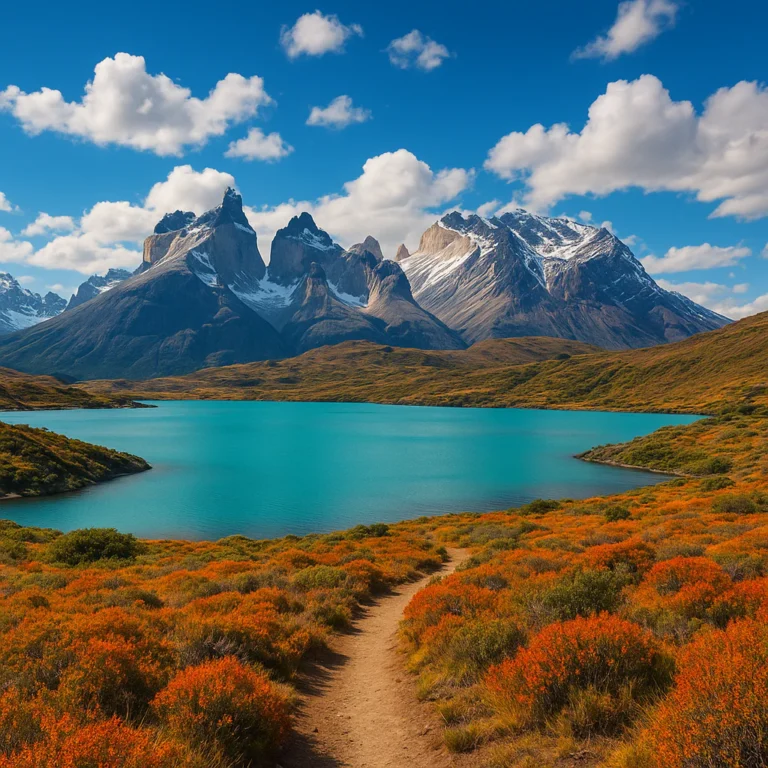
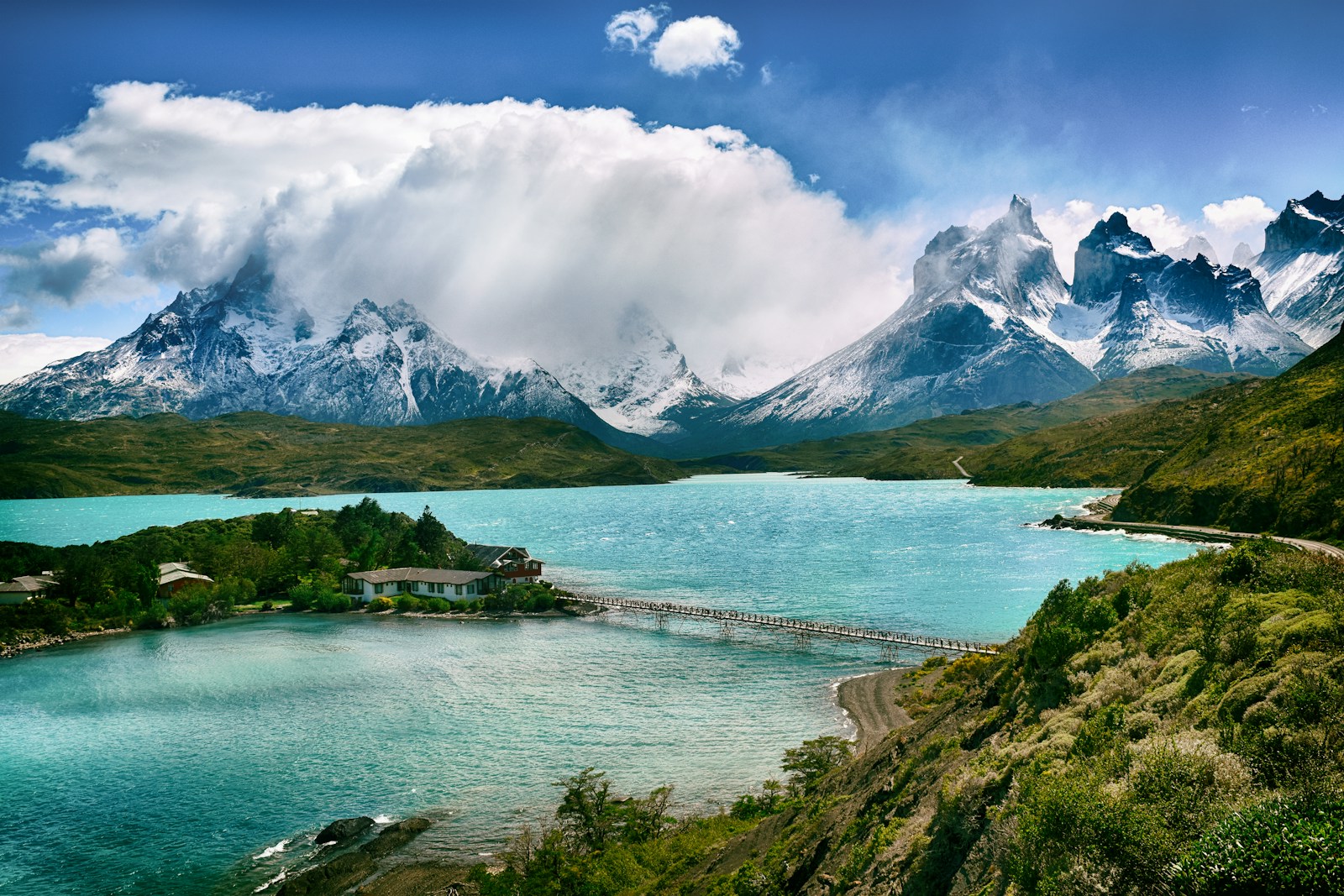
1. Torres del Paine National Park: The Crown Jewel of Patagonia
If you only visit one place in Chile, make it this one. The Tores del Paine (Grey Towers) are the granite spires that define the Patagonian skyline.
- The Hikes:
The W Trek: The classic 5-7 day route. It’s busy, yes, but the views of the Grey Glacier and French Valley are unmatched.
The Full Circuit (O): A 9-12 day loop that takes you around the entire park. It’s quieter and offers a “genuine adventure” feel. - Wildlife: Keep your eyes peeled for guanacos, Andean condors, and if you’re lucky, a puma.
- Logistics: Fly into Puerto Natales (via Santiago) or Punta Arenas. From there, take a bus to the park.
- Accomodation: For a mix of comfort and nature, Simple Patagonia in Puerto Natales offers underfloor heating and sunset views. For glamping inside the park, Ecocamp Patagonia is a top-tier choice.
👉 CHECK PRICE on:
- Simple Patagonia: Booking.com | Expedia
- Ecocamp Patagonia: Ecocamp Official | Booking.com
2. Chilean Tierra del Fuego: The End of the World Adventure
Located at the southernmost tip, this is where the land ends and the ocean begins. It’s cold, wild, and utterly magical.
- Highlights: Parque Pingüino Rey is home to a massive colony of King Penguins. The landscape is a mix of peat bogs, snow-dusted mountains, and sub-Antarctic forests.
- Activities: Hiking the Dientes de Navarino trail (for the brave) or taking a boat tour to see the Beagle Channel.
- Logistics: Fly to Punta Arenas, then take a ferry to Ushuaia (Argentina) or stay in Puerto Williams.
- Accomodation: Hostería Las Lengas offers cozy cabins on the shores of Lago Blanco.
3. The Chepu Valley, Chiloé: Myth, Mystery, and Wooden Churches
Chiloé Island is a world apart. The culture here is distinct, with legends of the Caleuche (a ghost ship) and a unique culinary tradition.
- The Chepu Valley: Famous for its submerged forests, a result of a massive earthquake in 1960 that dropped the land by 1.5 meters. Kayaking here at dawn is surreal.
- Culture: Don’t miss the 16 UNESCO wooden churches scattered across the island.
- Wildlife: Look for Southern river oters and the pudú, the world’s smallest deer.
- Logistics: Fly to Puerto Mont, then take a bus or ferry to Castro.
- Accomodation: Palafito Cucao Lodge offers traditional wooden-shingled design right over Lago Cucao.
👉 CHECK PRICE on:
- Palafito Cucao Lodge: Booking.com | Tripadvisor
4. The Caretera Austral: Northern Patagonia’s Road Less Traveled
This 1,240km stretch of road is the ultimate road trip. It’s mostly unpaved, winding through temperate rainforests, past hanging glaciers, and into remote villages.
- Highlights: Queulat Hanging Glacier, the Marble Caves (Capillas de Mármol) on General Carrera Lake, and the San Rafael Glacier.
- Transport: Rent a 4×4 (highly recommended) or take the Navimag Ferry from Puerto Mont to Coyhaique.
- Accomodation: Options vary from rustic hostels to luxury lodges like Puyuhuapi Lodge & Spa.
5. Puerto Varas: The German-Style Gateway to the Lakes Region
Known as the “City of Roses,” Puerto Varas is the perfect base for exploring the Lakes Region.
- Views: The town is dominated by the perfect cone of Volcán Osorno.
- Activities: Take the cable car up Osorno, hike to the Saltos de Petrohué waterfalls, or cruise Lago Todos Los Santos.
- Vibe: German architecture, chocolate shops, and a relaxed lakeside atmosphere.
- Accomodation: Compass del Sur is a great budget-friendly option with huge rooms.
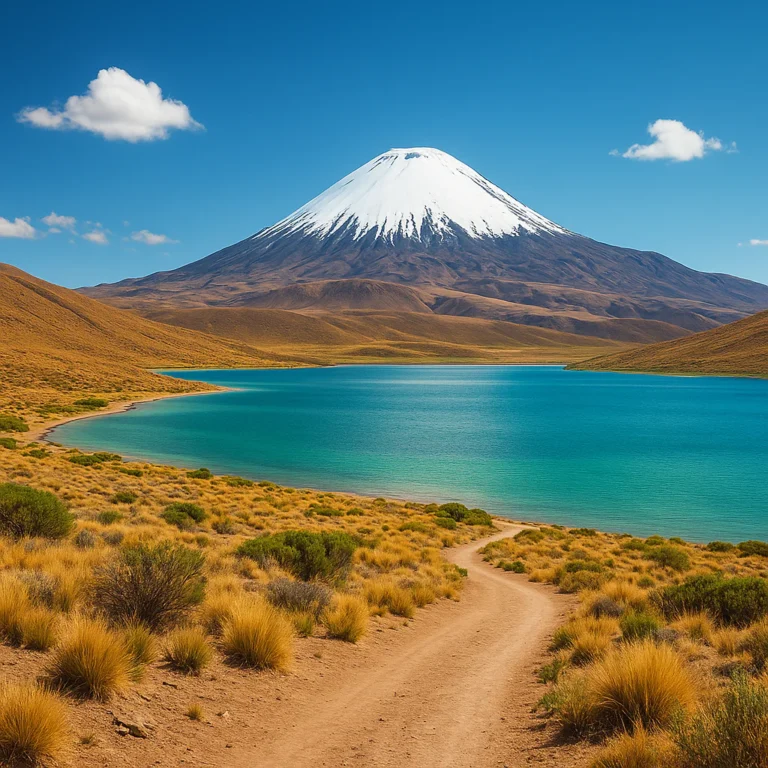
6. The Atacama Desert, Norte Grande: Earth’s Most Arid Wonder
The driest non-polar desert on Earth. It’s a landscape of salt flats, geysers, and stary skies that will make you feel like you’re on Mars.
- Highlights: El Tatio Geysers (visit at sunrise), Vale de la Luna (Moon Valley), and Piedras Rojas (red rocks).
- Stargazing: With an average of 20+ cloudless nights a year, this is the best place on Earth to look up.
- Base Town: San Pedro de Atacama.
- Accomodation: Ckuri Atacama is a boutique option with only 3 rooms, offering privacy and comfort.
👉 CHECK PRICE on:
- Ckuri Atacama: Booking.com | Expedia
7. Valdivia: The Rainy City of Rivers and Craft Beer
If you love rain, rivers, and beer, Valdivia is your spot. It’s the “Beer Capital” of Chile, thanks to its German heritage.
- Highlights: The sea lion colony at the fish market, the German-style breweries like Kunstmann, and the historic fortifications on Isla Mancera.
- Vibe: Lush, green, and slightly melancholic (in a good way).
- Logistics: Accessible by a 10-hour bus from Santiago or a short flight to Osorno followed by a bus.
- Accomodation: Airesbuenos Hostel offers a beautiful outdoor space and great breakfast.
8. Pucón: The Adrenaline Capital of the Lakes Region
For those who need a rush, Pucón is the place. It sits on the shores of Lago Villarrica with the active Volcán Villarrica looming overhead.
- Activities: Hike the volcano (seasonal), snow slide down the crater in spring, raft the Río Trancura, or soak in the geothermal hot springs.
- History: The volcano last erupted in 2015, spewing lava and ash.
- Accomodation: Rakau Lodge is a forest-surounded retreat perfect for post-hike relaxation.
9. Santiago de Chile: Urban Culture, Wine, and Andean Views
The capital city is often just a stopover, but it deserves more time. It’s a mix of modern skyscrapers, colonial history, and incredible food.
- Highlights: Cerro San Cristóbal for panoramic views, the Grand Torre Costanera (South America’s tallest building), and the Catedral Metropolitana.
- Day Trips: Take a tour to the Maipo Valley for wine tasting or Cajón del Maipo for Andean scenery.
- Accomodation: Eco-Hostal Tambo Verde is a budget gem with a great atmosphere.
10. Easter Island (Rapa Nui): The Enigmatic Moai Mystery
One of the most remote inhabited islands on Earth. The Moai statues are iconic, but the culture and history are even more fascinating.
- Highlights: Rano Raraku (where the statues were carved), Ahu Tongariki (the largest platform), and Anakena Beach.
- Logistics: A 5.5-hour flight from Santiago. Flights are limited, so book well in advance.
- Accomodation: Options range from budget hostels to luxury lodges like Hare Koro.
1. San Pedro de Atacama: Gateway to the High Desert
While we mentioned the Atacama earlier, San Pedro deserves its own spot as the hub for all things desert.
- Tours: Book a 3-Day Nature Tour Combo or a Stargazing Tour.
- Accomodation: Hostal Mamatierra is a budget favorite with a rich breakfast and lovely owners.
12. The Wine Valeys of Central Chile: Maipo, Colchagua, and Casablanca
Chile is a world-class wine producer. The valleys here are lush and green, a stark contrast to the desert.
- Maipo Valley: Famous for Cabernet Sauvignon. Visit Concha y Toro or Unduraga.
- Colchagua Valley: Known for Carmenère and Syrah.
- Casablanca Valley: The home of Chardonnay and Sauvignon Blanc.
- Activity: Book a Vineyard Tour with lunch included.
13. Valparaíso and Viña del Mar: Port Cities of Color and Surf
Just an hour from Santiago, these two cities offer a different vibe.
- Valparaíso: A UNESCO World Heritage Site with colorful houses, street art, and old-fashioned funiculars. Don’t miss Cerro Concepción and Cerro Alegre.
- Viña del Mar: The “Garden City,” known for its beaches, the Flower Clock, and the Valparaíso Surf scene.
- Accomodation: La Casa Piola in Valparaíso offers a lovely rooftop terrace.
14. The Juan Fernández Archipelago: Robinson Crusoe’s Real Island
Inspired by Daniel Defoe’s novel, this remote archipelago is a nature lover’s paradise.
- Highlights: Robinson Crusoe Island, unique wildlife like the Juan Fernández Firecrown (a hummingbird found nowhere else), and pristine hiking trails.
- Logistics: Accessible only by a 2.5-hour flight from Santiago.
15. The Aysén Region: Glaciers, Fjords, and Untamed Wilderness
If you want to escape the crowds, head to Aysén. This is the heart of the Caretera Austral.
- Highlights: Patagonia National Park (created by Douglas Tompkins), the Balmaceda Glacier, and the Serrano Glacier.
- Activities: Boat tours, treking, and wildlife spotting.
- Accomodation: Kalfu Patagonia offers modern apartments with great atmosphere.
🎒 How to Plan Your Chile Itinerary: Seasonal Breakdown and Logistics
Planning a trip to Chile can feel like solving a puzzle. The country is so long that the seasons are opposite in the north and south.
- Summer (Dec–Feb): Best for Patagonia and the Lakes Region. Warm days, long nights, but crowded.
- Shoulder Season (Oct–Nov, Mar–Apr): Ideal for Atacama and Tores del Paine. Fewer crowds, cooler temps, and stunning colors.
- Winter (Jun–Aug): Perfect for Sking in the Andes and visiting Easter Island. Some parks in Patagonia may have limited access.
Logistics Tips:
- Flights: Use LATAM or Sky Airline for domestic flights. Book early for Easter Island and Patagonia.
- Buses: Buses Pullman Bus and Buses Buses are reliable for long-distance travel.
- Car Rentals: Essential for the Caretera Austral. Book a 4×4 in advance.
🍷 Culinary Adventures: From Seafood to Pisco Sour
You can’t leave Chile without trying the food. It’s a fusion of Spanish, indigenous, and immigrant influences.
- Pisco Sour: The national cocktail. Made with Pisco (grape brandy), lime juice, and egg white.
- Empanadas: Baked pastries filled with beef, cheese, or seafood.
- Seafood: Centolla (king crab) in the south, Pulpo (octopus) in the north.
- Wine: Try a glass of Carmenère, Chile’s signature grape.
Where to Eat:
- Santiago: Boragó (fine dining), Mercado Central (seafood).
- Valparaíso: La Perla (seafood).
- San Pedro de Atacama: Maná (local ingredients).
🏨 Where to Stay: Top Accomodations Across Chile’s Regions
From luxury lodges to budget hostels, Chile has it all.
- Luxury: Explora Patagonia, The Singular Patagonia, Chelenko Lodge.
- Mid-Range: Hotel Cumbres Puerto Varas, Hotel Winebox (Valparaíso).
- Budget: Hostal Mamatierra, Eco-Hostal Tambo Verde, Hostería Futaleufu.
👉 CHECK PRICE on:
- Explora Patagonia: Booking.com | Expedia
- Hostal Mamatierra: Booking.com | Tripadvisor
🚗 Getting Around: Flights, Buses, and Car Rentals in Chile
Chile is vast, so transportation is key.
- Flights: LATAM and Sky Airline connect major cities.
- Buses: The bus network is extensive and comfortable. Buses Pullman Bus is a top choice.
- Car Rentals: RentalCars.com is great for finding 4x4s. Remember, driving on the Caretera Austral requires caution due to unpaved roads.
💰 Budgeting for Your Trip: Costs, Tips, and Money-Saving Hacks
Chile can be expensive, but it doesn’t have to break the bank.
- Accomodation: Hostels start at $15-20 USD. Luxury lodges can be $30+ USD.
- Food: Street food and local markets are affordable. Fine dining is pricey.
- Tours: Book in advance for discounts.
- Money-Saving Tips:
- Travel in the shoulder season.
- Use public buses instead of flights.
- Cook your own meals if staying in hostels with kitchens.
🛡️ Safety and Travel Tips: What You Need to Know Before You Go
Chile is generally safe, but like any destination, you need to be aware.
- Pety Theft: Be careful in crowded areas like Santiago and Valparaíso.
- Altitude: In the Atacama, aclimatize slowly to avoid altitude sickness.
- Weather: The weather in Patagonia can change in minutes. Pack layers!
- Water: Tap water is safe in most cities, but bottled water is recommended in remote areas.
📅 Get Your Free 10 & 14-Day Chile Itineraries
Ready to start planning? We’ve created detailed itineraries to help you make the most of your trip.
- 10-Day Itinerary: Focuses on Santiago, Valparaíso, and Atacama.
- 14-Day Itinerary: Covers Santiago, Atacama, Tores del Paine, and Tierra del Fuego.
Download your free guide now and start your adventure!
🏁 Conclusion

Chile is a land of contrasts, where the driest desert meets the wetest rainforests, and where ancient cultures coexist with modern adventure. Whether you’re hiking the Tores del Paine, stargazing in the Atacama, or exploring the Moai of Easter Island, Chile offers an unforgettable experience.
We’ve covered everything from the top attractions to the logistics of getting around. But remember, the best part of traveling is the unexpected. So, pack your bags, leave your worries behind, and let Chile surprise you.
Final Recommendation: If you’re short on time, focus on one or two regions. Don’t try to do it all in one trip. Chile is a marathon, not a sprint.
🔗 Recommended Links
- Books: Chile: A Traveler’s Literary Companion
- Gear: Patagonia Clothing | Osprey Backpacks
- Tours: G Adventures Chile Tours | Intrepid Travel Chile
❓ FAQ: Frequently Asked Questions About Chile Tourism

Are there any hidden gems or lesser-known attractions in Chile worth visiting?
Absolutely! While Tores del Paine is famous, Tortel (a village built on stilts) and the Juan Fernández Archipelago offer unique, less crowded experiences. The Marble Caves on General Carrera Lake are also a hidden gem accessible only by boat.
What unique wildlife can tourists see in Chile?
Chile is home to pumas, guanacos, Andean condors, King Penguins, and the rare Southern river oter. In the north, you can spot flamingos in high-altitude lagons.
Read more about “🇨🇱 2026 Guide: 20 Best Spots for Lapis Lazuli Shopping in Santiago”
How can travelers explore Chile’s famous Atacama Desert?
The best way is to base yourself in San Pedro de Atacama and take guided tours to El Tatio Geysers, Vale de la Luna, and Piedras Rojas. Stargazing tours are a must-do.
Read more about “🌋 Laguna Roja Chile Travel: The Red Lagoon You Can’t Miss (2026)”
When is the best time to visit Chile for sightseeing and adventure?
For Patagonia, visit between December and March. For the Atacama, October to April is ideal. Santiago is great year-round, but winter brings snow to the Andes.
What outdoor activities can tourists enjoy in Chile’s national parks?
Hiking, treking, kayaking, rafting, and wildlife spotting are popular. In Tores del Paine, the W Trek and O Circuit are world-famous. In Pucón, you can hike an active volcano.
Are there any scenic wine regions to visit in Chile, and what vineyards are recommended?
Yes! The Maipo Valley (Concha y Toro), Colchagua Valley (Santa Rita), and Casablanca Valley (Verdeca) are top choices. Book a tour with lunch included for the full experience.
What are the best ways to experience the natural beauty of Patagonia in Chile?
Hiking the W Trek or O Circuit in Tores del Paine, taking a boat tour to see the Grey Glacier, and exploring the Caretera Austral are the best ways.
Read more about “🇨🇱 15 Best Places to Visit in Chile (2026)”
Can I visit Easter Island as part of a Chile tourist attractions tour?
Yes, but it requires a separate flight from Santiago. Many tour operators offer packages that include Easter Island as part of a longer Chile itinerary.
What are the top destinations for hiking and treking in Chile?
Tores del Paine, Cerro Castillo, Conguillío National Park, and Dientes de Navarino are top choices for serious hikers.
Read more about “🌋 12 Best Outdoor Adventures in Chile to Experience (2026)”
Are there any unique cultural experiences to explore in Chile?
Visit the wooden churches of Chiloé, explore the street art of Valparaíso, and learn about the Mapuche culture in the south.
Read more about “🇨🇱 15 Safety Tips for Solo Female Travel Chile (2026)”
What is the best time to visit Chile for sightseeing and outdoor activities?
See the “When is the best time” section above for a detailed breakdown by region.
What are the most popular tourist attractions in Chile?
Tores del Paine, Atacama Desert, Easter Island, Valparaíso, and Santiago are the most popular.
Read more about “🇨🇱 50 Unforgettable Things to Do in Chile (2026 Guide)”
📚 Reference Links
- Chile Tourism Official Website
- CONAF (National Forestry Corporation)
- World Travel Awards: Chile Adventure Tourism
- Back-Packer.org: The 20 Best Places to Visit in Chile
- Worldly Adventurer: Places to Visit in Chile
- LATAM Airlines
- Sky Airline
- RentalCars.com
- Booking.com
- Expedia
- Tripadvisor
- G Adventures
- Intrepid Travel
- Patagonia Clothing
- Osprey Backpacks