Support our educational content for free when you purchase through links on our site. Learn more
Weather in Chile by Month: Your 12-Month Climate Guide 🌦️ (2025)

Ever wondered how Chile manages to be a sun-soaked desert, a Mediterranean paradise, and a wind-whipped wilderness all in one? Spoiler alert: it’s all about geography, altitude, and latitude dancing together in a climatic symphony! During our travels with Chile Vacay™, we’ve witnessed scorching desert days turn into freezing nights, and Patagonia’s fierce winds shift to serene, sunny afternoons—all sometimes within hours. Curious how the weather changes month by month across this slender yet diverse country? Stick around, because we’re unpacking the secrets behind Chile’s weather calendar, revealing the best times to visit each region, and sharing insider tips to help you pack smart and plan your ultimate Chilean adventure.
Whether you’re chasing the summer sun on the northern beaches, hunting for perfect ski powder in the Andes, or trekking the wild trails of Patagonia, understanding Chile’s weather by month is your ticket to an unforgettable trip. Ready to decode Chile’s climatic kaleidoscope? Let’s dive in!
Key Takeaways
- Chile’s weather varies dramatically by region and month due to its extraordinary length and geography, from the arid Atacama Desert in the north to the glacial south of Patagonia.
- Summer (December to February) is peak season for most activities, offering warm temperatures in central and northern Chile and the best trekking conditions in Patagonia.
- Winter months (June to August) bring snow and skiing opportunities in the Andes, while the south experiences cold, wet, and windy conditions.
- Layering your clothing is essential to adapt to rapid temperature changes, especially in desert and mountainous areas.
- Use trusted local weather resources like the Dirección Meteorológica de Chile and Windy.com for accurate, region-specific forecasts.
- Prepare for extreme weather events such as Patagonian winds, desert sandstorms, and seasonal floods by packing appropriate gear and staying informed.
👉 CHECK PRICE on:
- Patagonia Torrentshell 3L Jacket: Amazon | Patagonia Official Website
- Merrell Moab 3 Mid Waterproof Hiking Boots: Amazon | Merrell Official Website
- Smartwool Merino Base Layers: Amazon | Smartwool Official Website
Table of Contents
- ⚡️ Quick Tips and Facts for Chile’s Climate
- Understanding Chile’s Diverse Climates: A Geographical Dive
- Unpacking Chile’s Climate Zones: From Arid Deserts to Glacial South
- Chile Weather by Month: Your Year-Round Guide 🗓️
- January: Peak Summer Sunshine & Coastal Breezes ☀️
- February: Still Sizzling! Ideal for Patagonia & Beaches 🔥
- March: Autumn’s Gentle Arrival & Harvest Season 🍂
- April: Golden Hues, Cooler Breezes & Wine Country Charm 🌬️
- May: Winter’s Whisper & Andean Snowfall Begins 🌧️
- June: Snowy Peaks, Cozy Firesides & Ski Season Kicks Off ❄️
- July: Mid-Winter Magic & Prime Skiing Conditions 🌨️
- August: Spring’s First Signs & Melting Snows 🌱
- September: Fiestas Patrias, Blossoms & Warmer Days 🌸
- October: Perfect Spring Days for Exploring & Trekking 🌼
- November: Pre-Summer Warm-Up & Outdoor Adventures 🌡️
- December: Summer Kicks Off & Holiday Vibes 🏖️
- Regional Weather Deep Dive: What to Expect Across Chile’s Vast Landscape
- Northern Charms: Antofagasta’s Desert Climate & Coastal Breezes 🏜️
- Iquique’s Eternal Spring: Coastal Desert Weather Unveiled 🌊
- Rapa Nui’s Tropical Embrace: Weather on Easter Island 🌺
- Santiago’s Seasons: Central Valley Climate & Andean Influences 🏙️
- Valparaíso’s Coastal Vibe: Mediterranean Climate by the Pacific 🎨
- Gateway to Patagonia: Puerto Montt’s Temperate Rainforest Climate ☔
- Southernmost Secrets: Punta Arenas and the Patagonian Winds 🌬️
- Beyond the Cities: Atacama’s Extremes, Lakes District’s Lushness, & Patagonia’s Wildness 🏞️
- Planning Your Chilean Adventure: Best Times to Visit by Activity 🗺️
- Trekking & Hiking in Patagonia: When to Hit the Trails 🚶♀️
- Skiing & Snowboarding in the Andes: Powder Perfect Months ⛷️
- Beach Bliss & Coastal Escapes: Sun-Soaked Seasons 🏖️
- Wine Tasting in the Central Valley: Vineyard Visits by Season 🍷
- Stargazing in the Atacama Desert: Clear Skies & Cosmic Wonders ✨
- Wildlife Spotting & Nature Photography: Best Chances for Encounters 📸
- Packing Smart for Chile’s Varied Weather: Your Essential Checklist 🎒
- Navigating Chile’s Extreme Weather Events: Tips for Travelers ⚠️
- Climate Change in Chile: Understanding the Long-Term Outlook 🌍
- Decoding Chilean Weather Forecasts: Apps & Resources for Travelers 📱
- Conclusion: Your Perfect Chilean Weather Companion ✅
- Recommended Links: Further Reading & Resources 🔗
- FAQ: Your Top Chile Weather Questions Answered ❓
- Reference Links: Our Sources & Data 📚
⚡️ Quick Tips and Facts for Chile’s Climate
Alright, fellow adventurers, let’s talk about the weather in Chile! If you’re dreaming of a Chilean escapade, you’ve probably heard whispers about its incredible diversity. But what does that really mean for your packing list and itinerary? Well, buckle up, because Chile’s weather isn’t just diverse; it’s a whole geographical rollercoaster! From the bone-dry Atacama Desert in the north to the icy fjords of Patagonia in the south, this skinny country packs a climatic punch.
Our team at Chile Vacay™ has trekked, surfed, skied, and sipped wine across this magnificent land, and we can tell you one thing for sure: preparation is key. You wouldn’t wear a parka to the beach, right? (Unless you’re in Punta Arenas in summer, but we’ll get to that!). Understanding Chile’s climate zones and monthly variations is your secret weapon for an unforgettable trip. In fact, if you’re wondering when to even start planning, we’ve got a whole guide on What are the best times to visit Chile for a vacation? that pairs perfectly with this deep dive!
Here are some quick facts to get your head in the game:
- Extreme Length, Extreme Diversity: Chile stretches over 2,700 miles (4,300 km) from north to south, crossing numerous latitudes and altitudes. This geographical marvel is the primary reason for its wildly varying climates, as noted by Savacations.com: “Chile stretches 2,700 miles, resulting in varied climates from the driest desert to freezing southern regions.”
- Opposite Seasons: Remember, Chile is in the Southern Hemisphere! So, when it’s winter in North America and Europe, it’s summer here, and vice-versa. December to February is summer, June to August is winter.
- Three Main Zones: Generally, Chile can be divided into three distinct climate zones:
- North: Arid desert climate (think Atacama).
- Central: Mediterranean climate (think Santiago, Valparaíso).
- South: Oceanic, subpolar, and even alpine climates (think Lake District, Patagonia).
- Layering is Your Best Friend: Seriously, we can’t stress this enough. Even within a single day, temperatures can swing dramatically, especially in the desert or mountainous regions.
- Wind is a Factor: Especially in Patagonia, the wind can be fierce, adding a significant chill factor even on milder days. Savacations.com warns that in the Magellanes (Southern Region), “Summer: Fierce winds, up to 75 mph.”
- Rainfall Varies Wildly: The Atacama Desert might see rain once a decade, while the Lake District is known for its lush, rainy landscapes.
Ready to peel back the layers (pun intended!) and dive deeper into the fascinating world of Chilean weather? Let’s go!
Understanding Chile’s Diverse Climates: A Geographical Dive
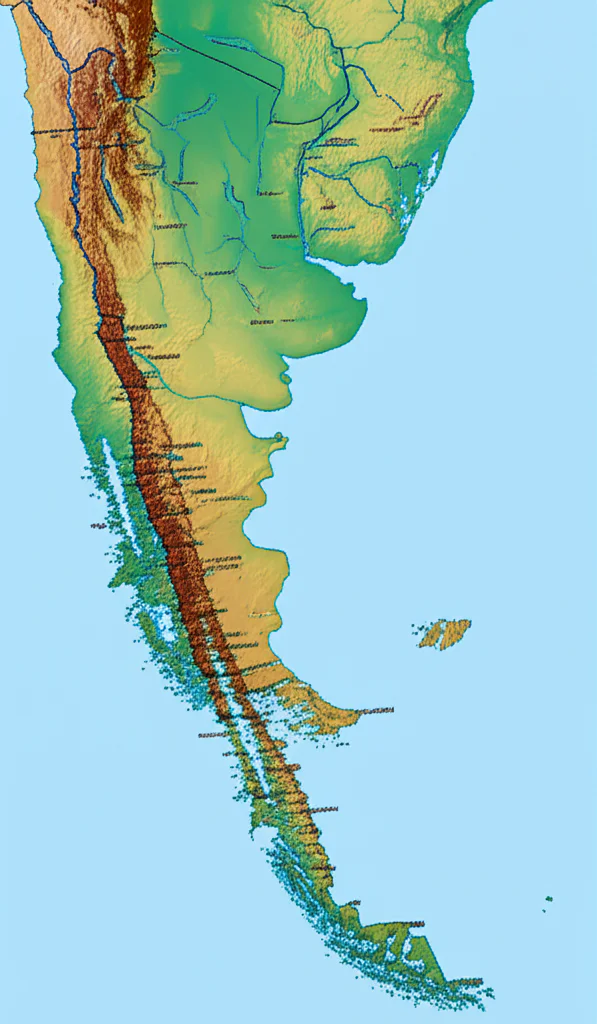
Imagine a country so long and skinny it feels like it’s been stretched on a giant taffy puller. That’s Chile for you! This unique geographical shape, coupled with some major natural features, is the secret sauce behind its mind-boggling climatic diversity. It’s not just a little bit different from north to south; it’s like visiting several different countries all rolled into one.
So, what are these geographical heavyweights influencing Chile’s climate?
The Andes Mountains: A Towering Barrier 🏔️
To the east, Chile is hugged by the majestic Andes Mountains, the longest continental mountain range in the world. These colossal peaks act like a massive wall, blocking moisture from the Atlantic Ocean and creating a significant rain shadow effect. This is why the Atacama Desert, nestled between the Andes and the Pacific, is so incredibly dry. The Andes also dictate temperature, with higher altitudes experiencing much colder temperatures and heavy snowfall, even when it’s warm at sea level. Think of it as Chile’s natural air conditioner and snow machine!
The Pacific Ocean: A Cooling Influence 🌊
To the west, the Pacific Ocean stretches endlessly, bringing with it the cold Humboldt Current. This current, flowing northwards along the coast, has a profound cooling effect, especially on coastal areas. It helps create the characteristic coastal fog (known as camanchaca) in the northern desert regions, and keeps temperatures moderate along much of the central coast. It’s why even in summer, a beach day in Valparaíso might feel different from one further inland.
Latitudinal Stretch: From Tropics to Antarctica 📏
And then there’s the sheer latitudinal span. Chile extends from just below the Tropic of Capricorn (around 17°S) all the way down to almost the Antarctic Circle (around 56°S). That’s a journey through deserts, Mediterranean zones, temperate rainforests, alpine tundras, and even subpolar oceanic climates. It’s like driving from Mexico to Alaska, all within one country’s borders! This incredible stretch means that while one part of Chile is basking in summer sun, another might be covered in snow, and yet another experiencing a mild, damp spring.
This geographical cocktail means that “Chile’s weather by month varies dramatically across the country’s diverse regions,” as Adventure-Life.com aptly puts it. Understanding these fundamental influences is the first step to becoming a Chilean weather wizard!
Unpacking Chile’s Climate Zones: From Arid Deserts to Glacial South
Alright, now that we’ve got the geographical lowdown, let’s break down Chile into its distinct climate zones. This isn’t just academic; it’s crucial for knowing what to pack and what to expect on your Chilean adventure!
1. The Arid North: Atacama Desert & Beyond 🏜️
This is where Chile kicks off, stretching from the Peruvian border down to about Copiapó. This region is dominated by the Atacama Desert, famously known as the driest non-polar desert on Earth. Seriously, some parts haven’t seen significant rainfall in centuries!
- Characteristics: Extremely dry, high solar radiation, and significant diurnal (day-night) temperature swings. Days can be hot and sunny, while nights plummet.
- Key Fact: “The driest place on Earth,” states Savacations.com, noting average daytime temperatures around 75°F (24°C) but nights dipping to the low 30s°F (around 0°C). Adventure-Life.com also emphasizes the “extreme temperature variations between day and night.”
- What to Expect: Clear skies perfect for stargazing (especially June-August, as Adventure-Life.com points out), but also potential for dust storms. Coastal areas like Iquique and Antofagasta are slightly milder due to the Pacific influence, often experiencing coastal fog.
2. The Mediterranean Central Zone: Santiago & Wine Valleys 🍇
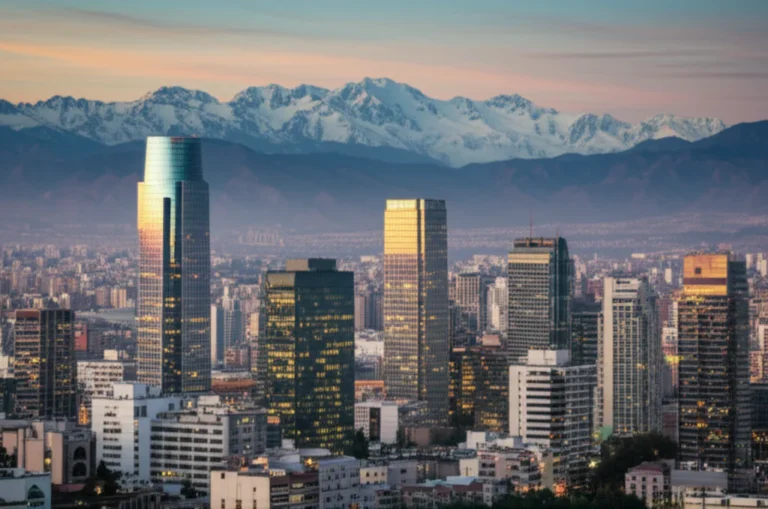
Moving south from Copiapó to around Concepción, you enter Chile’s Mediterranean climate zone. This is where the majority of Chile’s population lives, including the capital, Santiago, and its famous wine regions.
- Characteristics: Distinct seasons. Hot, dry summers (December to February) and mild, wet winters (May to August).
- Key Fact: Adventure-Life.com describes Santiago as having a Mediterranean climate, with “maximum temperatures average 82°F (28°C) in January, 50°F (10°C) in July.” Timeanddate.com provides even more granular data for Santiago, showing January highs of 88°F (31°C) and July lows of 36°F (2°C).
- What to Expect: Lush green landscapes in spring, golden hues in autumn, and vibrant city life year-round. Summers are ideal for outdoor activities and vineyard tours, while winters bring a cozy, sometimes rainy, charm.
3. The Temperate South: Lake District & Patagonia 🌧️❄️
South of Concepción, the climate transitions dramatically, becoming cooler and much wetter. This vast region encompasses the beautiful Lake District and the wild, untamed Patagonia.
- Characteristics:
- Lake District: Temperate oceanic climate, similar to the Pacific Northwest of the USA, as Adventure-Life.com notes. Expect lush forests, frequent rainfall, and cooler temperatures year-round. Summers are pleasant but still prone to rain, while winters are cold and damp with significant snowfall in the Andes.
- Patagonia: Subpolar oceanic climate, characterized by strong westerly winds, unpredictable weather, and significant temperature variations even within a day. It gets progressively colder and windier as you head further south.
- Key Fact: Savacations.com highlights the “fierce winds, up to 75 mph” in Patagonian summers, while winters are “calmer, but much colder with frequent snowfall.” Adventure-Life.com adds that Patagonian summer temperatures average 52°F (11°C) and to “expect dampness and wind chill.”
- What to Expect: Stunning natural beauty, from volcanoes and lakes to glaciers and fjords. Be prepared for all four seasons in one day, especially in Patagonia! Layering is non-negotiable here.
As you can see, Chile isn’t just a country; it’s a climatic kaleidoscope. Now that you have the big picture, let’s zoom in on what each month brings to these incredible regions!
Chile Weather by Month: Your Year-Round Guide 🗓️
Planning your trip to Chile means understanding the rhythm of its seasons. Because of its incredible length, “Chile’s weather by month varies dramatically across the country’s diverse regions,” as Adventure-Life.com perfectly summarizes. What’s perfect beach weather in the north might be prime skiing conditions in the central mountains, or a blustery day in the south! Let’s break down what you can expect month by month, from the scorching summer sun to the crisp winter chill.
January: Peak Summer Sunshine & Coastal Breezes ☀️
- Northern Chile (Atacama, Iquique, Antofagasta): Expect hot, dry days in the desert, with average highs around 75-88°F (24-31°C) in the Atacama, though coastal areas are milder. Nights can still be cool. It’s the peak of summer, so expect clear skies, perfect for stargazing.
- Central Chile (Santiago, Valparaíso): This is prime summer! Santiago sees average highs around 88°F (31°C), as per timeanddate.com, with low humidity and plenty of sunshine. Coastal cities like Valparaíso are slightly cooler and breezier, making them popular escapes.
- Southern Chile (Lake District, Patagonia): This is the best time to visit Patagonia! Temperatures are at their warmest (though still mild, averaging 52-61°F / 11-16°C in Patagonia), and daylight hours are incredibly long. While still prone to wind and occasional rain, conditions are generally the most favorable for trekking.
- Our Take: January is fantastic for almost any activity, from beach hopping in Viña del Mar to epic treks in Torres del Paine. Just remember the desert nights are chilly!
February: Still Sizzling! Ideal for Patagonia & Beaches 🔥
- Northern Chile: Continues to be hot and dry. Perfect for exploring the desert landscapes, though be mindful of the intense sun.
- Central Chile: Still very much summer, with Santiago highs around 87°F (31°C), according to timeanddate.com. Many locals head to the coast, so expect bustling beaches.
- Southern Chile: Remains an excellent month for Patagonia and the Lake District. The long daylight hours and relatively mild temperatures continue, though winds can still be strong.
- Our Take: February is essentially a continuation of January’s summer bliss. If you missed out on January, this is your second chance for peak summer adventures. Just like January, it’s a fantastic time for Adventure Travel across the country.
March: Autumn’s Gentle Arrival & Harvest Season 🍂
- Northern Chile: Still warm and dry, but the intense summer heat begins to mellow slightly.
- Central Chile: Autumn begins to creep in. Temperatures in Santiago start to cool, with highs around 84°F (29°C) (timeanddate.com). This is harvest season in the wine valleys, making it a fantastic time for vineyard tours.
- Southern Chile: The tail end of the Patagonian summer. While still good for hiking, temperatures begin to drop, and the weather becomes more unpredictable. Fewer crowds, which is a bonus!
- Our Take: March is a personal favorite for the Central Valley, especially for wine lovers. The weather is pleasant, and the vineyards are buzzing. It’s also a great shoulder season for Patagonia if you prefer fewer people.
April: Golden Hues, Cooler Breezes & Wine Country Charm 🌬️
- Northern Chile: Pleasant and warm during the day, with cooler nights. Ideal for exploring without the peak summer intensity.
- Central Chile: Full-blown autumn. Santiago sees highs around 77°F (25°C) (timeanddate.com). The leaves turn golden, and the air is crisp. It’s beautiful for city exploration and continued wine tours.
- Southern Chile: Temperatures continue to drop, and many Patagonian trails and services begin to close for the winter. It can be quite cold and wet.
- Our Take: April is gorgeous in the Central Valley. The colors are stunning, and the weather is perfect for walking around Santiago or enjoying a leisurely day in a vineyard. Patagonia is a definite ❌ unless you’re seeking a very rugged, off-season experience.
May: Winter’s Whisper & Andean Snowfall Begins 🌧️
- Northern Chile: Still mild and pleasant during the day, but nights are distinctly cool.
- Central Chile: Winter officially arrives. Santiago experiences average highs of 68°F (20°C) and sees a significant increase in rainfall (1.25 inches on average, timeanddate.com). The Andes begin to get their first serious snowfall.
- Southern Chile: Cold, wet, and windy. Many Patagonian national parks and services are closed or have limited access.
- Our Take: May is when Chile starts to feel distinctly wintery, especially in the central and southern regions. If you’re heading to Santiago, pack layers and a good umbrella!
June: Mid-Winter Magic & Prime Skiing Conditions ❄️
- Northern Chile: Mild days, cold nights. Still very dry.
- Central Chile: Peak winter. Santiago is cool, with average highs around 62°F (17°C) and is the wettest month, averaging 2.36 inches of rain (timeanddate.com). This is when the ski resorts in the Andes (like Valle Nevado and Portillo) typically open, offering fantastic powder.
- Southern Chile: Cold, very wet, and often snowy, especially inland. This is the quietest time for Patagonia.
- Our Take: June is all about skiing and snowboarding in the Andes! If you’re a winter sports enthusiast, this is your month. For other regions, it’s a cozy time for city breaks or desert exploration.
July: Mid-Winter Magic & Prime Skiing Conditions 🌨️
- Northern Chile: Similar to June, mild days and cold nights.
- Central Chile: The coldest month for Santiago, with average highs around 62°F (17°C) and lows dipping to 36°F (2°C) (timeanddate.com). Still excellent for skiing, often with the best snow base.
- Southern Chile: Continues to be cold, wet, and often snowy.
- Our Take: July is prime time for hitting the slopes! We’ve had some incredible powder days at Valle Nevado in July. Just remember that city life in Santiago will be cooler and potentially rainy.
August: Spring’s First Signs & Melting Snows 🌱
- Northern Chile: Days start to warm up noticeably, though nights remain cool.
- Central Chile: Still wintery, but you can feel spring in the air. Santiago highs average 65°F (18°C) (timeanddate.com). Ski season is still in full swing, but the snow might start to get heavier towards the end of the month.
- Southern Chile: Still cold and wet, but signs of spring emerge. Some Patagonian areas might start to become accessible towards the end of the month.
- Our Take: August is a transitional month. Good for late-season skiing or getting a head start on spring exploration in the north.
September: Fiestas Patrias, Blossoms & Warmer Days 🌸
- Northern Chile: Pleasant and warm, with comfortable nights.
- Central Chile: Spring has officially sprung! Santiago highs average 69°F (21°C) (timeanddate.com). This is a vibrant month, celebrating Fiestas Patrias (Independence Day) on September 18th, with barbecues and traditional dances. Flowers bloom, and the air is fresh.
- Southern Chile: Still chilly and potentially wet, but conditions are improving. Some hiking trails in Patagonia might start to open.
- Our Take: September is a fantastic time to visit Central Chile for the cultural festivities and beautiful spring weather. It’s also a shoulder season for Patagonia, offering fewer crowds if you’re willing to brave cooler temps.
October: Perfect Spring Days for Exploring & Trekking 🌼
- Northern Chile: Warm and sunny, ideal for desert excursions.
- Central Chile: Beautiful spring weather. Santiago highs average 75°F (24°C) (timeanddate.com). Perfect for exploring cities, national parks, and vineyards.
- Southern Chile: Conditions continue to improve for trekking in Patagonia and the Lake District. Many services begin to fully open. Still cool, but much more manageable.
- Our Take: October is one of our favorite months for overall travel in Chile. The weather is generally pleasant across most regions, and it’s a great shoulder season before the peak summer crowds.
November: Pre-Summer Warm-Up & Outdoor Adventures 🌡️
- Northern Chile: Getting warmer, with plenty of sunshine.
- Central Chile: Summer is just around the corner! Santiago highs average 81°F (27°C) (timeanddate.com). Excellent for all outdoor activities.
- Southern Chile: Patagonia and the Lake District are now fully open and welcoming hikers. Temperatures are mild, and daylight hours are long. This is the start of the peak season.
- Our Take: November is an excellent month to visit Chile, especially if you want to experience Patagonia before the absolute peak crowds of December and January. The weather is generally fantastic nationwide.
December: Summer Kicks Off & Holiday Vibes 🏖️
- Northern Chile: Hot and dry, classic desert summer.
- Central Chile: Summer is in full swing! Santiago highs average 85°F (29°C) (timeanddate.com). Perfect for beaches, city exploration, and vineyard visits.
- Southern Chile: Peak season for Patagonia and the Lake District. Longest daylight hours, relatively mild temperatures, but expect more crowds and higher prices.
- Our Take: December is a bustling, vibrant month. If you’re heading south, book your accommodations and tours well in advance! It’s a fantastic time for Destinations across the country.
As you can see, Chile offers a different flavor for every month. The key is to align your travel goals with the regional weather patterns. Next up, let’s dive even deeper into what to expect in specific, popular Chilean destinations!
Regional Weather Deep Dive: What to Expect Across Chile’s Vast Landscape
Chile’s sheer length means that talking about “Chile weather” as a single entity is like trying to describe an elephant by only touching its trunk. Each region, from the parched north to the icy south, has its own distinct personality when it comes to climate. Let’s zoom in on some of Chile’s most iconic destinations and break down their unique weather patterns.
Northern Charms: Antofagasta’s Desert Climate & Coastal Breezes 🏜️
Antofagasta, a major port city in the north, sits right on the edge of the Atacama Desert but benefits from its coastal location.
- Climate Type: Arid Coastal Desert. It’s dry, but the ocean moderates temperatures, preventing the extreme heat found further inland.
- What to Expect:
- Temperatures: Generally mild year-round. Savacations.com’s data, sourced from Weatherbase, indicates average highs typically range from 68°F (20°C) in winter to 77°F (25°C) in summer. Nights are cooler but rarely drop below 50°F (10°C).
- Rainfall: Extremely low. Antofagasta is one of the driest cities in the world. You’ll rarely see rain here.
- Humidity/Fog: Coastal fog (camanchaca) is common, especially in the mornings, which helps to sustain some unique desert flora.
- Best Time to Visit: Year-round! The weather is consistently pleasant. Summer (Dec-Feb) is warmest for beach activities, while winter (Jun-Aug) offers slightly cooler, very comfortable days for exploring.
- Our Take: We love Antofagasta for its consistent, pleasant weather. It’s a great base for exploring the desert’s wonders without the intense heat of inland Atacama. Just remember the sun is strong, so sunscreen is a must!
Iquique’s Eternal Spring: Coastal Desert Weather Unveiled 🌊
Further north, Iquique is another coastal gem known for its pleasant climate, often described as an “eternal spring.”
- Climate Type: Arid Coastal Desert, similar to Antofagasta but perhaps even milder.
- What to Expect:
- Temperatures: Very stable and comfortable. Savacations.com data shows average highs hovering between 70°F (21°C) in winter and 79°F (26°C) in summer. Lows rarely dip below 60°F (15°C).
- Rainfall: Virtually non-existent.
- Humidity/Fog: Also experiences camanchaca, which can burn off by midday.
- Best Time to Visit: Any time! Iquique is a year-round destination for beach lovers, paragliders, and desert explorers.
- Our Take: Iquique truly lives up to its “eternal spring” reputation. It’s perfect if you’re looking for consistent, warm, dry weather without the extremes. Ideal for a relaxing beach vacation or trying out some thrilling Adventure Travel like paragliding over the dunes.
Rapa Nui’s Tropical Embrace: Weather on Easter Island 🌺
Far out in the Pacific, Easter Island (Rapa Nui) has a distinct subtropical climate, very different from mainland Chile.
- Climate Type: Humid Subtropical.
- What to Expect:
- Temperatures: Warm and humid year-round. Adventure-Life.com states “Hottest months: January and February (83°F/28°C average). Coolest months: July and August (72°F/22°C average).” Savacations.com data aligns, showing highs from 72°F (22°C) to 82°F (28°C).
- Rainfall: Can occur throughout the year, but May is typically the wettest month, as noted by Adventure-Life.com. Showers are often brief.
- Humidity: High, which can make it feel warmer than the thermometer indicates.
- Best Time to Visit: The shoulder seasons (April-May and October-November) offer pleasant temperatures with fewer crowds. Peak summer (Jan-Feb) is popular but hotter and more humid.
- Our Take: Easter Island’s weather is generally lovely, but be prepared for humidity and occasional rain showers. We always recommend packing light, breathable clothing and a rain jacket, just in case!
Santiago’s Seasons: Central Valley Climate & Andean Influences 🏙️
Santiago, the bustling capital, is nestled in the Central Valley, experiencing a classic Mediterranean climate.
- Climate Type: Mediterranean.
- What to Expect:
- Summers (Dec-Feb): Hot and very dry. Timeanddate.com provides detailed data, showing January highs of 88°F (31°C) and December highs of 85°F (29°C). Nights are cooler, offering a pleasant respite. “Summer is the best time to visit Santiago,” according to Savacations.com.
- Autumn (Mar-May): Pleasant, with temperatures gradually cooling. Santiago highs drop to 77°F (25°C) in April and 68°F (20°C) in May (timeanddate.com). The city’s trees turn beautiful shades of gold and red.
- Winters (Jun-Aug): Mild to cool, with most of the year’s rainfall. July is the coldest month, with average highs of 62°F (17°C) and lows of 36°F (2°C) (timeanddate.com). Smog can be an issue on cold, still days. The nearby Andes are snow-capped, perfect for skiing.
- Spring (Sep-Nov): Beautiful, with blooming flowers and warming temperatures. September highs average 69°F (21°C), rising to 81°F (27°C) by November (timeanddate.com).
- Our Take: Santiago truly has four distinct seasons. We love the vibrant summers for outdoor dining and the crisp autumns for city walks. Winter is fantastic if you’re combining city exploration with a ski trip to the Andes!
Valparaíso’s Coastal Vibe: Mediterranean Climate by the Pacific 🎨
Just a short drive from Santiago, Valparaíso offers a slightly different take on the Mediterranean climate, thanks to its Pacific Ocean embrace.
- Climate Type: Mediterranean, but with stronger coastal influence.
- What to Expect:
- Temperatures: Milder than Santiago, especially in summer. Savacations.com data shows average highs ranging from 61°F (16°C) in winter to 70°F (21°C) in summer. The ocean breeze keeps things comfortable.
- Rainfall: Similar to Santiago, with most rain falling in winter (May-August).
- Fog: Coastal fog is common, especially in the mornings, adding to the city’s mystical charm.
- Best Time to Visit: Spring (Sep-Nov) and Autumn (Mar-May) offer the most pleasant temperatures and fewer crowds. Summer (Dec-Feb) is popular but can be busy.
- Our Take: Valparaíso’s weather is generally more temperate than Santiago’s. It’s a great escape from the summer heat of the capital, offering a refreshing coastal breeze. Don’t forget a light jacket for evenings, even in summer!
Gateway to Patagonia: Puerto Montt’s Temperate Rainforest Climate ☔
As you head south, Puerto Montt marks the transition into Chile’s lush, rainy Lake District.
- Climate Type: Temperate Oceanic / Temperate Rainforest.
- What to Expect:
- Temperatures: Cooler and more consistent than the central region. Adventure-Life.com notes “Puerto Montt: Summer high averages 57°F (14°C), winter averages 45°F (7°C).” Savacations.com data shows similar ranges, with highs from 48°F (9°C) in winter to 68°F (20°C) in summer.
- Rainfall: Abundant year-round, but especially heavy in winter. This is why the region is so green! Savacations.com data indicates significant rainfall, with July averaging over 8 inches. “Bring an umbrella, especially in winter,” advises Savacations.com.
- Wind: Can be breezy, especially near the coast.
- Best Time to Visit: Summer (Dec-Feb) offers the mildest temperatures and relatively less rain, making it ideal for exploring the lakes and volcanoes.
- Our Take: Puerto Montt is your gateway to a different side of Chile. Embrace the rain – it’s what makes this region so incredibly vibrant and green! Pack waterproof gear, no matter the season.
Southernmost Secrets: Punta Arenas and the Patagonian Winds 🌬️
Punta Arenas, located on the Strait of Magellan, is one of the southernmost cities in the world and your jumping-off point for many Patagonian adventures.
- Climate Type: Subpolar Oceanic / Tundra.
- What to Expect:
- Temperatures: Cold year-round, even in summer. Savacations.com data shows average highs ranging from 39°F (4°C) in winter to 57°F (14°C) in summer. Adventure-Life.com mentions Patagonian summer temperatures average 52°F (11°C).
- Wind: This is the defining feature! “Fierce winds, up to 75 mph” are common in summer, as highlighted by Savacations.com. The wind chill can make mild temperatures feel much colder.
- Rainfall/Snowfall: Precipitation is moderate but can fall as rain or snow at any time of year. Winters are colder with more frequent snowfall, but often calmer winds.
- Best Time to Visit: Summer (Dec-Feb) offers the mildest temperatures and longest daylight hours for exploring, despite the strong winds. Shoulder seasons (Nov, Mar) can offer fewer crowds.
- Our Take: Punta Arenas is wild and beautiful. Forget your summer dresses; even in January, you’ll need layers, a windproof jacket, and a good hat. “Layered clothing and weatherproof outerwear are essential,” is advice we wholeheartedly second from Savacations.com.
Beyond the Cities: Atacama’s Extremes, Lakes District’s Lushness, & Patagonia’s Wildness 🏞️
While we’ve covered key cities, Chile’s natural wonders often lie beyond urban centers, each with its own microclimate.
- Atacama Desert (San Pedro de Atacama):
- Extremes: This is where the desert truly shows its colors. While Antofagasta and Iquique are coastal, San Pedro is inland at altitude (around 8,000 ft / 2,400 m). Daytime temperatures can soar, but nights are frigid, often dropping below freezing. “Bring jackets, sweaters, long pants, gloves, and hats with you!” advises Adventure-Life.com.
- Best Time: Year-round for stargazing (especially June-August for clear skies, Adventure-Life.com), but shoulder seasons (March-May, Sep-Nov) offer pleasant daytime temperatures for exploring.
- Lake District (Pucón, Puerto Varas):
- Lushness: Expect a lot of rain, especially in winter. Summers are pleasant, with average highs around 60-70°F (15-21°C), but rain is always a possibility. This region resembles the “U.S. Pacific Northwest,” as Adventure-Life.com points out.
- Best Time: Summer (Dec-Feb) for hiking, water sports, and volcano climbing. Winter (Jun-Aug) for skiing.
- Patagonia (Torres del Paine, Carretera Austral):
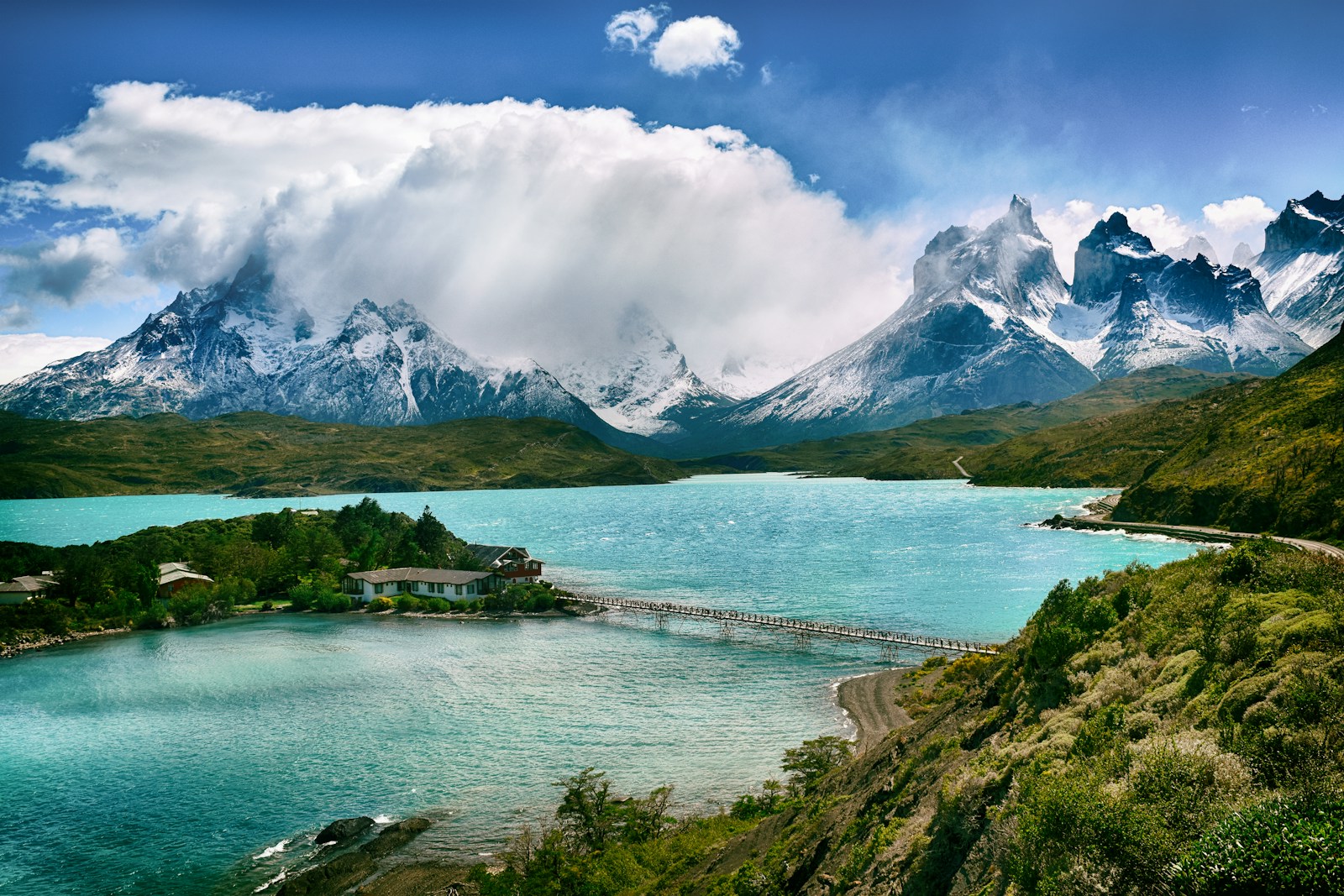
- Wildness: Unpredictable is the name of the game. You can experience sun, rain, snow, and gale-force winds all in one day. Summer (Dec-Feb) is the warmest and most popular, but still expect average highs around 50-60°F (10-15°C) and strong winds. “Expect dampness and wind chill,” says Adventure-Life.com.
- Best Time: Summer (Dec-Feb) for trekking. Shoulder seasons (Nov, Mar) for fewer crowds but slightly cooler, more variable weather.
Understanding these regional nuances is paramount to packing correctly and enjoying your specific Chilean adventure. Speaking of adventures, let’s talk about the best times to visit for specific activities!
Planning Your Chilean Adventure: Best Times to Visit by Activity 🗺️
Chile isn’t just a destination; it’s a playground for every type of traveler. But to truly maximize your experience, you need to align your desired activities with the best weather conditions. Here’s our expert breakdown on when to hit Chile for your specific adventure goals.
Trekking & Hiking in Patagonia: When to Hit the Trails 🚶♀️
Patagonia is a hiker’s paradise, but its weather is famously fickle. You need to pick your window wisely!
- Best Time: December to February (Peak Summer).
- Why: This is when temperatures are at their warmest (though still cool, averaging 50-60°F / 10-15°C), daylight hours are longest (up to 16-17 hours!), and conditions are generally the most stable for multi-day treks like the W-Trek or O-Circuit in Torres del Paine.
- Considerations: This is also peak tourist season, so expect more crowds and higher prices for flights and accommodations. Winds can still be fierce, as Savacations.com warns about the “fierce winds, up to 75 mph” in Patagonian summers.
- Shoulder Season (November & March):
- Why: Fewer crowds, slightly lower prices, and still decent weather. November is warming up, and March is cooling down. Adventure-Life.com recommends the shoulder season (November and March) for Patagonia.
- Considerations: Weather can be more unpredictable, with higher chances of rain, colder temperatures, and stronger winds. Some services might have limited hours or be closed.
- Our Take: For first-timers, stick to December-February. If you’re experienced and want to avoid crowds, November or March are fantastic, but be prepared for all four seasons in one day! Always pack layers, waterproofs, and windproof gear.
Skiing & Snowboarding in the Andes: Powder Perfect Months ⛷️
Chile boasts some incredible ski resorts, often with stunning views of the Andes.
- Best Time: July to September.
- Why: This is Chile’s winter, bringing consistent snowfall to the high Andes. Resorts like Valle Nevado, Portillo, and El Colorado are in full swing. July often sees the best powder, while August and September offer good conditions with longer daylight hours and slightly milder temperatures.
- Considerations: July can be very cold, and access roads to resorts can be temporarily closed due to heavy snowfall. Weekends can be crowded with Santiago locals.
- Our Take: We’ve had some epic powder days in July at Valle Nevado! If you’re a ski or snowboard enthusiast, this is your prime window. Remember to book your lift tickets and accommodation in advance, especially for popular resorts.
Beach Bliss & Coastal Escapes: Sun-Soaked Seasons 🏖️
Chile’s long coastline offers numerous beaches, from the bustling resorts near Valparaíso to the more remote northern stretches.
- Best Time: December to February (Summer).
- Why: This is when the Central and Northern Chilean coasts experience their warmest temperatures and most sunshine. Valparaíso and Viña del Mar are popular, while northern beaches like Iquique and La Serena offer consistent warmth.
- Considerations: Water temperatures are generally cool due to the Humboldt Current, even in summer. Beaches can get very crowded, especially in January and February, as locals flock to the coast.
- Our Take: For a classic beach vacation, summer is the only real option. Don’t expect Caribbean-warm waters, but the sun and coastal vibe are fantastic.
Wine Tasting in the Central Valley: Vineyard Visits by Season 🍷
Chile’s Central Valley is renowned for its world-class wines, and the vineyards offer a different experience depending on the season.
- Best Time: March to May (Autumn/Harvest Season).
- Why: This is the harvest season, a truly magical time to visit. The vineyards are bustling with activity, the air is crisp, and the leaves turn beautiful shades of gold and red. Adventure-Life.com specifically recommends this period as “Favorable for vineyard tours: Harvest season (March to May).”
- Considerations: Some wineries might be very busy with harvest, so book tours in advance.
- Spring (September to November):
- Why: Vineyards are lush and green, and the weather is pleasant for outdoor tastings. Fewer crowds than harvest season.
- Summer (December to February):
- Why: Warm, sunny days are perfect for enjoying outdoor patios and picnics.
- Considerations: Can be very hot, especially in January and February.
- Our Take: While you can visit vineyards year-round, the harvest season in autumn is truly special. We loved seeing the grapes being picked and the energy in the air!
Stargazing in the Atacama Desert: Clear Skies & Cosmic Wonders ✨
The Atacama Desert is one of the best places on Earth for stargazing, thanks to its high altitude, extreme dryness, and minimal light pollution.
- Best Time: June to August (Winter).
- Why: While the Atacama is great for stargazing year-round, winter months offer the clearest, most stable skies with the least atmospheric turbulence. Adventure-Life.com specifically states “Best time for stargazing: June – August (clear skies).”
- Considerations: Nights are extremely cold, often dropping below freezing. Pack serious winter gear.
- Year-Round:
- Why: The Atacama’s dryness means clear skies are common almost any night.
- Considerations: Avoid full moon nights, as the moonlight can wash out fainter stars.
- Our Take: We were absolutely blown away by the Atacama night sky. It’s an experience that will stay with you forever. Just remember to bundle up – we’re talking serious layers, hats, and gloves!
Wildlife Spotting & Nature Photography: Best Chances for Encounters 📸
From guanacos in Patagonia to flamingos in the Atacama, Chile is teeming with incredible wildlife.
- Patagonia (Puma, Guanaco, Condor):
- Best Time: November to March. This is when the national parks are fully open, and wildlife is most active. Pumas are often spotted in Torres del Paine during the shoulder seasons (Nov, Mar) when there are fewer people but still enough prey.
- Atacama (Flamingos, Vicuñas):
- Best Time: Year-round. Flamingos are present in the salt flats throughout the year, though their numbers can fluctuate.
- Chiloé Island (Penguins, Dolphins):
- Best Time: October to March. This is when the Humboldt and Magellanic penguins return to breed.
- Our Take: For general wildlife photography, the warmer months (Nov-Mar) are usually best as animals are more active and accessible. However, specific species might have different peak viewing times, so always research your target!
Packing Smart for Chile’s Varied Weather: Your Essential Checklist 🎒
Okay, we’ve talked about Chile’s wild weather swings, from desert heat to Patagonian gales. So, how do you pack for a country that feels like several different continents rolled into one? The answer, my friends, is layering, layering, layering! This isn’t just a suggestion; it’s the golden rule for any Chilean adventure.
Think of your packing strategy like building an onion – you want to be able to peel off or add layers as the temperature, wind, and sun dictate. Here’s our essential checklist, broken down by region and general must-haves:
General Must-Haves for Any Chilean Trip:
- Versatile Layers:
- Base Layers: Moisture-wicking tops (e.g., Merino wool or synthetic) are crucial. Brands like Smartwool or Icebreaker are excellent.
- Mid-Layers: Fleece jackets (e.g., Patagonia Better Sweater or Columbia Steens Mountain Fleece) or lightweight down jackets (e.g., Arc’teryx Cerium LT Hoody or REI Co-op Down Jacket) for warmth.
- Outer Shell: A waterproof and windproof jacket (e.g., Gore-Tex shell from The North Face or Marmot Minimalist Jacket). This is non-negotiable, especially for the south.
- Footwear:
- Comfortable Walking Shoes: For city exploration (e.g., Allbirds Wool Runners or Brooks running shoes).
- Hiking Boots: Waterproof, broken-in hiking boots with good ankle support if you plan on trekking (e.g., Merrell Moab 3 Mid Waterproof or Salomon X Ultra 4 Mid GTX).
- Sandals/Flip-flops: For warmer regions or relaxing.
- Sun Protection:
- High-SPF Sunscreen: The sun is intense, especially at altitude and in the desert. We swear by Neutrogena Ultra Sheer Dry-Touch Sunscreen SPF 70+.
- Wide-brimmed Hat: Protect your face and neck.
- Sunglasses: Good quality, UV-protective sunglasses (e.g., Ray-Ban Wayfarer or Oakley Holbrook).
- Hydration:
- Reusable Water Bottle: Stay hydrated and reduce plastic waste. We love our Hydro Flask!
- Miscellaneous:
- Small Backpack/Daypack: For daily excursions (e.g., Osprey Daylite Plus).
- Power Bank: Keep your devices charged.
- Universal Travel Adapter: Chile uses Type L and Type C sockets.
- Basic First-Aid Kit: Blister plasters, pain relievers, etc.
Regional Specifics:
For the Arid North (Atacama, Iquique, Antofagasta):
- Warm Layers for Nights: Even if days are hot, desert nights are cold. Pack a warm fleece, a light down jacket, and warm pants. “Bring jackets, sweaters, long pants, gloves, and hats with you!” advises Adventure-Life.com for the Atacama.
- Dust Protection: A bandana or buff can be useful for dusty conditions.
- Swimsuit: If you plan to visit hot springs or coastal areas.
For the Central Zone (Santiago, Valparaíso, Wine Valleys):
- Summer (Dec-Feb): Light, breathable clothing (cotton, linen). Shorts, t-shirts, dresses. A light jacket for evenings.
- Winter (Jun-Aug): Warmer layers, a good waterproof jacket, and an umbrella. Jeans, sweaters, scarves.
- Shoulder Seasons (Mar-May, Sep-Nov): Mix of light and mid-layers. Versatile clothing that can adapt to changing temperatures.
For the Temperate South (Lake District, Patagonia, Punta Arenas):
- Heavy-Duty Waterproofs: A truly waterproof and windproof outer shell is non-negotiable. We’ve seen people get soaked through in minutes!
- Insulated Layers: A warm down jacket or synthetic insulated jacket is essential, even in summer, for warmth and layering under your shell.
- Warm Hat & Gloves: Crucial for combating wind chill.
- Thermal Underwear: For colder months or high-altitude treks.
- Waterproof Hiking Pants: Or quick-drying trekking pants.
- Extra Socks: Wool or synthetic hiking socks (e.g., Darn Tough).
- Gaiters: If you’re hiking in wet or snowy conditions.
Our Anecdote: On our first trip to Patagonia, one of our team members, bless their heart, packed only light “summer” hiking gear for January. They quickly learned that “summer” in Patagonia means “four seasons in one day, with a side of gale-force winds.” They ended up buying a very expensive, very necessary Patagonia Torrentshell 3L Jacket and a Buff Original EcoStretch Multifunctional Headwear on the fly. Lesson learned: invest in good gear for the south!
👉 CHECK PRICE on:
- Patagonia Torrentshell 3L Jacket: Amazon | Patagonia Official Website
- Smartwool Merino 250 Base Layer: Amazon | Smartwool Official Website
- Merrell Moab 3 Mid Waterproof Hiking Boots: Amazon | Merrell Official Website
- Hydro Flask Water Bottle: Amazon | Hydro Flask Official Website
Remember, it’s always better to overpack slightly with layers than to be caught unprepared. Chile’s weather is an adventure in itself, and being well-equipped means you can enjoy every moment, come rain, shine, or gale!
Navigating Chile’s Extreme Weather Events: Tips for Travelers ⚠️
While Chile’s diverse climate offers incredible experiences, it also means the potential for extreme weather events. From the driest desert to the stormiest south, understanding these possibilities and how to prepare can make all the difference for a safe and enjoyable trip. Our team has encountered a few surprises over the years, and we’re here to share what we’ve learned.
1. Desert Sandstorms (Viento Blanco) in the Atacama 🌪️
- What it is: Strong winds can whip up sand and dust, creating low visibility and uncomfortable conditions. While the Atacama is known for clear skies, sandstorms can occur, especially in spring and early summer.
- Impact: Can disrupt tours, make driving hazardous, and cause discomfort for eyes and respiratory systems.
- Our Tip: If you’re planning to explore the Atacama, especially around San Pedro de Atacama, keep an eye on local forecasts. If a “viento blanco” is predicted, consider rescheduling outdoor activities. Always carry protective eyewear (sunglasses or even goggles) and a bandana or buff to cover your mouth and nose. Stay indoors if visibility is severely reduced.
2. Heavy Rainfall & Flooding in Central & Southern Chile ☔
- What it is: While the Central Valley has a dry summer, winters (May-August) can bring significant rainfall, sometimes leading to localized flooding, especially in urban areas or near rivers. The Lake District and Patagonia experience high rainfall year-round.
- Impact: Can cause road closures, mudslides (especially in mountainous areas), and disrupt travel plans.
- Our Tip: If traveling during winter in Central Chile or any time in the south, monitor local news and weather alerts. Use reputable weather apps (more on that later!). If driving, be cautious of flooded roads or areas prone to landslides. Always have a backup plan for accommodation or transportation if your route is affected. We once had a bus trip from Puerto Varas to Bariloche (Argentina) delayed by 12 hours due to a landslide closing the mountain pass – always allow for flexibility!
3. Patagonian Winds (Viento Patagónico) 🌬️
- What it is: These are legendary for a reason! Fierce westerly winds can gust up to 75 mph (120 km/h) in summer, as noted by Savacations.com. They are a constant companion in Patagonia.
- Impact: Can make hiking challenging (or even dangerous), cause wind chill, and affect outdoor activities.
- Our Tip: Embrace it! But also, respect it. Always wear windproof outer layers. Use trekking poles for stability on exposed trails. If winds are exceptionally strong, some trails or viewpoints might be closed for safety – always heed local warnings. We’ve seen people literally blown off their feet in Torres del Paine!
4. Heatwaves in Central Chile 🔥
- What it is: During peak summer (Jan-Feb), Santiago and the Central Valley can experience prolonged periods of very high temperatures, sometimes exceeding 90°F (32°C).
- Impact: Can lead to heat exhaustion, especially if you’re not used to it.
- Our Tip: Stay hydrated! Drink plenty of water. Seek shade during the hottest parts of the day (mid-afternoon). Plan outdoor activities for early mornings or late afternoons. Consider escaping to the cooler coast (Valparaíso, Viña del Mar) for a day or two.
5. Cold Snaps & Snowfall in the Andes ❄️
- What it is: While expected in winter, sudden cold fronts can bring unexpected snow or freezing temperatures to higher elevations, even outside of peak ski season.
- Impact: Can affect road access to mountain areas and make hiking treacherous.
- Our Tip: If your itinerary includes mountain passes or high-altitude treks, always check road conditions (e.g., via Carabineros de Chile or local tourism offices) and weather forecasts before heading out. Carry emergency supplies, even for day trips.
Staying Informed:
- Local News: Keep an eye on local TV news or reputable Chilean news websites (e.g., BioBioChile, Emol) for weather alerts.
- Hotel/Tour Operators: Your accommodation or tour operator will often have the most up-to-date local information and advice. Don’t hesitate to ask!
- Government Agencies: The Dirección Meteorológica de Chile (DMC) is the official meteorological service and provides detailed forecasts and warnings.
While extreme weather can be daunting, with a little preparation and awareness, you can navigate Chile’s wild side safely and still have an incredible adventure.
Climate Change in Chile: Understanding the Long-Term Outlook 🌍
As passionate travelers and advocates for sustainable tourism, our team at Chile Vacay™ believes it’s crucial to acknowledge the broader context of climate change and its impact on the very landscapes we love to explore. Chile, with its unique geography and diverse ecosystems, is particularly vulnerable to the effects of a changing global climate.
What’s Happening in Chile?
Chile is experiencing significant and visible impacts of climate change across its distinct regions:
- Prolonged Drought in Central Chile: The central region, including Santiago, has been grappling with a severe megadrought for over a decade. This has led to water scarcity issues, affecting agriculture, urban water supply, and hydropower generation. Rivers are drying up, and reservoirs are at historically low levels. This phenomenon is well-documented by sources like the World Bank and various scientific studies.
- Glacier Retreat in Patagonia: Chile’s stunning Patagonian glaciers, vital freshwater reserves and iconic tourist attractions, are retreating at an alarming rate. This is a direct consequence of rising global temperatures, impacting ecosystems and potentially contributing to sea-level rise. Research from institutions like the University of Chile consistently highlights this rapid melt.
- Increased Forest Fires: Warmer, drier conditions, especially in central and southern Chile, are contributing to more frequent and intense forest fires, devastating natural habitats and impacting air quality.
- Changes in Ocean Currents and Marine Life: The Pacific Ocean, a major influence on Chile’s climate, is also experiencing changes. Ocean warming and acidification can affect the rich marine biodiversity along Chile’s extensive coastline, impacting fishing communities and ecosystems.
What Does This Mean for Travelers?
While these are long-term trends, they can have tangible effects on your travel experience:
- Water Conservation: You might notice increased awareness and efforts around water conservation, especially in central Chile. Be mindful of your water usage during your stay.
- Landscape Changes: Glacial landscapes might appear different than historical photos, and some areas might show signs of drought.
- Seasonal Shifts: While our monthly guide provides averages, be aware that weather patterns can become more unpredictable, with more extreme heat or rainfall events.
- Responsible Tourism: Choosing eco-friendly tour operators, minimizing your environmental footprint, and supporting local conservation efforts become even more important.
Our Perspective:
It’s a sobering reality, but one we believe travelers should be aware of. The beauty of Chile is immense, and by understanding these challenges, we can all become more responsible visitors. Supporting local communities and businesses that are adapting to these changes, and choosing sustainable travel options, can contribute positively to Chile’s future. Let’s cherish these incredible landscapes and do our part to protect them for generations to come.
Decoding Chilean Weather Forecasts: Apps & Resources for Travelers 📱
You’ve got your layers packed, your itinerary planned, and you’re ready for anything Chile throws at you. But how do you get the most accurate, up-to-date weather information while you’re on the ground? Relying solely on a general Google search might not cut it for a country with such diverse microclimates. Here’s how our team at Chile Vacay™ stays informed and our top recommendations for decoding Chilean weather forecasts.
Why Local Forecasts Matter in Chile:
Global weather apps are great for a general overview, but for Chile, local precision is key. A forecast for “Chile” might tell you it’s 70°F, but that could be the perfect beach day in Iquique while it’s snowing in the Andes near Santiago, and gale-force winds are ripping through Patagonia. Local sources often have more granular data, especially for specific mountain ranges, coastal areas, or remote regions.
Our Go-To Weather Apps & Websites:
-
Dirección Meteorológica de Chile (DMC):
- What it is: This is Chile’s official meteorological service. Think of it as Chile’s version of the National Weather Service.
- Why we recommend it: It’s the most authoritative source for national weather, including official warnings for extreme events. Their website is comprehensive, offering satellite imagery, radar, and detailed forecasts for various regions and cities.
- Link: DMC Official Website
- Our Tip: While the website is in Spanish, the symbols and numbers are universal. It’s worth bookmarking, especially for checking conditions in remote areas or before heading into the mountains.
-
AccuWeather / The Weather Channel / Google Weather:
- What they are: Popular international weather apps and websites.
- Why we recommend them: Great for general, easy-to-understand forecasts for major cities. They often have user-friendly interfaces and English language options.
- Our Tip: Use these for a quick glance at temperatures and general conditions in urban areas. Cross-reference with a more local source if you’re heading into a specific microclimate (e.g., high Andes, remote Patagonia).
-
Windy.com:
- What it is: A fantastic app and website for wind, waves, and weather patterns.
- Why we recommend it: Absolutely invaluable for Patagonia! If you’re hiking, sailing, or just want to understand why the trees are bending sideways, Windy.com provides incredibly detailed wind forecasts, including gusts. It’s also great for seeing precipitation and cloud cover.
- Link: Windy.com Website
- Our Tip: Download this app if you’re going anywhere south of Santiago. It’s a game-changer for planning outdoor activities in windy regions.
-
Local Tourism Offices & Park Rangers:
- What they are: The people on the ground!
- Why we recommend them: For hyper-local, real-time conditions, especially in national parks or remote areas, these are your best bet. Park rangers in places like Torres del Paine will have the most accurate information on trail closures, wind warnings, and specific mountain conditions.
- Our Tip: Always check in with the local CONAF (National Forest Corporation) office or park entrance when entering a national park for the latest updates.
Decoding the Forecast: Key Metrics to Watch For:
- Temperature (Temperatura): Obvious, but pay attention to both high and low, especially for desert and mountain regions where diurnal swings are huge.
- Precipitation (Precipitación): Look for rain (lluvia) or snow (nieve). The amount (mm or inches) is crucial.
- Wind (Viento): This is critical in Patagonia. Look for speed (km/h or mph) and direction. High wind speeds can make even mild temperatures feel freezing.
- Humidity (Humedad): Important for comfort, especially in coastal or tropical areas like Easter Island.
- UV Index (Índice UV): Very high in Chile, especially in the desert and at altitude. Always check and apply sunscreen!
- Visibility (Visibilidad): Relevant for foggy coastal areas or dusty desert conditions.
By combining these resources and understanding the key metrics, you’ll be a Chilean weather pro in no time. Staying informed means staying safe and making the most of every incredible moment this country has to offer!
Conclusion: Your Perfect Chilean Weather Companion ✅
Phew! What a whirlwind tour through Chile’s climatic tapestry. From the sun-drenched Atacama Desert to the wind-whipped fjords of Patagonia, Chile’s weather is as diverse and dramatic as its landscapes. But now, armed with this month-by-month guide, regional breakdowns, and insider tips from the Chile Vacay™ team, you’re ready to tackle Chile’s weather like a pro.
Remember our early tease about packing smart? It’s no joke. Whether you’re chasing the summer sun on the coast, hiking Patagonia’s rugged trails, or skiing the Andes’ powder, layering and preparation are your best friends. And don’t forget to check local forecasts regularly—Chile’s weather can surprise even the most seasoned travelers!
If you’re planning your trip around specific activities—be it stargazing in the Atacama’s crystal-clear skies, savoring wines during harvest season, or braving the Patagonian winds—aligning your visit with the right season will elevate your experience from good to unforgettable.
So, what’s the final word? Chile’s weather might be complex, but it’s also part of the country’s magic. Embrace the variety, pack smart, stay informed, and you’ll have a trip filled with breathtaking moments, no matter the forecast.
Ready to start planning? Check out our related guide on What are the best times to visit Chile for a vacation? for even more tailored advice.
Happy travels and clear skies! 🌞🌧️❄️
Recommended Links: Further Reading & Resources 🔗
Ready to gear up for your Chilean adventure? Here are some of our favorite products and resources to help you pack smart and travel prepared:
-
Patagonia Torrentshell 3L Jacket:
Amazon | Patagonia Official Website -
Smartwool Merino 250 Base Layer:
Amazon | Smartwool Official Website -
Merrell Moab 3 Mid Waterproof Hiking Boots:
Amazon | Merrell Official Website -
Hydro Flask Water Bottle:
Amazon | Hydro Flask Official Website -
Neutrogena Ultra Sheer Dry-Touch Sunscreen SPF 70+:
Amazon -
Books for Chile Travel & Weather Insights:
“Lonely Planet Chile & Easter Island” – Amazon
“Moon Chile” by Kelly McCarthy – Amazon
“The Rough Guide to Chile” – Amazon
FAQ: Your Top Chile Weather Questions Answered ❓
What is the best time to visit Chile for outdoor activities?
The best time depends on your activity and region:
- Patagonia trekking: December to February offers the warmest weather and longest daylight hours, ideal for hiking. Shoulder seasons (November and March) are less crowded but more unpredictable.
- Skiing in the Andes: July to September is peak ski season with reliable snow.
- Beach vacations: December to February is summer along the coast, perfect for sunbathing and water sports.
- Wine tours: March to May (harvest season) provides a vibrant vineyard experience with pleasant temperatures.
In general, summer months (December to February) are best for most outdoor activities nationwide, but always consider regional variations.
Read more about “When to Visit Chile for Outdoor Activities: 11 Ultimate Seasonal Tips (2025) 🌄”
What are the average temperatures in Chile during the summer months?
Summer in Chile (December to February) sees:
- Northern Chile (Atacama Desert, Iquique): Daytime highs around 75-88°F (24-31°C), cooler nights.
- Central Chile (Santiago, Valparaíso): Highs between 85-88°F (29-31°C), lows around 50-55°F (10-13°C).
- Southern Chile (Patagonia, Lake District): Cooler, with highs around 52-61°F (11-16°C), but with long daylight hours.
These averages reflect general trends; microclimates and altitude can cause significant variation.
Read more about “How Chile’s Weather Changes by Region + 10 Best Seasonal Activities 🌦️ (2025)”
How does the weather vary in different regions of Chile throughout the year?
Chile’s weather varies dramatically due to its length and geography:
- North: Arid desert climate with hot days and cold nights, almost no rainfall year-round.
- Central: Mediterranean climate with hot, dry summers and mild, wet winters.
- South: Temperate to subpolar oceanic climate with cool temperatures, high rainfall, and strong winds, especially in Patagonia.
Seasonal shifts are pronounced in central and southern zones, while the north remains relatively stable but with extreme temperature swings between day and night.
Read more about “Ultimate Chilean Tourist Season Calendar: 8 Must-Know Travel Windows (2025) 🌎”
Are there any extreme weather conditions I should be prepared for when traveling to Chile?
Yes, travelers should be aware of:
- Desert sandstorms (viento blanco) in the Atacama, which can reduce visibility and cause discomfort.
- Heavy rainfall and flooding in central and southern Chile during winter months.
- Fierce Patagonian winds that can gust up to 75 mph, affecting outdoor activities.
- Heatwaves in central Chile during summer, requiring sun protection and hydration.
- Sudden cold snaps and snowfall in the Andes, even outside of winter.
Preparation with appropriate gear and monitoring local forecasts is essential for a safe trip.
Read more about “20 Must-See Chile Tourist Attractions for Unforgettable Adventures (2025) 🇨🇱”
How reliable are Chile’s weather forecasts and which resources should I trust?
Chile’s official meteorological service, the Dirección Meteorológica de Chile (DMC), provides the most accurate and detailed forecasts. For wind and mountain conditions, Windy.com is invaluable, especially in Patagonia. Popular global apps like AccuWeather and The Weather Channel offer good general forecasts but should be cross-checked with local sources. Always consult local tourism offices or park rangers for real-time conditions in remote or mountainous areas.
Can I experience multiple seasons in one day in Chile?
Absolutely! Especially in Patagonia and the Andes, weather can shift rapidly. It’s common to experience sunshine, rain, wind, and even snow all within a single day. This unpredictability is part of Chile’s charm but reinforces the need for versatile clothing and flexible plans.
Read more about “Chile’s Peak & Off-Peak Tourist Seasons Explained (2025) 🌎”
Reference Links: Our Sources & Data 📚
- Savacations: Chile Weather Overview
- Timeanddate.com: Santiago Climate Data
- Adventure-Life: Chile Weather Guide
- Dirección Meteorológica de Chile (DMC)
- Patagonia Official Website
- Smartwool Official Website
- Merrell Official Website
- Hydro Flask Official Website
- Neutrogena Official Website
- Lonely Planet Chile & Easter Island on Amazon
For an in-depth look at Chile’s climate and average temperatures, check out the comprehensive guide at Adventure-Life’s Chile Weather article.
Ready to embrace Chile’s incredible weather and landscapes? Pack smart, plan well, and let the adventure begin! 🌎✨