Support our educational content for free when you purchase through links on our site. Learn more
When to Visit Chile for Outdoor Activities: 11 Ultimate Seasonal Tips (2025) 🌄

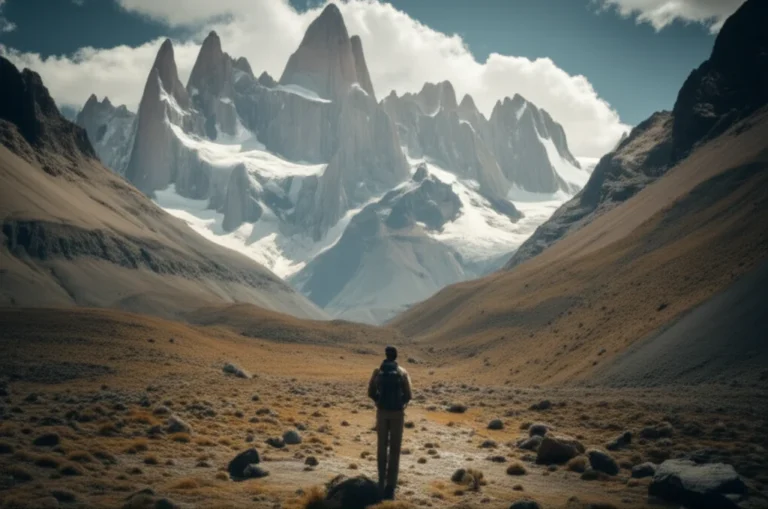
Picture this: you’re standing at the base of Torres del Paine, the wind whipping through your hair, the jagged peaks glowing golden in the late afternoon sun. But wait—did you pick the right time of year for this epic trek? Timing your trip to Chile’s diverse outdoors can make or break your adventure, from skiing pristine Andes slopes in July to stargazing under the Atacama’s crystal-clear skies in October.
In this guide, we unravel the mystery of when to visit Chile for outdoor activities by breaking down the country’s unique climate zones and seasons. We’ll share insider tips on the best months for trekking, skiing, surfing, wildlife spotting, and even wine tasting. Plus, we’ll reveal how to dodge crowds, save money, and pack smart so you’re ready for anything Chile throws your way. Ready to discover your perfect Chilean adventure window? Let’s dive in!
Key Takeaways
- Chile’s seasons are opposite to the Northern Hemisphere, so plan accordingly—summer runs December to February.
- Patagonia trekking peaks in summer, but shoulder seasons offer fewer crowds and stunning fall colors.
- Skiing and snowboarding thrive in Chile’s winter (June–August), perfect for escaping the Northern summer heat.
- Atacama Desert stargazing is best from March to November, when skies are clearest.
- Plan your trip around specific activities: hiking, surfing, wildlife viewing, or wine tours each have ideal seasons.
- Book popular destinations and gear early, especially for peak seasons.
- Pack layers and sun protection—Chile’s weather can be wildly unpredictable!
- Explore sustainable tourism options to preserve Chile’s breathtaking landscapes.
Ready to gear up? Check out our favorite outdoor essentials:
- Patagonia Torrentshell Waterproof Jacket: Amazon | Patagonia Official Website
- Merrell Moab 3 Hiking Boots: Amazon | Merrell Official Website
- REI Co-op Multi-day Trekking Backpack: Amazon | REI Official Website
Table of Contents
- ⚡️ Quick Tips and Facts
- 🗺️ Unveiling Chile’s Geographic Tapestry: A Climate Overview for Adventurers
- 🗓️ Decoding Chile’s Seasons: When the Southern Hemisphere Shines Brightest
- 1. ☀️ Summer Adventures (December – February): Patagonia’s Peak & Atacama’s Heat
- 2. 🍂 Autumn’s Golden Embrace (March – May): Fewer Crowds, Vibrant Hues
- 3. ❄️ Winter Wonderland (June – August): Skiing, Snowboarding & Desert Escapes
- 4. 🌸 Spring Awakening (September – November): Wildflowers, Whitewater & Whale Watching
- 🎯 Choosing Your Adventure: Best Time for Specific Outdoor Pursuits
- 5. 🥾 Trekking the Majestic Andes & Patagonia
- 6. ⛷️ Conquering the Slopes: Skiing & Snowboarding
- 7. 🏄♀️ Riding the Waves: Surfing & Water Sports
- 8. 🏜️ Exploring the Martian Landscape: Atacama Desert Expeditions
- 9. 🐧 Spotting Wildlife: From Penguins to Pumas
- 10. 🚴♀️ Cycling & Wine Tasting in the Central Valley
- 11. ✨ Stargazing Under Pristine Skies
- 💰 Navigating the Crowds & Costs: High Season vs. Shoulder Season
- 🎒 Packing Smart: Your Essential Gear Guide for Chilean Adventures
- ⚕️ Staying Safe & Sound: Health and Altitude Considerations
- 💖 Our Chile Vacay™ Team’s Top Seasonal Picks & Unforgettable Moments
- 🎉 Beyond the Calendar: Incorporating Chilean Festivals & Events into Your Trip
- 🌱 Treading Lightly: Sustainable Outdoor Tourism in Chile
- ✅ Conclusion: Your Perfect Chilean Adventure Awaits!
- 🔗 Recommended Links
- ❓ FAQ
- 📚 Reference Links
⚡️ Quick Tips and Facts
Alright, adventure seekers! Before we dive headfirst into the majestic landscapes of Chile, let’s arm you with some quick intel. Think of this as your cheat sheet to conquering the Chilean outdoors! 😉
- Best Time for Patagonia Trekking: December to February (summer in the Southern Hemisphere) offers the most stable weather. ☀️
- Atacama Desert Stargazing: The dry season (March to November) provides the clearest skies. ✨
- Ski Season: June to August is prime time for hitting the slopes in the Andes. ⛷️
- Visa Requirements: Check your country’s specific requirements before you go! Chile Visa Information
- Currency: Chilean Peso (CLP). Credit cards are widely accepted in urban areas. 💳
- Language: Spanish. Brush up on some basic phrases – it’ll enhance your experience! 🗣️
- Altitude Sickness: Be aware of altitude, especially in the north. Acclimatize gradually and stay hydrated. ⛰️
- Sun Protection: The sun is intense, even in winter. Pack sunscreen, sunglasses, and a hat. 🧴
- Book in Advance: Popular destinations like Torres del Paine require reservations, especially during peak season. 🗓️
- Leave No Trace: Respect the environment and pack out everything you pack in. ♻️
🗺️ Unveiling Chile’s Geographic Tapestry: A Climate Overview for Adventurers
Chile, a ribbon of land stretching down the southwestern coast of South America, boasts an astonishing diversity of climates and landscapes. From the arid Atacama Desert in the north – the driest non-polar desert on Earth – to the glacial fjords and towering peaks of Patagonia in the south, Chile offers a playground for every type of outdoor enthusiast. Understanding this geographic tapestry is key to planning your perfect adventure.
- The North (Atacama Desert): Expect scorching days and cold nights. Rainfall is rare, making it ideal for stargazing and desert exploration.
- Central Chile (Santiago, Valparaíso): A Mediterranean climate with warm, dry summers and mild, wet winters. Perfect for wine tasting and coastal adventures.
- The Lake District: Temperate rainforest climate with abundant rainfall. Lush forests, stunning lakes, and volcanic landscapes await.
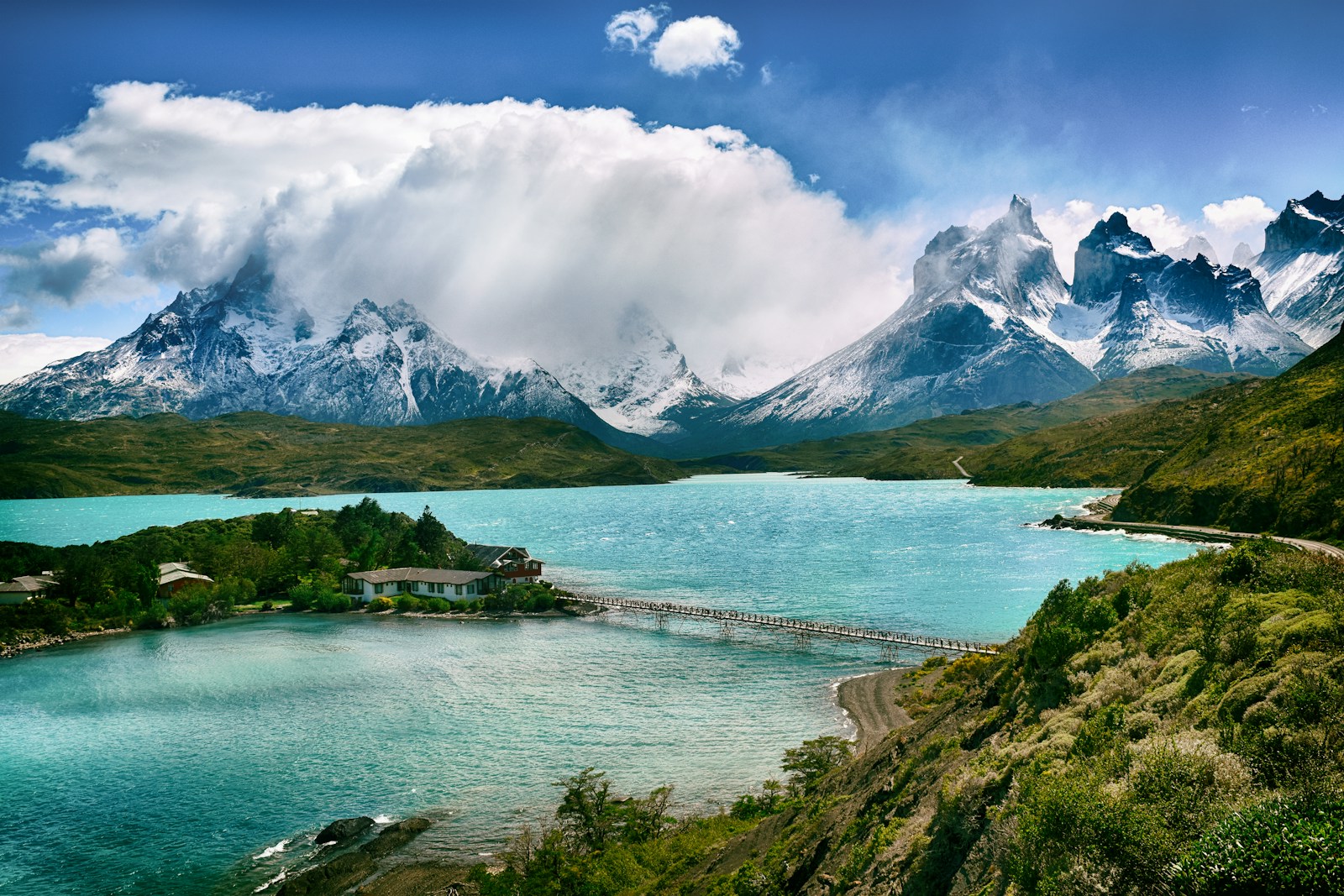
- Patagonia: Known for its unpredictable weather, including strong winds, rain, and sunshine, all in the same day! Be prepared for anything.
For more information on Chile’s climate zones, check out this resource: Chile Climate Information.
🗓️ Decoding Chile’s Seasons: When the Southern Hemisphere Shines Brightest
Since Chile is in the Southern Hemisphere, its seasons are opposite to those in the Northern Hemisphere. This means that when it’s winter up north, it’s summer down south! Let’s break down each season to help you decide what are the best times to visit Chile for a vacation? (🔗 Chile Vacay™) for your dream outdoor adventure.
1. ☀️ Summer Adventures (December – February): Patagonia’s Peak & Atacama’s Heat
Summer in Chile is synonymous with Patagonia’s peak season. The weather is (relatively) stable, making it the best time for trekking in Torres del Paine National Park and exploring the Chilean fjords. However, be prepared for crowds and higher prices. In the Atacama Desert, summer brings intense heat, so plan your activities for early mornings and late afternoons.
2. 🍂 Autumn’s Golden Embrace (March – May): Fewer Crowds, Vibrant Hues
Autumn is a shoulder season that offers a sweet spot between good weather and fewer tourists. Patagonia’s landscapes transform into a tapestry of golden hues, creating stunning photo opportunities. The Central Valley is perfect for wine tasting as the grape harvest gets underway.
3. ❄️ Winter Wonderland (June – August): Skiing, Snowboarding & Desert Escapes
Winter is ski season in the Andes! Resorts near Santiago and in the Lake District offer excellent skiing and snowboarding opportunities. The Atacama Desert experiences milder temperatures during the day, making it a great time for exploring its otherworldly landscapes.
4. 🌸 Spring Awakening (September – November): Wildflowers, Whitewater & Whale Watching
Spring brings a burst of wildflowers to the Atacama Desert, transforming the arid landscape into a colorful spectacle. The rivers in the Lake District swell with snowmelt, making it ideal for whitewater rafting. It’s also a great time for whale watching along the coast.
🎯 Choosing Your Adventure: Best Time for Specific Outdoor Pursuits
Okay, so you know the seasons, but what if you have a specific activity in mind? Let’s break it down further to help you pinpoint the perfect time for your chosen adventure.
5. 🥾 Trekking the Majestic Andes & Patagonia
- Best Time: December to February (Patagonia), April-May & September-October (Andes)
- Why: Patagonia offers the most stable weather during summer, but be prepared for crowds. The shoulder seasons in the Andes provide pleasant temperatures and fewer hikers.
- Considerations: Book accommodations and permits well in advance, especially for Torres del Paine.
6. ⛷️ Conquering the Slopes: Skiing & Snowboarding
- Best Time: June to August
- Why: This is the heart of the ski season in the Andes, with reliable snow conditions.
- Considerations: Check snow reports and book lift tickets in advance, especially during weekends and holidays.
7. 🏄♀️ Riding the Waves: Surfing & Water Sports
- Best Time: Year-round, but varies by region
- Why: Arica in the north offers warm water and consistent waves throughout the year. Central Chile is best during summer and autumn.
- Considerations: Water temperatures can be chilly, so consider a wetsuit.
8. 🏜️ Exploring the Martian Landscape: Atacama Desert Expeditions
- Best Time: March to November
- Why: The dry season offers the clearest skies for stargazing and comfortable daytime temperatures.
- Considerations: Be prepared for extreme temperature swings between day and night.
9. 🐧 Spotting Wildlife: From Penguins to Pumas
- Best Time: Varies by species and location
- Why: Penguin colonies are most active during the breeding season (October to March). Puma sightings are more common during winter in Patagonia.
- Considerations: Respect wildlife and maintain a safe distance.
10. 🚴♀️ Cycling & Wine Tasting in the Central Valley
- Best Time: March to May (autumn)
- Why: Pleasant temperatures, fewer crowds, and the grape harvest make this the perfect time for cycling through vineyards and indulging in wine tastings.
- Considerations: Book wine tours in advance, especially during weekends.
11. ✨ Stargazing Under Pristine Skies
- Best Time: March to November (Atacama Desert)
- Why: The Atacama Desert boasts some of the darkest and clearest skies in the world, thanks to its high altitude, dry climate, and lack of light pollution.
- Considerations: Check the lunar calendar for optimal viewing conditions (new moon is best).
💰 Navigating the Crowds & Costs: High Season vs. Shoulder Season
Let’s talk about the elephant in the room: budget and crowds. Chile’s peak season (summer in Patagonia, winter for skiing) comes with higher prices for flights, accommodations, and tours. You’ll also be sharing the trails with more people.
- High Season (December-February, June-August): Expect higher prices and more crowds. Book well in advance!
- Shoulder Season (March-May, September-November): Offers a balance between good weather, fewer crowds, and lower prices.
- Low Season (Winter in Patagonia): Some services may be limited or closed, but you’ll find the best deals and have the landscapes largely to yourself.
🎒 Packing Smart: Your Essential Gear Guide for Chilean Adventures
Packing for Chile can be tricky, given the diverse climates. Here’s a general guide to get you started:
- Layers: Essential for adapting to changing weather conditions.
- Waterproof Jacket: Patagonia’s weather is notoriously unpredictable.
- Hiking Boots: Sturdy and comfortable for trekking.
- Sunscreen, Sunglasses, Hat: The sun is intense, even in winter.
- Insect Repellent: Especially important in the Lake District and Patagonia.
- First-Aid Kit: Include essentials like pain relievers, bandages, and antiseptic wipes.
- Adapter: Chile uses Type C and L plugs.
- Camera: To capture the stunning landscapes!
⚕️ Staying Safe & Sound: Health and Altitude Considerations
Your health and safety are paramount. Here are some things to keep in mind:
- Altitude Sickness: If you’re traveling to high-altitude areas like the Atacama Desert, acclimatize gradually and stay hydrated. Consult your doctor about altitude sickness medication.
- Food and Water Safety: Drink bottled or purified water. Be cautious of street food.
- Travel Insurance: Highly recommended to cover medical expenses, trip cancellations, and lost luggage. Compare travel insurance plans on Tripadvisor.
- Emergency Numbers:
- Police: 133
- Fire: 132
- Ambulance: 131
💖 Our Chile Vacay™ Team’s Top Seasonal Picks & Unforgettable Moments
Okay, time for some personal recommendations from the Chile Vacay™ team! We’ve explored every corner of this incredible country, and here are some of our favorite seasonal experiences:
- Sarah: “Trekking the W Circuit in Torres del Paine during shoulder season (March) was magical. The fall colors were breathtaking, and the crowds were minimal.”
- Mark: “Skiing in Valle Nevado during July was an adrenaline rush! The snow was perfect, and the views were incredible.”
- Emily: “Stargazing in the Atacama Desert in October was a life-changing experience. The Milky Way was so clear, it felt like I could reach out and touch it.”
- David: “Cycling through the vineyards of the Casablanca Valley in April was a sensory delight. The crisp air, the vibrant colors, and the delicious wine – perfect!”
🎉 Beyond the Calendar: Incorporating Chilean Festivals & Events into Your Trip
To truly immerse yourself in Chilean culture, consider timing your trip to coincide with a local festival or event. Here are a few highlights:
- Fiestas Patrias (September 18th): Chile’s Independence Day celebrations, with traditional food, music, and dancing.
- La Tirana Festival (July 16th): A vibrant religious festival in northern Chile, with colorful costumes and energetic dances.
- Vendimia (March-April): Wine harvest festivals in the Central Valley, with grape stomping, wine tastings, and parades.
🌱 Treading Lightly: Sustainable Outdoor Tourism in Chile
As responsible travelers, it’s crucial to minimize our impact on the environment. Here are some tips for practicing sustainable tourism in Chile:
- Choose eco-friendly accommodations and tour operators.
- Respect wildlife and their habitats.
- Pack out all your trash.
- Conserve water and energy.
- Support local communities by buying local products and services.
- Leave No Trace: Stick to marked trails, avoid disturbing vegetation, and minimize campfire use.
By following these guidelines, we can help preserve Chile’s natural beauty for future generations.
✅ Conclusion: Your Perfect Chilean Adventure Awaits!
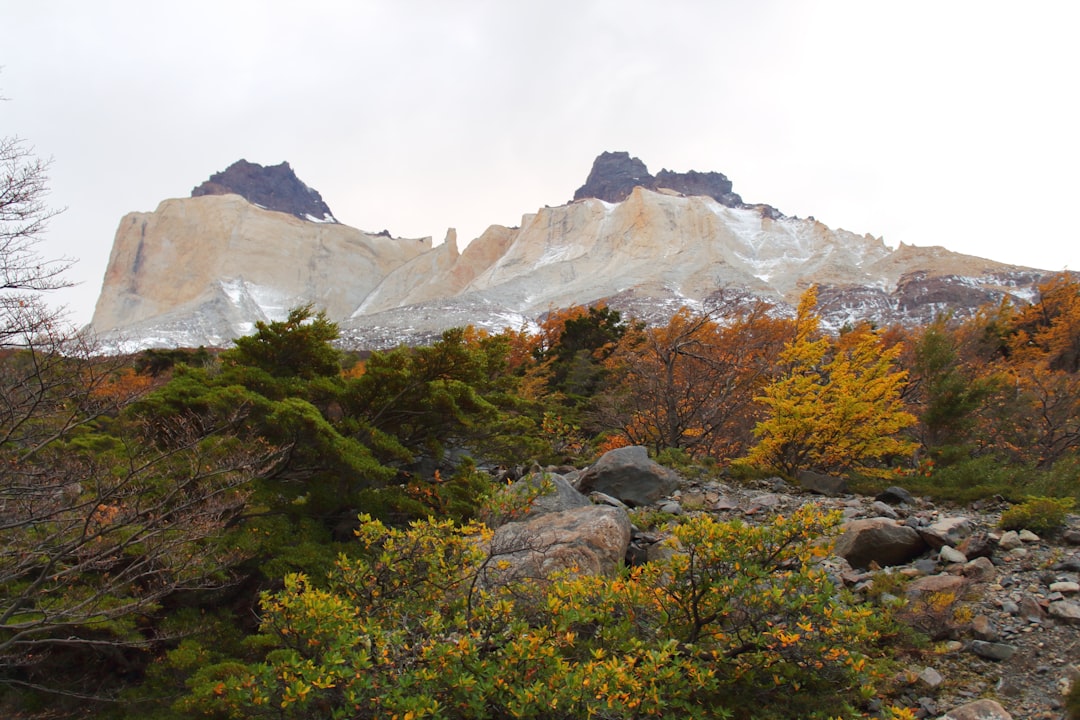
Phew! What a whirlwind tour through Chile’s spectacular outdoor playground. From the sun-drenched deserts of Atacama to the wind-whipped peaks of Patagonia, Chile offers something for every adventurer, every season. Whether you’re chasing the thrill of skiing in the Andes during the Southern Hemisphere winter or basking in the golden hues of autumn while trekking Torres del Paine, the key takeaway is this: there’s no one-size-fits-all “best time” to visit Chile for outdoor activities. It all depends on what you want to experience.
Here’s the bottom line from your Chile Vacay™ team:
- Summer (Dec-Feb) is your go-to for Patagonia trekking and coastal adventures but expect crowds.
- Shoulder seasons (Mar-May & Sep-Nov) offer fewer tourists, stunning landscapes, and great weather for most activities.
- Winter (Jun-Aug) is perfect for skiing and desert exploration with milder temperatures.
- Always plan according to your chosen activity, and don’t forget to pack smart and stay safe!
By now, you should feel empowered to pick the perfect window for your Chilean escapade, whether it’s chasing stars in the Atacama, cycling through vineyards, or conquering the Andes slopes. Remember, Chile’s diverse climates mean your adventure can be tailored to your heart’s desire—just like we’ve done on our many trips!
Ready to start planning? Dive into our recommended gear and resources below, and let Chile’s breathtaking outdoors sweep you off your feet. 🌄
🔗 Recommended Links
Looking to gear up for your Chile adventure? Here are some top picks and resources to get you started:
- Patagonia Torrentshell Waterproof Jacket: Amazon | Patagonia Official Website
- Merrell Moab 3 Hiking Boots: Amazon | Merrell Official Website
- Columbia Omni-Tech Waterproof Jacket: Amazon | Columbia Official Website
- REI Co-op Multi-day Trekking Backpack: Amazon | REI Official Website
- Books on Chilean Travel and Adventure:
❓ FAQ
What are the best outdoor activities to do in Chile during the summer months?
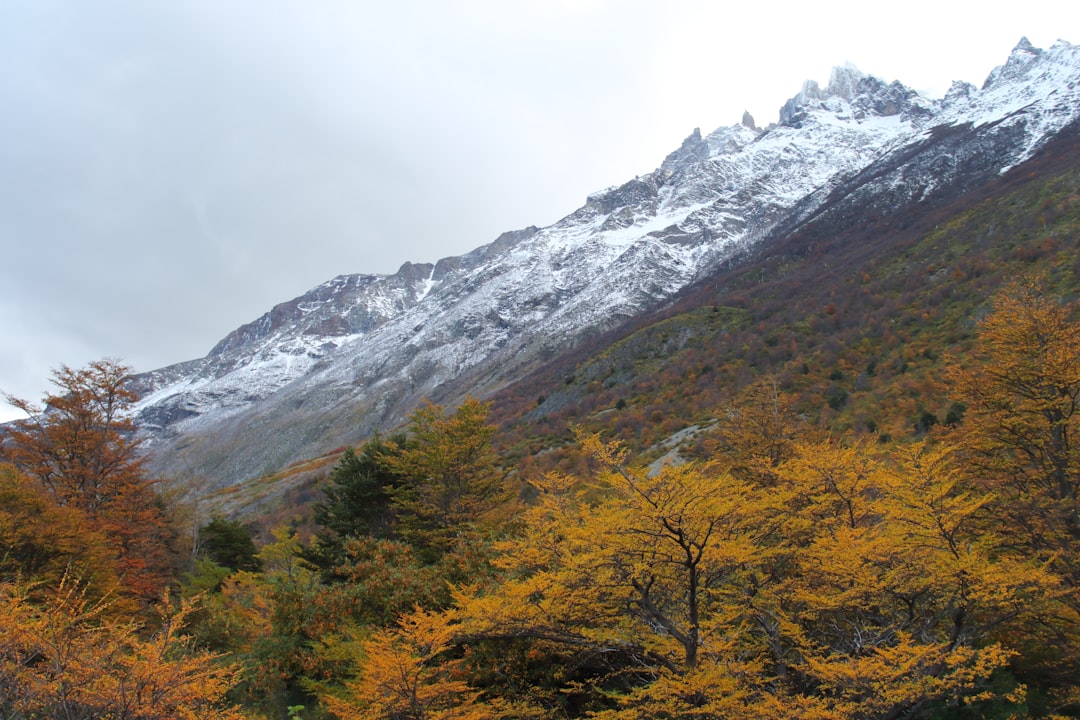
Summer (December to February) is the prime time for trekking in Patagonia’s Torres del Paine National Park, where the weather is the most stable and trails are fully accessible. It’s also ideal for exploring the Lake District’s lakes and volcanoes, as well as surfing along the central and northern coasts. However, expect higher visitor numbers and book accommodations early. For desert lovers, the Atacama Desert is hot but manageable with early morning and late afternoon excursions.
Read more about “How Chile’s Weather Changes by Region + 10 Best Seasonal Activities 🌦️ (2025)”
What is the weather like in the Andes mountains during the peak hiking season in Chile?
During the peak hiking season in summer (Dec-Feb), the Andes experience relatively mild temperatures, ranging from 10°C to 20°C (50°F to 68°F) during the day, but nights can be chilly. Weather can be unpredictable, with sudden rain or strong winds, especially in Patagonia. It’s essential to pack layers and waterproof gear. Snow is mostly confined to higher elevations, but some trails may still have patches of snow.
Read more about “Chile’s Peak & Off-Peak Tourist Seasons Explained (2025) 🌎”
Are there any specific festivals or events in Chile that outdoor enthusiasts should plan their trips around?
Absolutely! Timing your visit with local festivals enriches your experience:
- Fiestas Patrias (September 18th): Celebrate Chile’s independence with traditional food, dance, and outdoor festivities.
- La Tirana Festival (July 16th): A vibrant cultural and religious festival in northern Chile, perfect for those exploring the Atacama region.
- Vendimia (March-April): The grape harvest season in the Central Valley, ideal for combining cycling and wine tasting.
Planning around these events can add a cultural dimension to your outdoor adventures.
Can I ski in Chile during the North American summer months, and if so, what are the best ski resorts to visit?
Yes! Chile’s winter season runs from June to August, which coincides with the North American summer. This makes it a fantastic destination for skiing and snowboarding when it’s hot back home. The top ski resorts include:
- Valle Nevado: The largest ski resort in South America, just a short drive from Santiago.
- Portillo: Known for its stunning mountain scenery and excellent snow quality.
- La Parva: Popular with locals and offers varied terrain for all skill levels.
These resorts offer modern facilities and breathtaking views of the Andes.
How can I prepare for altitude sickness when visiting high-altitude regions like the Atacama Desert?
Altitude sickness can affect anyone, regardless of fitness level. To prepare:
- Acclimatize gradually: Spend a day or two at intermediate altitudes before ascending higher.
- Stay hydrated: Drink plenty of water and avoid alcohol.
- Eat light meals: Heavy meals can exacerbate symptoms.
- Consider medication: Consult your doctor about acetazolamide (Diamox).
- Recognize symptoms: Headache, nausea, dizziness, and fatigue are common signs. Descend immediately if symptoms worsen.
Taking these precautions will help you enjoy your high-altitude adventures safely.
What’s the best way to get around Chile for outdoor activities?
Chile’s long and narrow geography means travel times can be significant. Here’s what we recommend:
- Domestic flights: Efficient for covering large distances, especially between Santiago, Calama (Atacama), and Punta Arenas (Patagonia).
- Car rentals: Ideal for exploring regions like the Lake District and Central Valley at your own pace.
- Guided tours: Great for remote areas like Torres del Paine or Atacama, where local expertise enhances safety and experience.
Plan your itinerary carefully to maximize your time outdoors.
Read more about “When to Visit Chile’s National Parks for Hiking: 9 Best Seasons (2025) 🌄”
📚 Reference Links
- Chile Official Tourism Website – Adventure and Sports
- Patagonia National Park Official Site
- Atacama Desert Weather and Travel Tips – MeteoChile
- Valle Nevado Ski Resort
- La Parva Ski Resort
- Portillo Ski Resort
- Chile Visa Information
- TripAdvisor Travel Insurance Comparison
- Visit Pueblo, Colorado – Official Travel and Tourism
- Southern Colorado Trail Builders
- Gravel Adventure Field Guide
Ready to embark on your Chilean adventure? Whether you’re hiking, skiing, or stargazing, Chile’s diverse landscapes and seasons have got you covered. Happy travels from your Chile Vacay™ team! 🌎✨